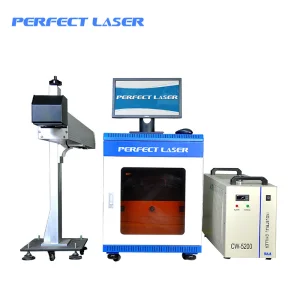
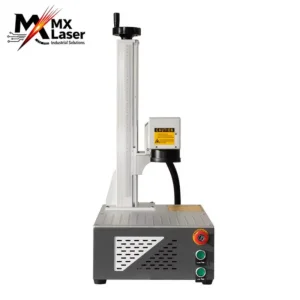
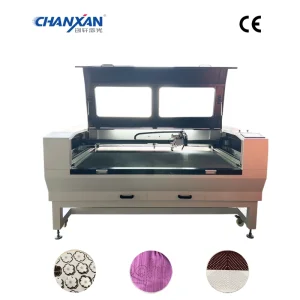
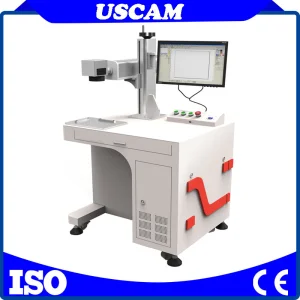
Engineered to meet the stringent technical specifications of Britain's manufacturing sectors, from heavy machinery trace marking to high-speed bottling lines.
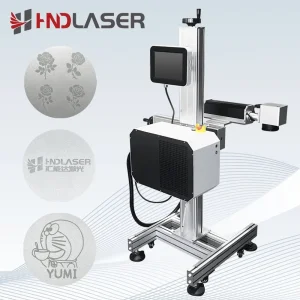
The manufacturing and industrial landscape of the United Kingdom is undergoing a significant transformation. Following regulatory shifts such as post-Brexit UKCA compliance, British factories require highly secure, permanent, and traceable marking solutions. From the aerospace clusters in the Midlands and the South West to the automotive manufacturing hubs in the North East, laser marking technology is replacing old ink-based and mechanical marking systems.
In addition, the UK’s commitment to achieving Net-Zero carbon emissions by 2050 has forced manufacturers to evaluate their supply chain carbon footprints. Chemical etching and continuous inkjet (CIJ) printers, which rely on heavy chemical solvents, consumable inks, and hazardous waste disposal, are rapidly being phased out. Laser marking technology stands out as a green, energy-efficient alternative that uses zero consumables, dramatically reducing lifetime operational costs and aligning with British environmental regulations.
Globally, the laser marking market is projected to grow from USD 2.9 billion in 2023 to over USD 4.1 billion by 2028. This growth is fueled by the rise of Industry 4.0, smart manufacturing, and the Internet of Things (IoT). Modern factories no longer view laser marking as a standalone process. Instead, they require systems that can interface directly with Manufacturing Execution Systems (MES) and Enterprise Resource Planning (ERP) software via protocols like OPC UA and Profinet.
Integrated high-speed digital galvo scanners with high optical conversion efficiency, ensuring spot diameters as small as 10μm for medical-grade micro marking.
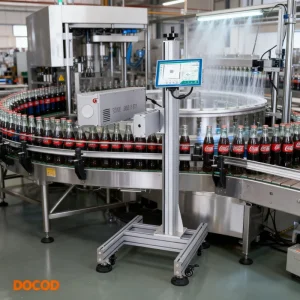
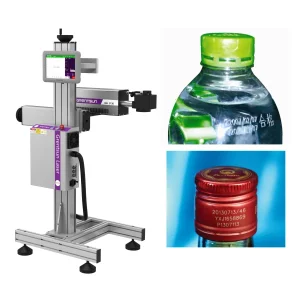
Seamless connectivity with packaging lines, supporting TCP/IP, RS232, and digital I/O for real-time diagnostic reports and high-volume coding.
Designed to satisfy European standards (BS EN 60825-1) with options for fully enclosed Class 1 laser workstations with interlocked safety systems.
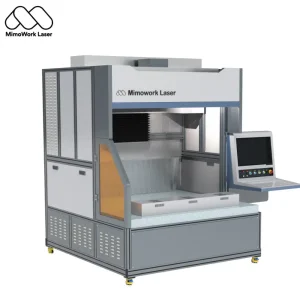
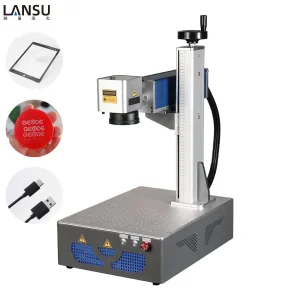
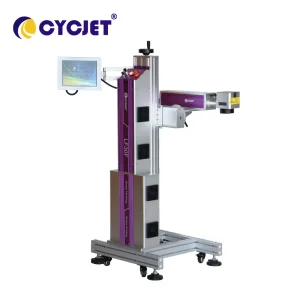
Selecting the correct laser technology depends entirely on the chemical composition of the substrate and the thermal reaction required. Henan Collins Machine Co., Ltd. manufactures four main classes of laser markers:
Mainly used for metal engraving (steel, aluminum, brass, copper) and engineered plastics. The high energy density of fiber lasers allows for vaporization or engraving on tough surfaces. MOPA (Master Oscillator Power Amplifier) fiber lasers offer adjustable pulse durations, enabling color marking on stainless steel and dark marking on anodized aluminum without destroying the oxide layer.
Ideal for organic materials. Our CO2 systems are heavily utilized in the UK food, beverage, and textile sectors. The 9.3μm wavelength is specifically tuned for optimal absorption on PET plastic bottles, preventing deformation, while the 10.6μm wavelength works perfectly on wood, glass, leather, and paperboard packaging.
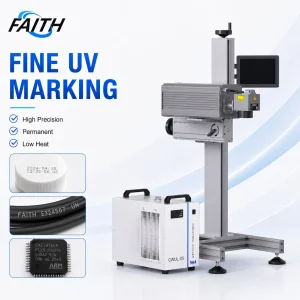
Often referred to as "cold marking" lasers. UV light breaks chemical bonds inside the material directly, rather than heating it to vaporization. This makes UV lasers the only choice for medical implants, silicon wafers, PCBs, and sensitive polymers where micro-cracking or heat-affected zones (HAZ) are unacceptable.
Henan Collins Machine Co., Ltd. was established in 2015. From day one, the company has focused on designing and manufacturing end-to-end automated packaging solutions. With 20 national invention patents, Collins demonstrates a decade of technical expertise in integrated systems including labeling, filling, capping, coding, sealing, and shrink-wrapping for a wide range of industries.
In a 5,000 m² state-of-the-art facility, more than 80 skilled engineers and technicians support advanced production and assembly capabilities. The company operates automated coating, slitting, and quality-control lines to ensure precision and reliability across all equipment and consumables. Certified under ISO 9001, SGS, and RoHS standards, Henan Collins Machine Co., Ltd. is committed to delivering high-performance packaging machinery that meets global OEM and contract packaging requirements.
Henan Collins Machine Co., Ltd. specializes in the development, production, and sales of labeling machines, filling machines, packaging machines, thermal transfer coders, ribbon coders, ink roller coders, laser coders, and other coding equipment. The company also provides a full range of consumables, including TTO ribbons, ink ribbons, ink rollers, carbon ribbons, and label paper. This integrated product portfolio supports industries such as food, daily chemicals, pharmaceuticals, cosmetics, and more, offering a complete one-stop packaging solution.
With self-operated import and export licenses, Henan Collins Machine Co., Ltd. delivers turnkey solutions to customers across Asia, Africa, Europe, and North and South America. A multilingual service network ensures efficient installation, preventive maintenance, and 24/7 remote support. Serving industries from food and beverage to pharmaceuticals, cosmetics, electronics, and logistics, Collins provides customized production line design, fast response service, and on-site training—helping customers improve uptime, traceability, and overall equipment effectiveness worldwide.
Every laser marking frame and mechanical assembly undergoes rigorous QA steps inside our 5,000 m² factory.
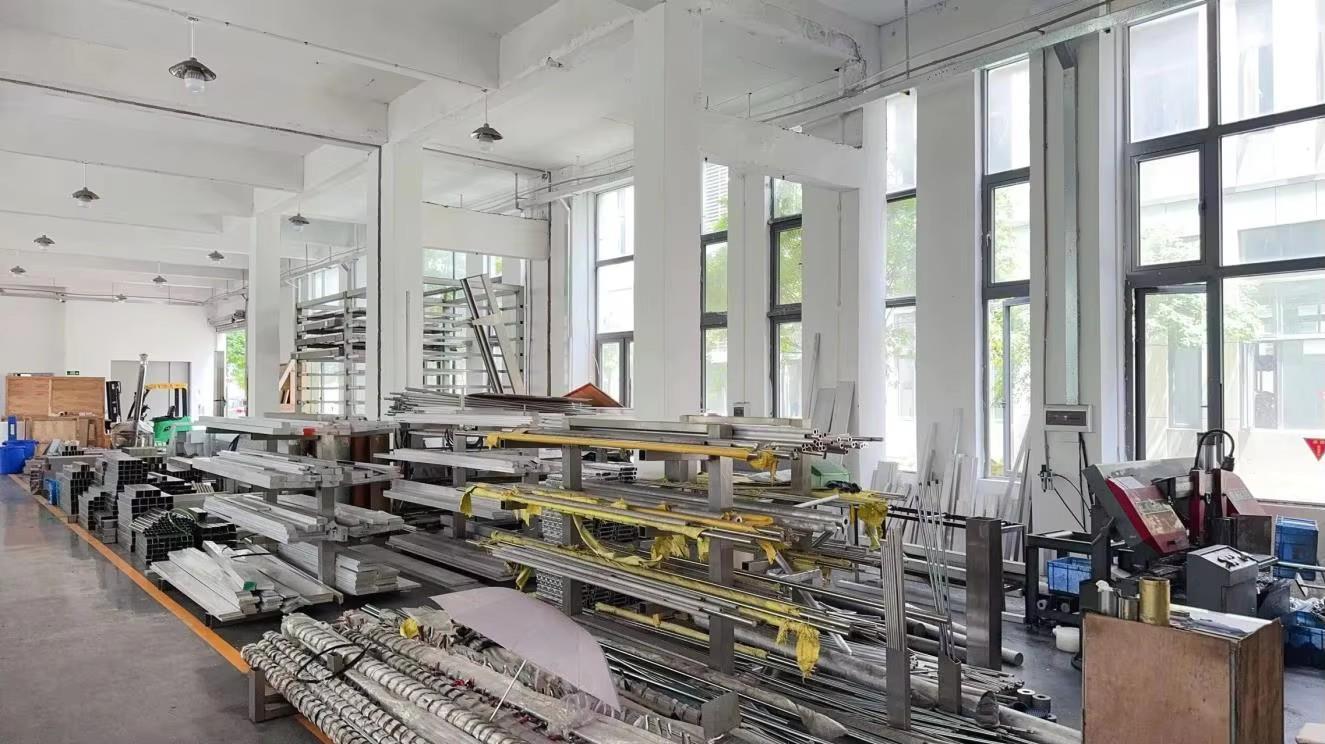
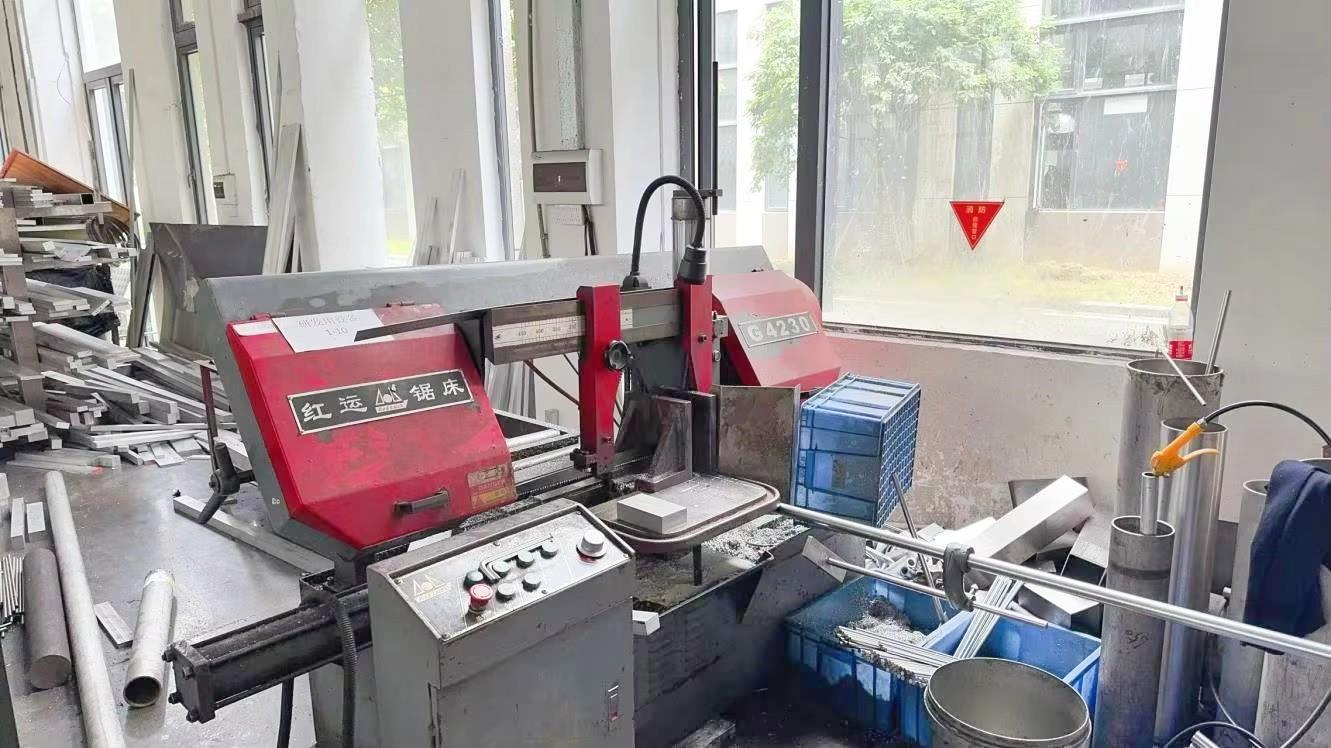
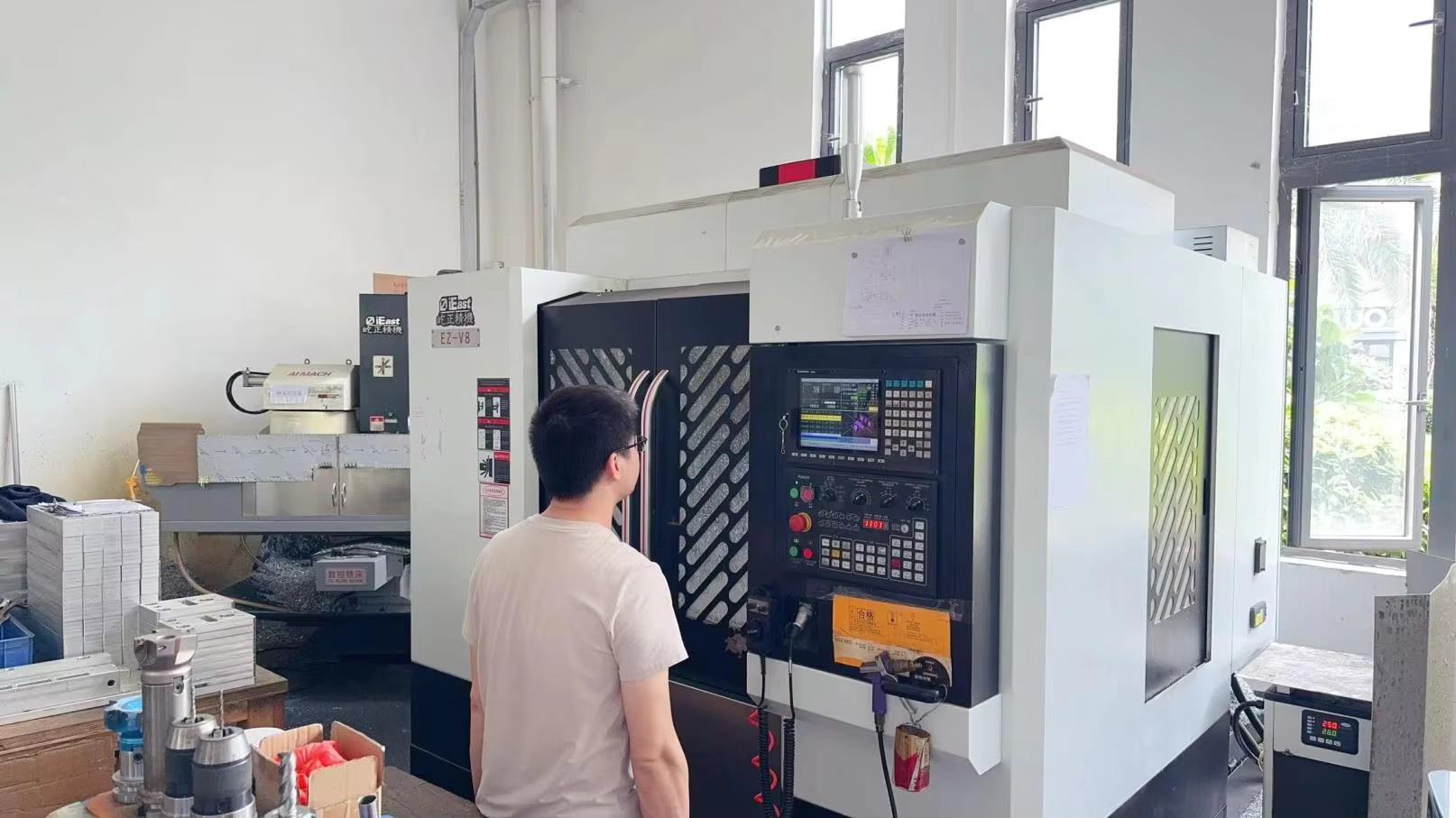
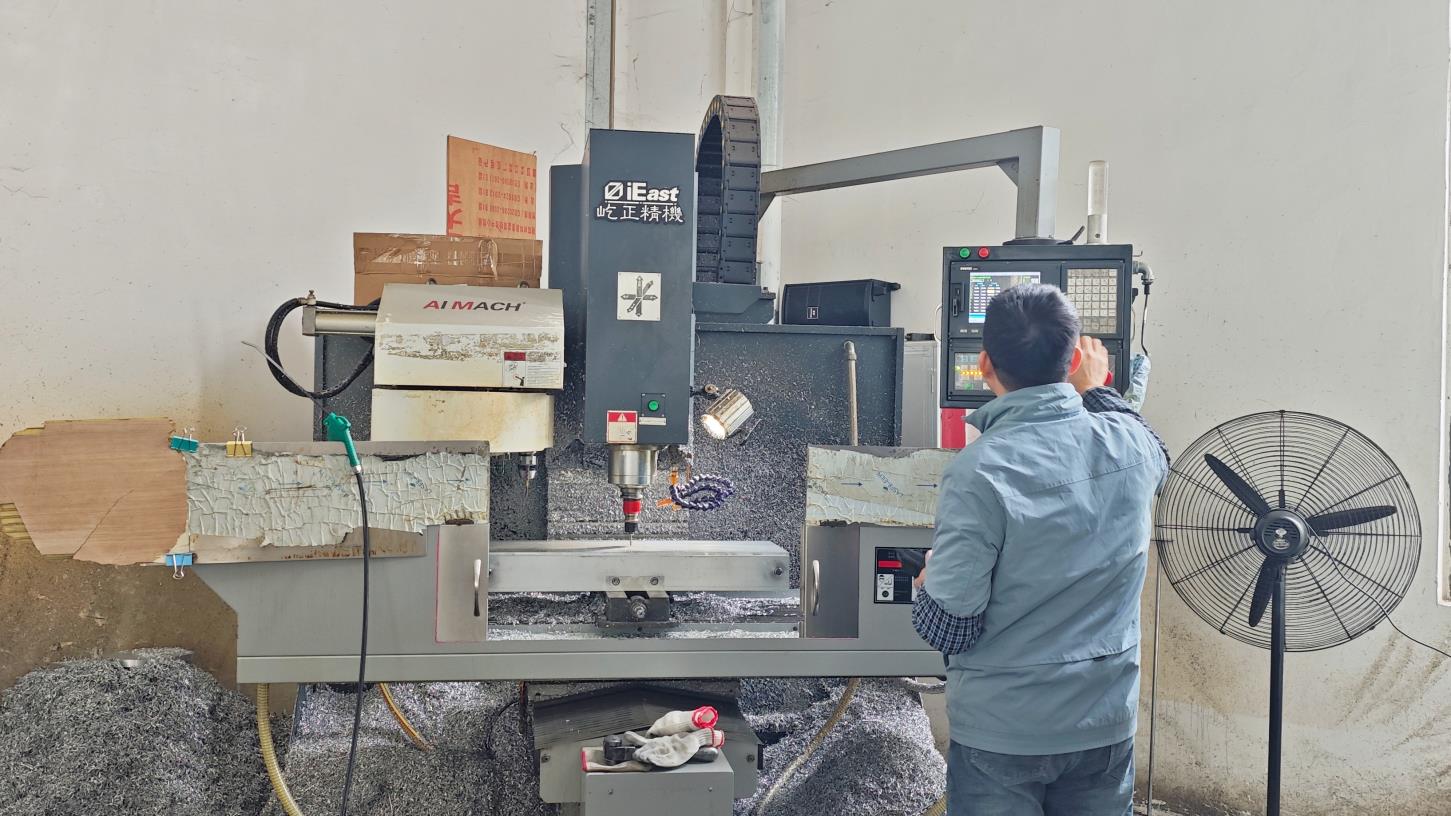
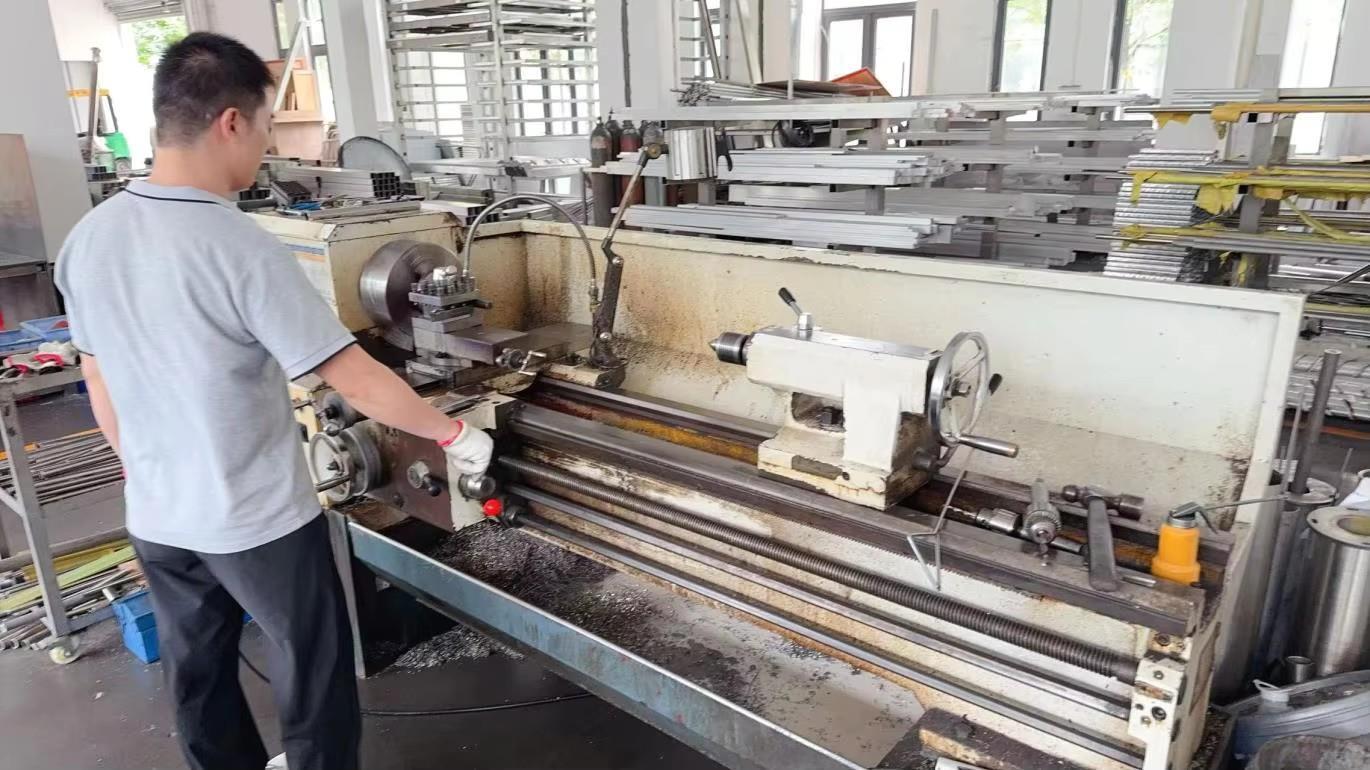
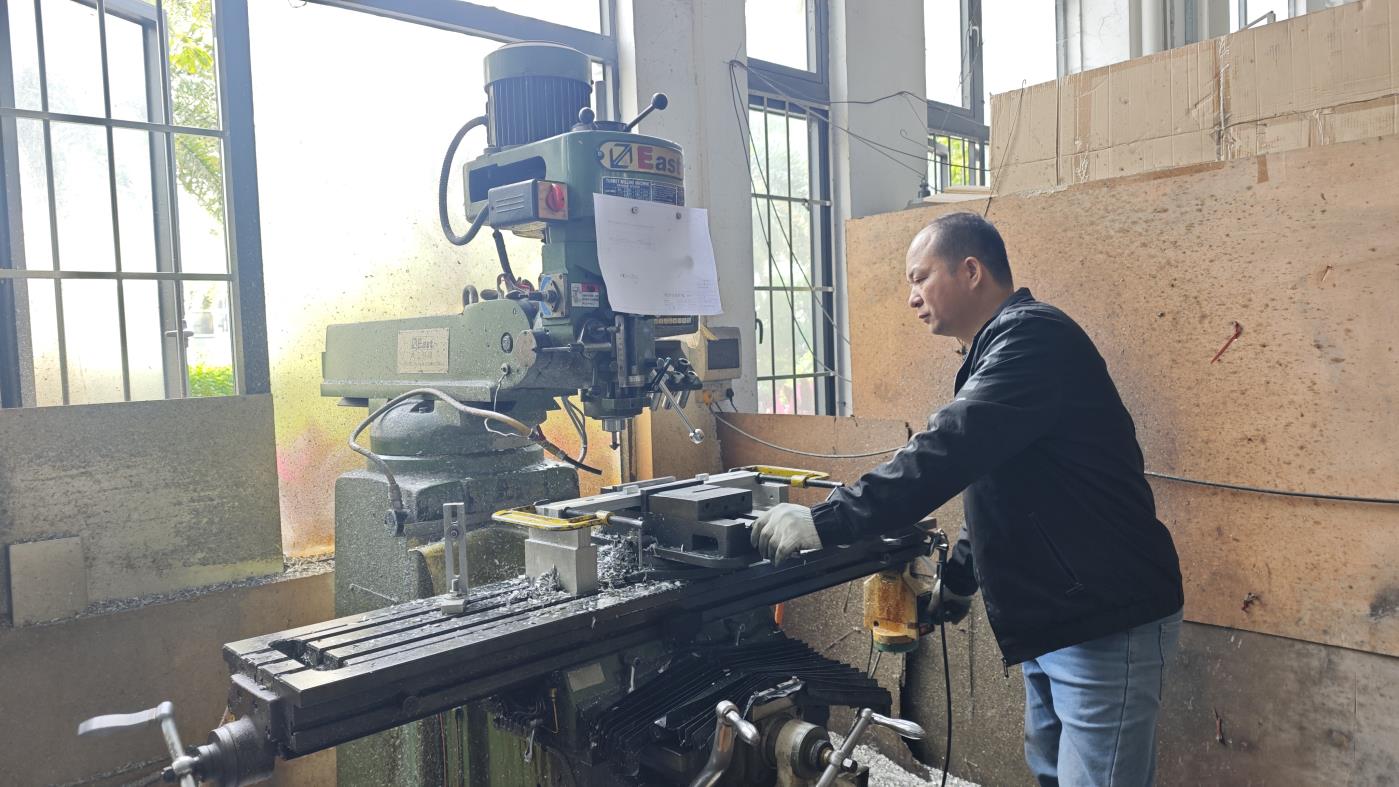
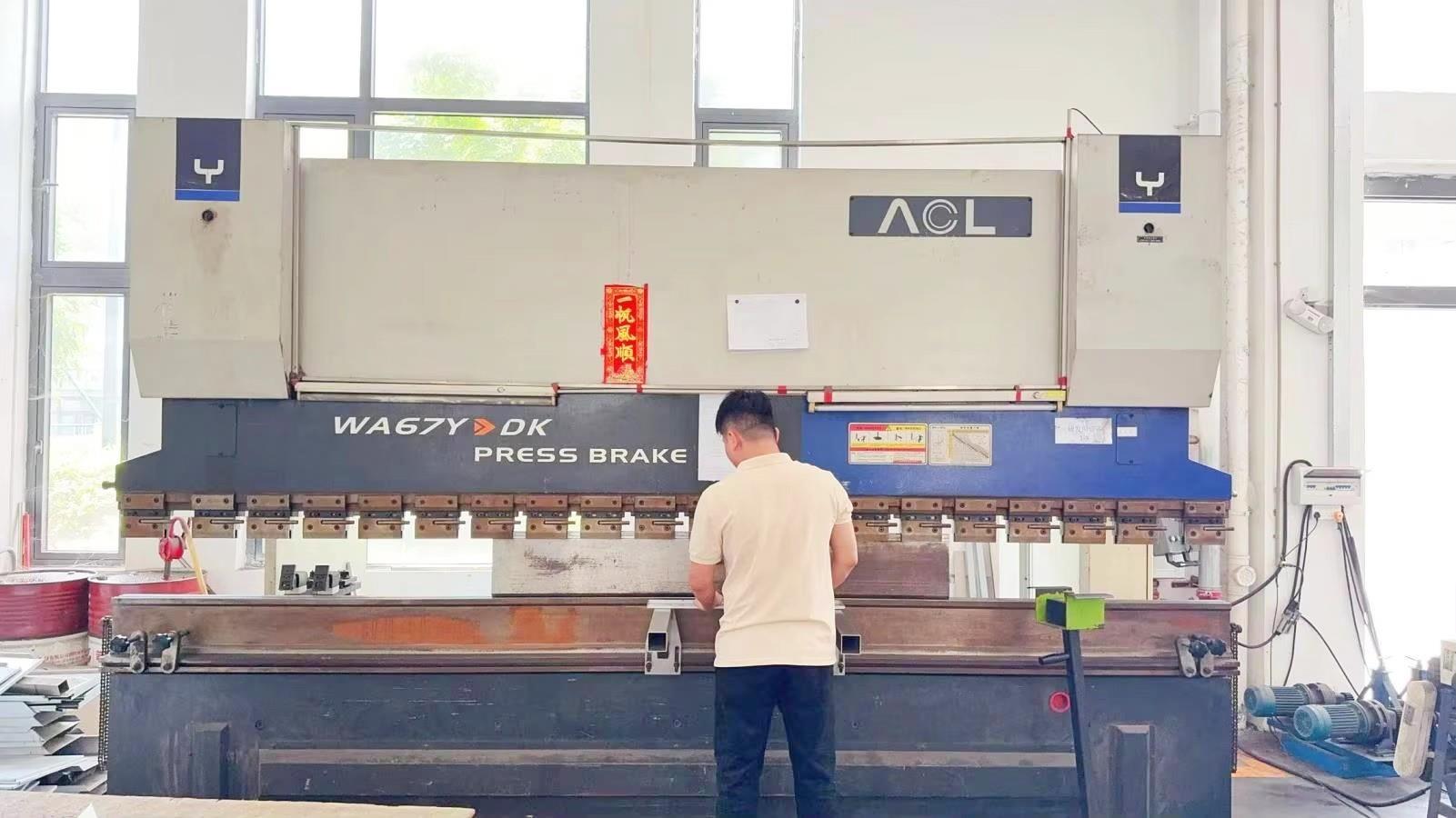
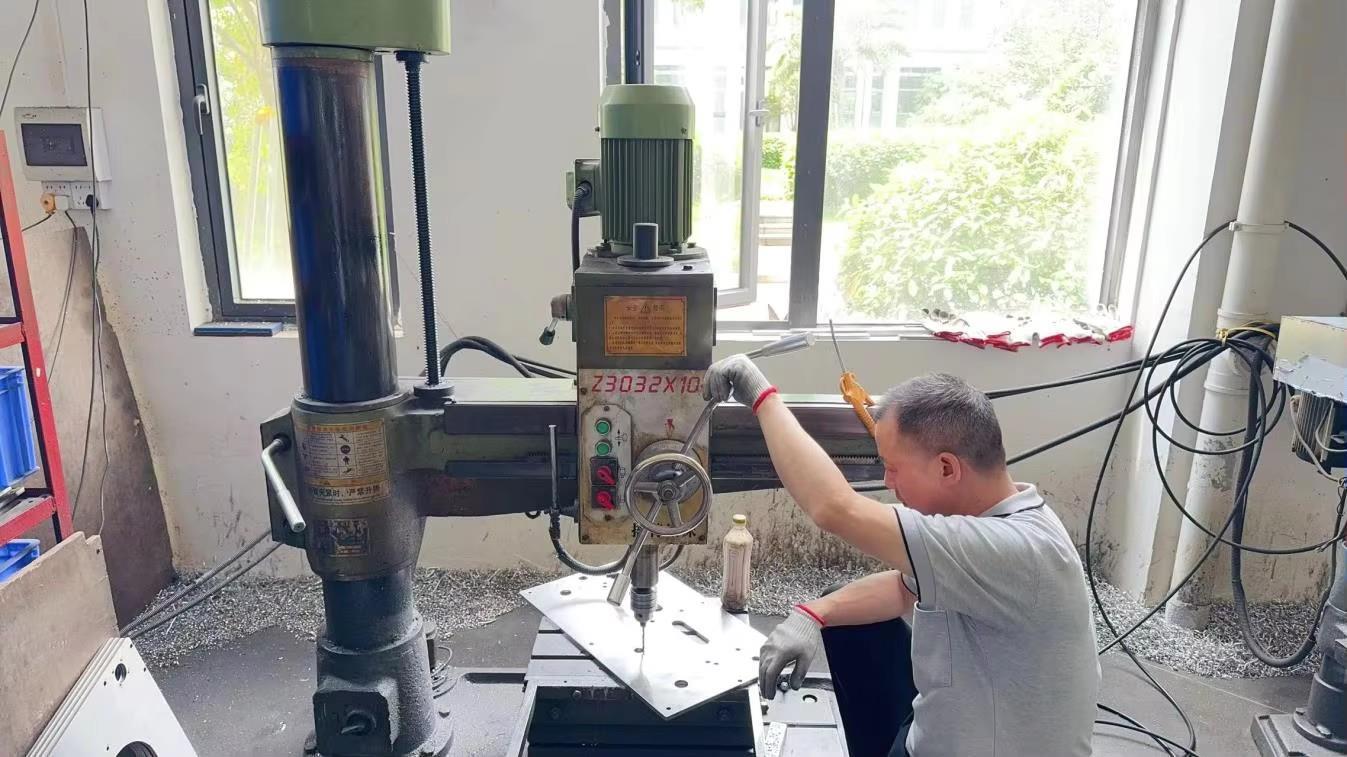
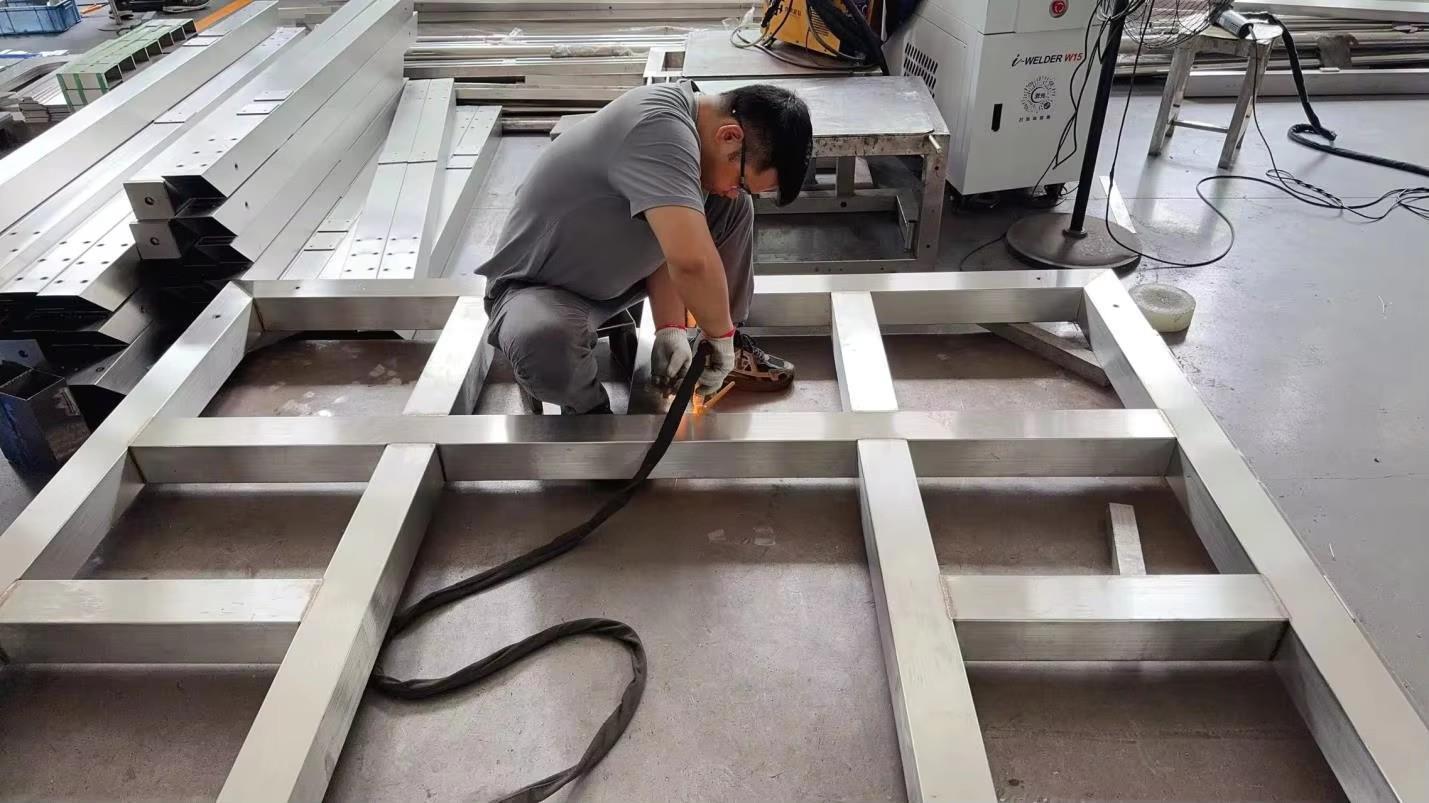
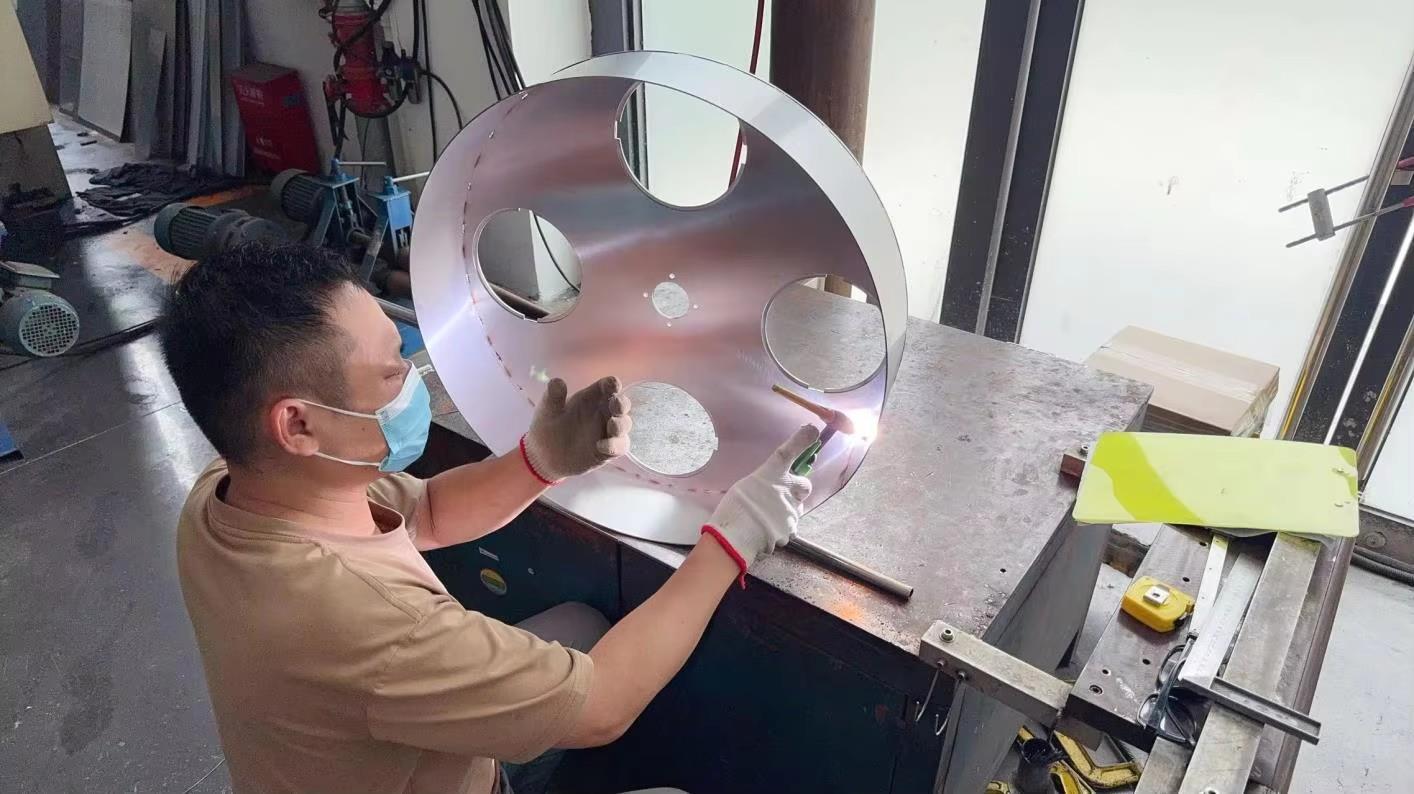
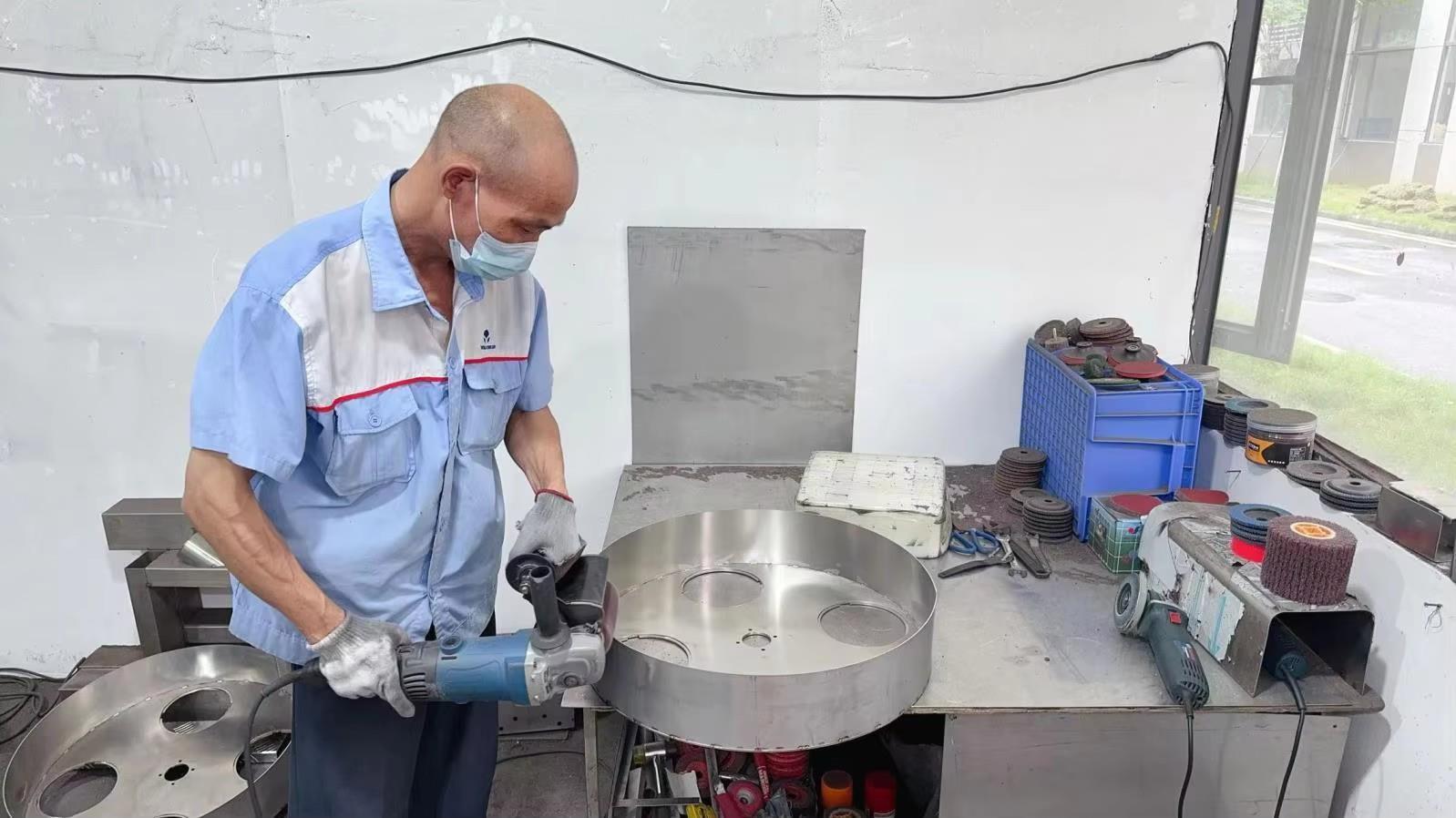
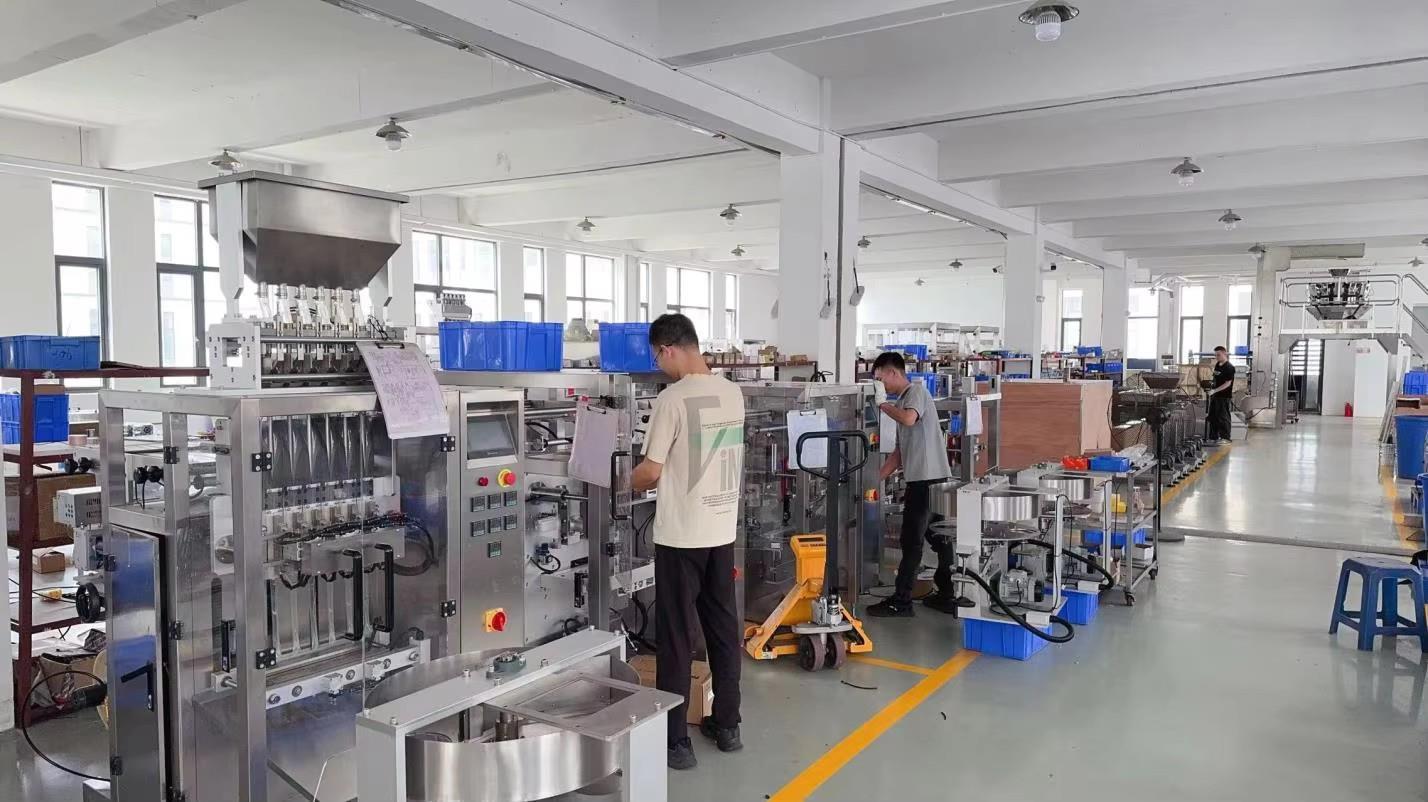
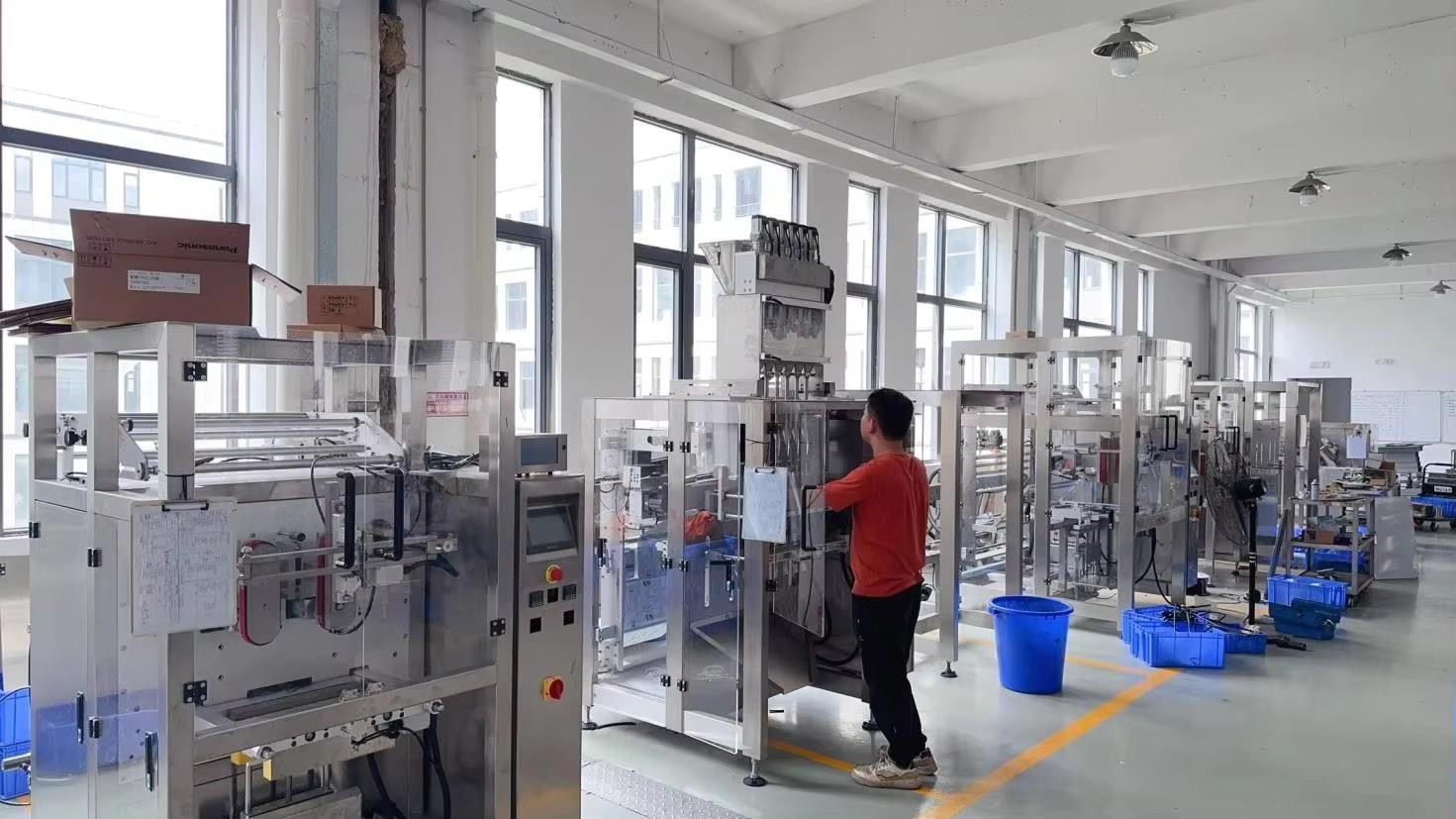
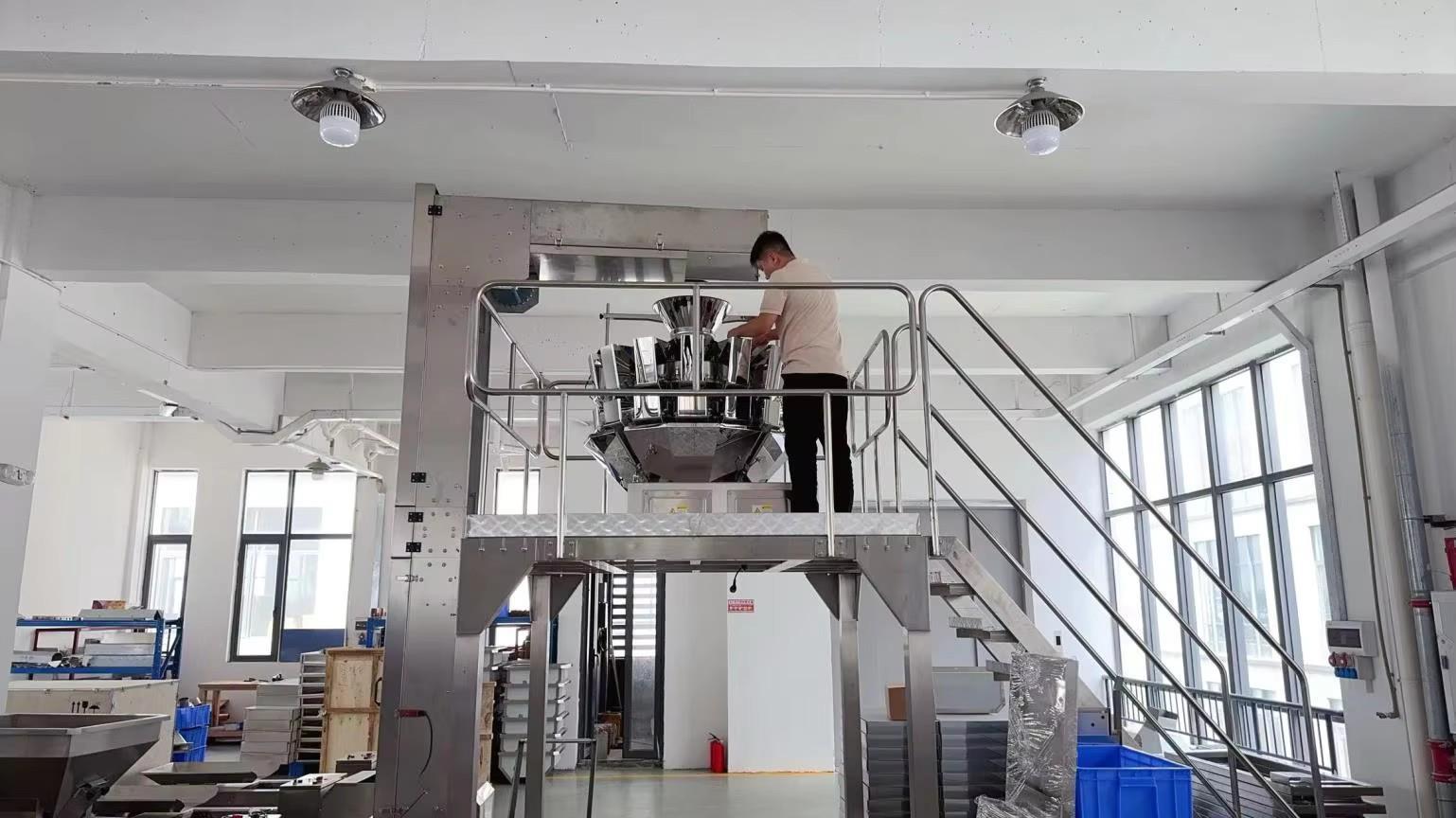
Our industrial scale allows us to design, calibrate, and ship bespoke systems with short lead times to UK ports.
Answers to common technical, logistics, and compliance questions asked by British manufacturers.
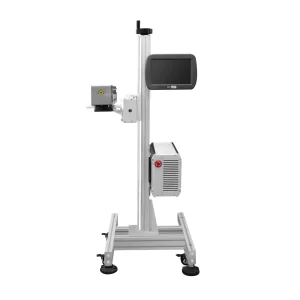
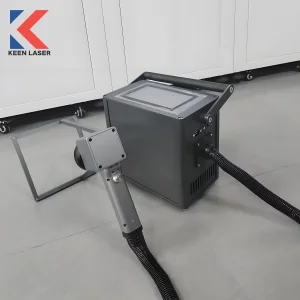
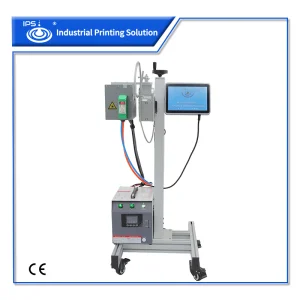
Explore our complete range of high-efficiency fiber, CO2, and UV laser systems, featuring mobile handheld designs, conveyor integrations, and wide-format options.
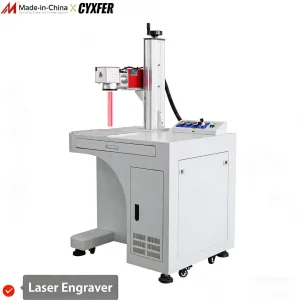
 Collins Machine