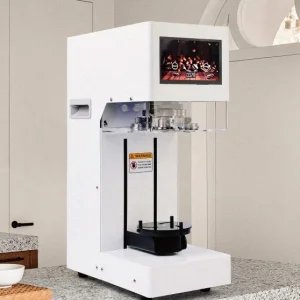
Modern high-speed production packaging requires reliable hermetic sealing solutions. Selecting the ideal electromagnetic induction sealing machine and supplier determines the long-term packaging integrity, compliance, and overall equipment effectiveness (OEE) of your packaging line.
For global purchasing managers, process engineers, and packaging lines in the pharmaceutical, food and beverage, chemical, and cosmetic industries, an induction sealer is more than just a component; it is the final safeguard of product quality. By utilizing high-frequency electromagnetic fields, induction sealing creates a non-contact hermetic seal on plastic and glass containers using foil laminates, preventing leaks, maintaining vacuum barriers, and providing unmistakable tamper-evident packaging. This whitepaper analyzes manufacturing processes, technology paths, and global procurement criteria for induction sealers.
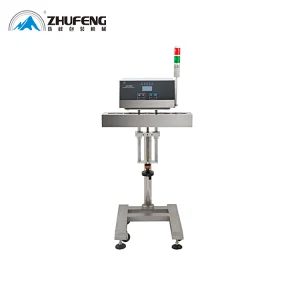
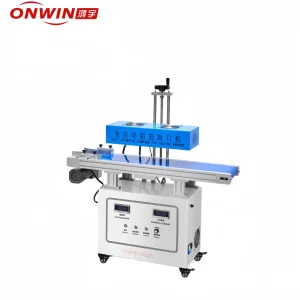
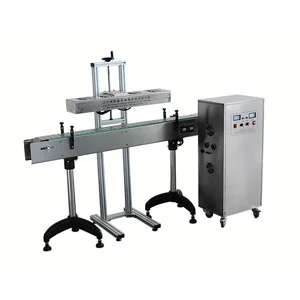
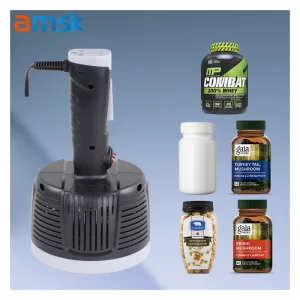
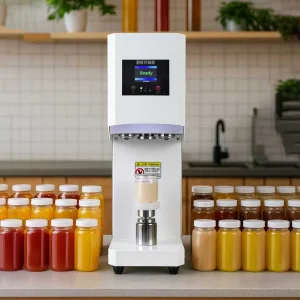
Explore our primary array of high-performance sealing systems designed to integrate into automated lines or operate as flexible offline workstations.
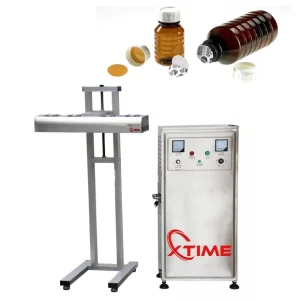
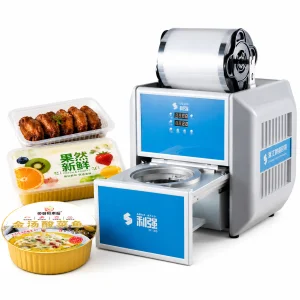
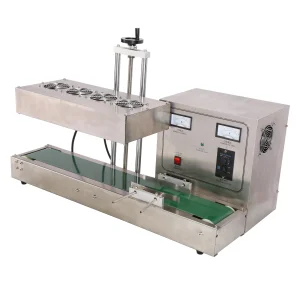
Henan Collins Machine Co., Ltd. was established in 2015. From day one, the company has focused on designing and manufacturing end-to-end automated packaging solutions. With 20 national invention patents, Collins demonstrates a decade of technical expertise in integrated systems including labeling, filling, capping, coding, sealing, and shrink-wrapping for a wide range of industries.
Our technical team focuses on electromagnetic coupling efficiency, thermal field simulation, and power electronics. This design focus ensures that our induction sealing heads maintain uniform flux distribution across varying conveyor speeds, preventing under-sealed margins or over-heated liners that could compromise your packaging.
Certified under ISO 9001, SGS, and RoHS standards, Henan Collins Machine Co., Ltd. operates advanced manufacturing systems to deliver reliable equipment.
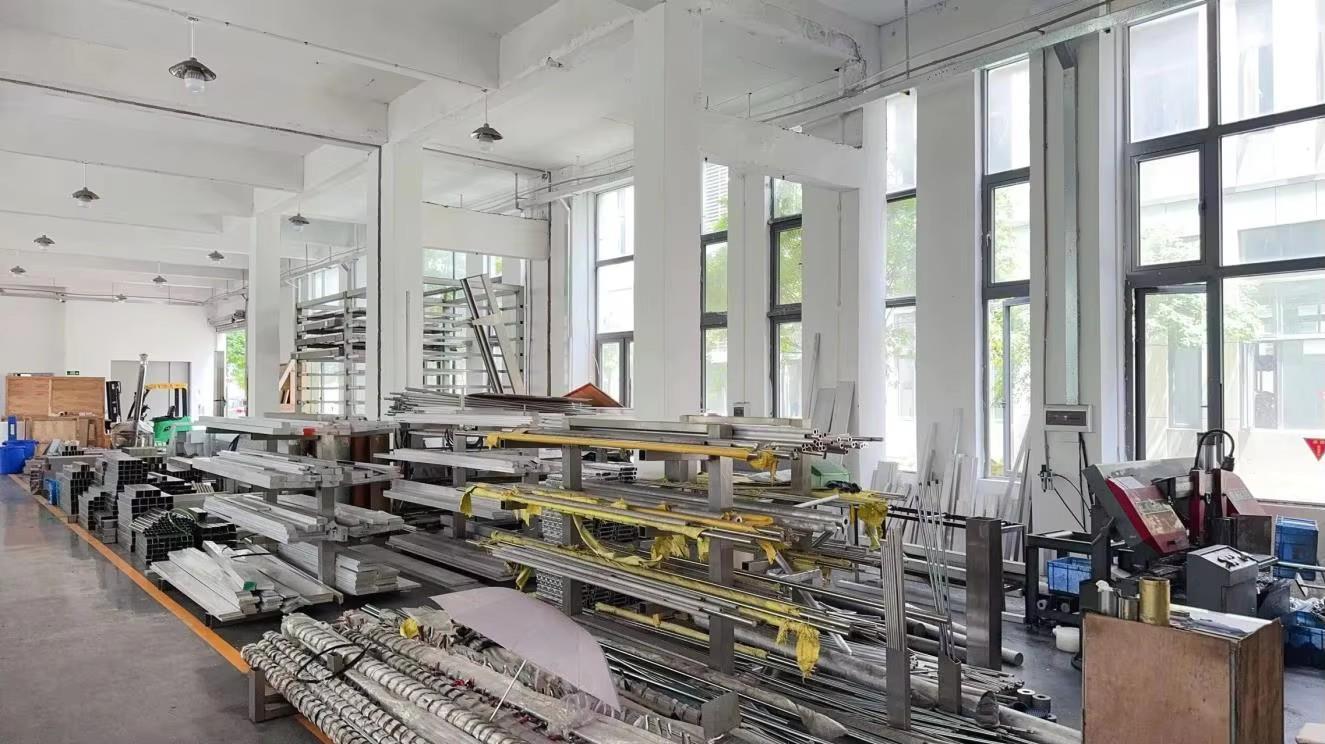
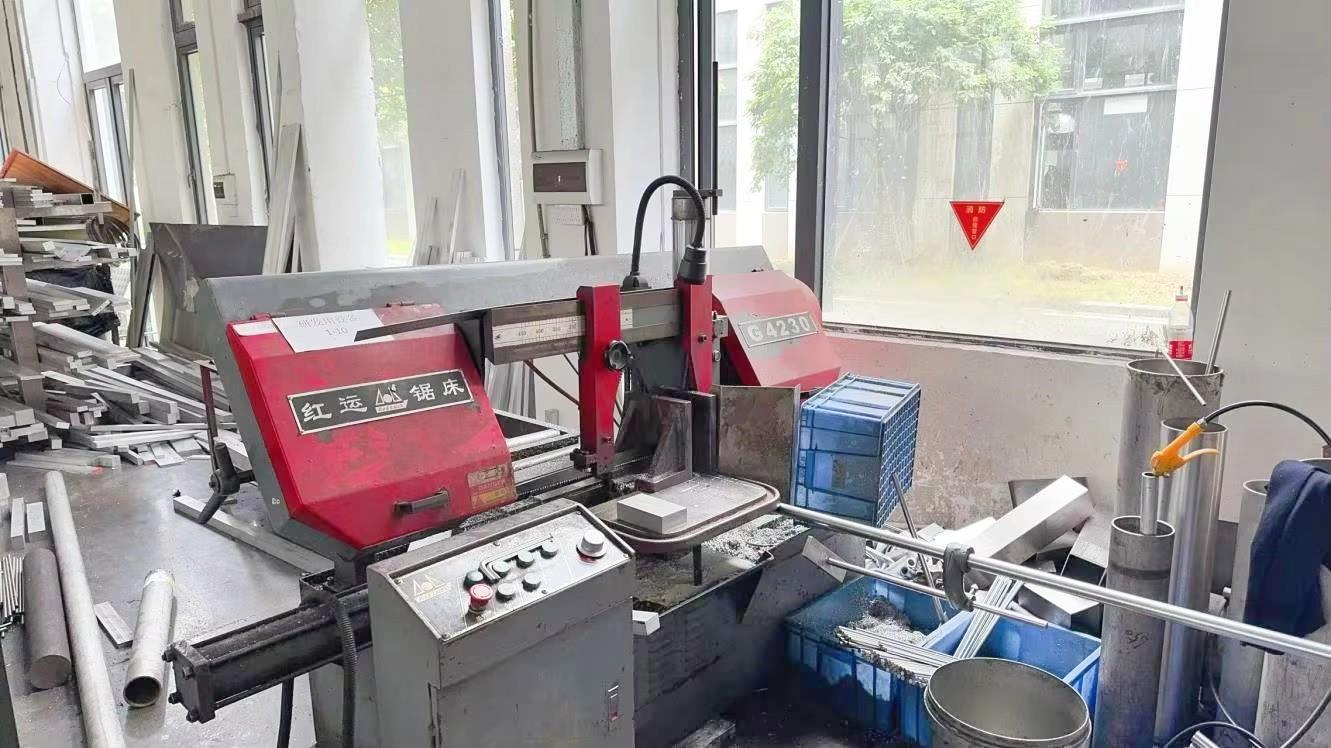
In a 5,000 m² state-of-the-art facility, more than 80 skilled engineers and technicians support advanced production and assembly capabilities. The company operates automated coating, slitting, and quality-control lines to ensure precision and reliability across all equipment and consumables. We integrate advanced CNC machining, precision lathe operations, and standardized assembly protocols to produce each induction sealing unit with minimal variance.
Take an in-depth tour through our systematic production and assembly line, where components undergo strict processing from raw steel to ready-to-ship packaging systems.
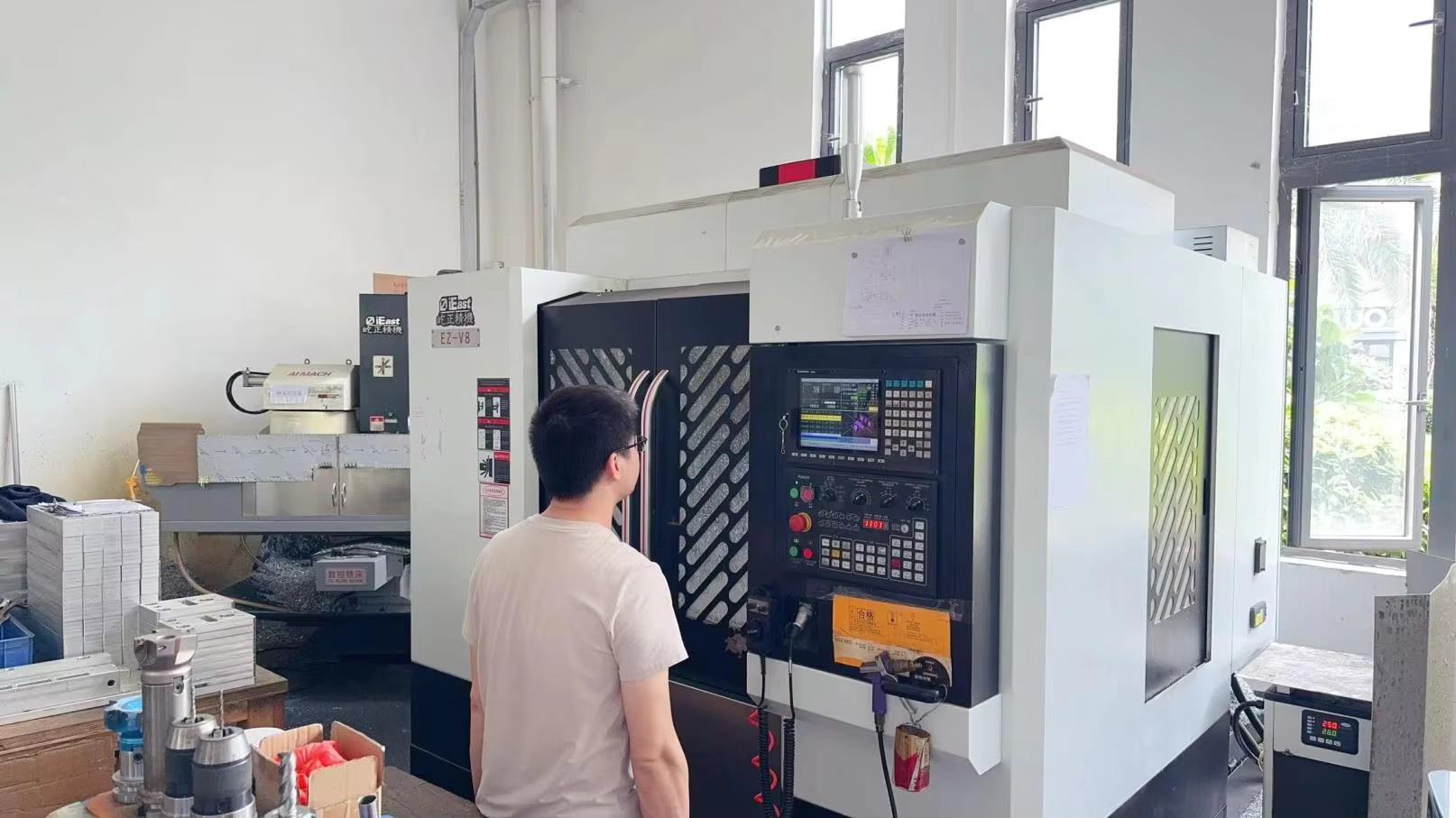
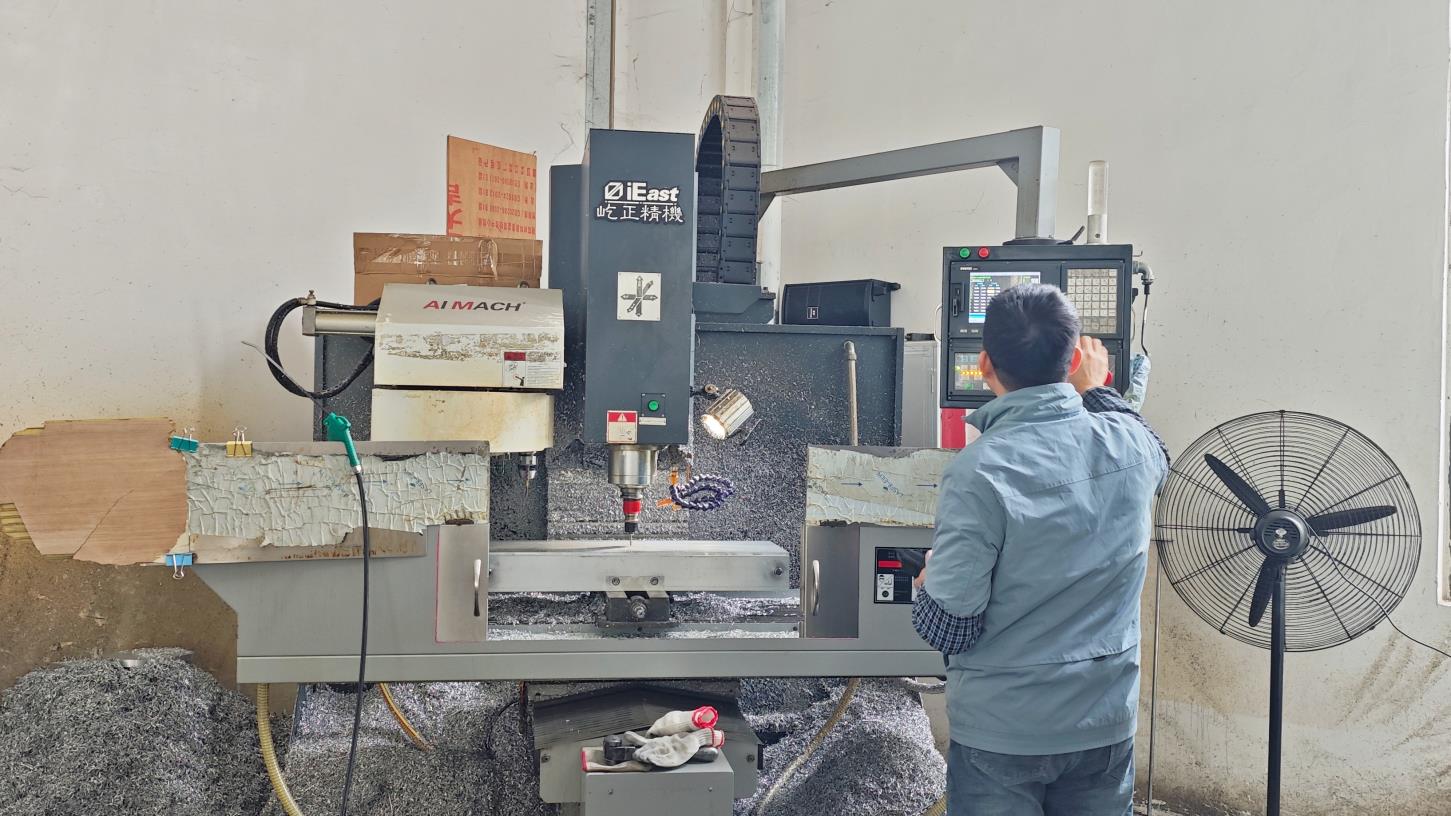
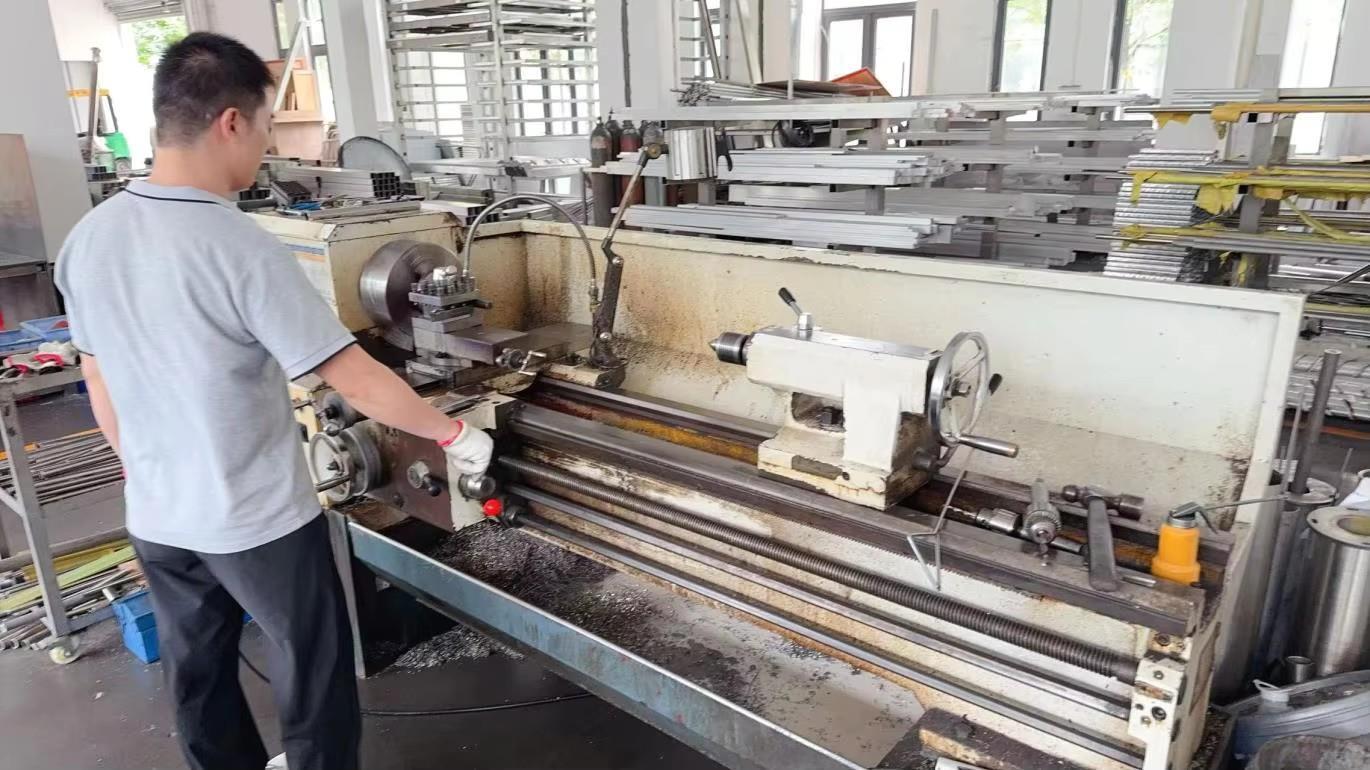
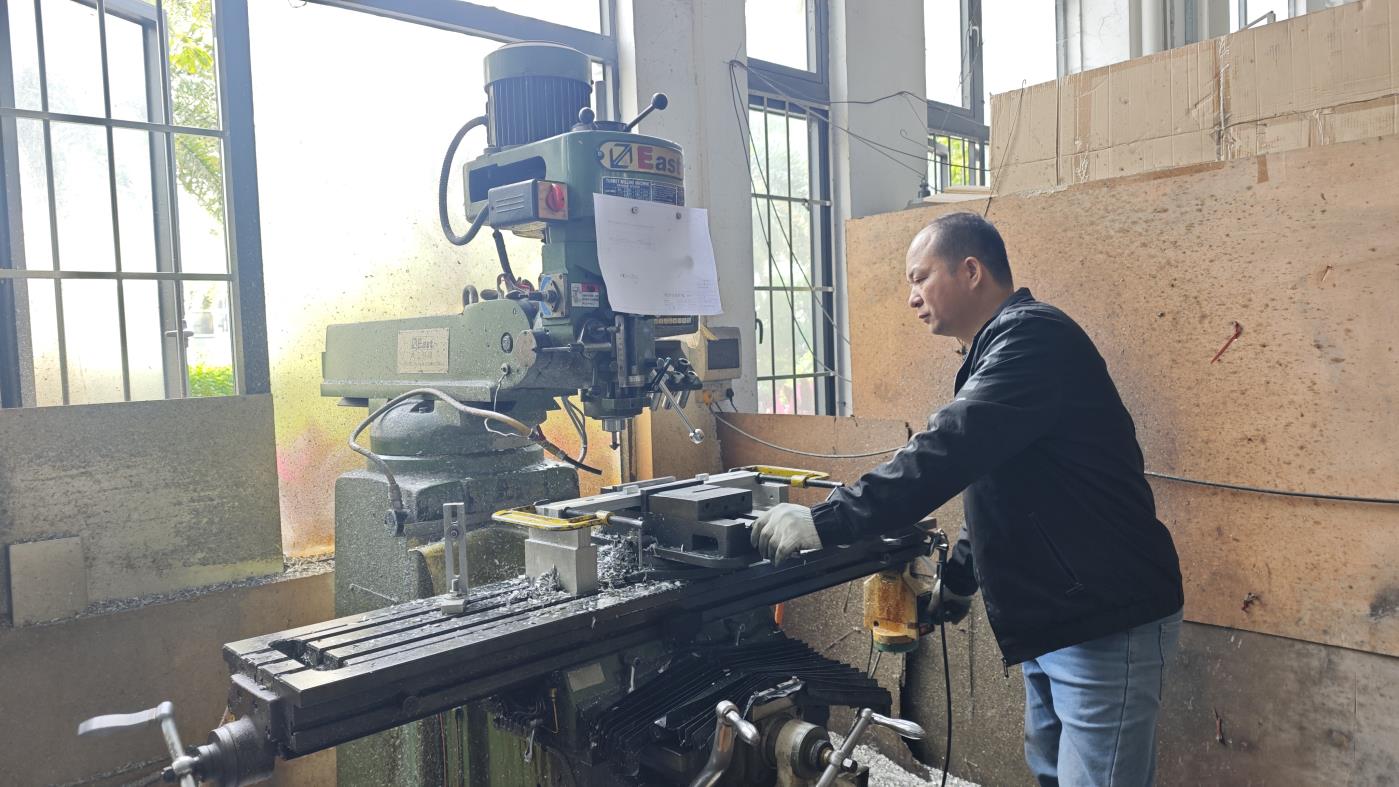
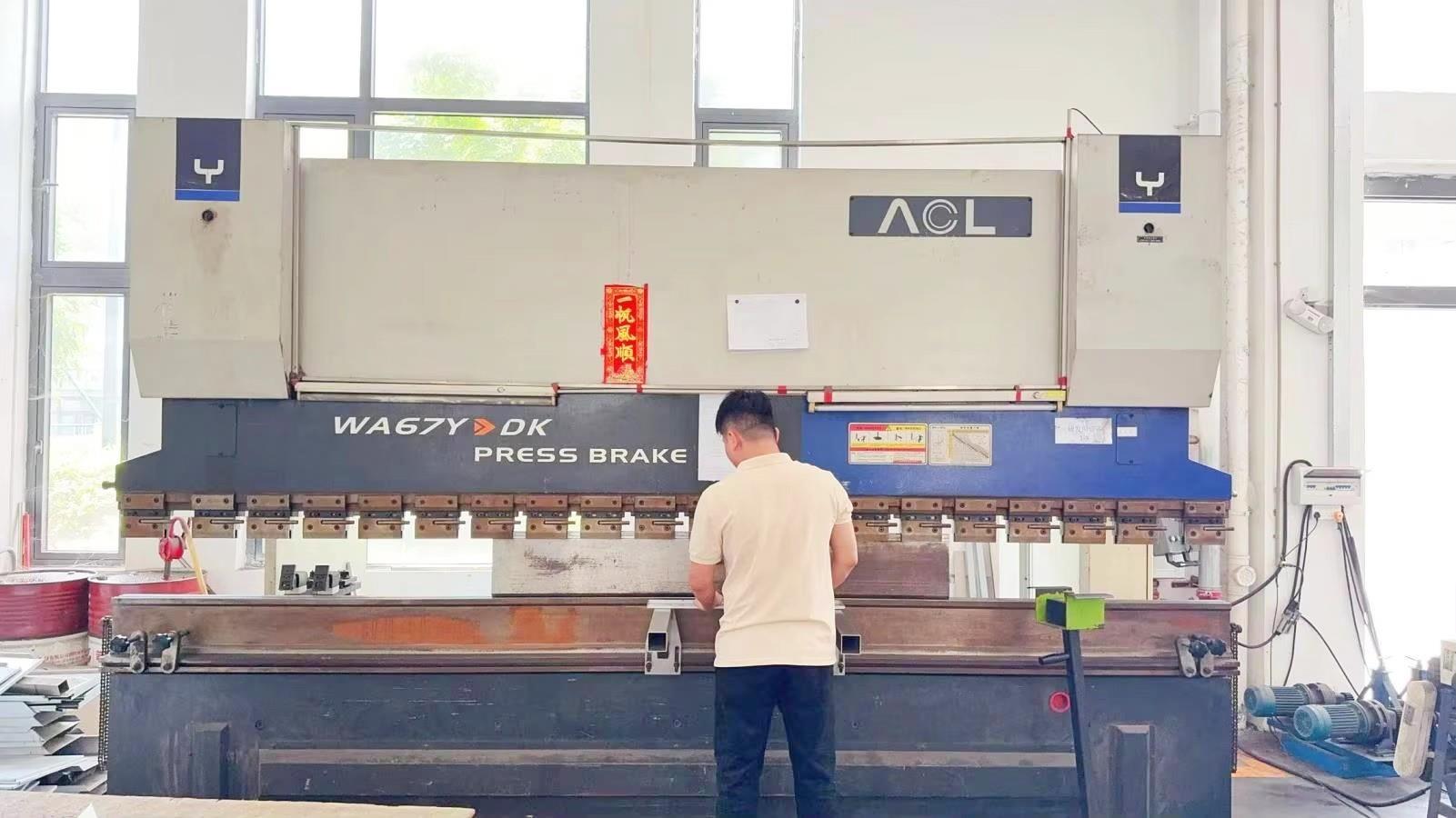
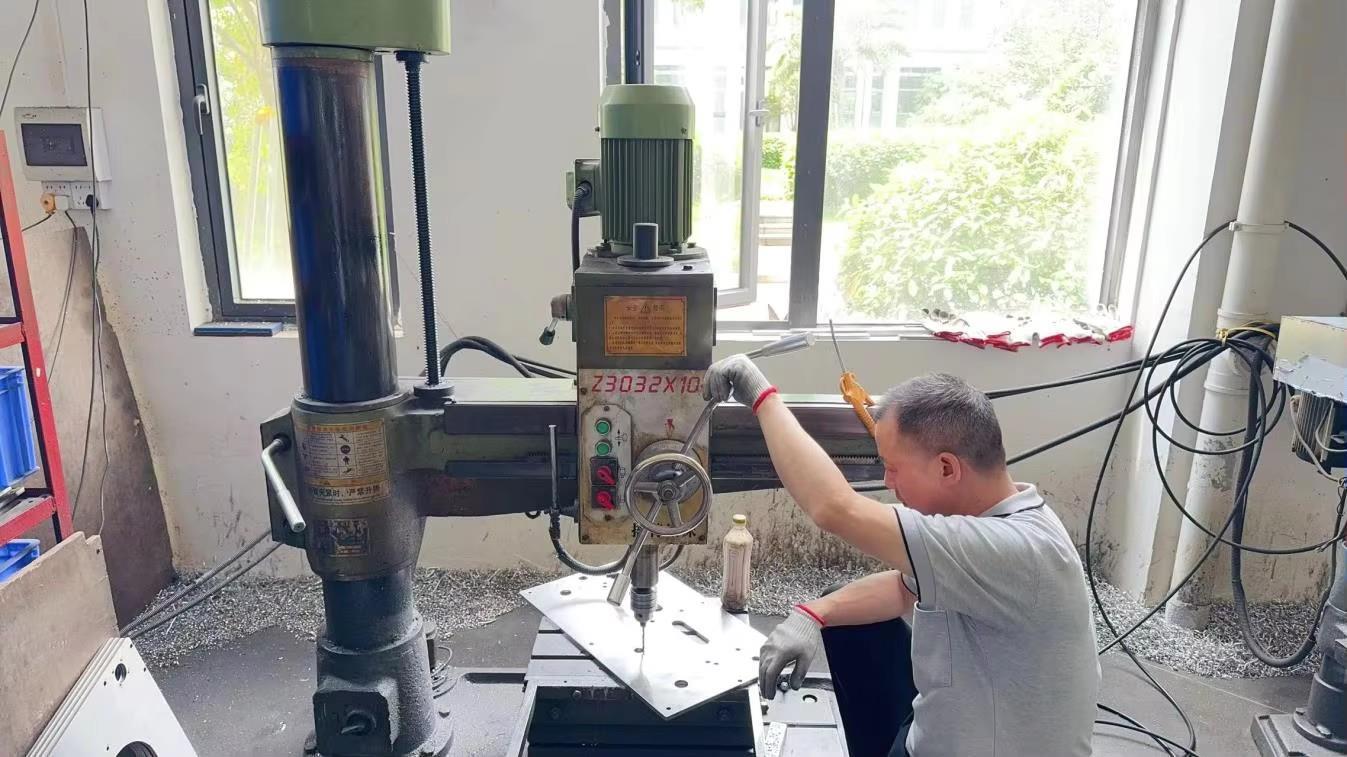
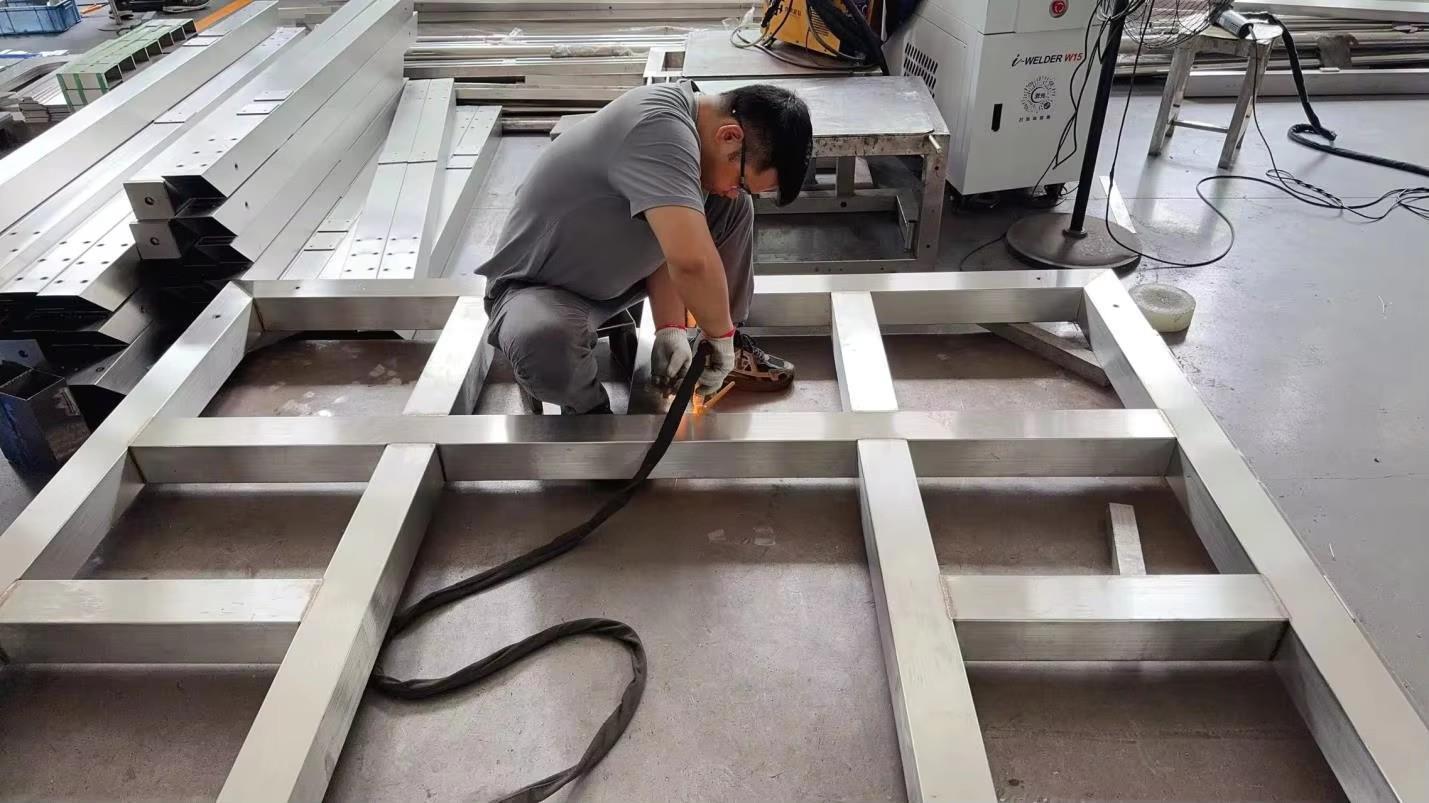
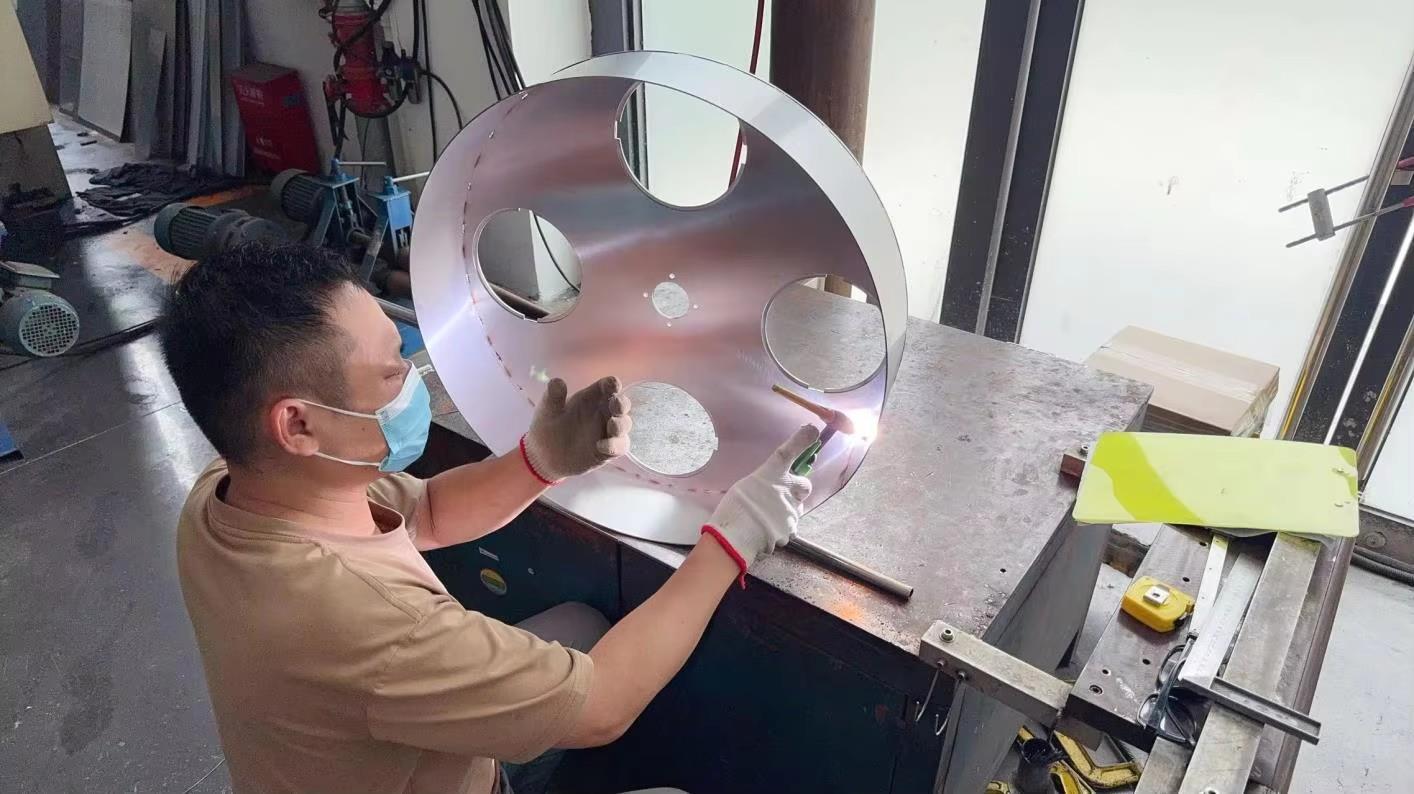
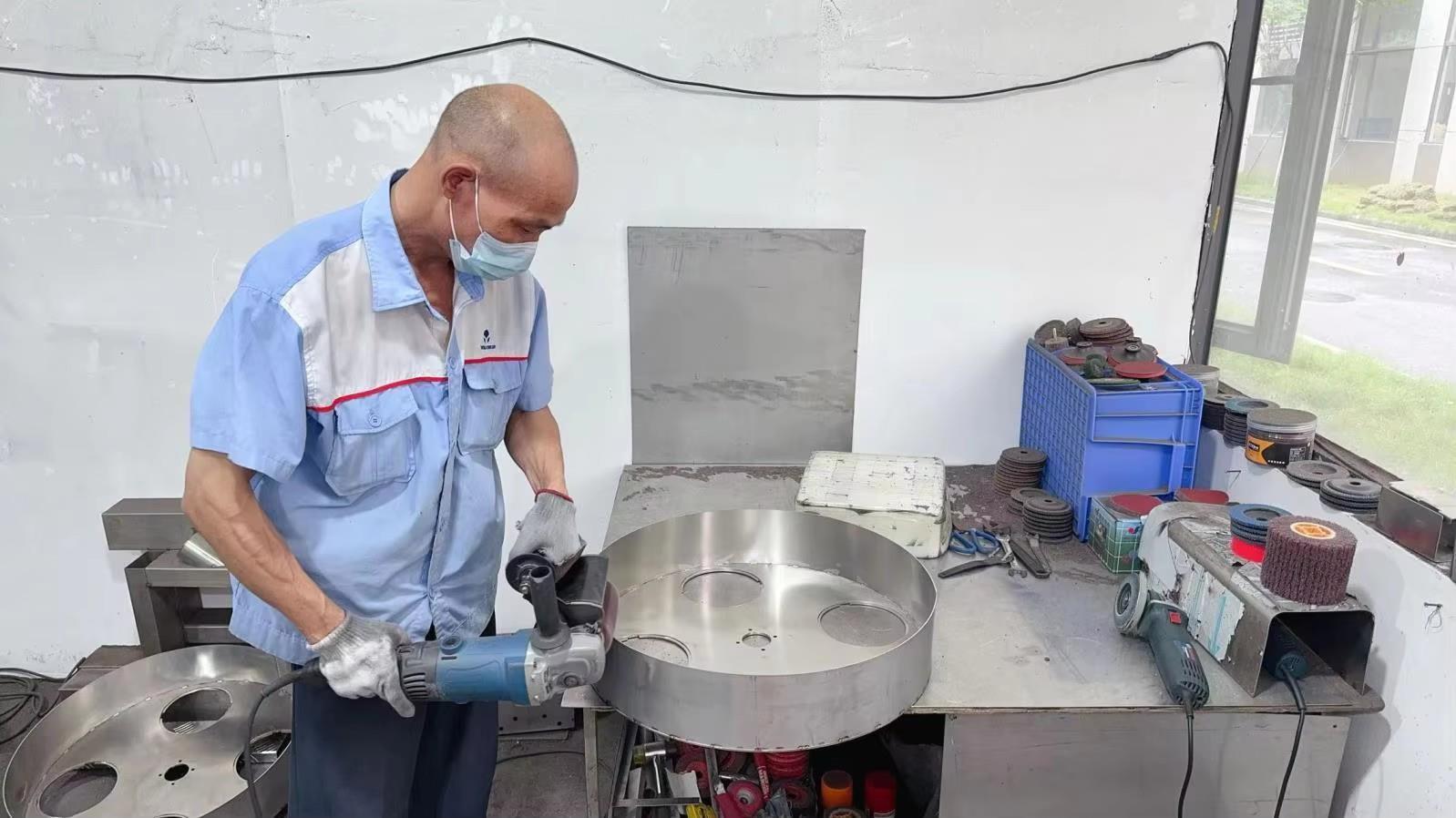
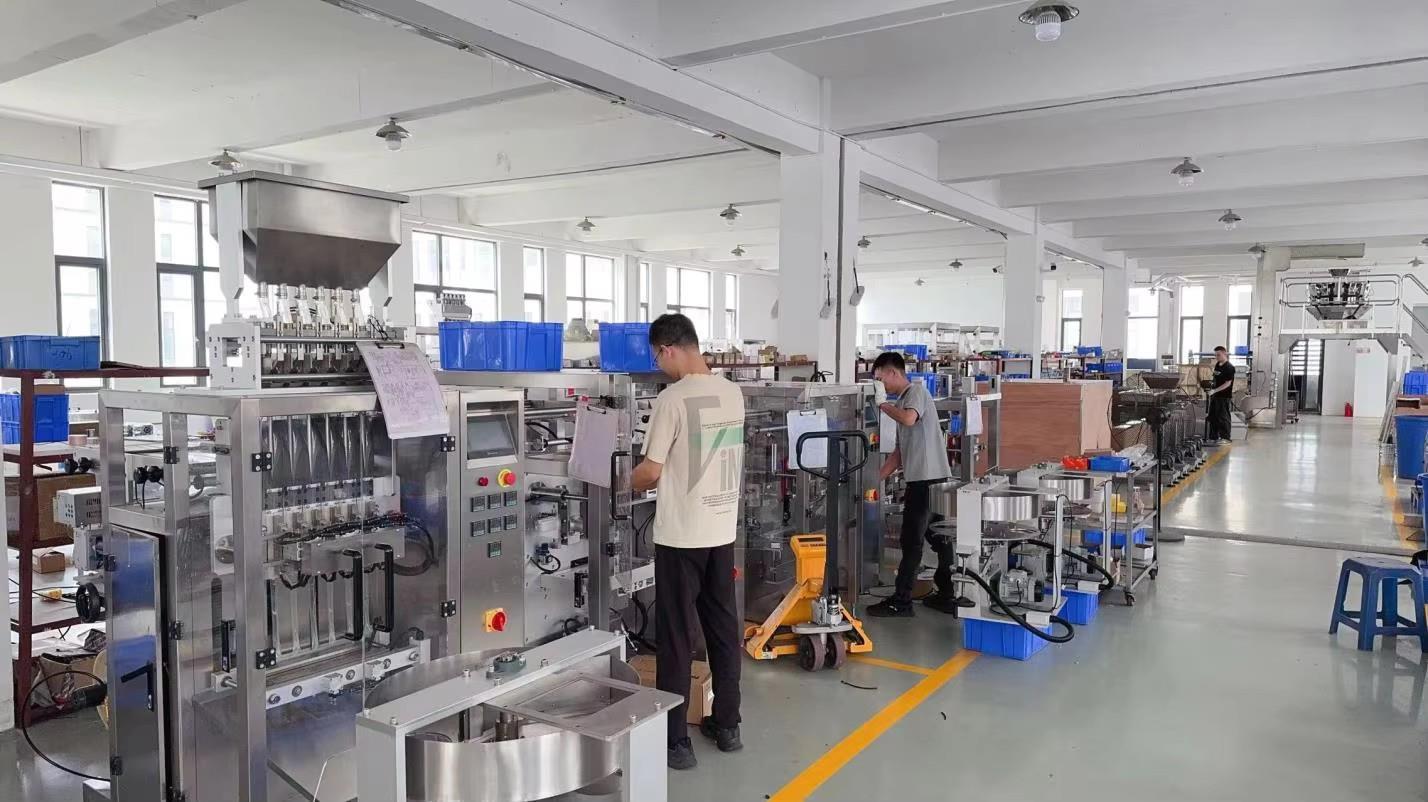
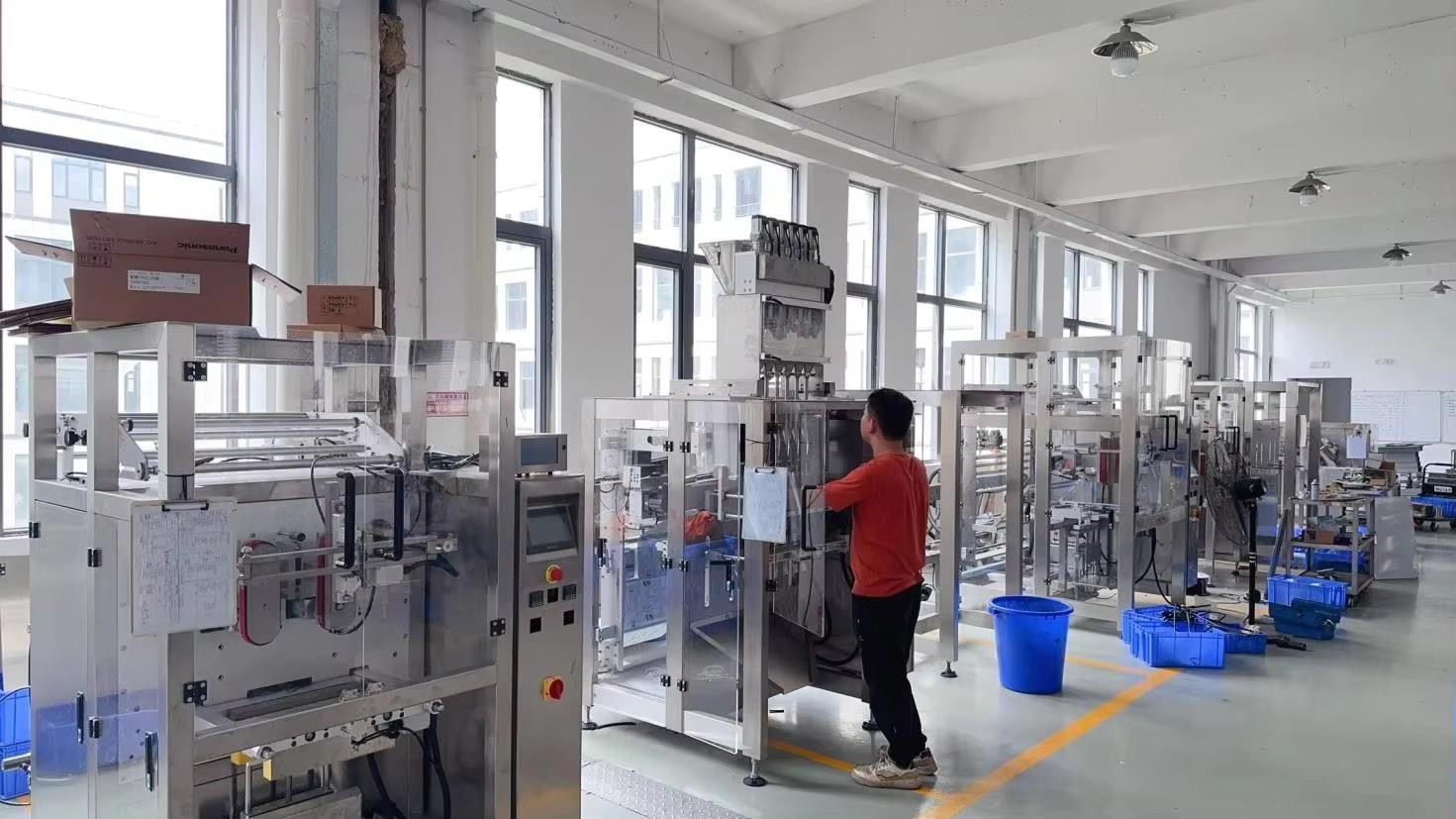
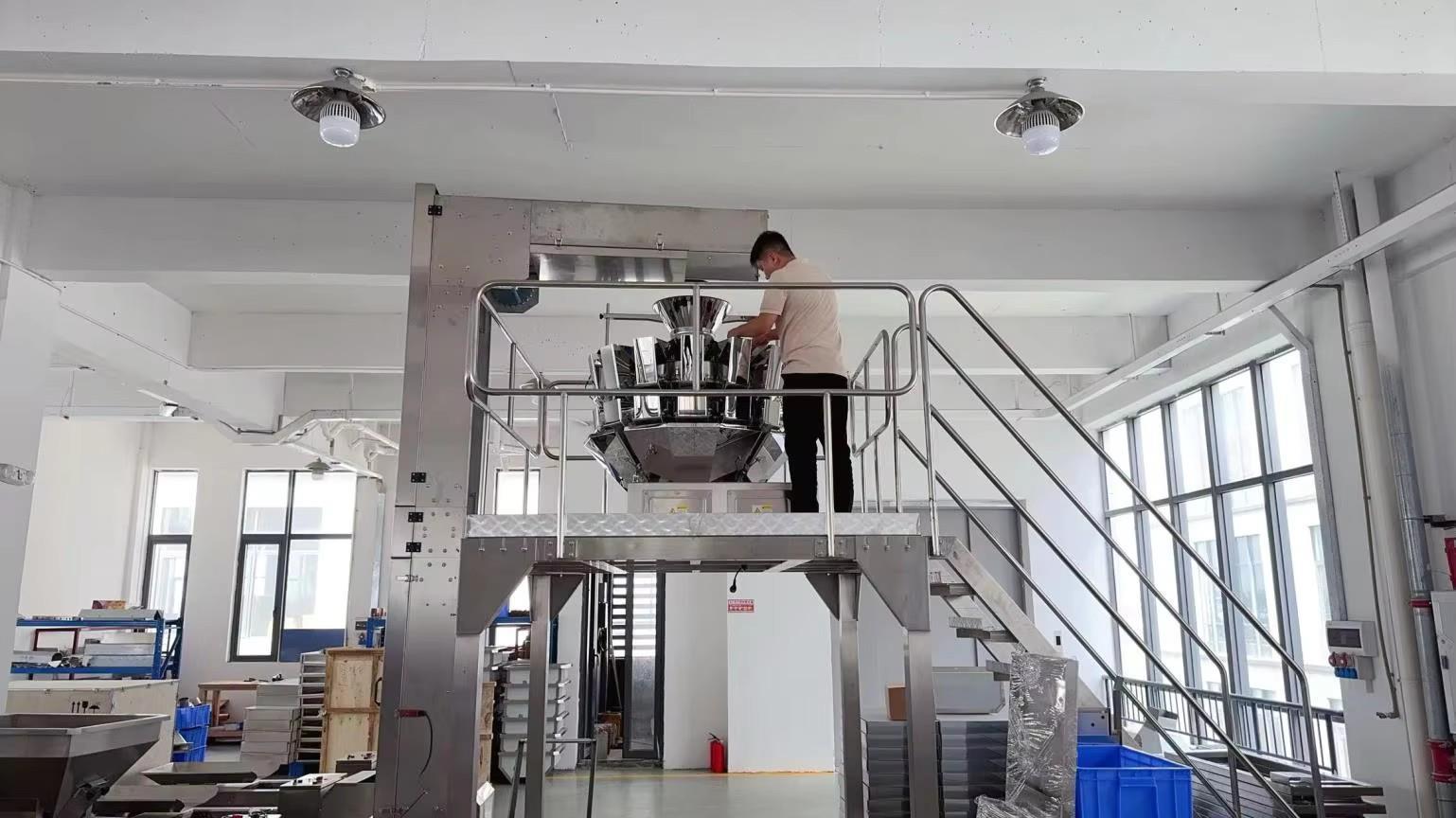
We provide a complete, integrated equipment portfolio designed to minimize downtime, simplify supplier management, and enhance traceability.
Henan Collins Machine Co., Ltd. specializes in the development, production, and sales of labeling machines, filling machines, packaging machines, thermal transfer coders, ribbon coders, ink roller coders, laser coders, and other coding equipment. The company also provides a full range of consumables, including TTO ribbons, ink ribbons, ink rollers, carbon ribbons, and label paper. This integrated product portfolio supports industries such as food, daily chemicals, pharmaceuticals, cosmetics, and more, offering a complete one-stop packaging solution.
By manufacturing both the coding systems and the upstream/downstream capping and sealing components, we resolve communication protocol conflicts and spatial footprint constraints on the plant floor. Our systems use standard Industrial Ethernet protocols (such as EtherCAT and Modbus-TCP) to exchange operational data with Central Execution Systems (MES) for traceability.
The induction sealing industry is shifting toward smart, automated, and energy-efficient systems. As a forward-thinking manufacturer, Henan Collins integrates technology designed to meet these evolving industry needs.
Future induction heads will incorporate infrared thermography array sensors to evaluate the temperature of every container's liner through the cap immediately after sealing. Any deviating thermal profile triggers a pneumatic reject station, ensuring zero-defect distribution.
As packaging moves toward bio-plastics and mono-material laminates, induction generators must deliver precise heat cycles. Our R&D team is refining adaptive frequency tuning to seal thinner, recyclable foils without distorting biological substrates.
To accommodate variable cap heights and foil diameters, upcoming systems will feature motorized, program-driven sealing heads that automatically adjust positioning and induction power based on barcoded recipe parameters.
Every packaging line operates under distinct constraints. We customize the induction field, materials, and safety protocols to suit the chemistry and packaging designs of various target industries.
We support packaging operations across multiple continents with localized technical assistance.
With self-operated import and export licenses, Henan Collins Machine Co., Ltd. delivers turnkey solutions to customers across Asia, Africa, Europe, and North and South America. A multilingual service network ensures efficient installation, preventive maintenance, and 24/7 remote support. Serving industries from food and beverage to pharmaceuticals, cosmetics, electronics, and logistics, Collins provides customized production line design, fast response service, and on-site training—helping customers improve uptime, traceability, and overall equipment effectiveness worldwide.
For major capital expenditures, we offer factory acceptance testing (FAT) via high-definition video link or in-person trials at our Henan facility. We supply comprehensive IQ/OQ/PQ validation documentation to help our pharmaceutical clients meet regulatory standards.
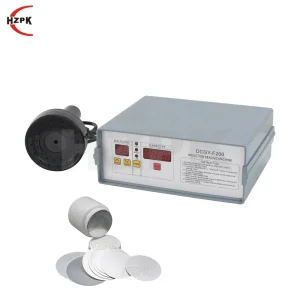
Browse our comprehensive selection of portable, manual, and high-precision semi-automatic machinery, optimized for varying production footprints.
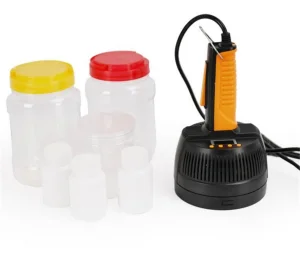
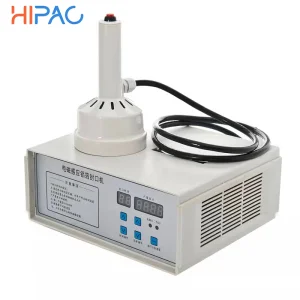
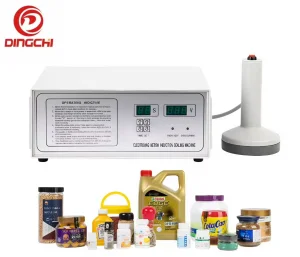
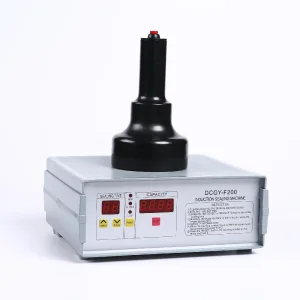
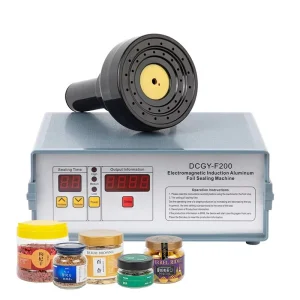
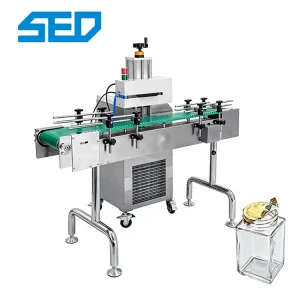
Use the following technical reference table to compare performance metrics across our primary induction sealing configurations, aiding your engineering integration planning.
| System Class | Cooling Mode | Throughput Capacity | Container Diameters | Primary Industrial Match |
|---|---|---|---|---|
| Continuous Inline Systems | Air-Cooled (Waterless) | Up to 150 bpm (bottles/min) | 20mm – 120mm | Medium Scale Food, Chemical, Automotive Fluids |
| High-Speed Automated lines | Water-Cooled Integral | Up to 300+ bpm | 15mm – 80mm | High-Output Beverages, Large Dairy Packagers |
| Semi-Automated Units | Passive Convection / Fan | 10 – 30 bpm | 20mm – 100mm | Contract Packaging Labs, Craft Cosmetics, Nutra |
| Handheld/Manual Systems | Internal Cooling Fan | Operator Speed Dependent | 20mm – 100mm / Large formats | Small-Batch Chemical, Pilot R&D Facility |
Answers to key engineering questions regarding electromagnetic heat sealing processes, validation, and equipment integration.
An induction sealer uses an applicator head that generates a high-frequency electromagnetic field. When a container with an aluminum-foil liner inside its cap passes under this head, the magnetic field induces eddy currents in the foil.
This electrical resistance heats the foil liner, melting a thin polymer sealant coating. The pressure from the tightened cap forces the molten polymer onto the container lip. As the liner cools, it forms a hermetic bond with the container.
The difference lies in how heat is dissipated from the induction coil.
Water-cooled systems use a closed water loop to cool the induction head. This allows for a compact coil size and high-power operations, making them suitable for high-speed pharmaceutical lines. However, they require regular water system maintenance.
Air-cooled systems use internal fans and heat sinks. They are simpler to maintain, run cleaner, and are suitable for mid-to-high-speed packaging environments.
Yes, induction sealing works on glass containers, but it requires a specialized liner and careful calibration.
Unlike plastic containers that melt slightly to bond with the liner polymer, glass requires a liner coated with a specialized heat-activated adhesive that bonds to the glass surface. The glass rim must also be clean and free of chips or defects to ensure a reliable seal.
The sealing window is defined by three primary variables:
Under-sealing causes leakage, while over-sealing can burn the liner or distort the container mouth.
We integrate foil detection sensors upstream from the induction head. These sensors detect the presence of the aluminum foil layer within the capped container.
If a container passes without a foil liner, the system triggers an alarm and activates a downstream rejection mechanism, preventing unsealed products from reaching packaging.
 Collins Machine