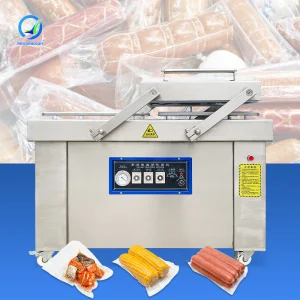
Explore our engineering excellence, optimized for global commercial facilities, seafood processing plants, and food logistics networks.
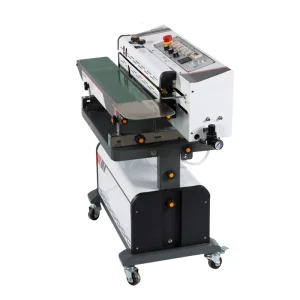
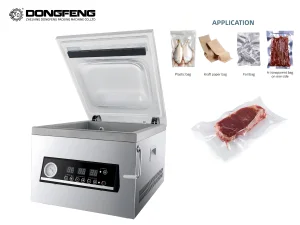
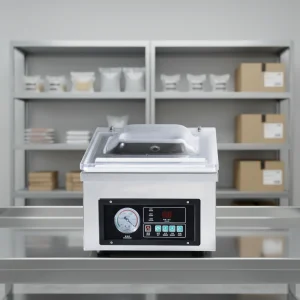
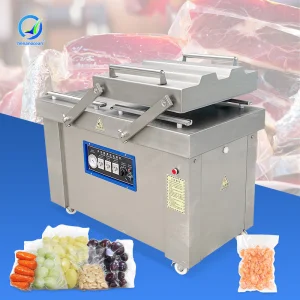
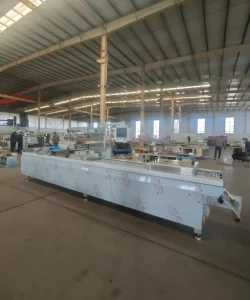
In today's fast-moving consumer goods (FMCG) and industrial supply chains, vacuum packaging has transitioned from a basic preservation method to a critical determinant of product lifecycle management. With strict global standards for hygiene, product integrity, and waste reduction, manufacturers across food, pharmaceutical, and electronic sectors rely on advanced sealing technology to ensure their goods reach their destinations undamaged.
By extracting atmospheric oxygen from the packaging, vacuum packaging systems effectively inhibit the growth of aerobic microorganisms, prevent oxidation reactions, and eliminate structural degradation. Industrial entities utilize these systems not only for extending shelf life but also for reducing volume footprint, preventing friction damage in transport, and ensuring sterile, airtight containment of delicate materials.
Henan Collins Machine Co., Ltd. — Innovating Automated Packaging & Industrial Sealing Since 2015
Henan Collins Machine Co., Ltd. was established in 2015. From day one, the company has focused on designing and manufacturing end-to-end automated packaging solutions. With 20 national invention patents, Collins demonstrates a decade of technical expertise in integrated systems including labeling, filling, capping, coding, sealing, and shrink-wrapping for a wide range of industries.
Our commitment to rigorous R&D enables us to manufacture vacuum packaging equipment that addresses modern industrial pain points: cycle speed, vacuum depth precision, seal consistency, and energy efficiency. By maintaining engineering autonomy over our proprietary designs, we customize continuous double chamber sealers, vertical packing rigs, and automatic thermoforming lines for high-volume processors worldwide.
In a 5,000 m² state-of-the-art facility, more than 80 skilled engineers and technicians support advanced production and assembly capabilities. The company operates automated coating, slitting, and quality-control lines to ensure precision and reliability across all equipment and consumables. Certified under ISO 9001, SGS, and RoHS standards, Henan Collins Machine Co., Ltd. is committed to delivering high-performance packaging machinery that meets global OEM and contract packaging requirements.
Integrated equipment and high-grade consumables designed for seamless operational synergy.
Henan Collins Machine Co., Ltd. specializes in the development, production, and sales of labeling machines, filling machines, packaging machines, thermal transfer coders, ribbon coders, ink roller coders, laser coders, and other coding equipment.
We provide a full range of consumables, including TTO ribbons, ink ribbons, ink rollers, carbon ribbons, and label paper. This integrated product portfolio supports industries such as food, daily chemicals, pharmaceuticals, cosmetics, and more, offering a complete one-stop packaging solution.
With self-operated import and export licenses, Henan Collins Machine Co., Ltd. delivers turnkey solutions to customers across Asia, Africa, Europe, and North and South America. A multilingual service network ensures efficient installation, preventive maintenance, and 24/7 remote support.
Why Henan Collins is the partner of choice for smart purchasing departments and volume exporters.
Purchasing packaging equipment from China through Henan Collins Machine Co., Ltd. offers significant strategic advantages beyond cost savings. By operating in proximity to central industrial material clusters, we benefit from streamlined supply chains for structural components, high-grade SUS304/SUS316 stainless steel, and precision electronics.
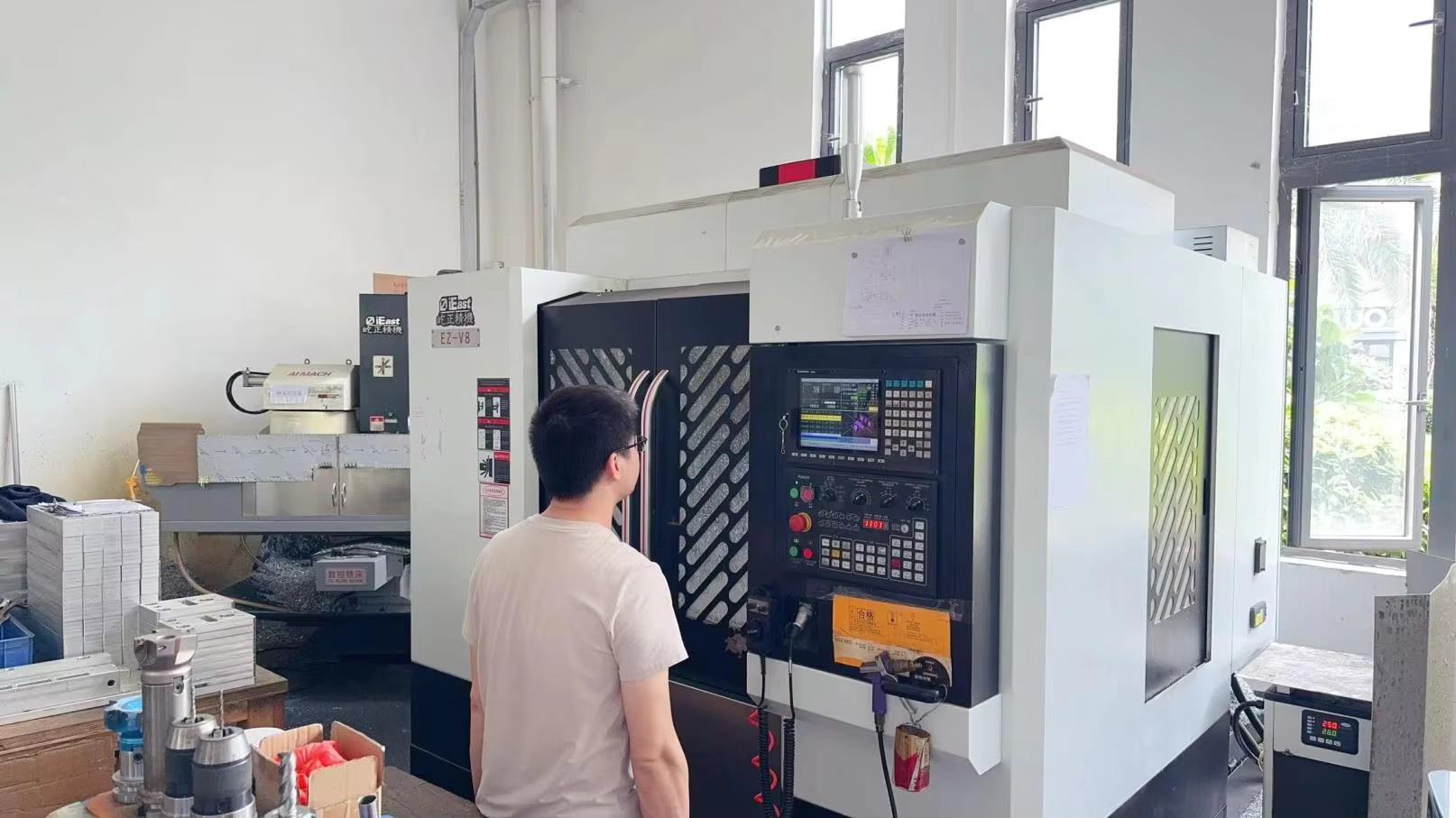
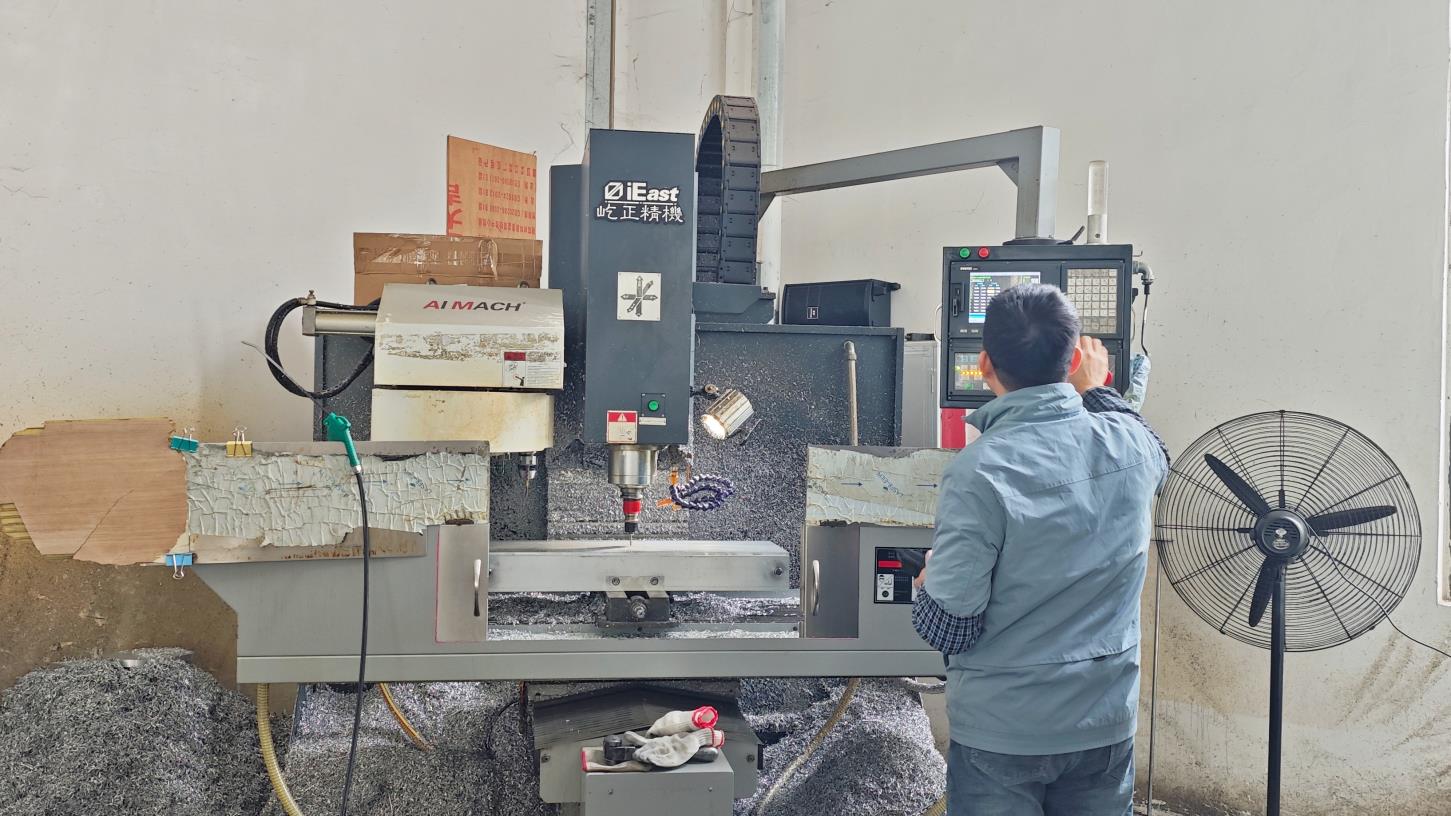
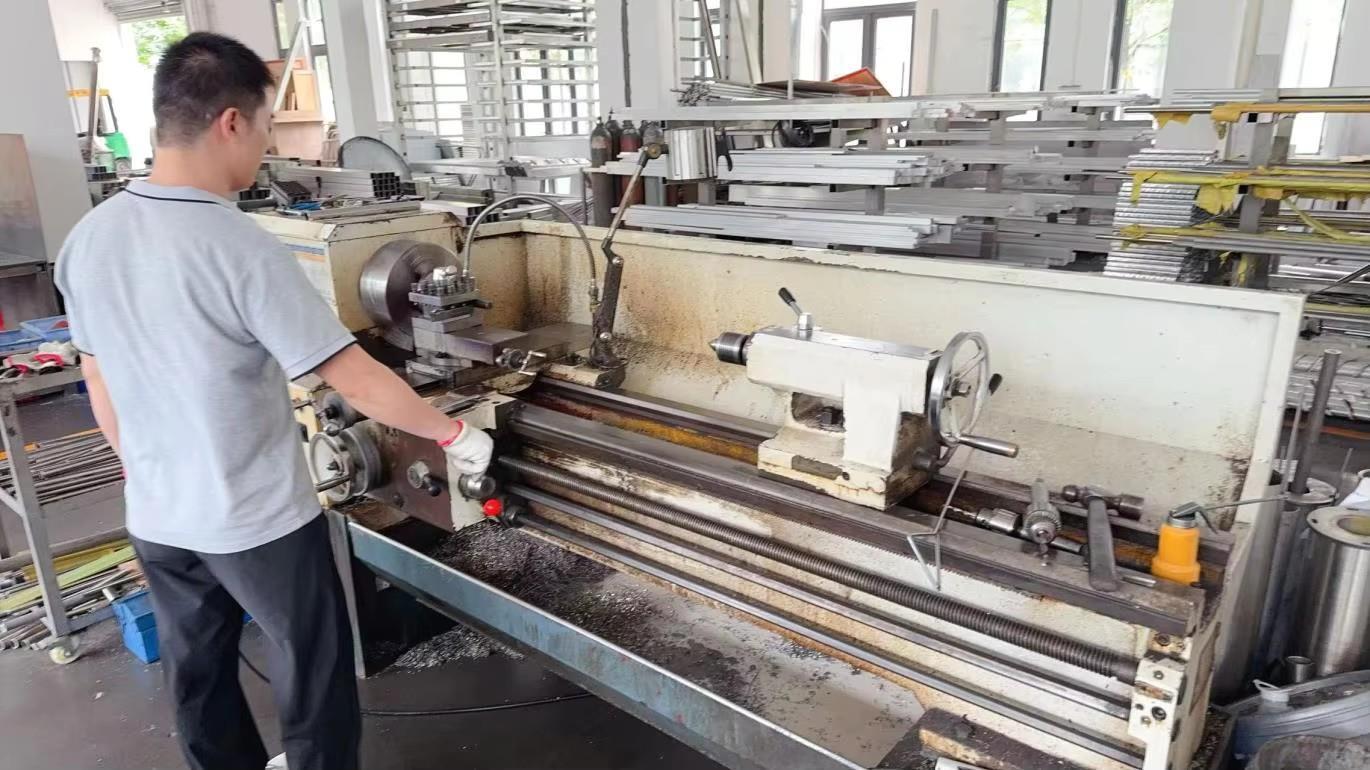
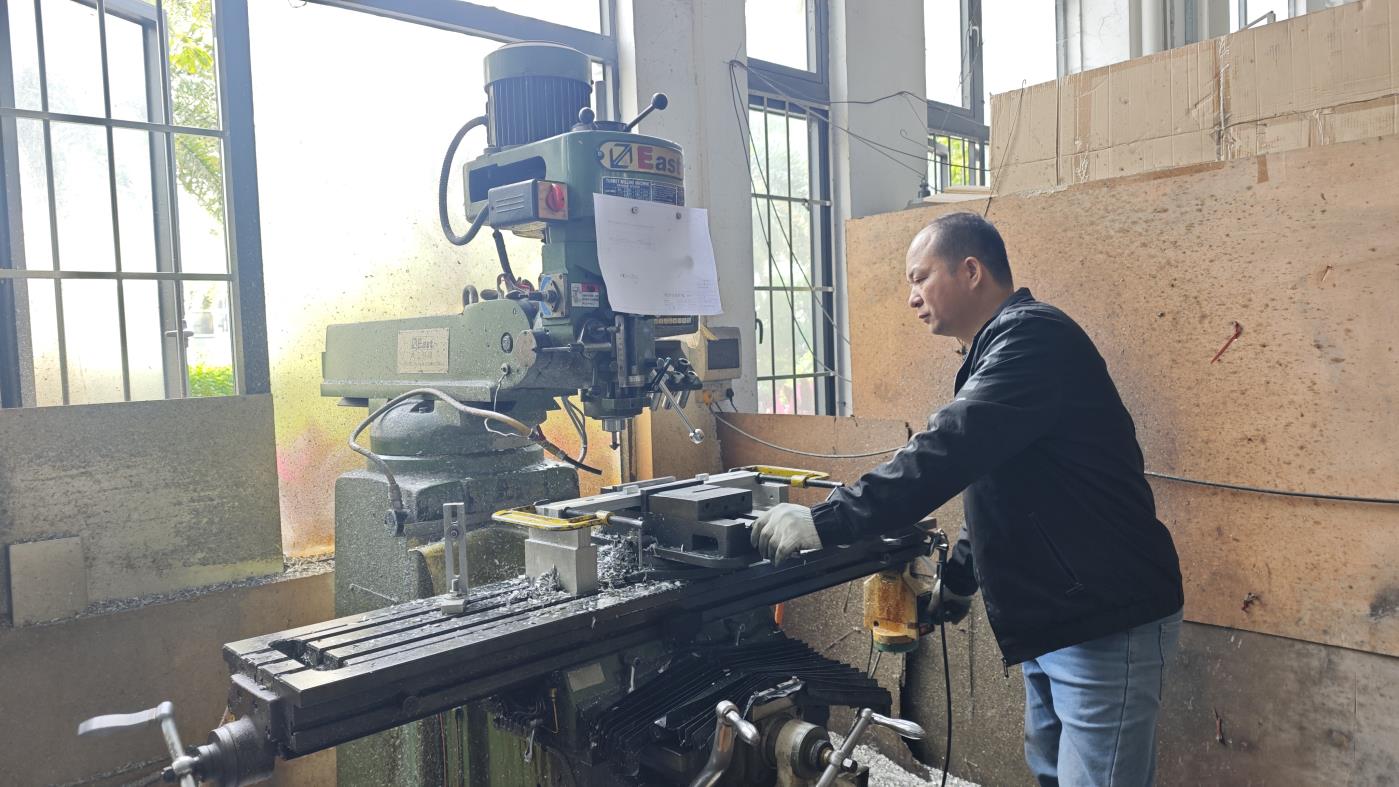
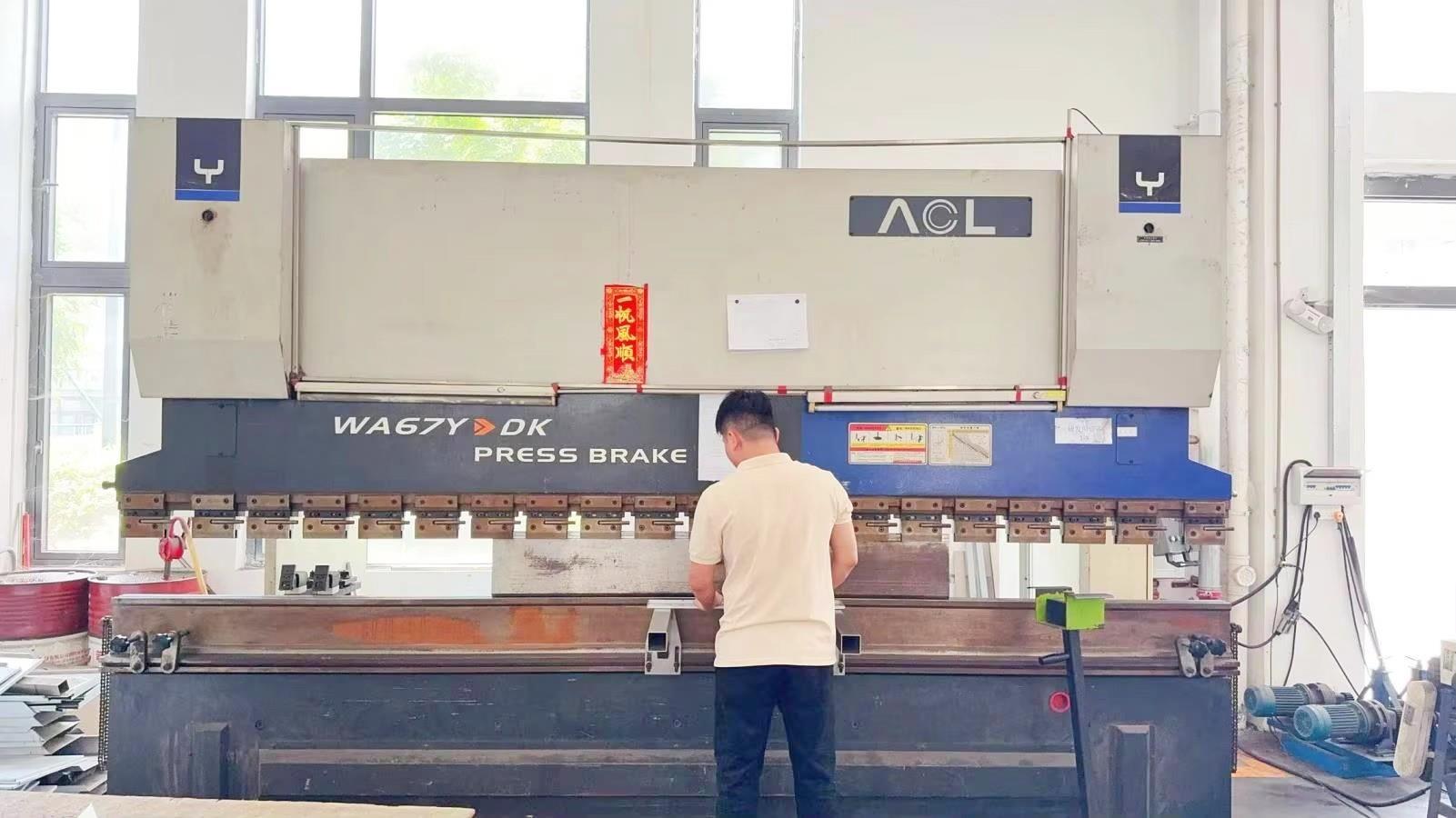
Our facility leverages specialized CNC milling machines, laser-cutting tables, and automated welding cells, allowing us to maintain precise tolerances and fast build times. This local vertical integration means we can pass efficiency-based savings directly to our clients without compromising build quality, material durability, or safety certifications.
Additionally, our agile production schedules and engineering capability allow for rapid custom builds (e.g., custom chamber depths, non-standard seal bar configurations, and gas-flush integrations) at lead times that Western OEM competitors cannot match.
Engineered solutions tailored to the operational demands of diverse sectors.
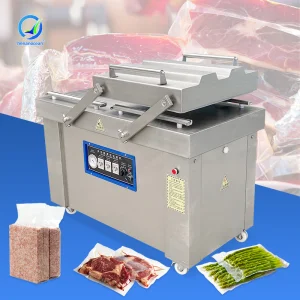
High moisture and salt environments demand rugged SUS304 stainless steel construction. Our double-chamber and rolling vacuum systems ensure consistent seal strength even when liquid contaminants are present in the seal zone, preventing leakages in export meat, seafood, and bacon cuts.
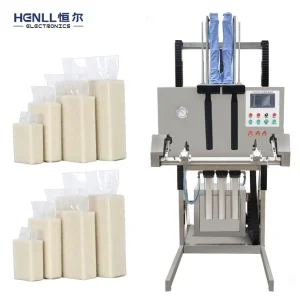
Heavy, dense agricultural products like cashew nuts, dates, and olives need deep-vacuuming or gas-flushing (modified atmosphere packaging) to prevent bruising, cracking, and chemical rancidity. Our vertical configurations and bulk sealing machines process large weight loads without bag tearing.
For medical devices, implants, and sterile lab supplies, particle control is critical. Our oil-free pump machines prevent oil mist discharge, ensuring clean operation that conforms to rigid sanitation guidelines while keeping vacuum seal pressures stable.
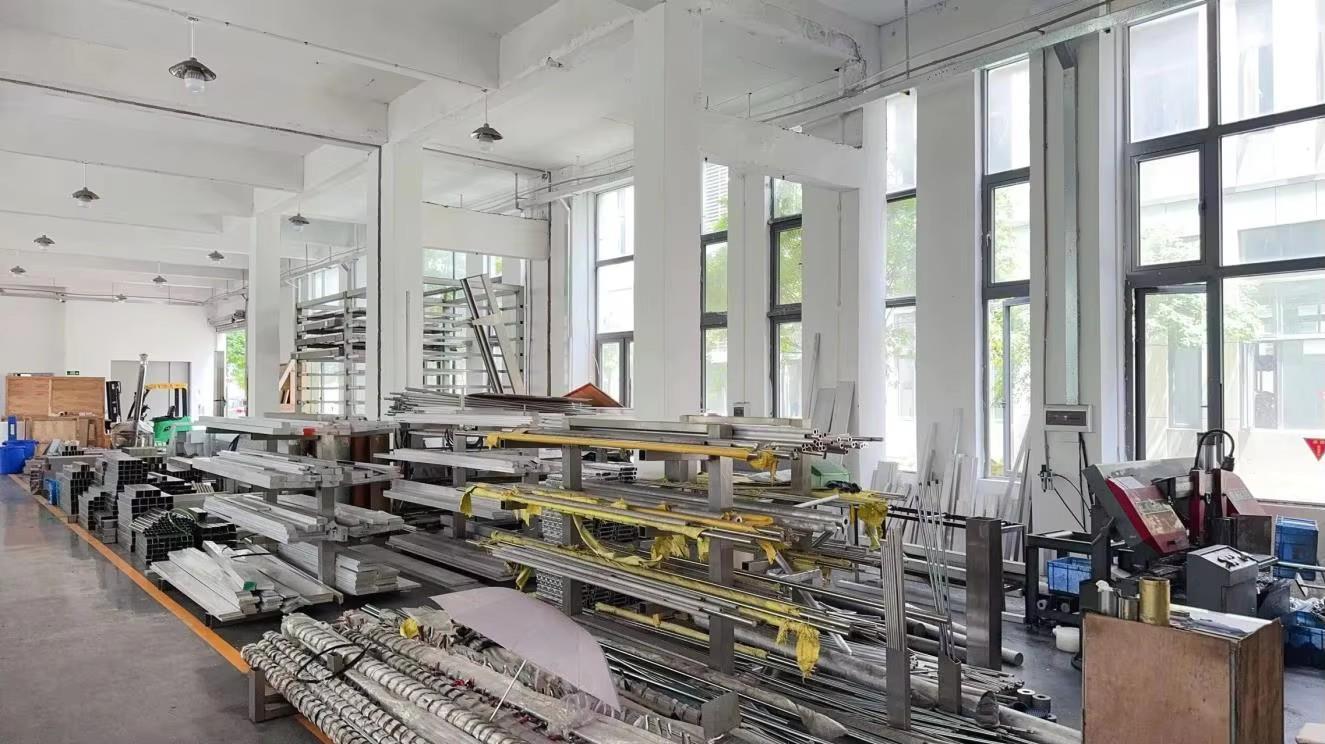
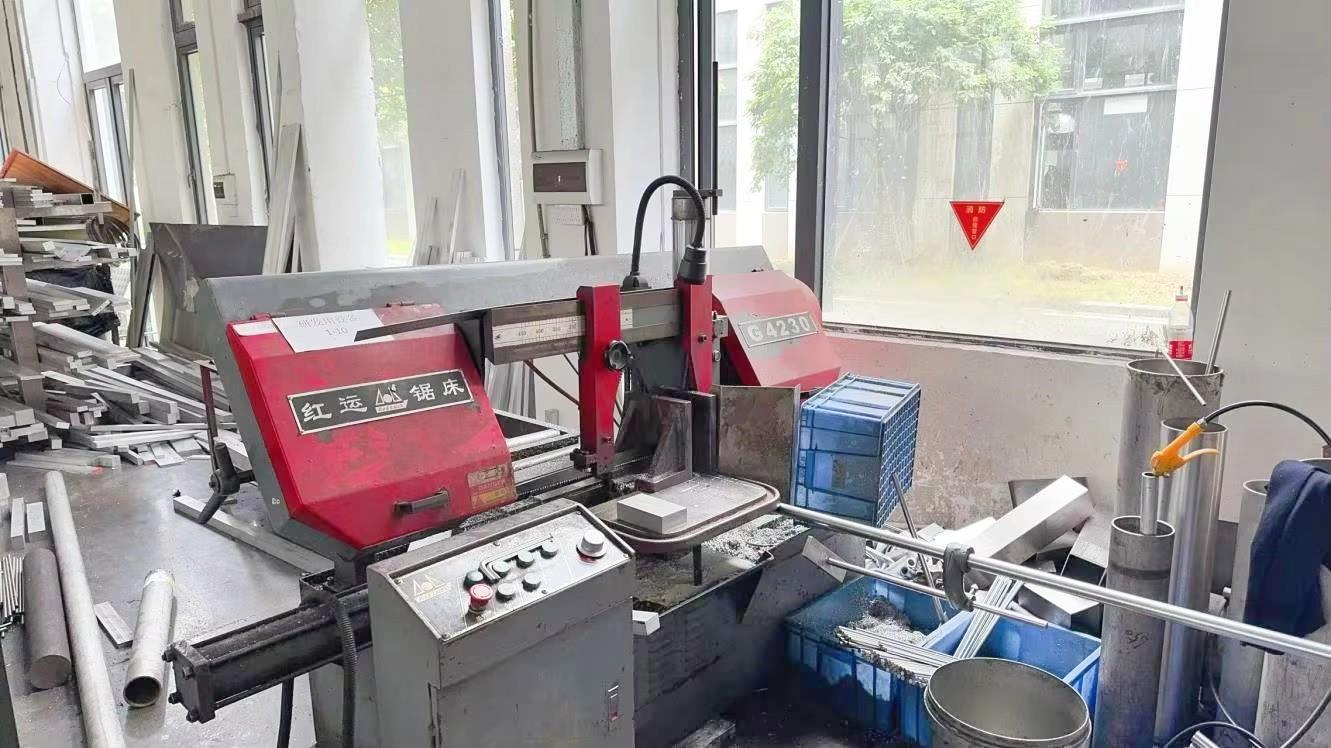
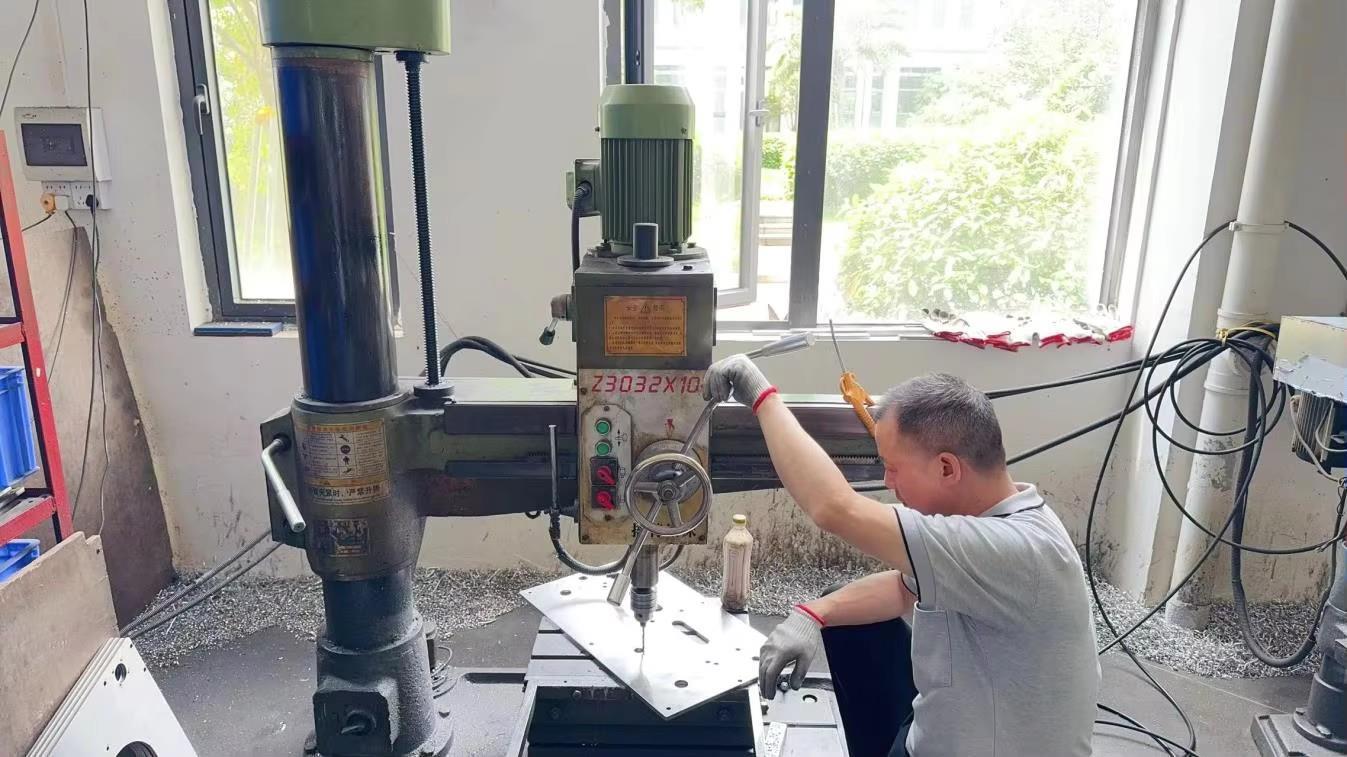
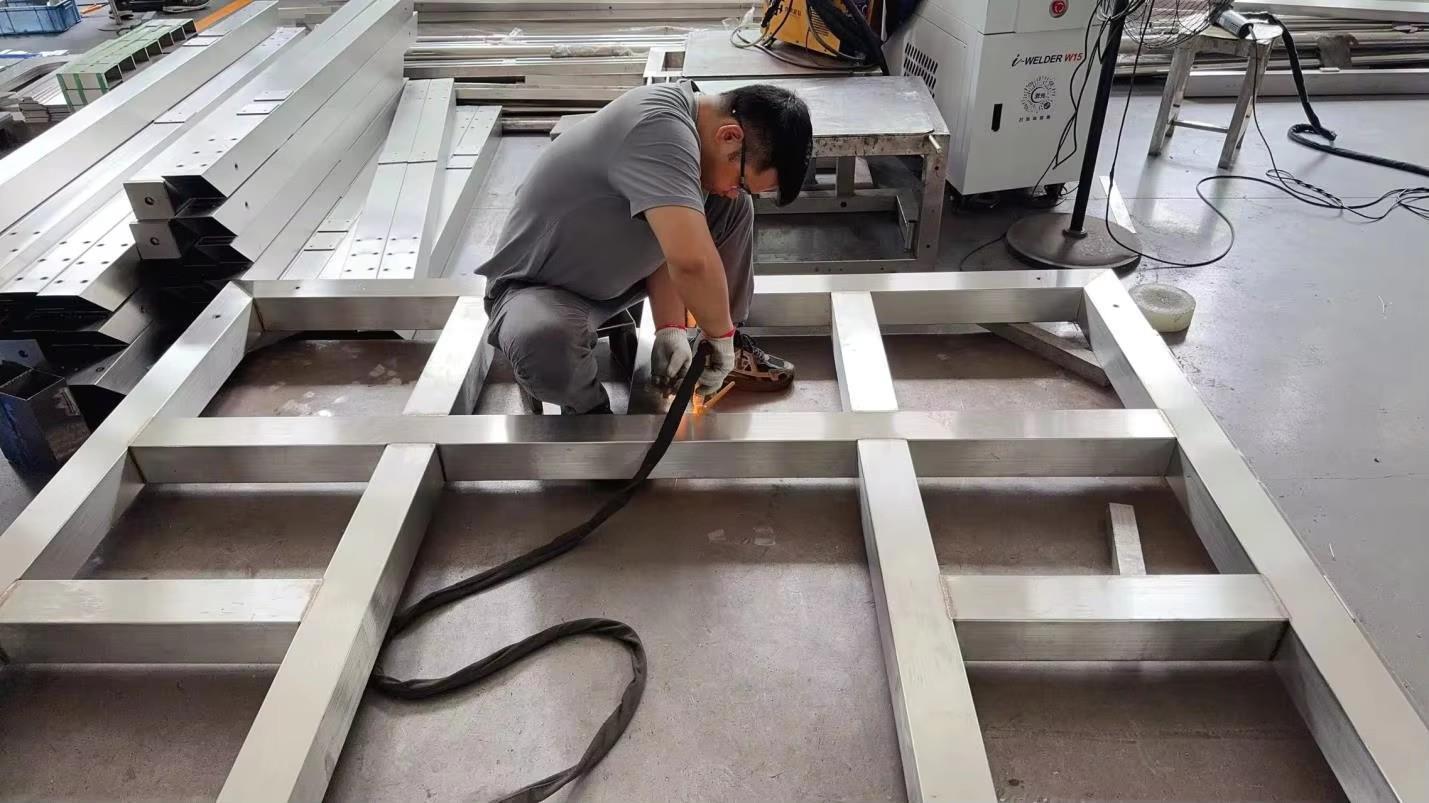
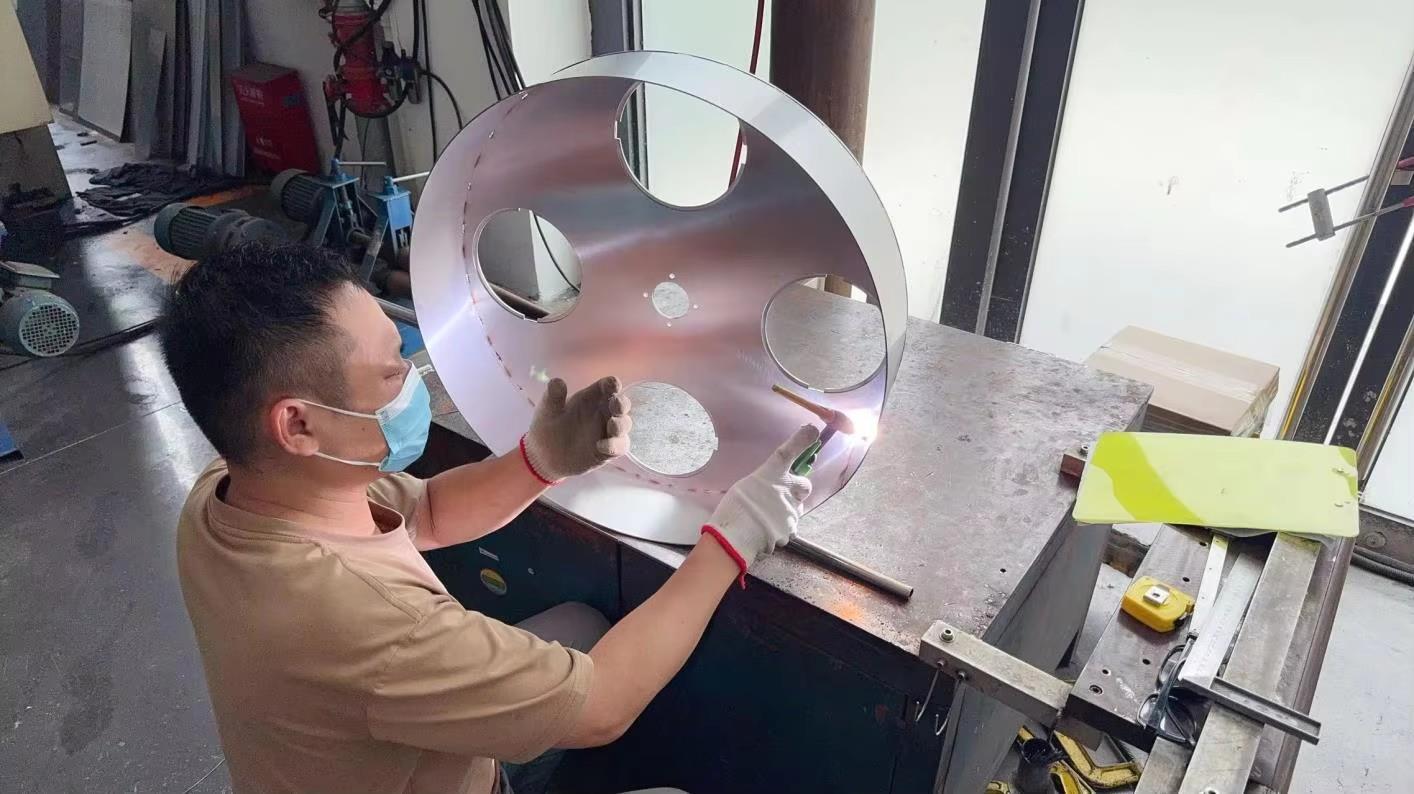
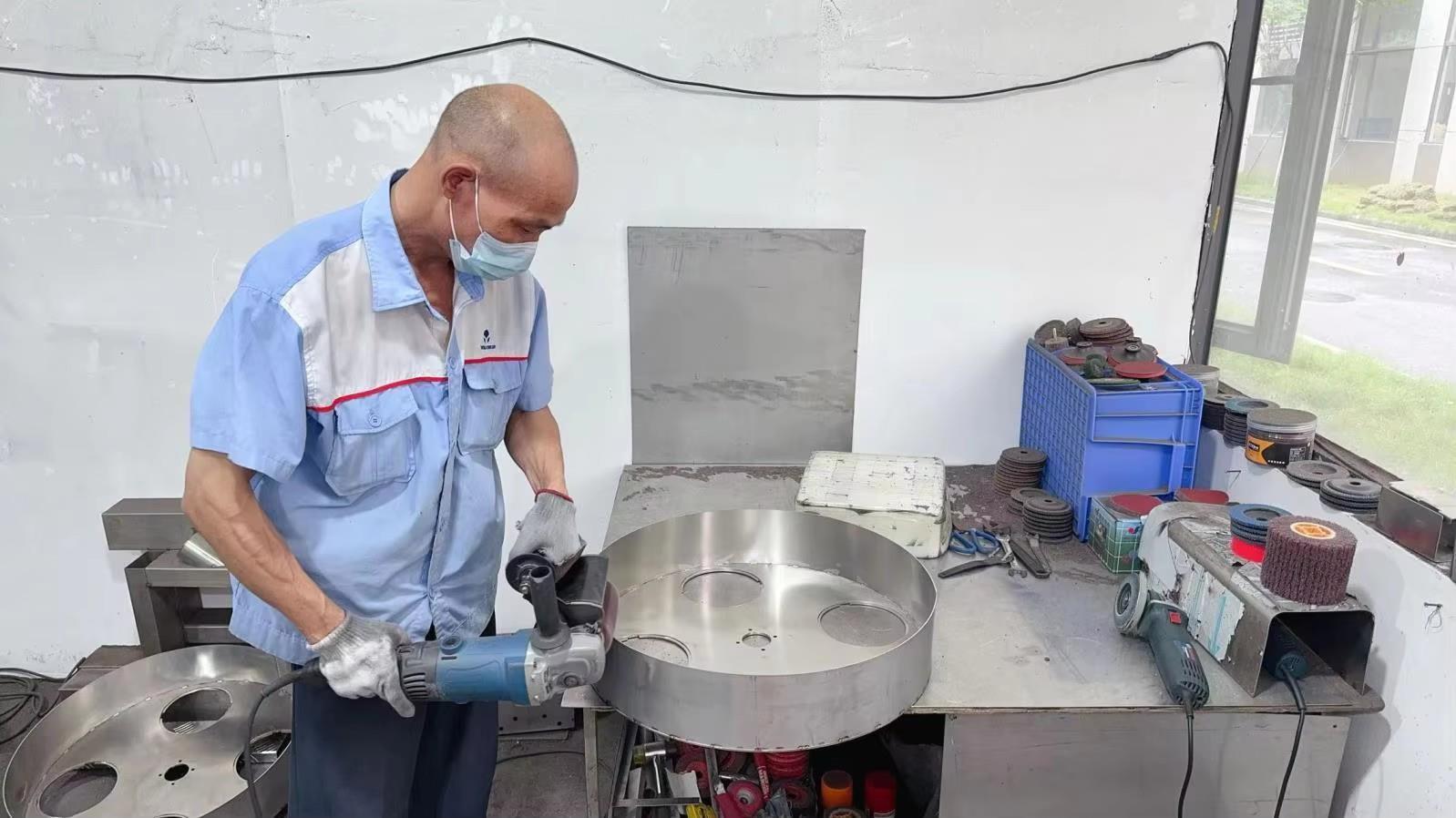
Witness the step-by-step assembly of our vacuum packaging solutions, from raw steel stock to final quality inspection.
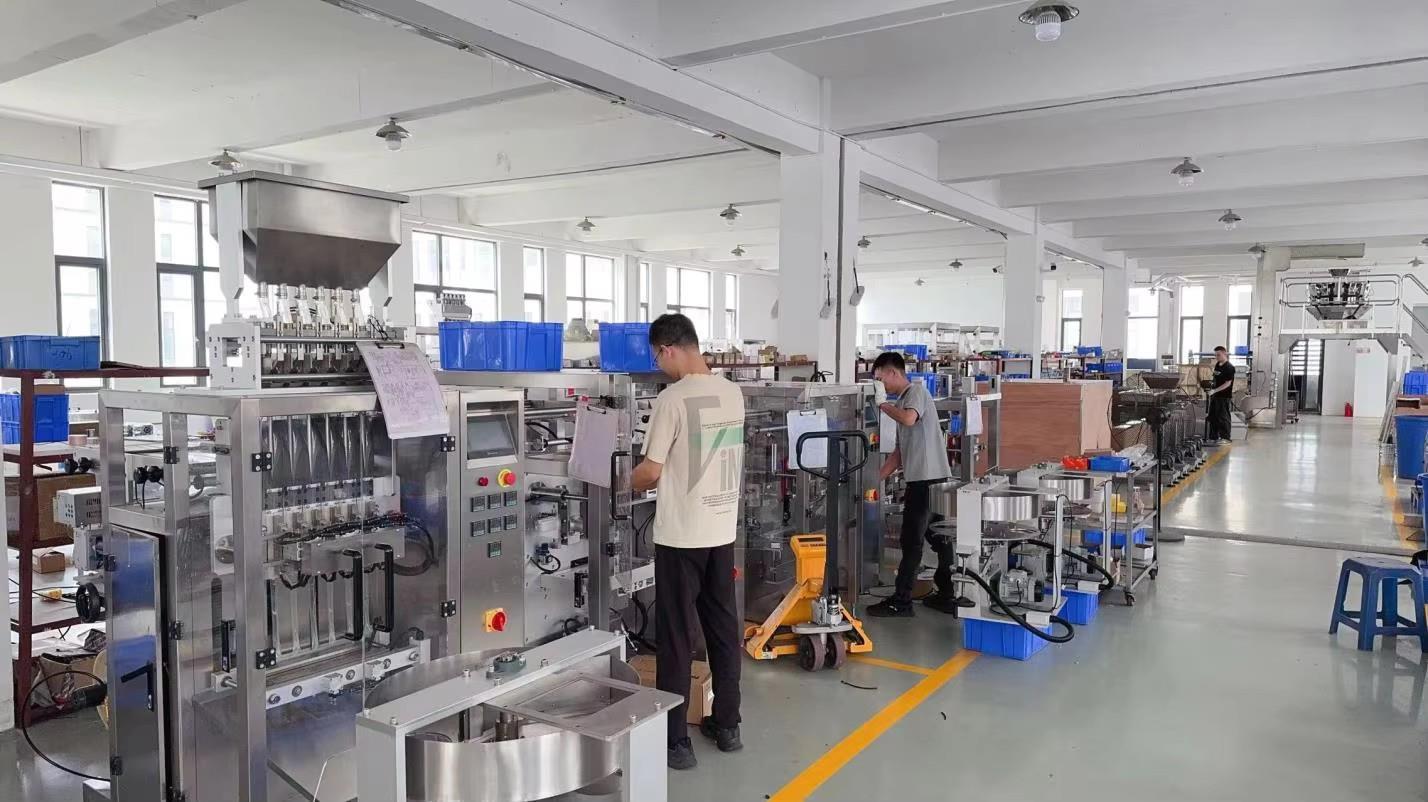
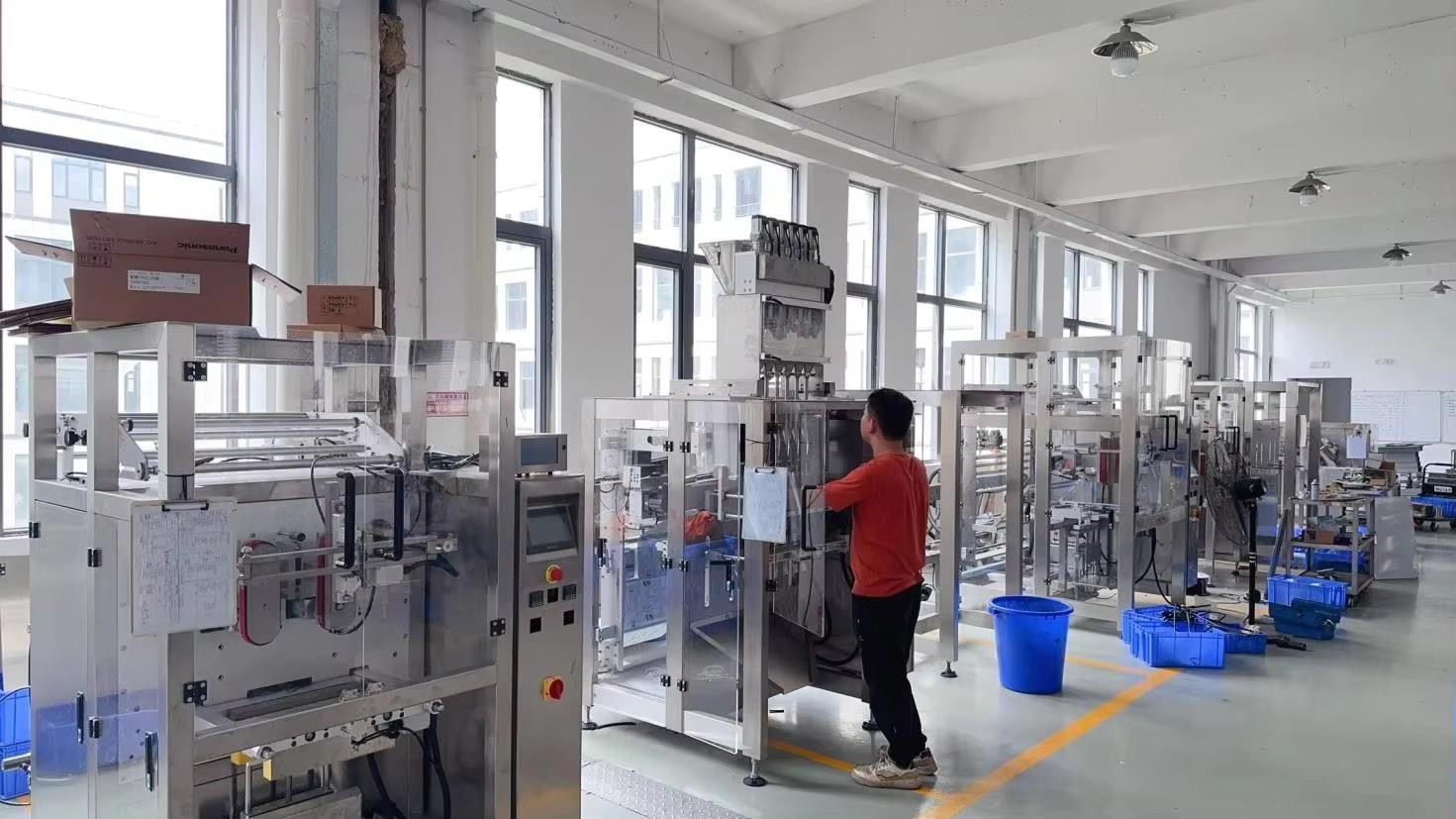
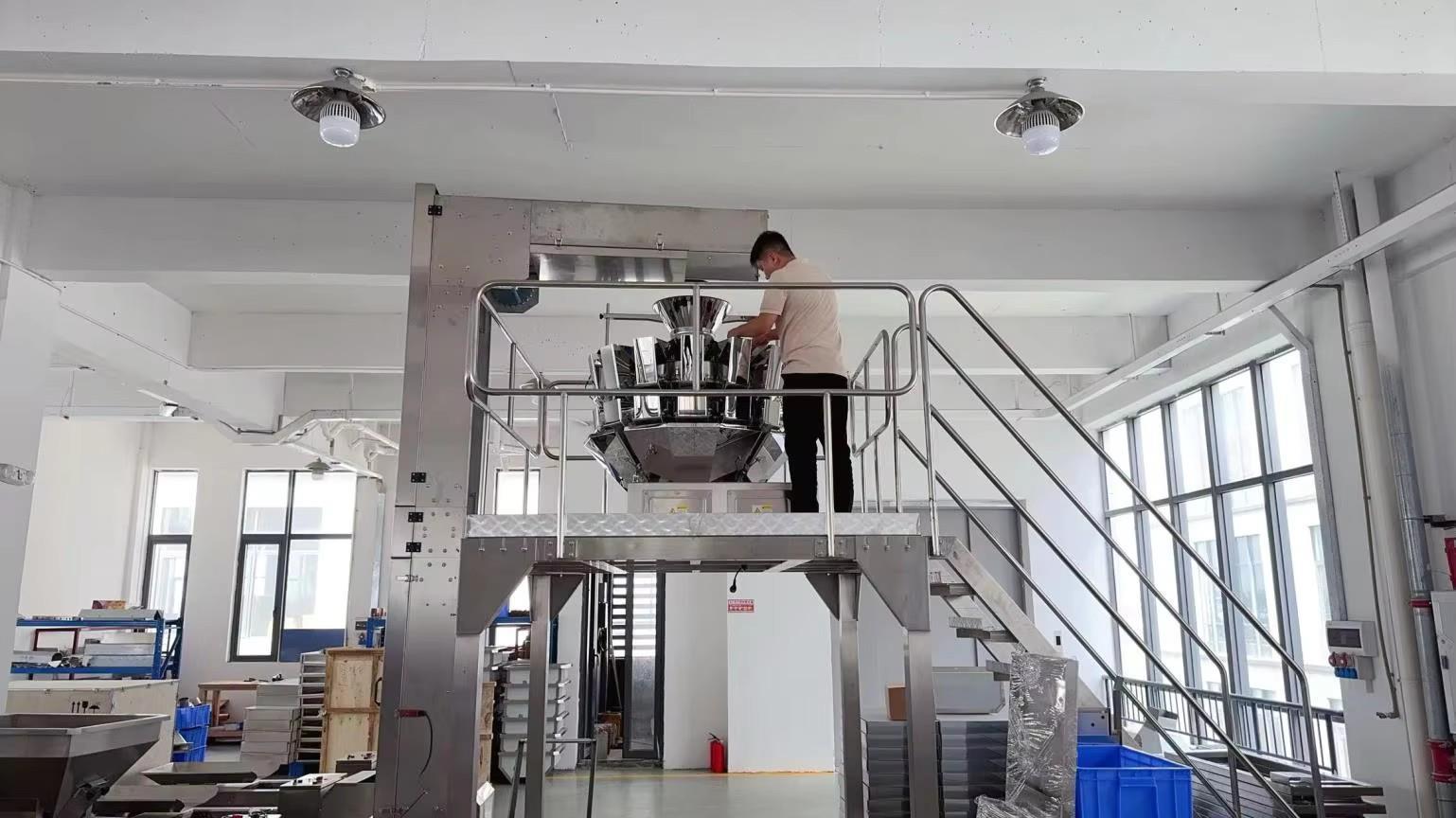
The transition toward eco-friendly materials, digital connectivity, and clean vacuum technology.
Traditional rotary oil pumps are highly effective but require routine maintenance, oil filters, and run the risk of minor exhaust emissions. Modern processing facilities are transitioning to oil-free vacuum technology. These systems minimize maintenance cycles and comply with cleanroom standards required by the pharmaceutical and cosmetic industries.
Removing oxygen is only half the solution. Dynamic gas flushing introduces specific blends of carbon dioxide (CO₂), nitrogen (N₂), and oxygen (O₂) to inhibit microbial decay, maintain structural integrity, and keep meats looking fresh. High-capacity vacuum sealers must offer multi-stage gas gasification settings to meet diverse retail requirements.
Traceability is key in global logistics. High-output vacuum packing lines are increasingly paired with Thermal Transfer Overprinters (TTO), laser coders, or high-speed inkjet coders. Integrating these technologies directly into the sealing step allows barcode data, batch codes, and expiration dates to be applied cleanly on the bag surface without slowing down production.
Global plastic reduction mandates have forced manufacturers to use thinner co-extruded films or mono-material PE pouches. Our latest sealing bars feature precise digital PID temperature controllers, preventing thermal burn-through and ensuring reliable seal integrity on eco-friendly, biodegradable films.
Key parameters purchasing managers must prioritize to ensure long-term ROI.
Expressed in m³/hour, this dictates the rate of evacuation and overall cycle speed. Matching chamber volume to pump displacement prevents slow packaging speeds and avoids taxing the motor during high-volume production shifts.
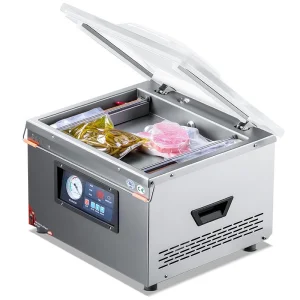
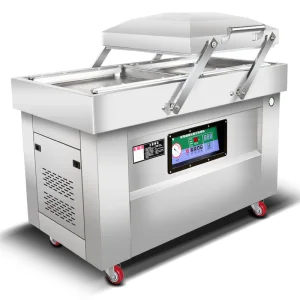
Selecting double-chamber versus single-chamber setups depends on product length and throughput needs. A dual sealing bar configuration allows operators to load bags on one side while the opposing side completes its cycle, maximizing productivity.
For pharmaceutical and medical applications, ensure the manufacturer offers complete Installation Qualification (IQ) and Operational Qualification (OQ) validation packages. This confirms seal temperature, vacuum levels, and pressure are consistently maintained.
Get answers to common technical and operational questions from our engineering team.
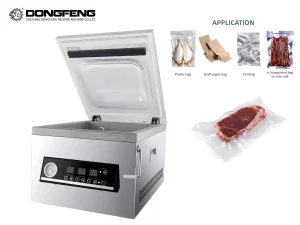
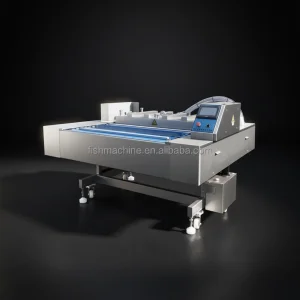
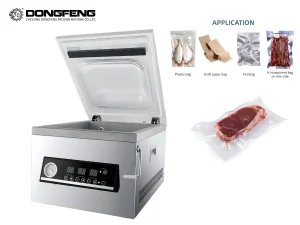
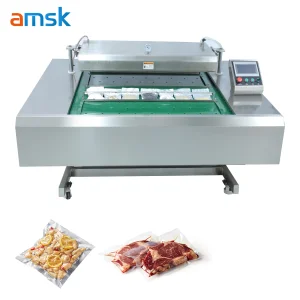
Explore our conveyor-belt systems, high-capacity chamber sealers, and custom bulk bag packaging systems.
 Collins Machine