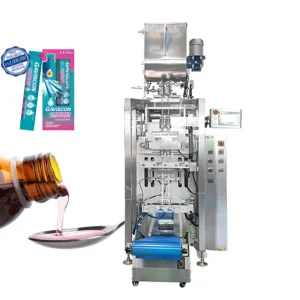
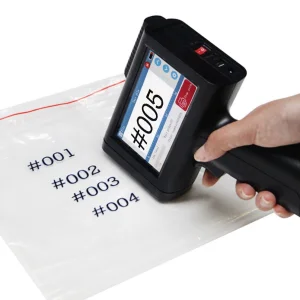
Discover our highly precise mechanical assemblies, packaging machinery, and high-performance inline thermal/inkjet coders engineered for modern high-speed production environments.
Technical parameters, polymer performance, and mechanical architectures defining the future of automated product labeling.
In modern industrial packaging, shrink sleeve labeling has emerged as the gold standard for achieving 360-degree high-impact graphics on complex container geometries. This packaging strategy not only maximizes shelf presence but also integrates tamper-evident security elements into a single processing step. As brand owners increasingly deploy contour-rich designs across PET, HDPE, glass, and aluminum containers, the demands placed on automated shrink sleeve applicator machinery have escalated in terms of speed, precision registration, and film handling compliance.
From a mechanical perspective, the sleeve application process involves a complex sequence of film feeding, tension buffering, continuous optical tracking, precise rotary knife cutting, and precise placement over the moving container. The challenge is compounded by the variable shrinkage curves of modern polymer films, including PETG, PLA, PVC, and OPS. Successful execution depends entirely on structural stability, microsecond-level synchronization between servo drives, and uniform thermodynamic distribution in heat shrink tunnels.
Understanding these critical integration points is vital for engineering teams and procurement offices alike. Selecting a top-tier shrink sleeve applicator supplier requires analyzing their design capability in tension control, mandrel tooling customization, and compliance with the global industrial standard. This document outlines the technical frameworks, market leaders, and implementation strategies that drive superior execution across global supply networks.
Film thickness reduction from traditional 50 microns down to 30 microns demands highly sensitive active tension systems to prevent web breaks and ensure smooth insertion rates at speeds exceeding 400 CPM (containers per minute).
Dual-drive rotary cutter assemblies utilize multiple blades to deliver high-velocity, burr-free cuts, maintaining extreme length accuracy even during dynamic throughput variations.
EtherCAT-based closed-loop servo synchronization enables zero-lag communication between feed rollers, cutting mandrels, and product orientation conveyor mechanisms.
Zoned steam and hot-air tunnels feature micro-adjustable baffles to optimize convective heat transfer, preventing container deformation and film wrinkling.
The transformation of sleeve application through smart sensors, sustainable substrates, and predictive maintenance protocols.
Modern applicator architectures incorporate smart optical vision sensors that dynamically measure the physical profile of incoming bottles. By utilizing machine learning algorithms, the system can automatically adjust the mandrel's height and vertical center, reducing job changeover calibration times from hours to under 5 minutes without manual tools.
With environmental regulations targeting single-use plastics, engineering focus has shifted to handling thin-gauge recycled PET (rPET) and compostable PLA films. Modern systems employ specialized low-friction coatings and micro-tension controls to accommodate these delicate, high-shrinkage materials without tearing or stretching during high-speed feeding.
Through IoT-enabled sensory arrays and vibration sensors placed on critical rotary components, the applicator continuously stream operation telemetry data to cloud analytics platforms. This allows maintenance teams to receive alerts for replacement tasks weeks before a physical component failure occurs, eliminating unplanned downtime.
Customized process configurations optimized for diverse operational demands across global manufacturing sectors.
In high-speed beverage bottling lines, reliability is non-negotiable. Shrink sleeve applicators must operate in humid environments and maintain high speeds. Our solutions integrate splash-proof stainless-steel housings (IP67 rating) and automatic double-reel film splicing systems that ensure non-stop production during roll changes. Whether applying neck sleeves to glass condiment jars or full-body sleeves to contoured energy drink cans, the mechanical process guarantees tight tolerances and high-quality heat distribution.
For the pharmaceutical and personal care industries, precise label placement and hygiene standards are critical. Automated sleeves serve a dual purpose: aesthetic packaging and tamper-evident security. Custom mandrels enable the reliable application of thin sleeves onto highly irregular cosmetic containers and small glass ampoules. The integration of inline inspection cameras detects incorrect sleeves, misaligned heights, or poorly shrunk labels, automatically diverting non-compliant containers without stopping the line.
An inside look at our advanced manufacturing processes, production scale, and quality standards.
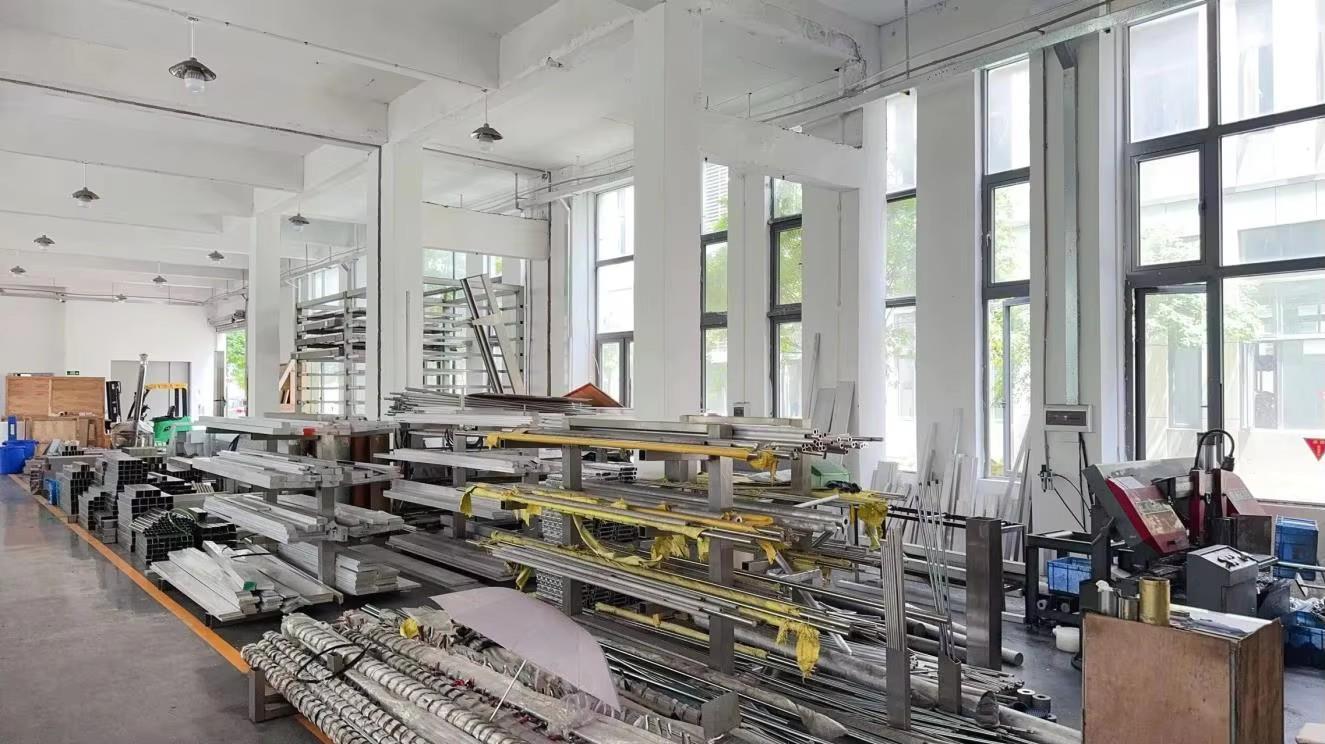
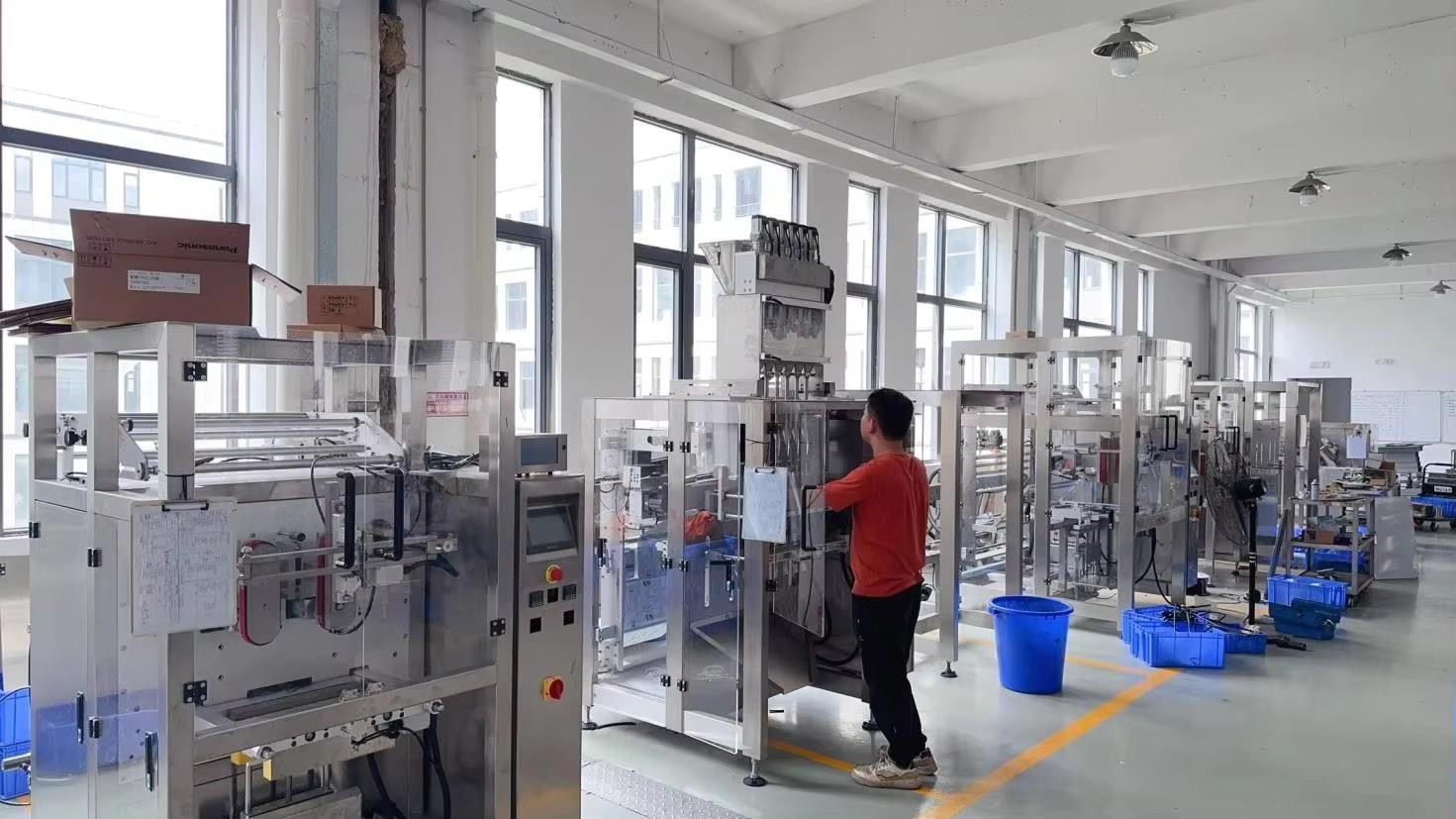
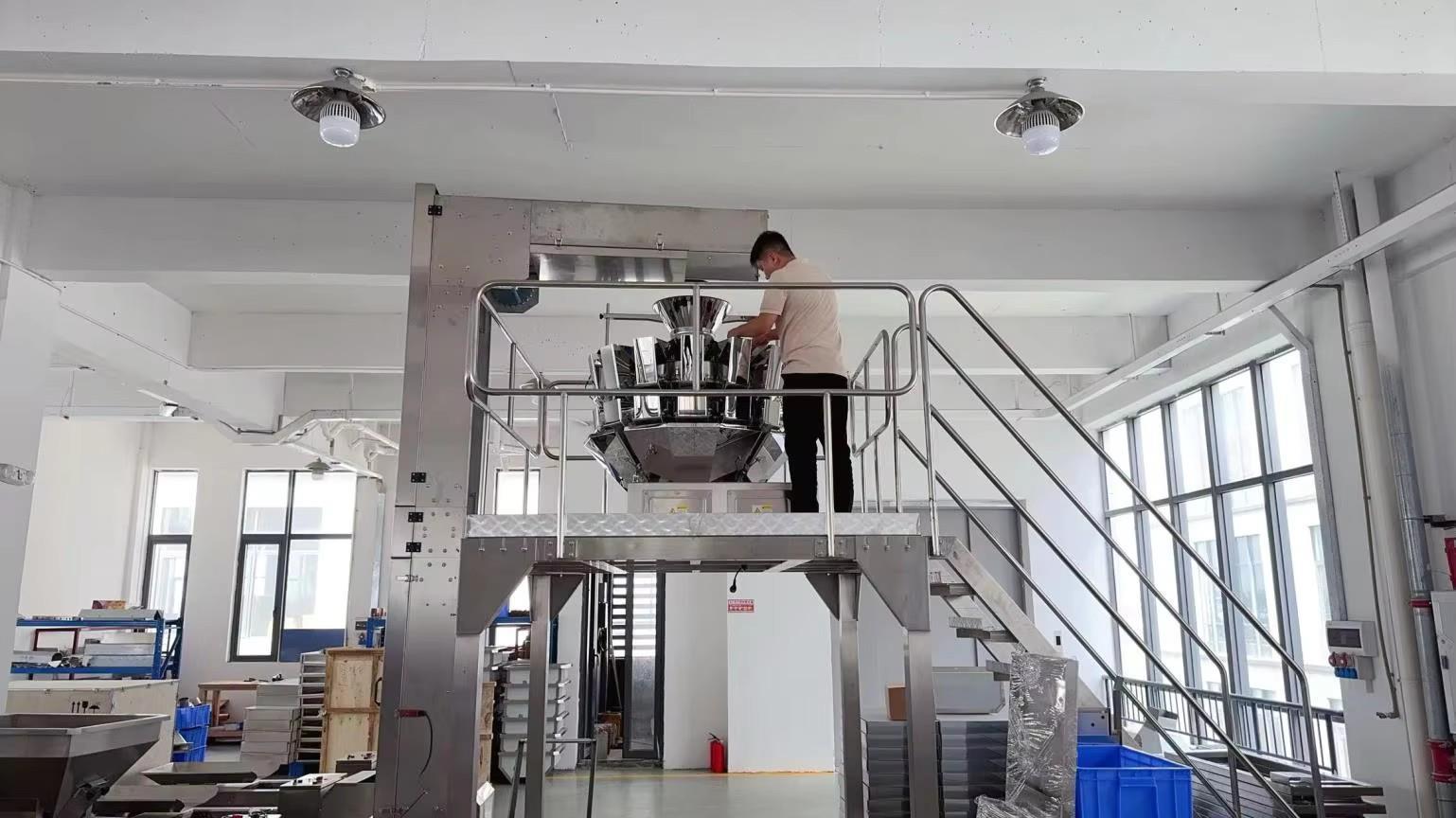
Henan Collins Machine Co., Ltd., established in 2015, stands as a prime example of China's Factory 4.0 evolution. Operating from a state-of-the-art 5,000 m² facility, the company has integrated end-to-end automated manufacturing pipelines with rigorous quality testing protocols. Guided by a team of over 80 skilled engineers and technicians, Henan Collins maintains a strong focus on design innovation, holding 20 national invention patents in integrated systems covering labeling, filling, capping, coding, sealing, and shrink-wrapping.
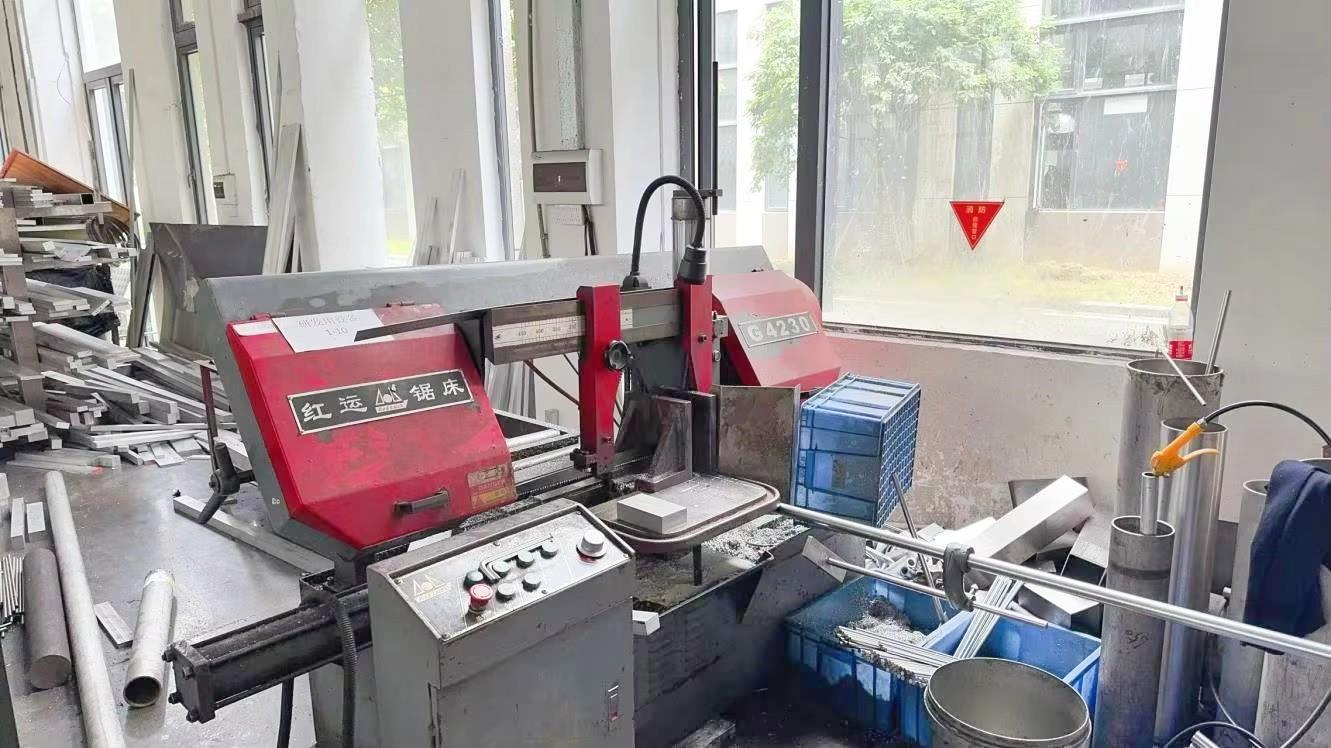
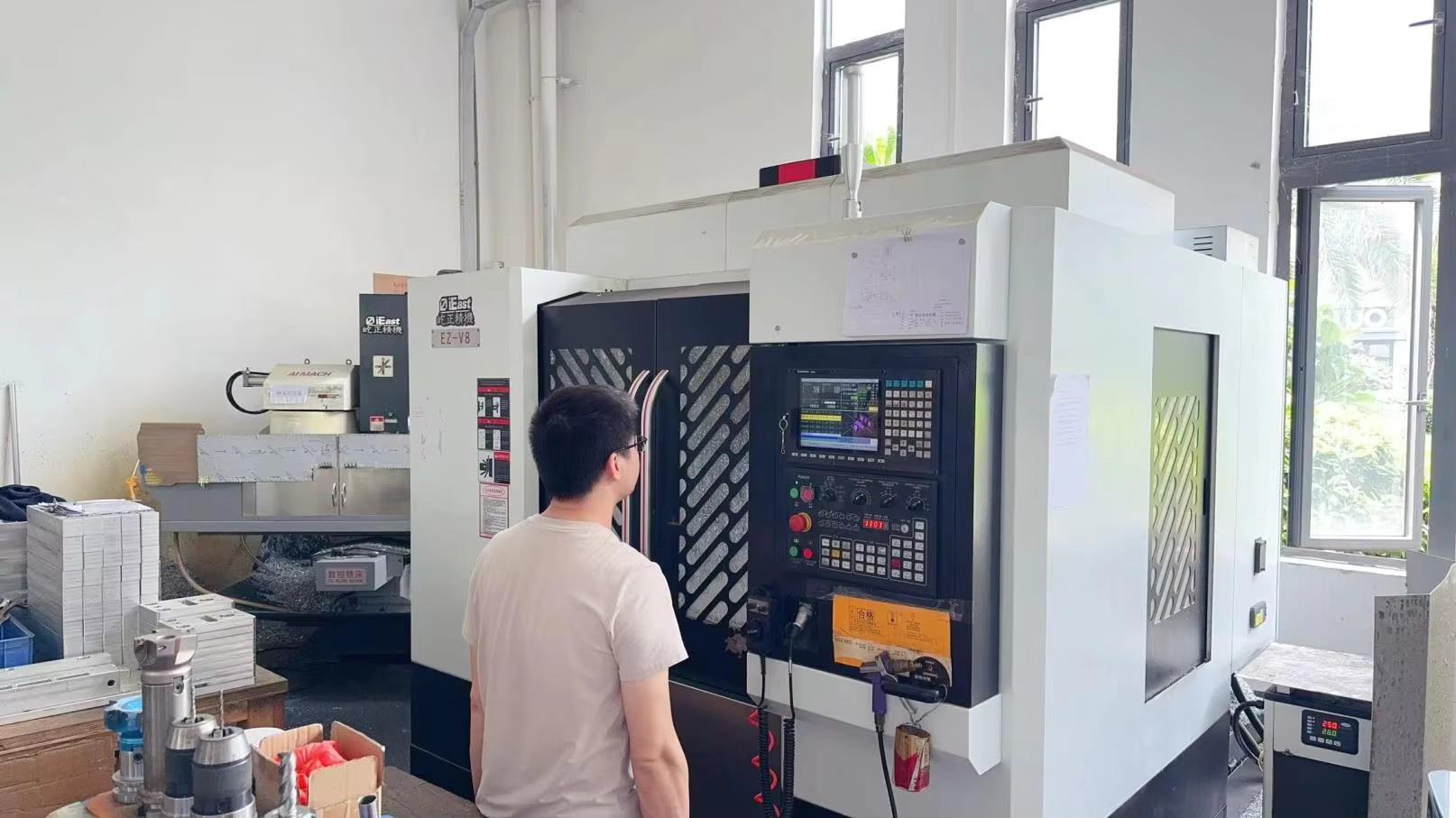
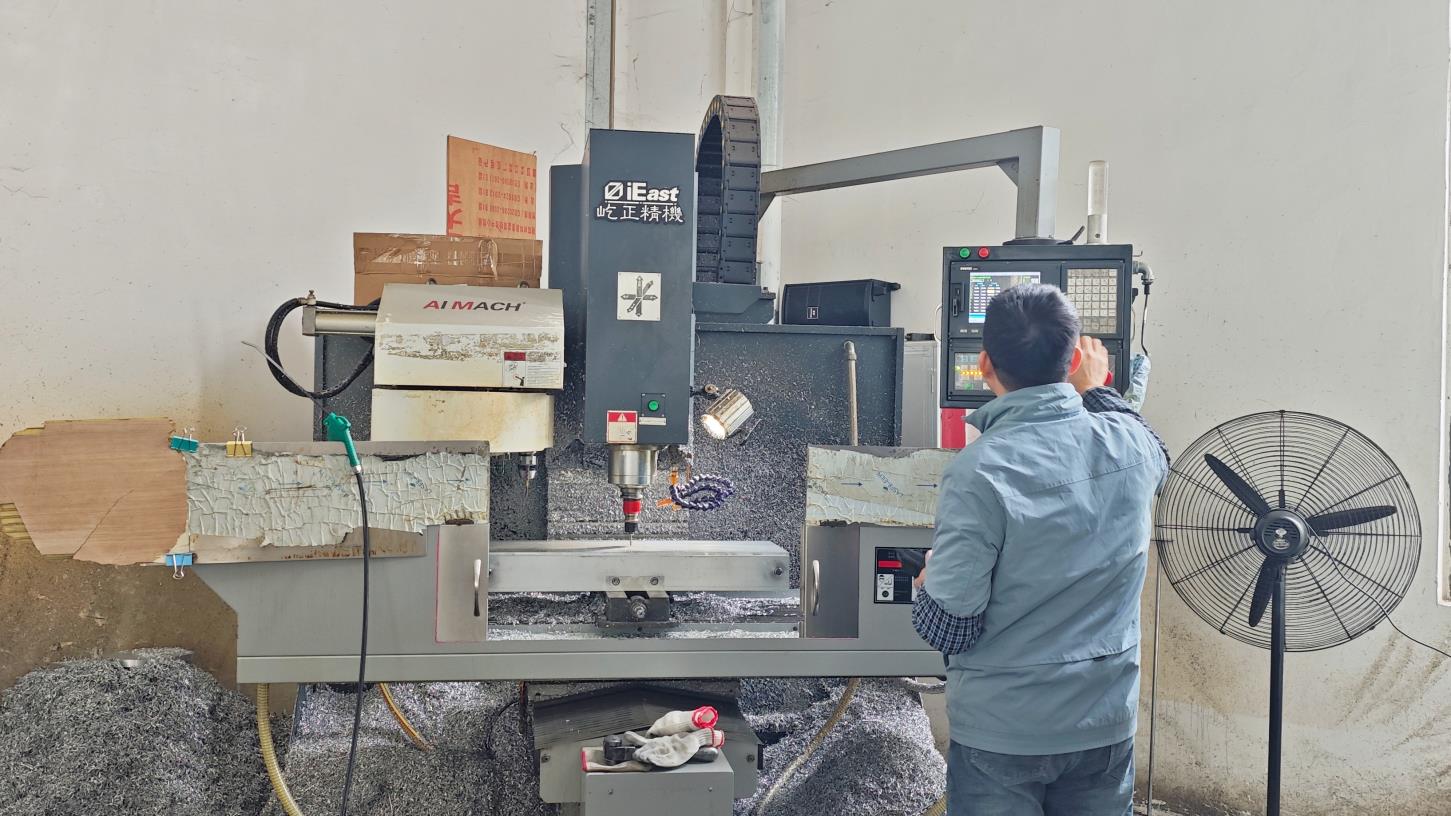
By executing core machining processes in-house—including CNC milling, precision lathe turning, laser bending, and advanced robotic welding—the company guarantees complete control over component tolerances and assembly precision. All machinery complies with strict international regulatory standards, holding ISO 9001, SGS, and RoHS certifications. This robust production infrastructure ensures that global OEM clients and contract packagers receive highly reliable equipment tailored to their dynamic runtime requirements.
To support global supply chains, Henan Collins implements structural redundancies across raw material procurement and component sourcing. By partnering with leading component manufacturers (including Siemens PLCs, Omron sensors, and Festo pneumatics), the company ensures that key replacement parts are readily available worldwide. The facility features automated coating, slitting, and quality-control lines that verify the performance of both heavy packaging machinery and high-speed consumables (such as TTO ribbons, ink rollers, and label papers) before shipment.
This integration of equipment manufacturing and high-quality consumables allows Henan Collins to offer comprehensive, one-stop solutions. Customers in food processing, daily chemical manufacturing, and logistics benefit from streamlined procurement, seamless system integration, and rapid commissioning cycles, ensuring a fast return on investment.
Step-by-step manufacturing and machining pipeline at the Henan Collins industrial facility.
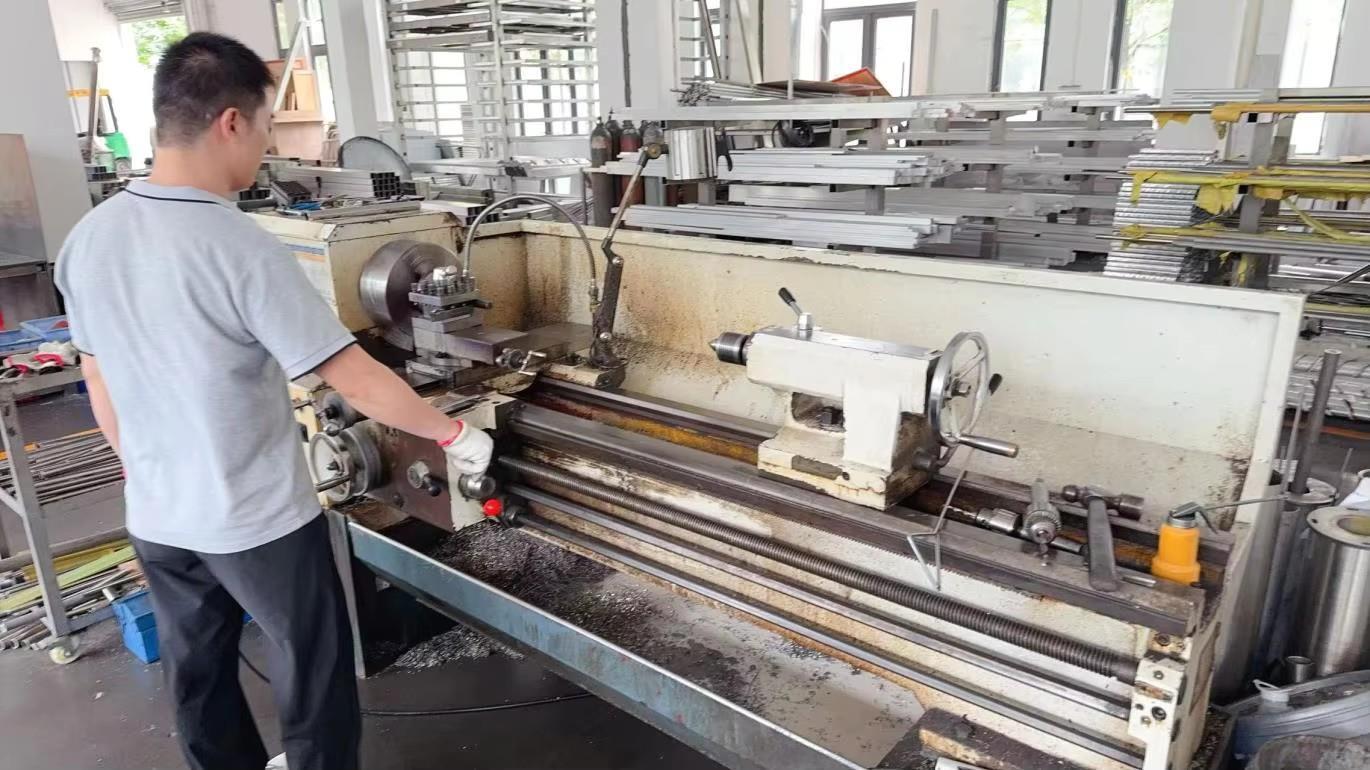
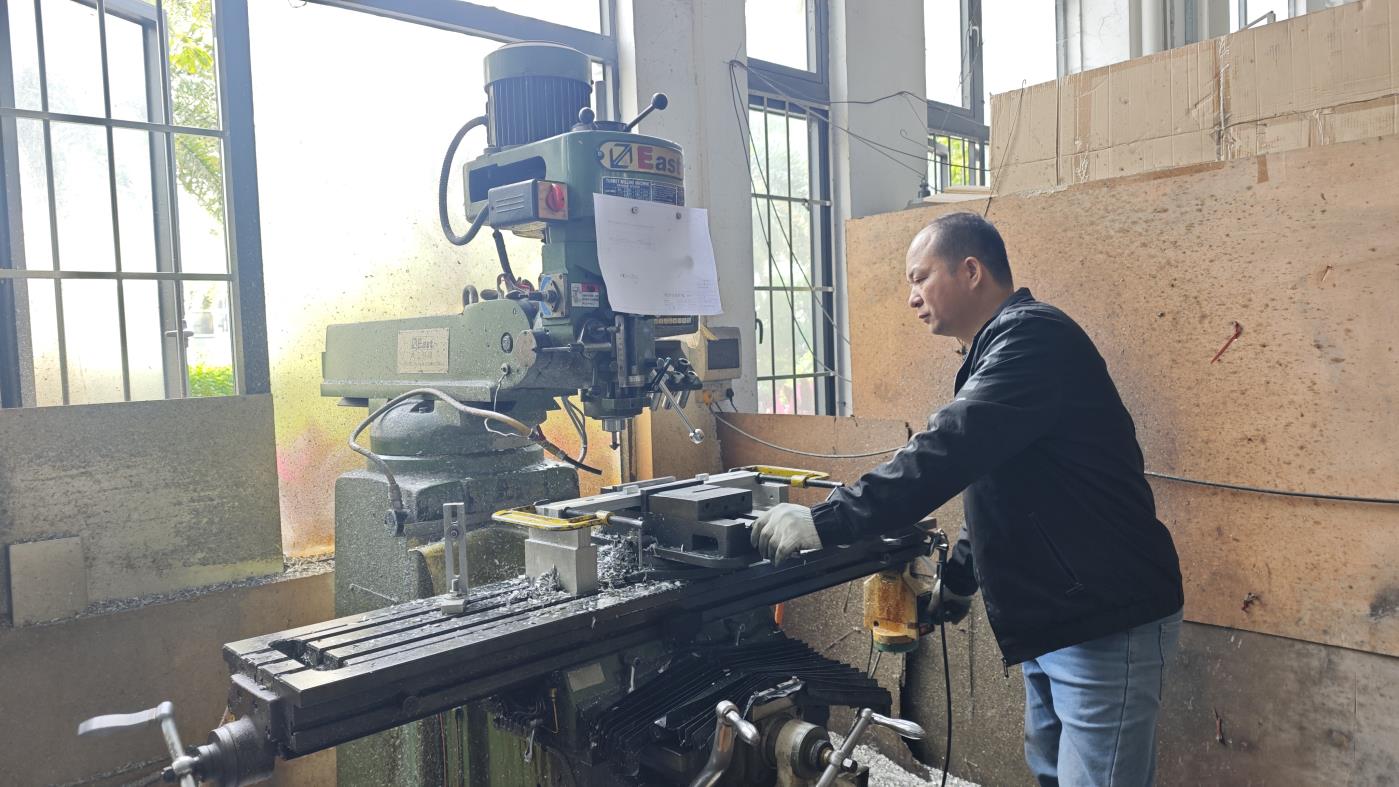
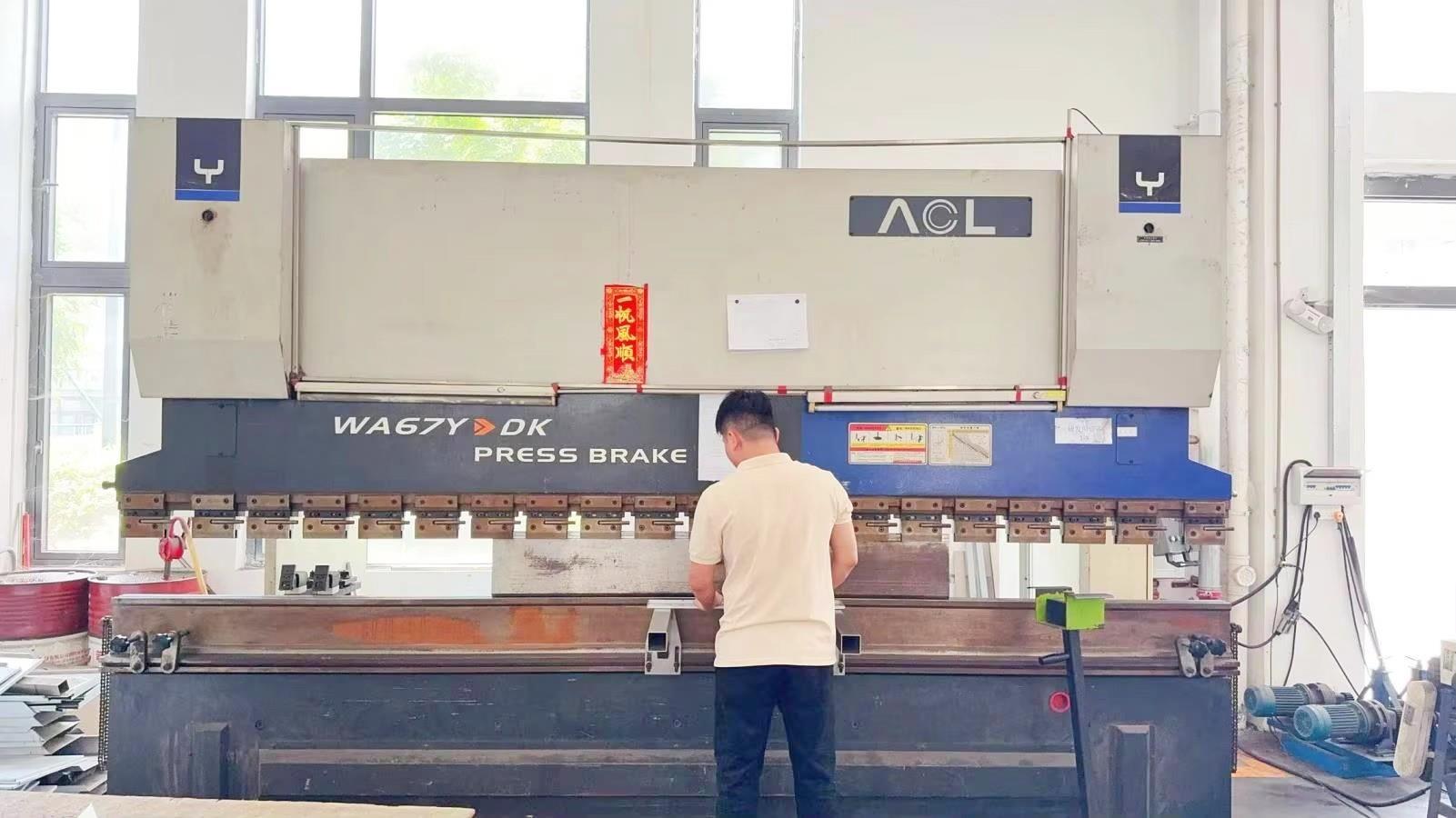
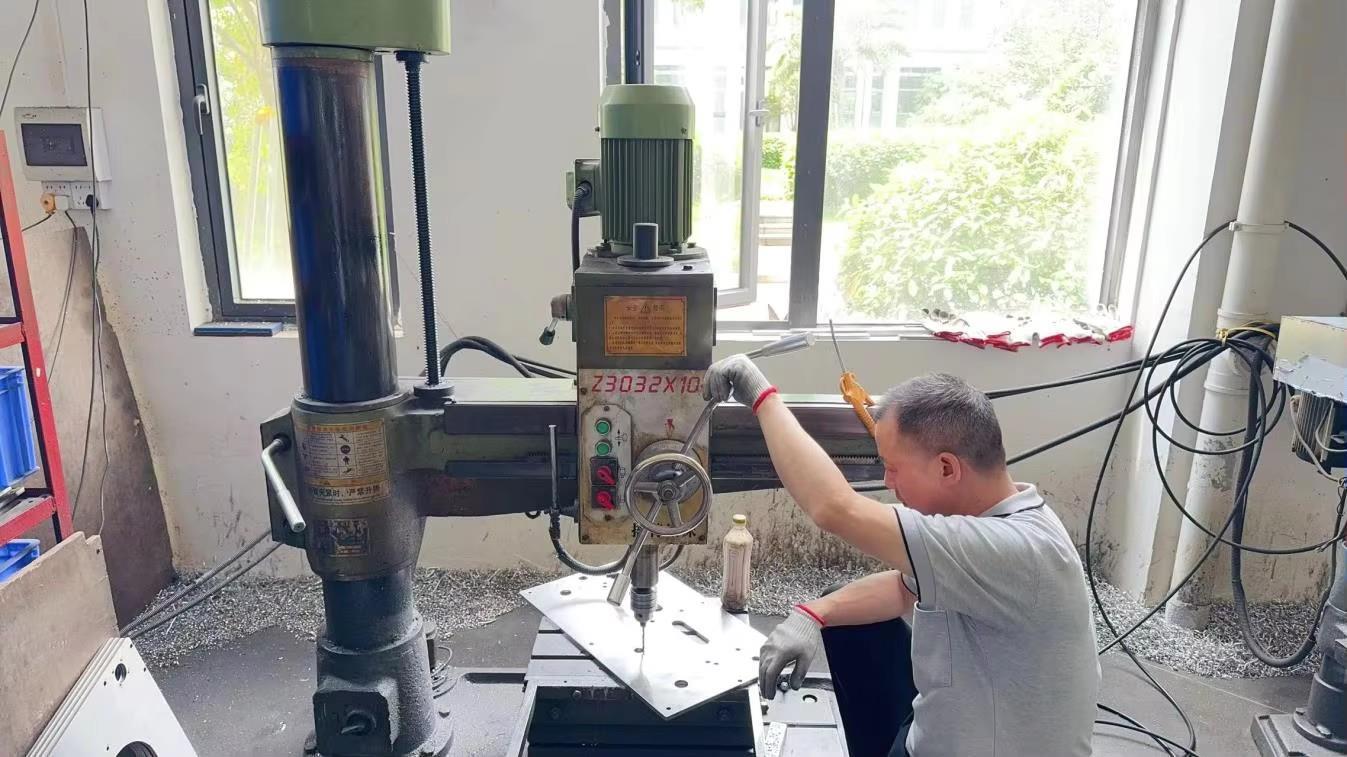
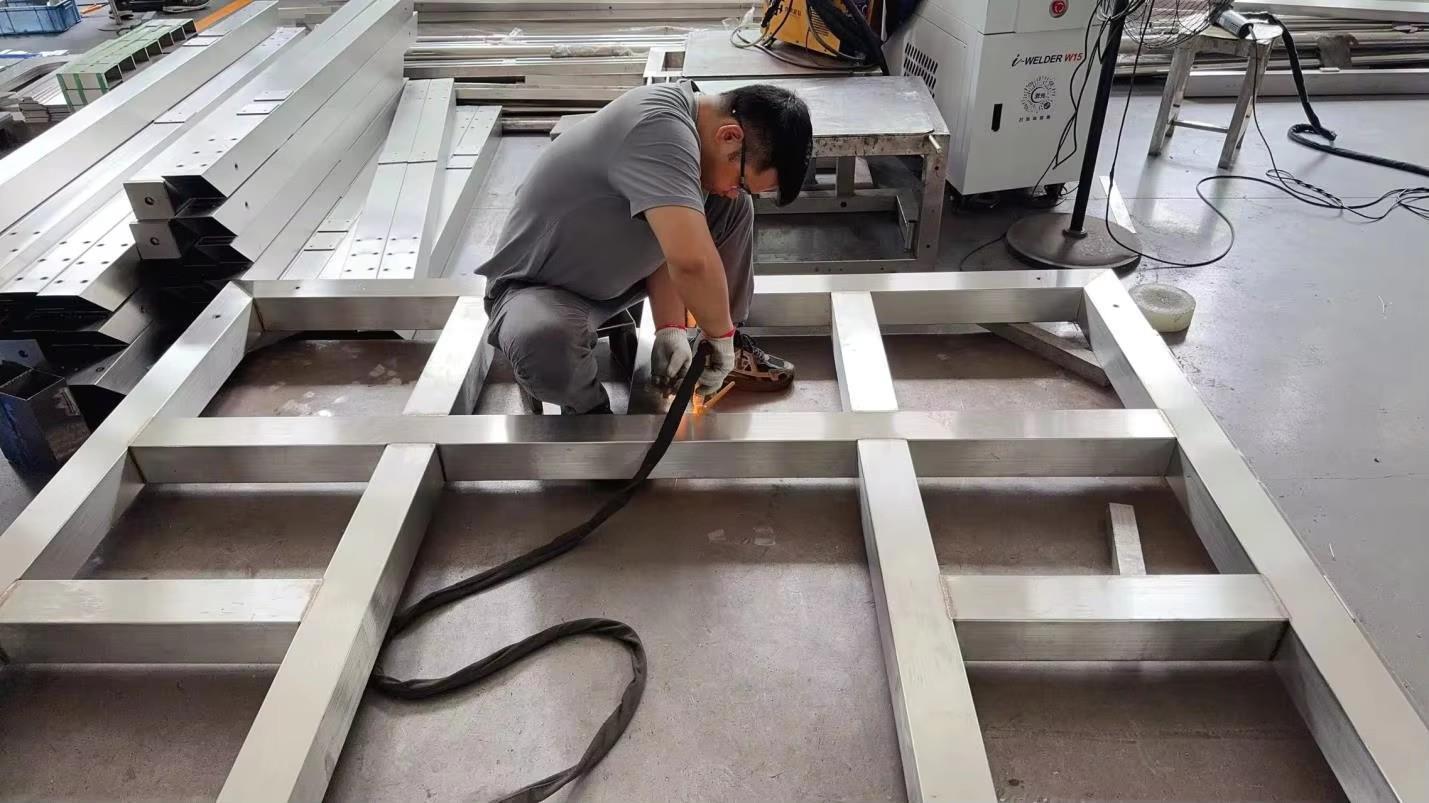
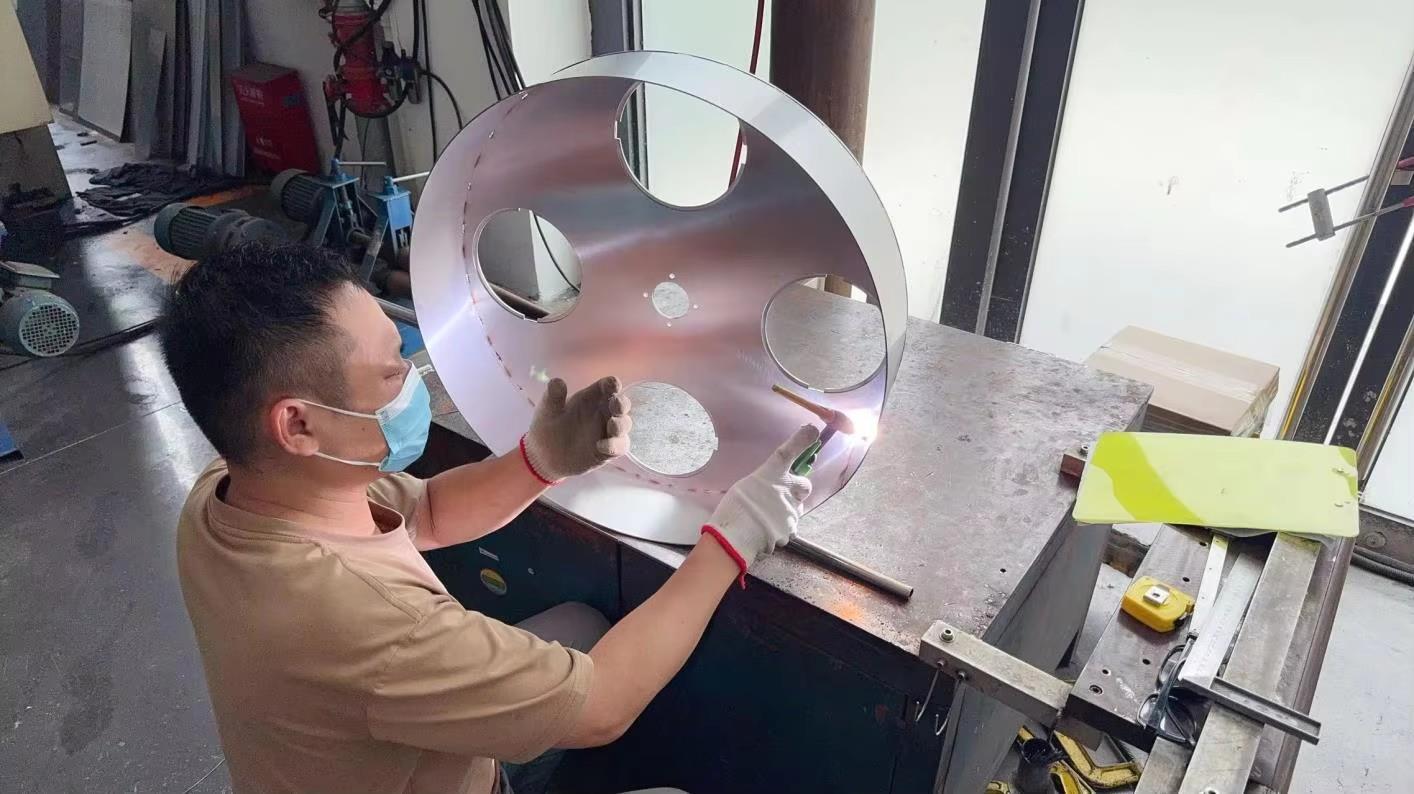
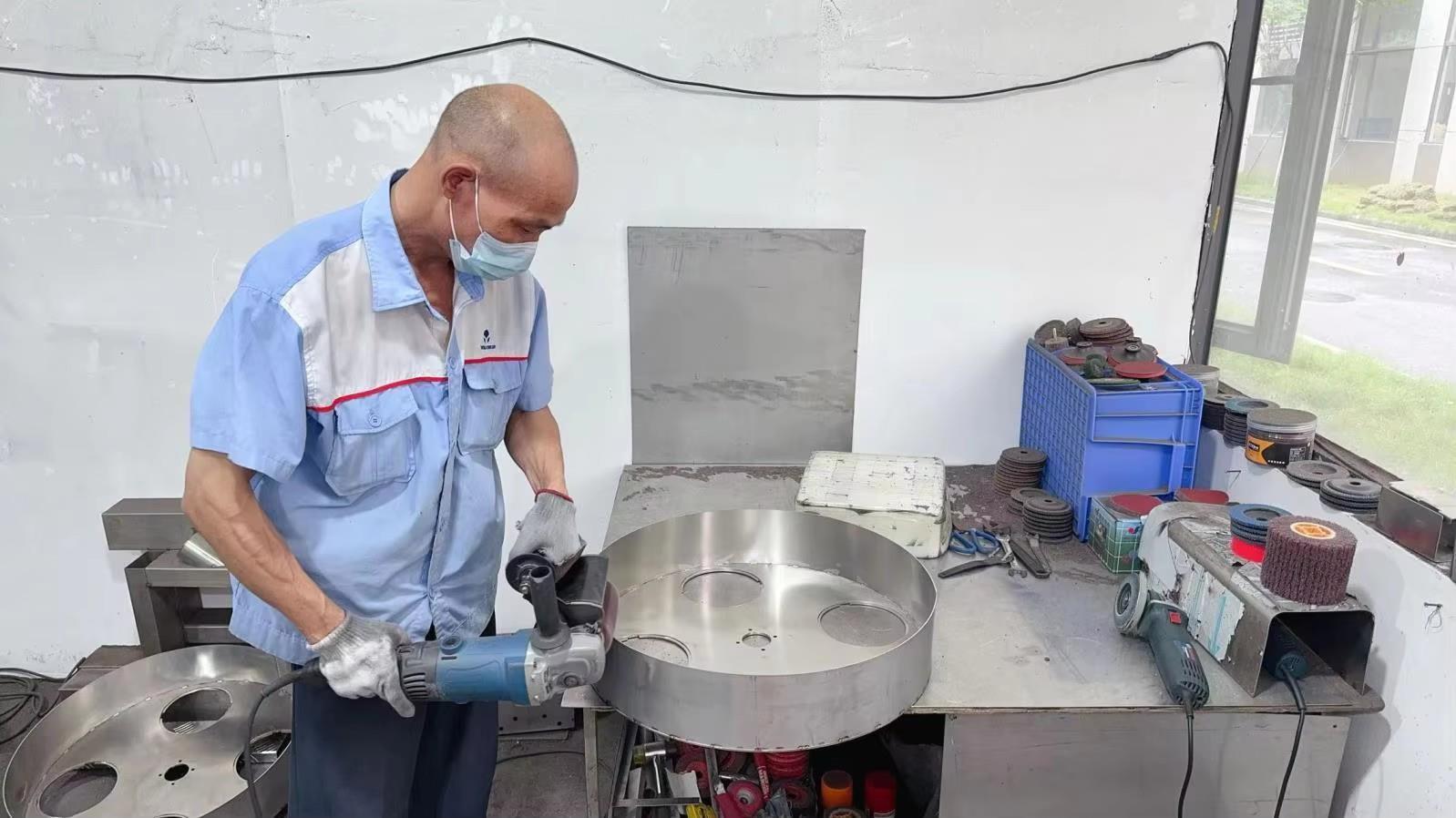
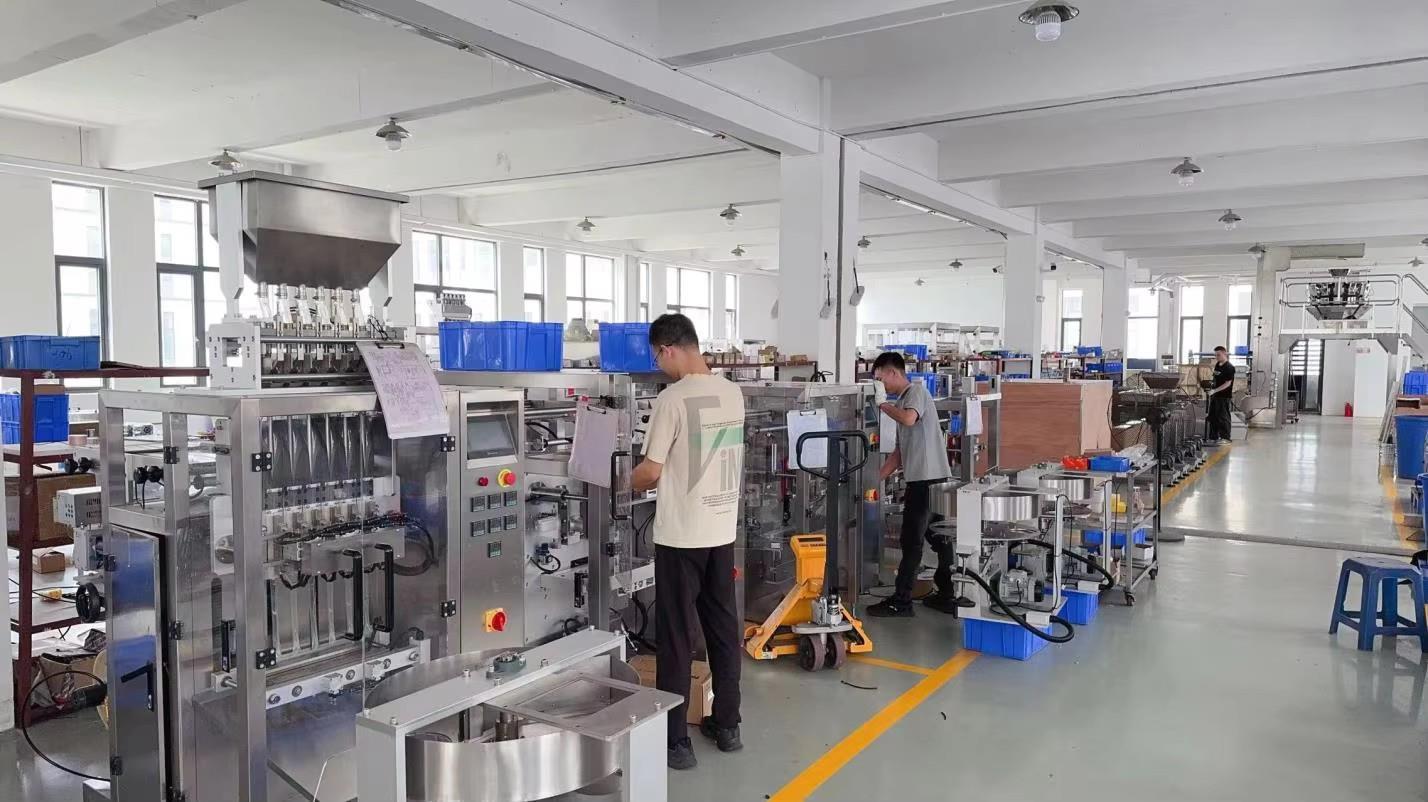
Key criteria for international procurement managers when evaluating shrink sleeve applicator suppliers.
While the purchase price of an applicator is a key factor, procurement managers must evaluate the Total Cost of Ownership over a 10-year operating cycle. TCO includes utility consumption (such as steam volume and electrical draw), maintenance costs, tooling sets for product changeovers, and downtime due to roll splicing or knife changes. High-quality machinery with integrated dual-roll feeds and long-lasting blade designs can reduce operating expenses and yield a fast return on investment.
Operating high-speed packaging equipment across continents requires reliable service level agreements (SLAs). Top-tier suppliers use remote diagnostics modules to check PLC states, troubleshoot code errors, and optimize timing loops via secure VPN networks. Local service centers and rapid spare-part shipping protocols are essential to keep your production lines running efficiently.
To reduce risk before shipping, companies should follow strict Factory Acceptance Testing (FAT) using the client's actual production bottles and film rolls. The machine must run at 110% of its rated speed for several hours without faults. This is followed by Site Acceptance Testing (SAT) at the client's facility to ensure seamless mechanical, electrical, and pneumatic integration into the packaging line.
Always specify PLC architectures (Siemens, Allen-Bradley, or Mitsubishi) during the RFQ stage to match your plant's internal standards, ensuring easier integration and maintenance.
Expert solutions for common mechanical, materials, and process control issues in shrink sleeve production.
Misalignment is prevented through three primary mechanisms: active bottom-positioning brushes, precise container orientation belts, and synchronized vacuum transport systems. By holding the bottle firmly and using custom guide shoes, the sleeve is placed onto the container before it enters the shrink tunnel. Adjusting pre-shrink heat zones at the base also helps anchor the sleeve in place.
Steam tunnels provide highly uniform heat transfer, making them ideal for complex, contoured containers and moisture-resistant products. In contrast, radiant hot-air tunnels are easier to install and maintain, making them best suited for simple shapes or dry packaging lines where moisture must be avoided.
Static charges can cause polymer films to stick to the mandrel, leading to feeding issues and miscuts. To prevent this, machines are equipped with active ionization bars along the film path, antistatic coatings on the mandrels, and dynamic grounding systems that discharge static build-up, especially during high-speed runs in dry environments.
Yes. However, since each film has distinct tensile strengths and shrinkage characteristics, the applicator must feature programmable PLC profiles. This allows operators to save settings for tension control, knife pressure, and heating curves, ensuring reliable performance across different film types.
Rotary blades require regular inspection for wear and alignment. Standard maintenance includes scheduled sharpening, checking blade pressure, and cleaning off any adhesive build-up. Modern machines feature quick-change cutting heads to minimize downtime during blade replacements.
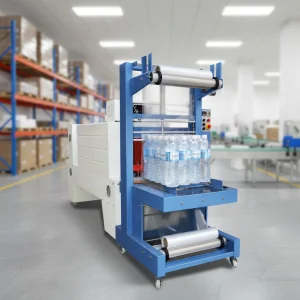
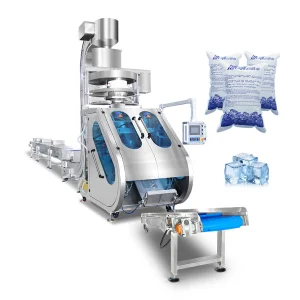
Explore our high-performance packaging line configurations, featuring robust heat shrink tunnels, vertical case packers, multi-lane liquid packers, and durable packaging films.
 Collins Machine