Explore our core engineering catalog, integrating intelligent packaging, high-precision liquid dispensing, and thermal marking technology optimized for modern production floors.
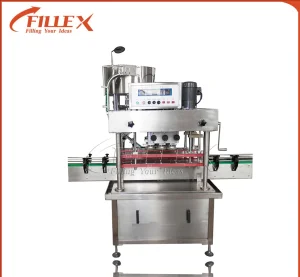
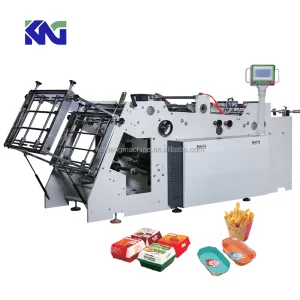
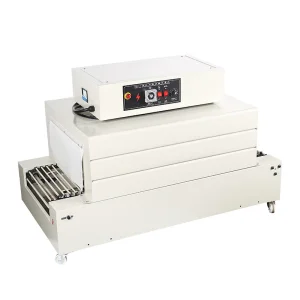
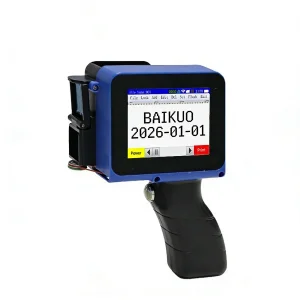
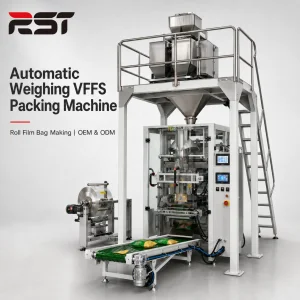
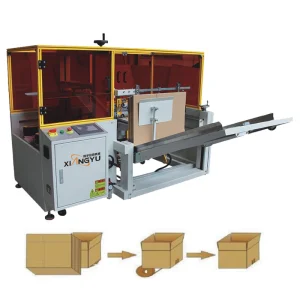
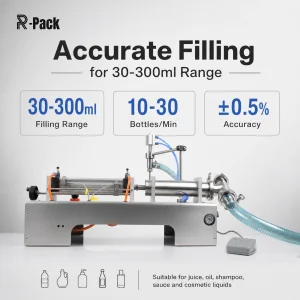
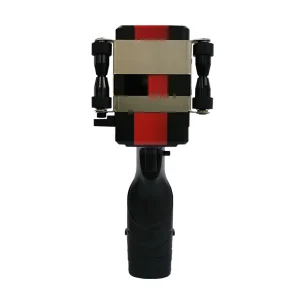
Analysing the structural transition from inkjet consumables to high-efficiency, contactless laser integration across global supply chains.
Over the past decade, the global manufacturing sector has witnessed an accelerating transition from traditional ink-based systems to permanent non-contact laser marking systems. The drivers behind this shift include stringent regulatory tracing laws, structural requirements for direct part marking (DPM), and the ultimate goal of zero-maintenance operation. Laser engraving operates by utilizing concentrated coherent light beams to induce localized chemical transitions or thermal modifications on the target substrate.
From an ESG and operational cost perspective, industrial lasers eliminate continuous spending on volatile organic solvent inks, printheads, and TTO ribbons. By eliminating fluid consumables, companies lower their volatile organic compound (VOC) emissions, optimize cleanroom compliance, and prevent the line downtime associated with ink clog purges or ribbon breaks.
Modern global logistics require micro-DataMatrix codes, serialization, and high-contrast batch numbers capable of surviving extreme mechanical stress, chemical washes, and weathering. Laser engraving creates tamper-proof markings directly within or on the material layer, preventing barcode degradation in heavy industries, pharmaceutical distribution, and automotive asset tracking.
| Laser Source Type | Typical Wavelength | Optimal Substrates | Primary Industrial Application | Thermal Stress Level |
|---|---|---|---|---|
| Fiber Laser | 1064 nm | Stainless steel, aluminum, brass, titanium, engineering plastics | Direct Part Marking (DPM), aerospace traceability, tool engraving | Moderate to High (Thermal annealing & ablation) |
| UV Laser (Ultraviolet) | 355 nm | HDPE, LDPE, pharmaceutical films, glass, silicon wafers | "Cold marking" for sensitive packaging, high-speed cable marking | Extremely Low (Photochemical interaction) |
| CO2 Laser | 10.6 μm / 9.3 μm | Wood, acrylic, cardboard, glass, paperboards, organic polymers | High-speed consumer goods batch packaging, textile cutting | High (Vaporization & carbonization) |
Direct assessment of Henan Collins Machine Co., Ltd.'s manufacturing infrastructure, engineering benchmarks, and quality validation systems.
Henan Collins Machine Co., Ltd. was established in 2015. From day one, the company has focused on designing and manufacturing end-to-end automated packaging solutions. With 20 national invention patents, Collins demonstrates a decade of technical expertise in integrated systems including labeling, filling, capping, coding, sealing, and shrink-wrapping for a wide range of industries.
In a 5,000 m² state-of-the-art facility, more than 80 skilled engineers and technicians support advanced production and assembly capabilities. The company operates automated coating, slitting, and quality-control lines to ensure precision and reliability across all equipment and consumables. Certified under ISO 9001, SGS, and RoHS standards, Henan Collins Machine Co., Ltd. is committed to delivering high-performance packaging machinery that meets global OEM and contract packaging requirements.
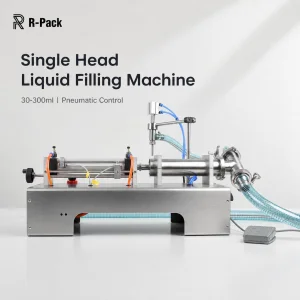
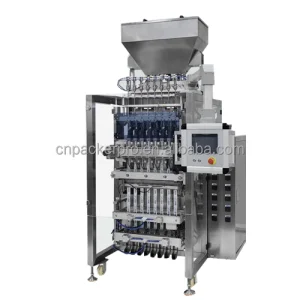
Henan Collins Machine Co., Ltd. specializes in the development, production, and sales of labeling machines, filling machines, packaging machines, thermal transfer coders, ribbon coders, ink roller coders, laser coders, and other coding equipment. The company also provides a full range of consumables, including TTO ribbons, ink ribbons, ink rollers, carbon ribbons, and label paper. This integrated product portfolio supports industries such as food, daily chemicals, pharmaceuticals, cosmetics, and more, offering a complete one-stop packaging solution.
With self-operated import and export licenses, Henan Collins Machine Co., Ltd. delivers turnkey solutions to customers across Asia, Africa, Europe, and North and South America. A multilingual service network ensures efficient installation, preventive maintenance, and 24/7 remote support. Serving industries from food and beverage to pharmaceuticals, cosmetics, electronics, and logistics, Collins provides customized production line design, fast response service, and on-site training—helping customers improve uptime, traceability, and overall equipment effectiveness worldwide.
A sequential layout of our 14-step manufacturing, quality assurance, and mechanical processing pipeline.
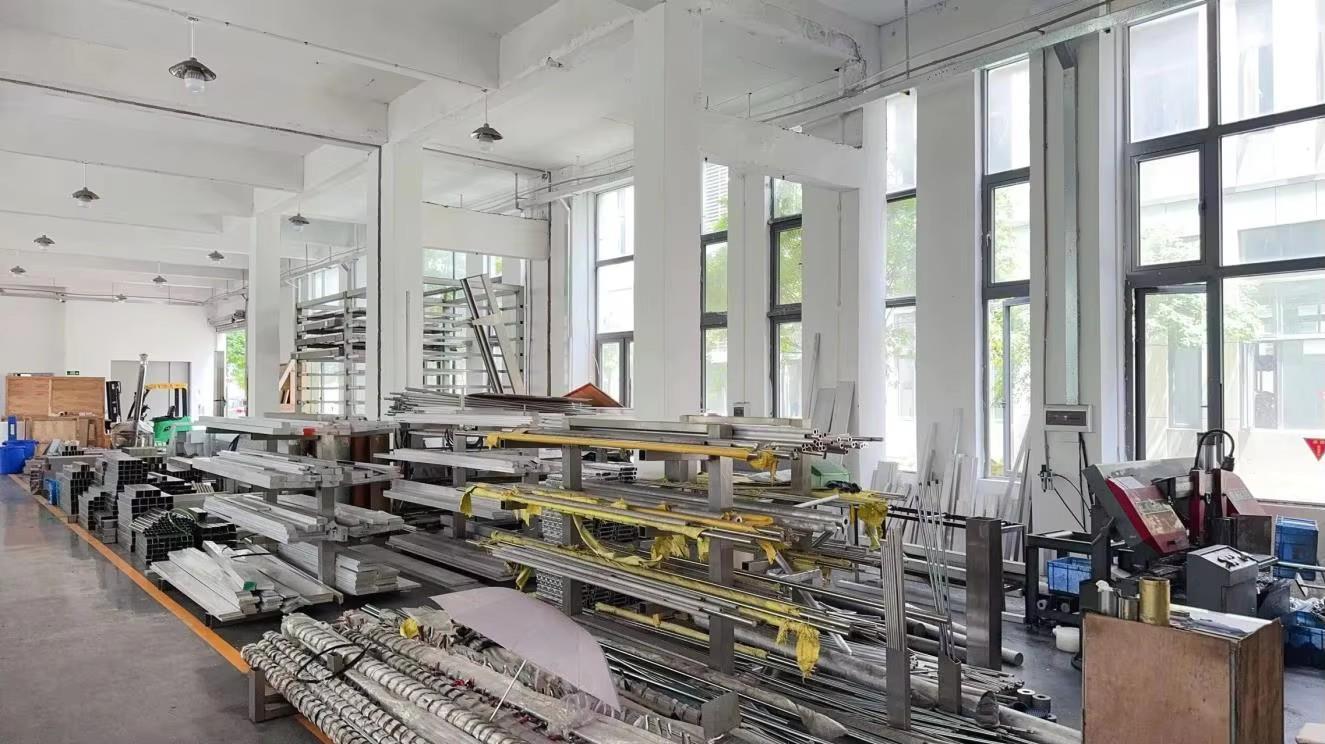
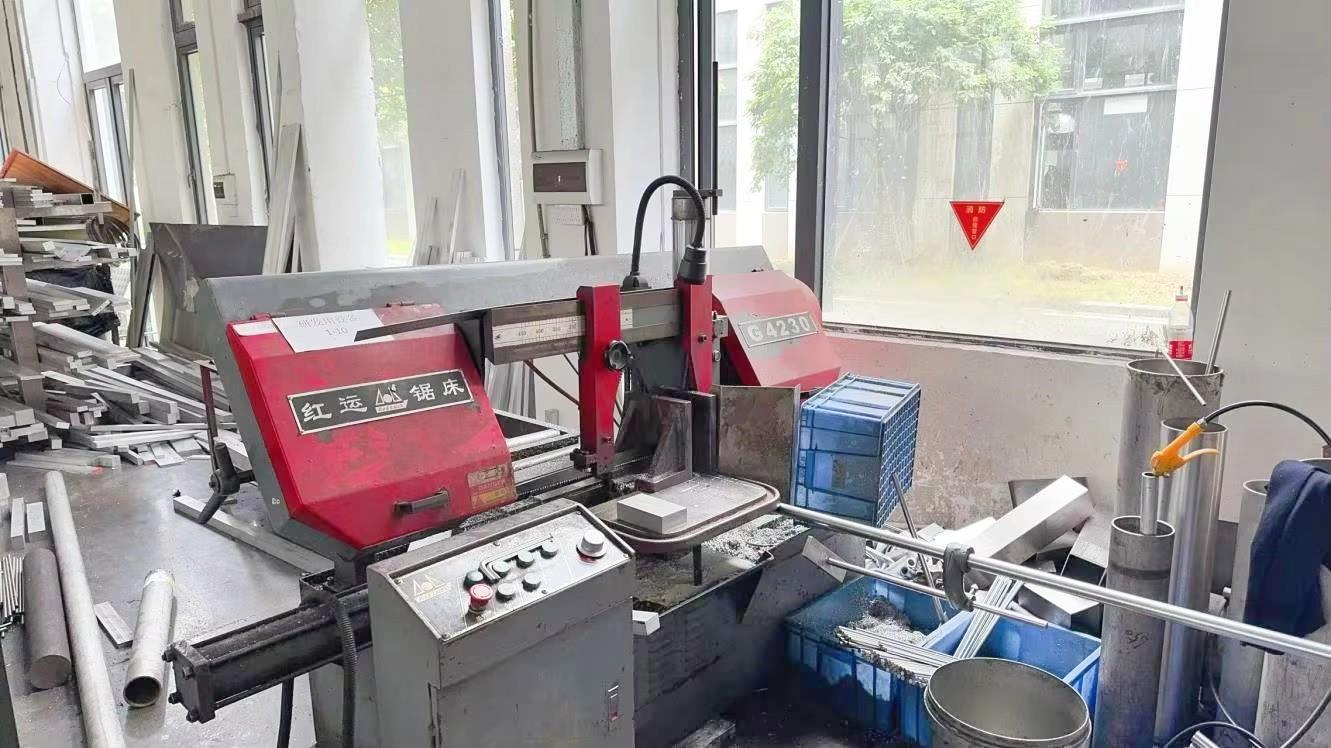
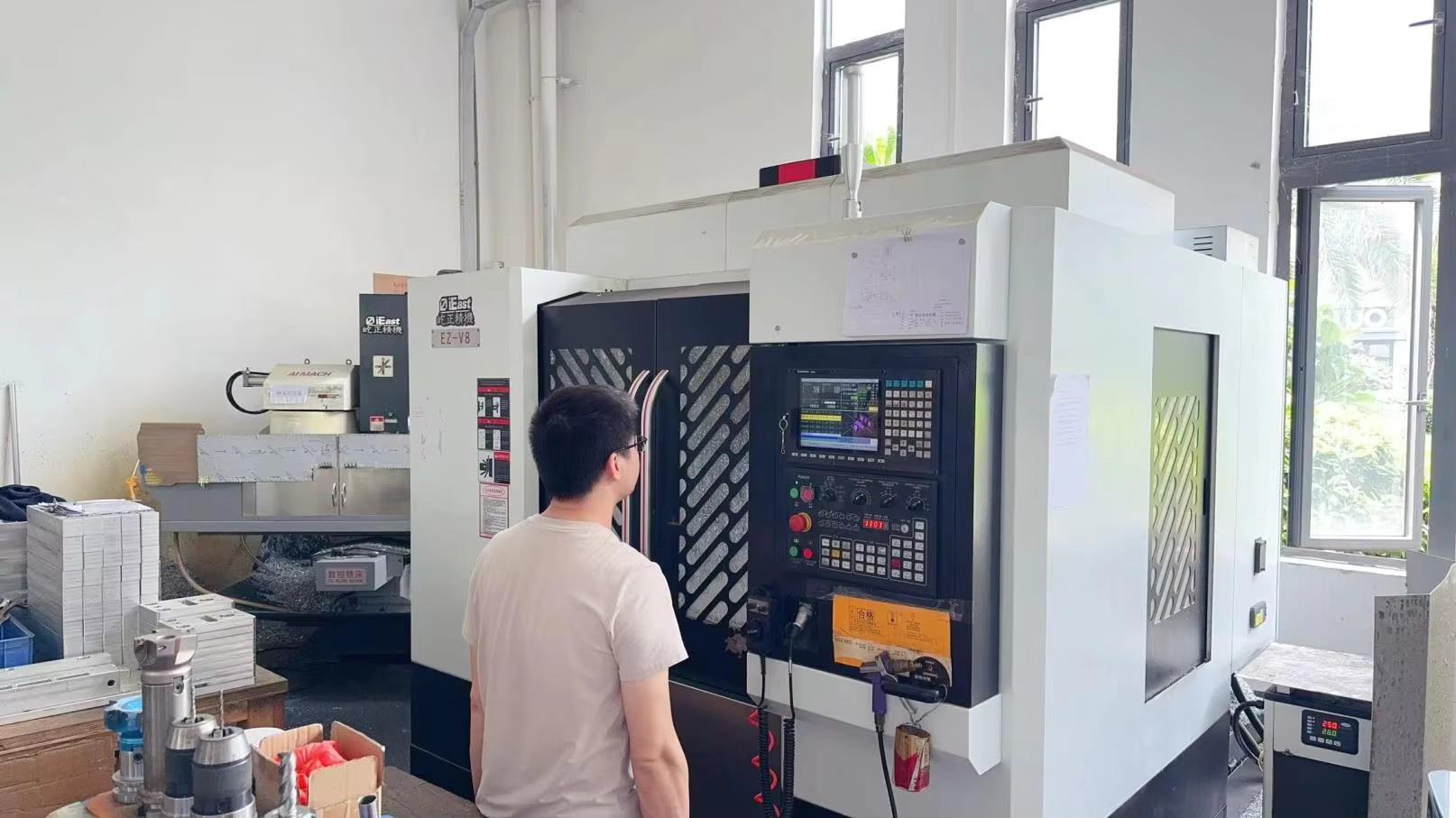
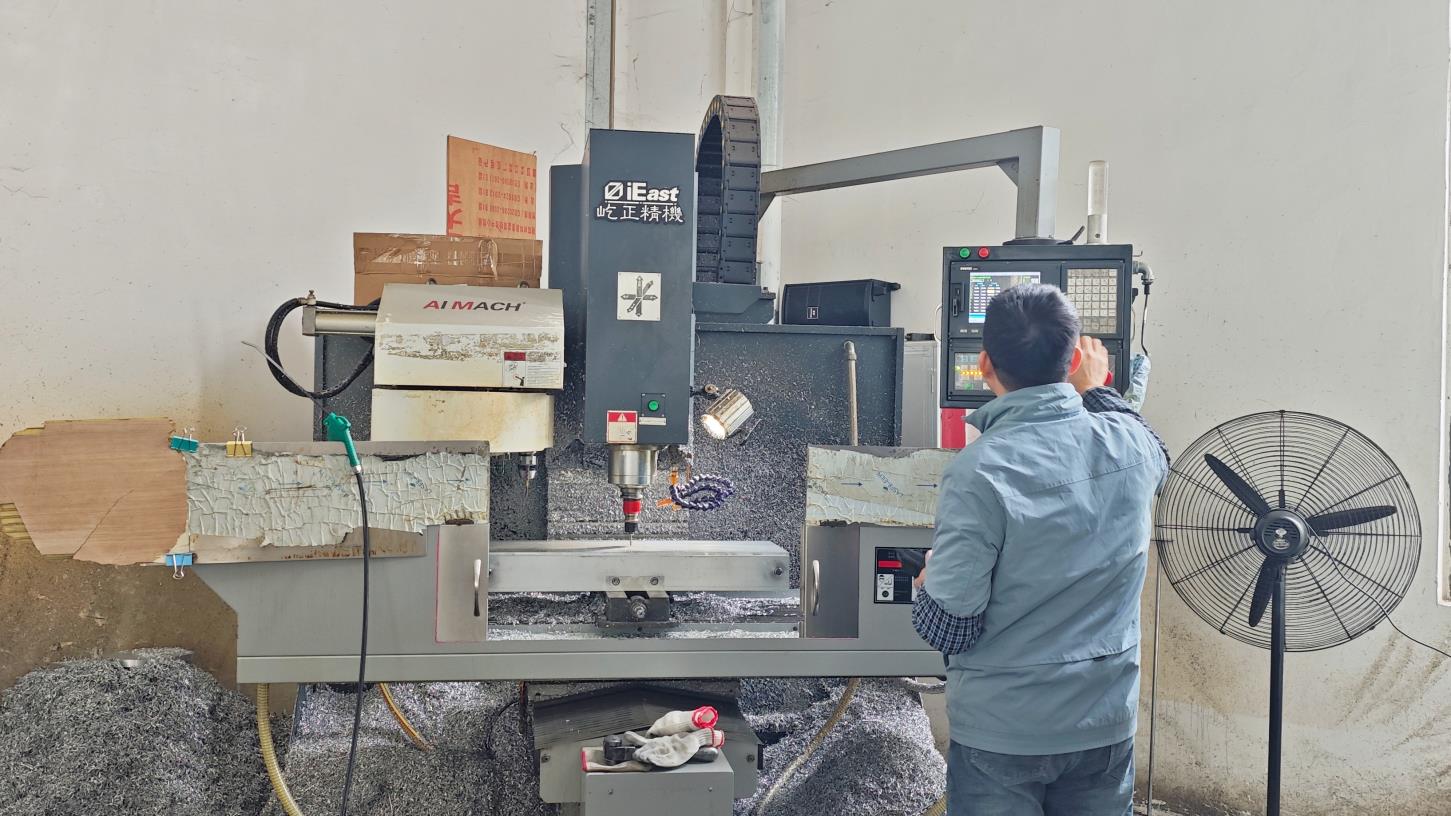
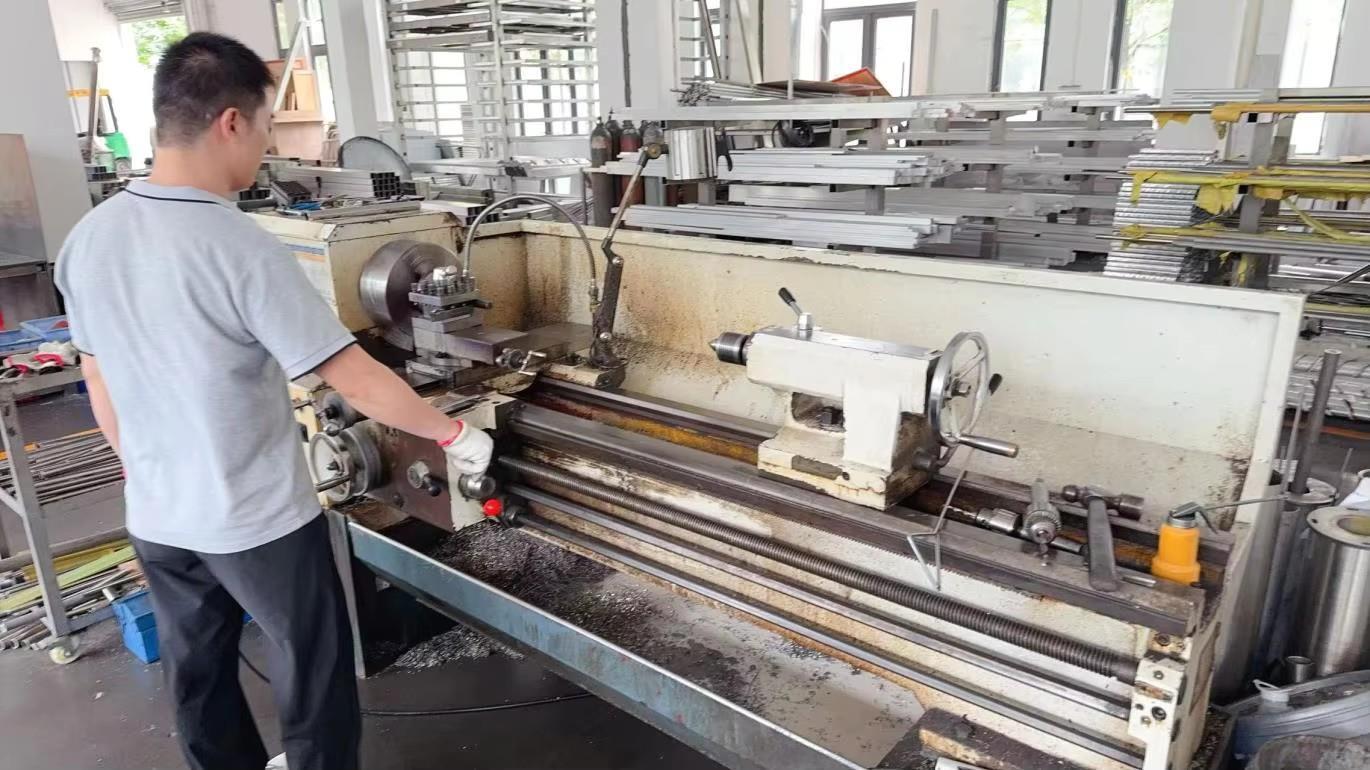
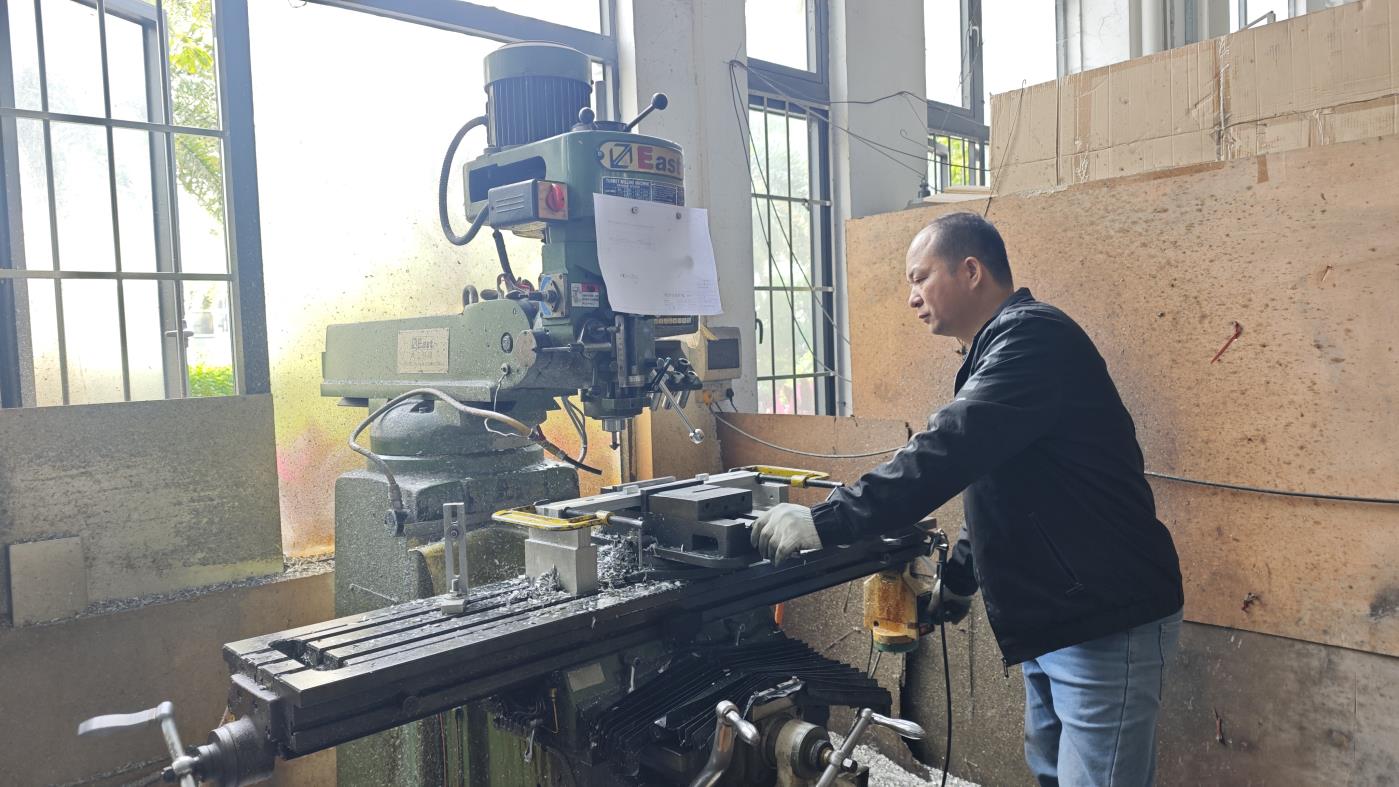
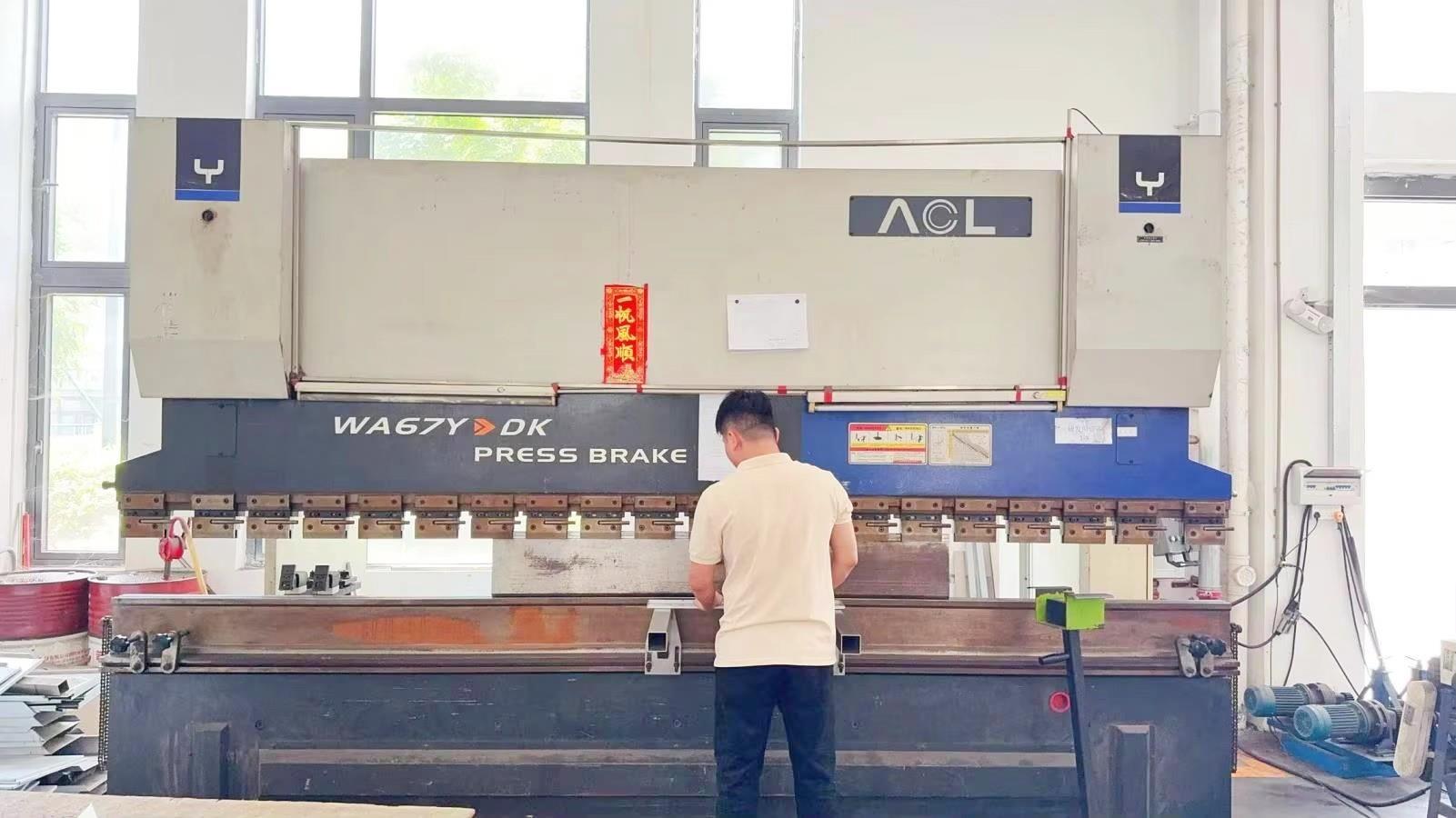
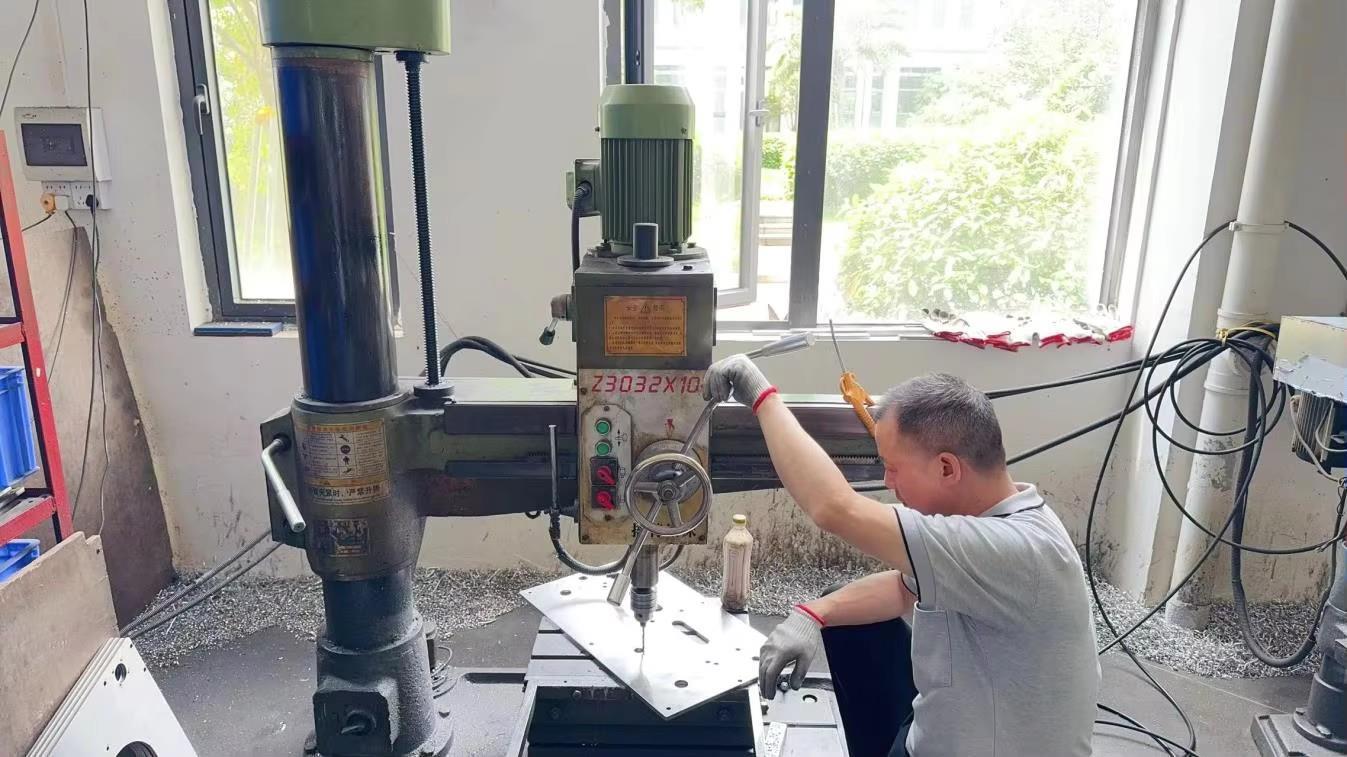
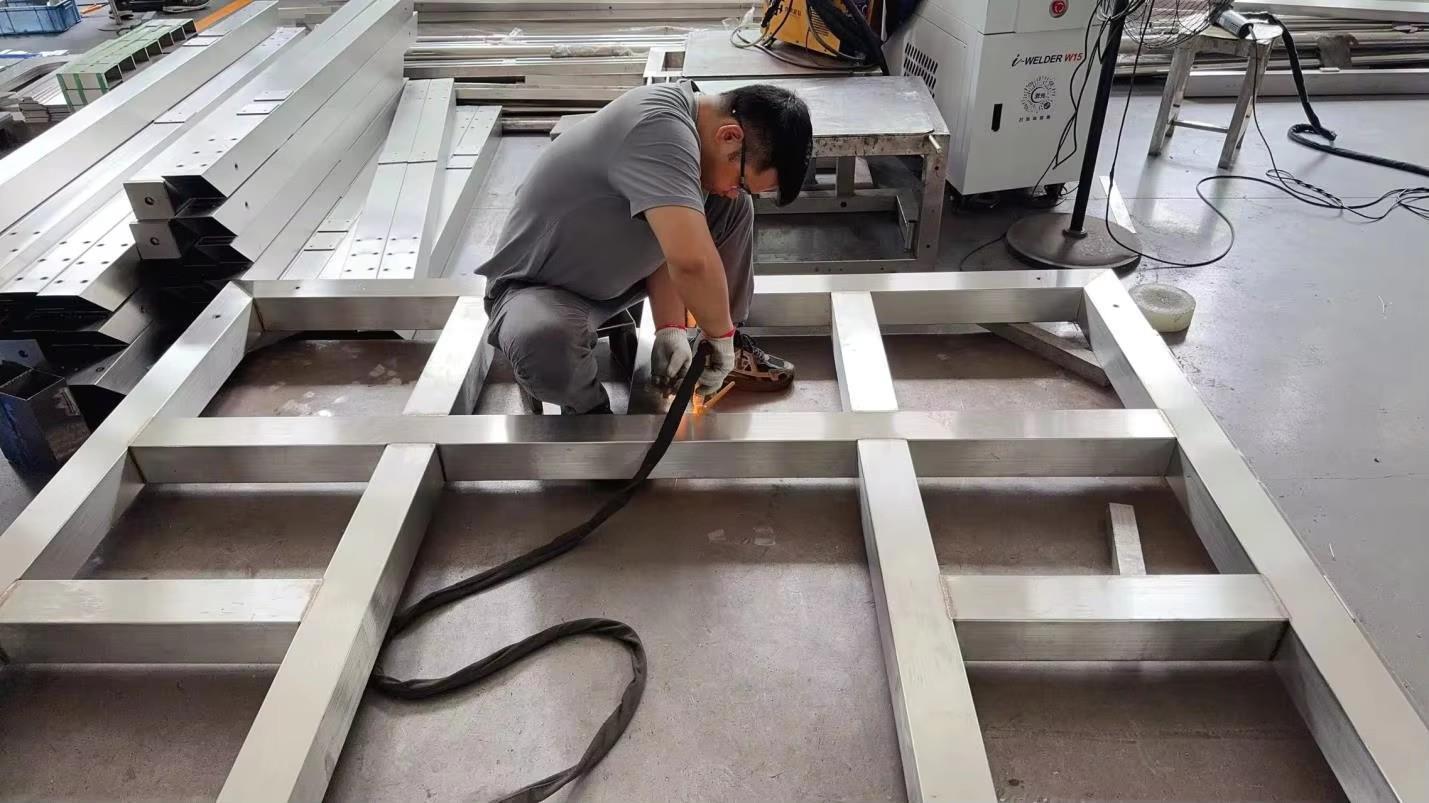
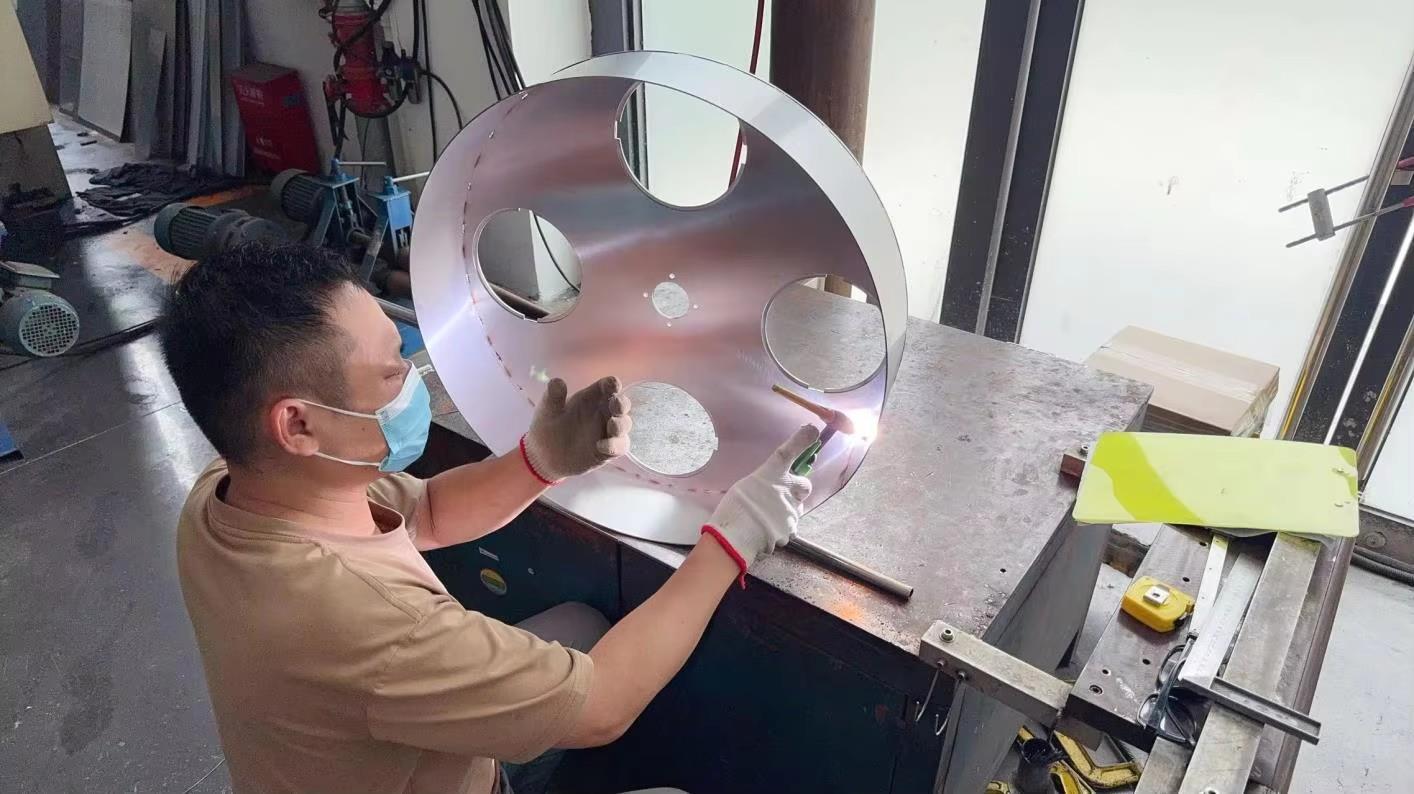
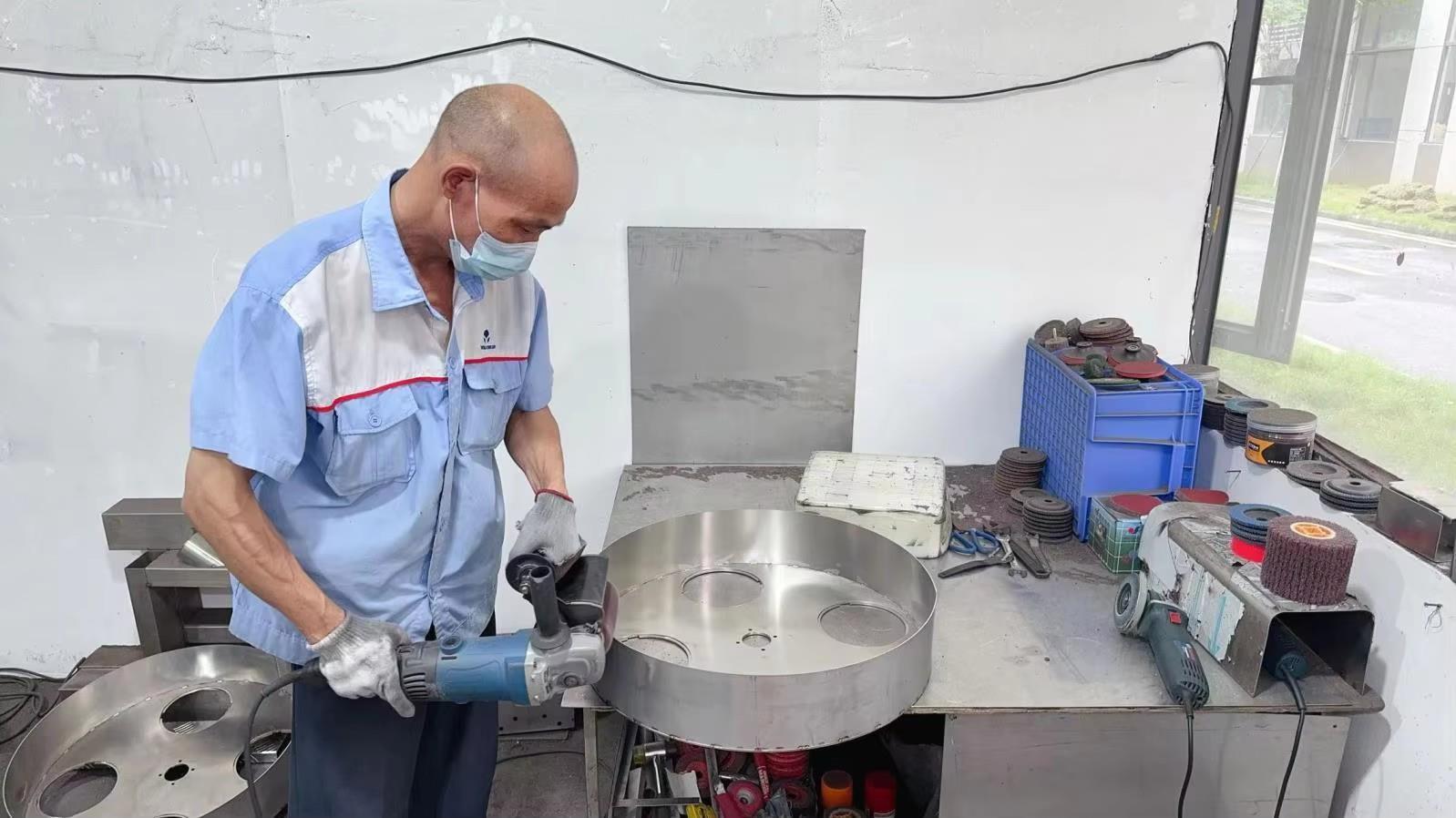
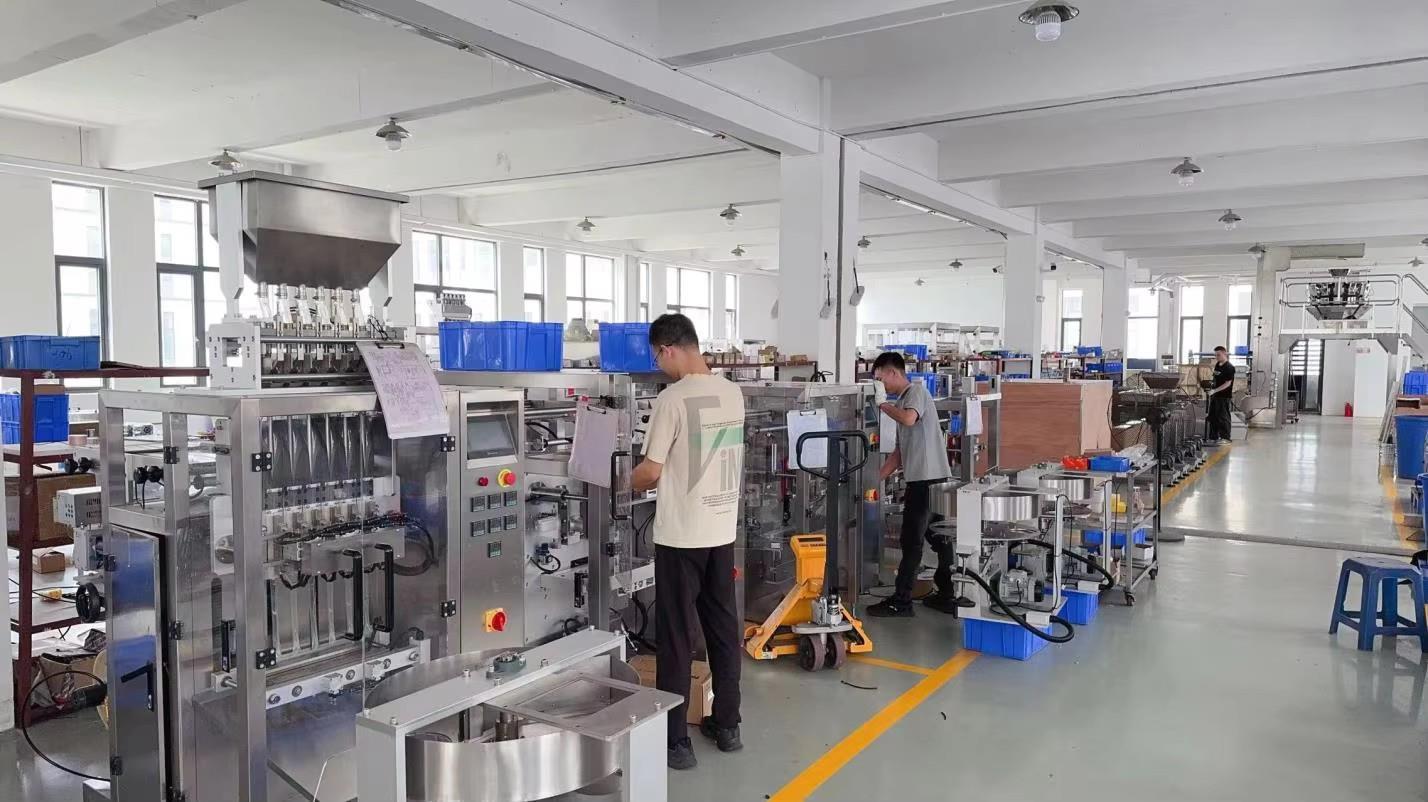
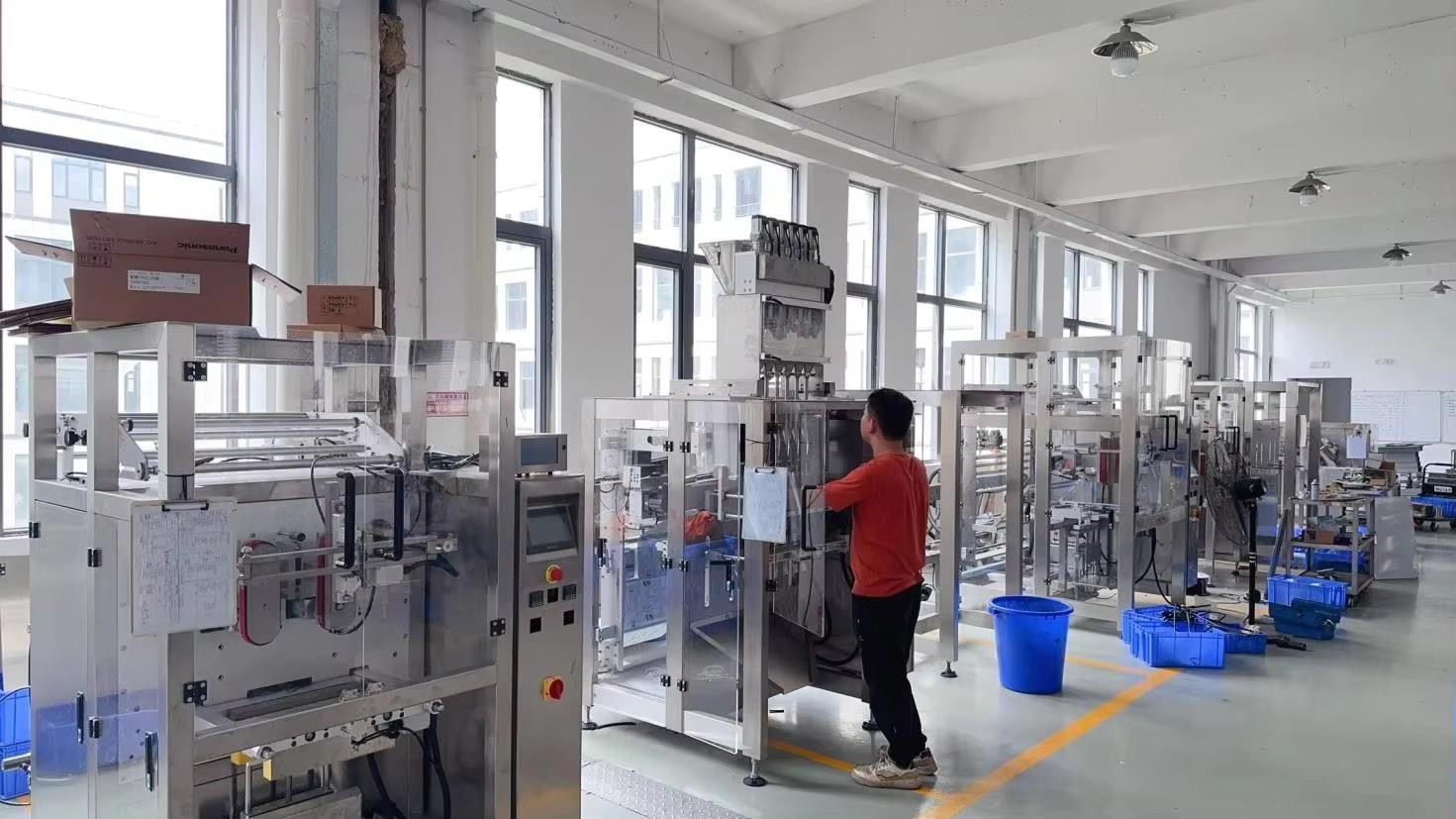
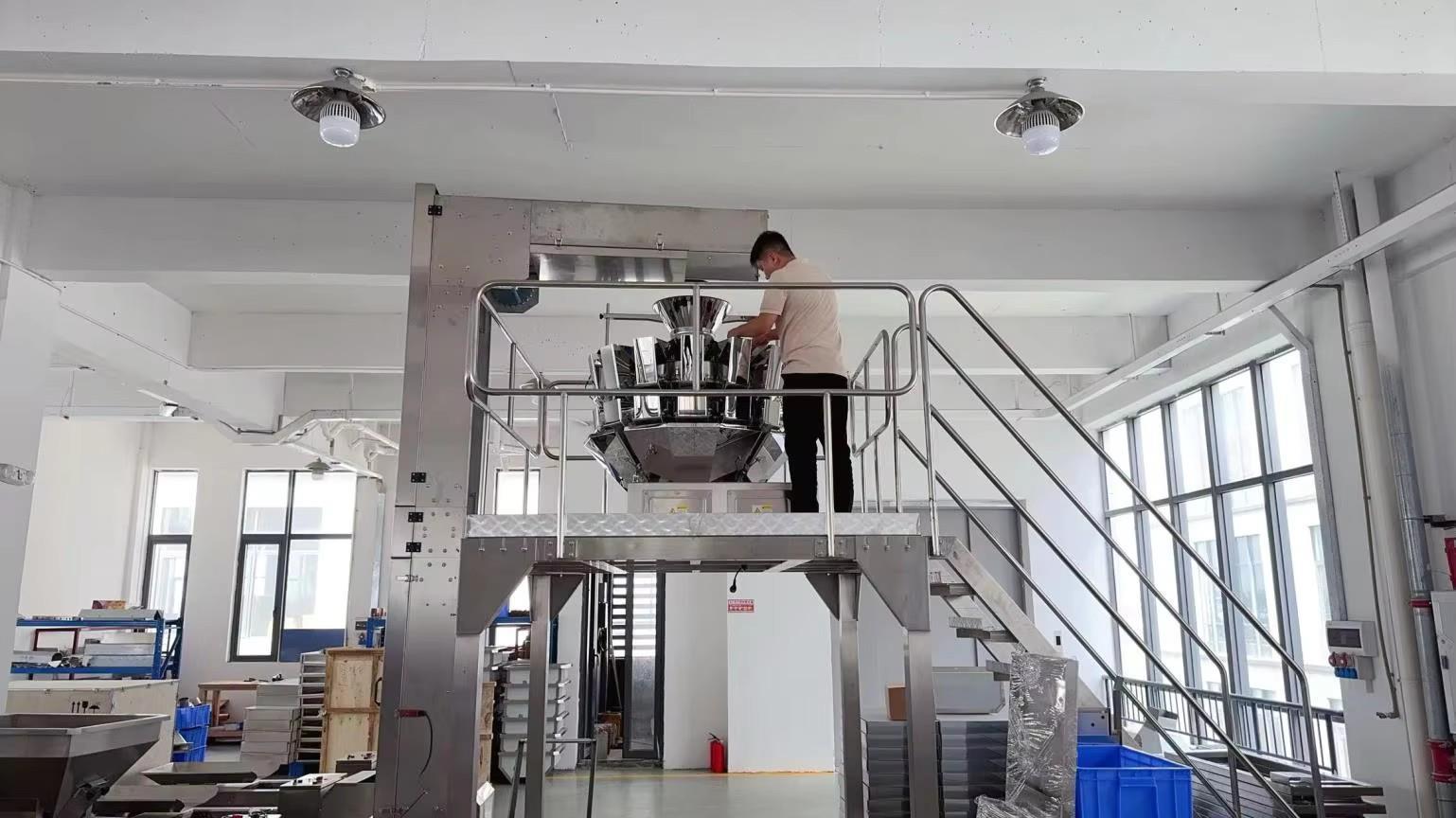
How modern production methods, automated processes, and domestic supply chains ensure reliable delivery of industrial engraving and packaging systems.
By keeping raw material processing, multi-axis CNC milling, precision lathe turning, dynamic robotic welding, and manual final assembly under one 5000 square meter facility, production processes remain tightly connected. This localized vertical integration cuts lead times for custom machine builds from the standard 60-day market average down to 30-45 days.
Each system undergoes strict testing protocols under ISO 9001 directives. Alignment of galvo scan heads, stability of laser tubes, and consistency of automated filling valves are verified through continuous stress testing. This process ensures compliance with SGS, CE, and RoHS standards before international shipment.
Operating with self-managed import/export licenses, the shipping process to Europe, North America, and Southeast Asia is fully optimized. Strong relationships with top component manufacturers (such as IPG, Raycus, Synrad, and Omron) guarantee that key spare parts remain available globally.
An review of how high-performance laser coding systems operate in specific industrial applications.
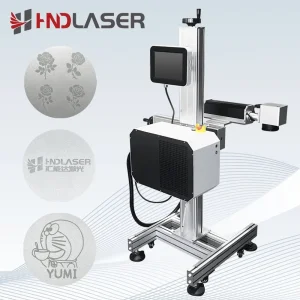
High-speed bottling and packaging lines run at up to 30,000 units per hour. Traditional inkjet solutions often face code smudging due to humidity or surface moisture. Integrating flying UV and CO2 laser markers directly into conveyor lines provides sharp, food-safe coding on HDPE bottle caps and flexible multi-layer packaging films.
Medical tracking regulations require high-contrast markings on sensitive substrates without causing thermal damage. Using 355nm UV laser systems allows for "cold marking" on PVC blisters and glass vials, creating clean codes without breaching the sterile barrier.
Engine components, printed circuit boards (PCBs), and silicon surfaces must handle intense heat, friction, and chemical cleaning. Fiber laser engravers (30W-100W) mark depth-controlled serial codes directly onto metal surfaces, ensuring tracking data remains legible throughout the product's lifespan.
Expert answers to common engineering, procurement, and deployment questions regarding industrial laser systems.
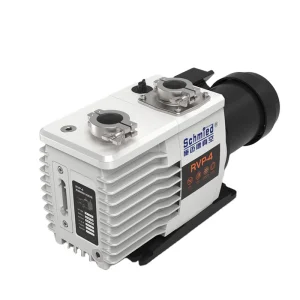
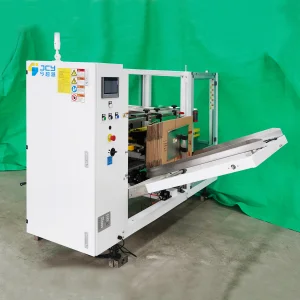
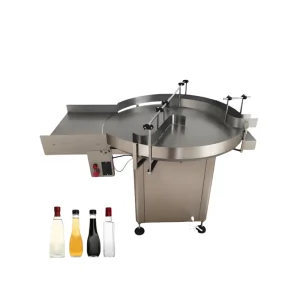
Explore our high-speed dynamic laser markers, automated carton handling machinery, and industrial vacuum solutions designed to optimize production line uptime.
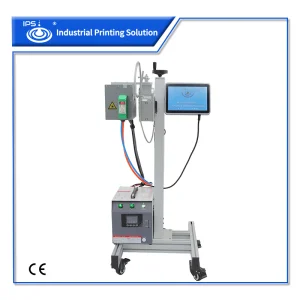
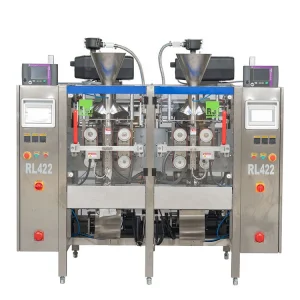
 Collins Machine