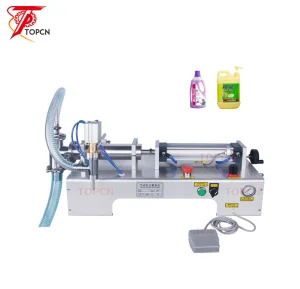
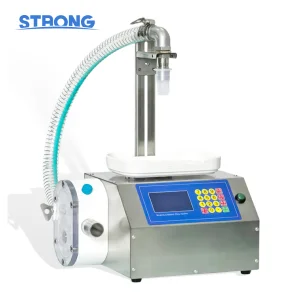
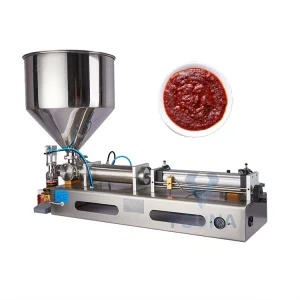
Discover our primary high-performance linear and semi-automatic volumetric filling machinery engineered for rapid integration into regional packaging systems.
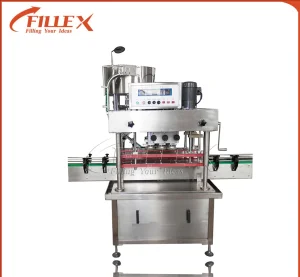
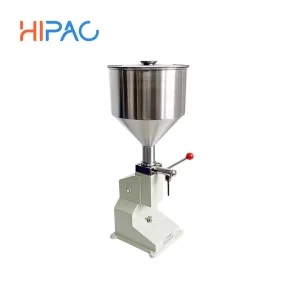
Vietnam is cementing its position as a global manufacturing powerhouse in Southeast Asia. Driven by extensive trade partnerships—including the EVFTA (EU-Vietnam Free Trade Agreement) and CPTPP—the nation's FMCG (Fast-Moving Consumer Goods), food processing, cosmetics, and agricultural export sectors are experiencing unprecedented growth. Heavy industrial processing hubs in Binh Duong, Dong Nai, Bac Ninh, and the surrounding areas of Hanoi and Ho Chi Minh City are undergoing a rapid transition: moving away from manual packaging workflows toward high-precision automated systems.
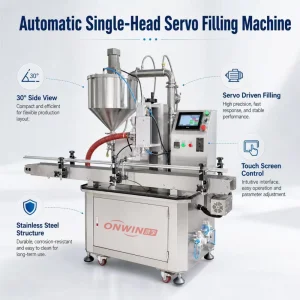
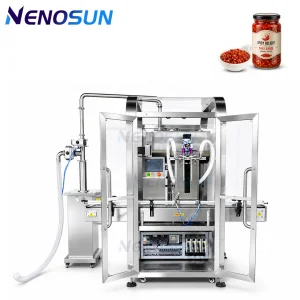
In the culinary sector, Vietnam's status as a major global exporter of condiments (such as fish sauce, soy sauce, and chili pastes) and cooking oils presents unique bottling challenges. Volumetric piston filling machines have emerged as the industry benchmark for these applications. Traditional gravity filling lines struggle with variations in product viscosity and high density. In contrast, heavy-duty pneumatic and servo-driven piston filling systems deliver high accuracy, minimizing product giveaway on high-output production lines.
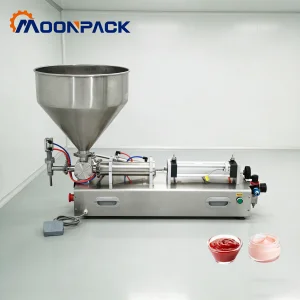
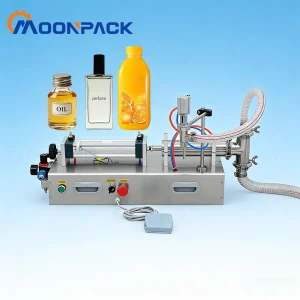
Whether dealing with high-viscosity food pastes (like durian purées, condensed milk, and peanut butter) or non-viscous liquids (like local mineral water, perfumes, and agricultural chemicals), filling precision is critical. Piston filling functions via a positive-displacement volumetric pump. The internal piston moves backward, drawing a precise volume of product into a cylinder. The piston then pushes forward, dispensing the exact amount through custom-designed anti-drip nozzles into containers.
This physical displacement technology prevents inaccuracies caused by variations in temperature, ambient humidity, and fluid viscosity. In tropical zones like Vietnam, where ambient temperatures in non-air-conditioned processing facilities can fluctuate between 25°C and 40°C, the viscosity of oils, pastes, and cosmetic creams changes significantly. Standard filling systems struggle under these conditions, whereas volumetric piston fillers maintain tight tolerances, ensuring compliance with local TCVN metrology standards.
Understanding the differences between pneumatic control systems and high-precision servo motor drives for industrial lines.
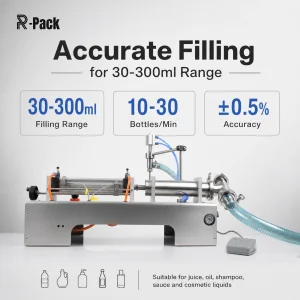
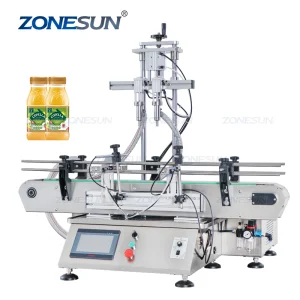
| Feature Spec | Pneumatic Piston Fillers (e.g., Moonpack G1WYD) | Servo-Driven Multi-Head Systems (e.g., Holy 4-Nozzle) |
|---|---|---|
| Drive Mechanism | Pneumatic cylinders powered by compressed air (6 bar minimum). | Precision-controlled brushless AC servo motors with ballscrews. |
| Accuracy Range | Within ±1.0% (highly dependent on air pressure stability). | Within ±0.5% (microprocessor-controlled stroke profile). |
| Viscosity Capability | Excellent for low-to-medium viscosities (oils, juices, soaps). | Outstanding for extreme viscosities (paste, heavy honey, cosmetics). |
| Speed Adjustment | Manual mechanical throttle valves on cylinders. | HMI panel inputs (fully automated, saved receipts). |
| Integration Ability | Best for standalone lines or semi-automated stations. | Seamlessly links with rotary capping, coding, & labeling setups. |
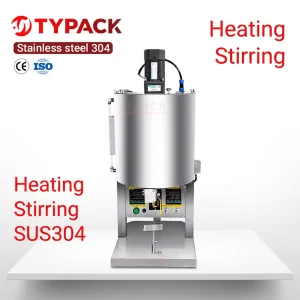
In the agricultural processing centers of southern Vietnam, packing tropical fruits into jams, pastes, and concentrates requires hot-fill configurations. Standard filling machines cannot withstand the temperatures needed to prevent bacterial growth. Collins Machine Co., Ltd. resolves this by providing heated hoppers (like the Typack SS304 system) featuring integrated, speed-controlled scrapers. This setup maintains constant viscosity prior to dosing, preventing solids from settling and ensuring uniform consistency across all filled containers.
Established in 2015, Henan Collins Machine Co., Ltd. operates a 5,000 m² state-of-the-art facility backed by ISO 9001, SGS, and RoHS certifications. With 20 national patents, our advanced machining workflow ensures absolute machine reliability.
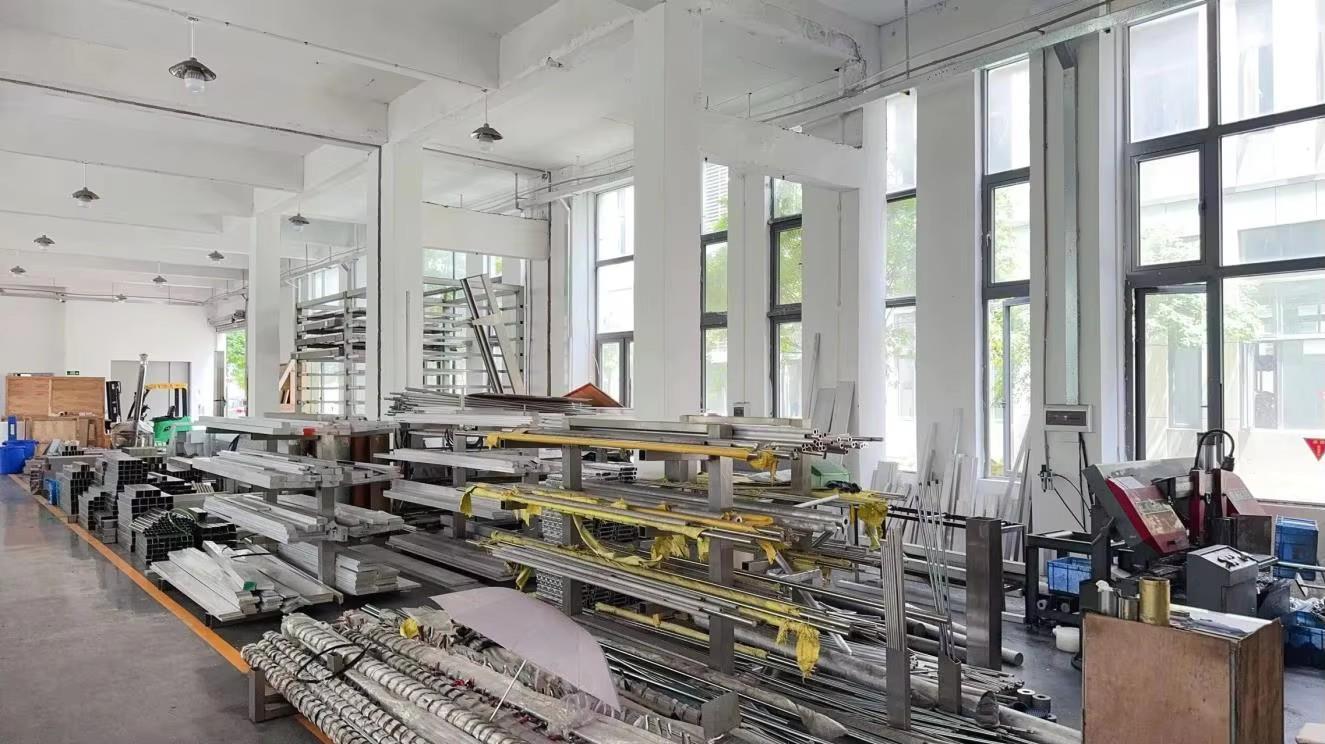
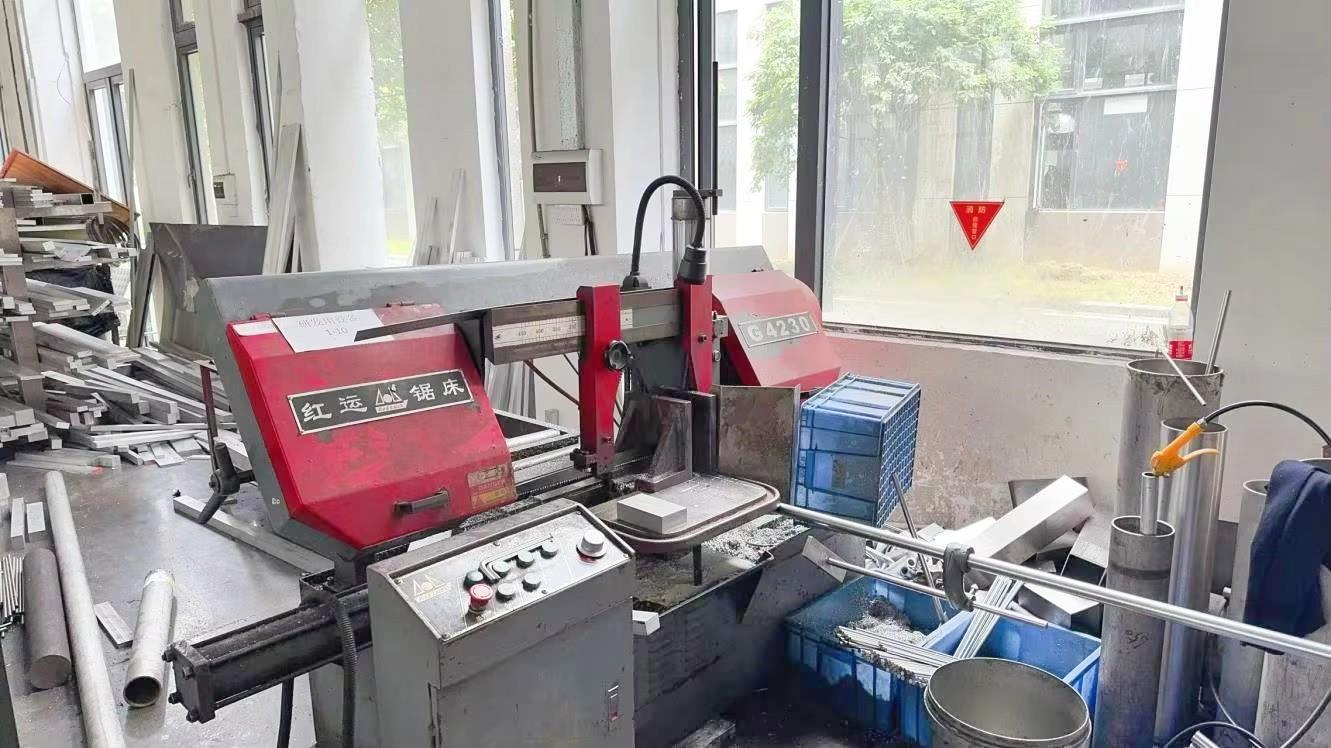
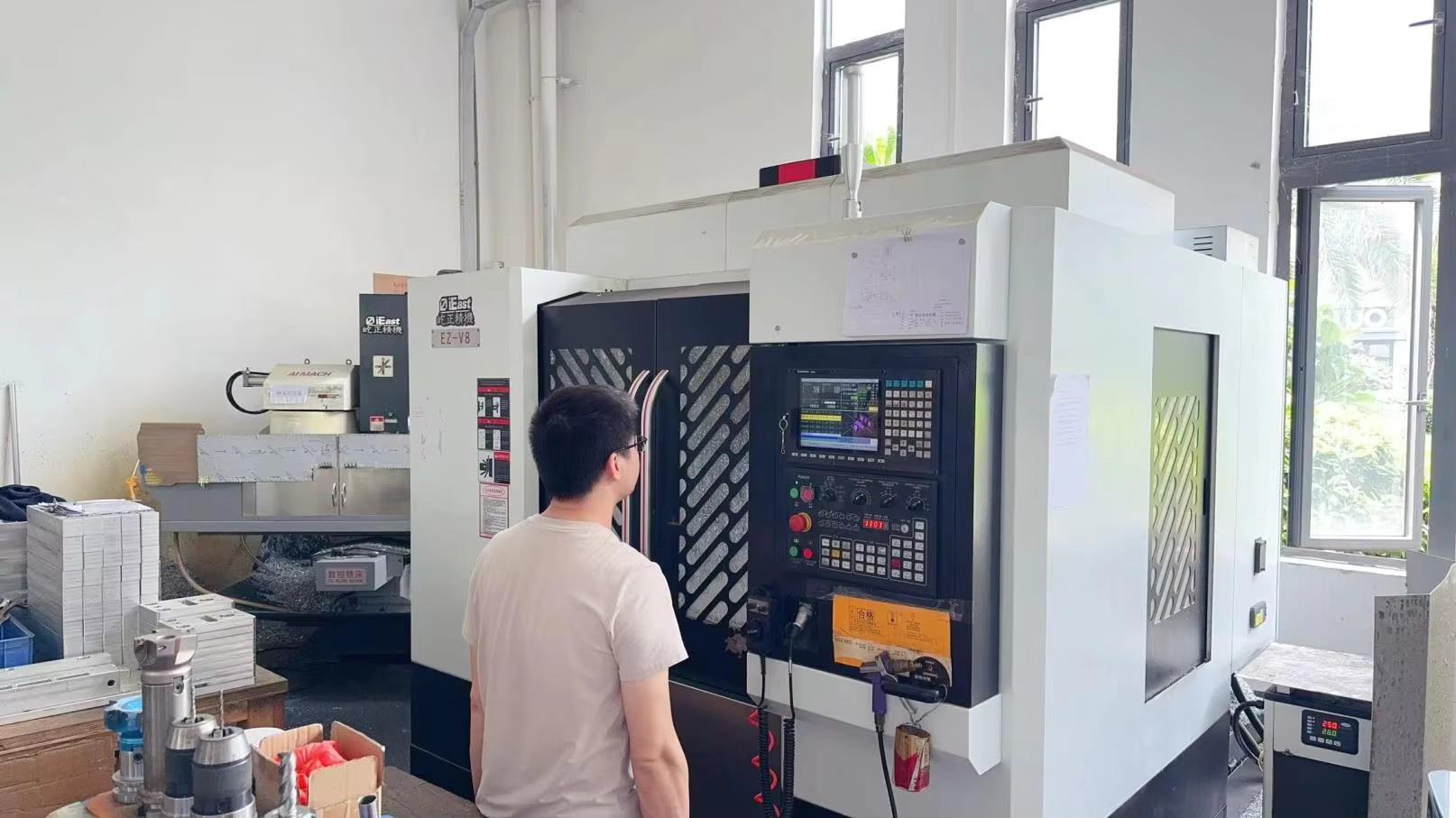
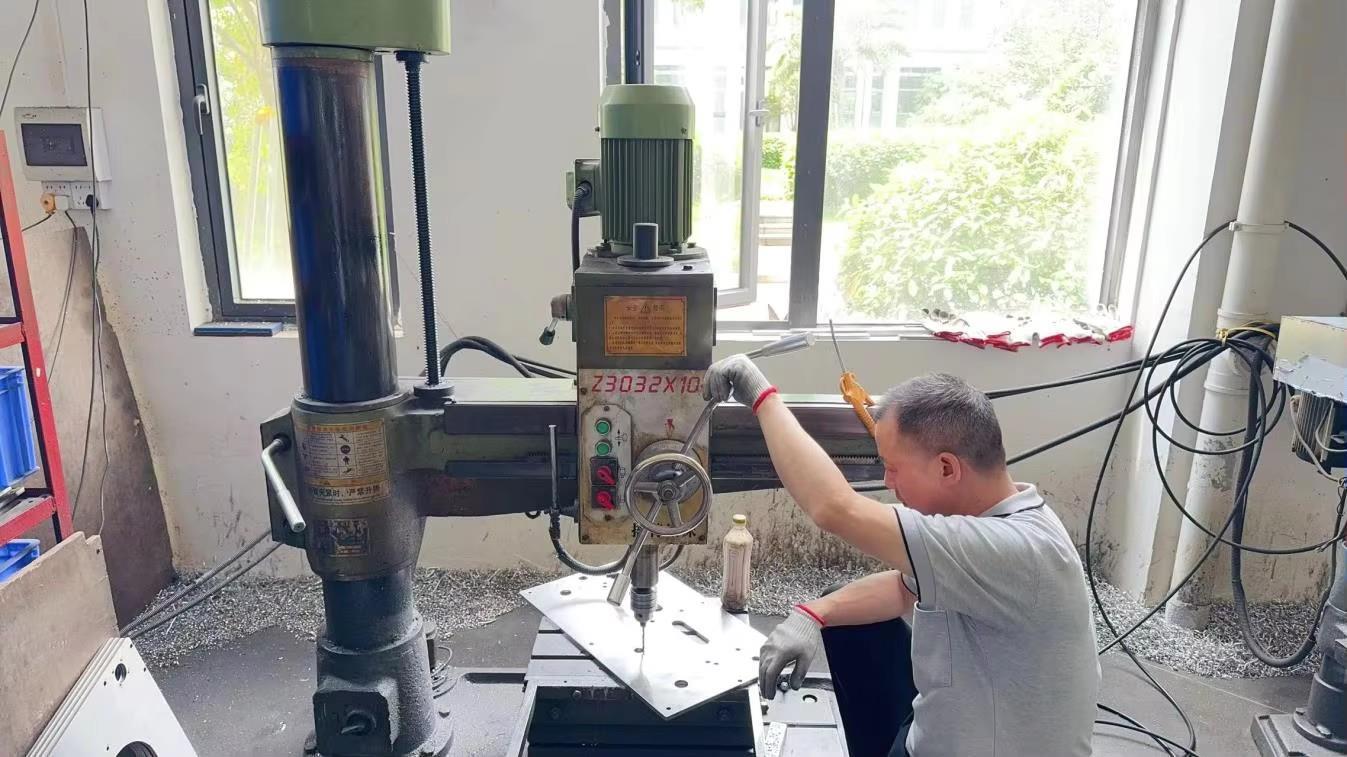
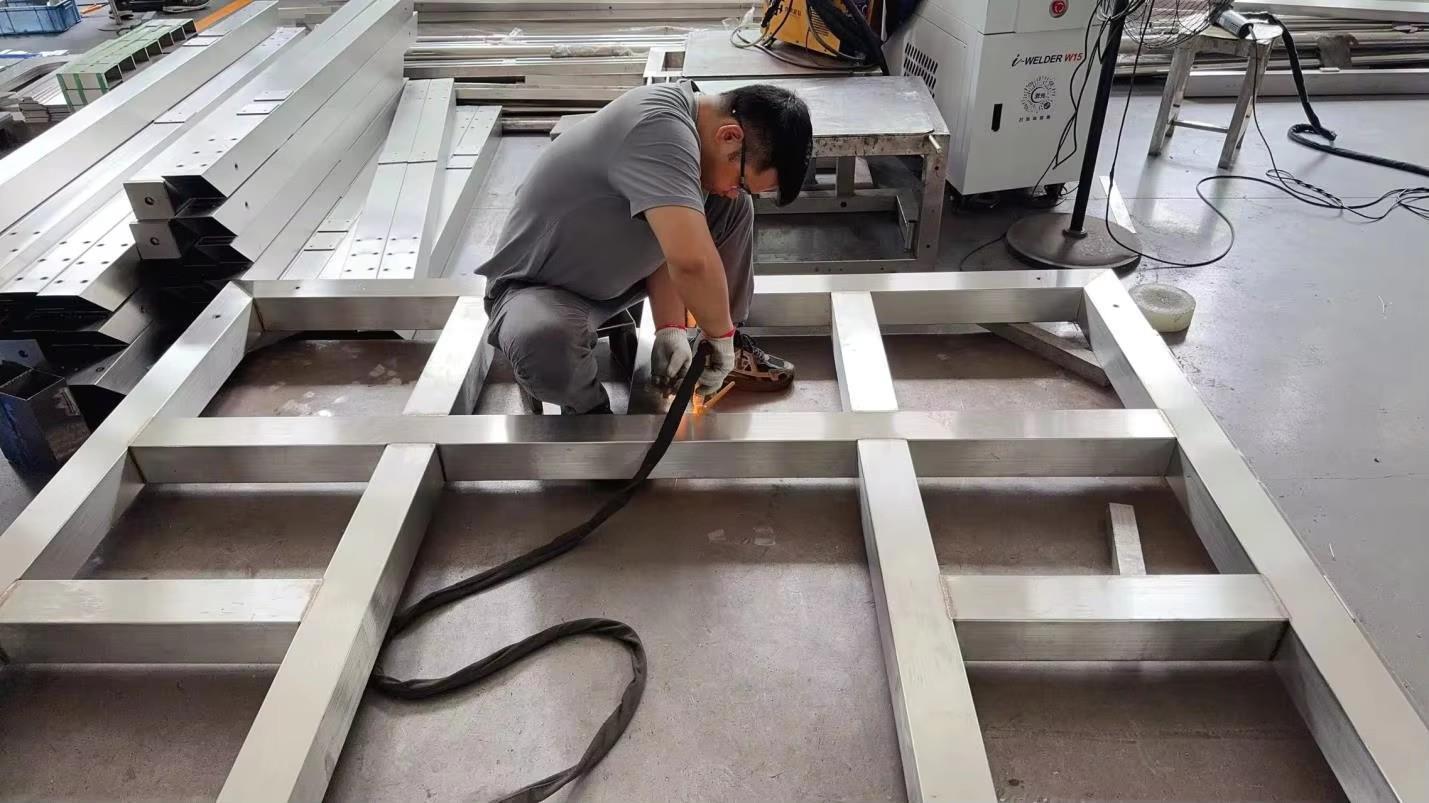
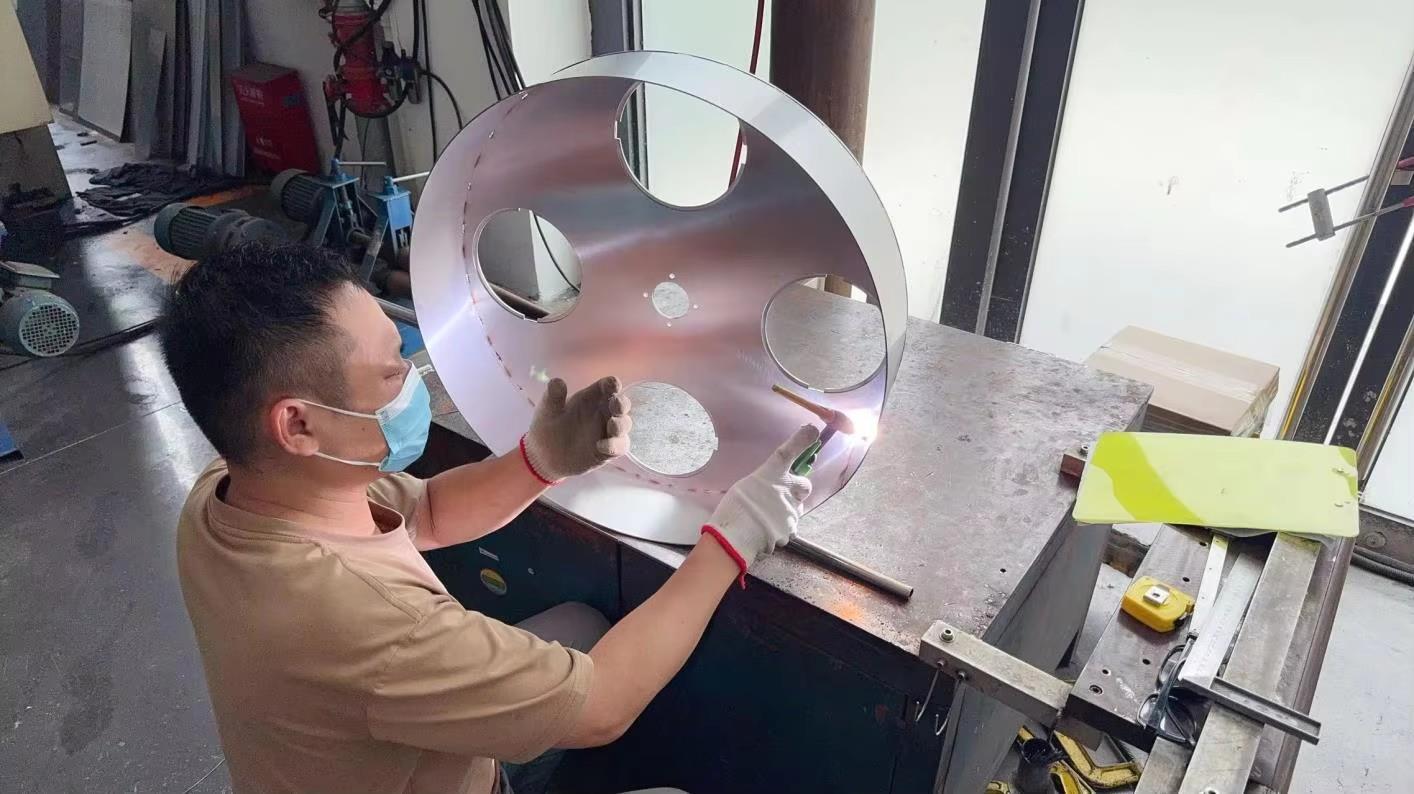
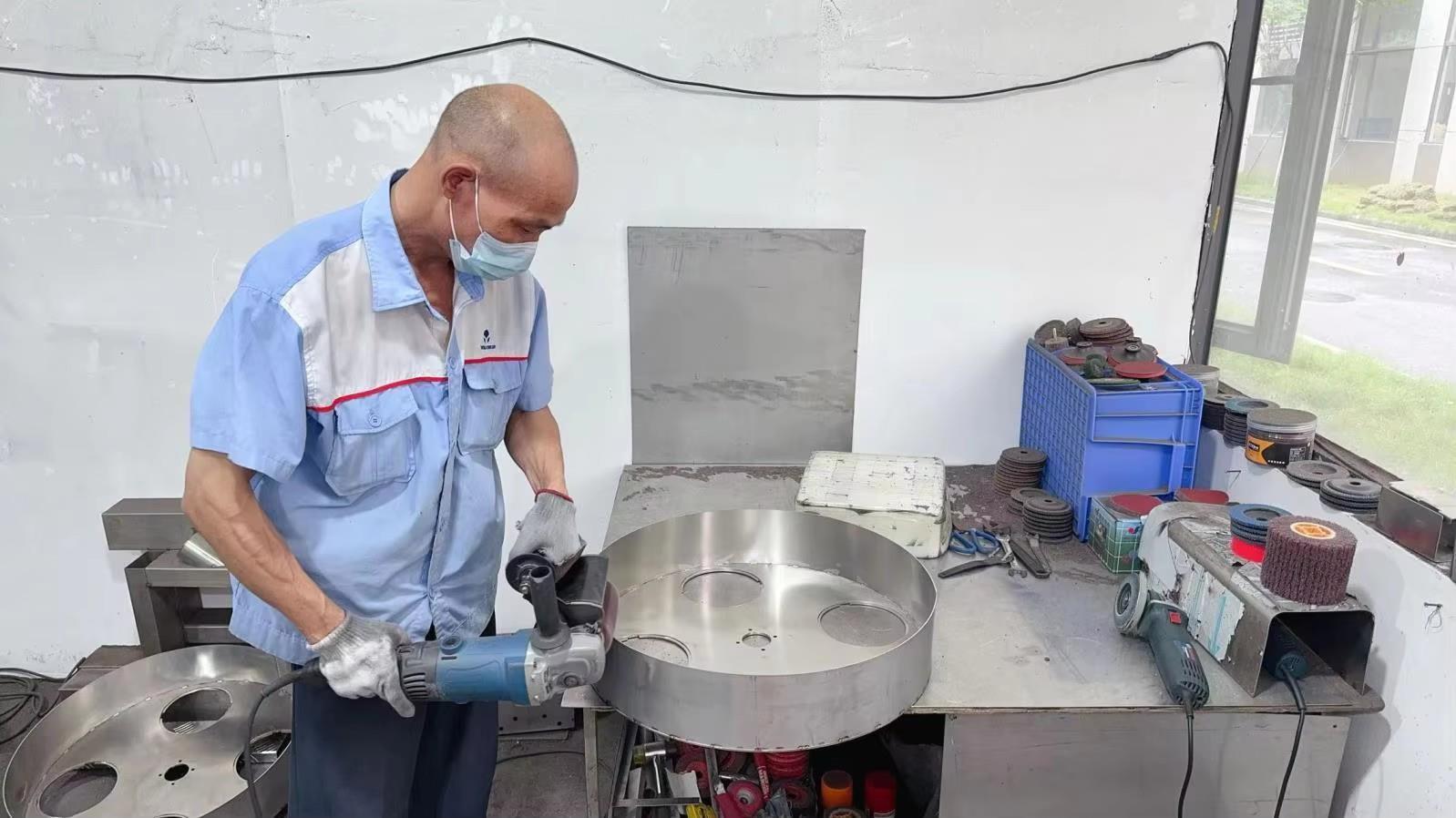
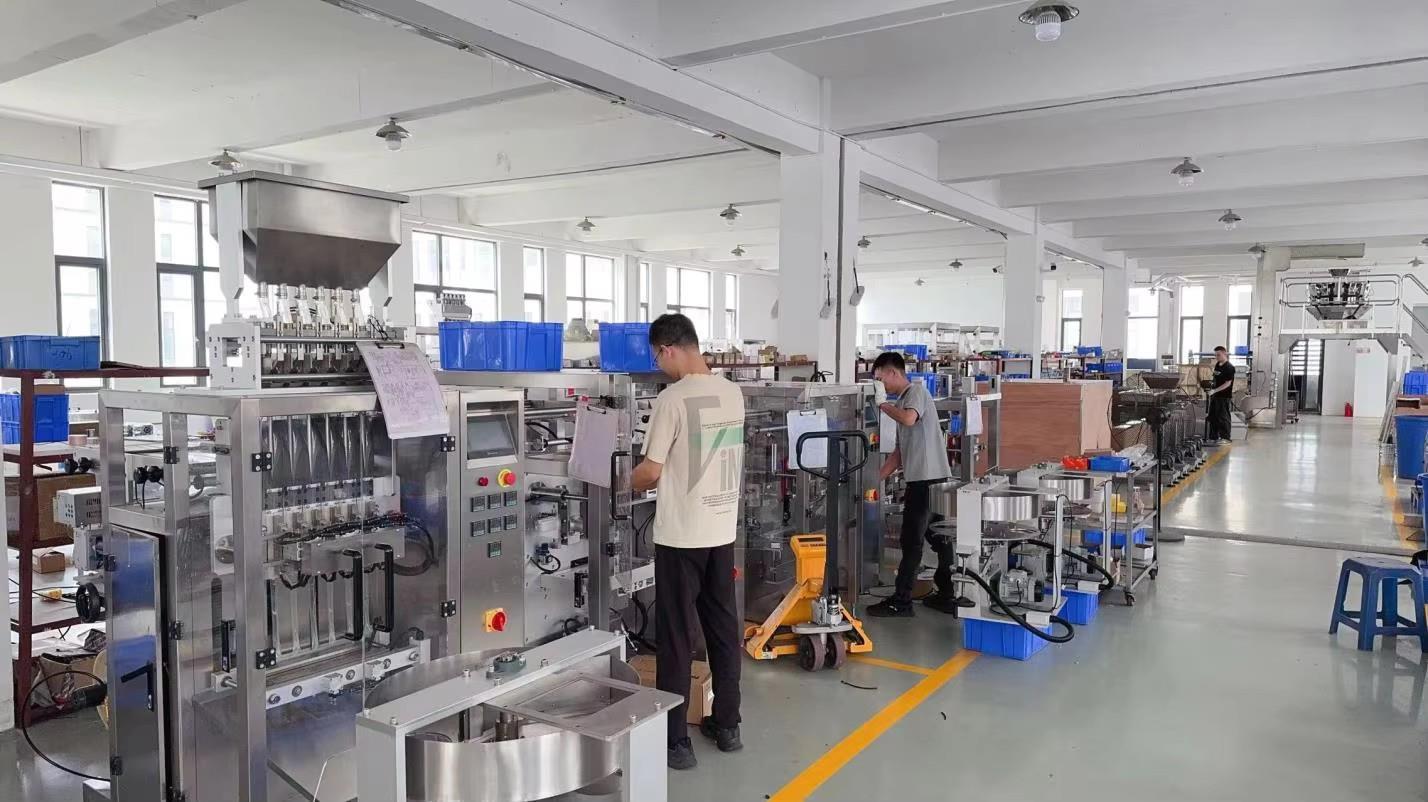
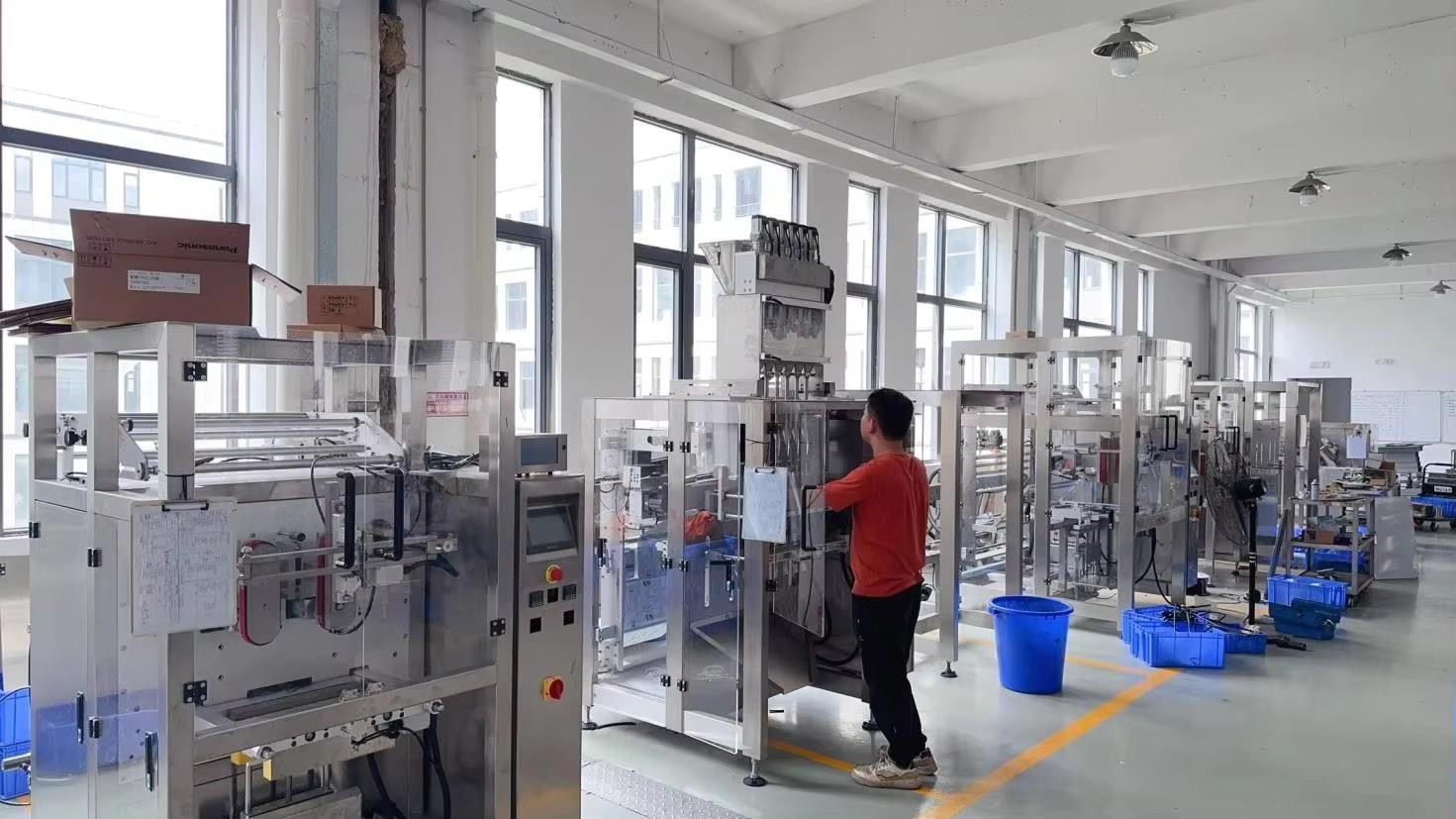
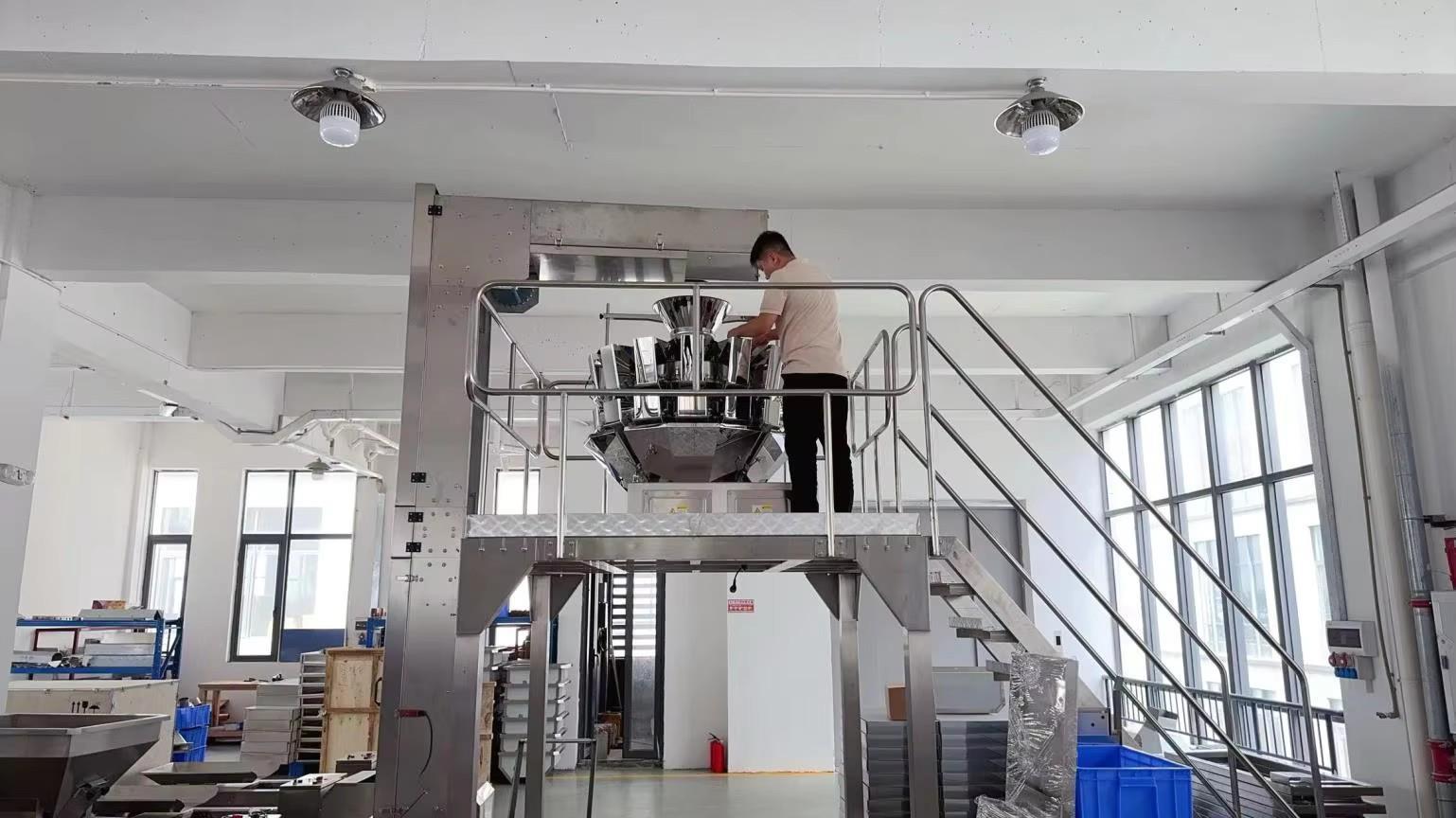
Henan Collins Machine Co., Ltd. specializes in the development, production, and sales of high-performance labeling, filling, capping, coding, and sealing machinery. Our facility features advanced vertical machining centers, dynamic balancing rigs, and CNC grinding equipment to guarantee the performance of every critical piston and cylinder assembly. Check out our integrated manufacturing stages below:
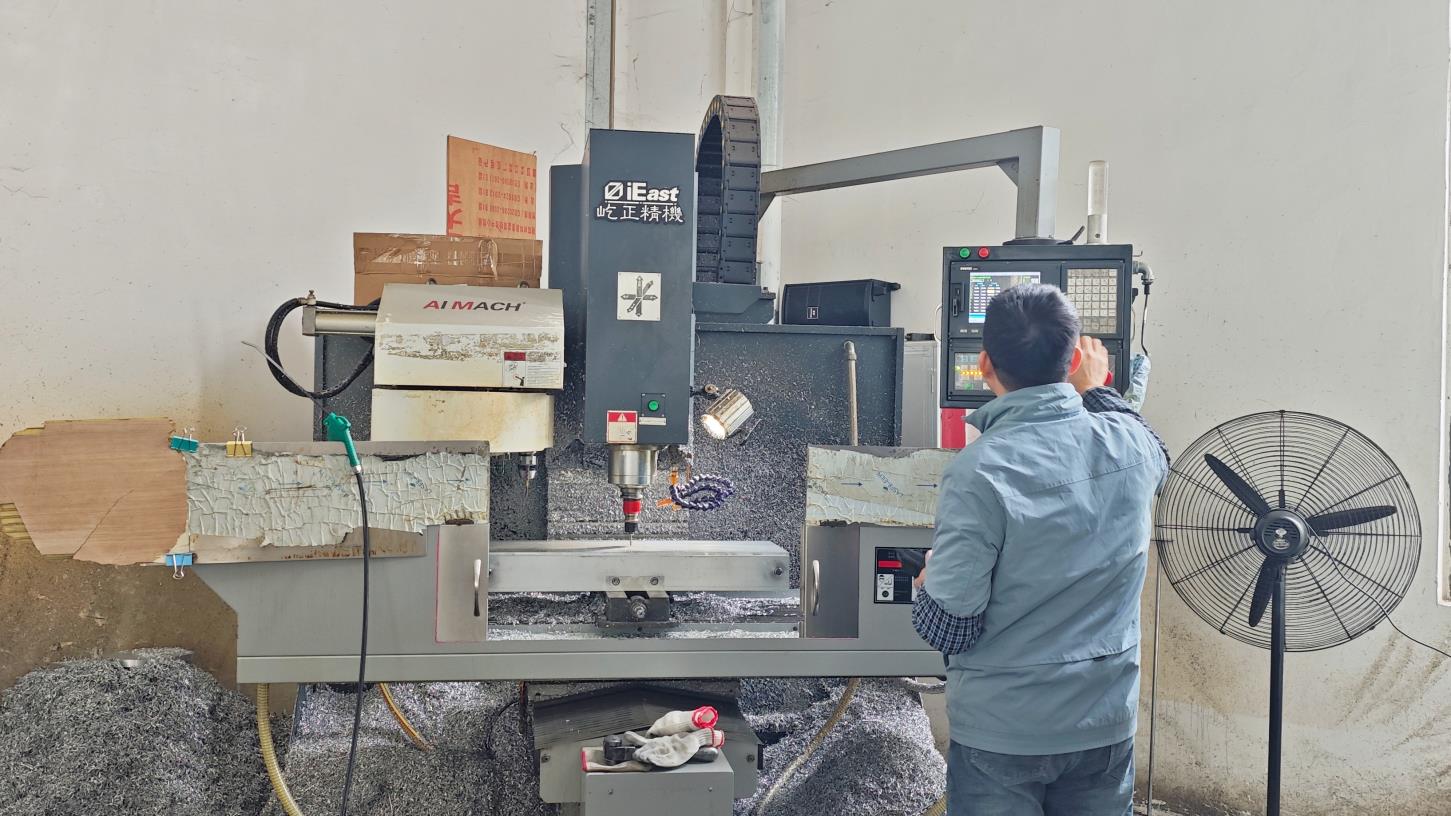
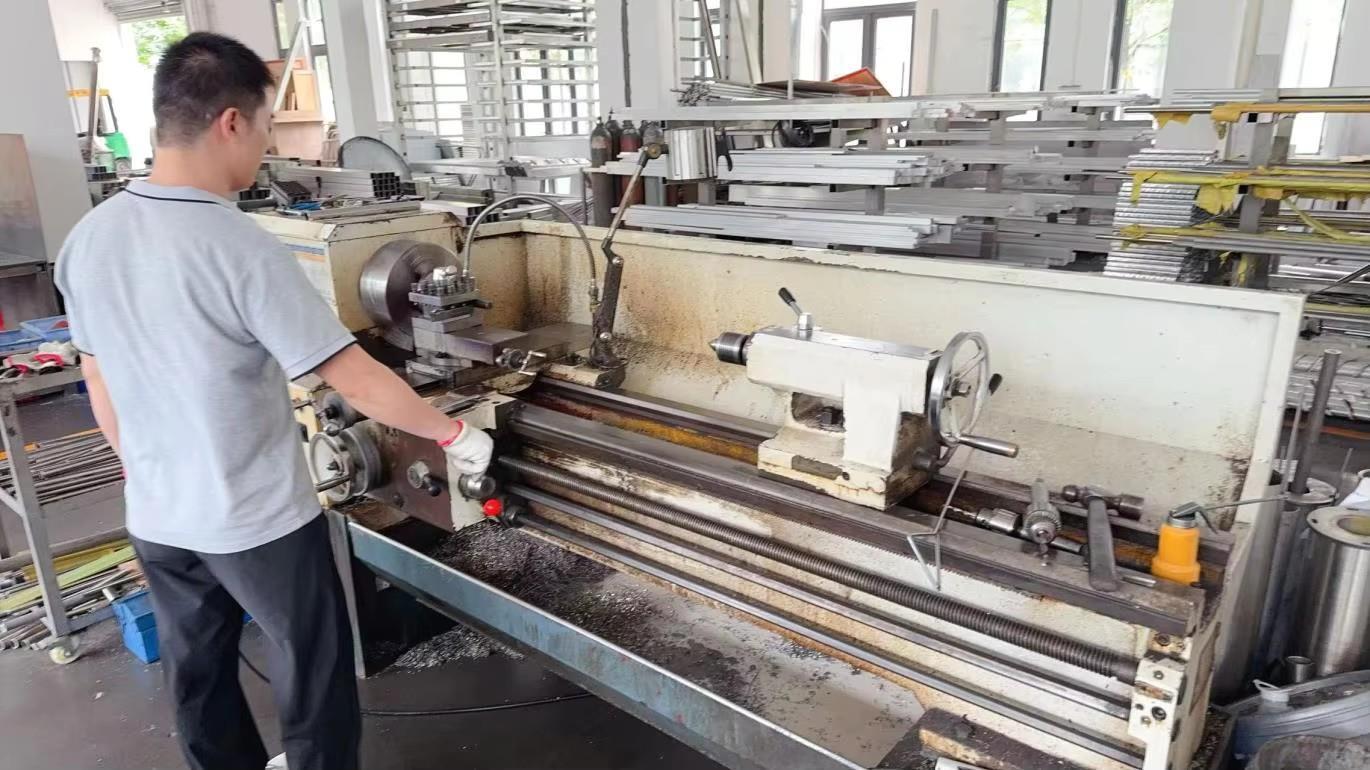
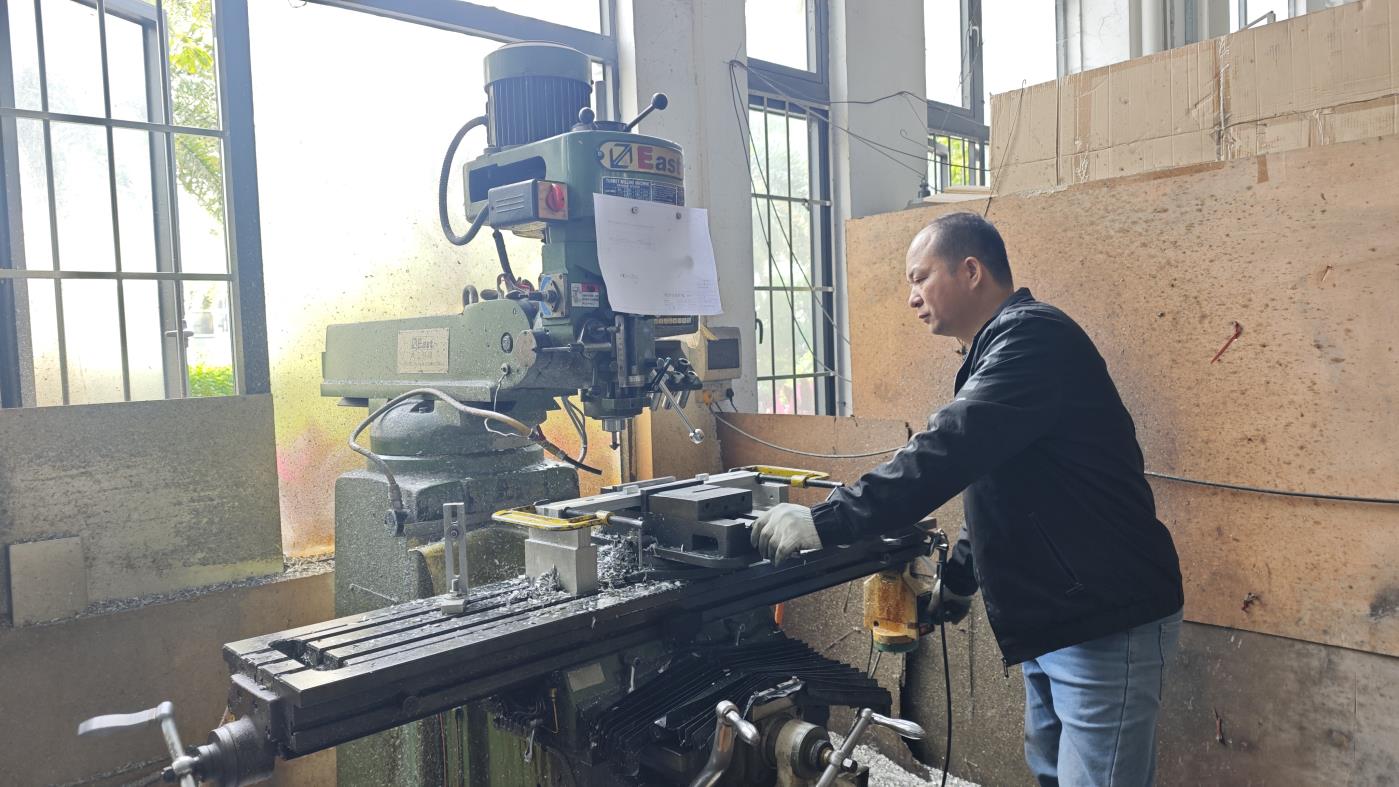
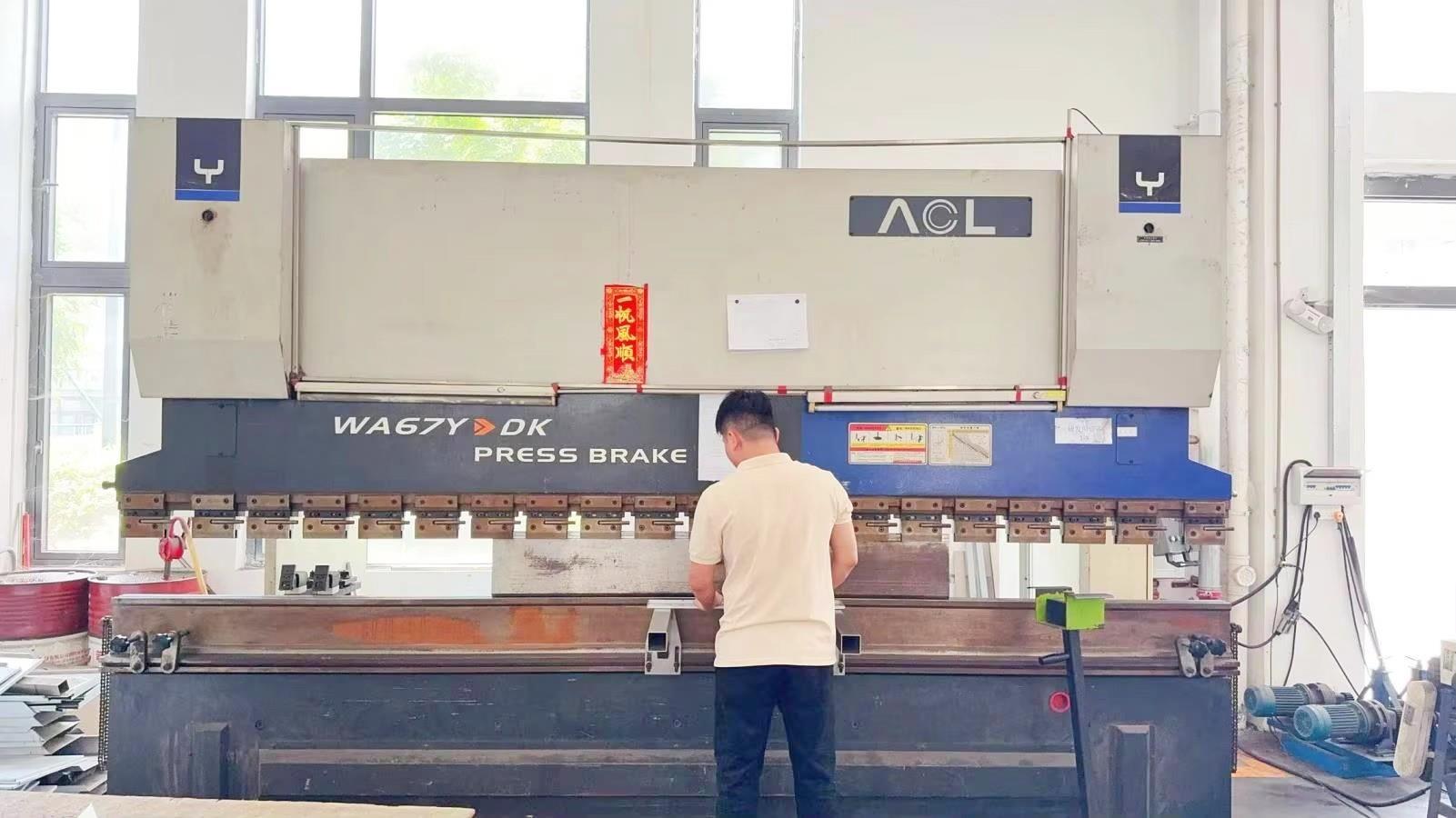
Operating industrial machinery in Vietnam requires accounting for unique regional factors. Below are key design and environmental adjustments Collins implements to ensure uptime and regulatory compliance:
Tropical climates feature high relative humidity (frequently exceeding 80%). Unprotected electrical enclosures are prone to condensation, short circuits, and corrosion. We build our electrical cabinets to IP65 or IP66 standards and incorporate ventilating louvers or internal cabinet heaters to prevent moisture buildup. Critical sensors, HMI controllers (primarily Delta, Siemens, or Mitsubishi), and PLC modules are selected for high-temperature stability to prevent thermal shutdown during continuous shifts.
The standard electricity supply in Vietnamese industrial zones is 380V (three-phase) or 220V (single-phase) at 50Hz. All machinery is customized to these parameters before leaving our facility. To protect against voltage fluctuations in developing industrial areas, we build voltage stabilizers, line filters, and overload protective circuits directly into our central control systems.
Vietnam’s food contact regulations mandate strict material safety. In compliance, all parts of our machinery that contact the product are made of food-grade SUS304 or SUS316L stainless steel. Seals and gaskets are made from FDA-approved Teflon or silicone. Tri-clamp fittings are used throughout the fluid pathways to allow quick disassembly for daily sanitation and CIP (Clean-In-Place) procedures.
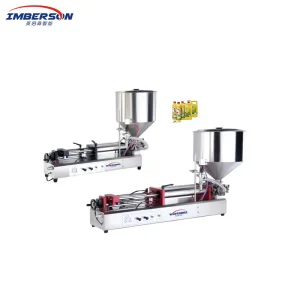
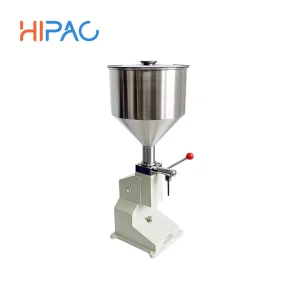
Explore our complete range of manual, semi-automatic, and automatic piston filling solutions designed for versatile line integrations.
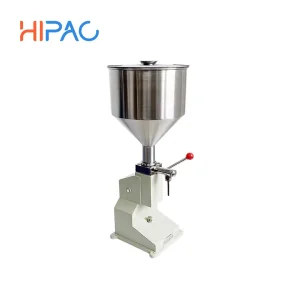
Investing in new packaging equipment requires balancing cost against long-term performance. When sourcing a piston filler for a Vietnamese factory, buyers should evaluate key aspects of the technical configuration:
The type of valve in your piston filler is determined by your product's viscosity and the presence of solids:
Piston filling is only one step in the bottling process. To maximize overall equipment effectiveness (OEE), Collins specializes in designing complete inline setups. For Vietnamese enterprises, we integrate filling systems with downstream processes like automatic capping, ribbon or thermal transfer coding (TTO) for expiration dates, and high-speed labeling machinery. This end-to-end integration reduces labor costs and ensures seamless operation throughout the line.
Expert answers to common technical and logistics questions from procurement managers in the Vietnamese market.
Contact our application engineering team today. We will help you specify, configure, and install the ideal volumetric piston filler for your exact production needs.
Send Inquiry Now Collins Machine