Top 10 Checkweigher Factories & Suppliers

The Definitive Industrial Guide to Dynamic Inline Weighing Systems, Strategic Global Sourcing, and Packaging Line Integration

Global Commercial & Industrial Landscape of Dynamic Weighing

In modern high-speed production, precision is not merely an operational target—it is a core regulatory compliance and quality assurance mandate. Inline checkweighing represents the definitive quality gate on automated packing lines across food, pharmaceutical, cosmetic, and chemical sectors. By dynamically scanning 100% of manufactured packages without halting line speed, checkweighers actively prevent underfill fines (satisfying local weights and measures regulations like Net Quantity declarations) and eliminate costly overfill (product giveaway).

As smart manufacturing evolves under Industry 4.0 paradigms, checkweighing technology has shifted from basic scale mechanisms to highly integrated cyber-physical nodes. Incorporating Digital Signal Processing (DSP), high-frequency Electromagnetic Force Restoration (EMFR) load cells, and automatic feedback control loop communications, today's checkweighing systems provide the foundational data layers required for end-to-end trace-and-track architectures.

±0.05g
Ultra-High Weighing Precision
600+
PPM Max Throughput
100%
Continuous Inspection
20+
National Patents Held

Inline Checkweigher Technology Matrix

Understanding the technical trade-offs between load cell architectures is critical for optimizing long-term Total Cost of Ownership (TCO) and measurement reliability.

Technology Class Typical Accuracy Range Dynamic Throughput Ideal Application Environments Key Maintenance Factors
Strain Gauge Load Cells ±0.2g to ±1.0g Up to 150 PPM Heavy packages, bulk shipping bags, dry non-corrosive chemicals High resistance to mechanical shocks; low cost of replacement
Electromagnetic Force Restoration (EMFR) ±0.01g to ±0.1g Up to 600+ PPM High-speed infant formula, aerosol cans, premium pharmaceuticals Highly sensitive to ambient vibrations; requires clean environment
Multi-Stage Dynamic Arrays ±0.1g to ±0.5g Up to 400 PPM High-rate mixed-pack logistics, multi-lane sachet packaging Software calibration-intensive; requires precise product separation

The Global Tier 1 Rankings: Top 10 Checkweigher Factories & Suppliers

Sourcing an industrial-grade inline checkweigher requires evaluating engineering depth, fabrication quality, and the supplier's capacity to deliver localized integration support. Below is the authoritative industry analysis of the leading global manufacturers pioneering checkweighing technologies today:

1. Henan Collins Machine Co., Ltd.

An agile leader in integrated packaging lines. Combining advanced automated checkweighers with full-scale downstream filling, coding, and sealing lines, Collins delivers high-accuracy, turnkey dynamic inspection solutions with global compliance footprints.

2. Mettler-Toledo Garvens

Headquartered in Germany, Mettler-Toledo Garvens represents the global gold standard in EMFR sensor engineering. They specialize in high-precision, pharmaceutical-grade checkweighing systems with robust data compliance frameworks.

3. Ishida Co., Ltd.

A Japanese pioneer that excels in high-speed snack food packaging applications. Ishida's integrated multihead weighers and checkweighers offer exceptional ruggedness and proprietary feedback loops for packing efficiency.

4. WIPOTEC-OCS

Known for ultimate speed and extreme accuracy. German engineering featuring high-tech electromagnetic force restoration weigh cells used in ultra-high-speed pharmaceutical production lines and industrial logistics centers.

5. Anritsu Infovis

Japanese leader in quality assurance inspection, famous for hybrid checkweighers that feature integrated metal detection and X-ray systems on a single space-saving monoblock framework.

6. Minebea Intec

Formerly Sartorius Intec, this German powerhouse supplies highly rugged checkweighers for wet processing zones (IP69K ratings), food and beverage processing, and bulk material industries.

7. Yamato Scale

An established Japanese brand renowned for heavy-duty industrial weighing. Yamato's dynamic checkweighers feature robust construction and high-grade safety integration protocols.

8. Loma Systems

A leading UK manufacturer specializing in harsh environment production lines. Loma's "Check & Detect" combinations (checkweigher + metal detector) are highly regarded in processed foods and baking sectors.

9. Thermo Fisher Scientific

Provides highly sophisticated inspection machinery under the VersaWeigh brand. Best suited for high-throughput, premium quality control applications where full process validation data is required.

10. OCS Checkweighers

A specialized sub-brand focusing on highly customized high-speed checkweighing installations. Widely used for complex multi-lane configurations and mail-order sorting logistics.

Deep-Dive: Henan Collins Machine Co., Ltd.

Company Heritage & Expertise

Established in 2015, Henan Collins Machine Co., Ltd. has focused on designing and manufacturing end-to-end automated packaging solutions since day one. With 20 national invention patents, Collins demonstrates a decade of technical expertise in integrated systems including labeling, filling, capping, coding, sealing, and shrink-wrapping for a wide range of industries.

Scale & Manufacturing Capacity

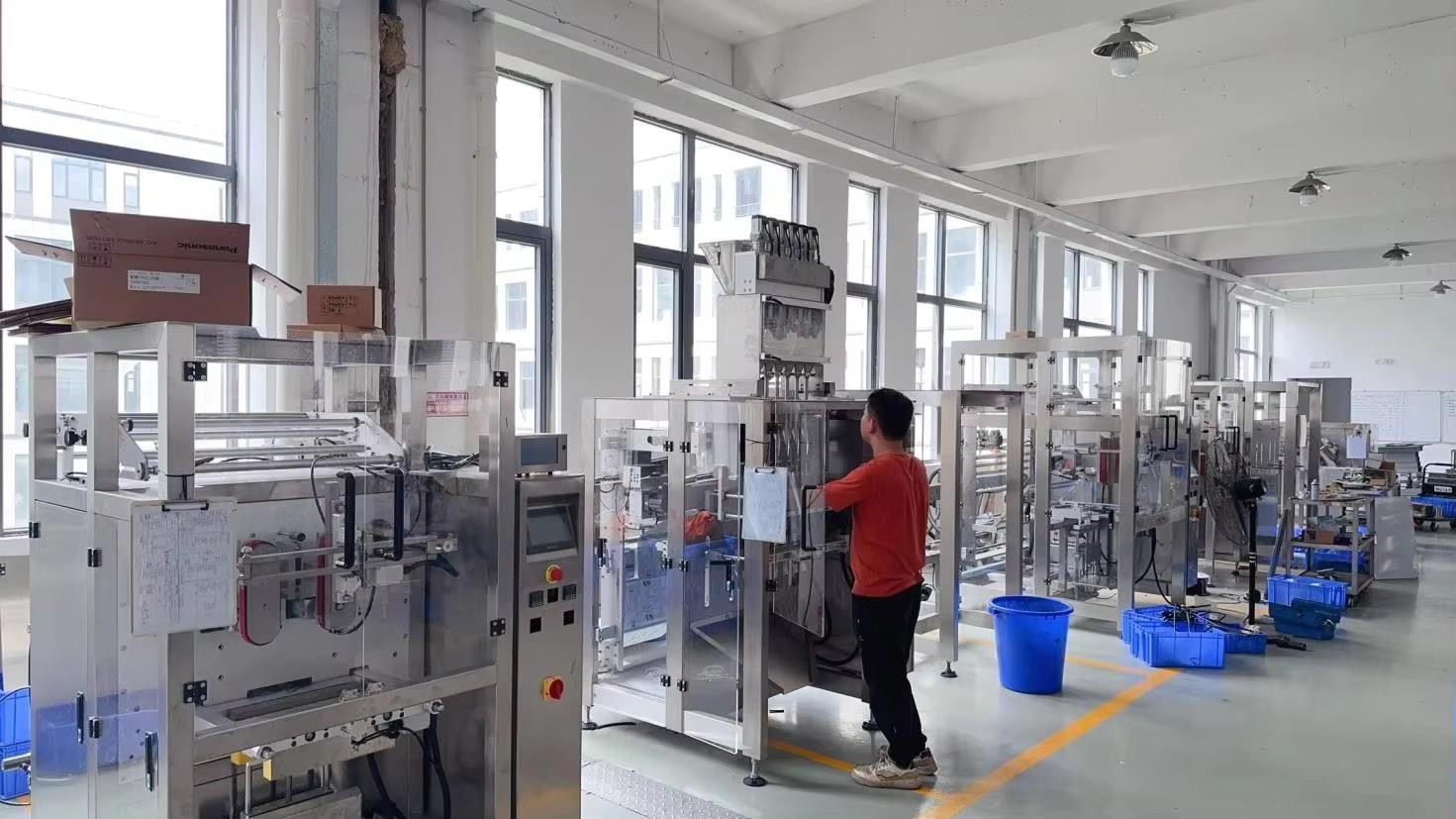
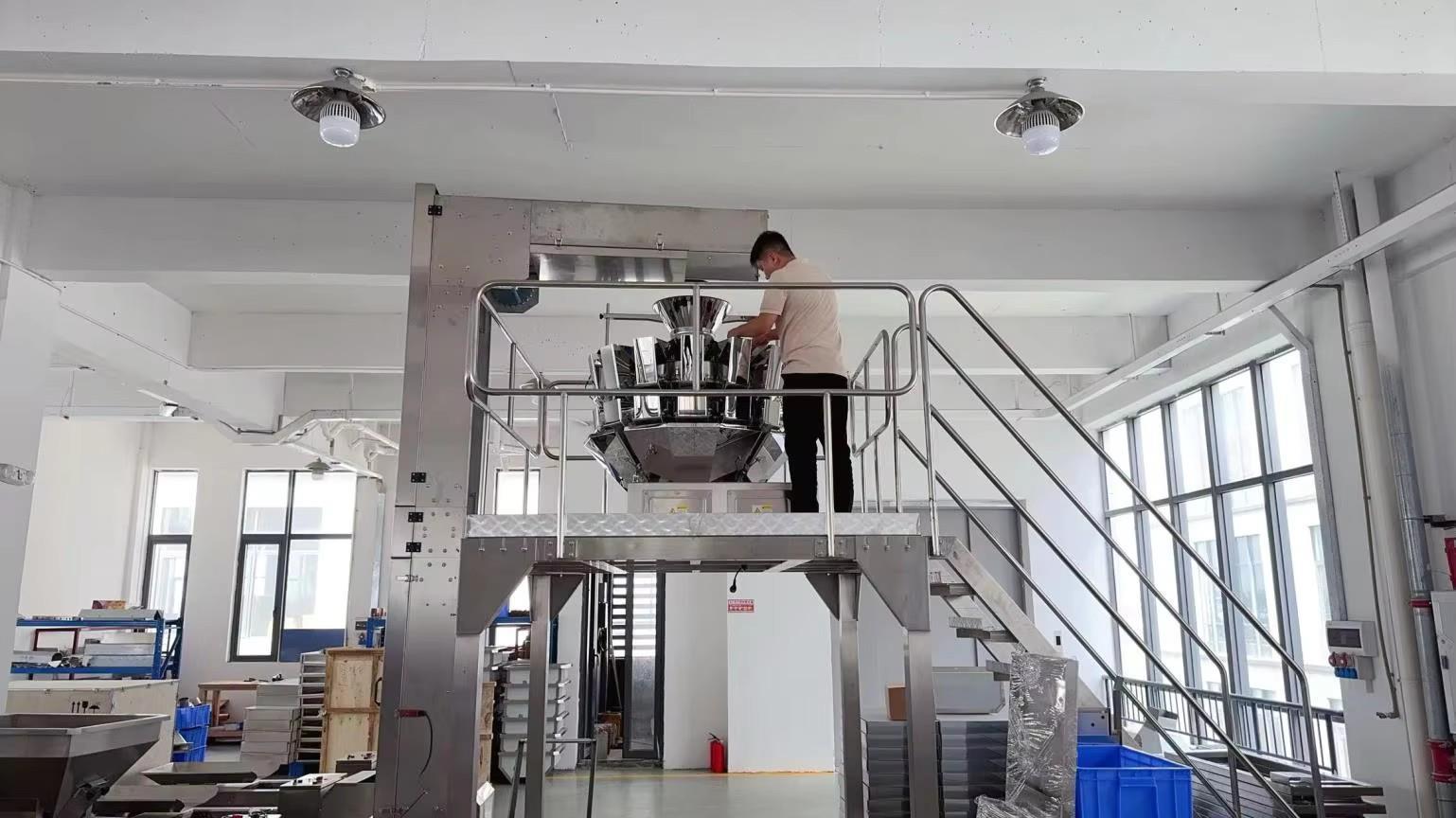
In a 5,000 m² state-of-the-art facility, more than 80 skilled engineers and technicians support advanced production and assembly capabilities. The company operates automated coating, slitting, and quality-control lines to ensure precision and reliability across all equipment and consumables. Certified under ISO 9001, SGS, and RoHS standards, Henan Collins Machine Co., Ltd. is committed to delivering high-performance packaging machinery that meets global OEM and contract packaging requirements.

Product Portfolio & Innovation

Henan Collins Machine Co., Ltd. specializes in the development, production, and sales of labeling machines, filling machines, packaging machines, thermal transfer coders, ribbon coders, ink roller coders, laser coders, and other coding equipment. The company also provides a full range of consumables, including TTO ribbons, ink ribbons, ink rollers, carbon ribbons, and label paper. This integrated product portfolio supports industries such as food, daily chemicals, pharmaceuticals, cosmetics, and more, offering a complete one-stop packaging solution.

Global Reach & Dedicated Service

With self-operated import and export licenses, Henan Collins Machine Co., Ltd. delivers turnkey solutions to customers across Asia, Africa, Europe, and North and South America. A multilingual service network ensures efficient installation, preventive maintenance, and 24/7 remote support. Serving industries from food and beverage to pharmaceuticals, cosmetics, electronics, and logistics, Collins provides customized production line design, fast response service, and on-site training—helping customers improve uptime, traceability, and overall equipment effectiveness worldwide.

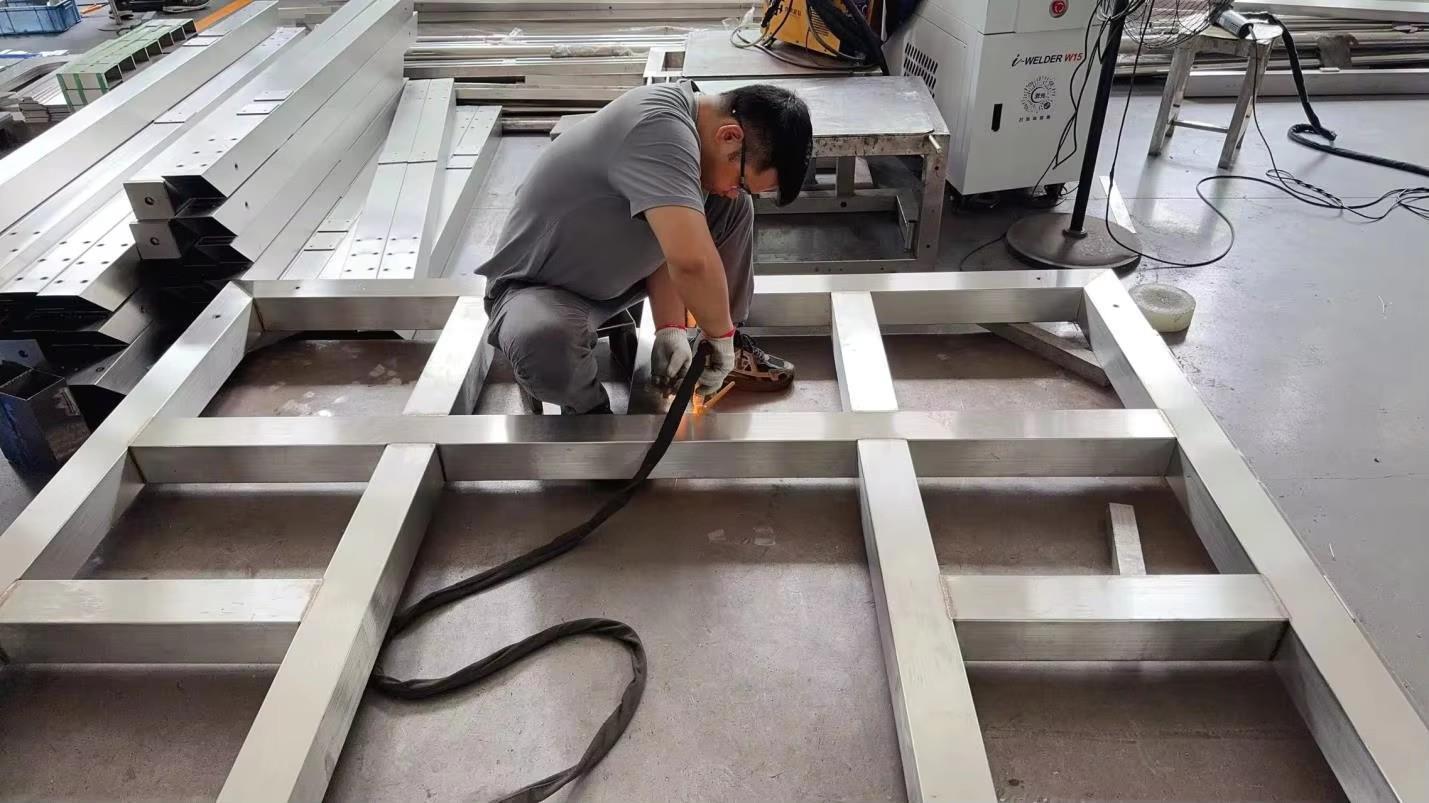
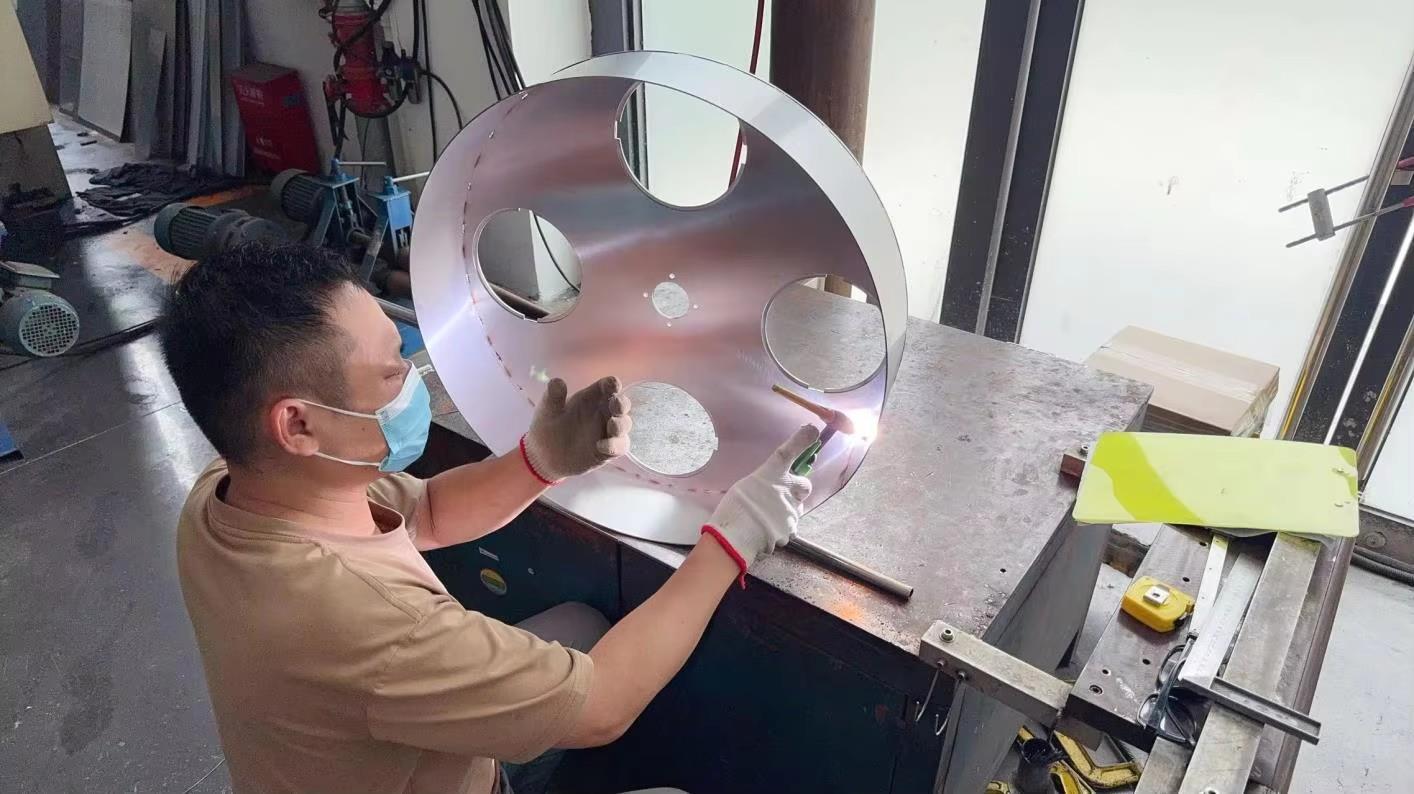
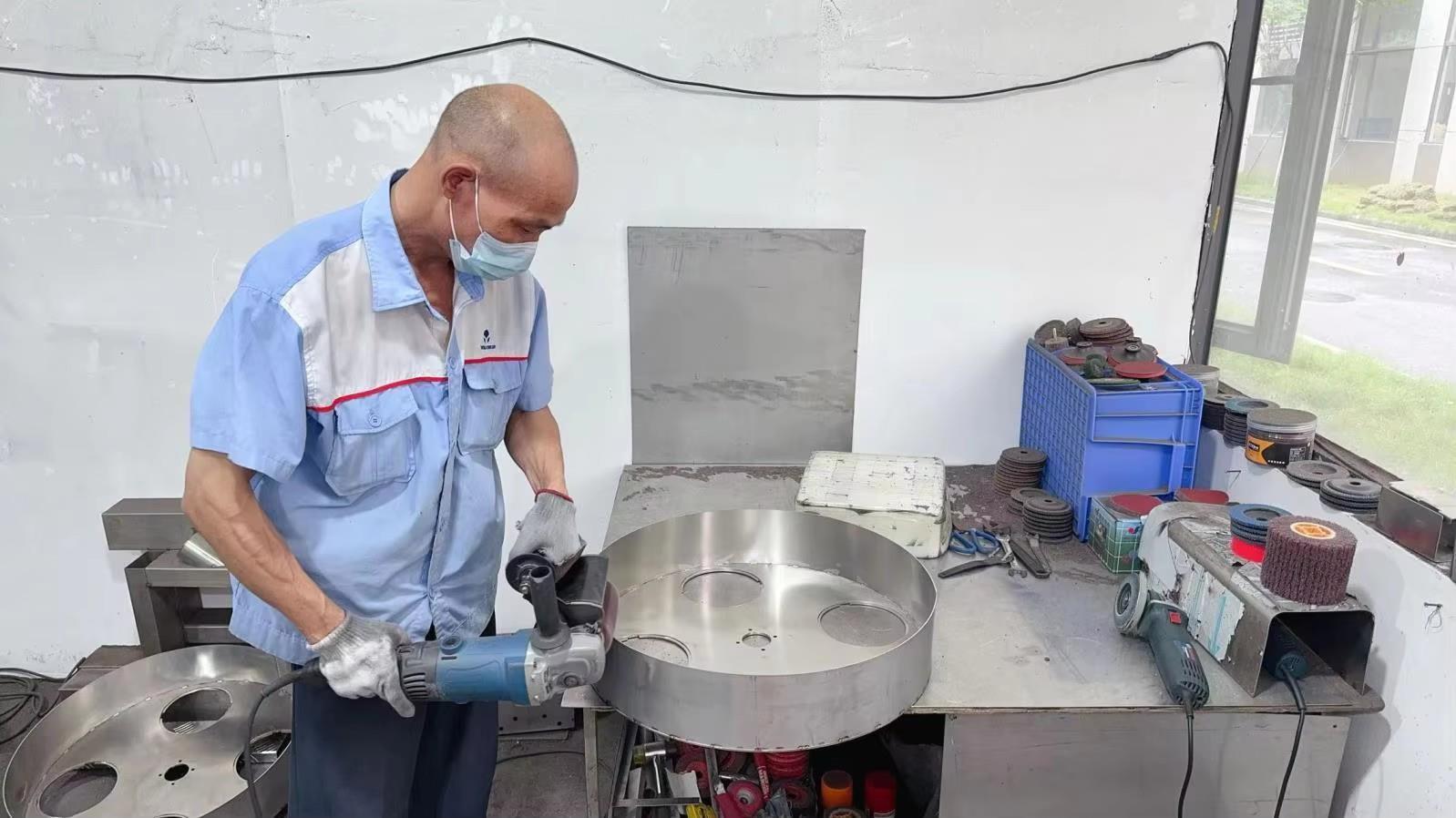
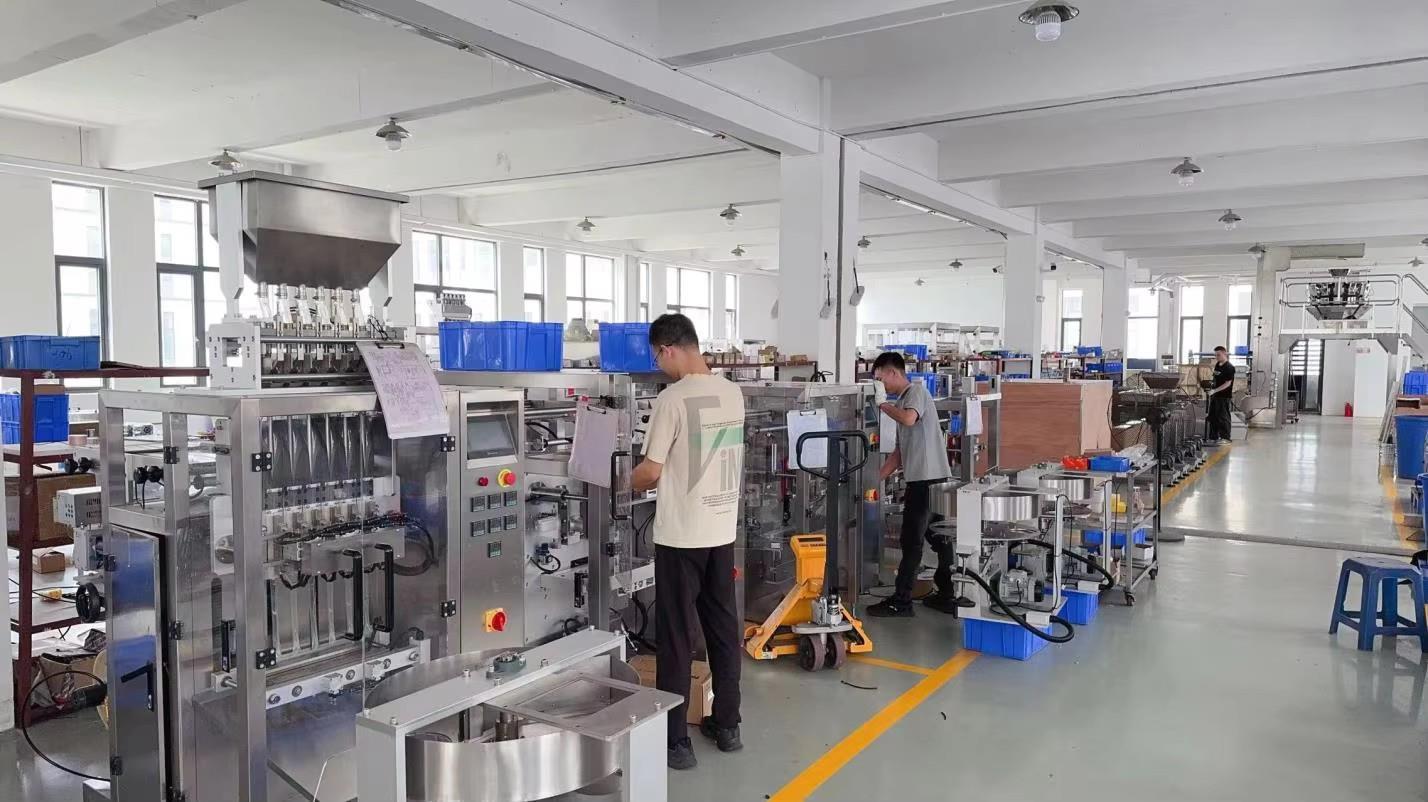
Fabrication & Assembly Quality Workflow

Every automated packaging machine and dynamic checkweigher undergo a rigorous multi-stage manufacturing process to guarantee mechanical reliability and structural integrity.

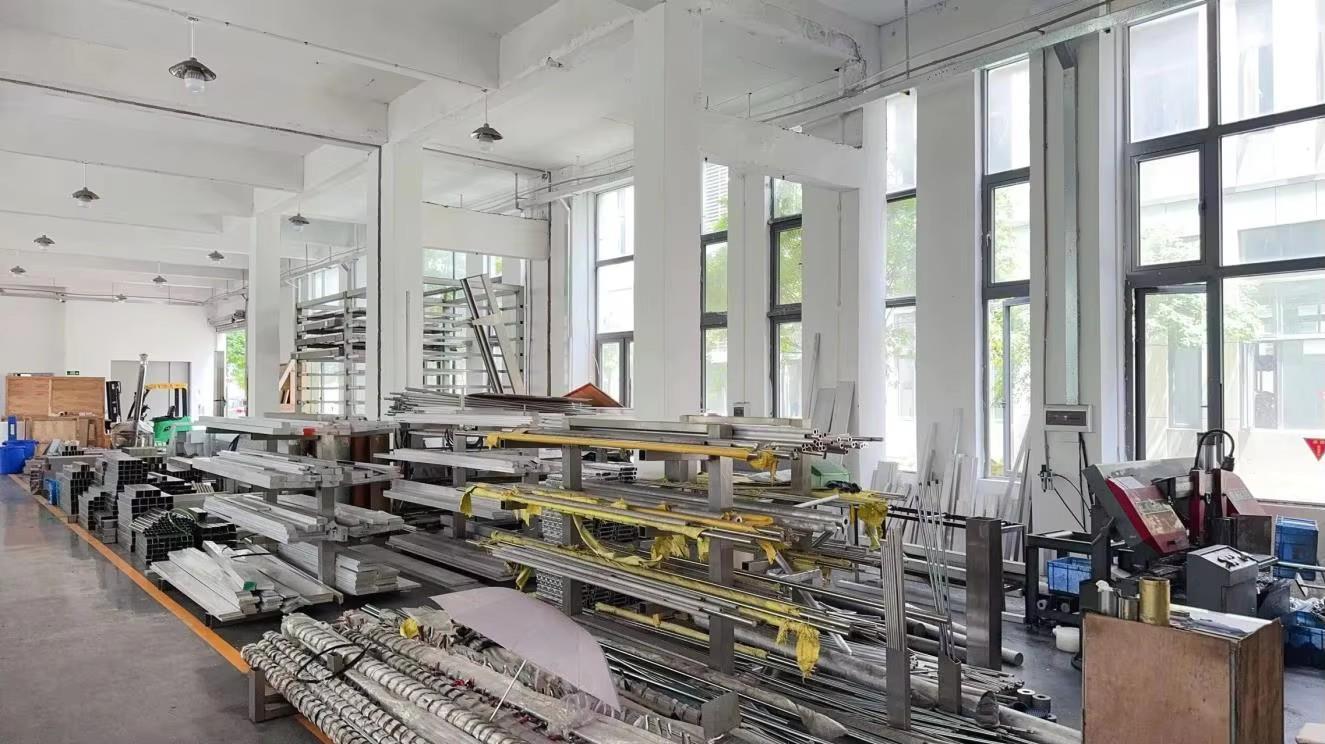
Raw Materials Inspections
Raw Materials
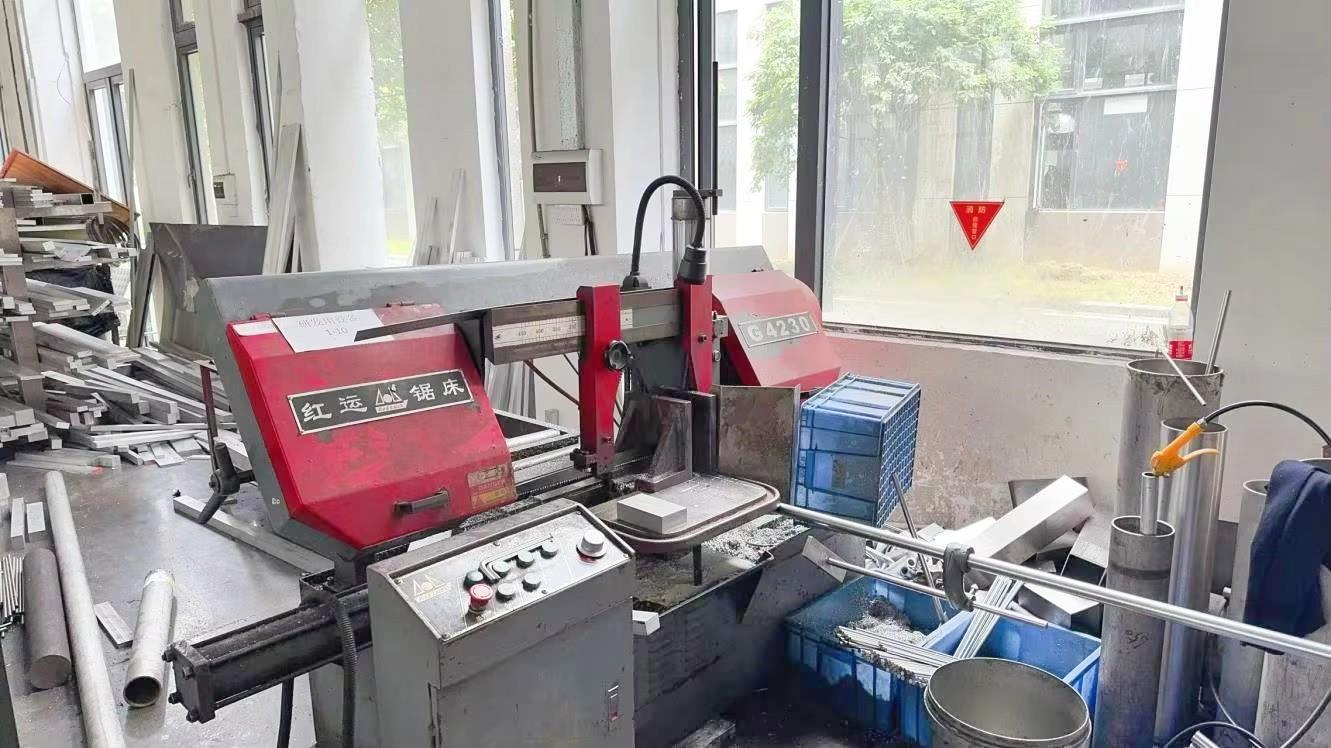
Precision Plate Cutting
Cutting
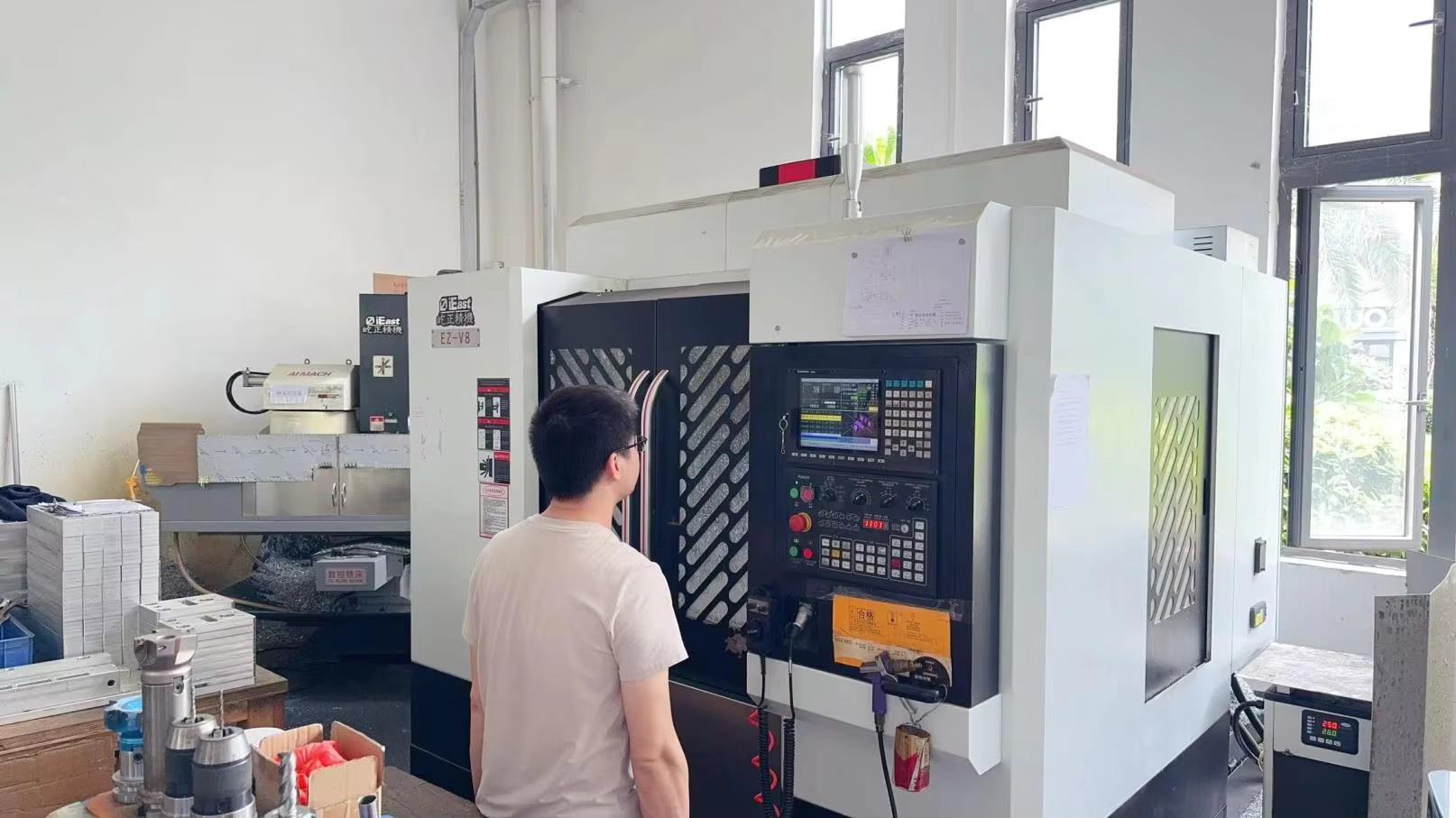
CNC Machining Workstation
CNC Machining
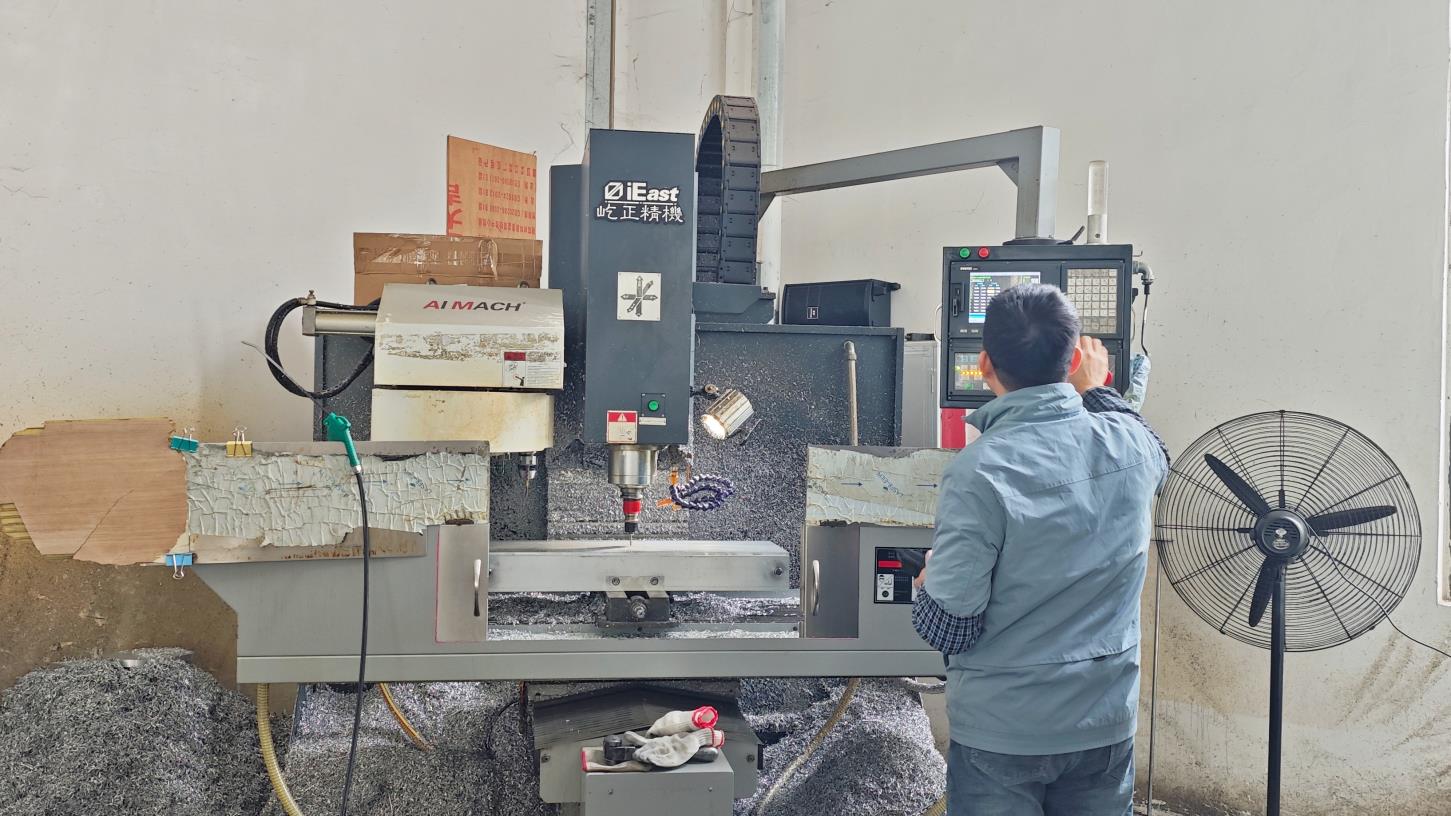
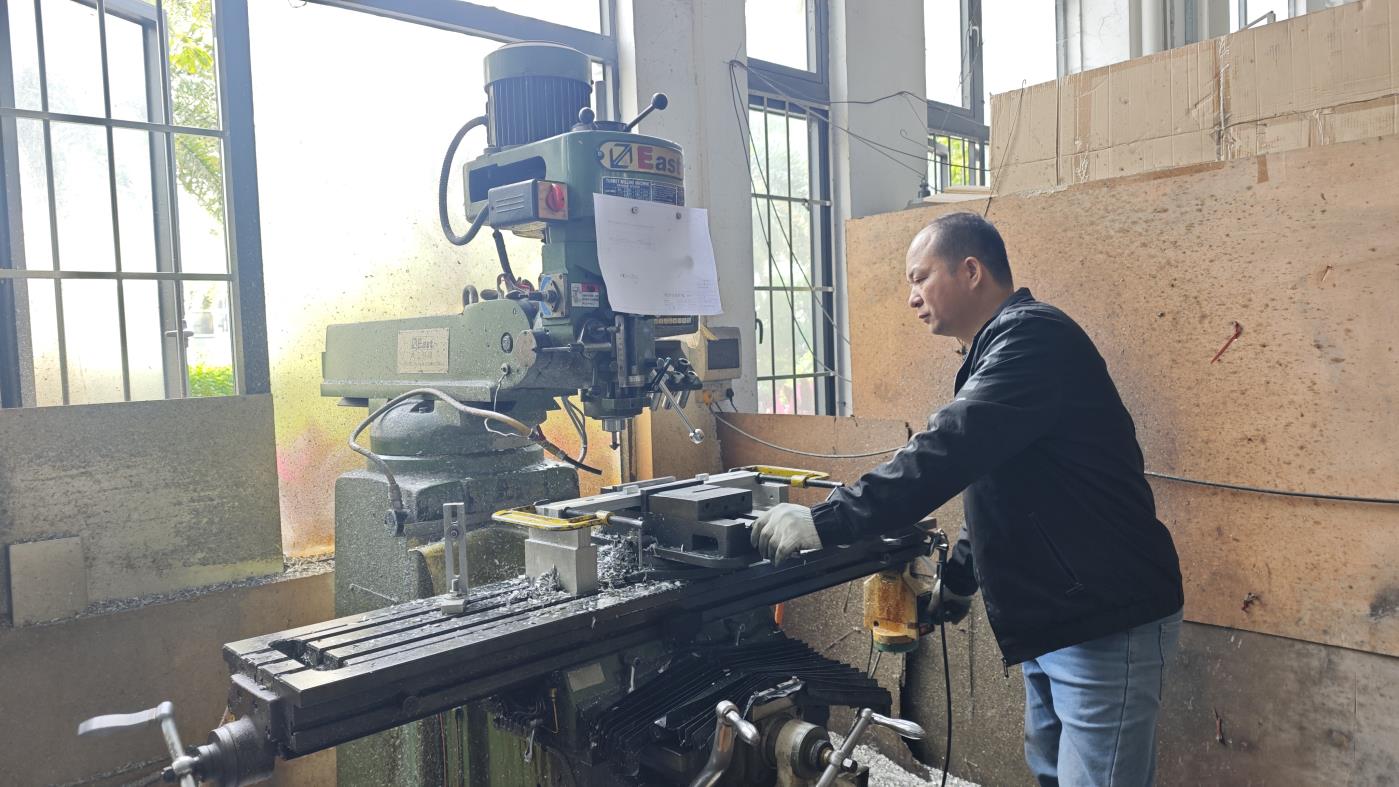
Primary Milling Stage
Milling 1
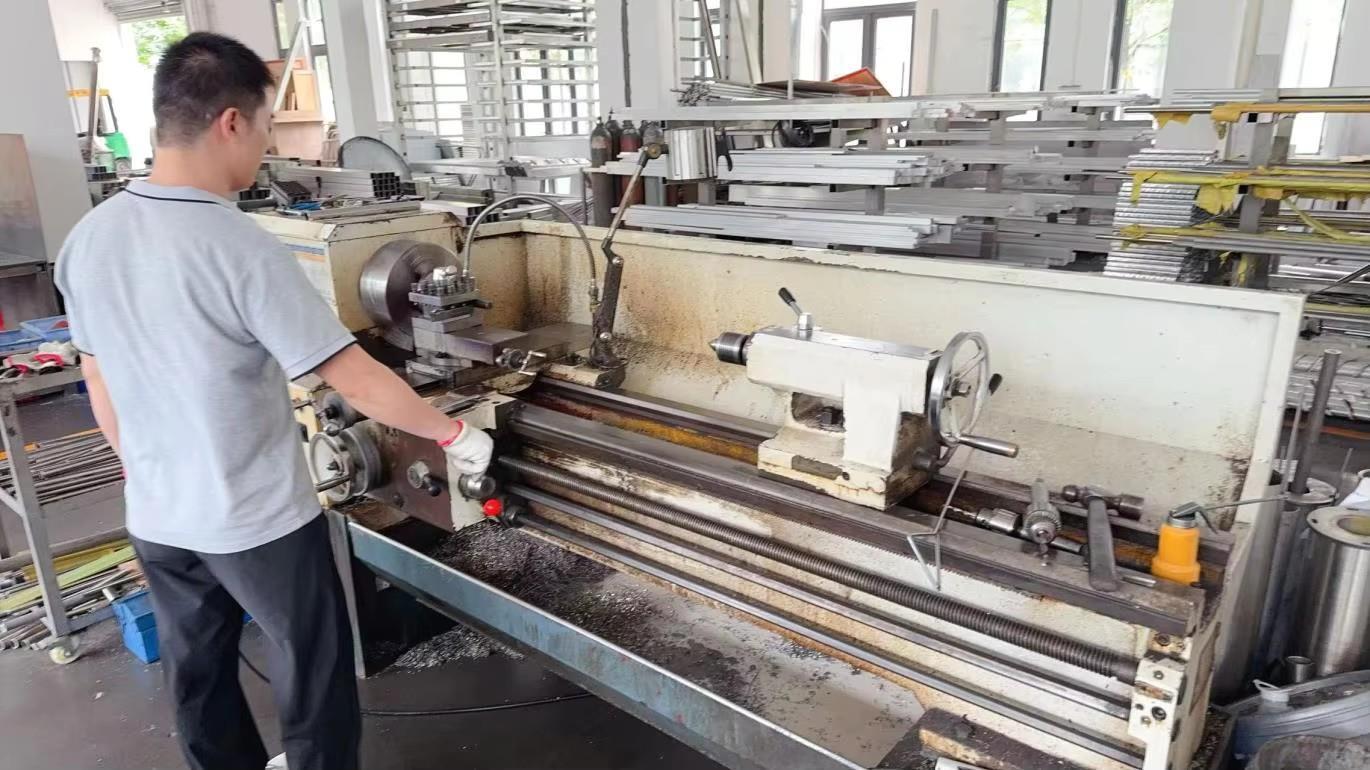
Lathe Precision Machining
Lathe Machining
Secondary Milling Stage
Milling 2
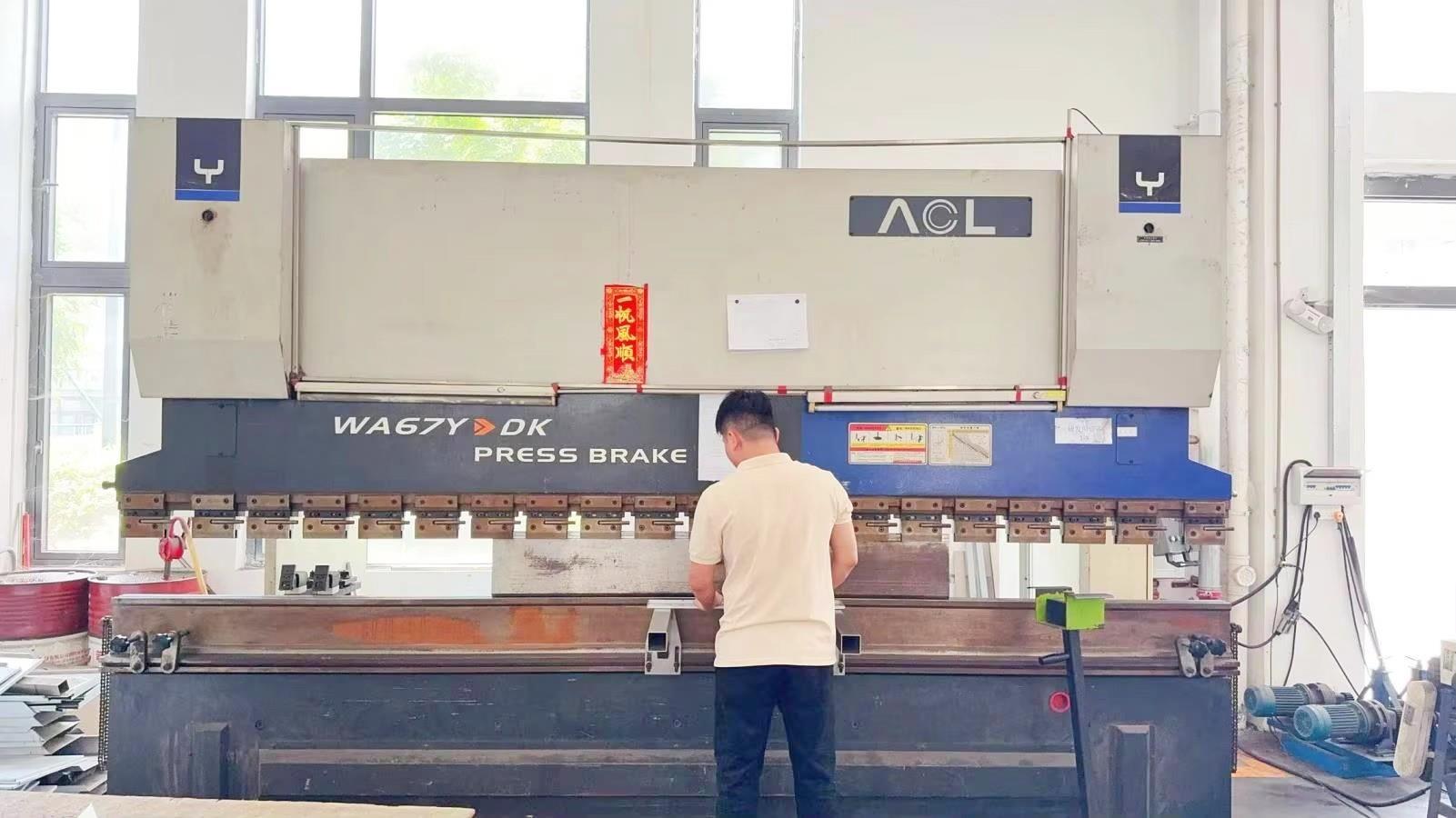
Structural Sheet Bending
Bending
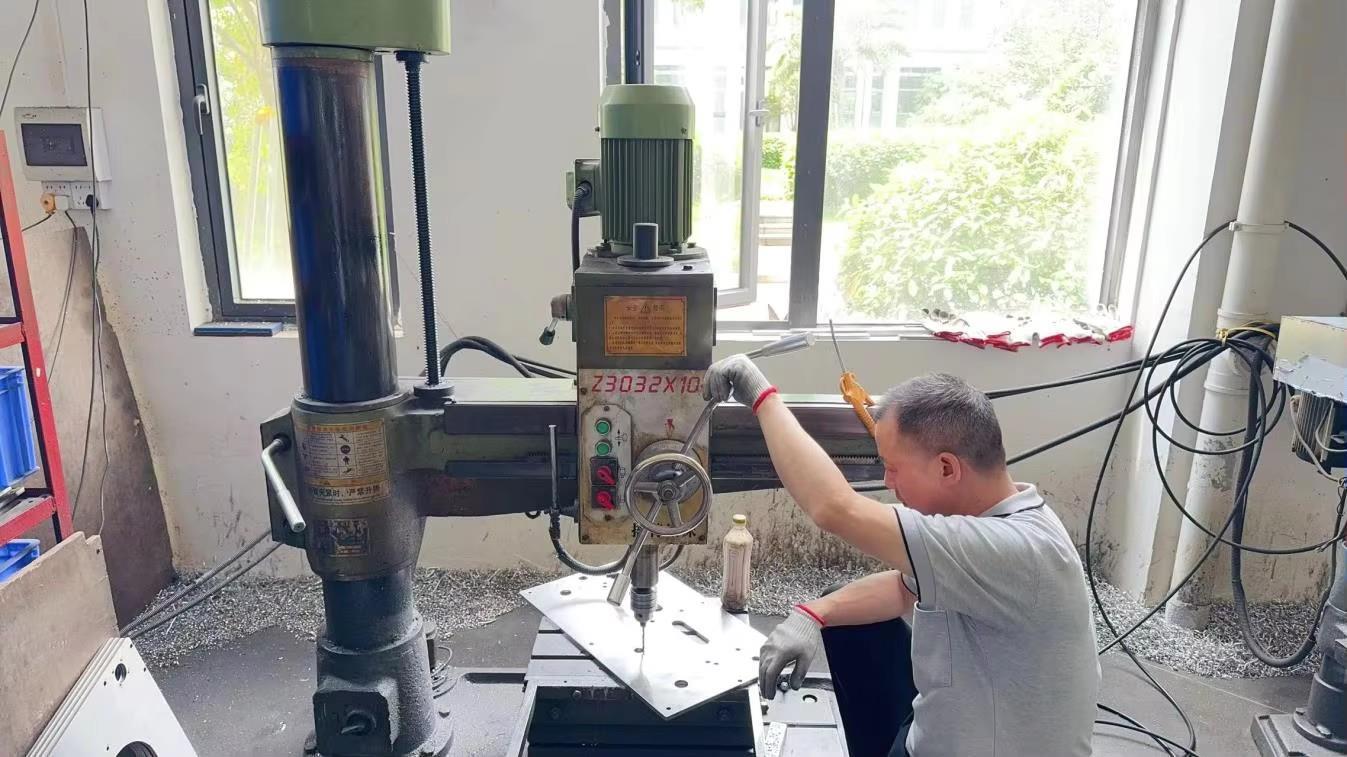
Frame Drilling
Drilling
Heavy Frame Welding
Welding 1
Precision Components Welding
Welding 2
Polishing and Treatment
Polishing
Sub-assembly Integration
Assembling 1
Pneumatics & Electronics Mounting
Assembling 2
Final Calibration & Testing
Assembling 3

Localized Application Scenarios & Industry Integrations

Dynamic checkweighing is highly contextual. Operating environments dictate material selection, ingress protection ratings (IP65 vs. IP69K), and downstream rejecter mechanisms:

  • Food Processing & Packaging: For high-moisture, high-salt processing environments (e.g., dairy, poultry, ready meals), checkweighers require SUS304 or SUS316 stainless steel frame constructions with bead-blast finishes to inhibit bacterial growth. Rejecter systems must feature washdown-safe pneumatic pushers, air blast nozzles, or drop-flap systems.
  • Pharmaceutical Formulations (GMP Compliance): Critical for inspecting dose vials and blister packs. In these micro-weighing applications, conveyor belt vibration must be structurally isolated from the sensor cell using heavy cast-iron bases. Active feedback integration with upstream filling machines allows auto-adjustments to stop overfilling instantly.
  • E-commerce, Warehousing, and Parcel Logistics: These systems handle large parcels with highly variable dimensions. Checkweighers are integrated with overhead 3D cameras and barcode readers to cross-reference volumetric weight against real weight to determine accurate shipping tariffs.

China's Industrial Ecosystem: Resilient Supply Chains & Engineering Efficiency

Sourcing automated equipment from top-tier Chinese manufacturers provides significant competitive advantages, particularly concerning supply chain resilience, rapid prototyping, and engineering customization:

Integrated Raw Material Sourcing: Chinese machinery hubs feature vertically integrated manufacturing ecosystems. From local precision casting foundries and CNC machining clusters to sensor manufacturers and microchip suppliers, this spatial concentration minimizes shipping times and raw material lead times. Collins, for example, maintains raw material and component inventories to mitigate global supply chain shocks.

Rapid Prototyping & Customization Cycles: While Western OEMs often require 16 to 24 weeks to customize a packaging line, Chinese suppliers leverage highly modular designs and specialized mechanical engineers to deliver customized solutions in 6 to 10 weeks. This responsiveness helps businesses launch products faster and adapt to changing market requirements.

Technical Roadmap & Future Outlook of Dynamic Weighing

As factories transition toward lights-out manufacturing and advanced automation, checkweighing tech is moving beyond simple mass inspection. The future roadmap centers on three technological pillars:

1. Edge Computing & Predictive Maintenance

By using internal accelerometer data and thermal sensors on conveyor drive motors, smart checkweighers can monitor vibration changes. Machine learning algorithms analyze this data to predict conveyor belt wear or load cell fatigue before critical failure occurs, maximizing overall equipment effectiveness (OEE).

2. AI-Driven Signal Calibration

Dynamic weighing is heavily affected by air drafts, temperature shifts, and environmental vibrations. Future systems will utilize adaptive AI neural network filters to separate target product weight profiles from ambient noise. This allows ultra-high-precision weighing (< 0.1g) in noisy environments without requiring expensive enclosures.

3. Universal Open Platform Communications (OPC UA)

Integration with Manufacturing Execution Systems (MES) and ERPs via OPC UA protocol allows checkweighers to transmit real-time weight distributions. This enables automatic batch-level adjustments for upstream filling valves, reducing material waste and creating closed-loop production cycles.

Regulatory Compliance & Global Support Networks

Operating dynamic weighing machinery requires adhering to regional regulatory frameworks. Industrial sites must ensure their machinery meets the following standards:

  • CE Marking (European Market): Certifies the machinery complies with European health, safety, and environmental protection standards, including the Machinery Directive (2006/42/EC) and Electromagnetic Compatibility (EMC) standards.
  • FDA & Sanitary Design: For food and pharmaceutical applications, contact belts and conveyor guides must be made from FDA-approved, non-toxic materials. The design must minimize crevices, exposed threads, and blind pockets where product particles can accumulate.
  • OIML R51 & MID Certifications: The International Organization of Legal Metrology (OIML) R51 standard governs automatic catchweighing instruments. Compliance with these frameworks ensures measurements are legally valid for packaging trade applications.

Henan Collins Machine Co., Ltd. provides comprehensive engineering documentation to support these requirements. This includes full certification paperwork, installation qualification (IQ), and operational qualification (OQ) protocols, ensuring smooth integration and compliance verification.
Industrial FAQ: Dynamic Checkweighers

Addressing technical and operational considerations for engineering leads, quality managers, and procurement officers.

What is the difference between EMFR and Strain Gauge checkweighers?
Electromagnetic Force Restoration (EMFR) sensors use an electromagnetic coil counter-balance system to measure mass, offering high speeds (600+ PPM) and precision (±0.01g). Strain Gauge load cells use resistance changes under stress, making them more durable and cost-effective for heavier packages and lower speeds.
How does a dynamic checkweigher handle environmental vibration?
Modern checkweighers minimize environmental vibration using structural isolation, dampening feet, and active digital signal processing (DSP) filters. Some advanced models include a secondary "compensating" load cell to measure ambient vibration and subtract it from the product weight reading.
What are the main rejecter options for defective packages?
Common rejection mechanisms include air blowers for light items, pneumatic pushers for boxes and bags, diverter gates for fragile products, and drop-flap rejecters for thin, flat sachets. The choice depends on line speed, product weight, and packaging material.
How often does an inline checkweigher require calibration?
Calibration frequency depends on industry standards and regulations. For food and pharmaceutical lines, daily calibration checks using certified test weights are recommended, with full certified calibration performed annually or semi-annually.