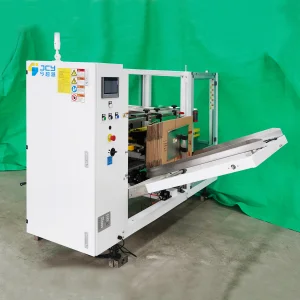
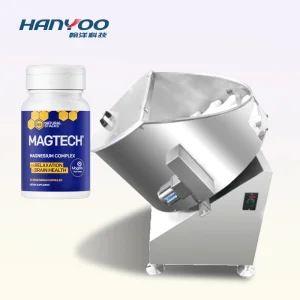
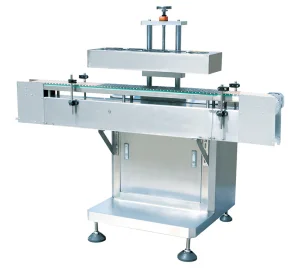
Engineered to handle flexible films, barrier structures, rigid packaging, and automated product handling with zero-defect throughput.
An engineering analysis of thermal consolidation, hermetic seal integrity, and high-throughput packaging architectures for modern supply chains.
In modern industrial packaging, the process of heat sealing transcends simple mechanical operation. It relies on the physics of thermal energy transfer, polymer chain mobilization under pressure, and recrystallization during the cooling phase. For global procurement specialists, locating a reliable OEM/ODM heat sealer supplier is a core business decision directly tied to line efficiency, product safety, and bottom-line stability.
As retail channels adopt faster timelines and transition toward sustainable, thin-gauge, or monolayer films, sealing equipment must control thermal profiles with high accuracy. Modern heat sealing requires real-time management of three key variables: temperature, dwell time, and clamping pressure. Fluctuations in these elements can cause seal failures, micro-leaks, or film burn-through—leading to lost batch integrity, recall risks, and reduced line efficiency.
OEM solutions focus on reducing the total cost of ownership (TCO) by optimizing energy consumption, extending the life of heating elements, and simplifying changeover times.
Advanced digital temperature controllers (PID algorithms) adjust heat distribution to prevent thermal drops when running continuous high-speed production cycles.
Engineered to handle multiple material types: from thick co-extruded barrier laminates for frozen foods to bio-based and compostable mono-plastics.
Henan Collins Machine Co., Ltd. addresses these operational challenges. Since 2015, we have combined manufacturing experience with engineering R&D to build standard and custom heat sealing machinery. This ensures clean hermetic seals across various packaging configurations, supporting packaging operations in different regulatory environments.
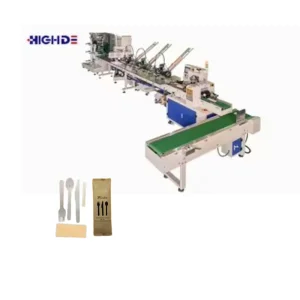
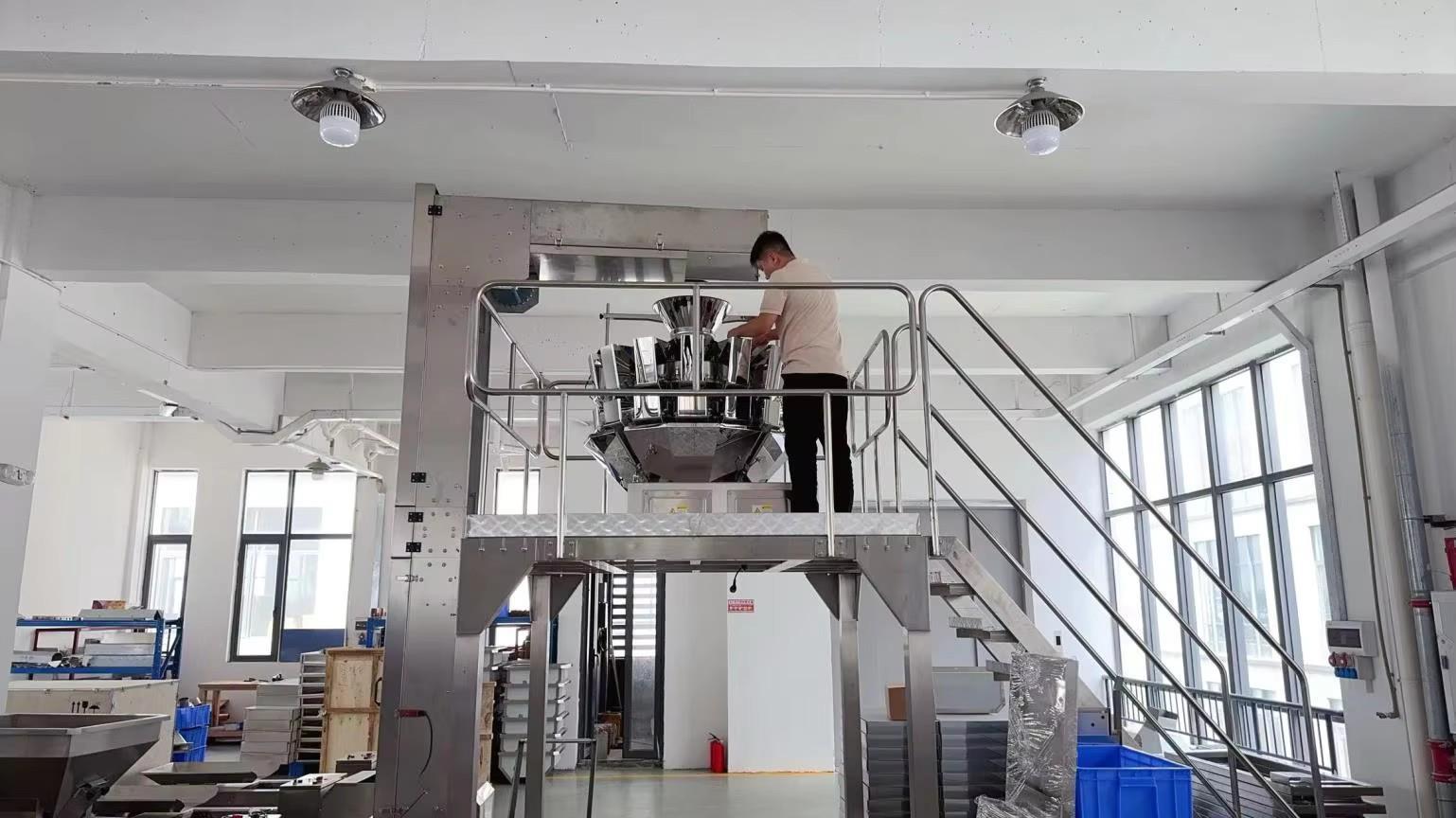
Located in a 5,000 m² facility, Henan Collins Machine Co., Ltd. designs, manufactures, and commissions industrial packaging equipment. Supported by a team of over 80 engineers and technicians, the company delivers complete packaging lines that integrate filling, capping, labeling, coding, and sealing processes.
Our operation is built on continuous technical improvement. With 20 national invention patents, Collins maintains focus on heat sealer technology, TTO (Thermal Transfer Overprint) coding alignment, and custom machine design. We use automated coating, high-precision slitting, and computerized testing setups to ensure compliance with ISO 9001, SGS, and RoHS standards.
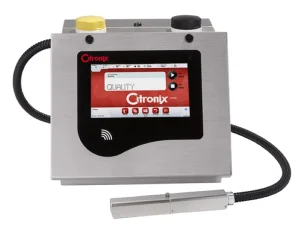
As a global partner, our portfolio covers labeling, filling, packaging, thermal transfer coders, laser coders, and essential consumables like TTO ribbons, ink rollers, and thermal labels. This comprehensive capability helps minimize vendor management challenges and ensures consistent system integration for our customers.
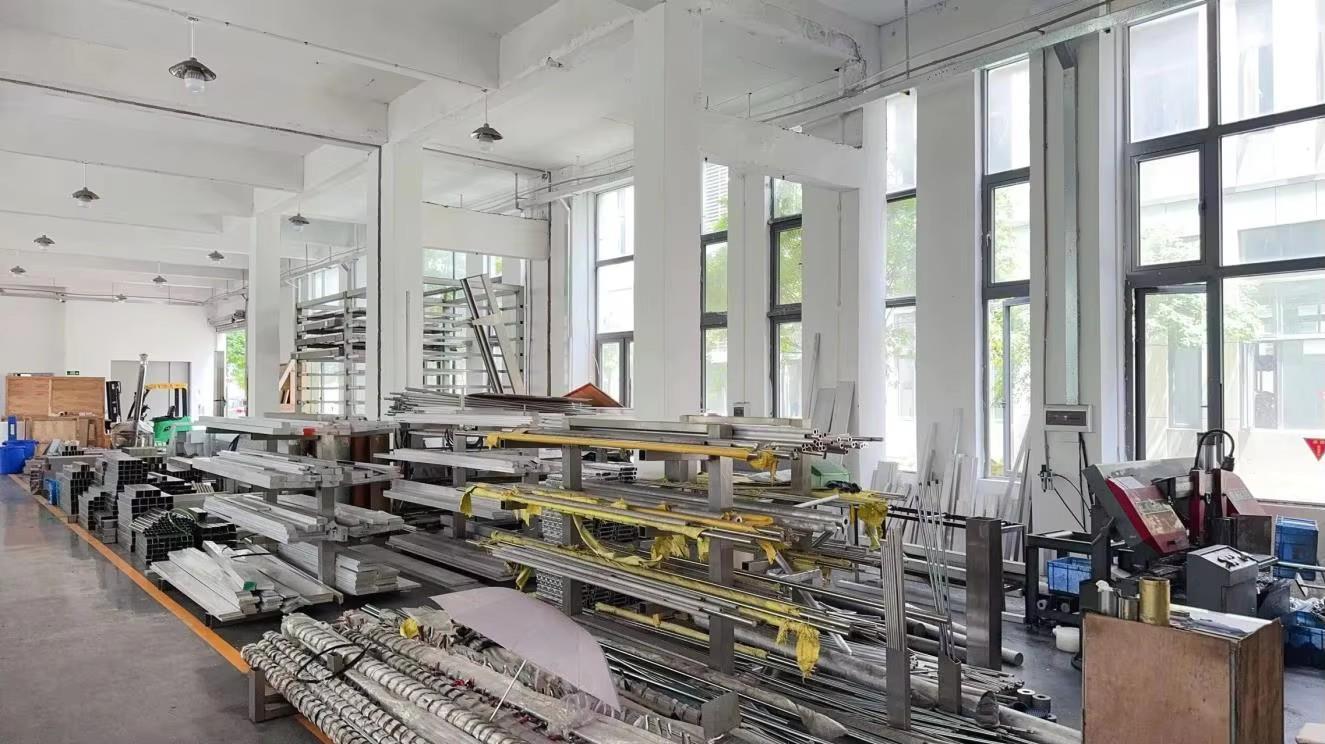
A step-by-step overview of our engineering process, showing the precise stages of machining, assembly, and quality control.
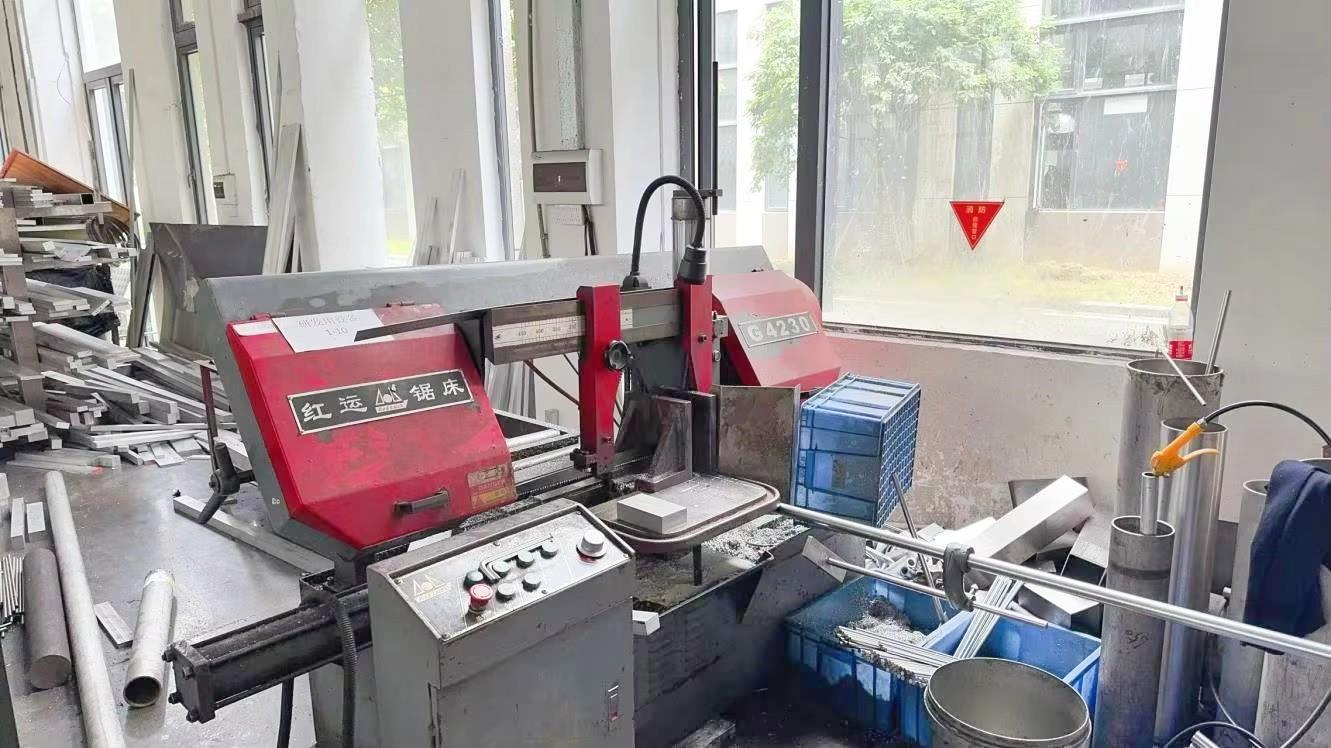
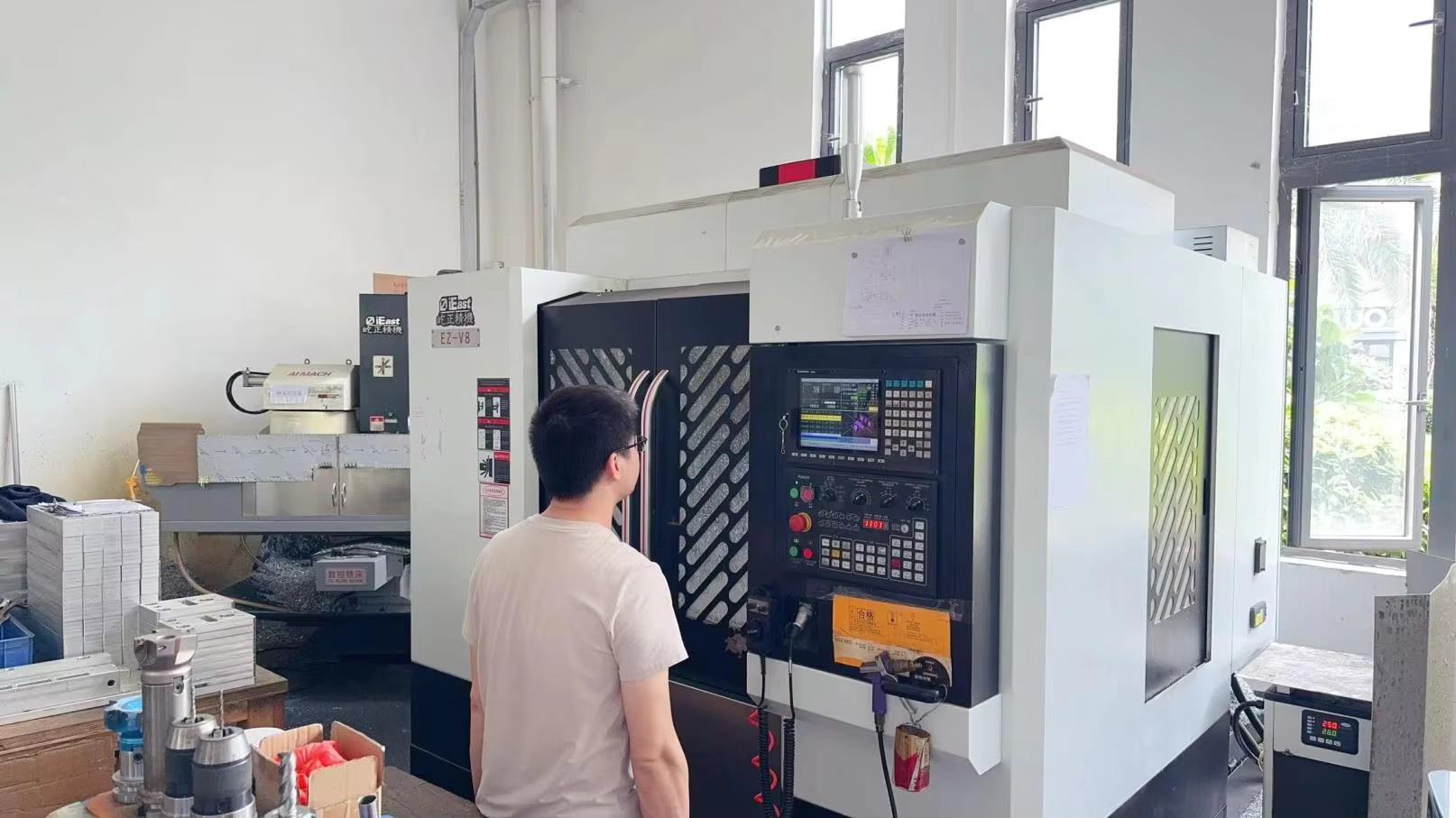
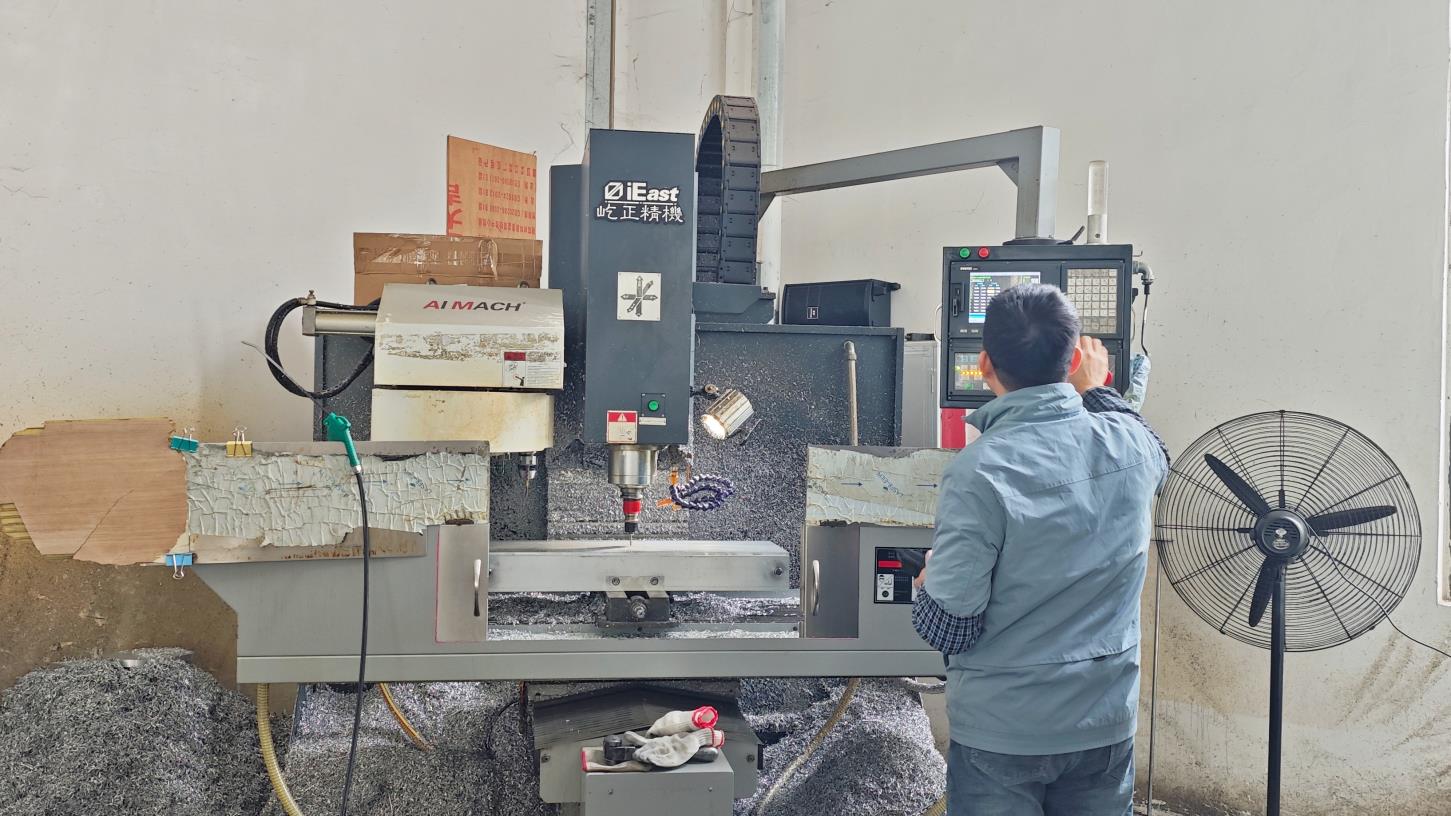
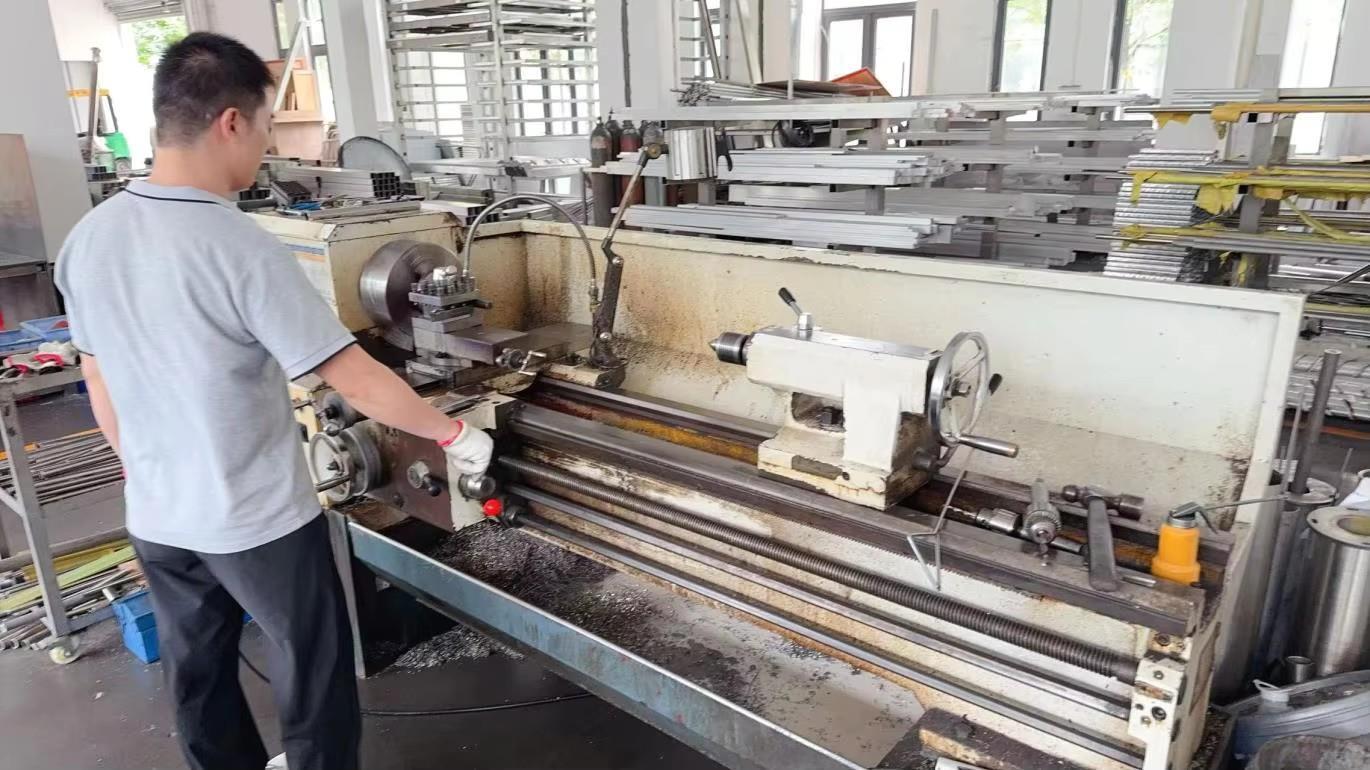
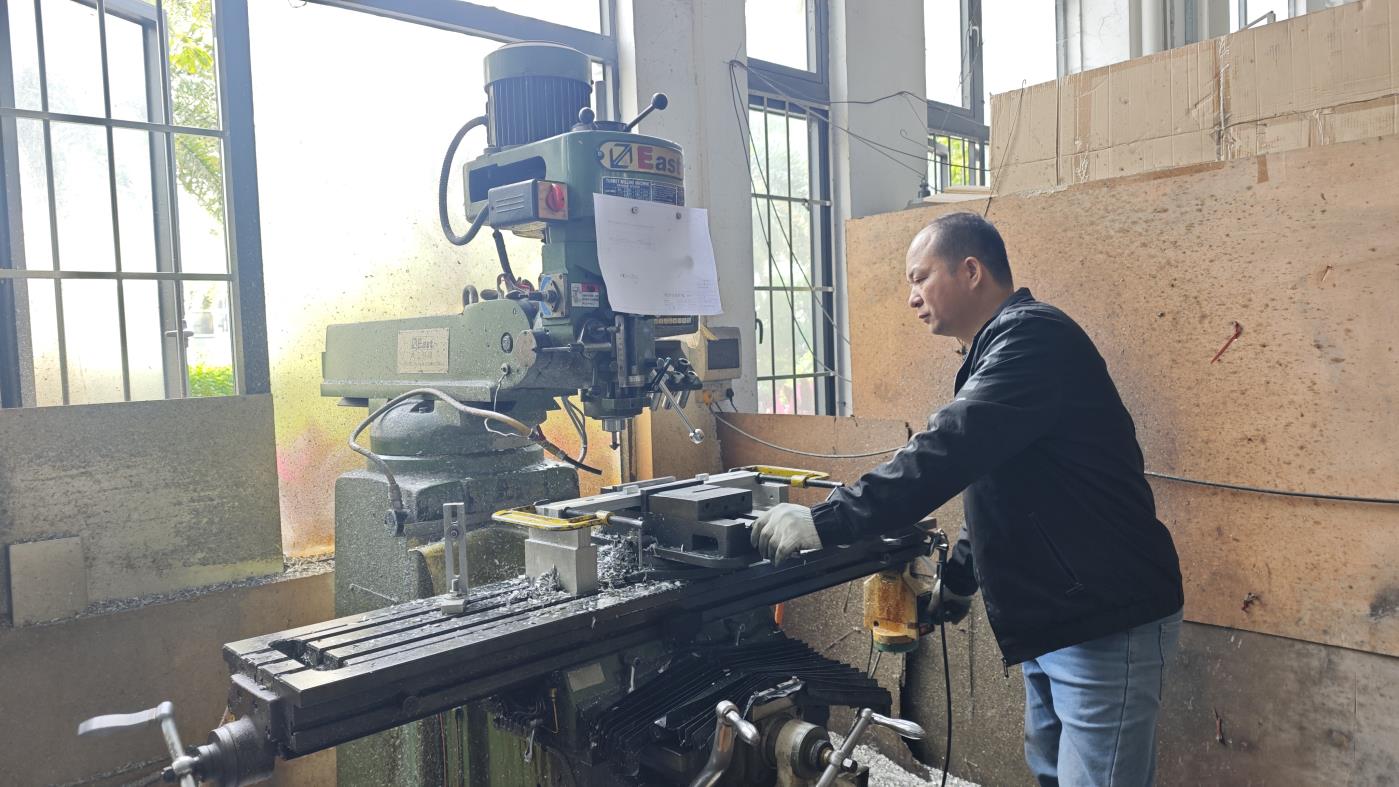
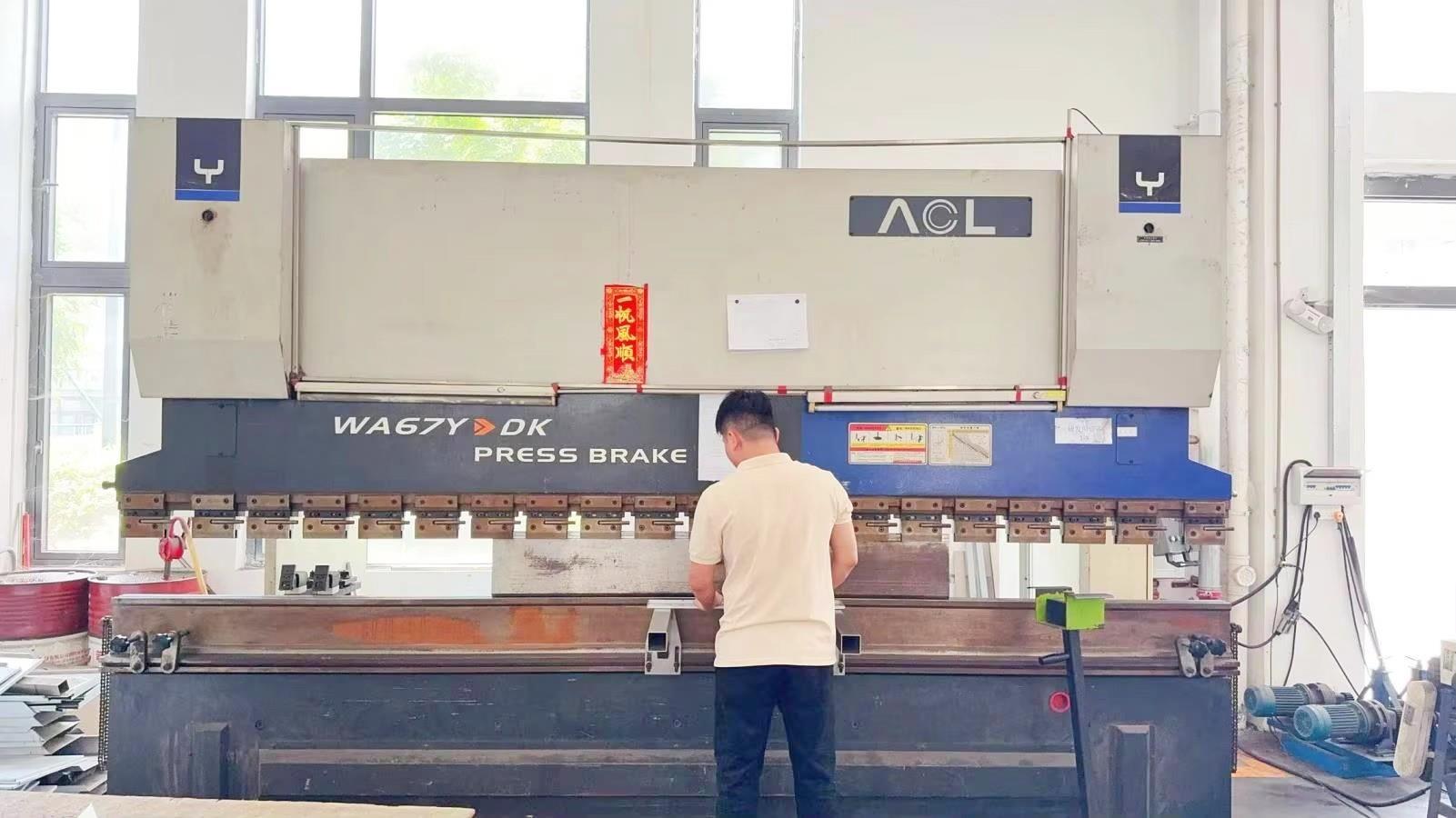
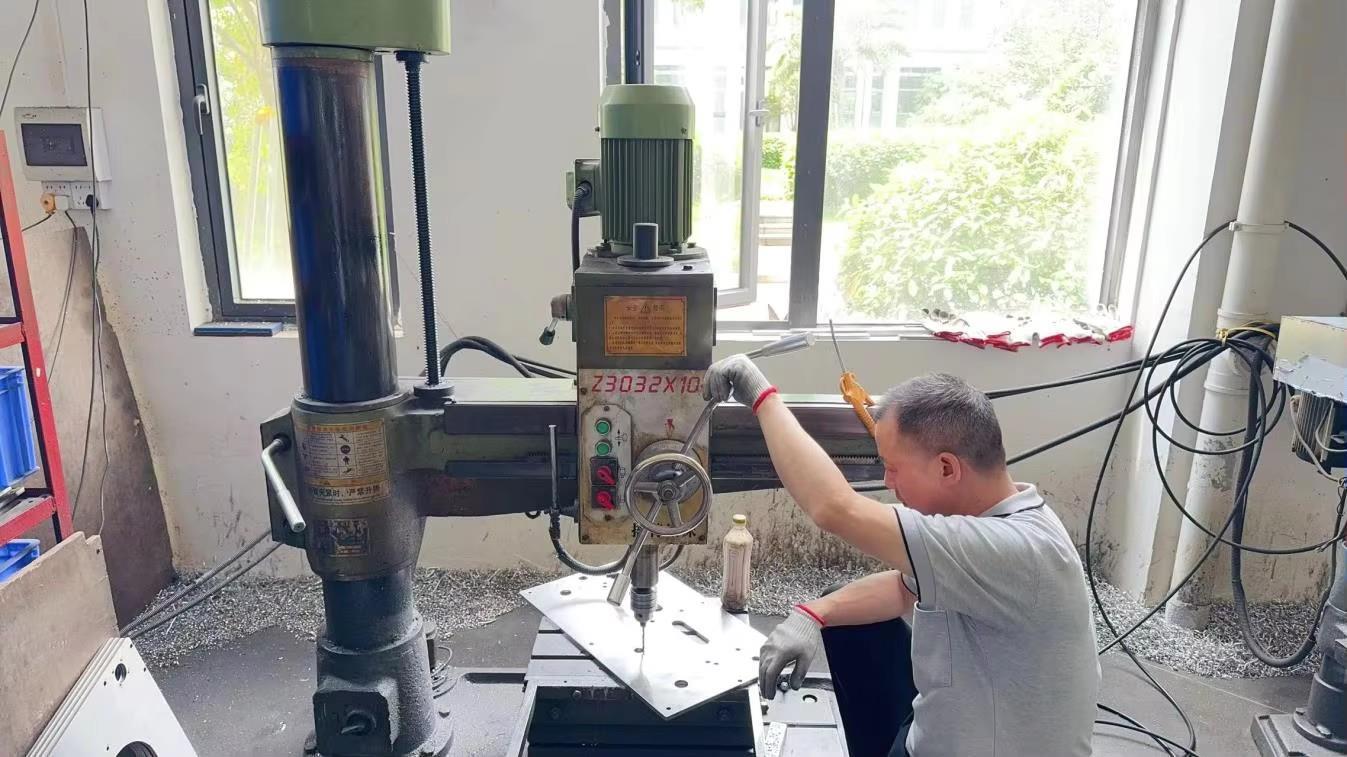
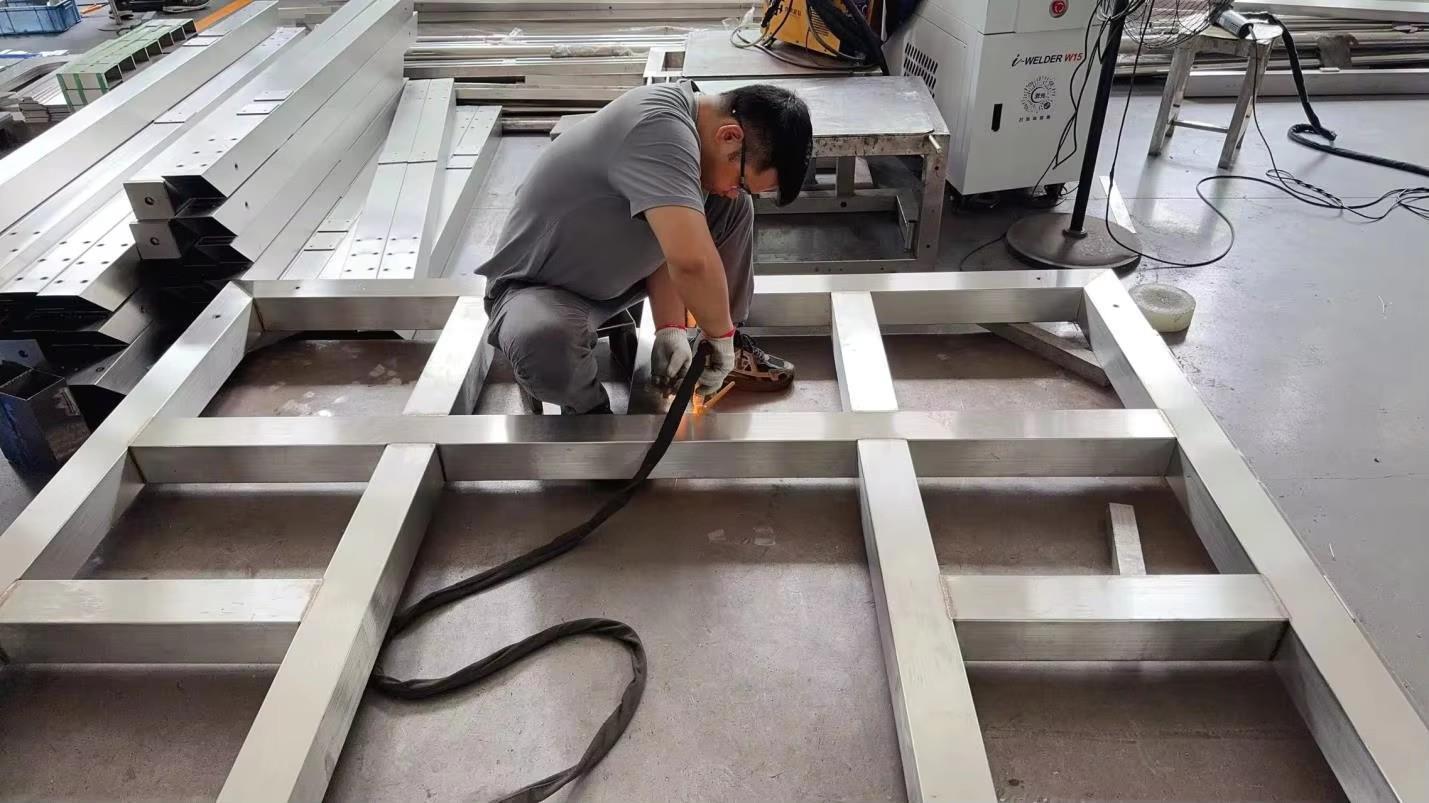
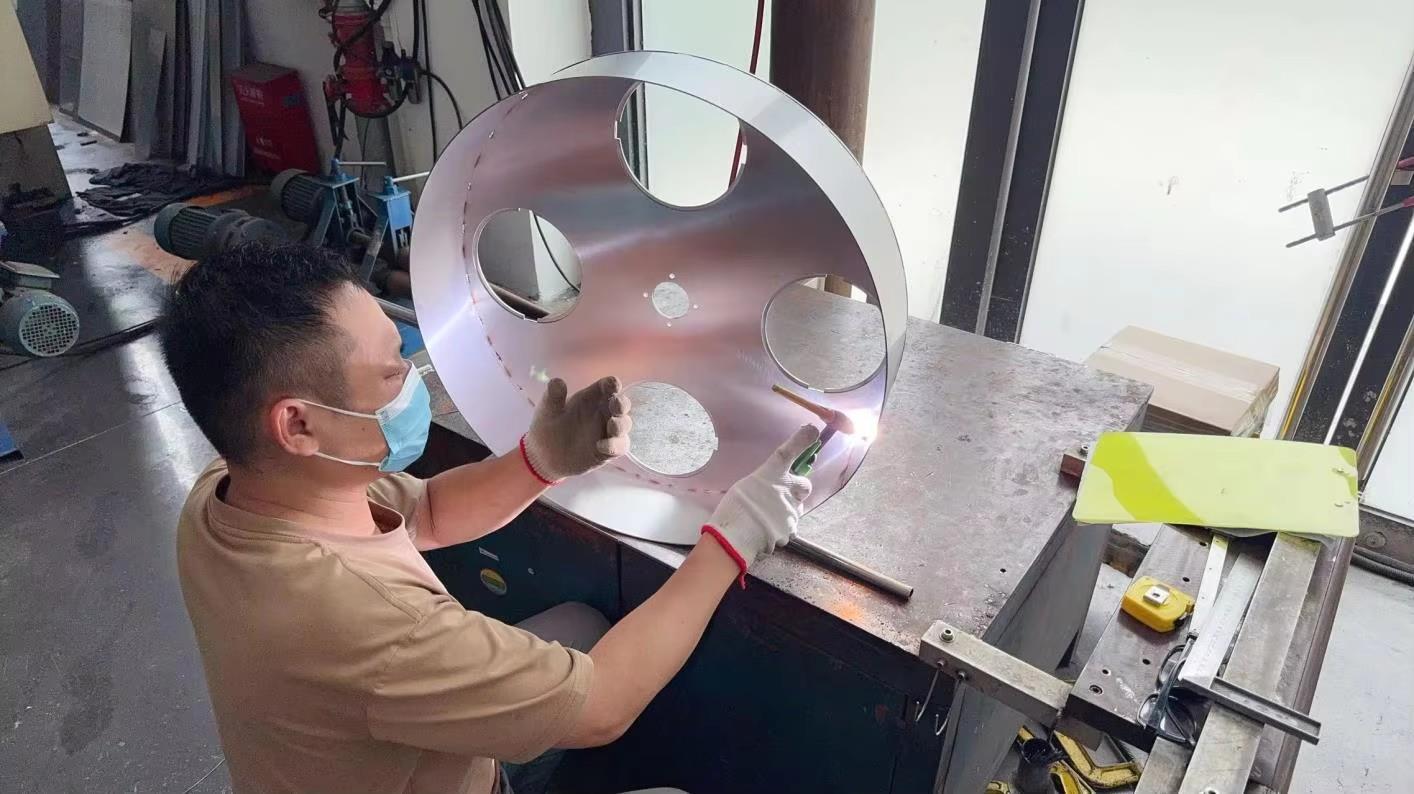
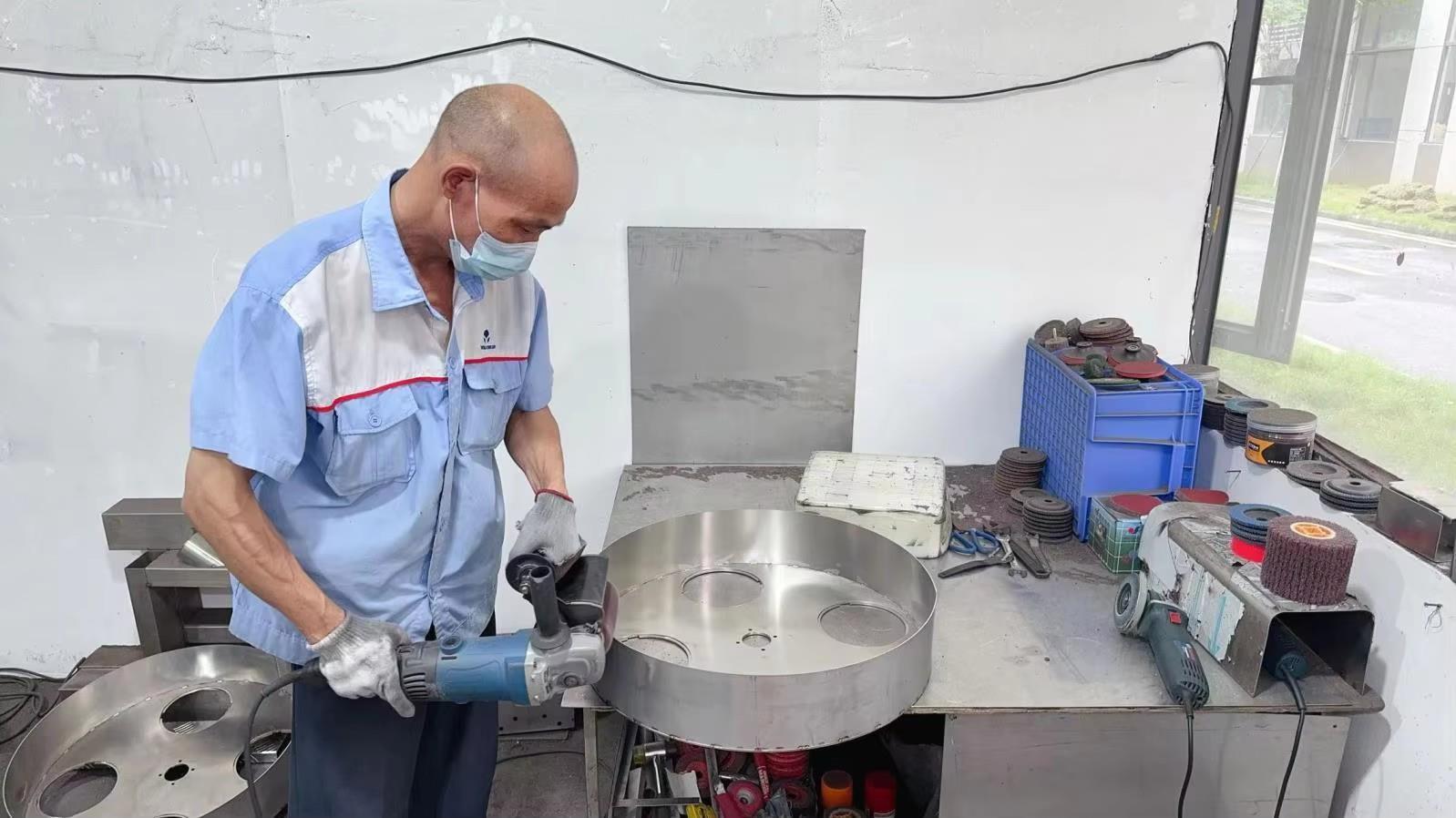
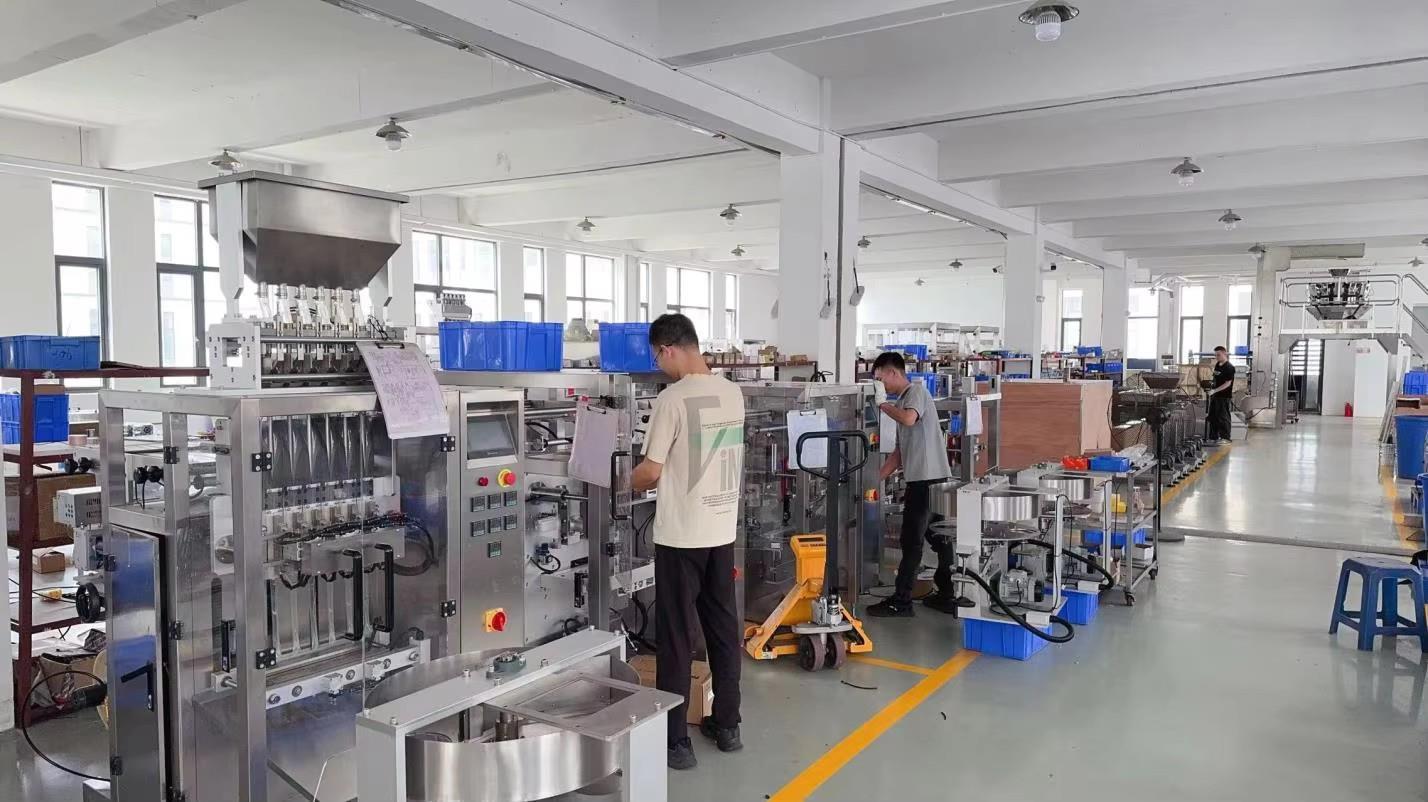
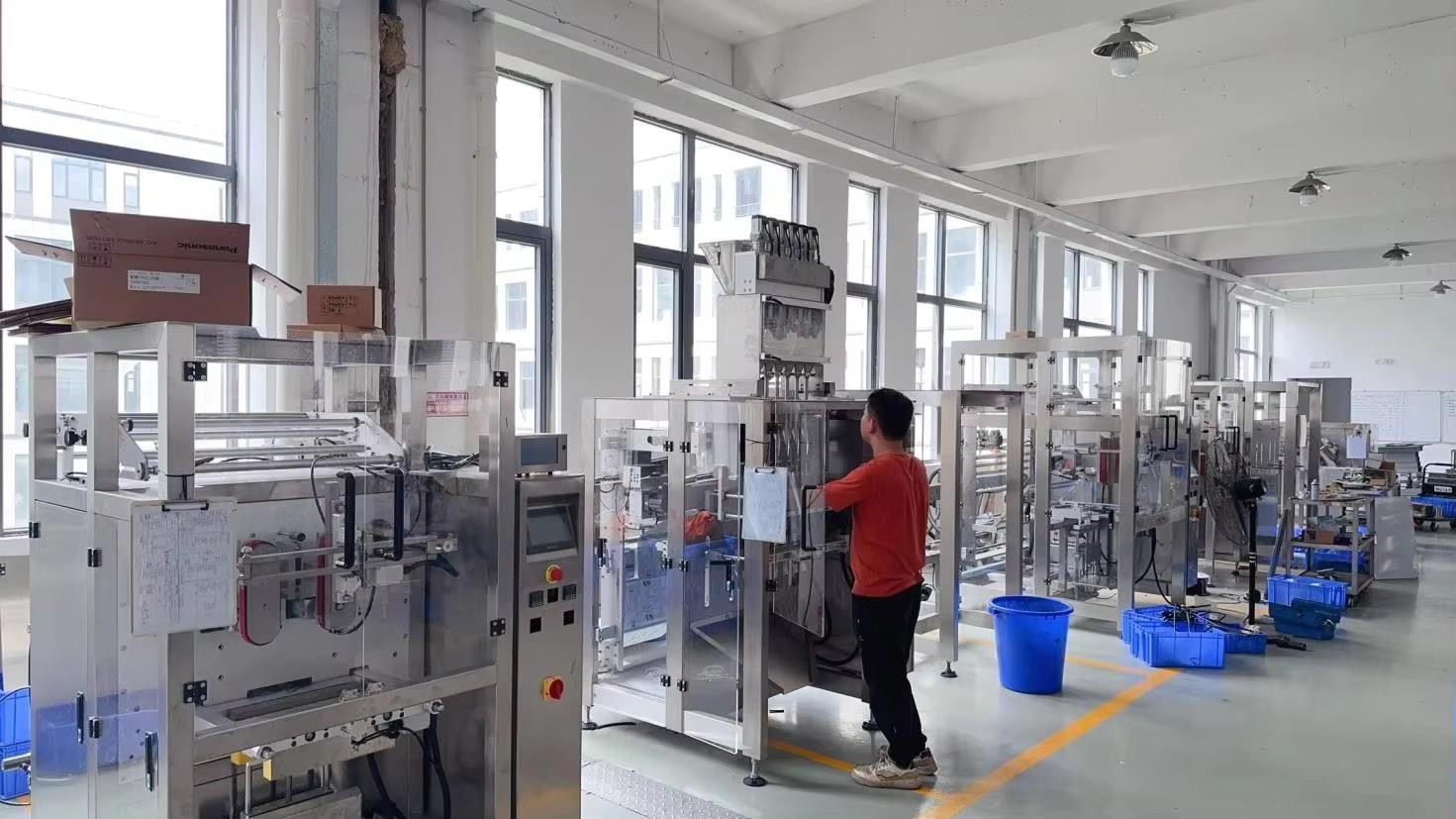
Deploying specialized heat sealing configurations to address specific moisture-barrier, sanitation, and output requirements.
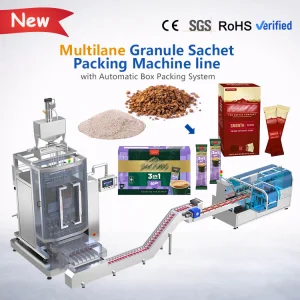
Sub-zero conditions require flexible barrier plastics that remain sealed down to -40°C. Our continuous vacuum sealing designs and multi-lane sachet packaging machinery protect beef, fish, and coffee stick packaging from freezer burn and gas transfer.
Cleanroom environments depend on precise heat sealing with full parameter logging. Our electromagnetic induction sealers and band sealers integrate with verification systems to check sealing temp, pressure, and time parameters for regulatory audits.
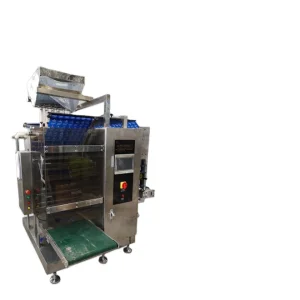
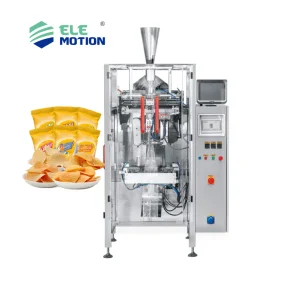
Liquid and cream packaging requires sealing mechanisms that handle product residue in the seal area. Our vertical form fill and seal (VFFS) systems use mechanical jaw configurations that push out product residue, helping maintain seal strength even in dusty or wet areas.
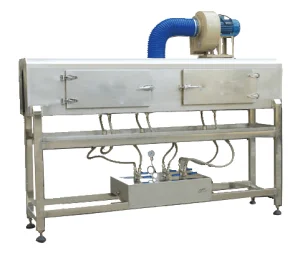
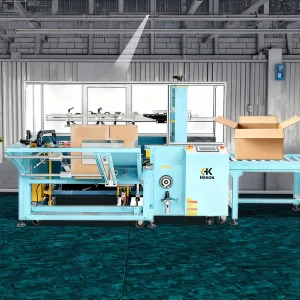
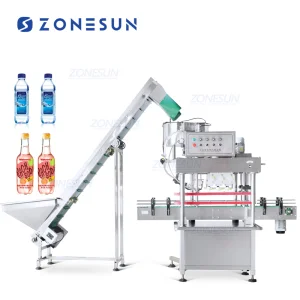
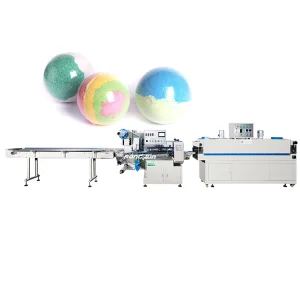
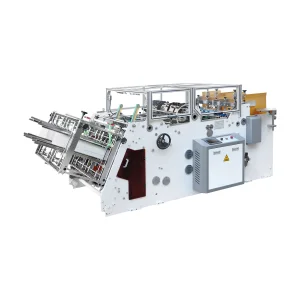
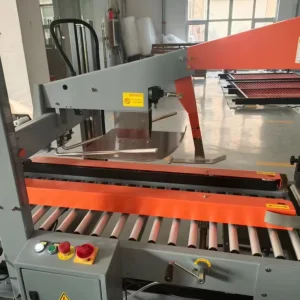
High-volume logistics centers need fast packaging cycles. Collins automatic carton erectors, combined with high-speed shrink wrapping tunnels and linear capping stations, create high-output lines designed to handle the mechanical stresses of transit shipping.
Exploring advances in precision seal validation, automated changeovers, and material adaptivity.
Integrating closed-loop feedback systems using infrared thermography sensors. These sensors detect temperature changes across sealing bars instantly, dynamically adjusting the heat controllers (PID values) within milliseconds to prevent seal failures.
Modifying hot-jaw profiles, clamping force curves, and cooling bars to support bioplastics and paper-based barriers. These materials have narrower sealing temperature windows and require fast heat dissipation to prevent burning.
Developing cloud-enabled systems that monitor thermal element wear, heating strip aging, and pneumatic pressure trends. The system alerts maintenance teams before failures happen, helping to reduce unexpected downtime.
Helping international operators minimize risks, comply with local regulations, and protect their supply chains.
Industrial machinery exports require compliance with local regulations and testing frameworks. Collins manages these requirements through a robust compliance and support structure:
Answers to common questions about heat sealers, material handling, and custom OEM design parameters.
Constant Heat Sealing keeps the sealing jaws heated continuously at a set temperature, making it suitable for thick films, high-speed multi-layer barriers, and gusseted pouches. Impulse Sealing applies electrical currents to a heating element only during the compression phase, cooling down before the jaws open. This method is suited for single-layer thermoplastics like PE (Polyethylene) and PP (Polypropylene) that require cooling under pressure to set the seal shape.
Compostable and biodegradable films have lower thermal resistance and narrower sealing windows. Our machines use PLC-driven temperature controls and low-inertia heating elements to manage thermal distribution. This helps prevent film degradation or burning while ensuring sufficient dwell times for clean sealing.
Dusty products like coffee, spices, or chemicals can settle in the seal area, causing micro-leaks. To prevent this, we utilize custom jaw shapes, static-discharge bars, and vacuum dust extractors before the sealing phase. Our vertical form fill and seal (VFFS) systems use mechanical action to clear product residue from the sealing zone, ensuring a secure closure.
We test packaging integrity based on standards like ASTM F88 (Seal Strength of Flexible Barrier Materials) and ASTM F2029 (Making Heat Seals for Determination of Heatsealability). This helps verify that seals remain intact during storage, transit, and distribution cycles.
Our OEM/ODM process begins with testing your film and packaging material in our laboratory to determine its optimal heat sealing curve. We then design the custom jaw shapes using 3D CAD modeling, machine the parts in our CNC center, and perform test runs to verify seal quality. Once calibrated, we integrate the sealing unit into your production line and perform testing to ensure target output speeds.
Complementary packaging systems designed to integrate with production lines for reliable end-of-line packaging.
 Collins Machine