Industrial components and turnkey automated machines manufactured under global ISO 9001 and SGS standards.
Analyzing policy-driven demands, structural materials recycling economics, and urban circular system integration.
Strategic Growth Statement: The global shift towards Extended Producer Responsibility (EPR) regulations and localized Deposit Return Schemes (DRS) has elevated Reverse Vending Machines from mere collection bins to critical digital touchpoints for reverse logistics networks. Industry projections indicate the global RVM market will surpass USD 6.8 Billion by 2030, driven by strict legislative mandates on PET and metal packaging recovery across the European Union, North America, and parts of the Asia-Pacific region.
Traditional forward distribution models are no longer sufficient to comply with contemporary sustainability goals. In response, municipalities, commercial retail chains, and consumer goods manufacturers are integrating automated recycling networks. Modern RVMs solve two core challenges: reducing the operational cost of post-consumer waste sorting at the point of drop-off, and optimizing the quality of collected raw materials. By sorting PET, HDPE, aluminum cans, and glass containers directly at intake, contamination rates fall below 2%, preserving market value for food-grade recycled plastics (rPET).
Mandates like the EU Single-Use Plastics Directive require member nations to collect 90% of plastic bottles by 2029. RVM structures offer the tracking infrastructure needed to comply.
On-site sorting prevents cross-contamination from organic wastes, allowing brands to source high-grade food contact resins and close packaging loops effectively.
Fleet telematics signal logistics teams immediately when containers reach capacity. Live telemetry reduces routing errors and lowers operating costs by up to 35%.
National Invention Patents
Advanced Production Facility
Skilled R&D Engineers
Material Recovery Purity Rate
Designed for reliability, custom branding, and seamless software integration in any smart-city infrastructure.
Integrates multi-spectral optical sensors, barcode lasers, and high-frequency metal inductive coils to verify container parameters in milliseconds. Non-conforming shapes or materials are immediately rejected.
Heavy-duty steel flatteners or rotary crushers reduce container volume up to 10:1. The system features self-clearing jams and low-noise electric actuators designed for interior retail stores.
Fully compliant with regional recycling reward schemes. Connects to mobile wallets, prints paper receipts with 1D/2D barcodes, or links via RESTful APIs to cloud management backends.
As an established manufacturer, our factory accommodates deep localization requests. Whether designing hardware to operate in sub-zero Nordic climates, configuring specific cash-back transaction APIs for retailers, or designing rugged aesthetic chassis panels for urban public parks, our engineering group works closely with municipal and commercial partners to construct machines tailored for the target market.
Leveraging a decade of automated machinery expertise to manufacture reliable reverse logistics systems.
Henan Collins Machine Co., Ltd. was established in 2015. From day one, the company has focused on designing and manufacturing end-to-end automated packaging solutions. With 20 national invention patents, Collins demonstrates a decade of technical expertise in integrated systems including labeling, filling, capping, coding, sealing, and shrink-wrapping for a wide range of industries.
In a 5,000 m² state-of-the-art facility, more than 80 skilled engineers and technicians support advanced production and assembly capabilities. The company operates automated coating, slitting, and quality-control lines to ensure precision and reliability across all equipment and consumables. Certified under ISO 9001, SGS, and RoHS standards, Henan Collins Machine Co., Ltd. is committed to delivering high-performance packaging machinery that meets global OEM and contract packaging requirements.
Henan Collins Machine Co., Ltd. specializes in the development, production, and sales of labeling machines, filling machines, packaging machines, thermal transfer coders, ribbon coders, ink roller coders, laser coders, and other coding equipment. The company also provides a full range of consumables, including TTO ribbons, ink ribbons, ink rollers, carbon ribbons, and label paper. This integrated product portfolio supports industries such as food, daily chemicals, pharmaceuticals, cosmetics, and more, offering a complete one-stop packaging solution.
With self-operated import and export licenses, Henan Collins Machine Co., Ltd. delivers turnkey solutions to customers across Asia, Africa, Europe, and North and South America. A multilingual service network ensures efficient installation, preventive maintenance, and 24/7 remote support. Serving industries from food and beverage to pharmaceuticals, cosmetics, electronics, and logistics, Collins provides customized production line design, fast response service, and on-site training—helping customers improve uptime, traceability, and overall equipment effectiveness worldwide.
Every piece of machinery undergoes strict testing during fabrication to ensure structural integrity and long-term operating life.
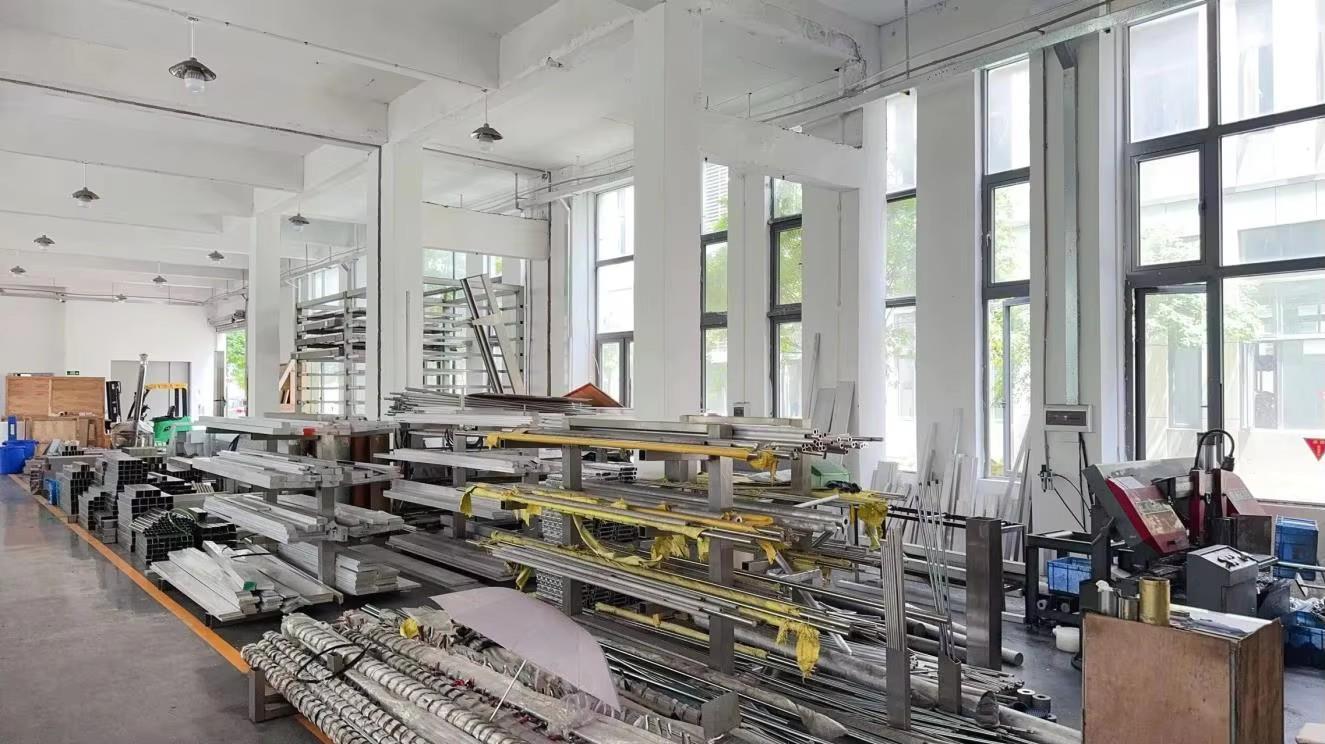
Raw Materials
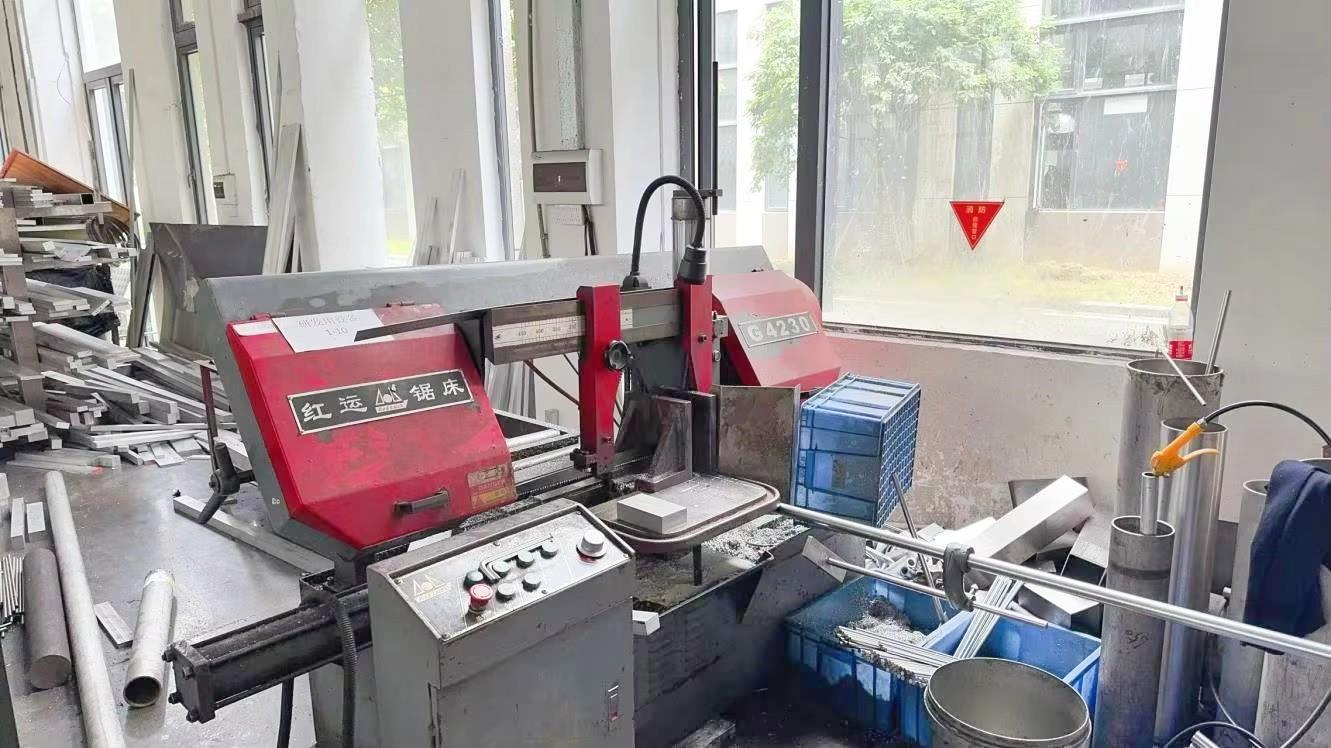
Cutting
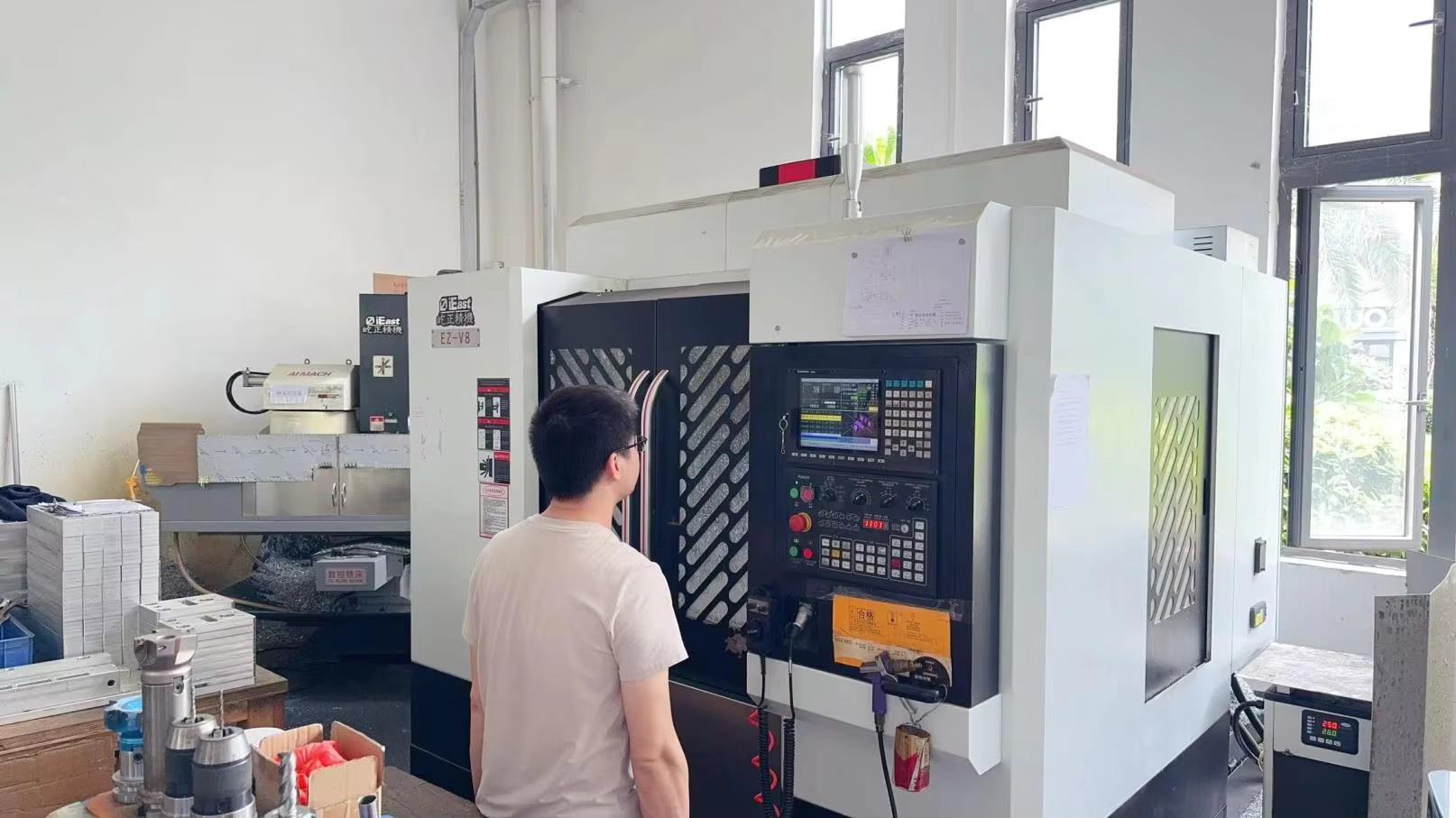
CNC Machining
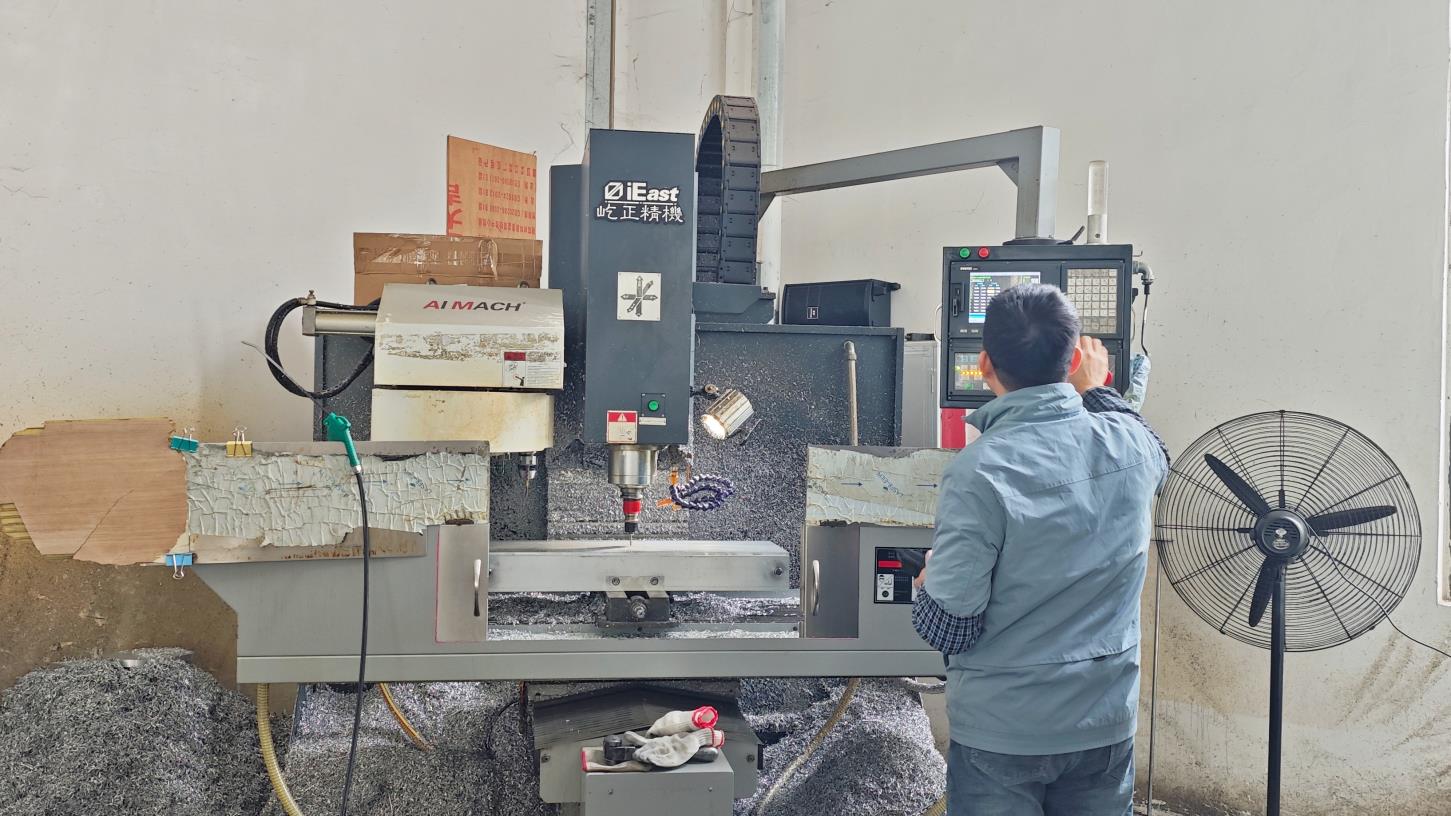
Milling 1
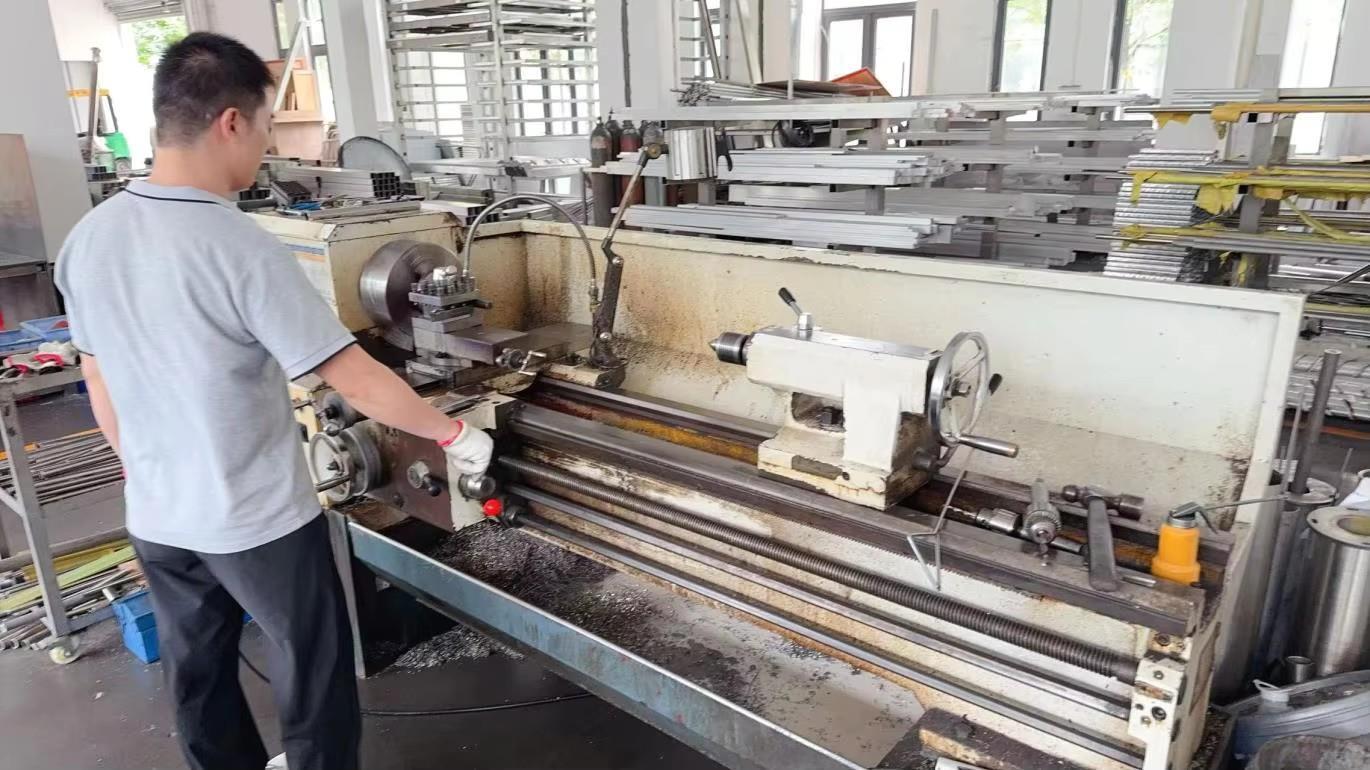
Lathe Machining
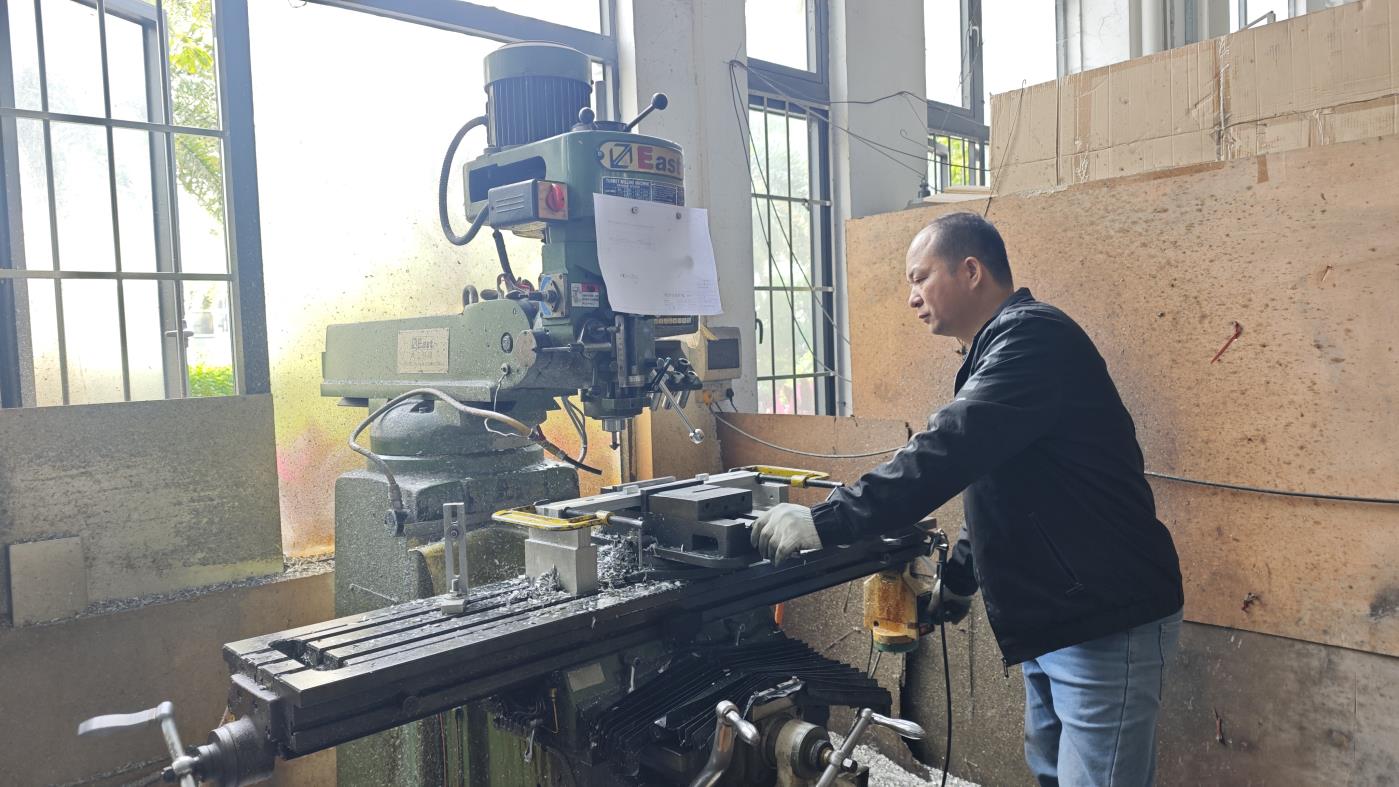
Milling 2
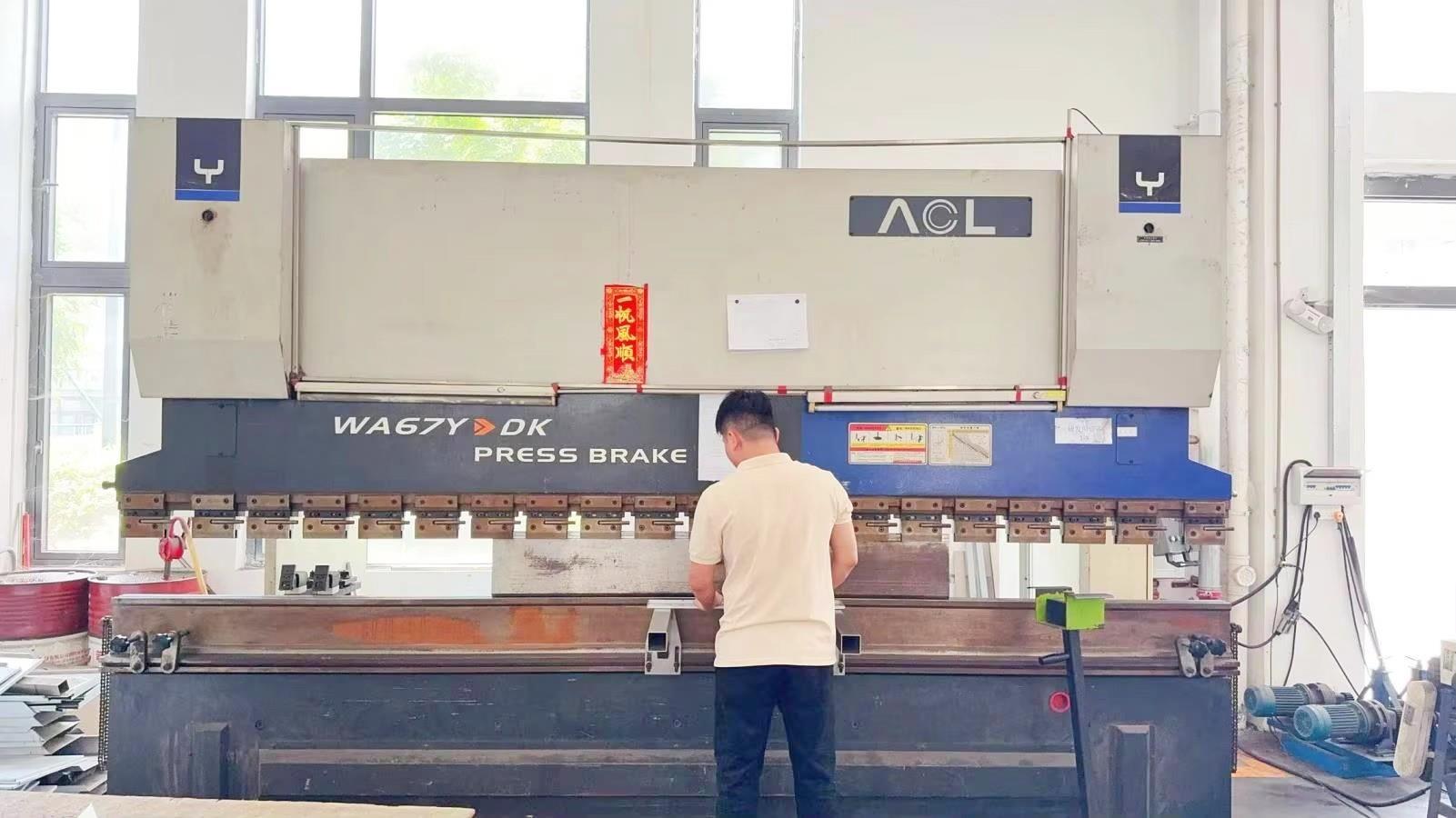
Bending
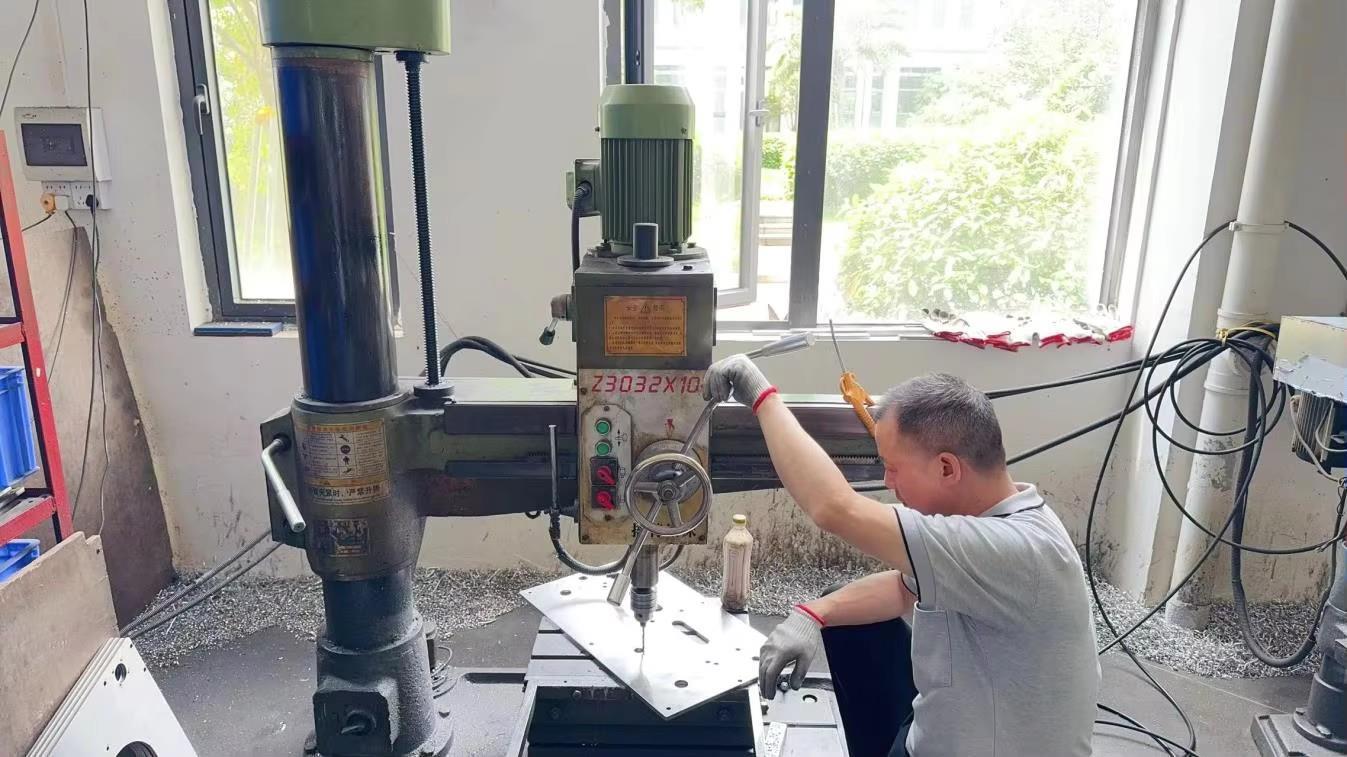
Drilling
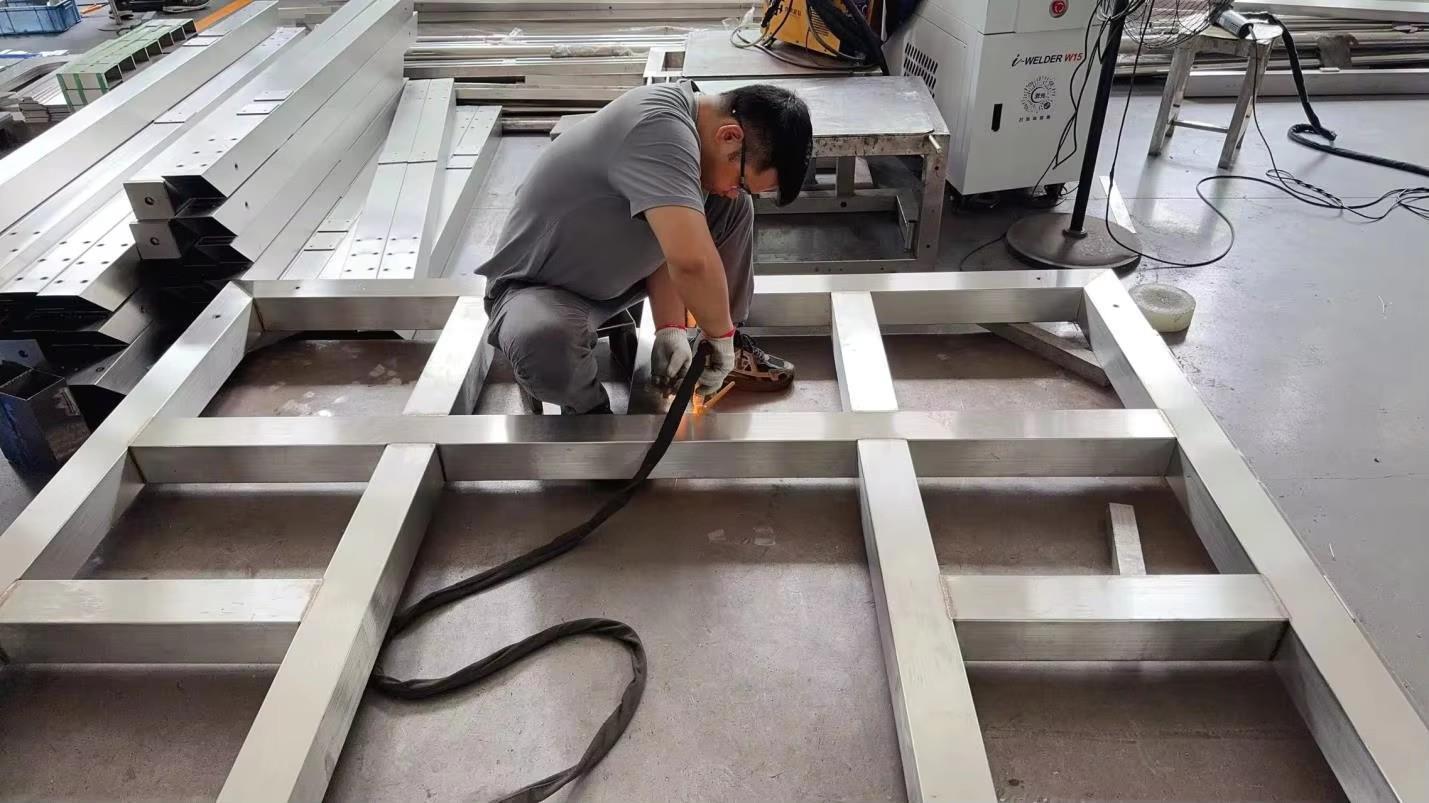
Welding 1
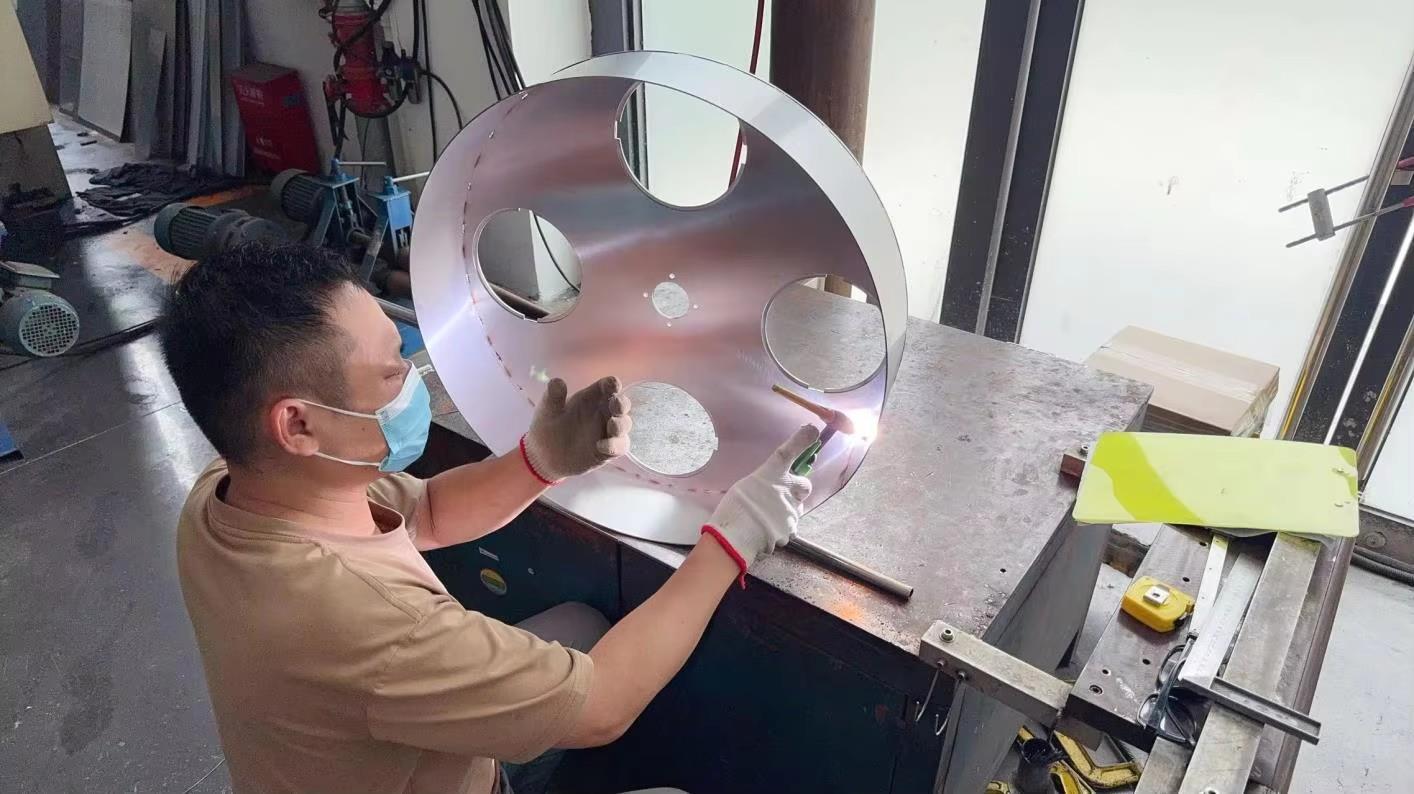
Welding 2
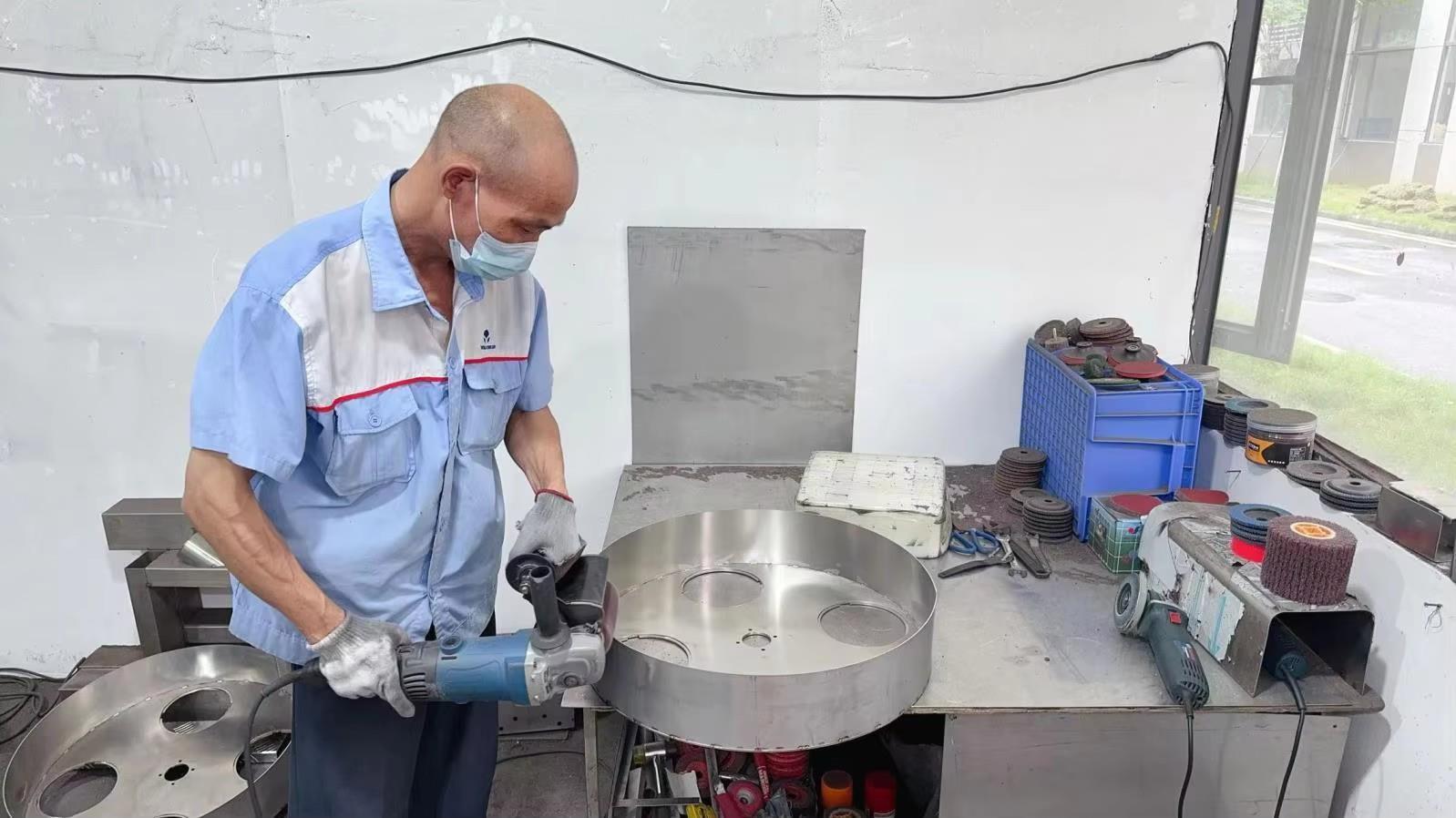
Polishing
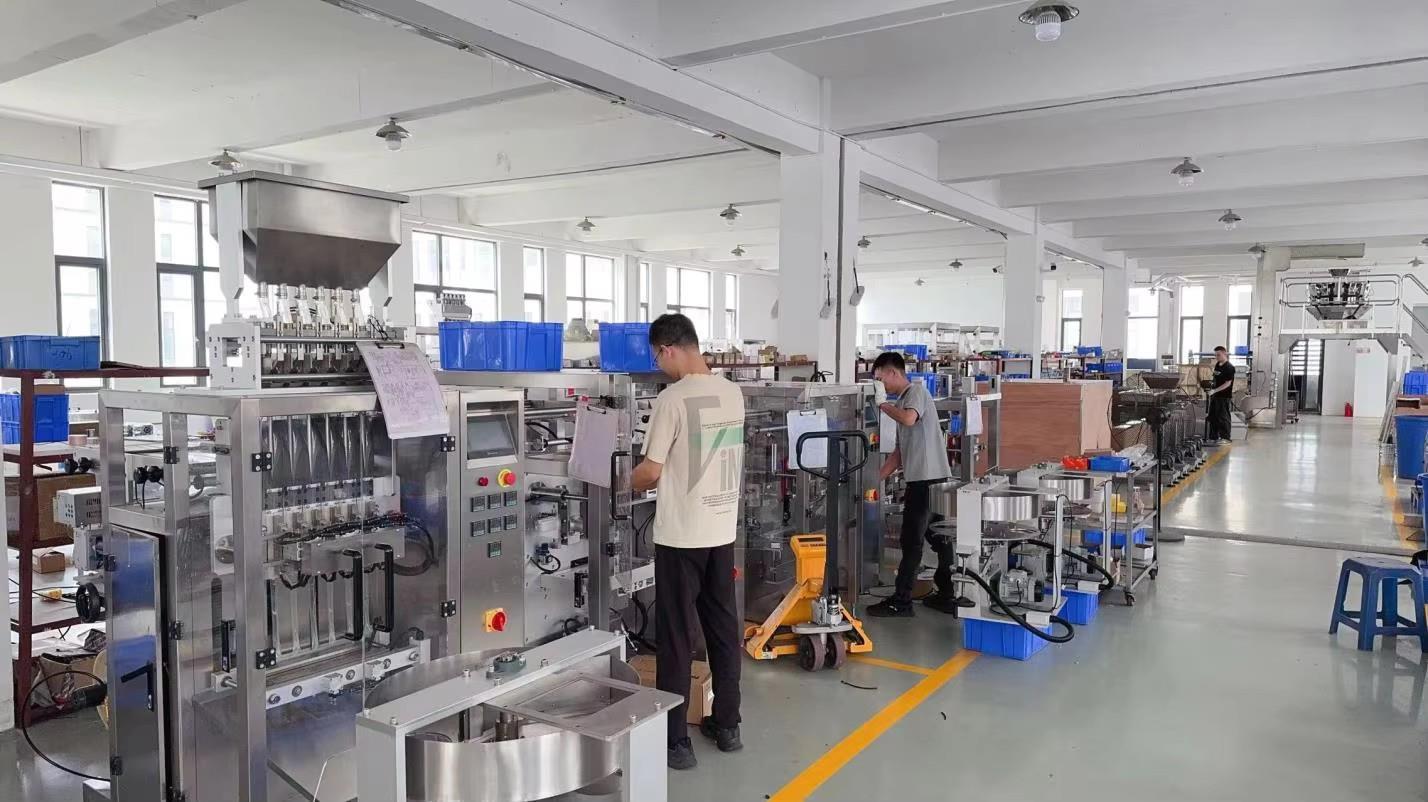
Assembling 1
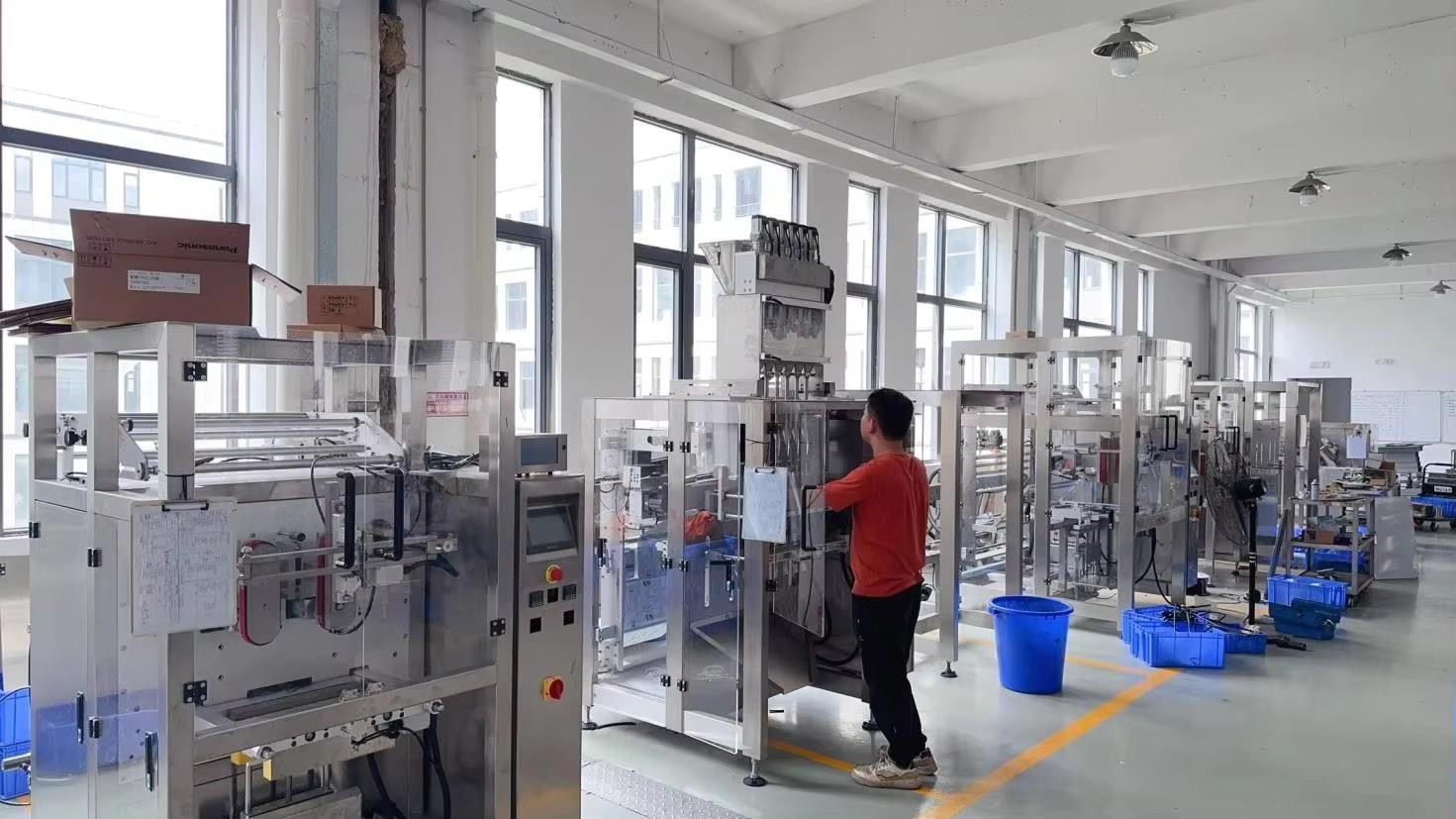
Assembling 2
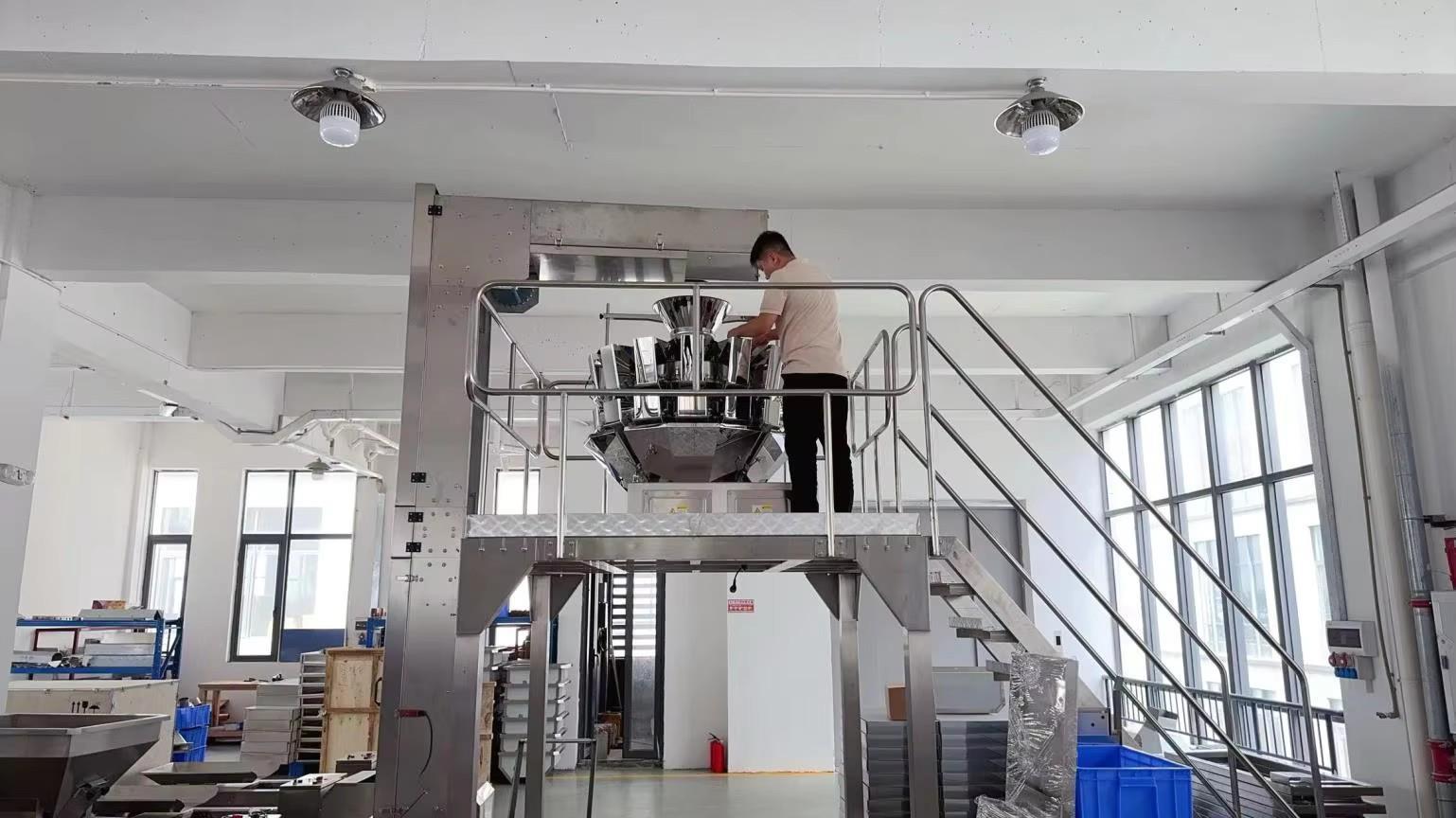
Assembling 3
How the next generation of automated depots integrates with blockchain validation and optical neural recognition.
Upgraded sensor packages using multi-spectral cameras verify plastic polymer chemistry (PET, HDPE, PP) and detect residual liquids, mitigating safety risks before compaction.
Secures deposit redemptions through cryptographic record logs. Integrations prevent deposit voucher duplication or fraudulent double-scanning across municipalities.
Edge computing platforms optimize local maintenance routes dynamically. Internal compression metrics calculate real-world load volumes to coordinate pick-up fleets.
Deploying tailored reverse logistics platforms across retail environments, municipal infrastructure, and smart cities.
Our OEM RVMs enable compliance with local bottle-bill regulations. Offering custom integrations into POS cashier software, shoppers can redeem containers for in-store checkout discounts, directly increasing buyer frequency and customer retention. Durable structural shells ensure reliable service in high-traffic commercial environments.
By positioning ruggedized RVM units in central transport transit hubs, local parks, and municipal centers, city planners can collect clean materials directly. Telematics dashboards keep maintenance crews informed of fill levels, avoiding structural overflows in public areas and reducing local sanitation routing costs.
Promote institutional sustainability efforts by introducing RVMs with gamified interfaces. Rewards connect to student ID cards or municipal transit cards, encouraging students and employees to build eco-friendly collection habits.
Technical guidance and installation insights regarding reverse vending machinery design and deployment.
From primary coding and marking tools to high-speed shrink wrapping lines, we engineer reliable industrial hardware.
 Collins Machine