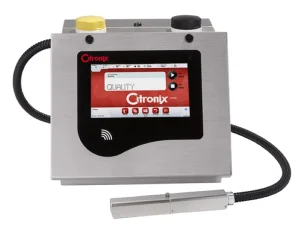
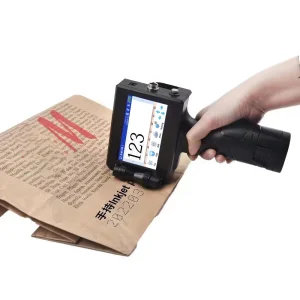
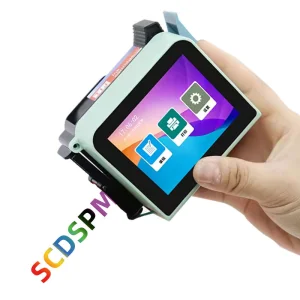
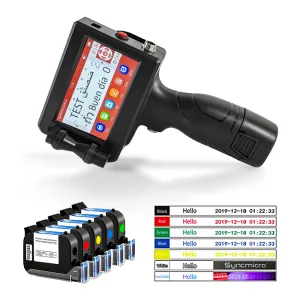
Premium automated coding equipment designed for rapid deployment in high-throughput production lines.
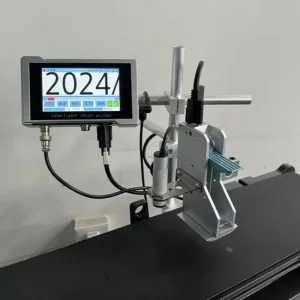
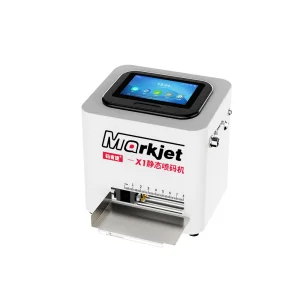
The New York Metropolitan Area, encompassing Long Island, the Hudson Valley corridor, and Upstate industrial zones, remains one of North America's most demanding regulatory environments. Driven by stringent federal and state legislation—including the FDA's Food Safety Modernization Act (FSMA) Rule 204 on traceability, and complex pharmaceutical serialization guidelines—manufacturing plants face severe penalties for compromised legibility of manufacturing dates, expiration sequences, and GS1-compliant barcodes.
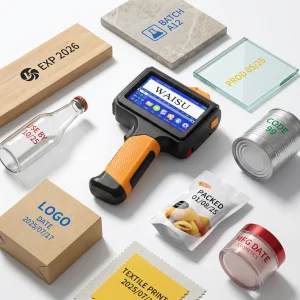
From high-speed food processing facilities in Queens and Rochester to advanced biomedical packaging lines in Westchester County, the necessity for robust inkjet coding systems is critical. These systems must operate continuously within high-speed packing lines, yielding smear-proof, immediate-dry codes on materials ranging from low-density polyethylene (LDPE) packaging films to glass jars, metal containers, and corrugated boxes.
A comprehensive assessment of current coding methodologies, substrate interactions, and chemical adhesion vectors.
Deploying the optimal print engine requires identifying the substrate surface dynamics. Non-porous surfaces (such as PET bottles, PVC pipe extrusion channels, and metallic cans) demand high-adhesion, quick-drying ketone-based or UV-curable inks. Conversely, porous packaging substrates (corrugated paperboards, pulp inserts) are highly responsive to cost-effective water-based formulations.
| Coding Technology | Typical Substrates | Max Print Speed | Maintenance Profile | Ideal Application Environment |
|---|---|---|---|---|
| Continuous Inkjet (CIJ) | Glass, Plastics, Metals, Extrusions | Up to 330 m/min | Moderate (requires regular solvent line flushes) | 24/7 high-speed bottling & packaging lines |
| Thermal Inkjet (TIJ) | Corrugated Boxes, Foils, Blister Packs | Up to 90 m/min | Low (cartridge-integrated printhead replacements) | Pharmaceutical serialization & batch coding |
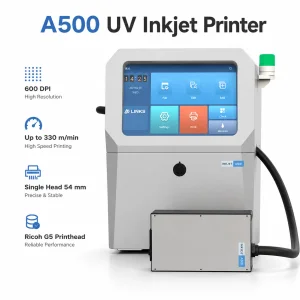
| High-Speed UV Inkjet | Coated Paperboard, Varnished Plastics, Glass | Up to 330 m/min | Systematic (nozzle maintenance & UV LED alignment) | Variable data variable codes on cosmetic boxes |
| Drop on Demand (DOD) | Large Outer Cartons, Concrete, Metal Plates | Up to 60 m/min | Low to Moderate (large fluid capacity) | Heavy industrial construction materials, large-font coding |
Continuous Inkjet (CIJ) technology remains the industrial standard for non-porous surfaces and high-speed packaging lines. By utilizing a pressurized ink stream broken into microscopic drops under electrostatic charging, CIJ systems deflect drops mid-air to generate characters. Because the print head stands off from the surface (up to 30mm), irregular surfaces can be coded reliably.
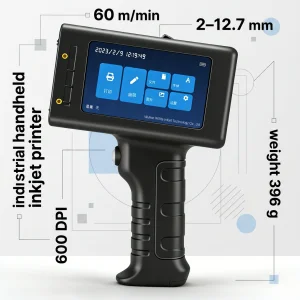
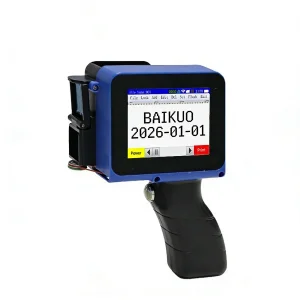
Thermal Inkjet (TIJ) systems, on the other hand, employ thermal expansion inside capillary channels to eject drops. Because the printhead is built directly into the ink cartridge, TIJ setups are clean, highly cost-effective, and require almost zero preventative maintenance. They offer high resolutions (up to 600 DPI), making them ideal for high-density 2D DataMatrix and QR code rendering in precision medical device and electronics facilities.
For applications requiring extreme chemical resistance, scratch protection, and absolute edge sharpness, UV-Curable Inkjet platforms integrated with Ricoh G5 or similar piezo-electric engines represent the cutting-edge of trace technology.
These units utilize UV LEDs to polymerize light-sensitive monomers in the ink immediately upon contact with the substrate. This process cures the ink instantaneously, preventing dot gain or absorption into porous materials, and ensuring clear, scannable codes at speeds exceeding 300 meters per minute.
Henan Collins Machine Co., Ltd. - Advanced OEM/ODM Manufacturing Facility and Quality-Control Corridors.
Established in 2015, Henan Collins Machine Co., Ltd. operates a modern 5,000 m² state-of-the-art facility. Supported by more than 80 skilled engineers, technicians, and automated machinery specialists, we manufacture advanced coding systems and complete automated packaging lines. With over 20 national invention patents, Collins provides integrated systems including filling, labeling, capping, coding, sealing, and shrink-wrapping for global clients.
Operating under strict compliance with ISO 9001, SGS, and RoHS standards, Collins maintains dedicated slitting, automated CNC metalworking, and final electrical testing lines. Our integrated product portfolio ensures that from heavy industrial machinery down to consumable elements like TTO ribbons, ink rollers, and solvents, every component is rigorously tested for long-term operational durability.
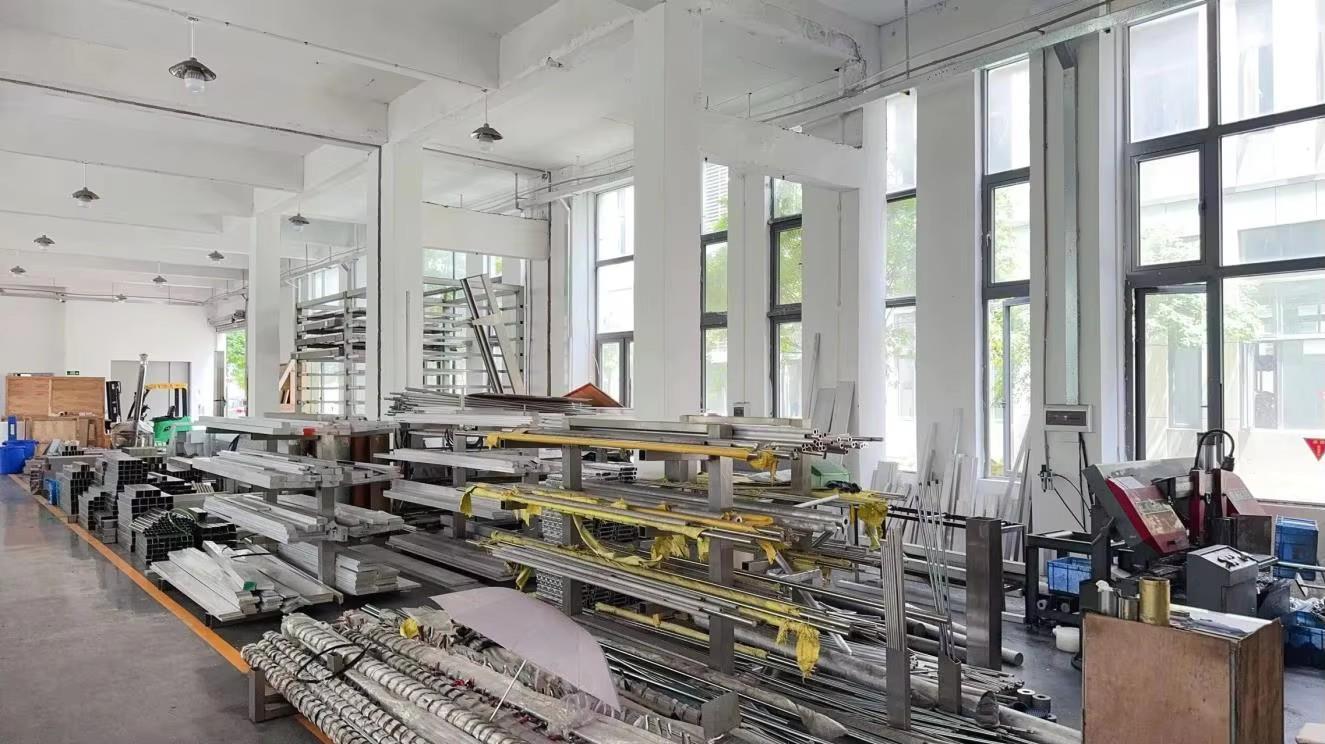
Raw Materials Inspection
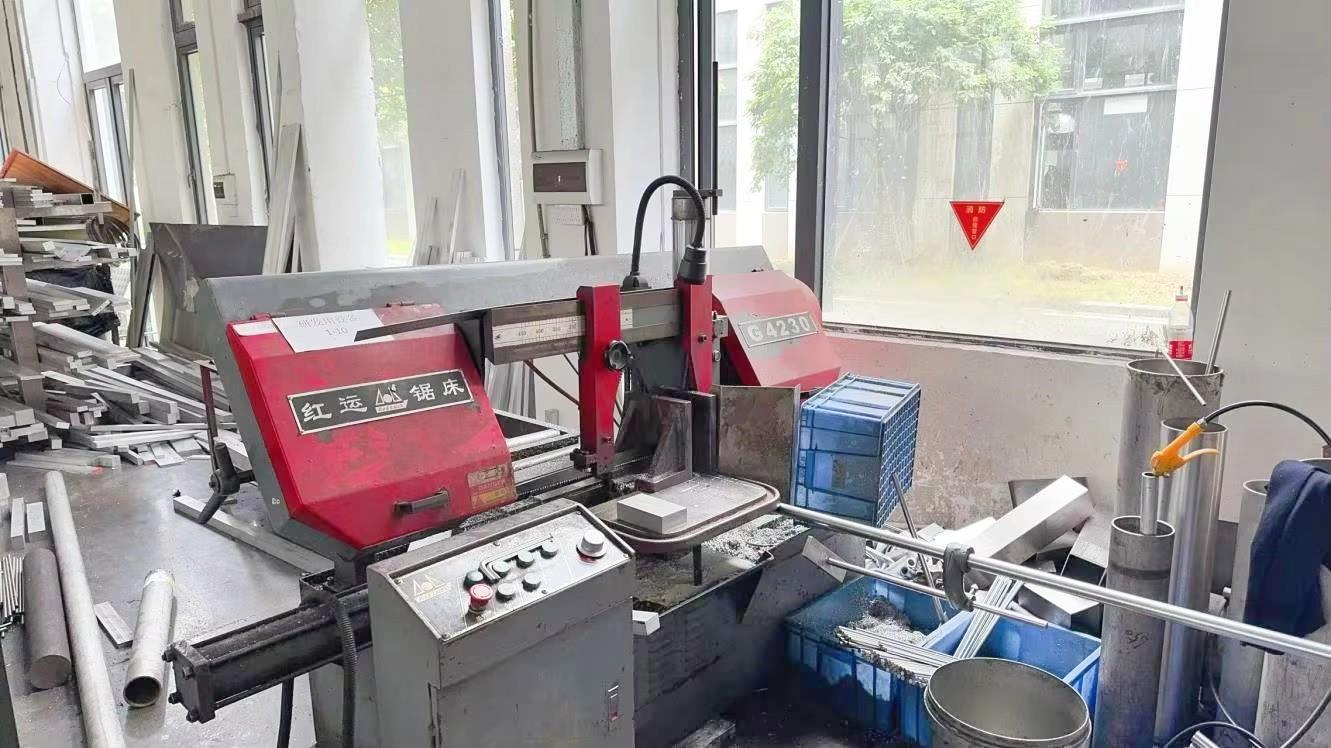
Precision Cutting
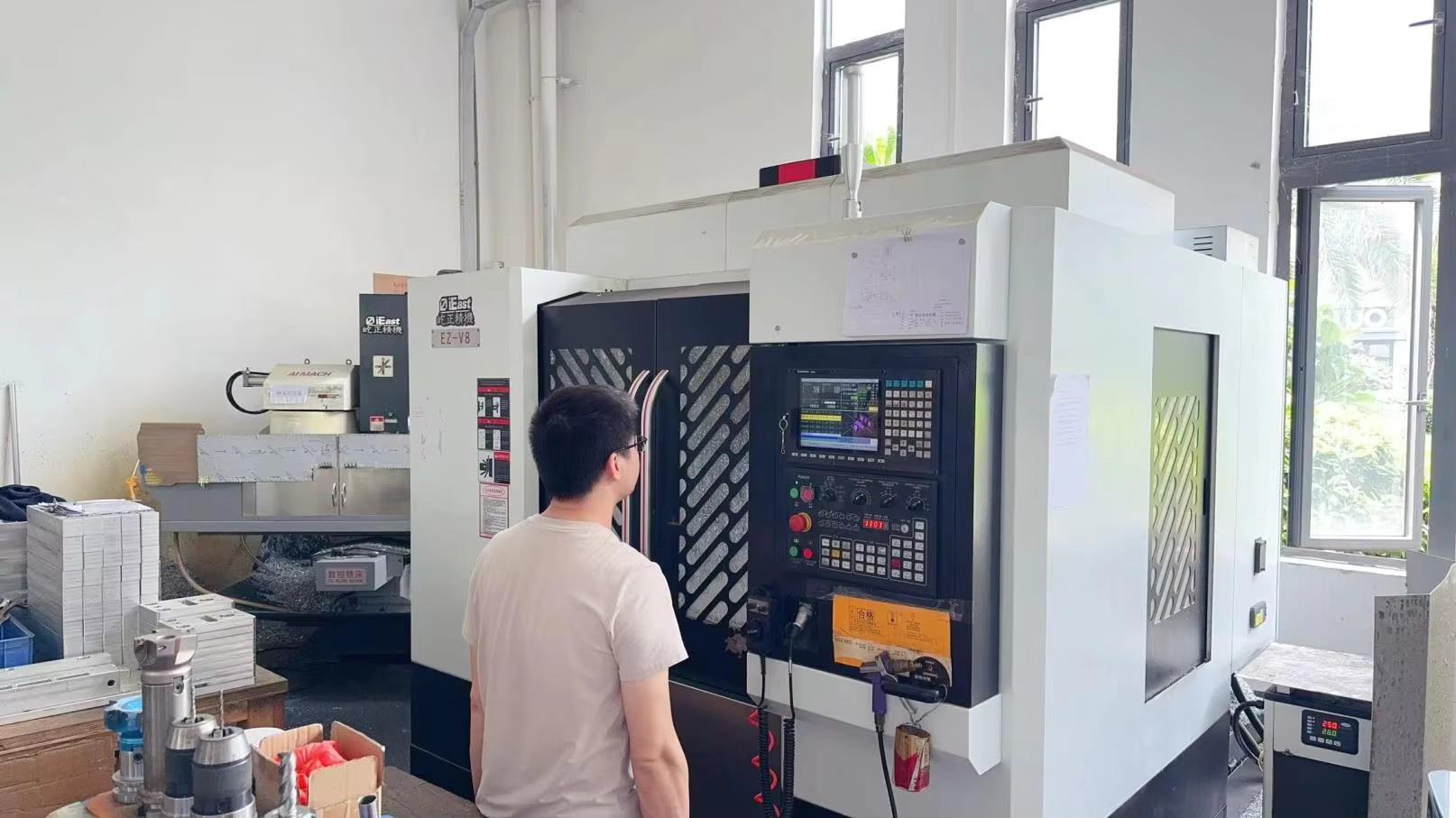
CNC Machining
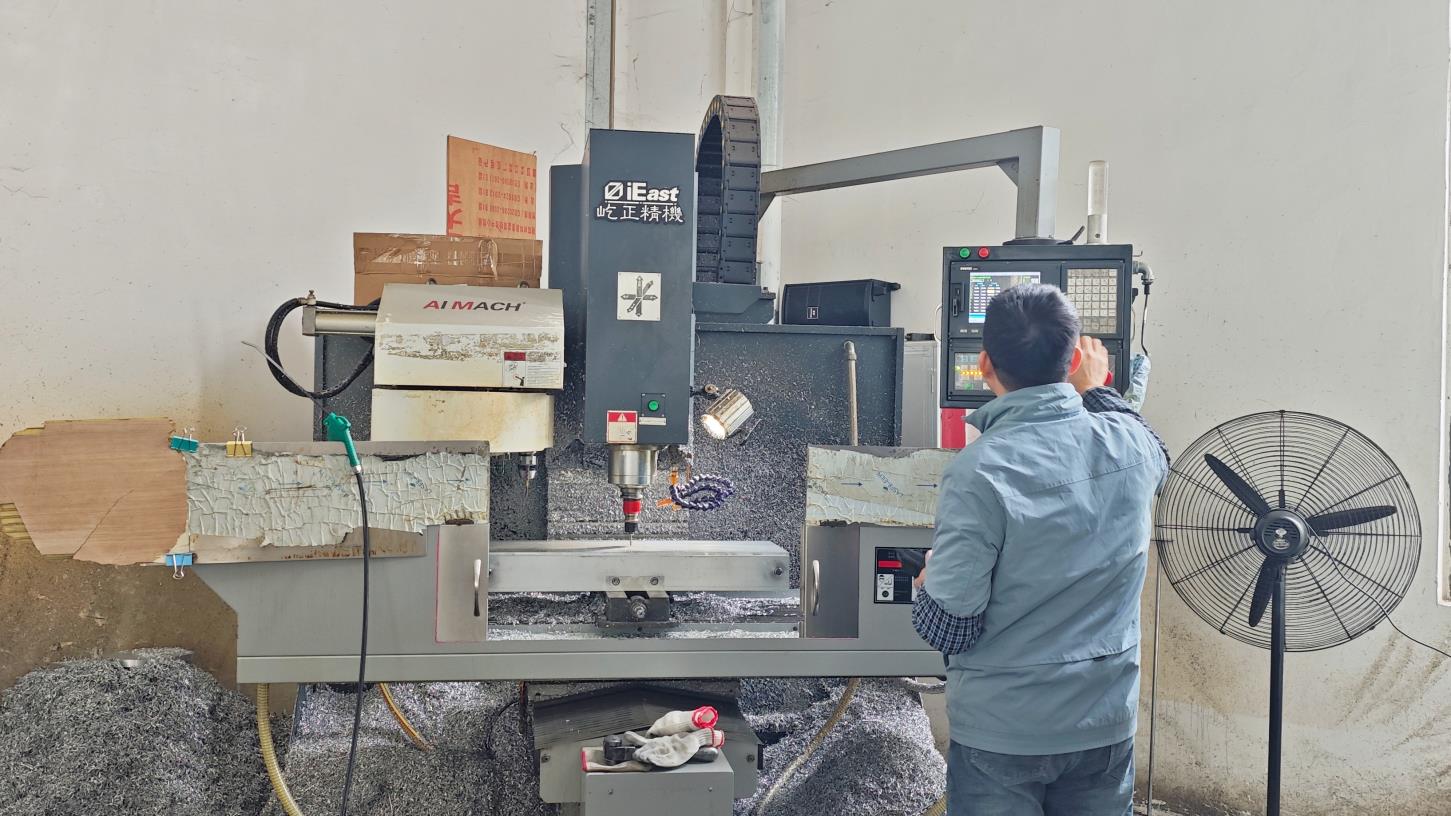
Heavy Milling Phase 1
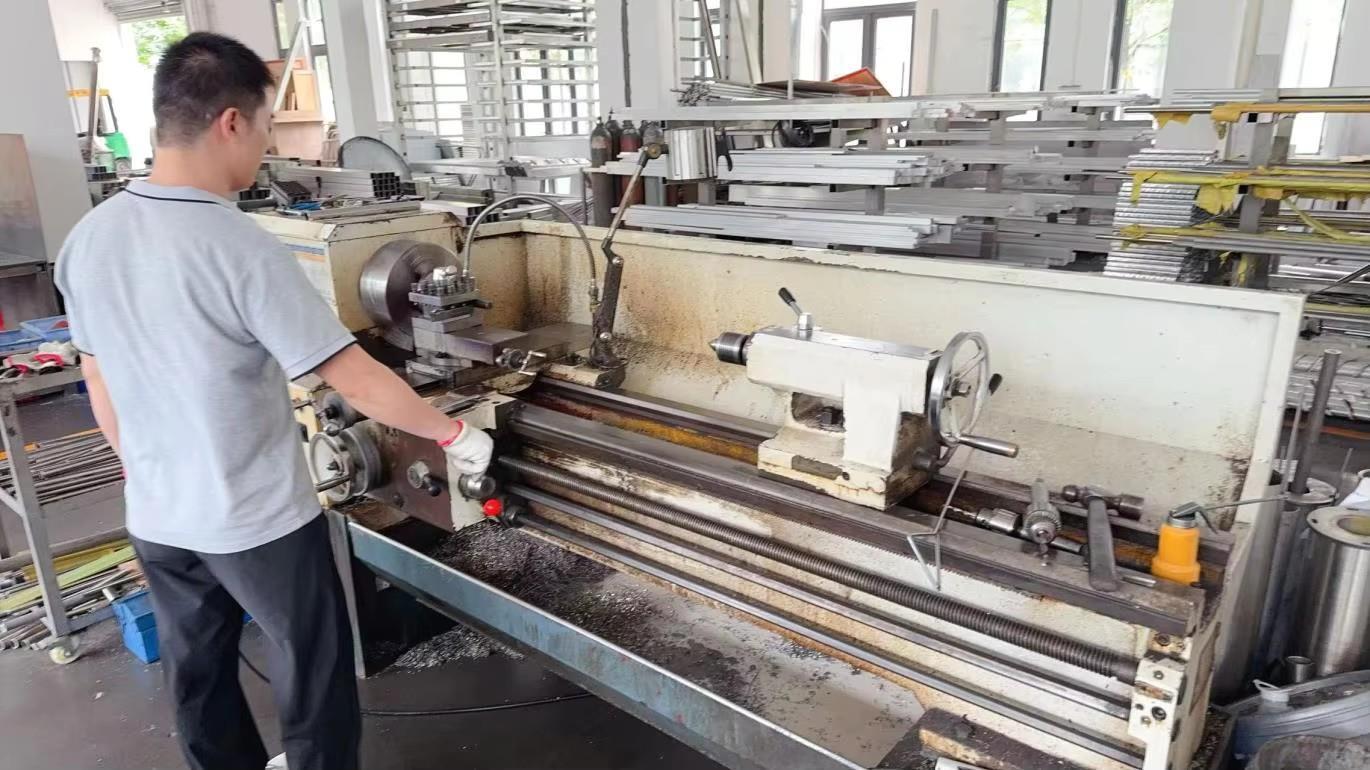
Lathe Machining
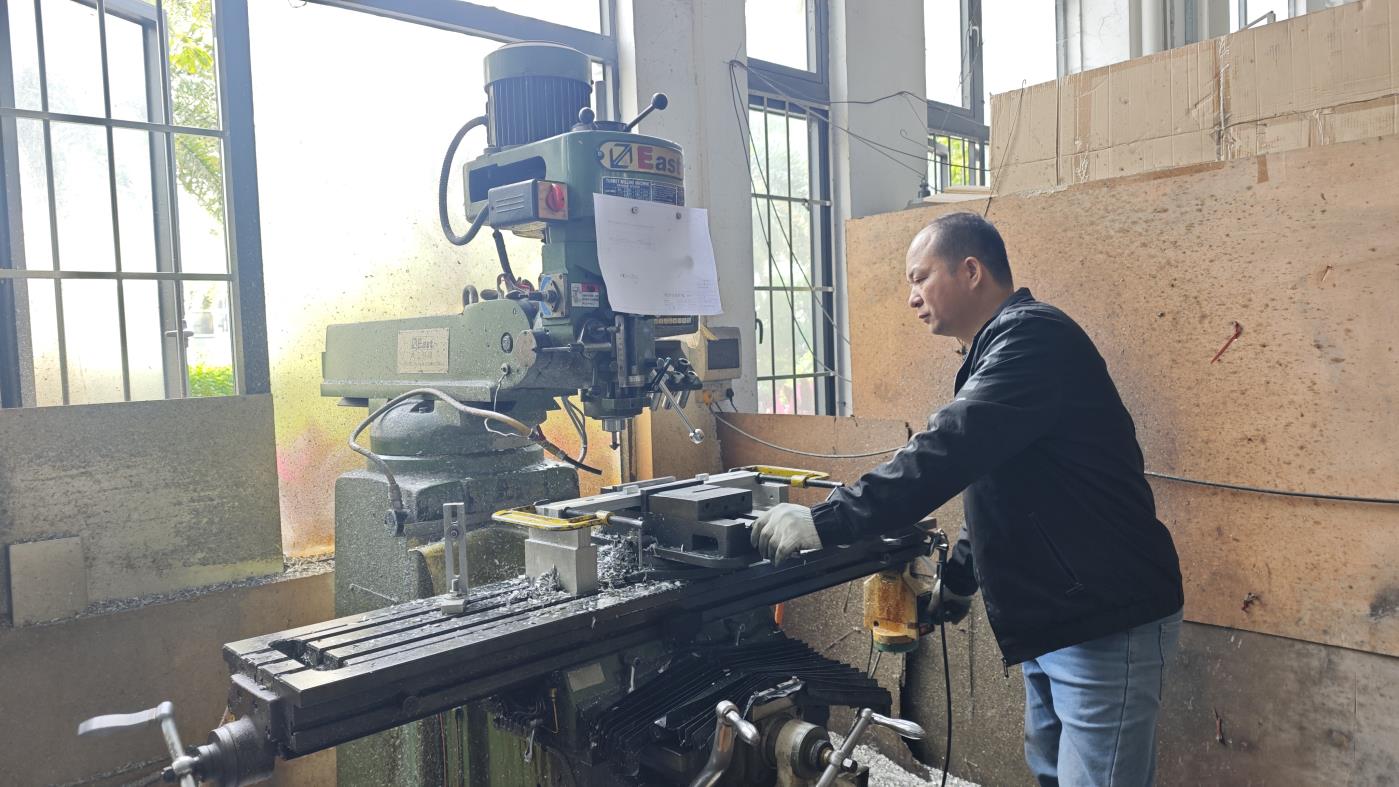
Precision Milling Phase 2
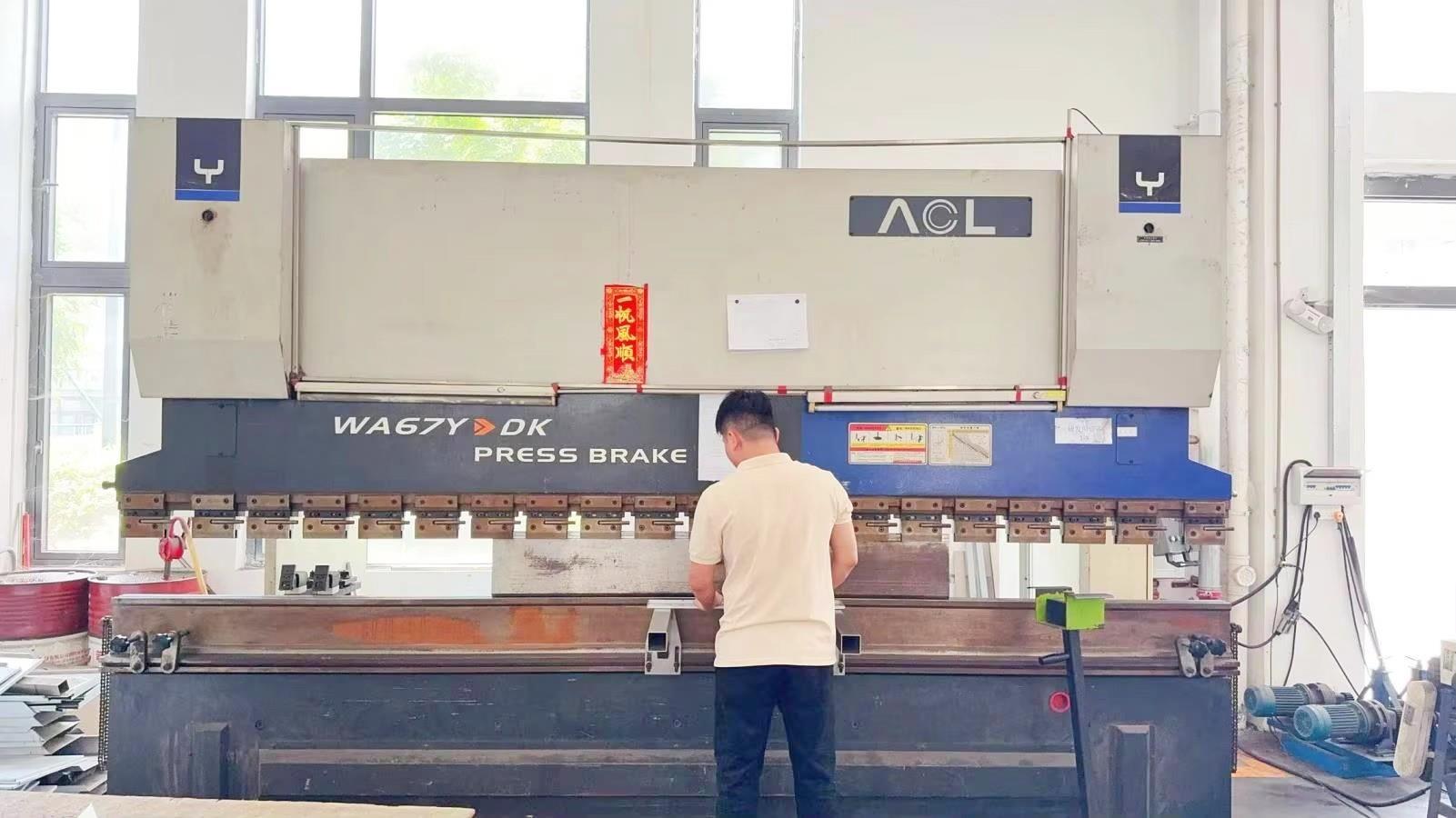
Sheet Metal Bending
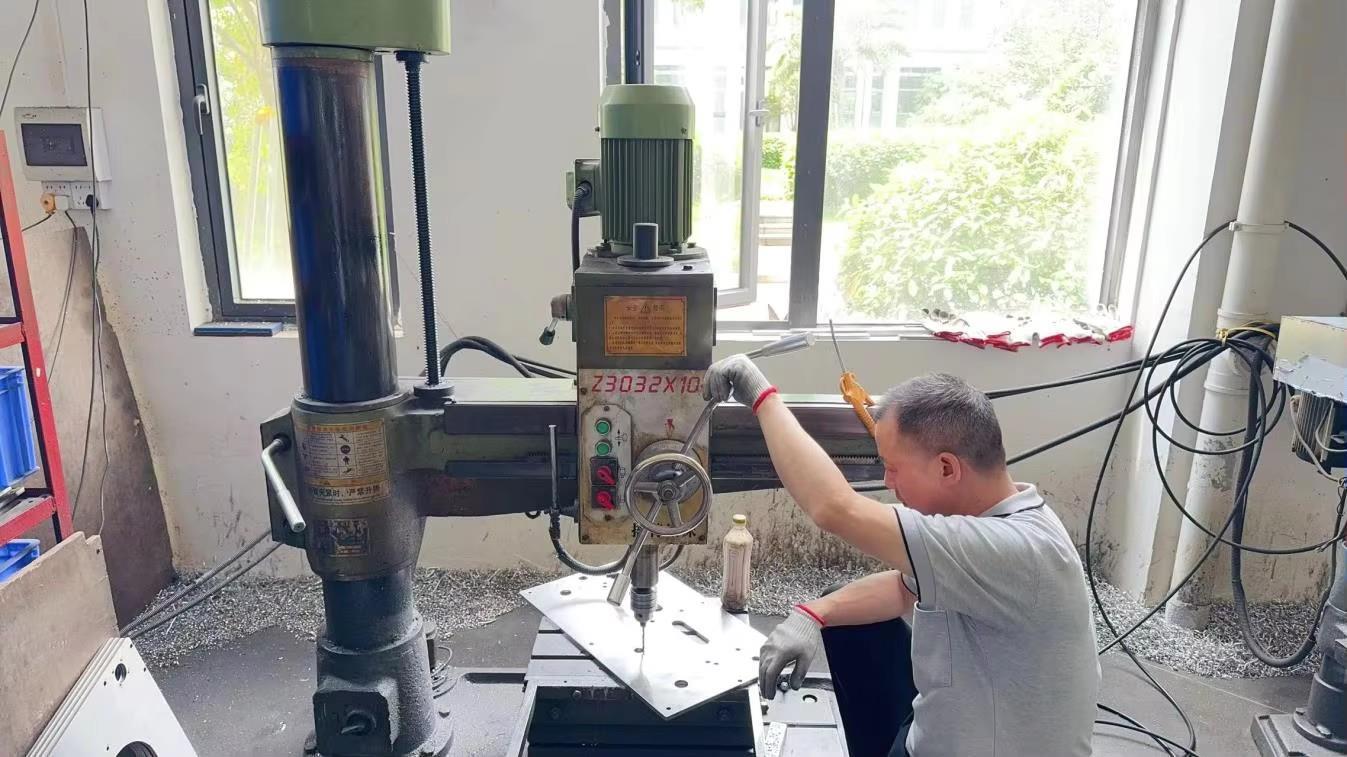
Drilling Operations
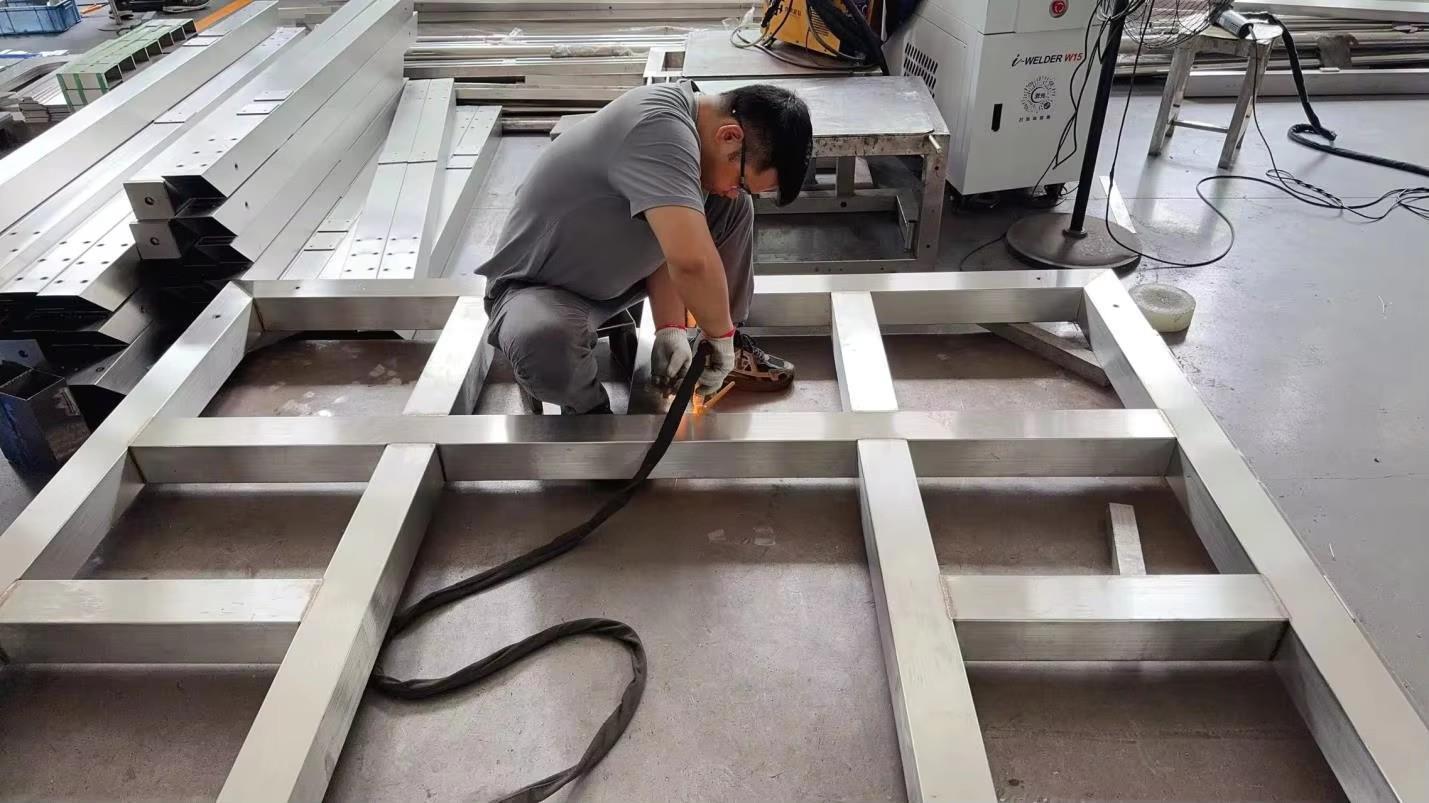
TIG/MIG Welding 1
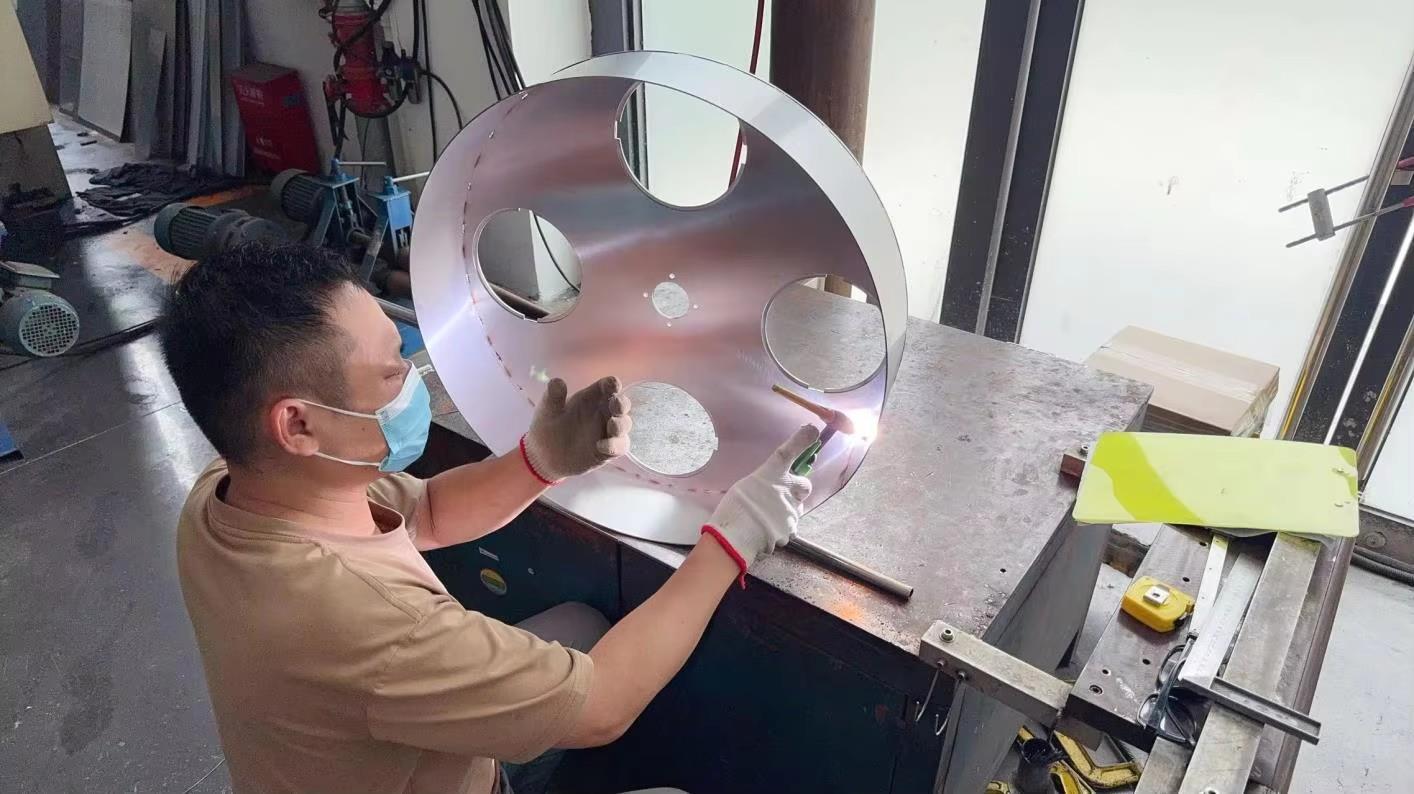
Structural Welding 2
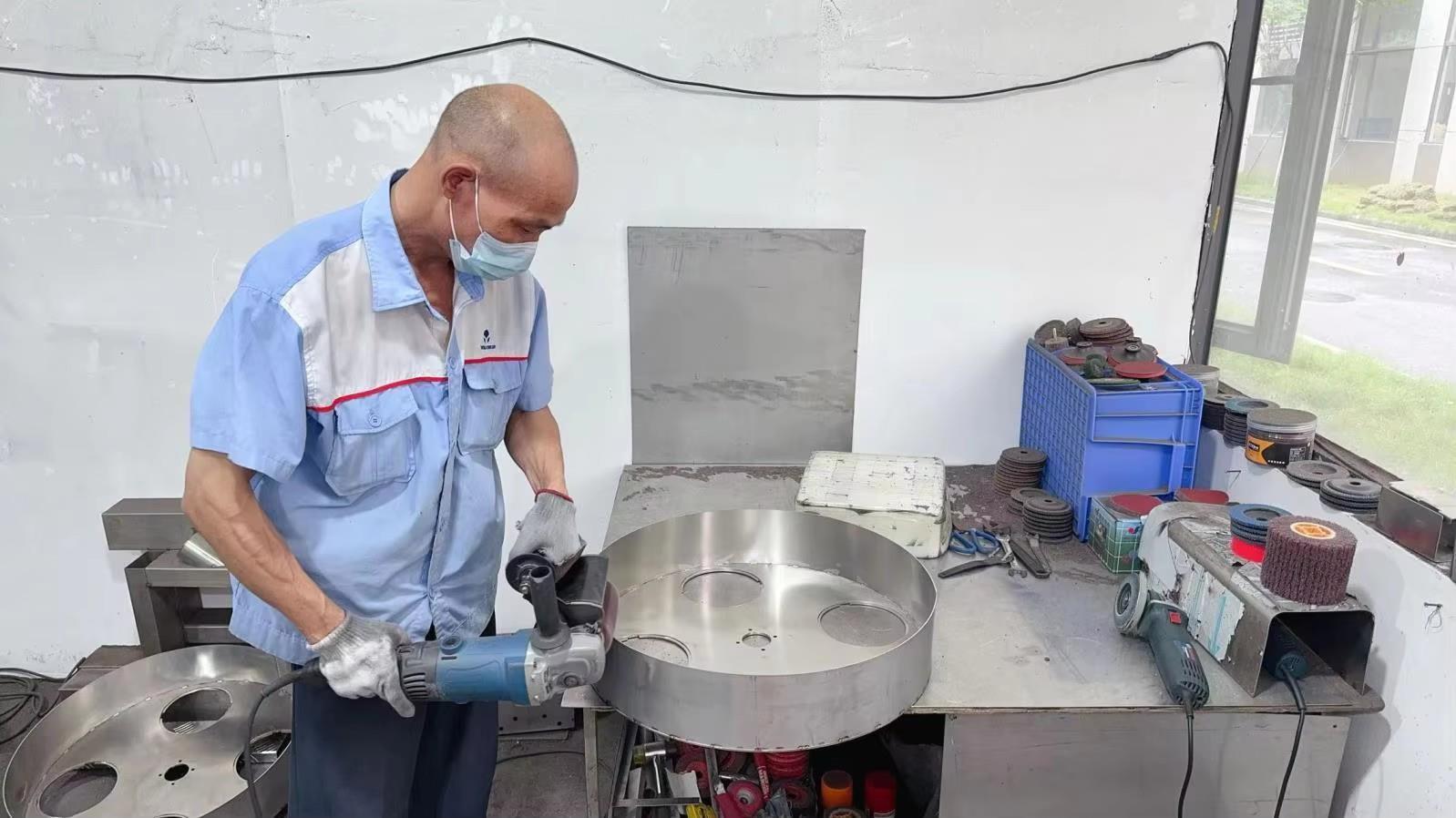
Surface Polishing
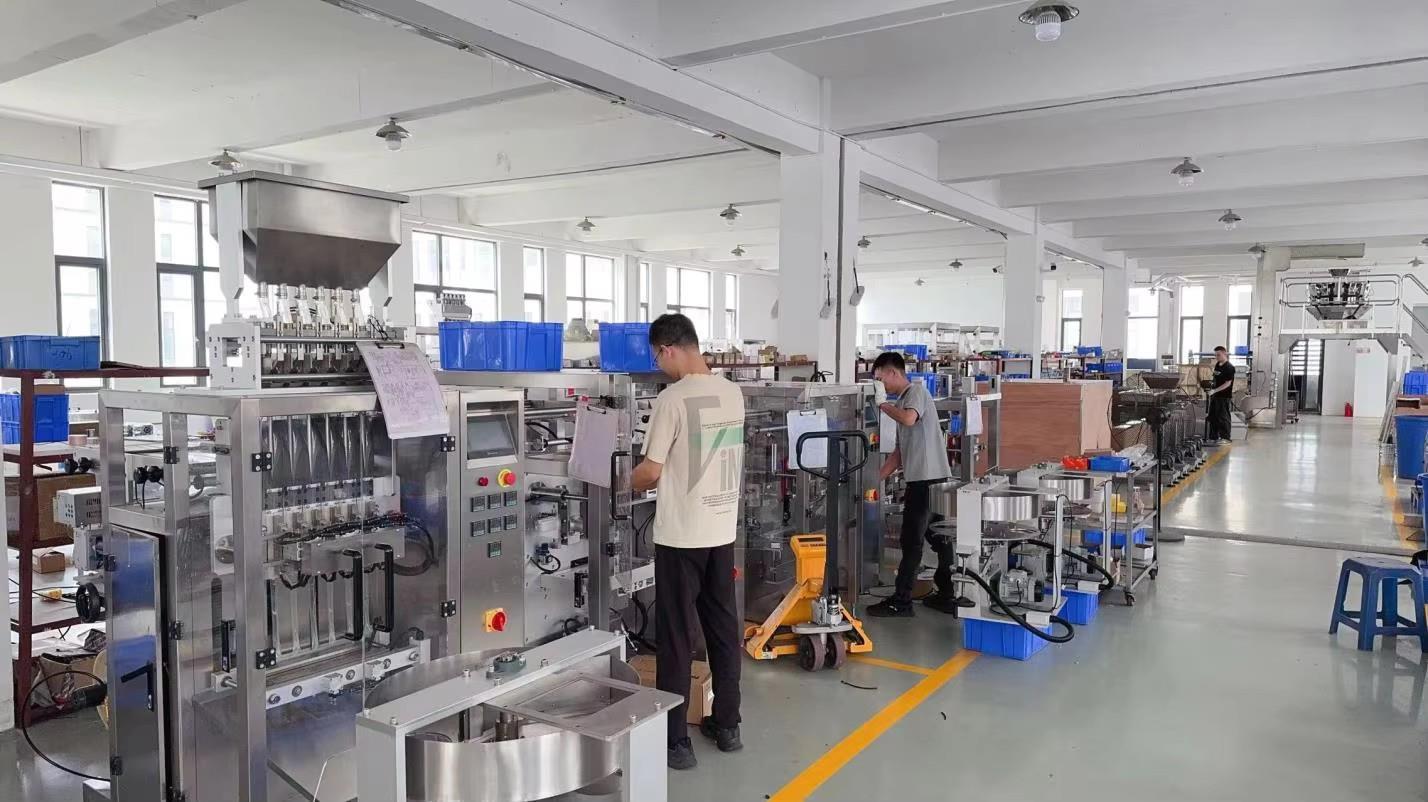
Mechanical Assembly
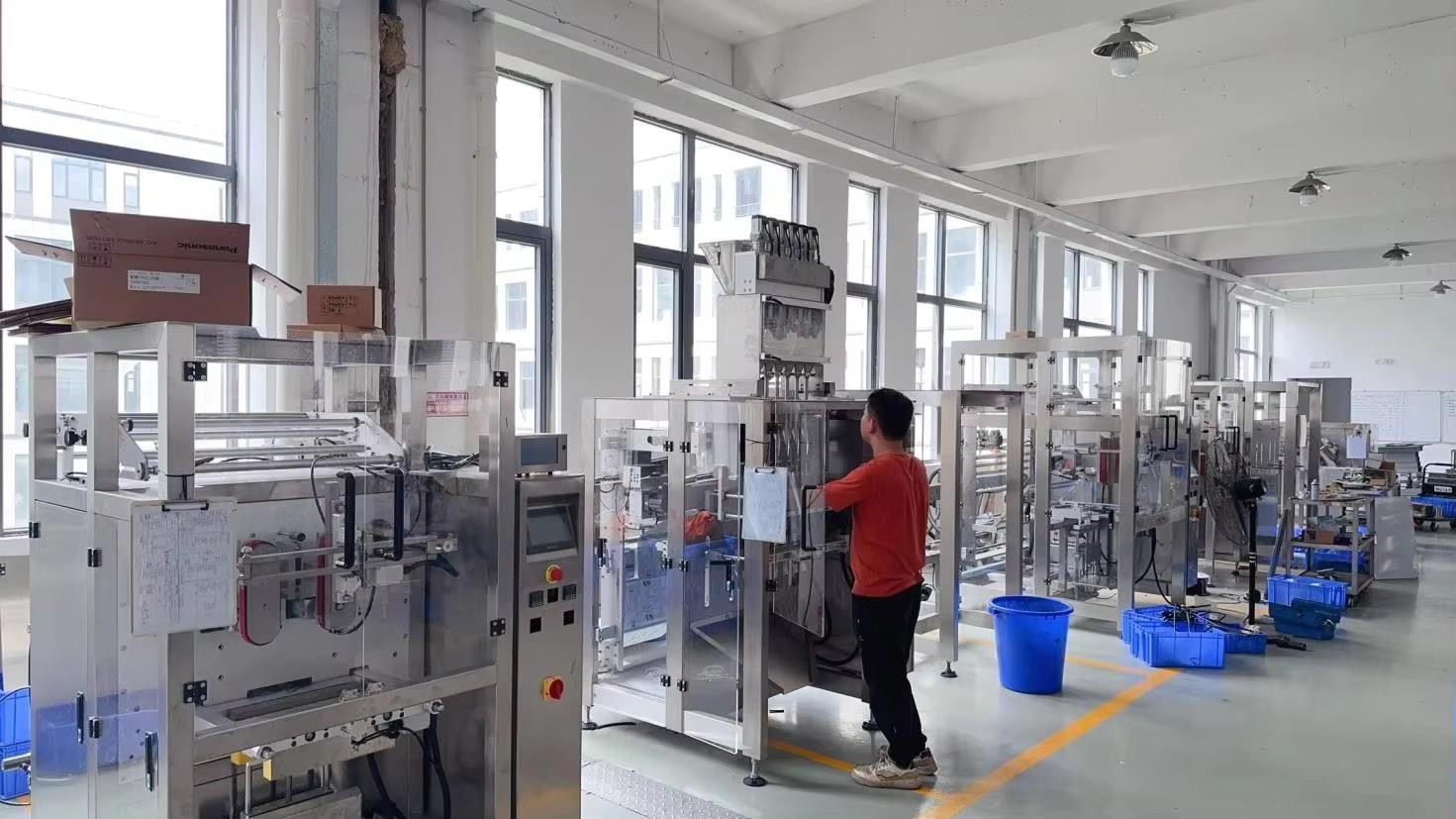
Electrical & Control Integration
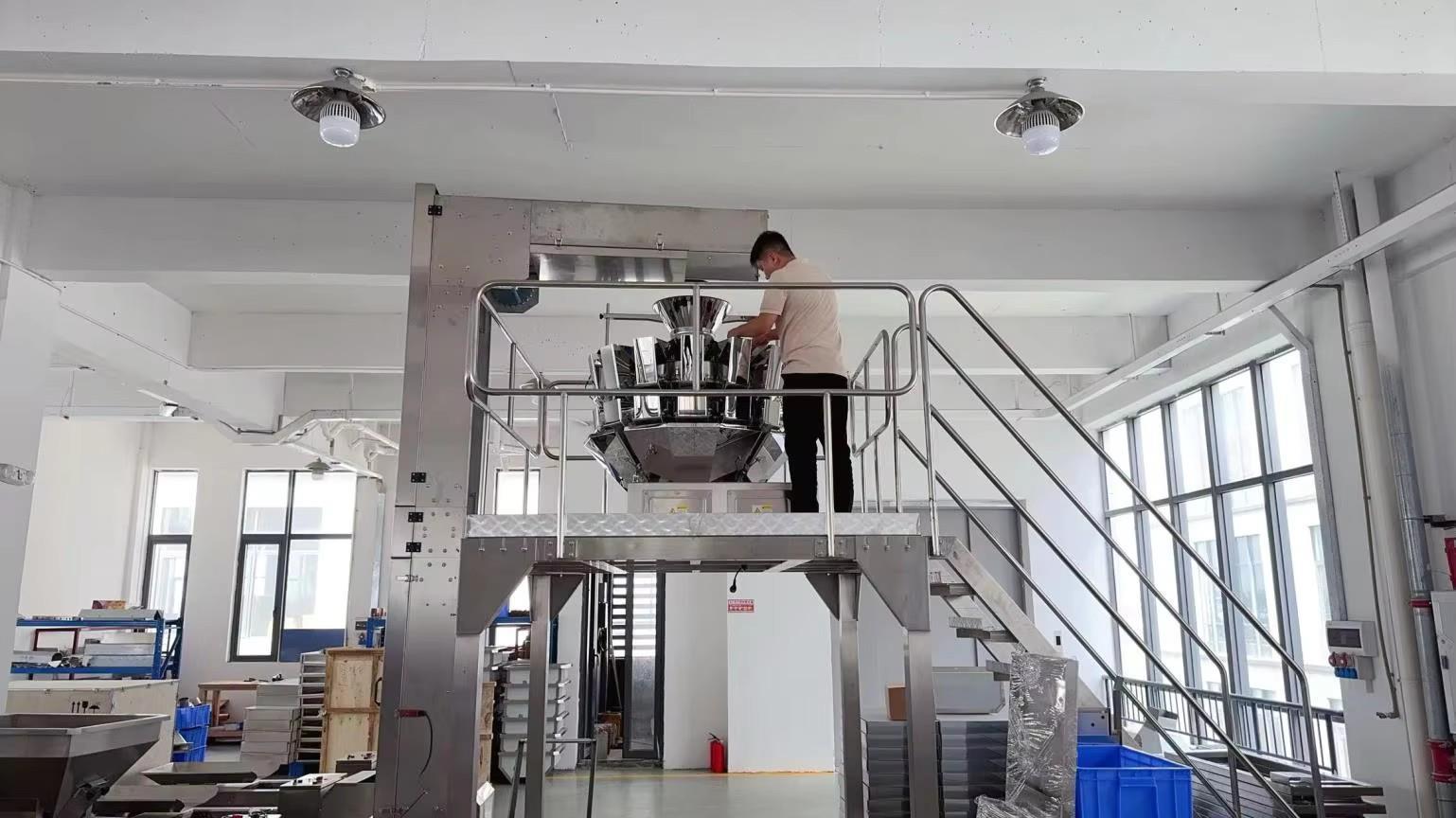
Quality Assurance Testing
In today's volatile raw material and electronics markets, supply chain resilience is a key operational priority. Leveraging China's industrial clustering allows Collins to procure premium aerospace-grade alloys, high-performance piezoelectric nozzle crystals, and electronic microchips at significant scale advantages.
By consolidating manufacturing, assembly, and testing in our ISO 9001-certified facility, we reduce intermediate logistical markups. This ensures that New York food processors, pharmaceutical packagers, and industrial manufacturers receive robust coding solutions at a lower total cost of ownership compared to local distributors.
Additionally, our direct-from-factory spare parts pipeline and large raw materials stockpile protect buyers from component shortages. This security keeps production lines operational even during periods of high demand.
Exporting machinery to New York requires compliance with local standards. All Collins machines destined for North America are built using electrical components and safety configurations that meet or exceed local certification guidelines.
To support operations in the New York Metropolitan and upstate industrial centers, Collins utilizes modern remote-diagnostic modules built directly into our touch-screen controllers. This allows our support technicians to troubleshoot, push software updates, and optimize print head configurations remotely over a secure connection. This capability minimizes downtime and eliminates the need for expensive on-site service calls.
Additionally, our global logistics network coordinates with customs brokers at the Port of New York & New Jersey and JFK International Airport. This ensures rapid transit of critical consumables, high-adhesion inks, replacement filters, and wear-items directly to your loading dock.
Explore our industrial range of high-speed UV systems, thermal batch printers, and large character DOD coders.
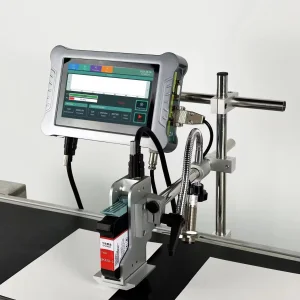
The industrial coding sector is shifting from static, localized printing units to dynamic, cloud-connected marking systems. This shift is driven by the industry's need for comprehensive trace-and-track solutions that monitor products throughout their entire lifecycle.
In response to this transformation, Collins is developing a tech roadmap focused on three main pillars:
Technical guidance for plant engineers, packaging supervisors, and logistics managers.
Connect with a senior systems engineer to configure a custom packaging, labeling, or ink-jet coding array for your facility.
 Collins Machine