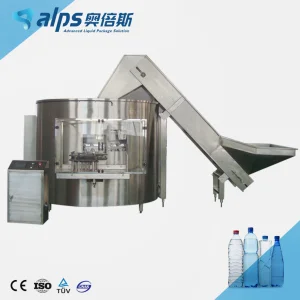
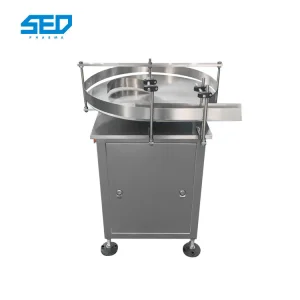
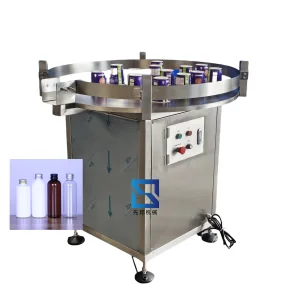
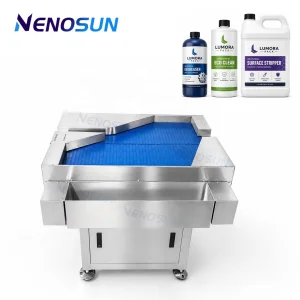
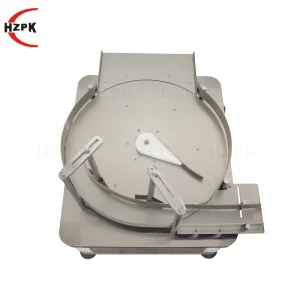
Engineered to handle diverse container profiles with exceptional sorting speeds and minimal downtime.
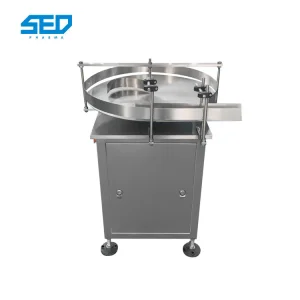
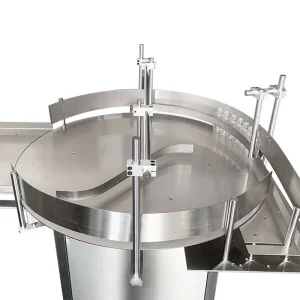
The Kansai region, anchored by the manufacturing powerhouse of Osaka, represents one of the most technologically demanding packaging and industrial landscapes in the world. Historically a vital commercial center for pharmaceuticals, chemicals, cosmetics, and food processing, Osaka-based factories face structural challenges that demand advanced automated mechanical solutions. Primary among these challenges is the accelerating labor shortage across Japan, combined with the stringent quality frameworks dictated by local regulatory standards like Japan's Ministry of Economy, Trade and Industry (METI) and the Food Sanitation Act.
Within high-speed production configurations, the feeding stage has traditionally stood as a primary bottleneck. Bottle unscrambling systems serve as the critical interface between bulk container storage and downstream filling, capping, labeling, and cartoning machinery. Without a highly stabilized, high-throughput bottle unscrambling system, downstream machinery fails to reach rated capacity, lowering Overall Equipment Effectiveness (OEE) and increasing system component wear. Consequently, manufacturers in Sakai, Higashiosaka, and Kadoma increasingly transition from manual and semi-automatic operations to fully integrated rotary and linear bottle unscrambling solutions.
Replacing repetitive, manual unscrambling processes with automated sorting to counter the contracting labor supply.
Highly sensitive cosmetic and glass surfaces require careful handling to avoid friction-induced scuffing or surface defects.
High-mix low-volume production schemes mandate tooling-free and rapid mechanical diameter adjustment systems.
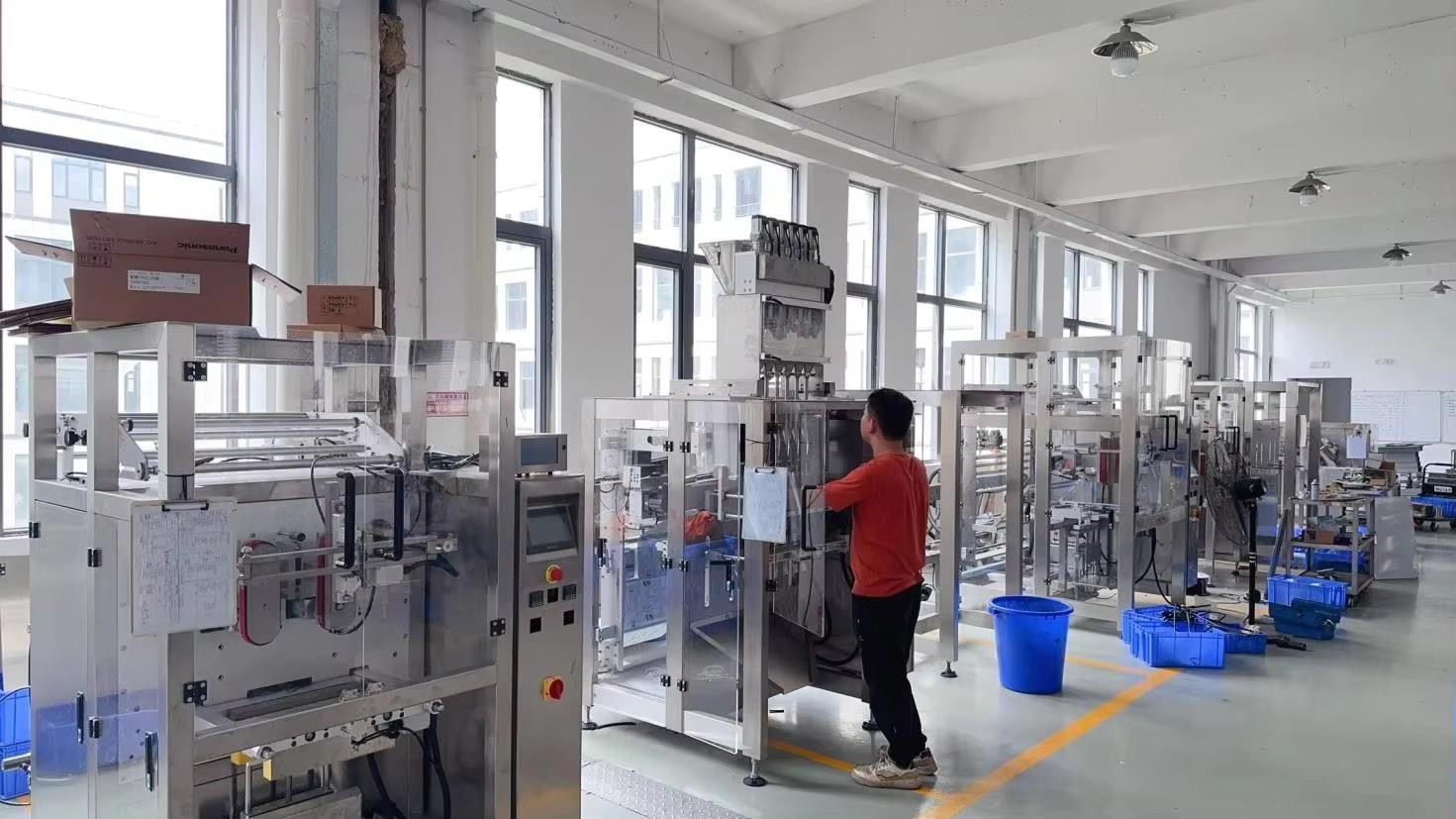
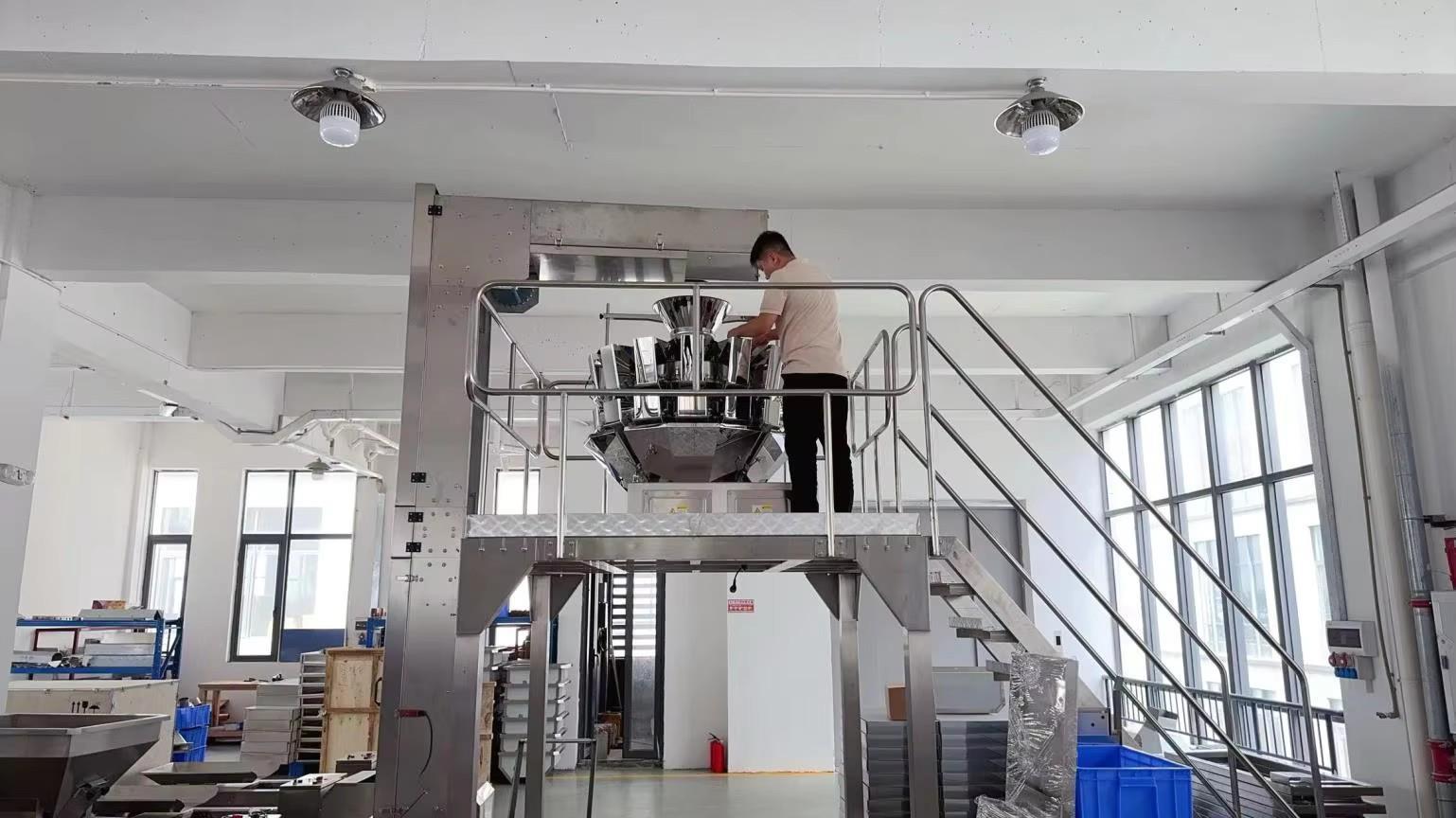
Henan Collins Machine Co., Ltd. was established in 2015. From day one, the company has focused on designing and manufacturing end-to-end automated packaging solutions. With 20 national invention patents, Collins demonstrates a decade of technical expertise in integrated systems including labeling, filling, capping, coding, sealing, and shrink-wrapping for a wide range of industries.
In a 5,000 m² state-of-the-art facility, more than 80 skilled engineers and technicians support advanced production and assembly capabilities. The company operates automated coating, slitting, and quality-control lines to ensure precision and reliability across all equipment and consumables. Certified under ISO 9001, SGS, and RoHS standards, Henan Collins Machine Co., Ltd. is committed to delivering high-performance packaging machinery that meets global OEM and contract packaging requirements.
Henan Collins Machine Co., Ltd. specializes in the development, production, and sales of labeling machines, filling machines, packaging machines, thermal transfer coders, ribbon coders, ink roller coders, laser coders, and other coding equipment. The company also provides a full range of consumables, including TTO ribbons, ink ribbons, ink rollers, carbon ribbons, and label paper. This integrated product portfolio supports industries such as food, daily chemicals, pharmaceuticals, cosmetics, and more, offering a complete one-stop packaging solution.
With self-operated import and export licenses, Henan Collins Machine Co., Ltd. delivers turnkey solutions to customers across Asia, Africa, Europe, and North and South America. A multilingual service network ensures efficient installation, preventive maintenance, and 24/7 remote support. Serving industries from food and beverage to pharmaceuticals, cosmetics, electronics, and logistics, Collins provides customized production line design, fast response service, and on-site training—helping customers improve uptime, traceability, and overall equipment effectiveness worldwide.
Square Meters Factory Area
National Invention Patents
Engineers & Technicians
Exporting Countries & Regions
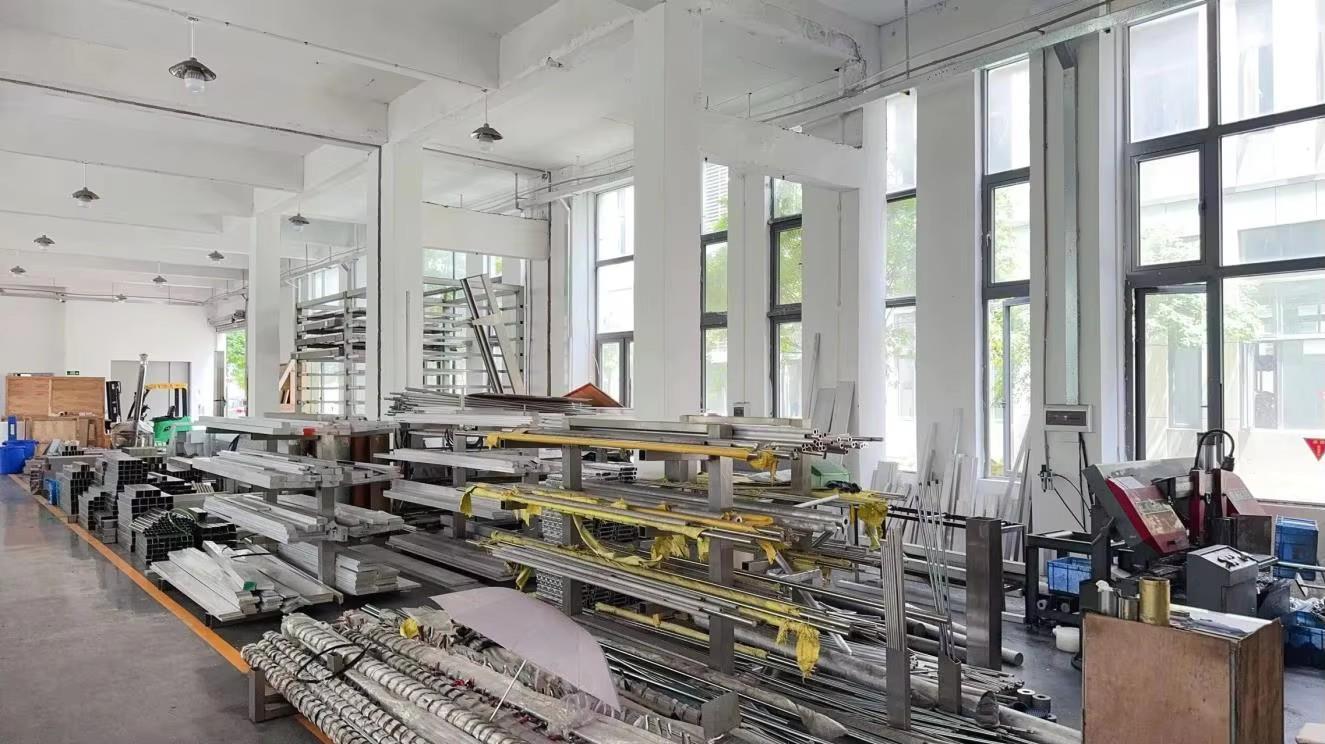
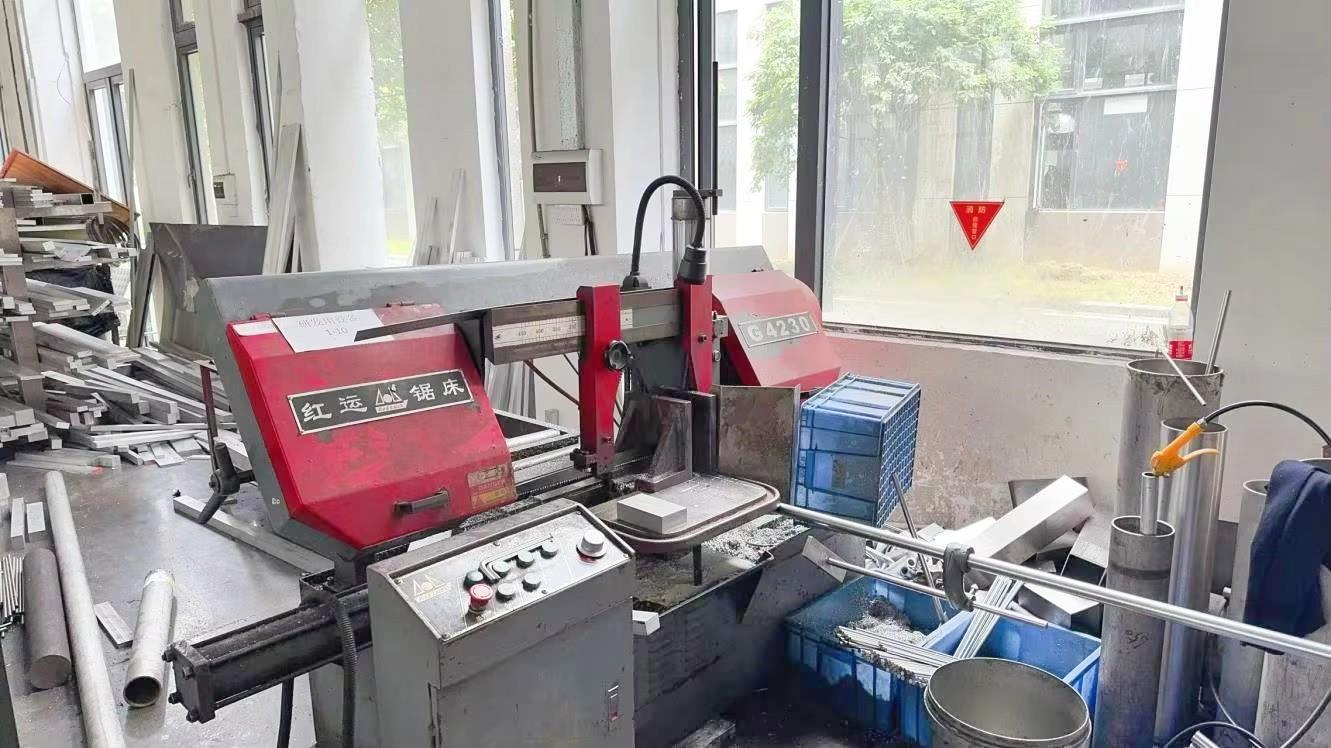
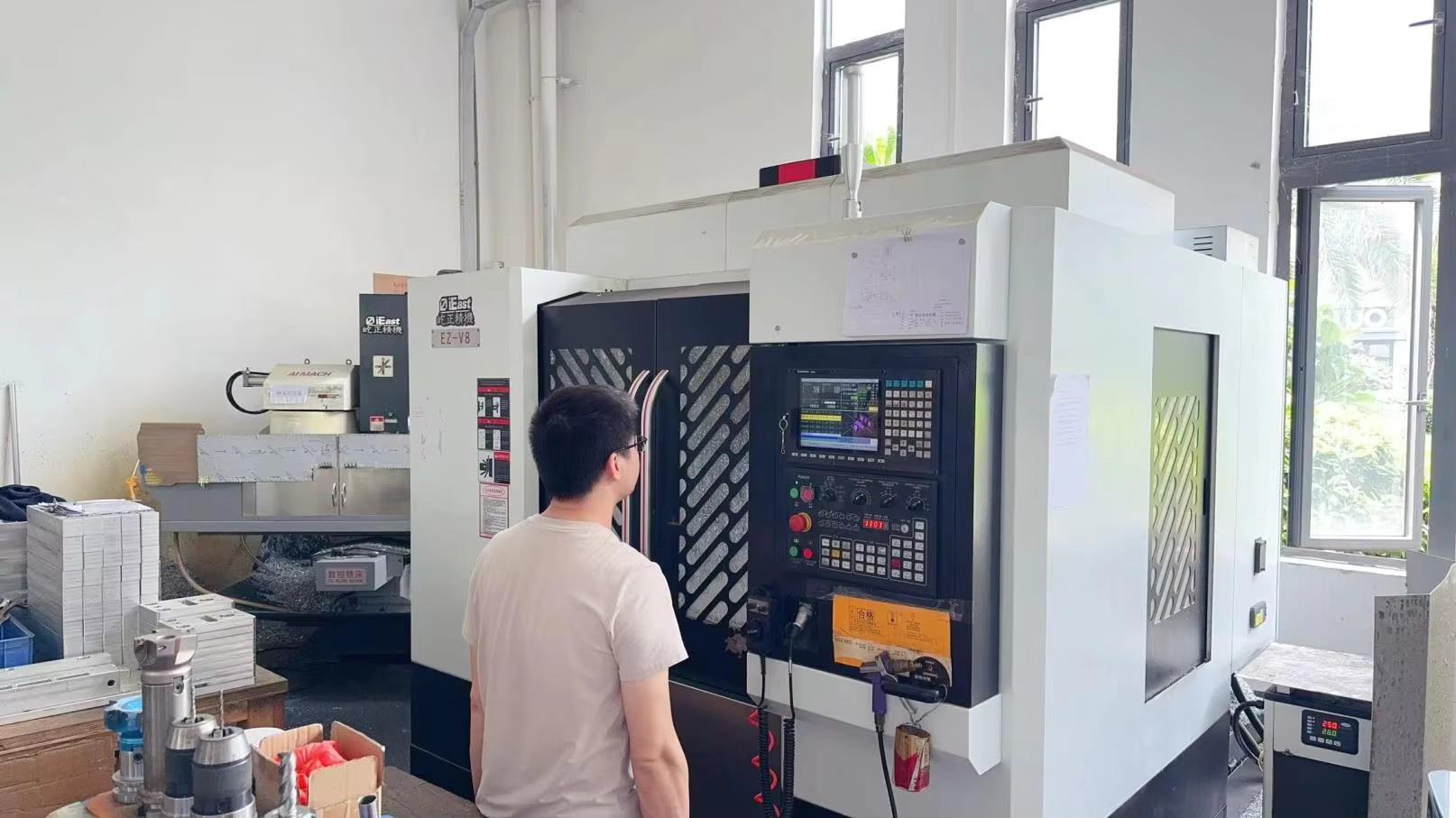
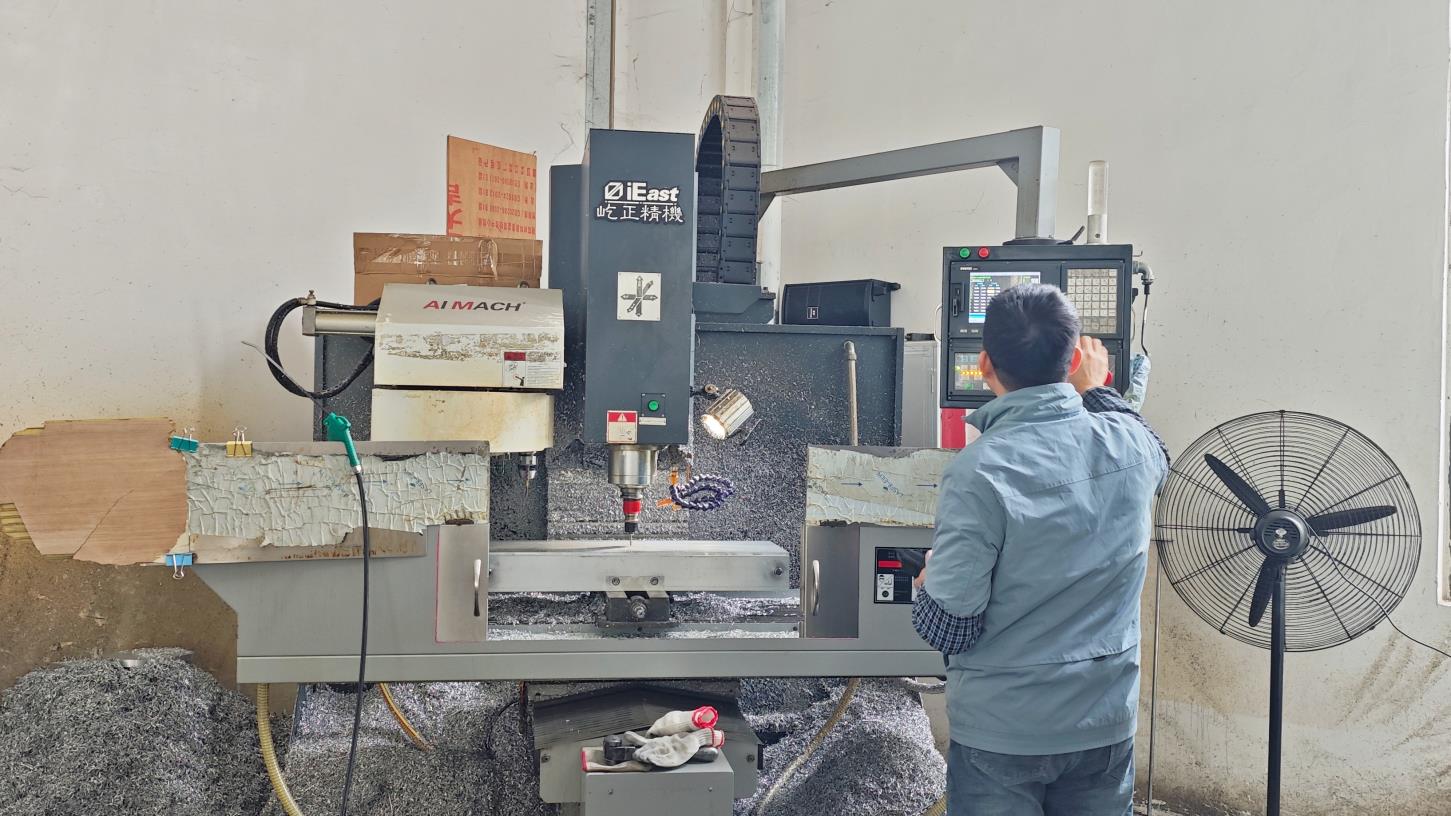
Every bottle unscrambler is built with absolute mechanical reliability, utilizing premium raw materials and rigorous machining phases.
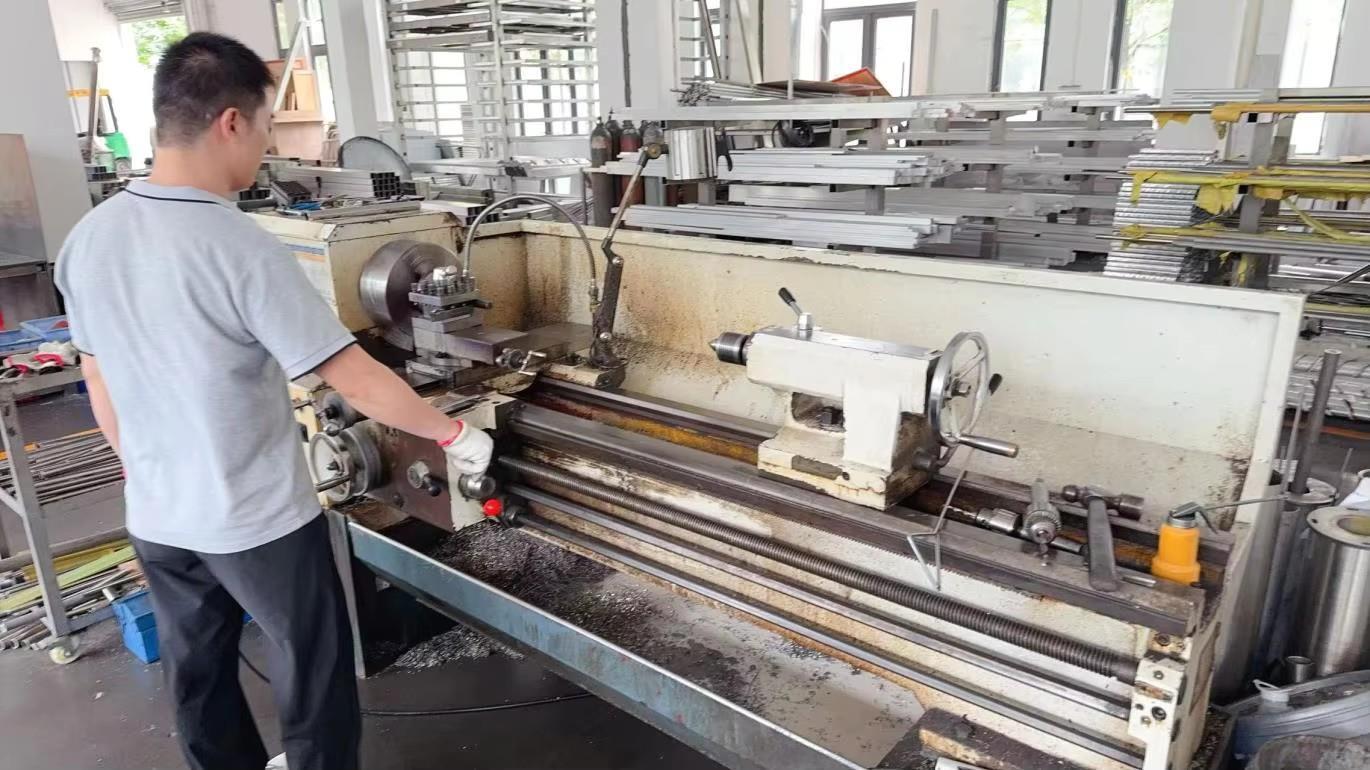
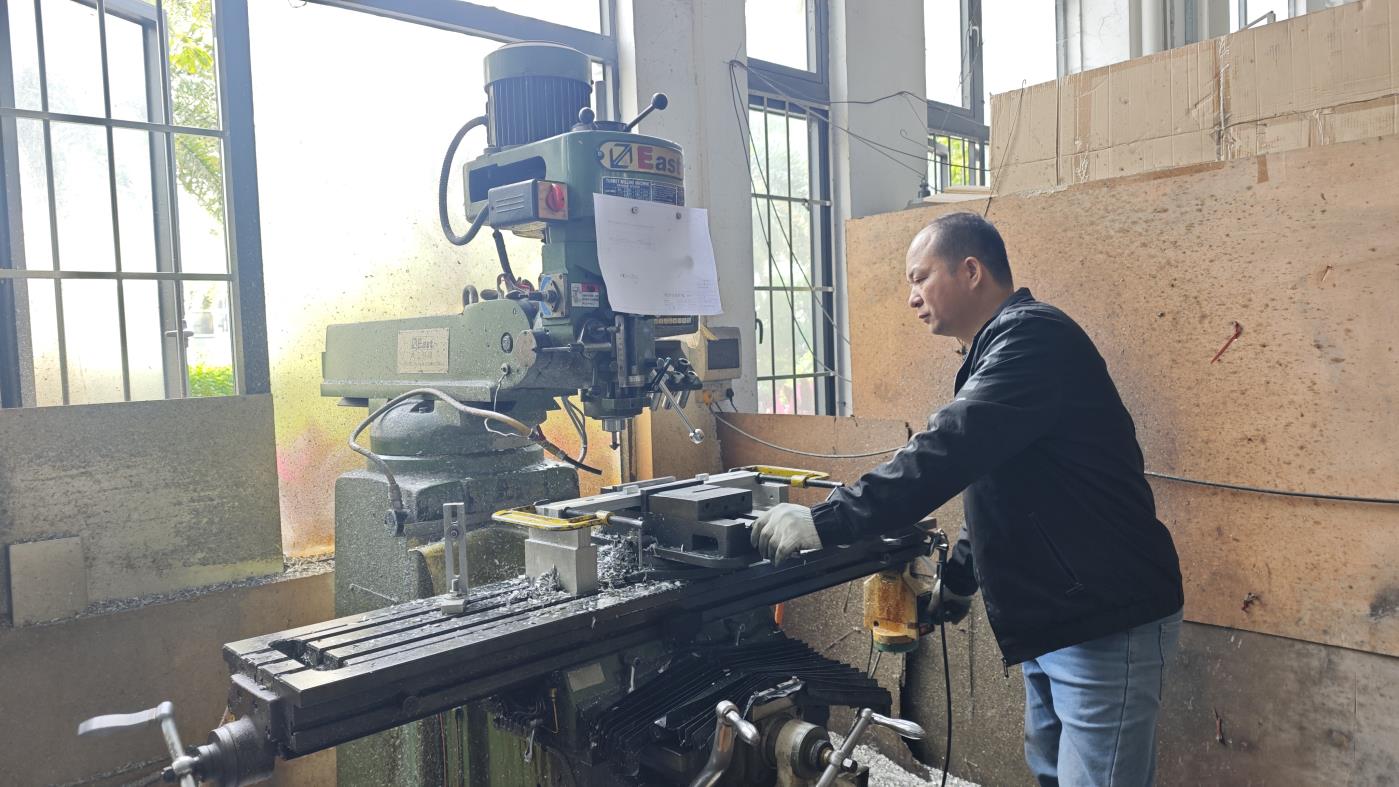
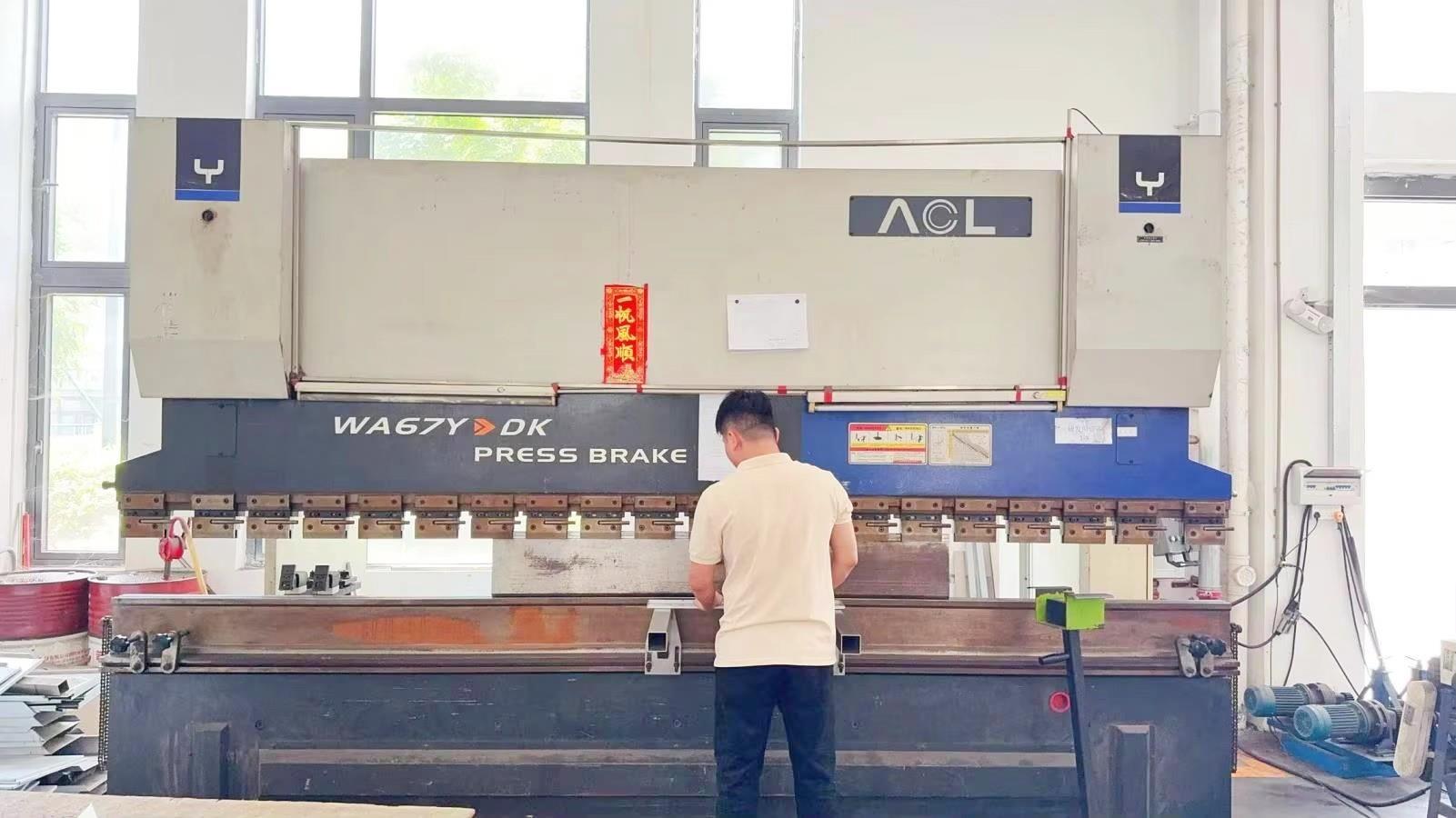
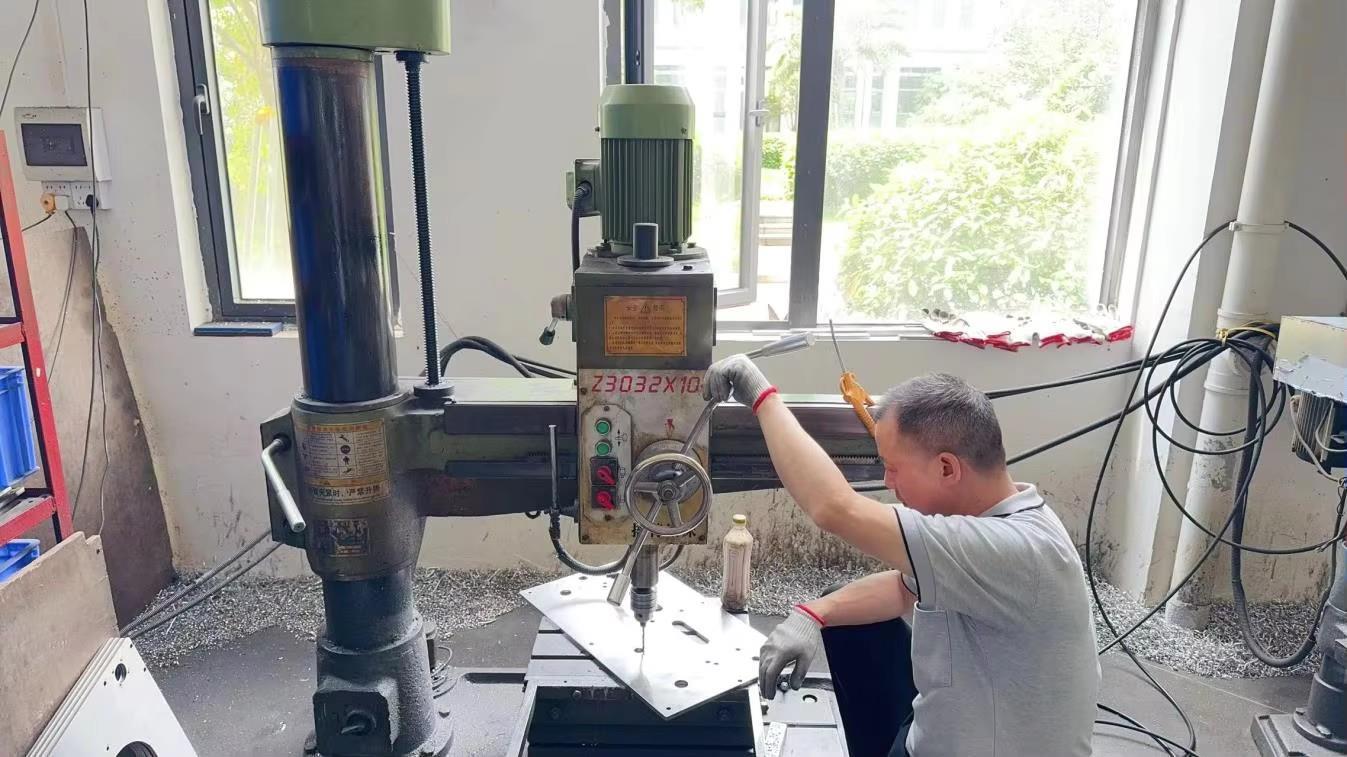
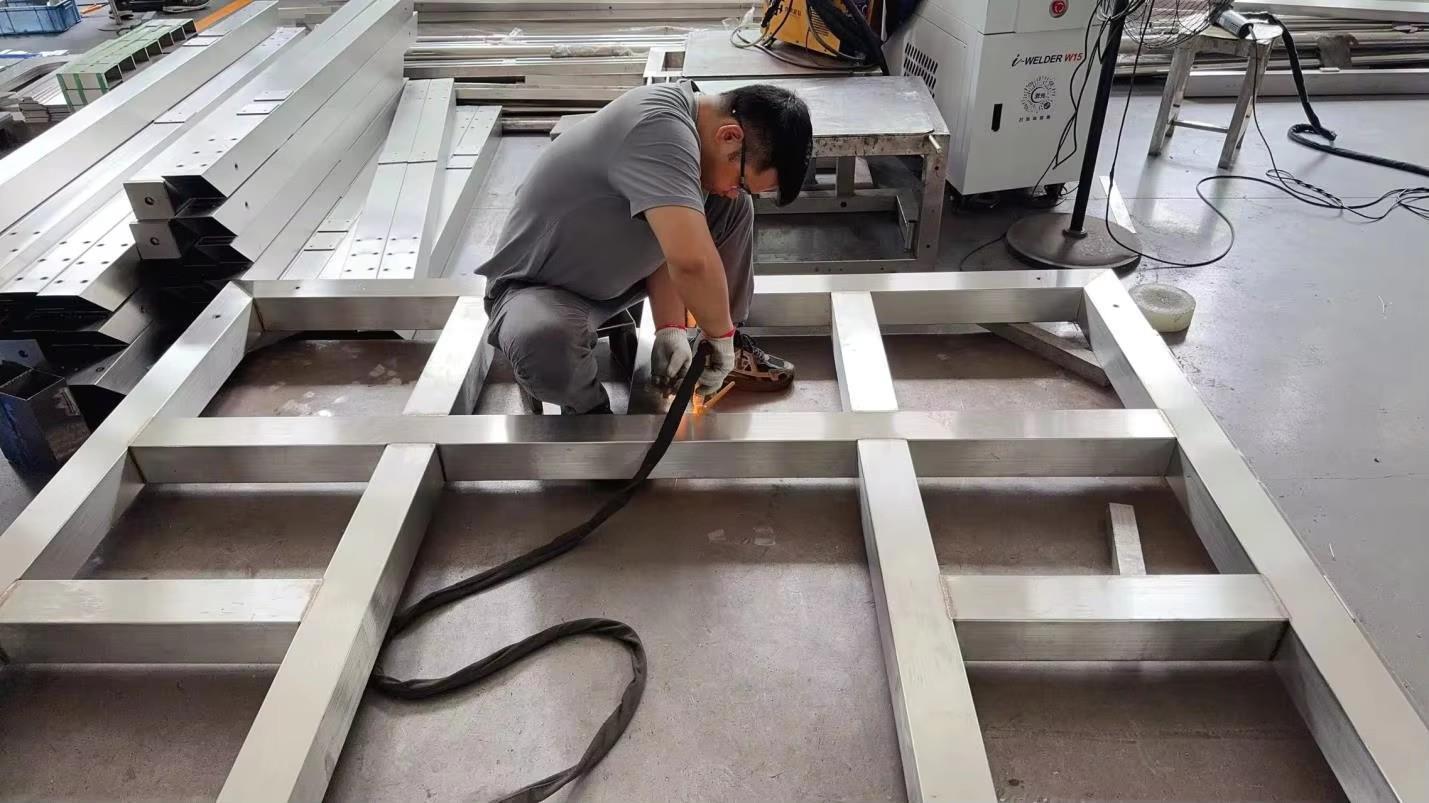
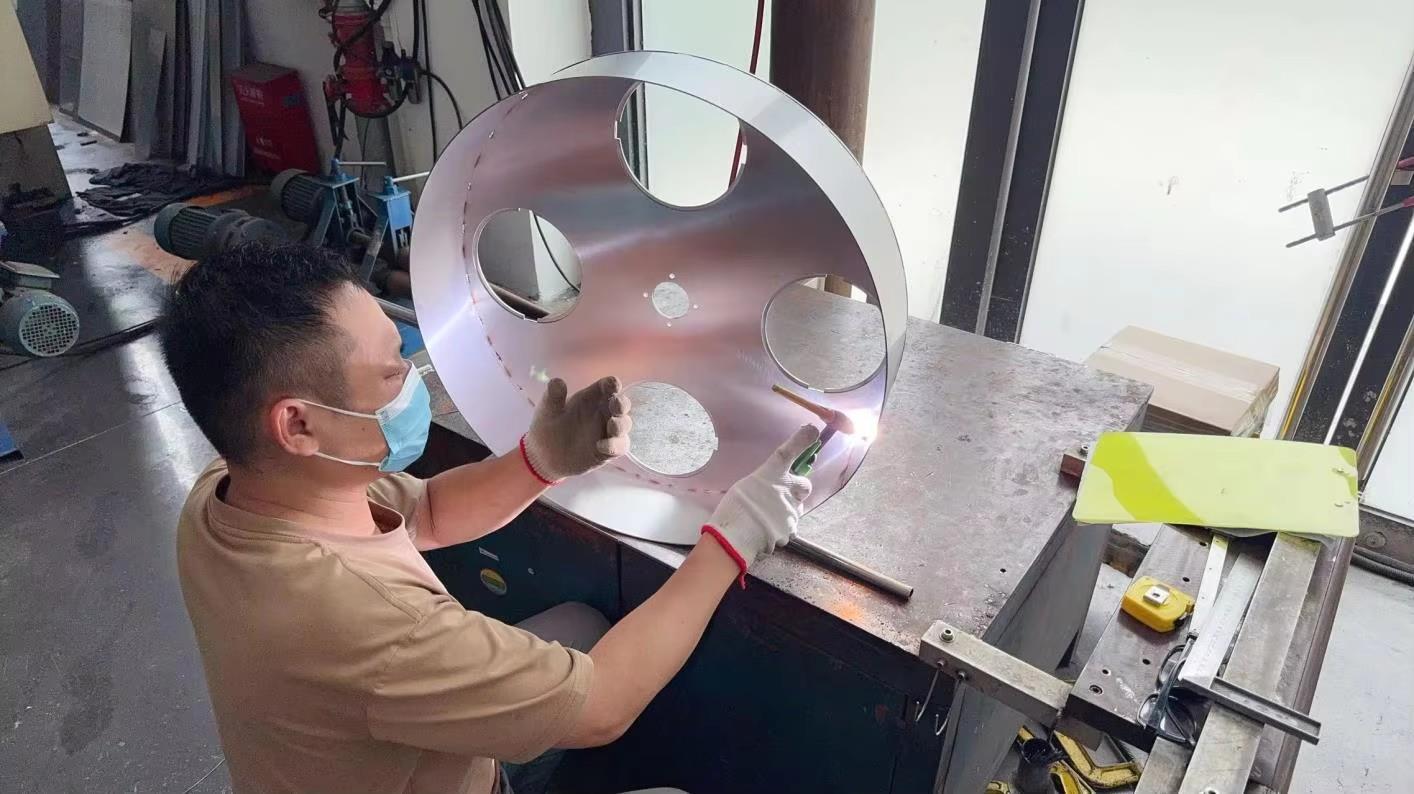
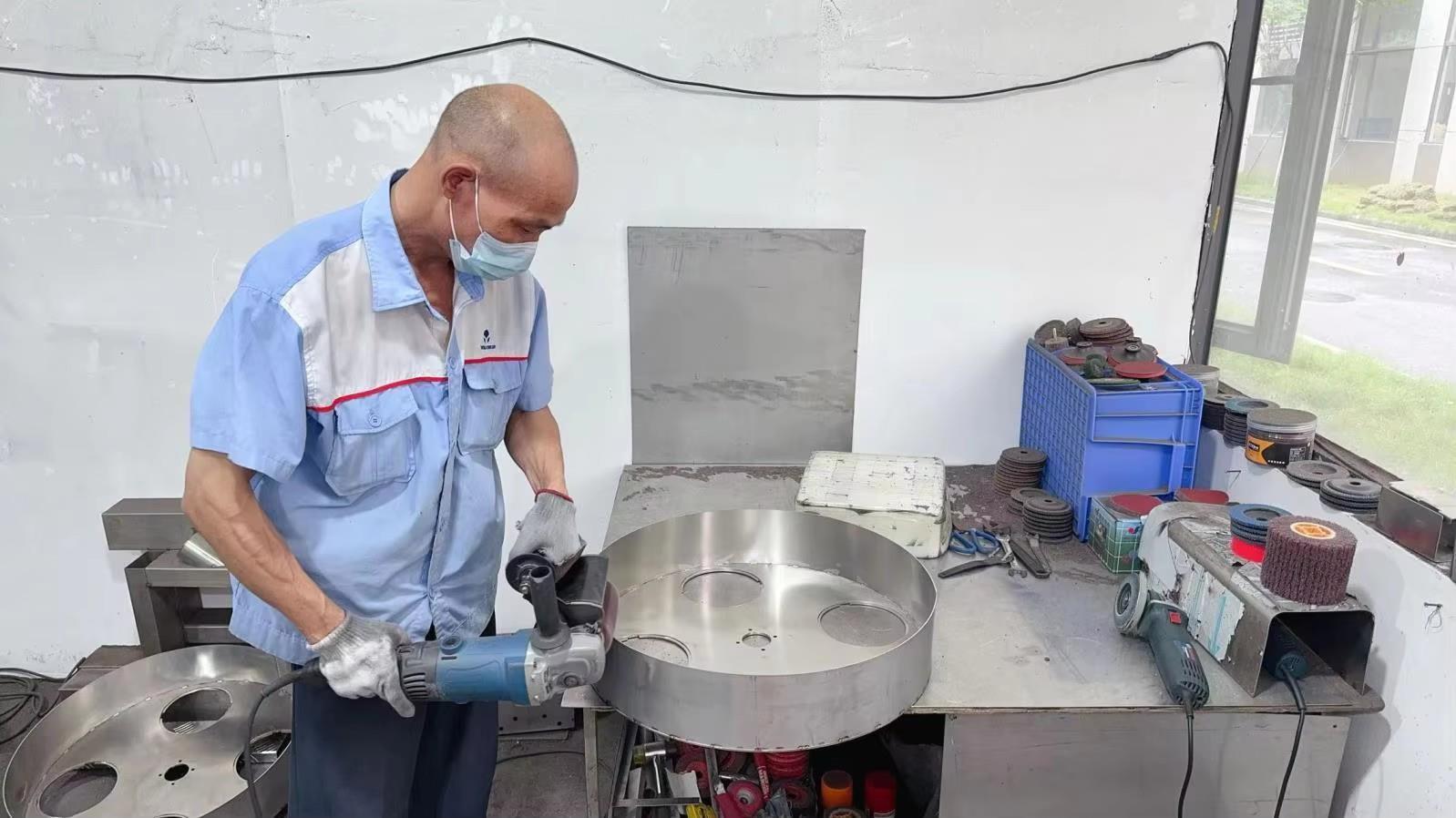
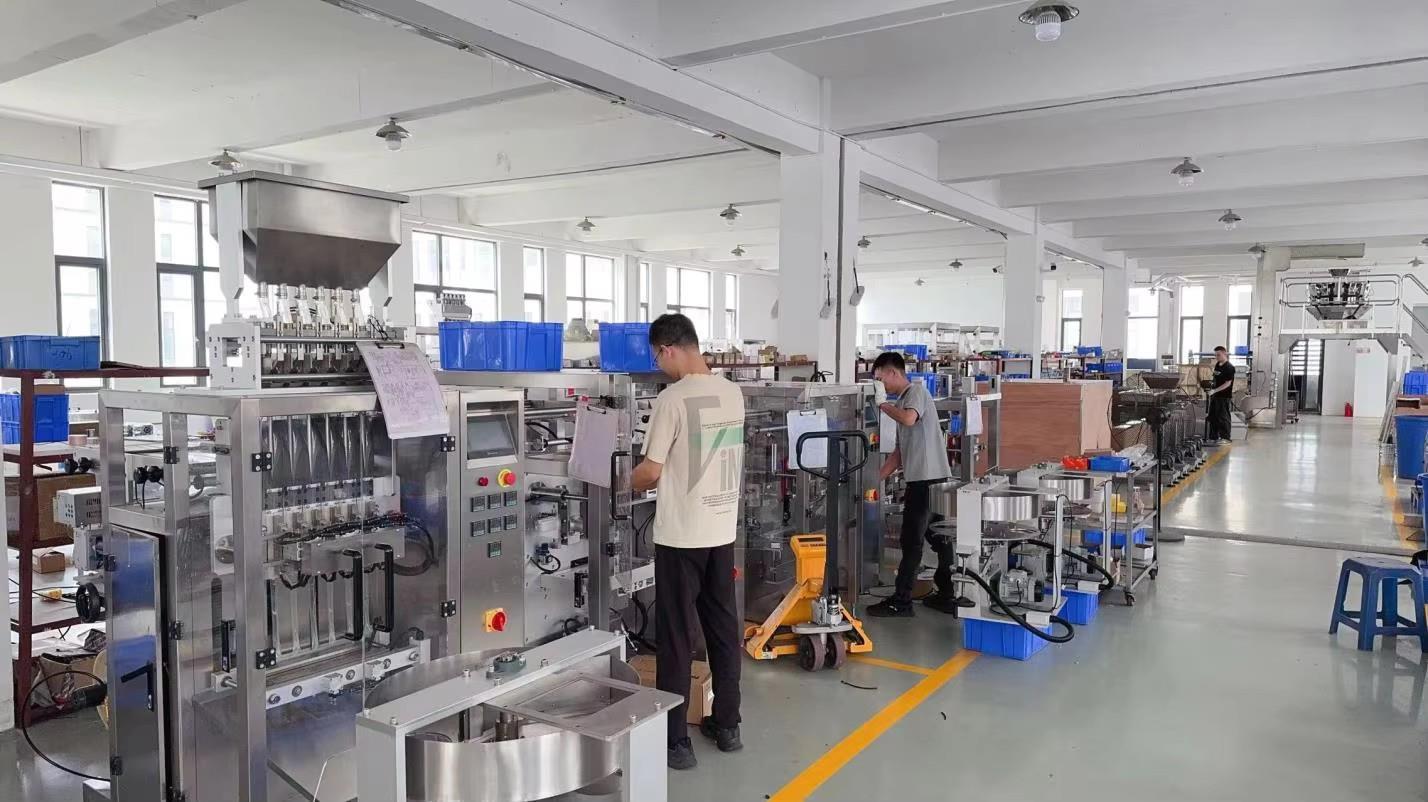
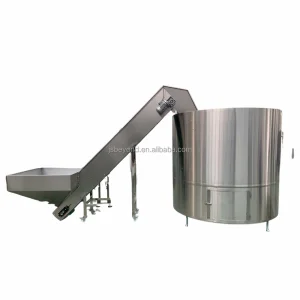
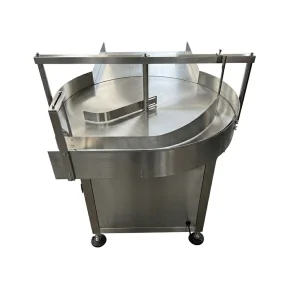
Effective bottle unscrambling depends on managing the physical orientation of high-inertia containers without damaging the material structures. Modern plastic containers (primarily PET, HDPE, and PP) and lightweight glass bottles exhibit different friction parameters. For instance, PET bottles are prone to static electricity build-up, whereas glass containers exhibit higher surface friction and fragility. Collins' unscrambler machines mitigate these vulnerabilities using dual-speed rotary mechanisms, optimized centrifugal pathways, and custom guide tracks.
Our research and development pipeline focuses on implementing intelligent mechatronic solutions for packaging lines. Standard machinery often relies on mechanical change-parts to adapt to different bottle formats. However, our advanced linear and rotary configurations integrate digital servomotors with precision control. This allows mechanical parameters to adjust through HMI software profiles, reducing changeover operations from hours to minutes.
Collins' product roadmap targets key industry changes: transition to recycled PET (rPET), increased line integration, and implementation of IoT diagnostics. As local regulations push for sustainable packaging, the physical variability of rPET containers is increasing. Our engineering team addresses this by developing flexible sorting gates that adapt to deviations in bottle weight and density, ensuring continuous feed rates without line jamming.
| Parameter Specification | Standard Duty Series | High-Speed Rotary System | Linear Smart Feeder |
|---|---|---|---|
| Maximum Sorting Throughput | 40 - 100 BPM | 150 - 300 BPM | 80 - 180 BPM |
| Applicable Bottle Formats | Round Cylindrical, Jars | Round, Oval, Light Square | Asymmetrical, Custom Profiles |
| Container Material Support | HDPE, PET, Heavy Glass | PET, PP, Thin-Wall Containers | PET, Glass, Rigid Plastics |
| Changeover Protocol | Manual adjustment guides | Toolless changeover components | Fully Automated HMI Preset Recalls |
| Safety Compliance Certifications | ISO 9001, RoHS | CE Standard, ISO 9001 | CE Standard, RoHS, UL Optional |
Explore our comprehensive portfolio of linear, rotary, and desktop unscrambling machines designed for diverse manufacturing footprints.
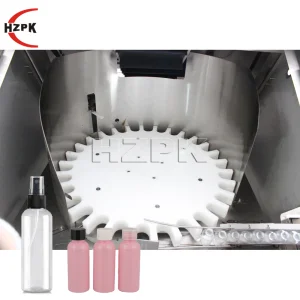
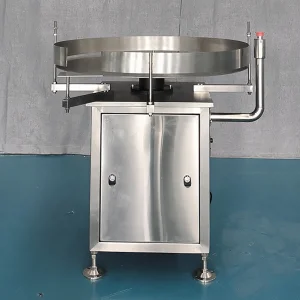
Deploying automated equipment in the Osaka industrial district requires compliance with local standards and electrical practices. Standard Japanese power grids operate at 100V single-phase or 200V three-phase, with Kansai running at 60Hz. Our design engineers configure all electrical systems, including PLCs, servo drivers, and sensors, to support these specifications. This design eliminates the need for external voltage transformers and matching hardware, ensuring compatibility on the factory floor.
Compliance with local safety frameworks is a key requirement for Japanese machinery installations. Collins systems conform to JIS (Japanese Industrial Standards) and PSE certifications, and meet CE directives for export. The mechanical systems use integrated safety interlocking doors, light curtains, and safety circuits that cut power when opened, protecting operators and minimizing liability during maintenance.
An executive case study of a beverage plant in Sakai highlights these engineering advantages. The client needed to sort lightweight 500ml PET bottles at 240 BPM. Standard rotary systems caused line jams because the thin-walled bottles tended to deform under pressure. Collins implemented a custom High-Speed Rotary System equipped with a soft-action sorting plate and an air-assist orientator. The configuration achieved stable operation with a scrap rate below 0.01%, improving upstream feeding reliability and line efficiency.
In pharmaceutical settings, dust control is critical. In a pharmaceutical application in Doshomachi, Osaka, we installed a linear unscrambling system enclosed in an acrylic dust hood with HEPA filtration. The machine contact parts are constructed from SUS316L stainless steel, polished to a mirror finish (surface roughness Ra < 0.4 μm) to prevent bacterial growth and simplify clean-in-place (CIP) protocols. Integrated ionized air blowers remove static charges and clear internal dust, meeting strict quality standards for sterile liquid filling lines.
Find engineering answers to common technical queries about bottle unscrambler mechanics, integration, and performance optimization.
Static electricity is common when handling PET or HDPE bottles, especially in dry operating environments. Our systems can be configured with integrated ionized air bars at the discharge conveyor and sorting drum. This design neutralizes electrostatic charges, preventing bottles from sticking to the guide tracks and helping clear fine dust before filling.
Yes. With custom-engineered interchangeable parts, our rotary unscramblers can process both plastic and glass containers on the same line. Glass containers require soft-contact polymers and wear-resistant liners (such as polyurethane or POM) along the guide rails to prevent scuffing and impact damage.
Changeover times depend on the system configuration. Standard systems use quick-release handles and numerical scales, enabling manual adjustments in 15 to 20 minutes without tools. Advanced series feature motorized adjustments and HMI preset menus, allowing operators to change sorting profiles in less than 5 minutes.
Yes, our machines are designed for the Japanese market. We supply machines configured for Kansai's 200V, 3-phase, 60Hz grid. The control panels use components from brands like Mitsubishi Electric, Omron, and Fuji Electric to comply with local factory regulations and safety guidelines.
Asymmetrical bottles, such as containers with offset necks or trigger sprays, require specific orientation. We design custom mechanical selectors and optical sensors that detect container asymmetry. If a bottle is misoriented, the system corrects its orientation or diverts it back to the hopper before it enters the discharge lane.
If a deformed bottle causes a jam, the main rotary motor can experience a torque overload. Our unscramblers integrate adjustable mechanical slip clutches and current overload sensors in the PLC. If a jam is detected, the system shuts down within milliseconds to prevent damage to the drive assembly, and triggers an alarm on the HMI.
Routine maintenance includes daily dry-air cleaning of the photoelectric sensors, weekly checks on belt tension, and monthly lubrication of the main drive bearings. Our components are designed for accessibility, allowing operators to complete standard inspection tasks without dismantling the machine frame.
 Collins Machine