Precision Weight-Based Filling Technology, Industry 4.0 Smart Manufacturing Integration & Custom B2B Automation Solutions
Explore our highly precise, industrial-grade automated packaging and sealing systems designed to integrate seamlessly into modern production environments. Each system represents decades of R&D focused on consistency, throughput, and minimized product giveaway.
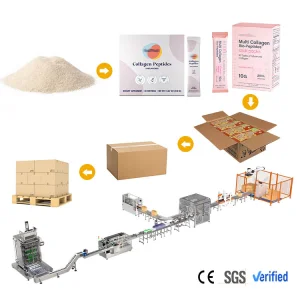
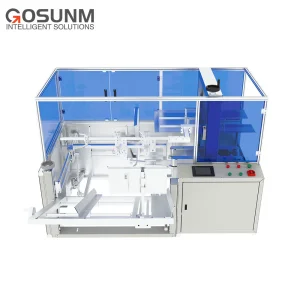
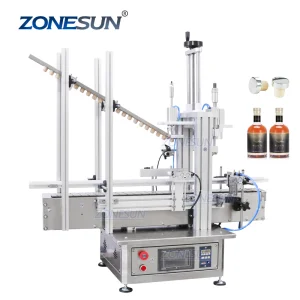
In the global processing and packaging industries, the mandate for high-precision liquid and powder dosing has shifted from volume-based control to mass-based measurement. Gravimetric filling (filling by weight) represents the gold standard for high-value liquid formulation, petrochemical distribution, pharmaceutical production, and food packing. Unlike volumetric fillers, which are subject to variations based on temperature, viscosity, ambient pressure, and air entrapment, gravimetric fillers measure the true mass of the product directly. This ensures that a target fill weight of 5kg, 20kg, or 200kg remains constant regardless of whether the fluid is a highly viscous polymer at 15°C or a fluid oil at 40°C.
Today, global markets demand maximum material yield and strict compliance with global weights and measures standards (such as OIML R87, NIST Handbook 133, and MID directives). Under-filling leads to severe legal penalties and loss of customer trust, while over-filling (product giveaway) directly erodes corporate bottom lines. In high-volume chemical processing lines, reducing average overfill by just 0.2% can save hundreds of thousands of dollars annually. Consequently, the adoption of gravimetric fillers has surged across North America, Europe, Asia-Pacific, and emerging markets, with China emerging as the world's primary hub for both manufacturing capacity and technological innovation in this segment.
Implementing real-time closed-loop feedback algorithms with industrial load cells to guarantee weight accuracies up to ±0.1% to 0.2% of target fills.
Dynamic pneumatic nozzle configurations handle everything from water-thin liquids to dense pastes, preventing dripping, aeration, and foaming.
Outfitted with Ethernet/IP, Modbus TCP, and OPC UA protocols, supporting telemetry output directly to plant ERP, MES, and SCADA systems.
Established in 2015, Henan Collins Machine Co., Ltd. has dedicated its operations to the research, development, engineering, and manufacturing of integrated packaging and industrial process line automation. Driven by a core philosophy of technical precision and dependable execution, the company has secured 20 national invention patents. This deep IP portfolio forms the foundation of our robust machinery designs, spanning labeling systems, filling rigs, capping lines, industrial coding setups, electromagnetic sealing systems, and specialized heat-tunnel shrink-wrapping configurations.
Our state-of-the-art manufacturing campus extends across 5,000 square meters, housing a comprehensive suite of metal fabrication, mechanical machining, and electrical assembly sectors. Here, a dedicated workforce of over 80 skilled engineers, designers, and systems technicians direct rigorous engineering workflows. Collins operates advanced automated metal coating, sheet slitting, and computerized testing bays to guarantee that every subsystem—from basic brackets to multi-lane filler manifolds—meets strict international metrics. Henan Collins is certified under ISO 9001, SGS, and RoHS, ensuring global compliance for OEM operators, contract packaging groups, and major chemical/food brands alike.
Beyond raw machinery assembly, Collins excels at providing a complete vertical ecosystem. We develop, engineer, and export highly specialized labeling machinery, liquid/powder filling units, vertical form-fill-seal (VFFS) systems, thermal transfer overprinters (TTO), ribbon coders, continuous ink roller coders, and fiber/CO2 laser marking stations. To support these systems indefinitely, we maintain a robust inventory of critical consumables: high-performance TTO ribbons, premium thermal carbon transfer foils, durable hot stamp ink rollers, and specialized self-adhesive label papers. Our capability delivers a reliable one-stop procurement structure for operations worldwide.
To understand why gravimetric filling excels, it is critical to analyze the technical architecture of these systems. As industrial products change temperature, their density varies. A volumetric piston filler calibrated to dispense 1000ml of oil at 20°C will end up dispensing fewer grams of oil when the oil heats up to 35°C (due to volumetric expansion). Gravimetric filling entirely bypasses this issue by monitoring the physical weight of the container in real-time during the filling process.
Using a coarse and fine feed method (bulk and dribble flow). The system opens the primary valve completely to transfer 90% of the target material rapidly. It then switches to a micro-aperture dribble feed to incrementally top up the final 10% of weight, preventing splash-back and eliminating over-travel errors.
Before each fill cycle, the PLC polls the load cell to perform a tare measurement. This eliminates variables such as slight container weight deviations, product build-up on the nozzle tip, or dust settlement on the scale deck, ensuring every fill is judged from a pure relative zero.
Industrial floors vibrate due to adjacent pumps, forklifts, and rotary motors. Modern gravimetric systems utilize advanced digital signal processing (DSP) filters to electronically isolate high-frequency vibrations from the static gravity reading, preventing sensor noise from disrupting dosing.
Depending on the target industry and geographic location, gravimetric fillers require specific configurations. The following matrices outline how Henan Collins custom-tailors packaging machinery solutions across major sectors to handle varied material profiles.
Challenge: Heavy, viscous liquids that foam easily and change viscosity dramatically with temperature shifts. Often packed in large pails or metal drums (20L to 200L).
Collins Solution: Deep subsurface lance filling where the nozzle descends to the bottom of the drum and retracts progressively keeping the nozzle head submerged under the liquid line, minimizing foam generation. Explosion-proof enclosures (ATEX/IECEx certified components) are standard.
Challenge: Highly corrosive liquids, pesticides, acids, and aggressive solvents that degrade standard grade stainless steel and seal polymers.
Collins Solution: Contact components fabricated from Hastelloy, Titanium, or high-grade PTFE coatings. Seal configurations utilize Kalrez or fluoropolymer elastomers, and structural frames are enclosed with heavy acid-resistant poly shielding.
Challenge: Strict sanitary regulations, zero contamination tolerance, and rapid CIP (Clean-in-Place) or SIP (Sterilize-in-Place) protocols.
Collins Solution: Sanitary tri-clamp fitting manifolds, SUS316L liquid path routing with highly polished interior surfaces (Ra < 0.4µm), and automated clean cycles that flush out the system without total manual strip-down.
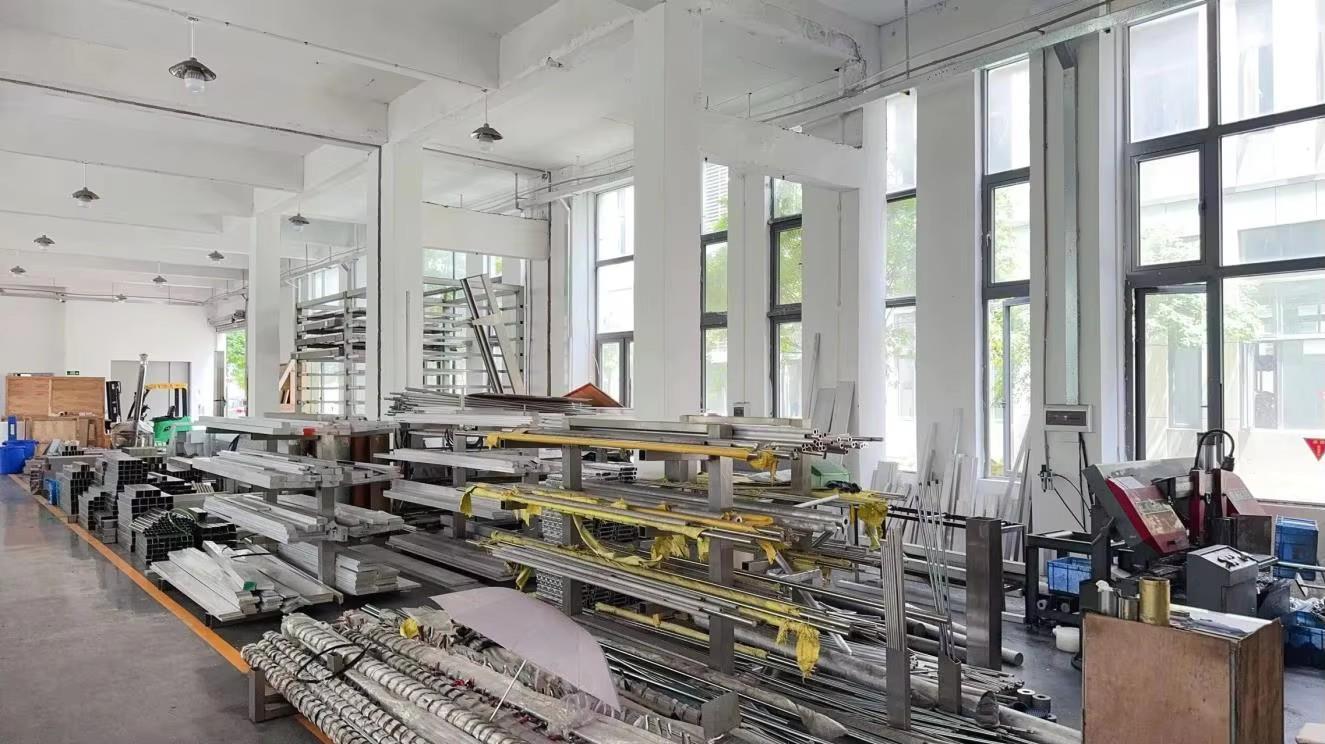
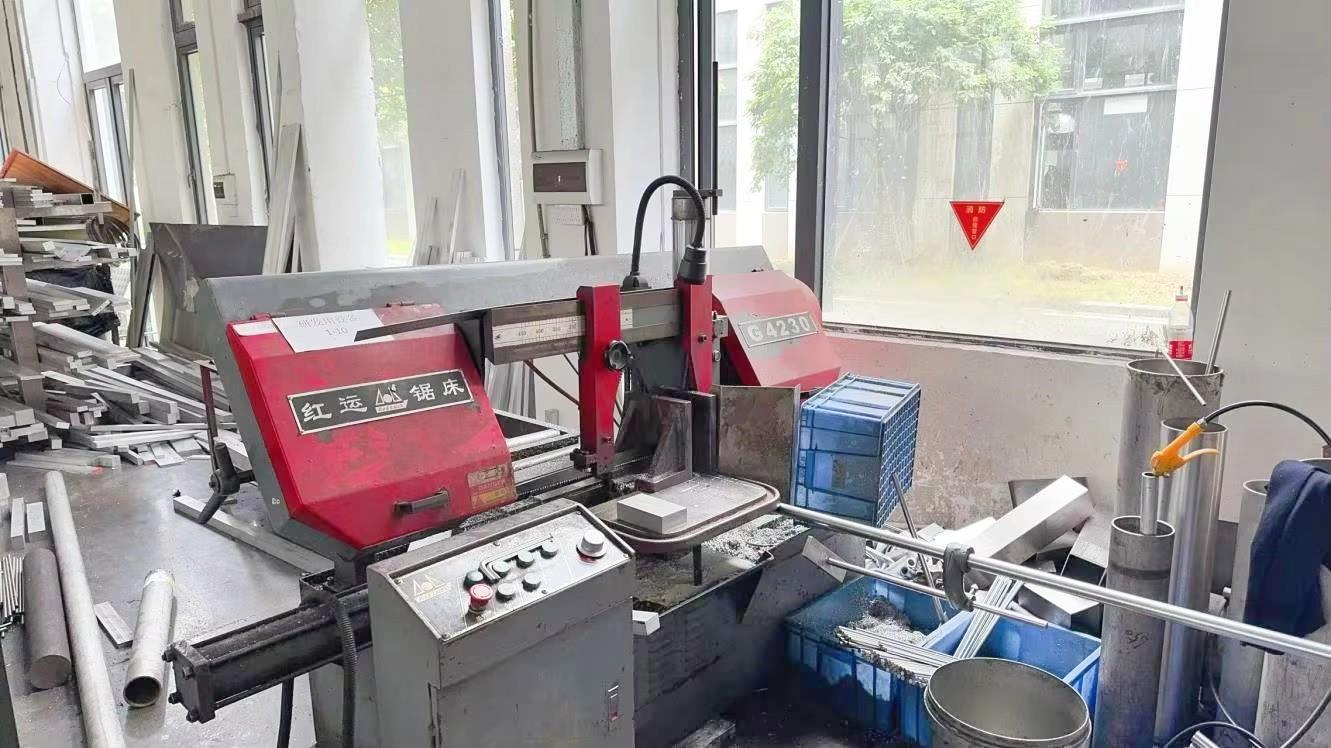
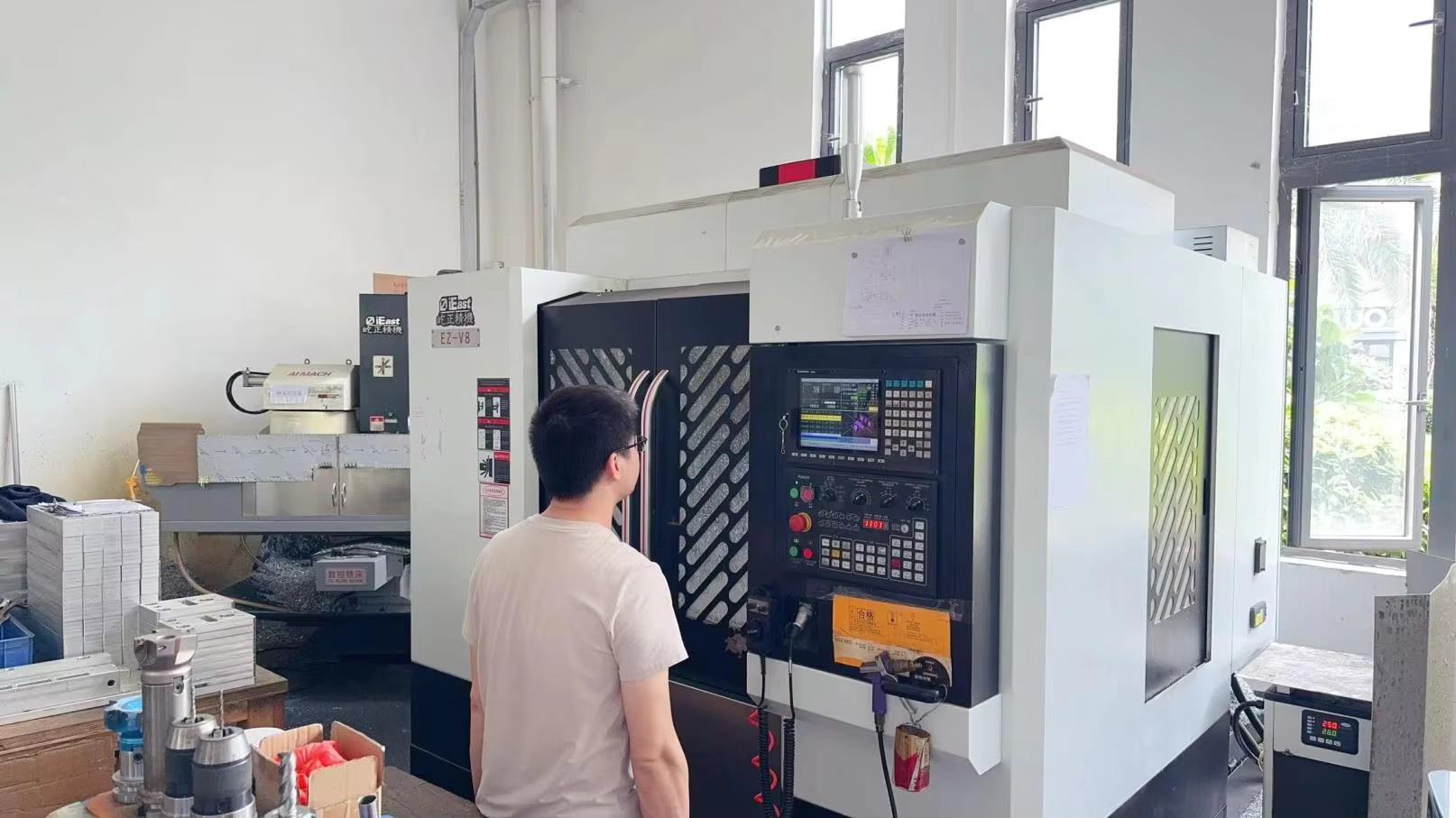
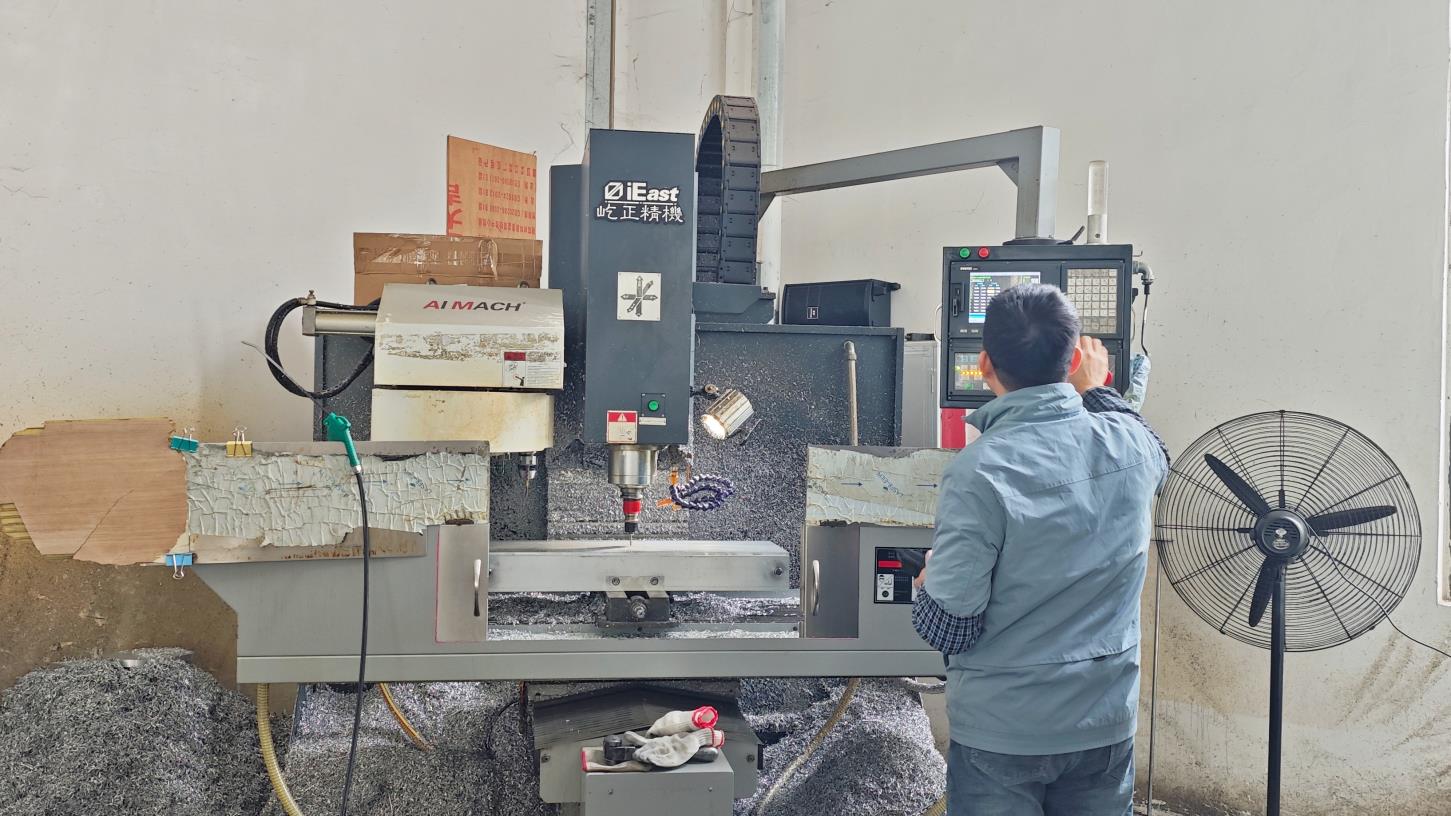
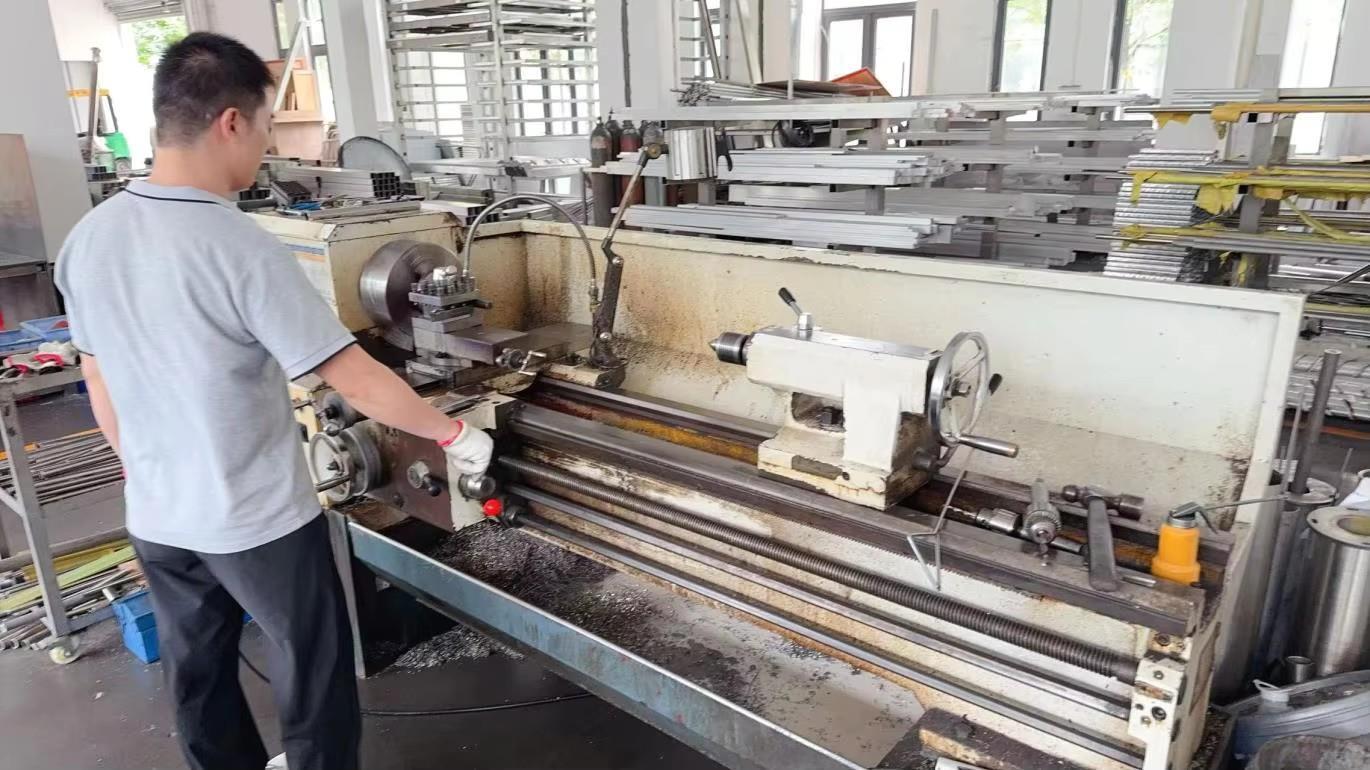
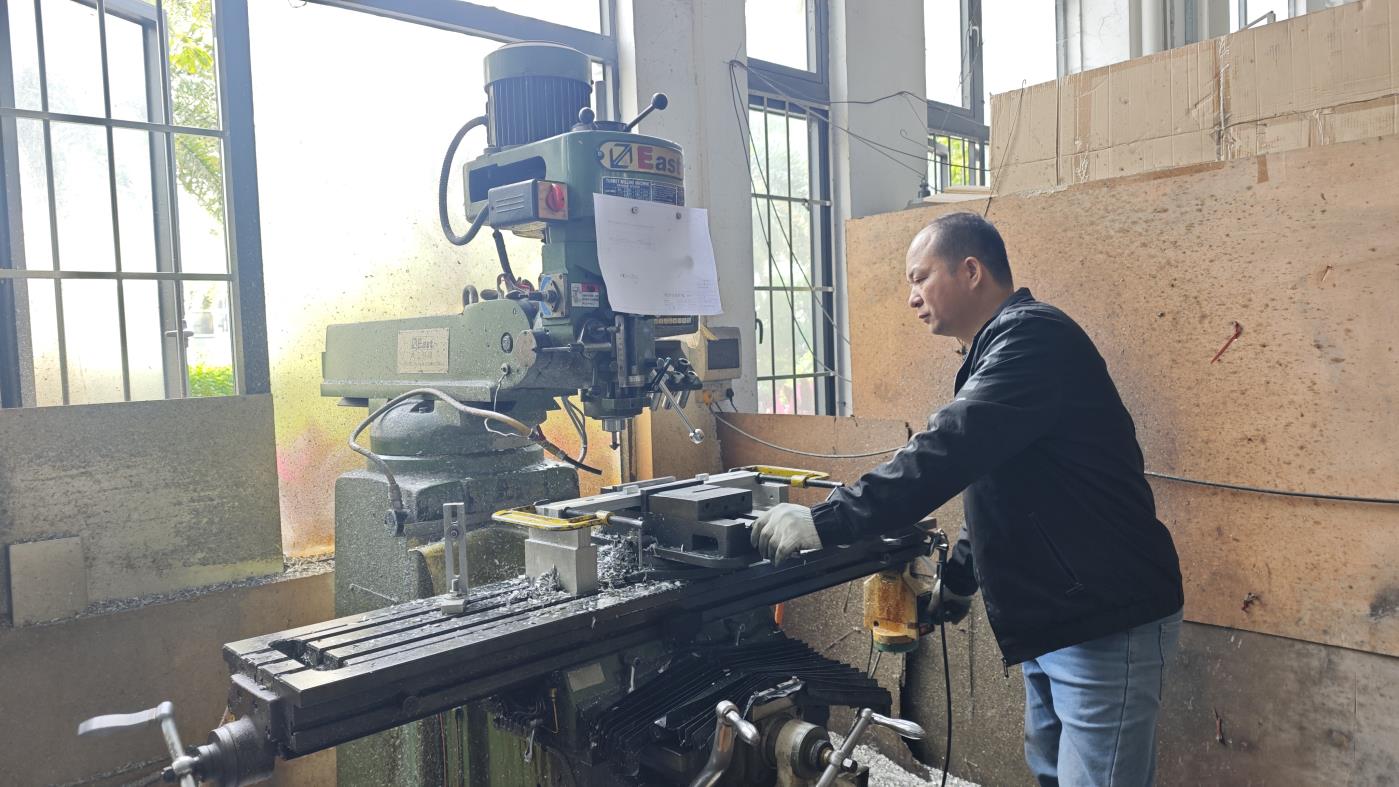
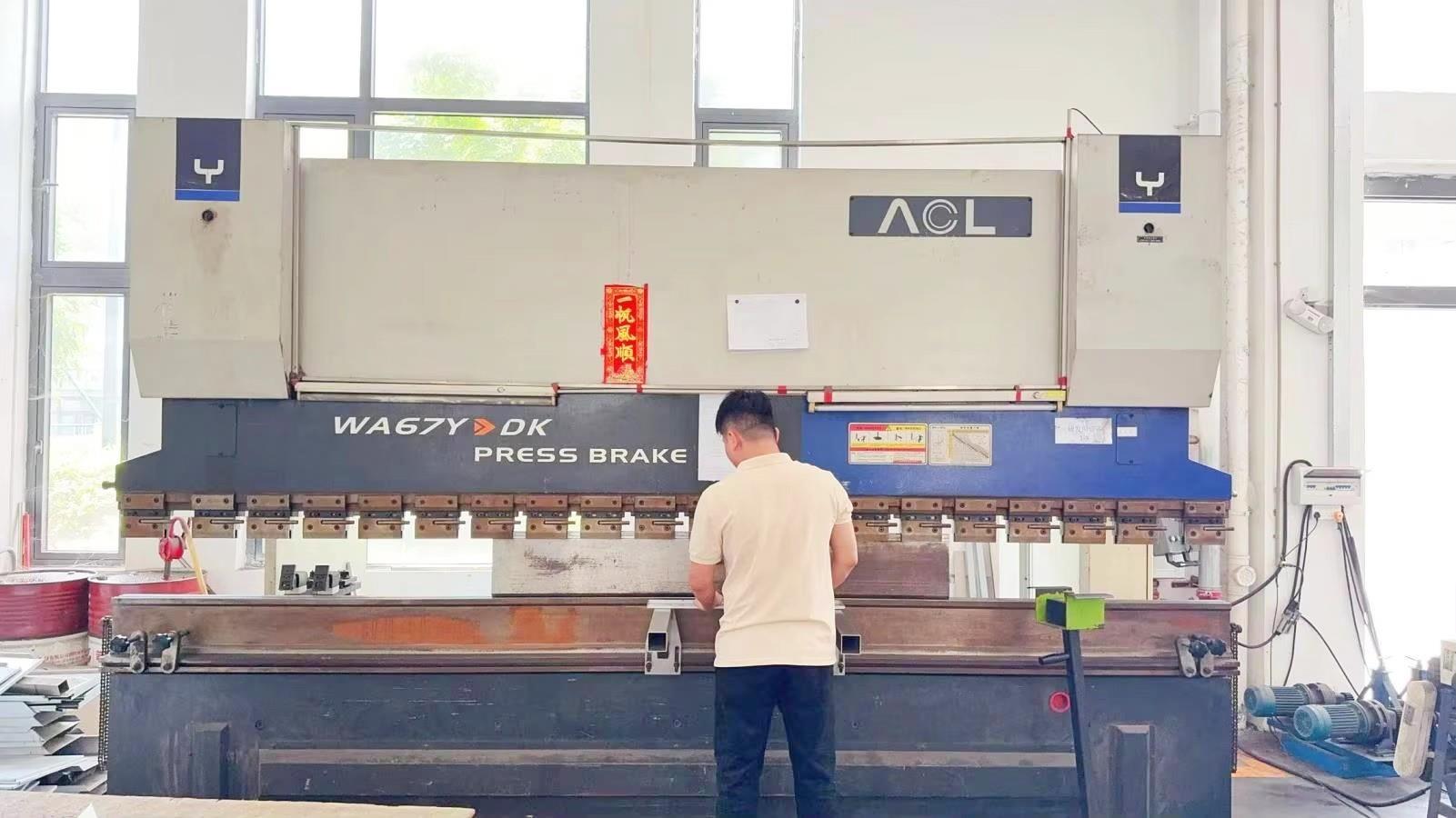
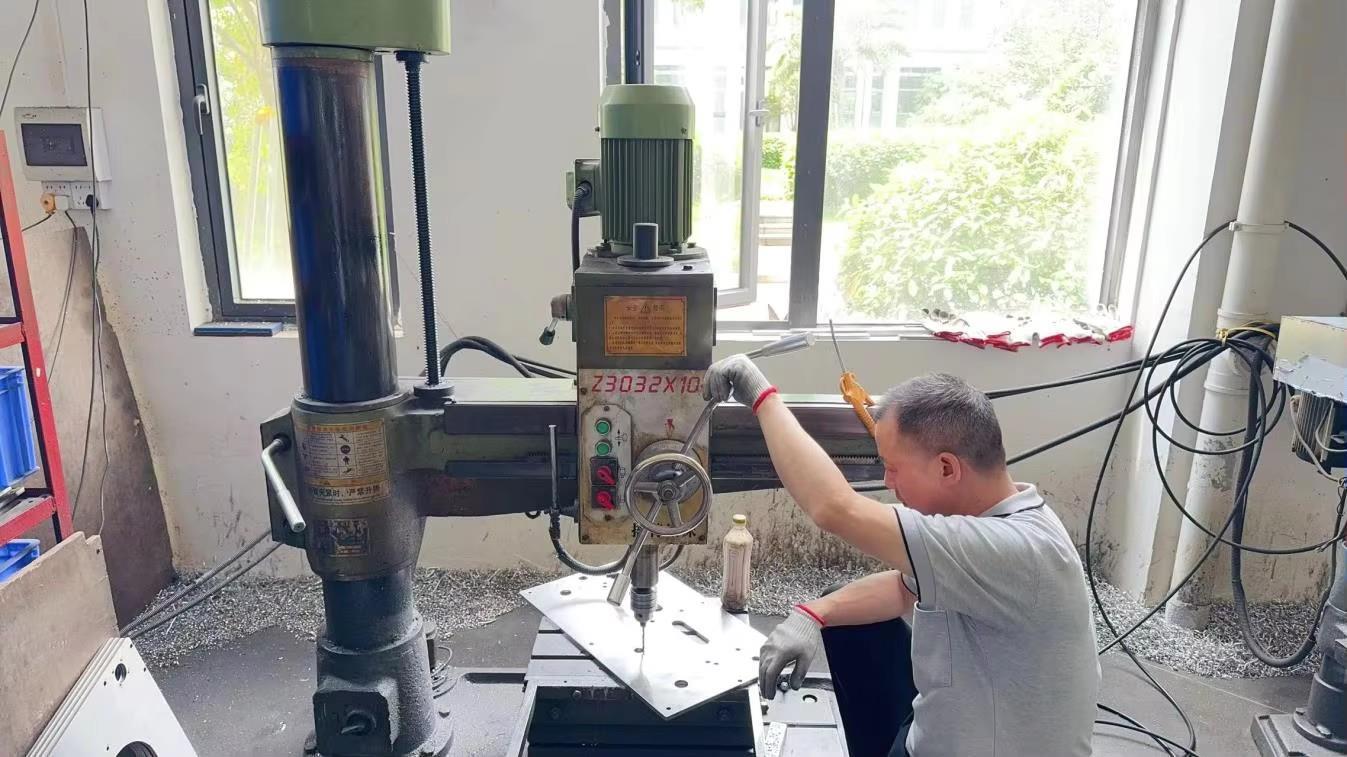
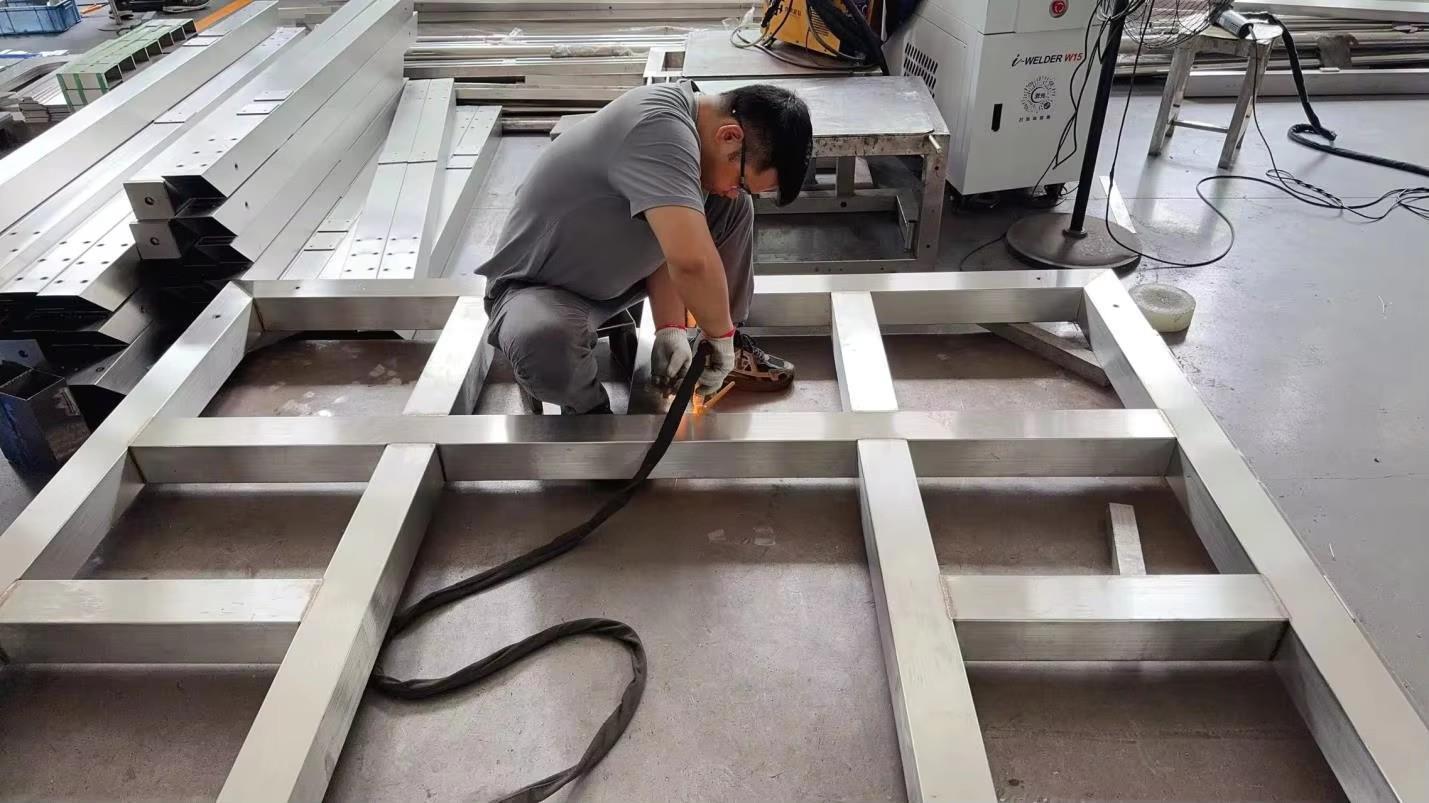
Our commitment to E-E-A-T (Experience, Expertise, Authoritativeness, Trustworthiness) is evidenced by our manufacturing transparency. We control the complete process from basic raw steel cutting to complex CNC milling, manual structural welding, surface polishing, and final electronics integration. Below are the actual stages of fabrication inside our Henan Collins 5,000 m² production facility.
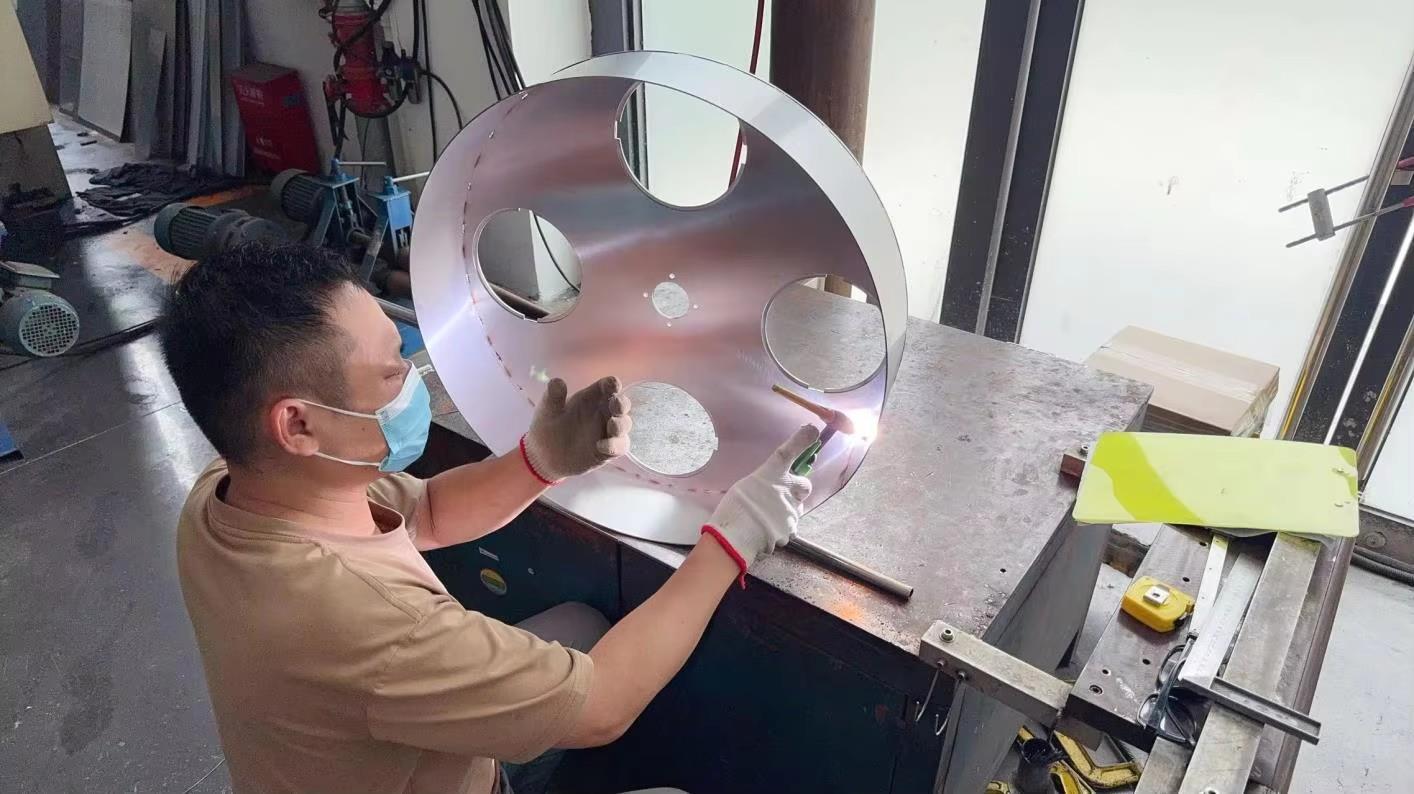


As manufacturing paradigms shift towards high efficiency and lower carbon footprints, gravimetric filling systems are undergoing rapid evolutions. Five distinct trends are defining the future roadmap for this technology:
Artificial intelligence and machine learning algorithms are being integrated directly into the core HMI. By tracking hundreds of fill cycles, the system predicts when drift is likely to occur due to nozzle mechanical wear or temperature shifts. It recalibrates itself autonomously without requiring operator shutdown.
Combining electromagnetic flowmeters with gravimetric scales. Flowmeters calculate rapid volume transport while the load cells confirm weight limits at the terminal point. This dual-sensor check decreases average filling cycle times by up to 25% while maintaining strict accuracy thresholds.
Minimizing residue inside product manifolds is key to modern environmental goals. Next-generation systems feature internal geometries that force residual product forward during a batch swap, lowering waste volumes by up to 80% and preventing VOC emissions during wash cycles.
Get answers to critical technical questions regarding the performance, commissioning, and operation of gravimetric weight-based filling machines.
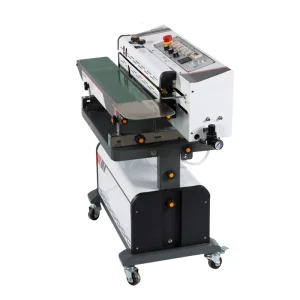
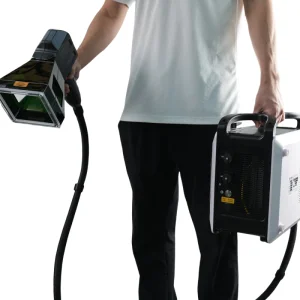
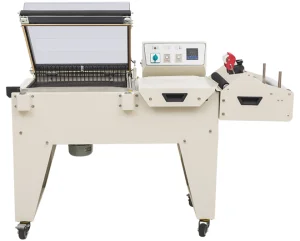
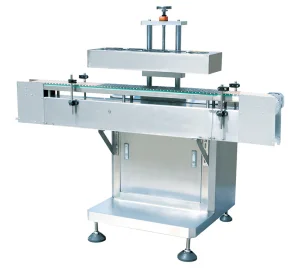
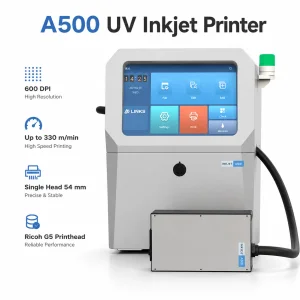
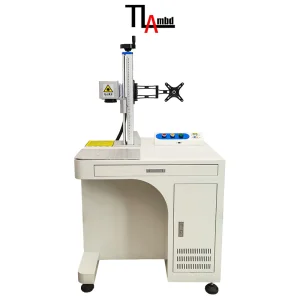
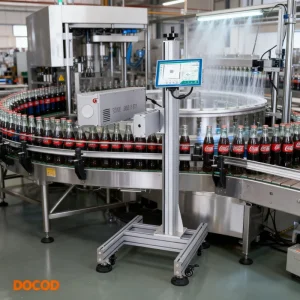
Explore our secondary line of industrial sealing, marking, vacuum packaging, and case erecting systems, engineered to support end-of-line productivity and product trace verification.

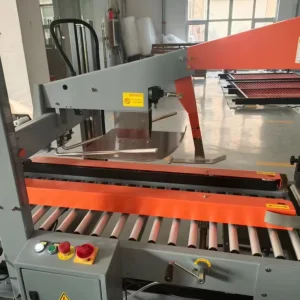
 Collins Machine