High-throughput packaging, filling, coding, and sealing solutions built to improve line efficiency and guarantee operational uptime.
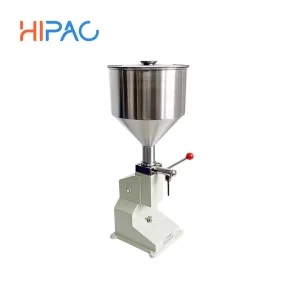
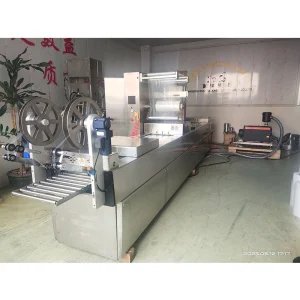
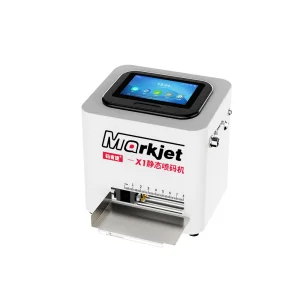
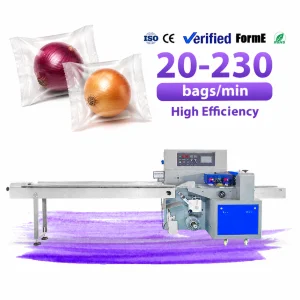
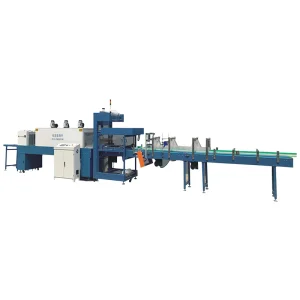
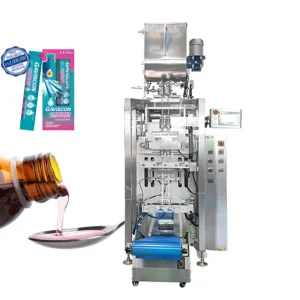
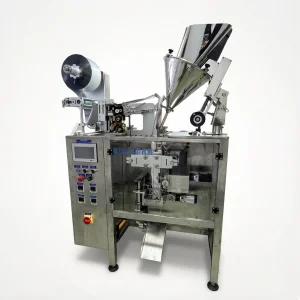
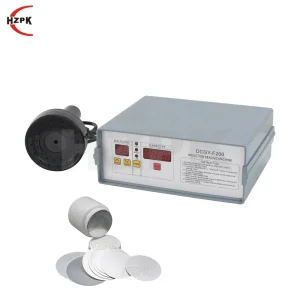
Decade-long innovation in engineering, high-capacity precision manufacturing, and globally certified automated lines.
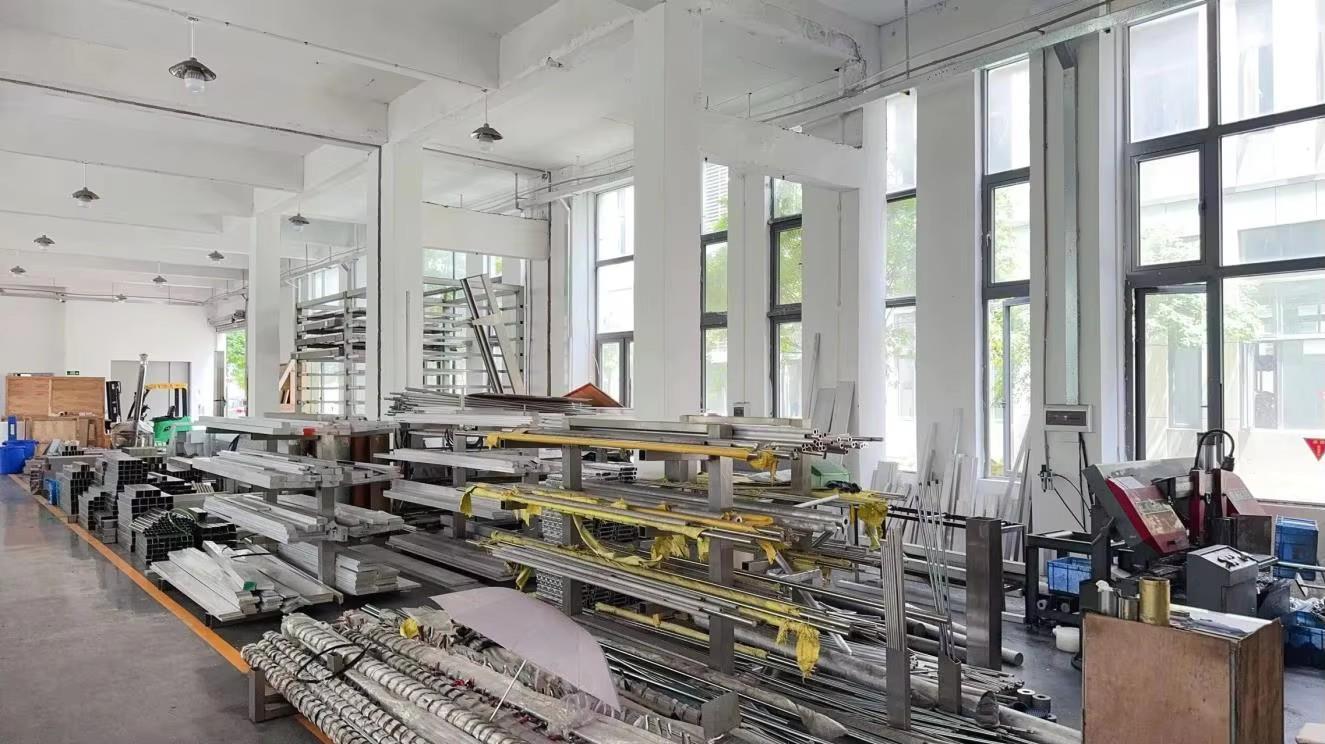
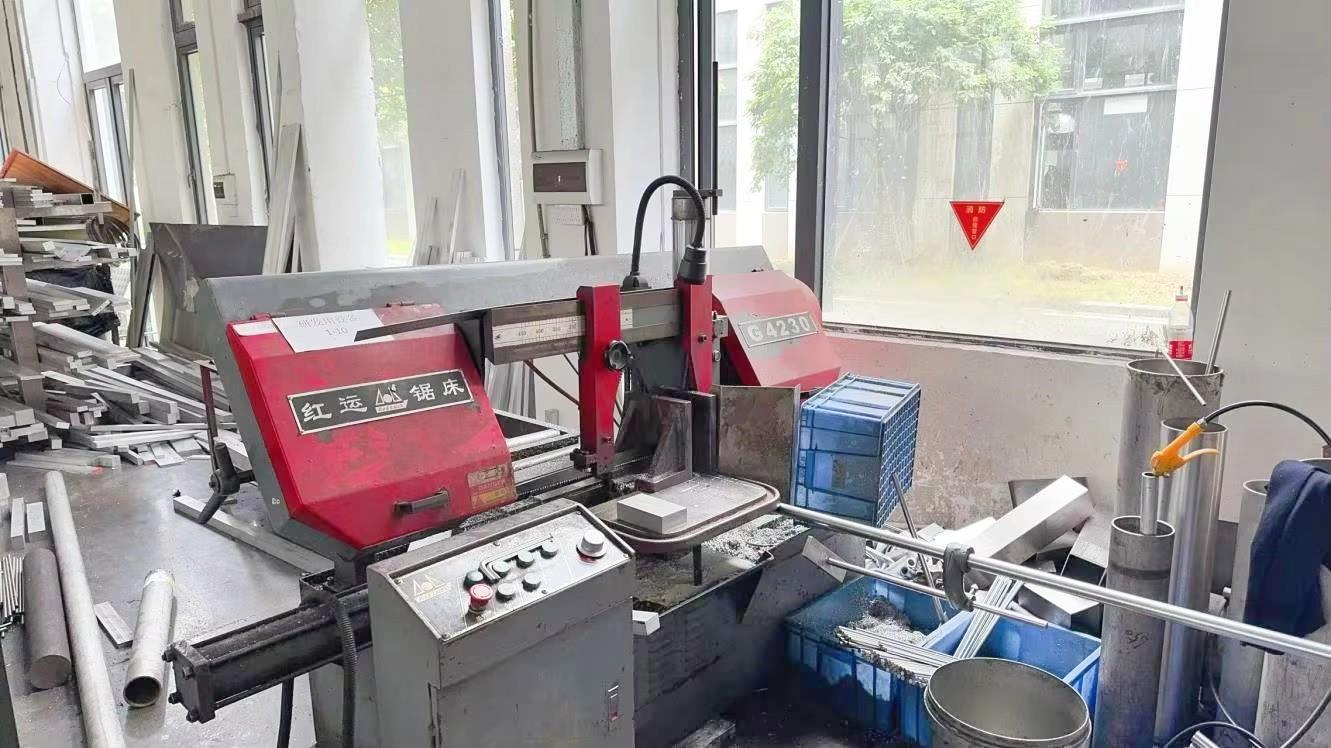
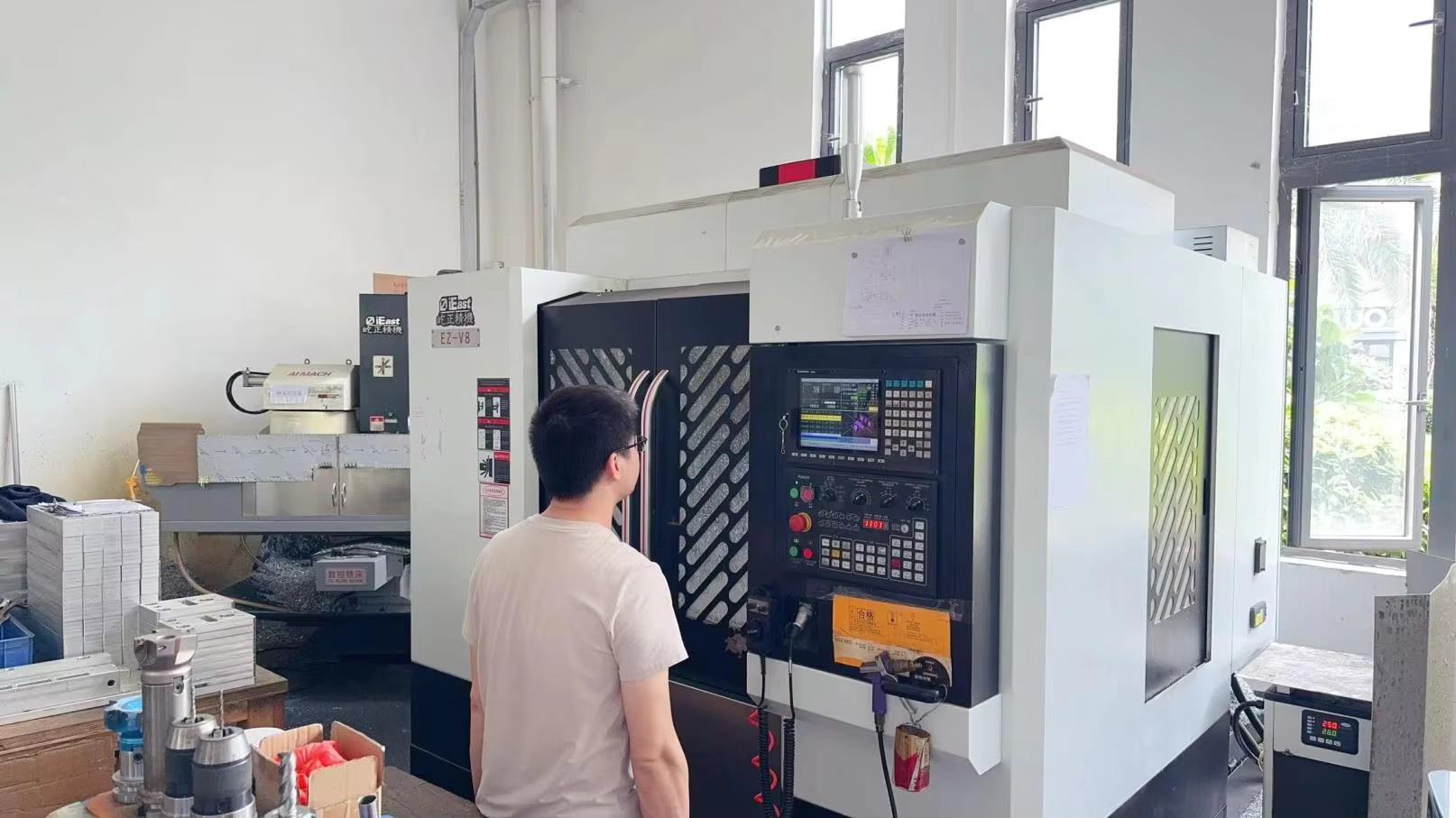
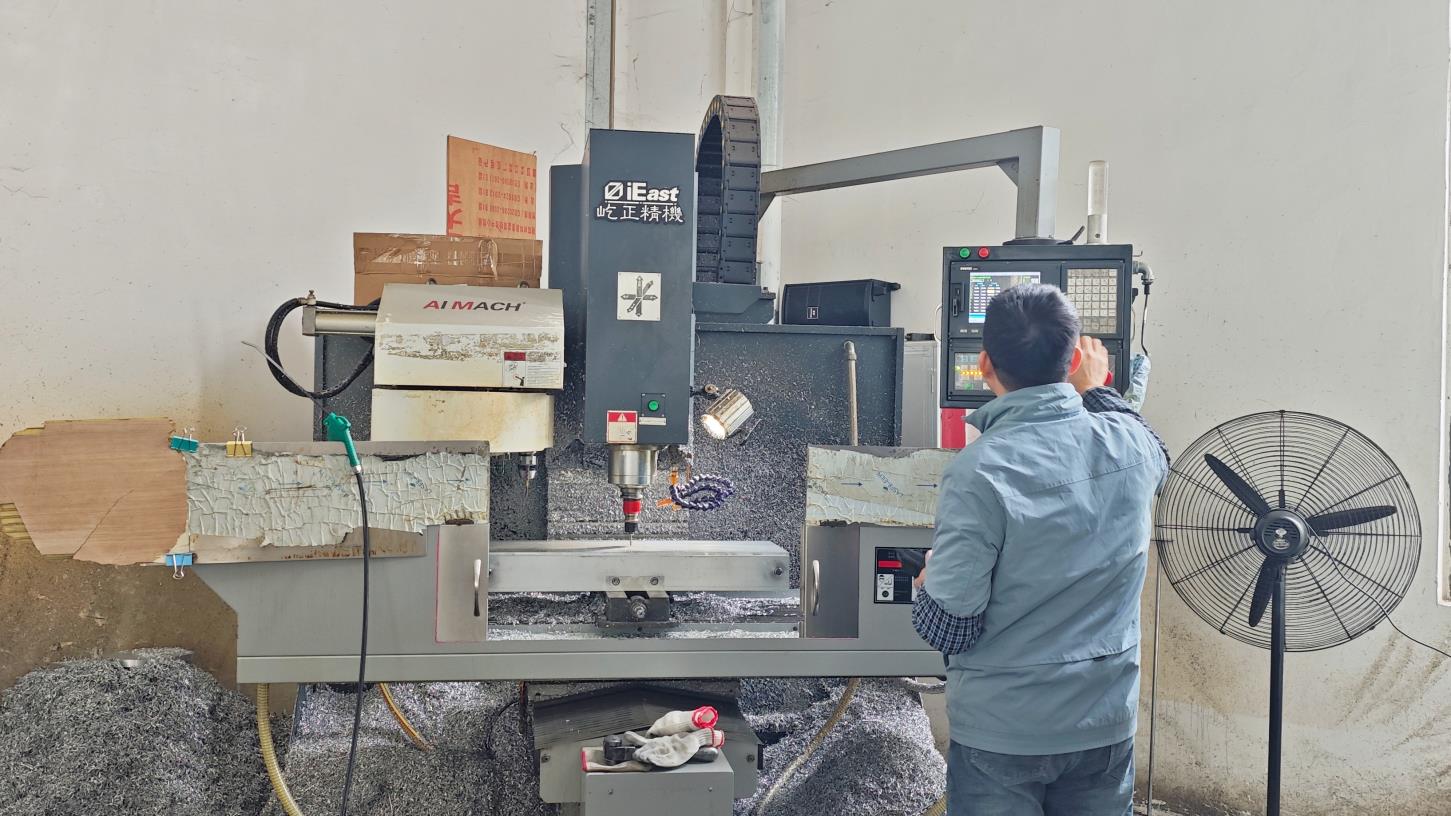
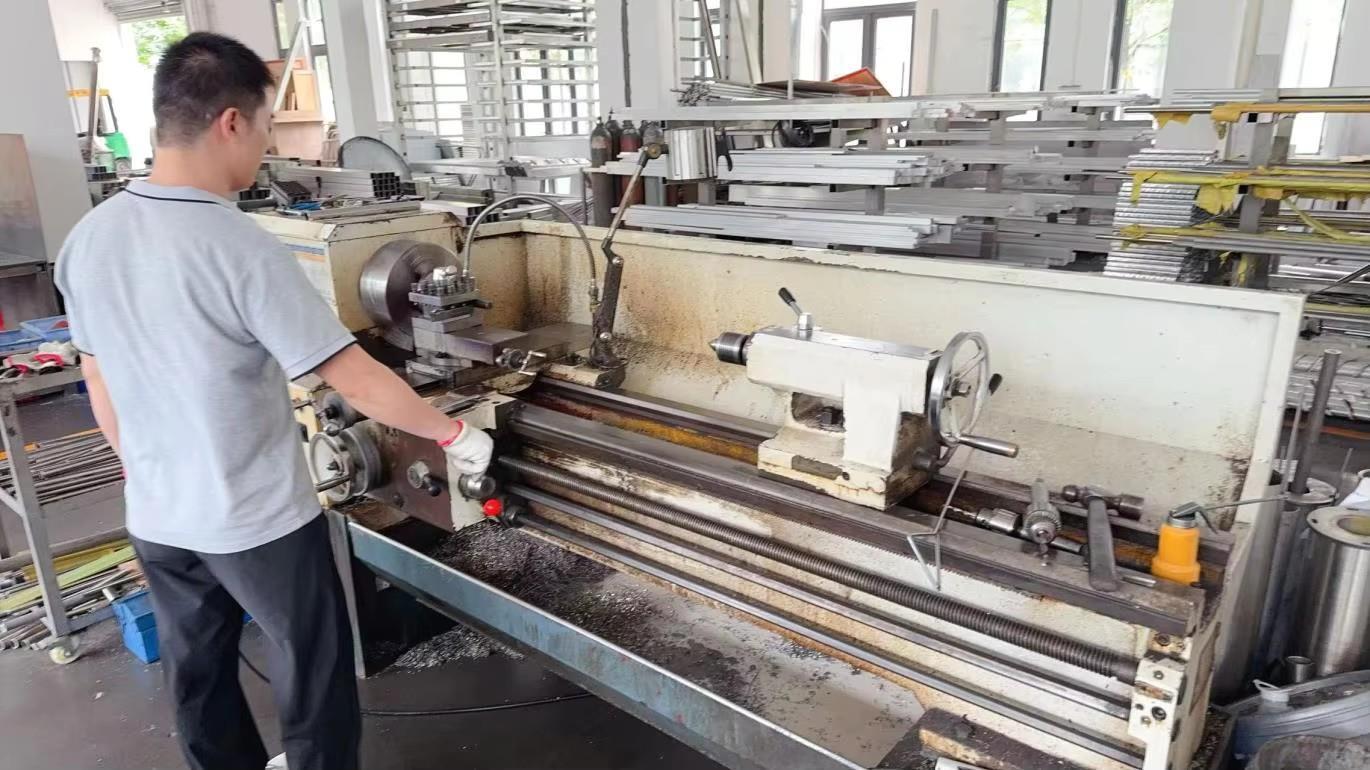
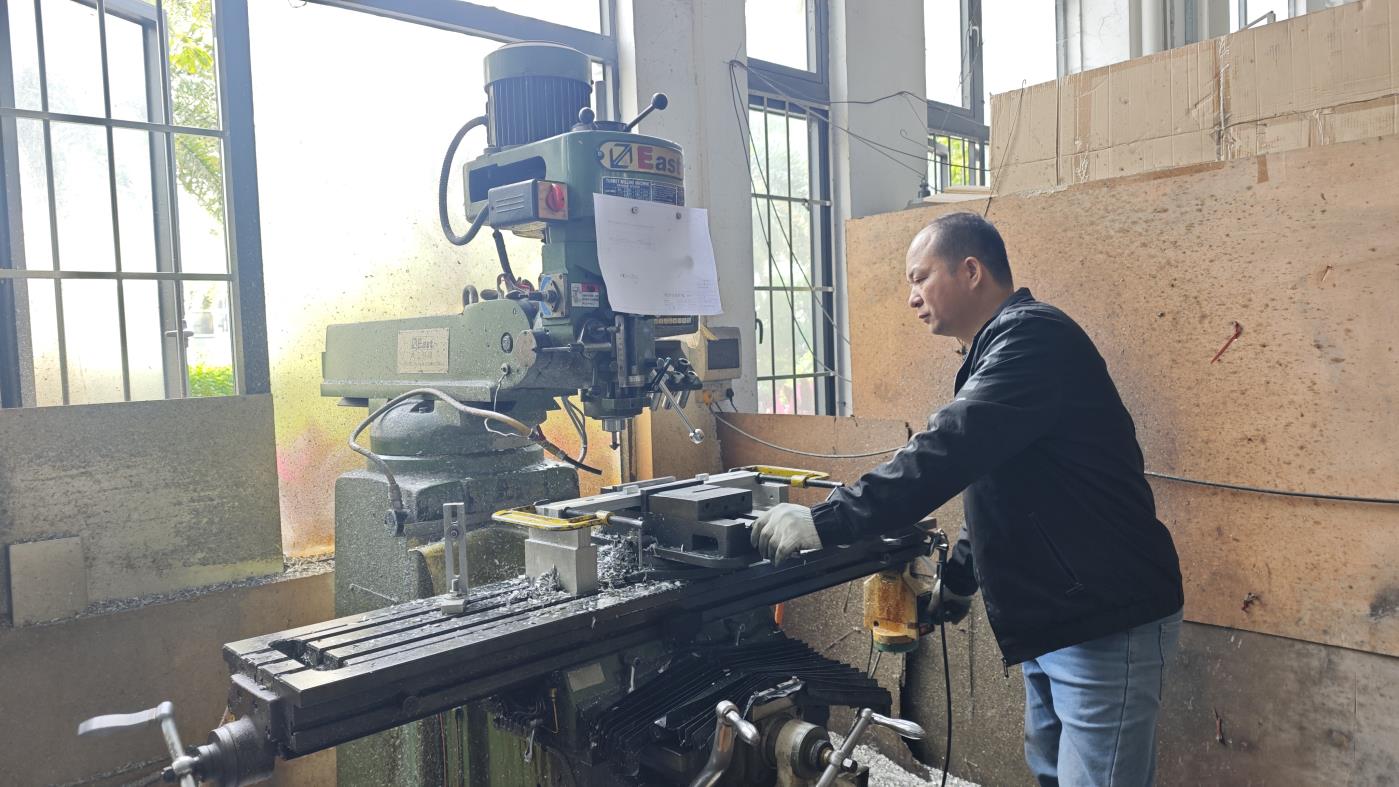
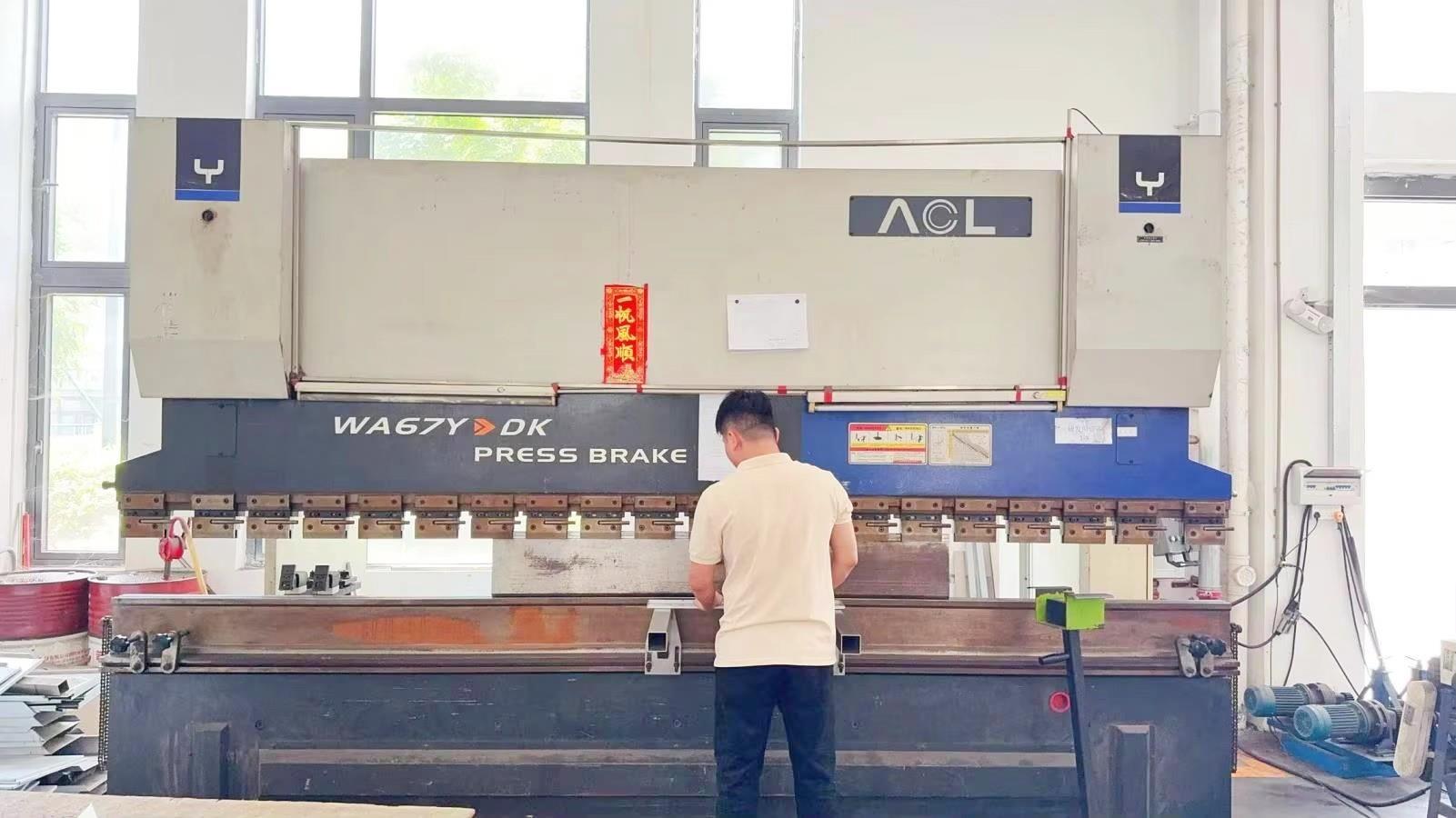
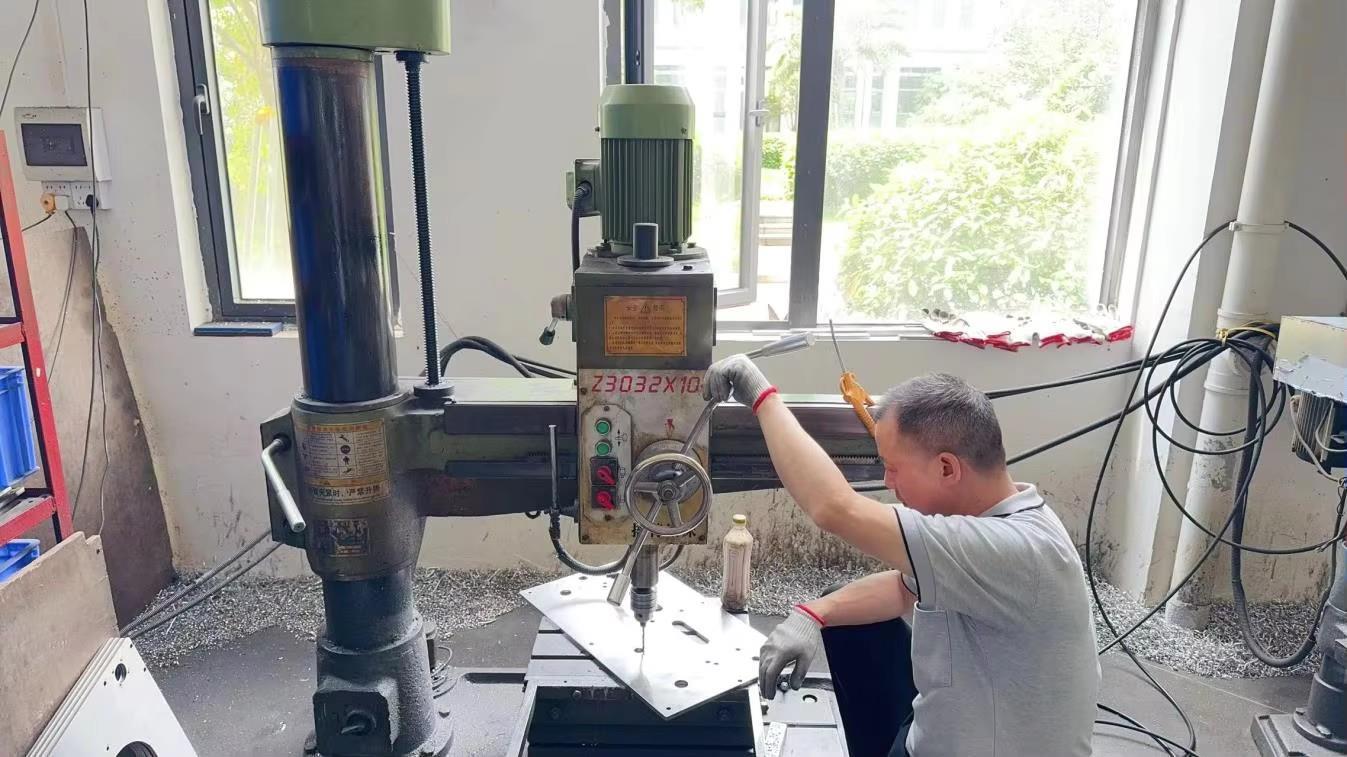
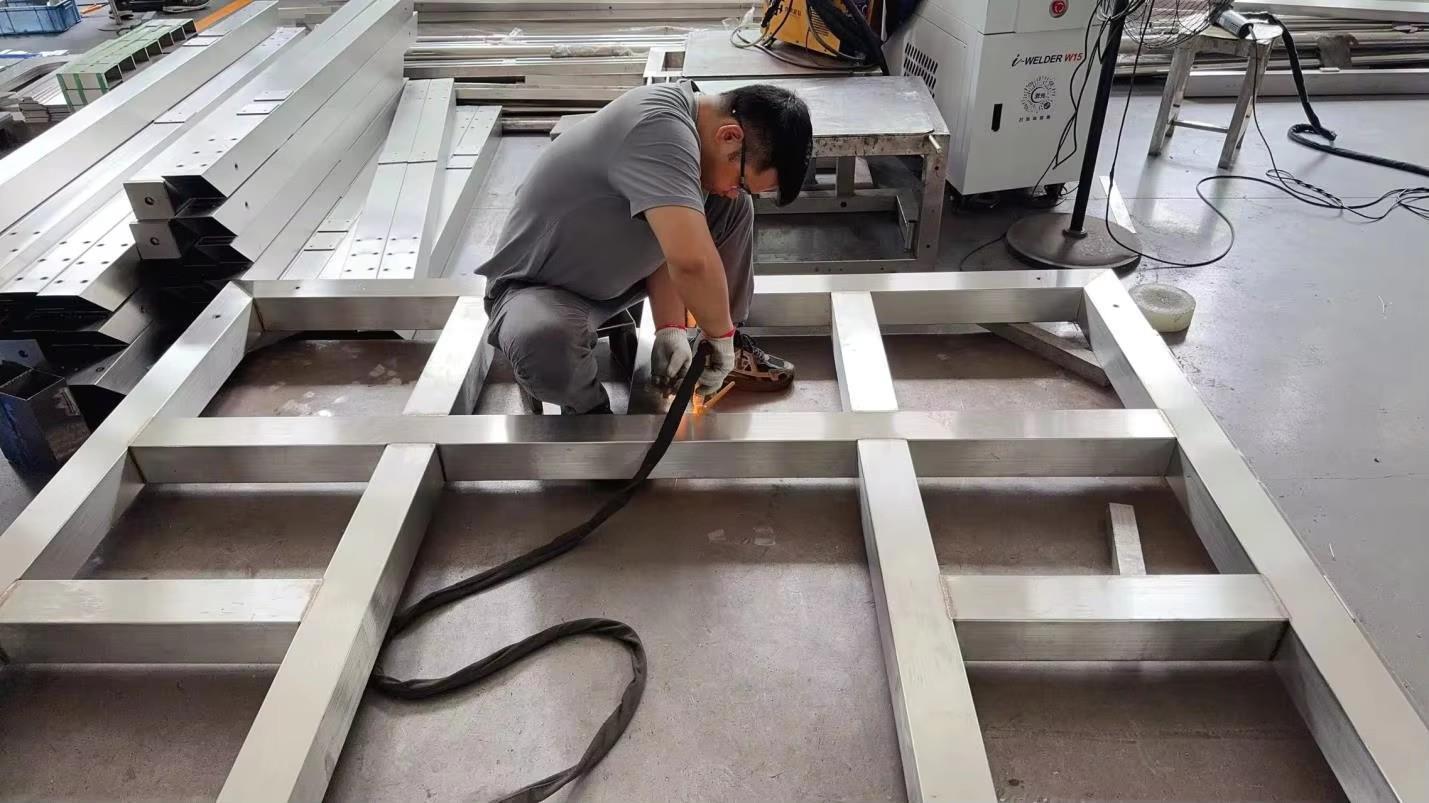
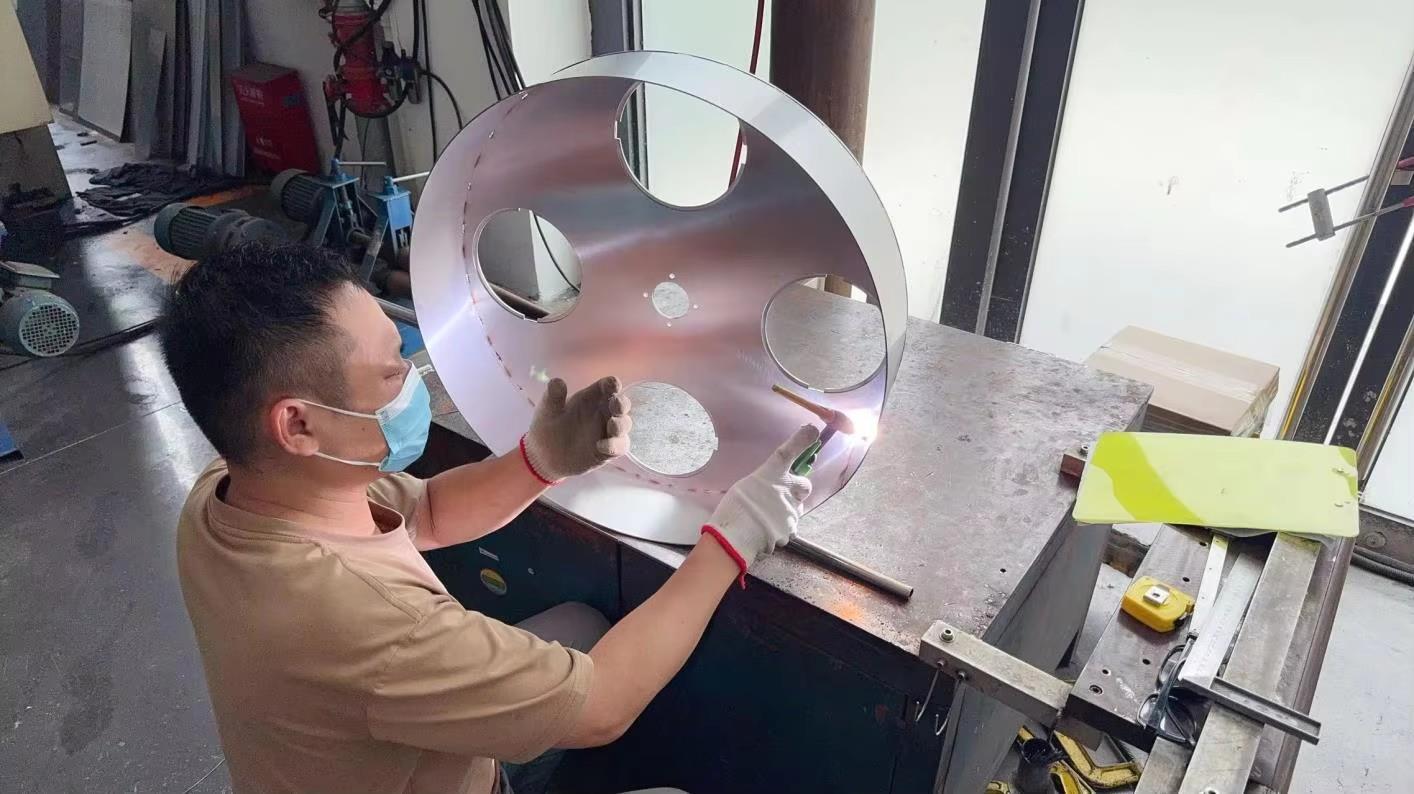
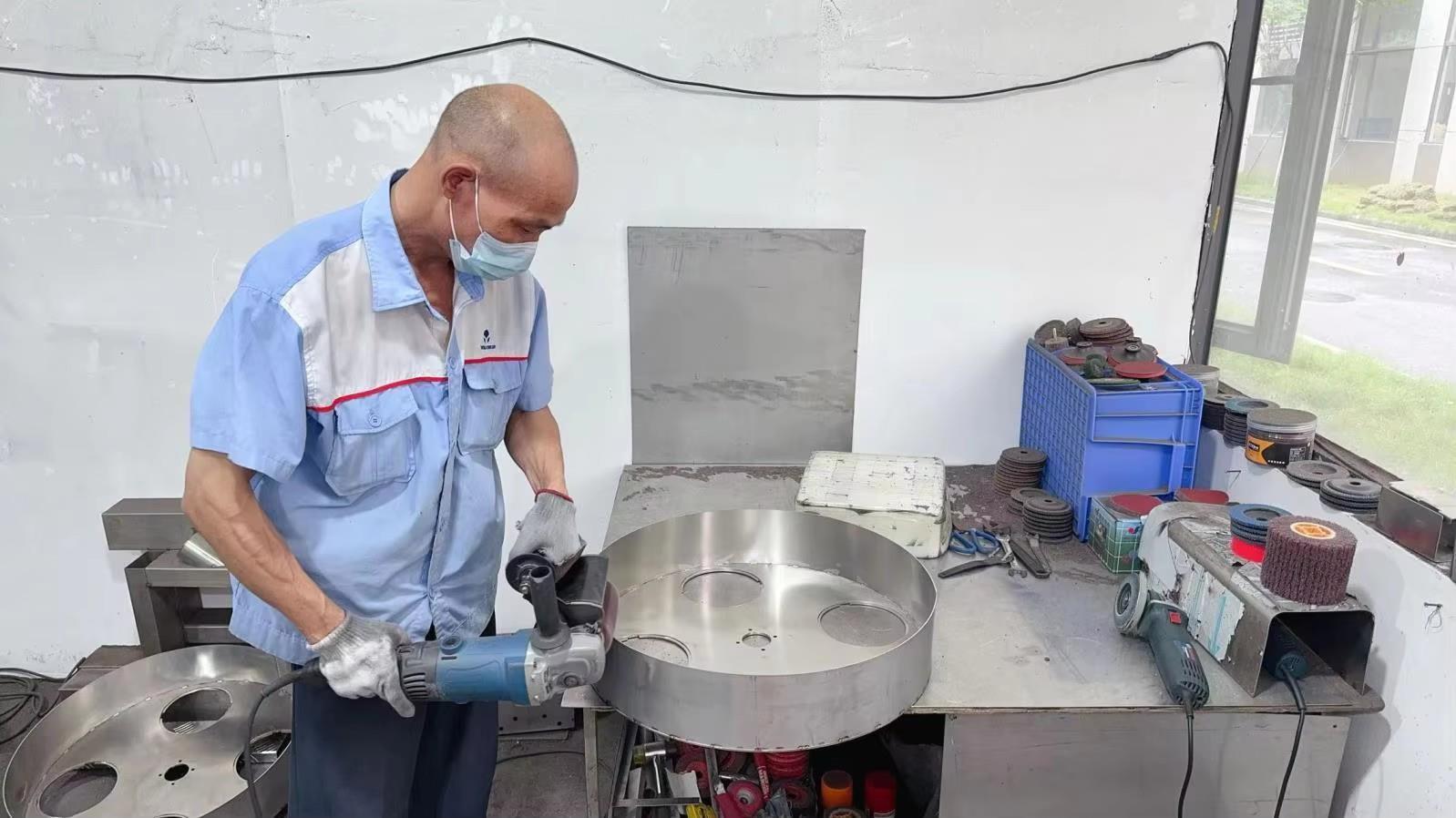
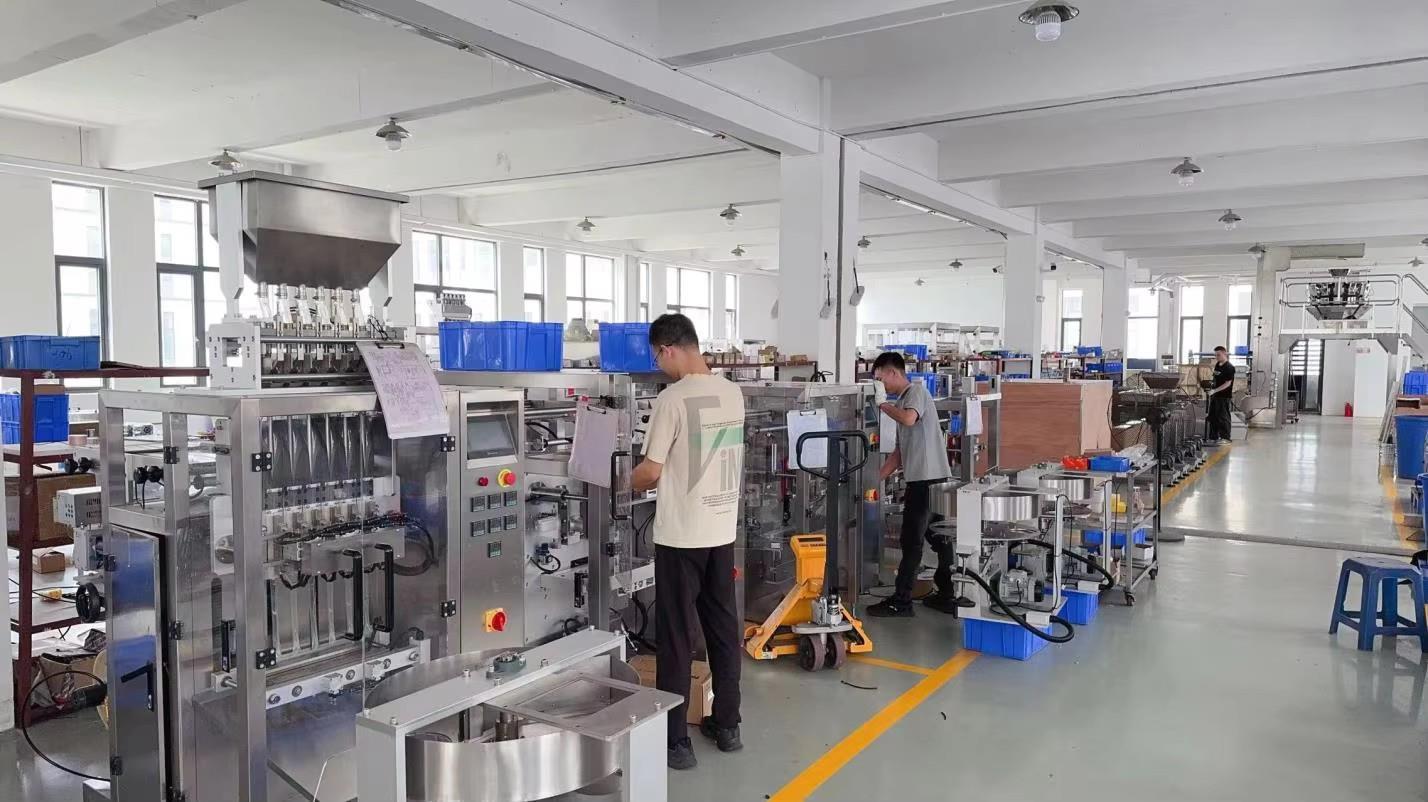
Equipped with computerized laser cutters, heavy-duty CNC milling lines, automated surface coating lines, and rigorous dimensional inspection chambers to guarantee zero-defect assembly.
We deliver not just machinery, but also premium consumables like carbon ribbons, thermal transfer overprint (TTO) rolls, and high-tensile label paper, reducing compatibility variables.
Self-operated export licensing enables streamlined custom pathways to European, American, Asian, and African borders, backed by structured SLAs and virtual engineering support.
Decoding the technical, operational, and supply-chain benefits that make Chinese suppliers globally competitive.
Chinese manufacturers are surrounded by dense supplier ecosystems for raw metals, pneumatic cylinders, electrical modules, and precision sensors. This proximity dramatically cuts manufacturing cycle times and simplifies custom adaptations. Collins integrates tier-one global components (Siemens PLCs, Omron photoelectric sensors, Festo pneumatics) directly at competitive pricing, combining international components with local assembly efficiency.
Unlike rigid European or American manufacturers, Chinese engineering facilities prioritize agile customization. Whether modifying conveyor widths, integrating unique barcode validation cameras, or engineering washdown-rated enclosures (IP65/IP69K) for corrosive dairy lines, Chinese factories provide bespoke design alterations within days rather than months.
By using lean manufacturing techniques, specialized production tooling, and highly skilled mechanical engineering teams, Chinese suppliers offer industrial systems at a fraction of the cost of Western competitors. This cost-efficiency allows companies to deploy multiple production lines, reduce capital expenditure, and accelerate their ROI.
How industrial systems are evolving to handle higher speeds, sustainable materials, and smart factory integration.
Modern label applicators are shifting from isolated mechanical devices to connected IoT assets. Today's systems feature integrated Ethernet/IP or Modbus TCP modules, enabling operators to track real-time labeling speed, count batch completions, monitor servo motor temperatures, and troubleshoot issues via remote cloud diagnostics.
Compliance and traceabilty regulations require absolute labeling precision. Modern labeling systems integrate smart vision inspection cameras directly downstream of the applicator head. These systems inspect every label for alignment, detect wrinkles, and verify that the printed expiration date, batch code, or QR code is clear and readable, automatically rejecting non-compliant items.
As global packaging regulations drive the use of thinner PET liner sheets and compostable paper labels, applicator feed mechanisms must handle lower tensile strengths. Upgraded systems feature delicate tension-control algorithms and soft-start stepper/servo drives to prevent label tearing and ensure smooth dispensing.
Optimized configurations designed to address the compliance, hygiene, and efficiency demands of specific industries.
Designed to comply with FDA 21 CFR Part 11 and strict serialization standards, our pharmaceutical-grade systems feature tamper-evident corner seal labeling, reject-verification stations, and print-and-apply units that ensure complete product accountability and secure track-and-trace capabilities.
For high-moisture, cold, and washdown environments, we build systems with corrosion-resistant SUS304 or SUS316 stainless steel enclosures. These labeling lines operate reliably on high-speed bottling, canning, and thermoforming lines without stopping for temperature or moisture shifts.
Aesthetic packaging demands high label-placement accuracy (±0.5mm tolerance). Our systems feature specialized product-alignment modules, top-stabilizing belts, and side-wrapping mechanisms to apply front, back, or wrap-around labels smoothly to tapered, oval, or flat containers.
Inside Henan Collins: From premium raw material inspection to final system assembly and quality control testing.
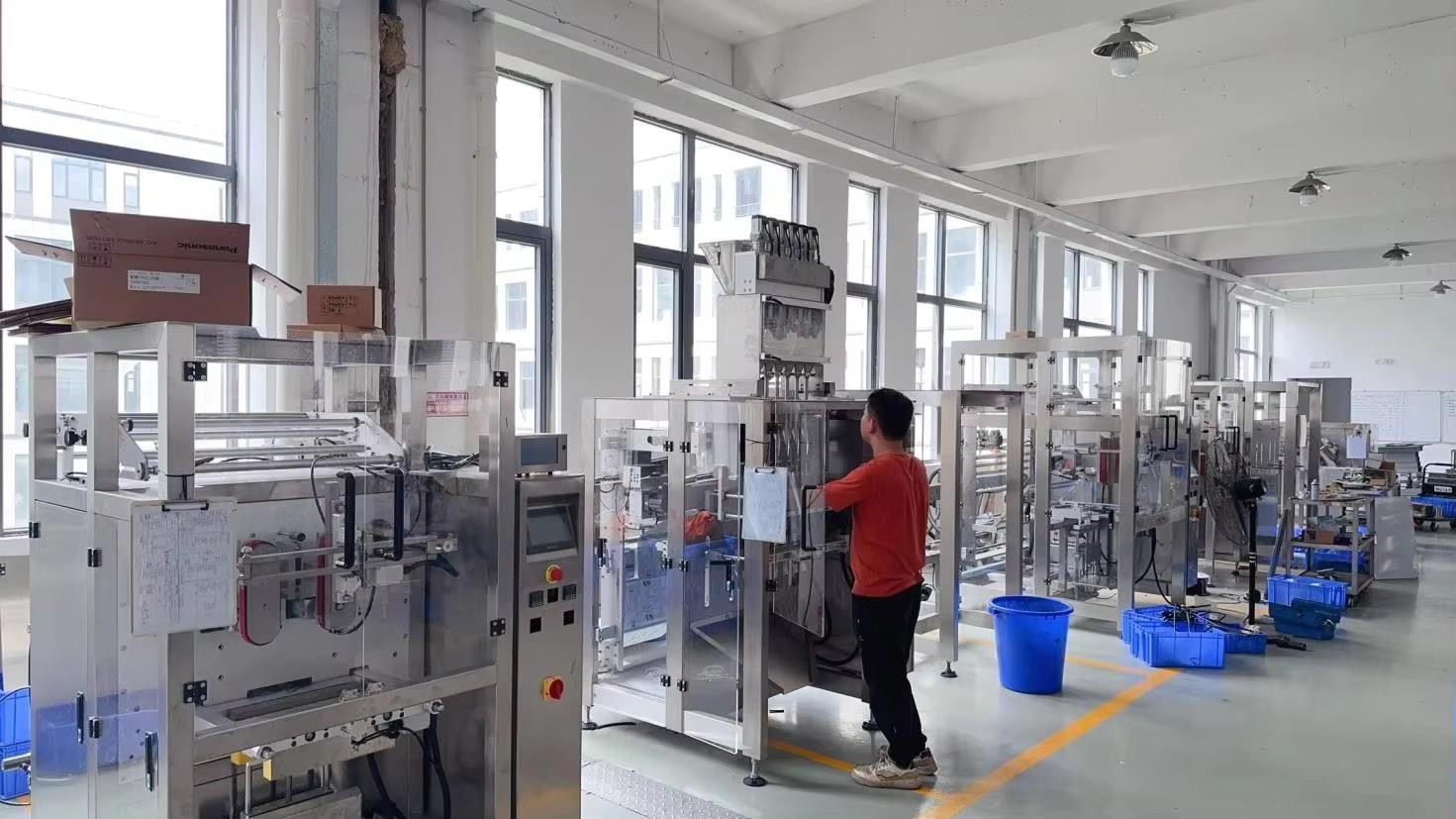
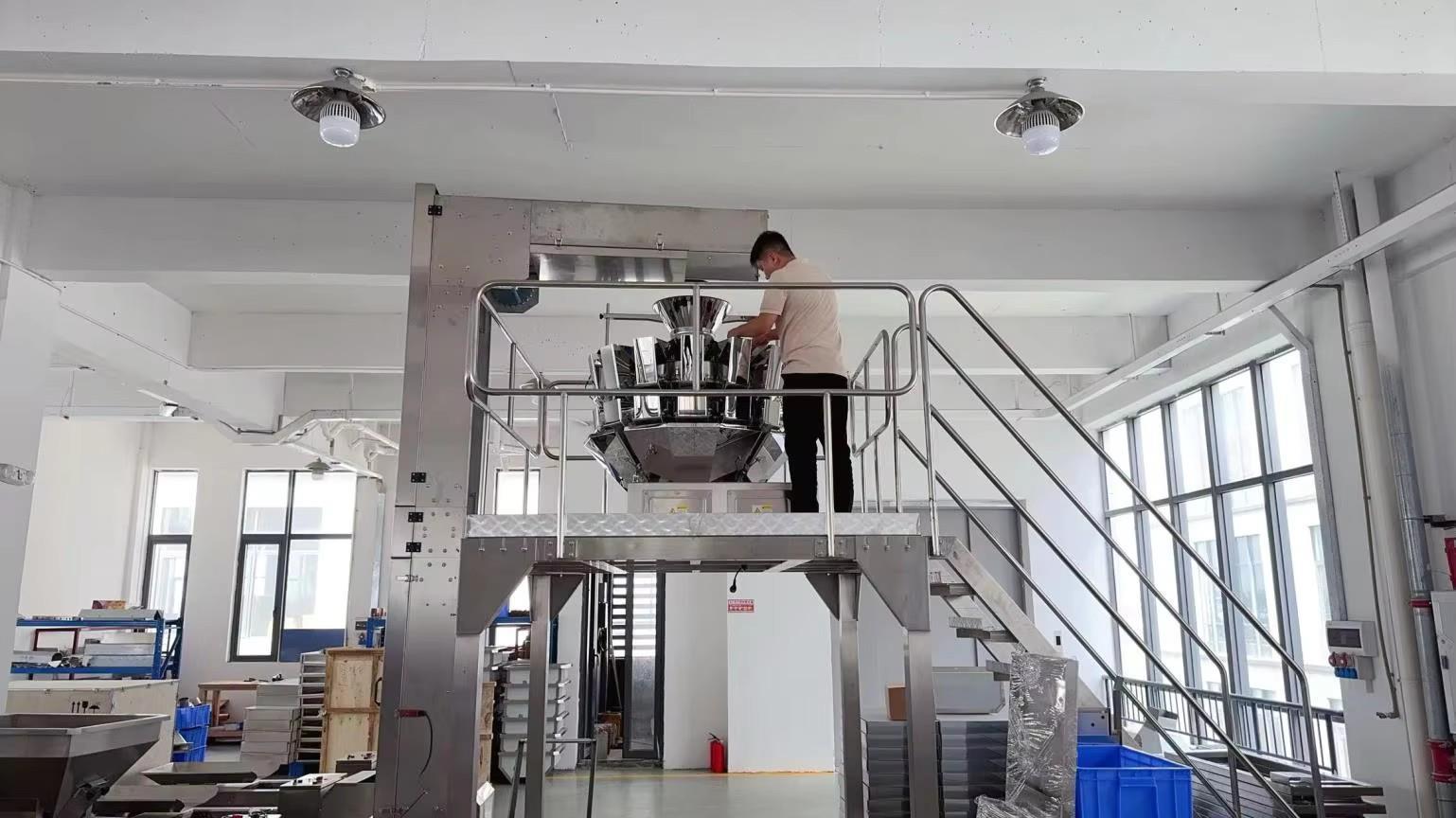
Critical engineering metrics that multinational packaging buyers use to evaluate automation machinery partners.
Machinery should use standard, non-proprietary mechanical and electrical components so that local maintenance teams can easily source replacement parts and minimize downtime.
Select systems rated for line speeds that exceed your current output requirements by at least 25%. This prevents the labeling unit from becoming a bottleneck during peak production runs.
Look for modular, tool-less adjustments that allow operators to switch between different product shapes and sizes in under 15 minutes, maximizing line flexibility.
All equipment must comply with regional safety and emission regulations, such as OSHA, CE, RoHS, and UL, and feature integrated guard doors and emergency-stop circuits.
Answers to common technical, integration, and procurement questions from automation engineers.
Placement accuracy is determined by the synchronization of the labeling head motor (stepper or servo), the product detection sensor, and the product handling system. High-performance systems use servo-driven motors linked to encoders and side-aligning stabilizer belts to maintain high accuracy (up to ±0.5 mm) even at varying conveyor speeds.
Yes, our automated packaging and labeling machinery can be configured with industrial PLCs (such as Siemens S7-1200/1500 or Allen-Bradley Micro800 series) that support OPC UA, Modbus TCP, or Ethernet/IP communication protocols. This allows the equipment to exchange live production counts, alarm states, and batch change requests directly with factory databases and MES networks.
We provide a structured after-sales support program that includes virtual commissioning assistance, detailed 3D step-by-step videos, and wiring diagrams. For complex packaging lines, we send experienced engineers to your facility to manage installation, optimize line integration, and train your staff on maintenance. We also maintain a large inventory of spare parts and offer 24/7 remote technical support.
Stepper motors operate using open-loop control, making them cost-effective and reliable for moderate, consistent line speeds. Servo motors operate in a closed-loop system with encoder feedback, delivering higher torque at high speeds, smoother acceleration profiles, and self-correcting feed profiles. This makes servo drives the preferred choice for high-speed, high-precision packaging lines.
Environments with high dust (such as powder filling plants) or high moisture (like beverage bottling lines) require specialized machine enclosures. For these settings, we build systems with IP65-rated control panels, dust-proof cable entry glands, and corrosion-resistant SUS304 or SUS316 stainless steel frames. These features prevent ingress and allow for safe washdown procedures.
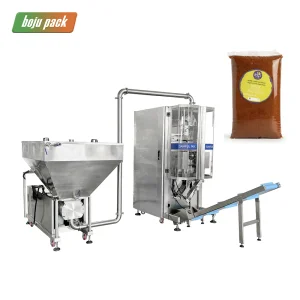
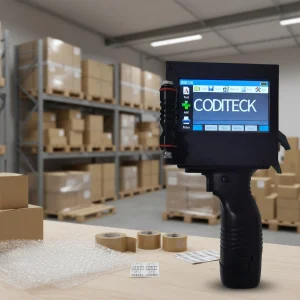
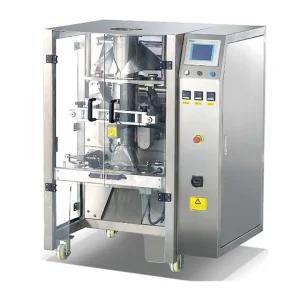
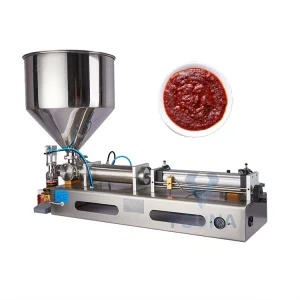
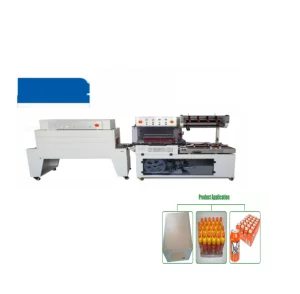
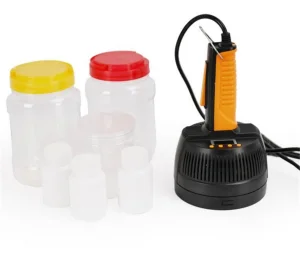
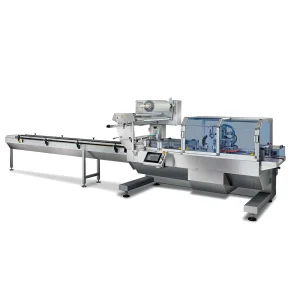
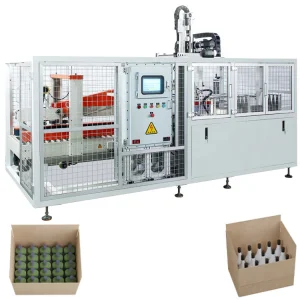
From induction capping to multi-lane sachet packaging and high-speed flow wrapping systems.
 Collins Machine