The global packaging automation sector is witnessing an unprecedented transition. Modern production lines require more than standalone machinery; they demand integrated, high-speed, and intelligent wrapping ecosystems. Leading Chinese wrapping machine manufacturers have evolved from basic machine fabricators to global engineering powerhouses, providing customized systems compliant with strict European (CE) and American (UL) safety frameworks.
Choosing the right packaging partner requires evaluating their engineering capabilities, component integration, and quality assurance workflows. This guide delivers strategic insights into evaluating industrial wrapping machine factories, comparing core technologies, and identifying efficiency improvements for modern processing operations.
Established in 2015, Henan Collins Machine Co., Ltd. has developed comprehensive end-to-end automated packaging solutions that support operations in various high-capacity industries.
Core Competence Profile:
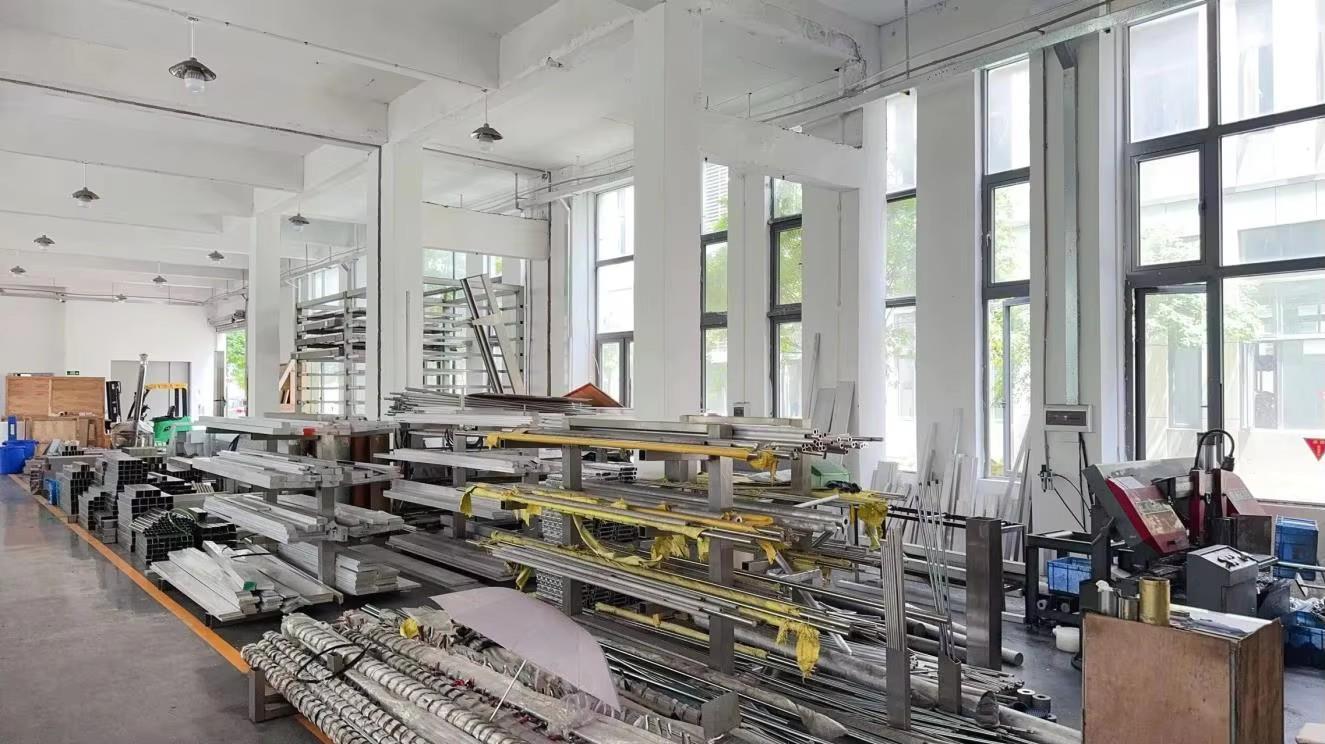
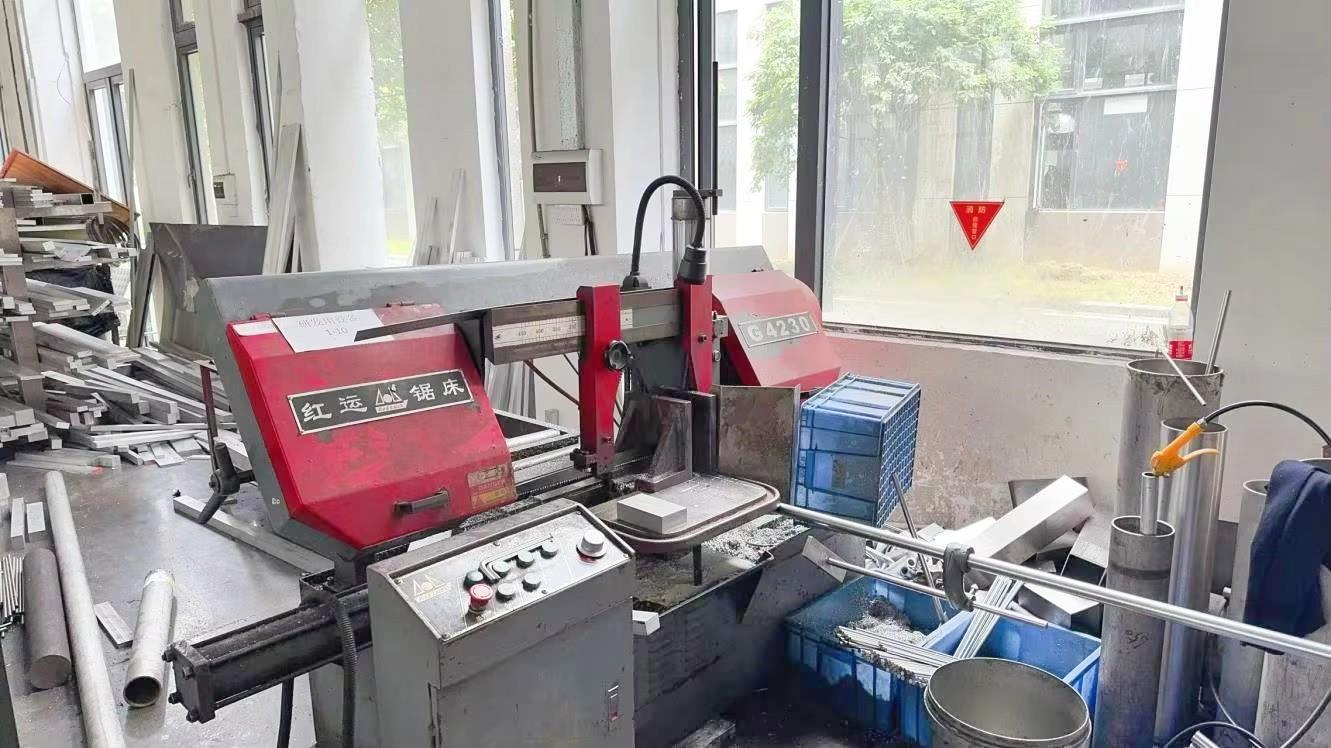
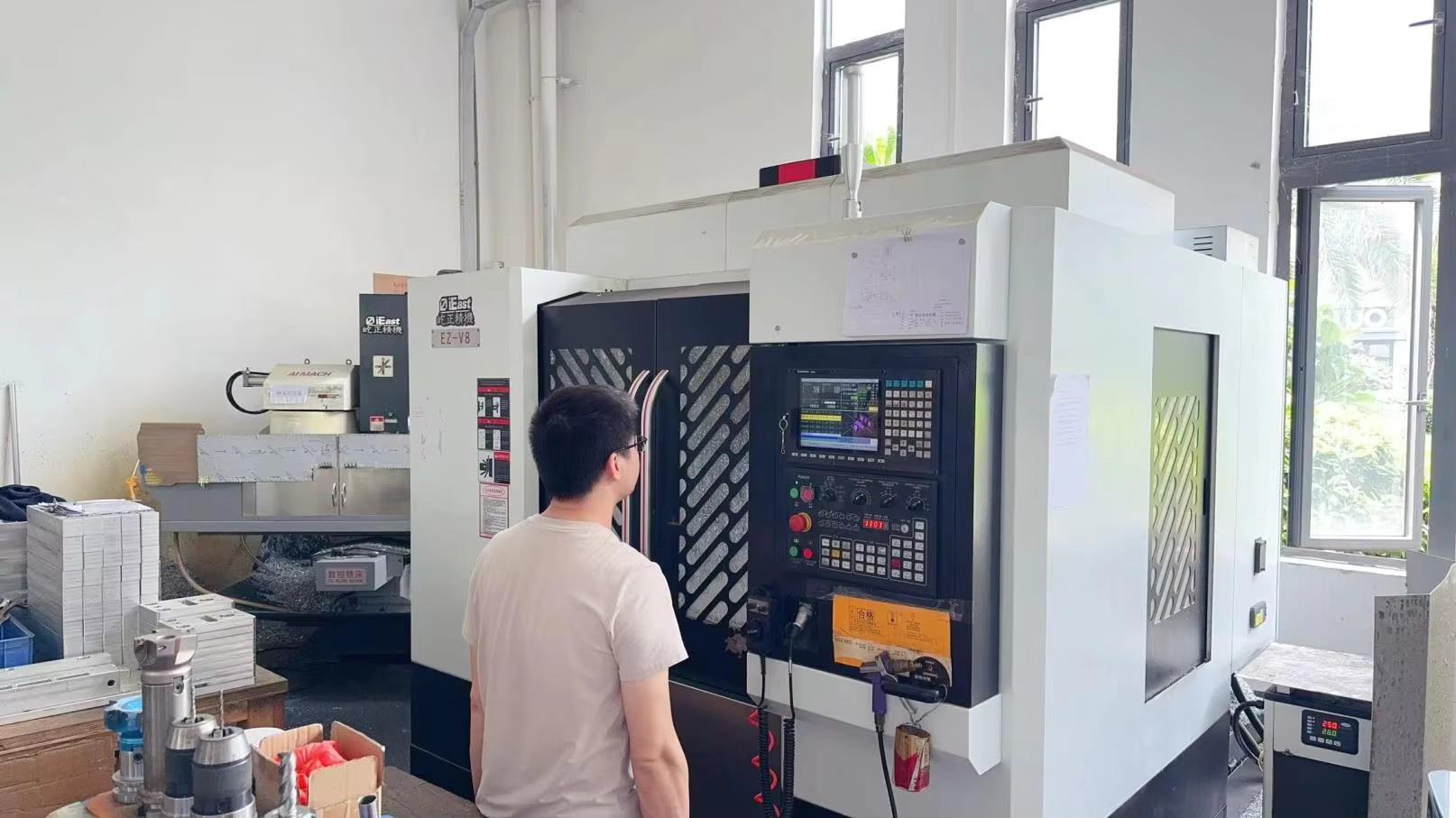
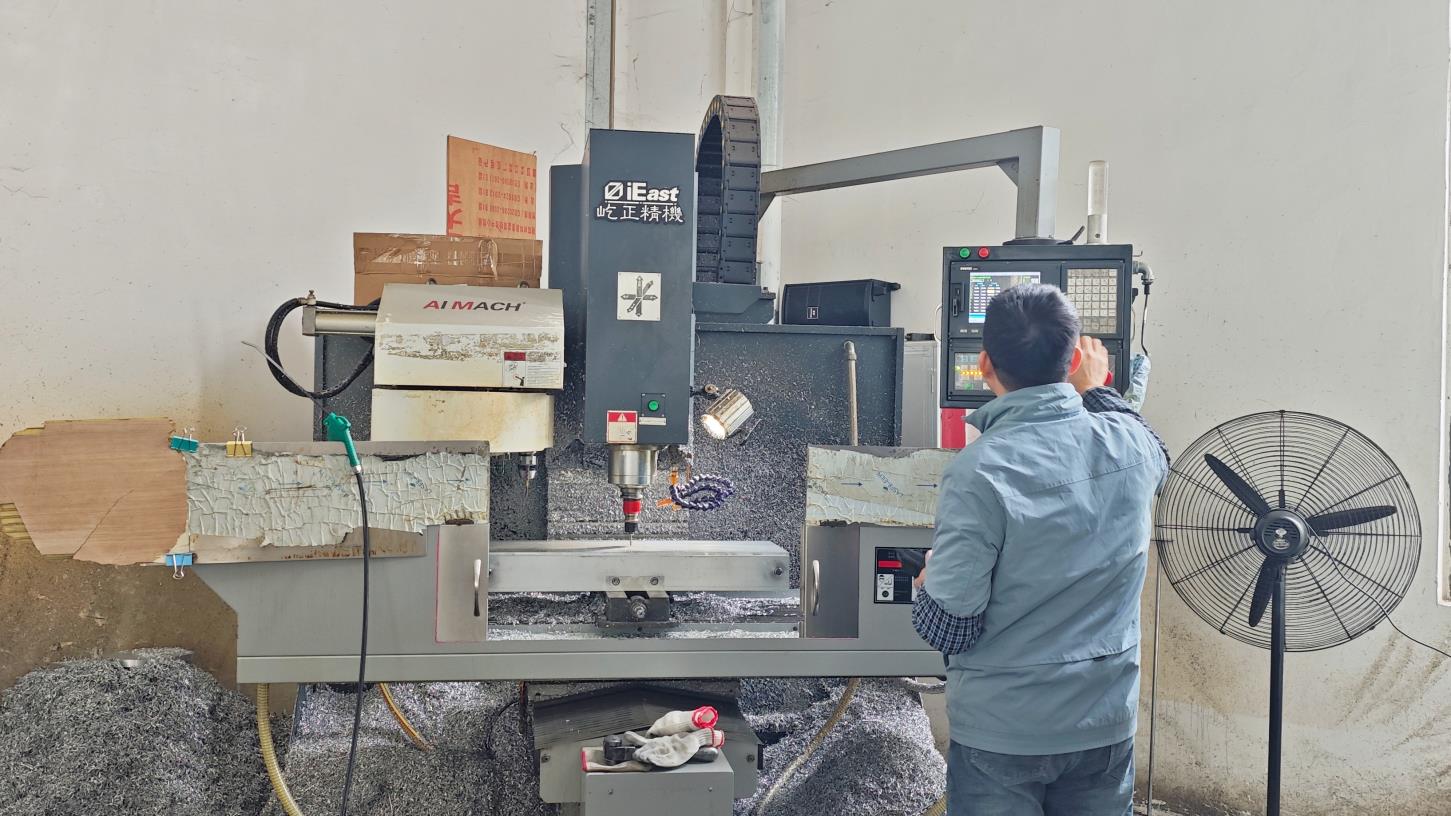
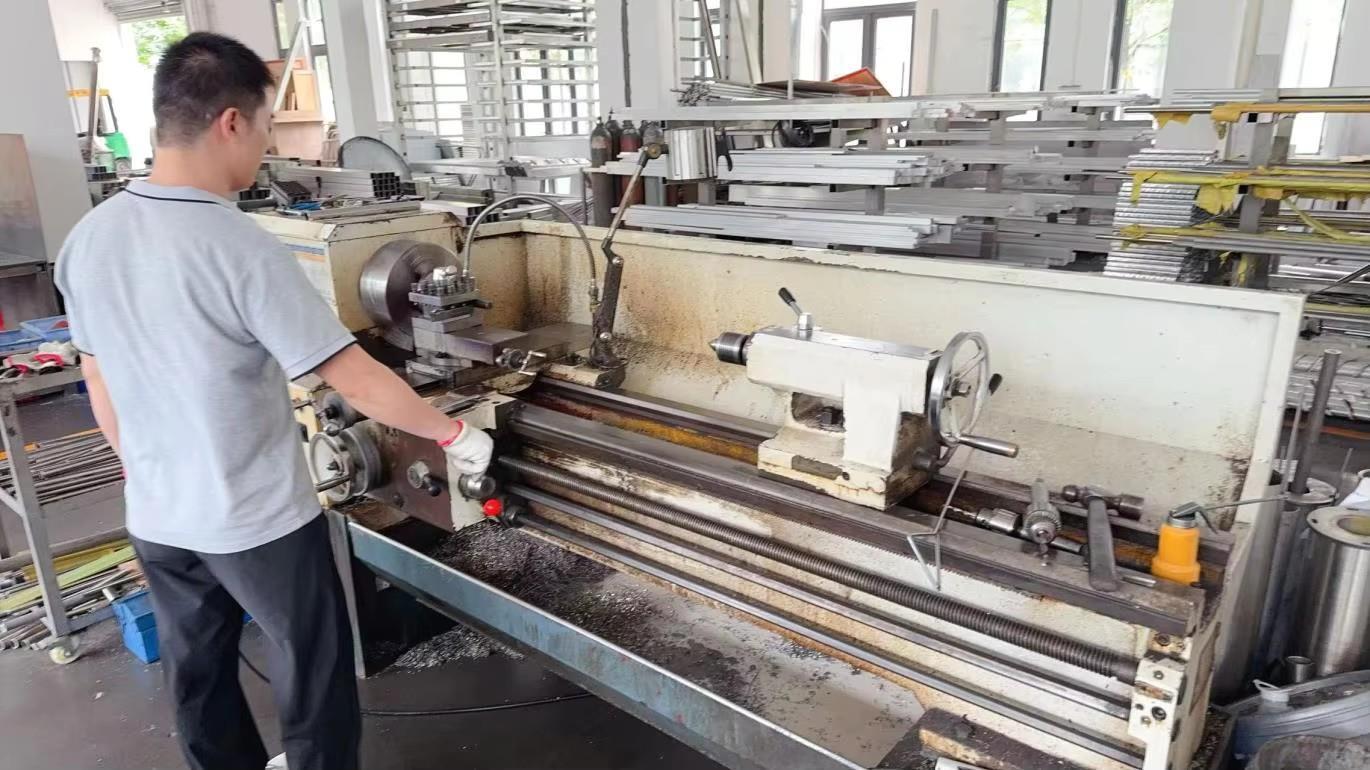
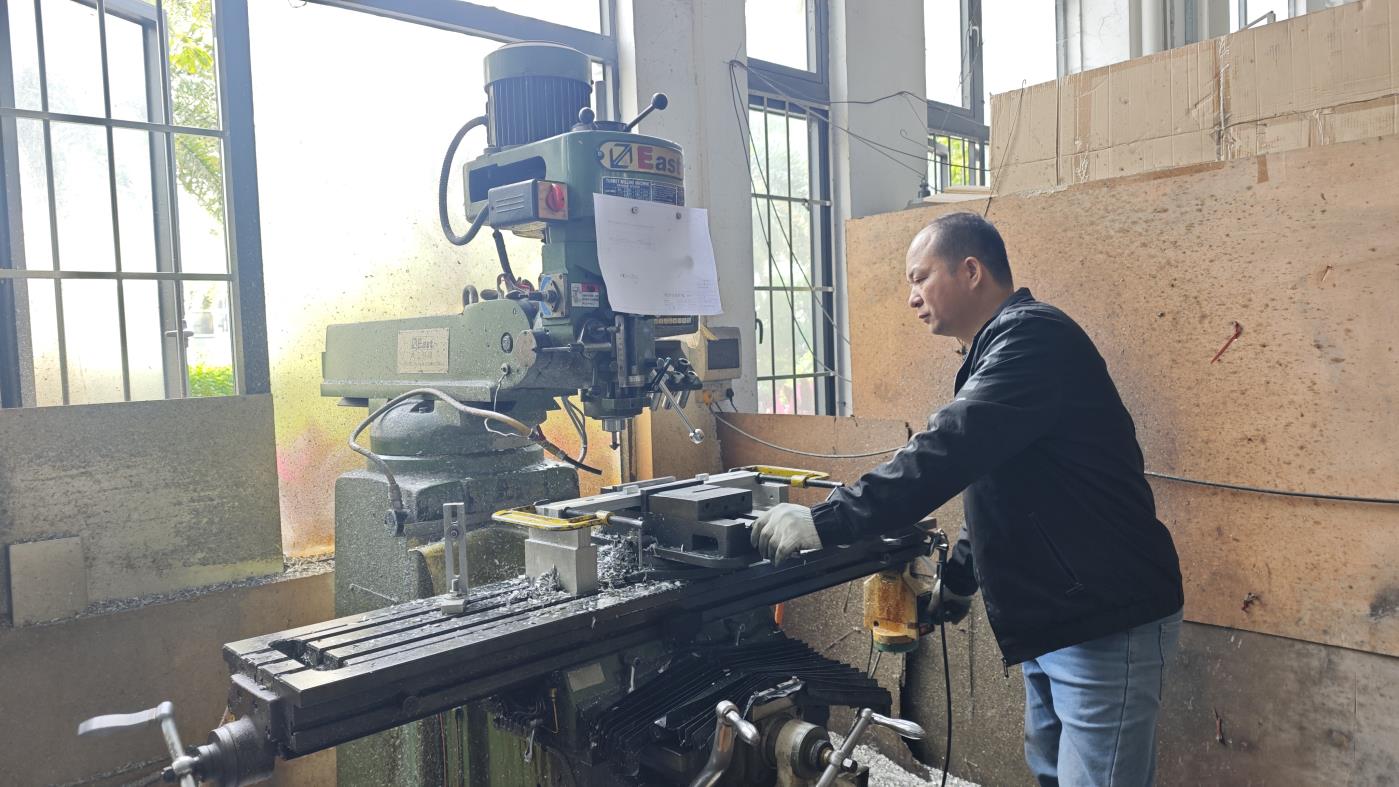
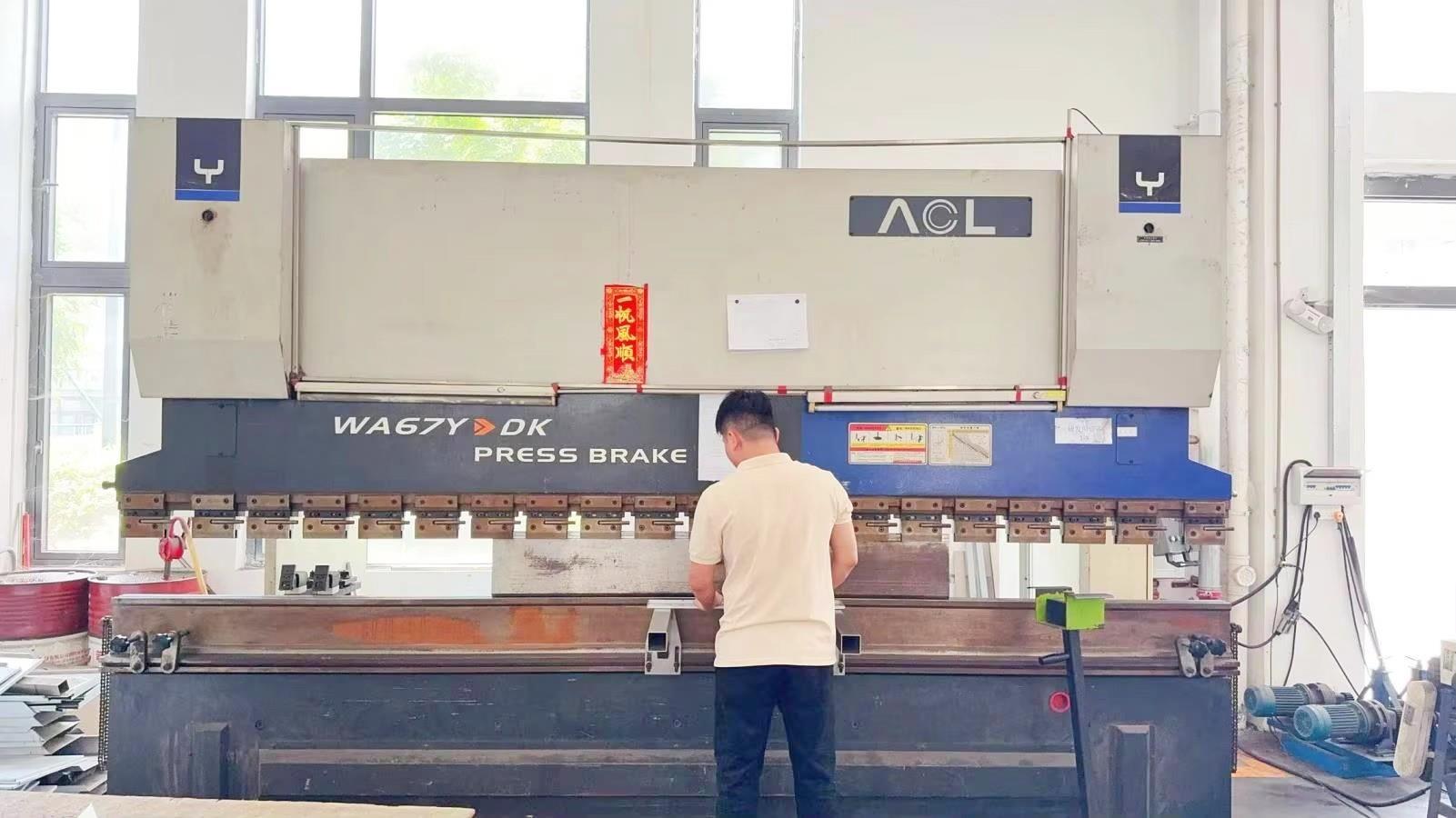
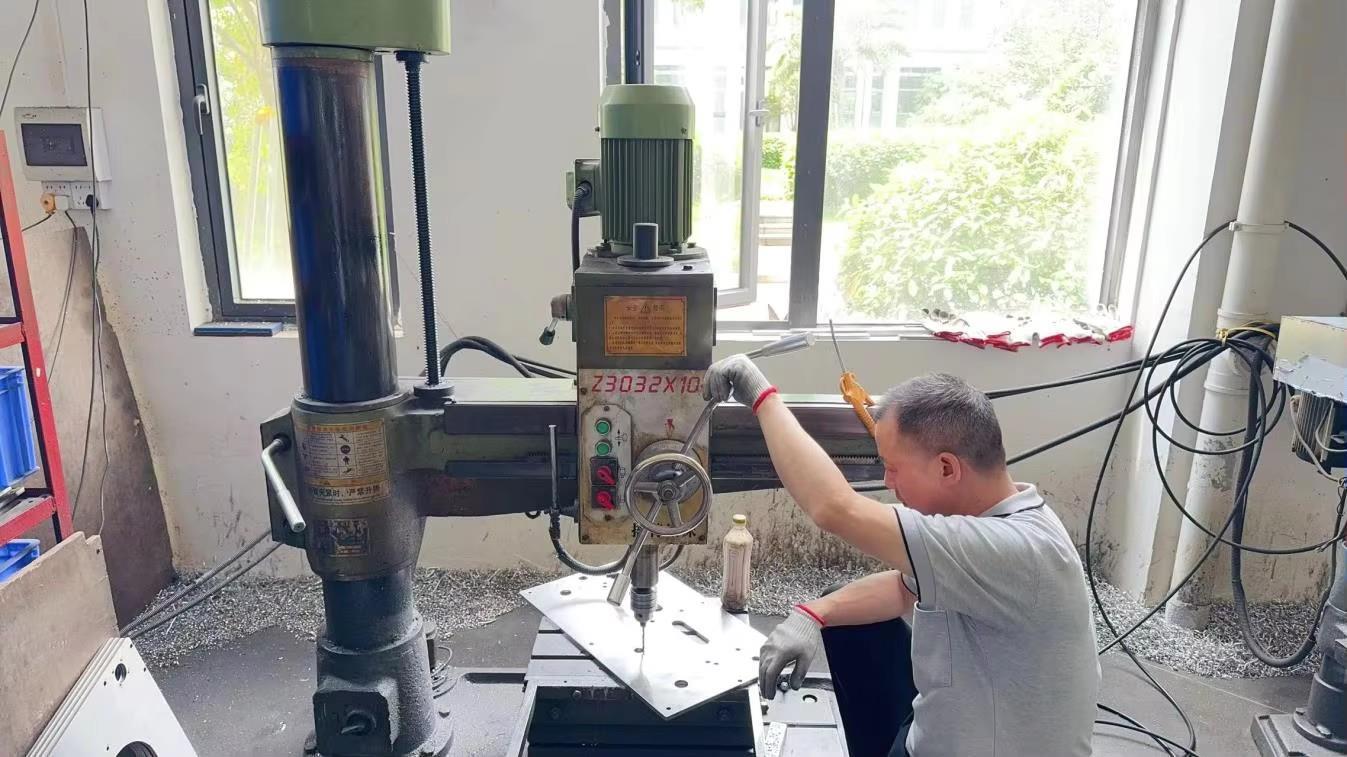
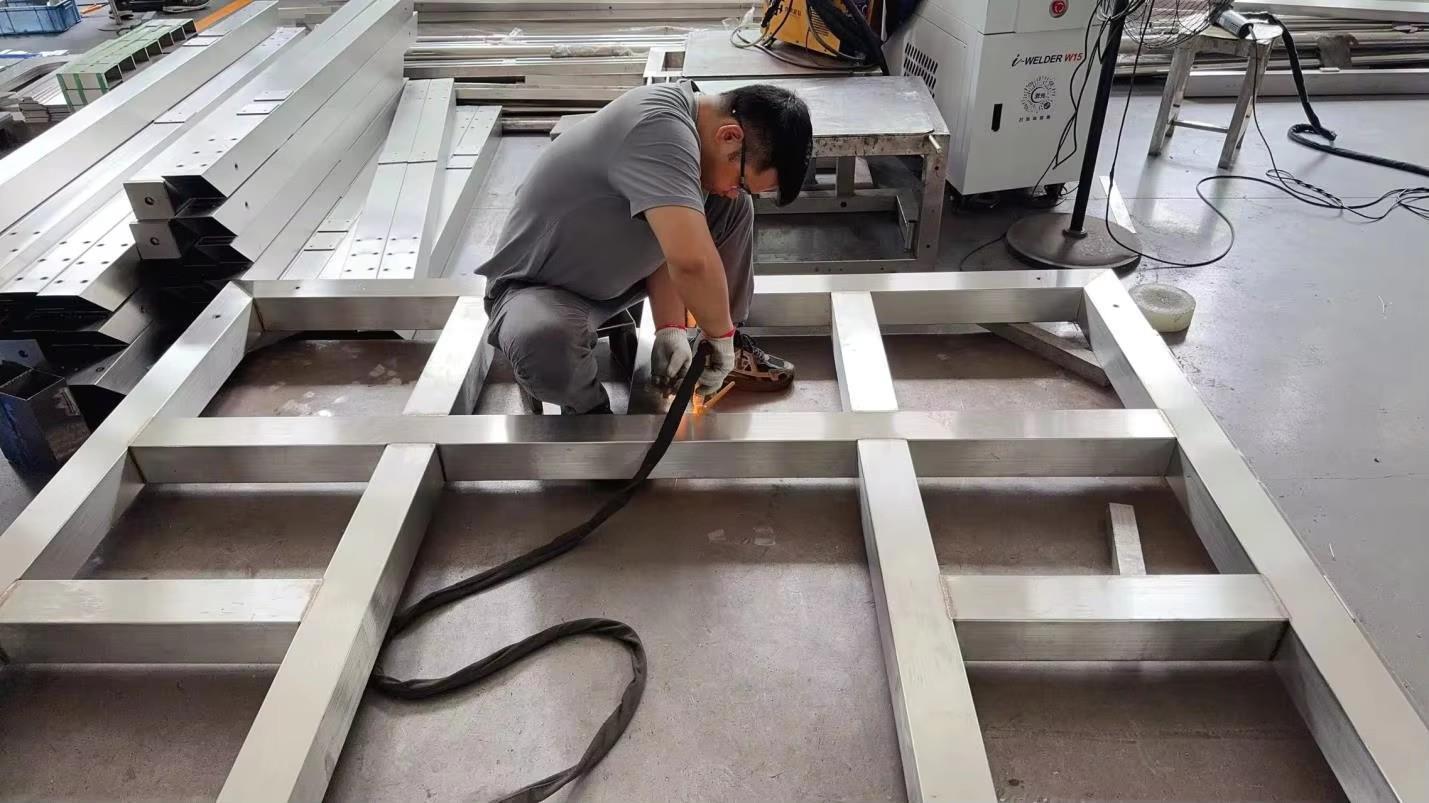
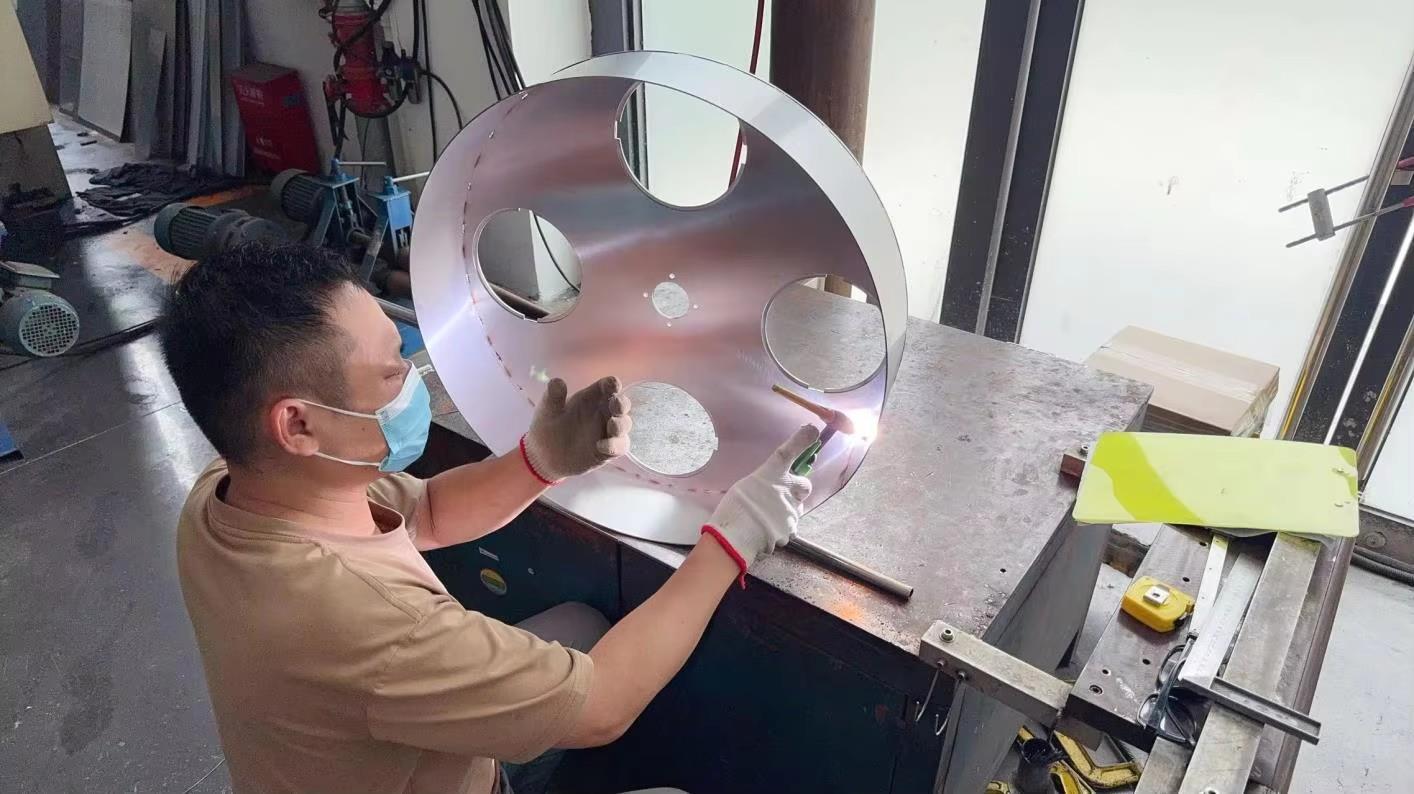
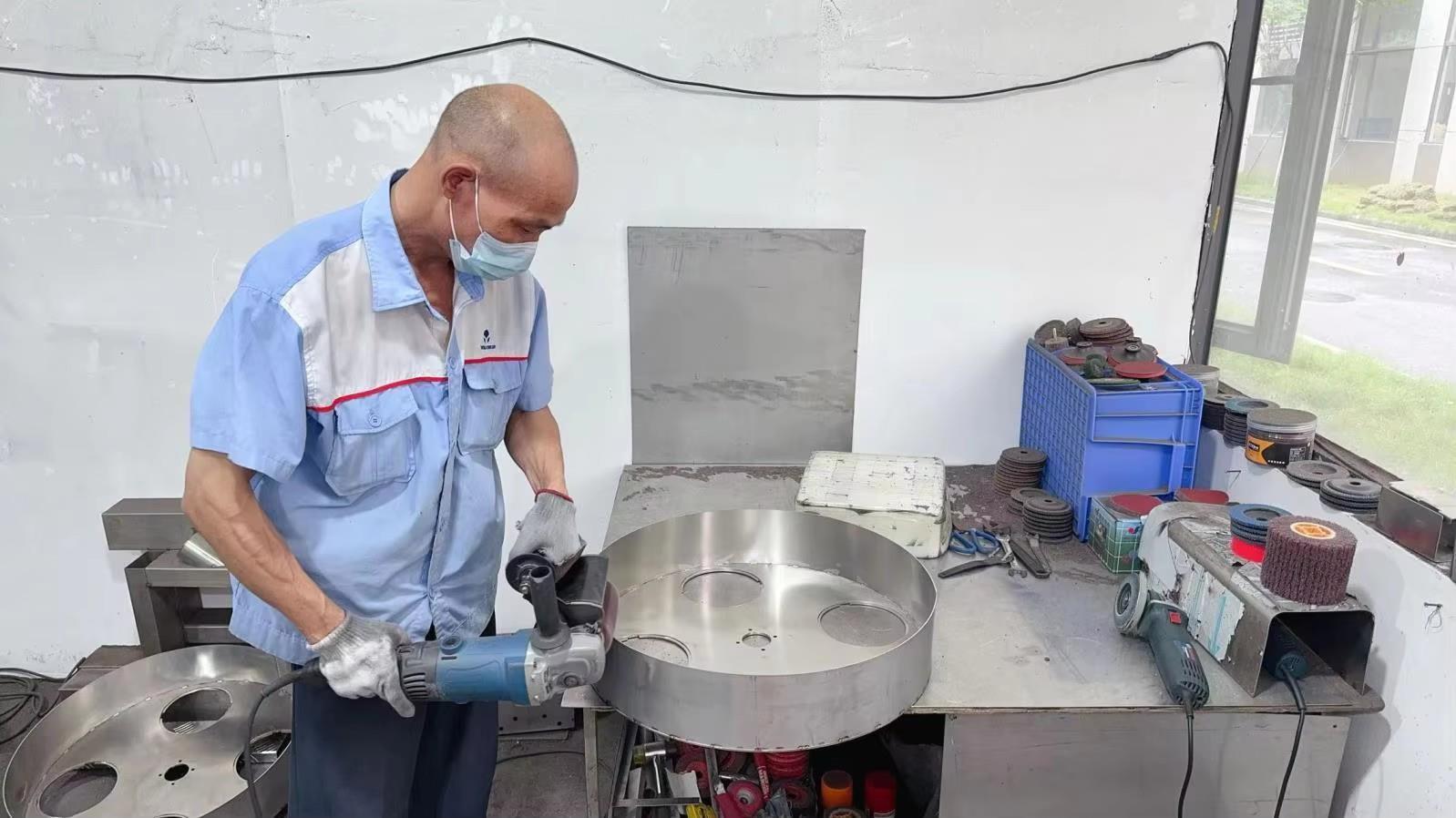
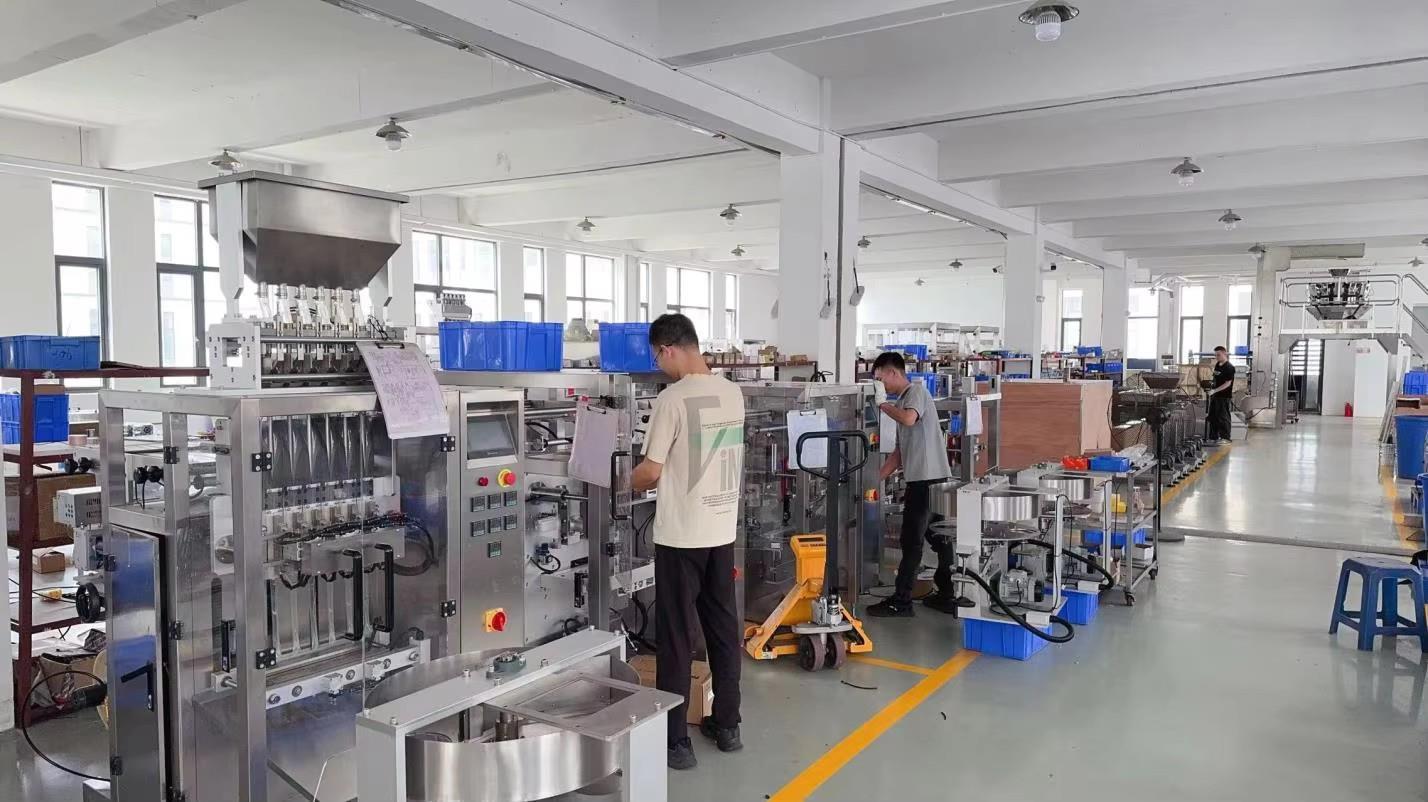
With a dedicated 5,000 m² state-of-the-art facility, Henan Collins Machine Co., Ltd. manages integrated processes from raw material preparation to final system calibration. Over 80 skilled engineers and technicians configure machinery to match strict line metrics. Holding ISO 9001, SGS, and RoHS certifications, the company supplies robust equipment to OEM and contract packagers globally.
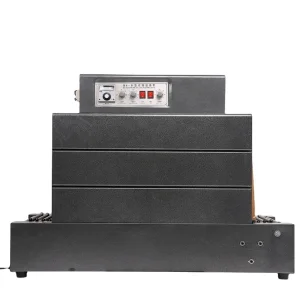
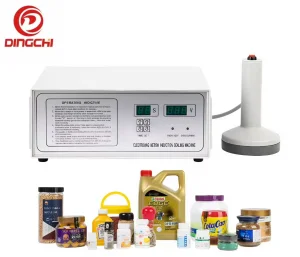
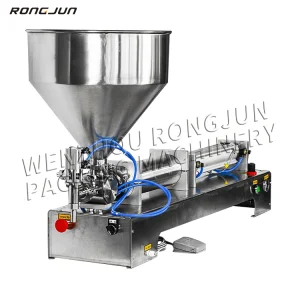
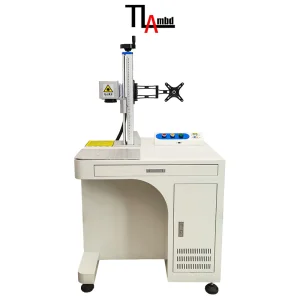
Innovation at Collins focuses on system integration. The product portfolio includes labeling, filling, capping, coding, sealing, and shrink-wrapping machinery. Additionally, Collins manufactures matching consumables (TTO ribbons, ink ribbons, ink rollers, and custom label paper) to ensure media-to-machine compatibility and reduce packaging failures.
Every component is engineered, machined, and quality-tested in-house to ensure high component integrity.
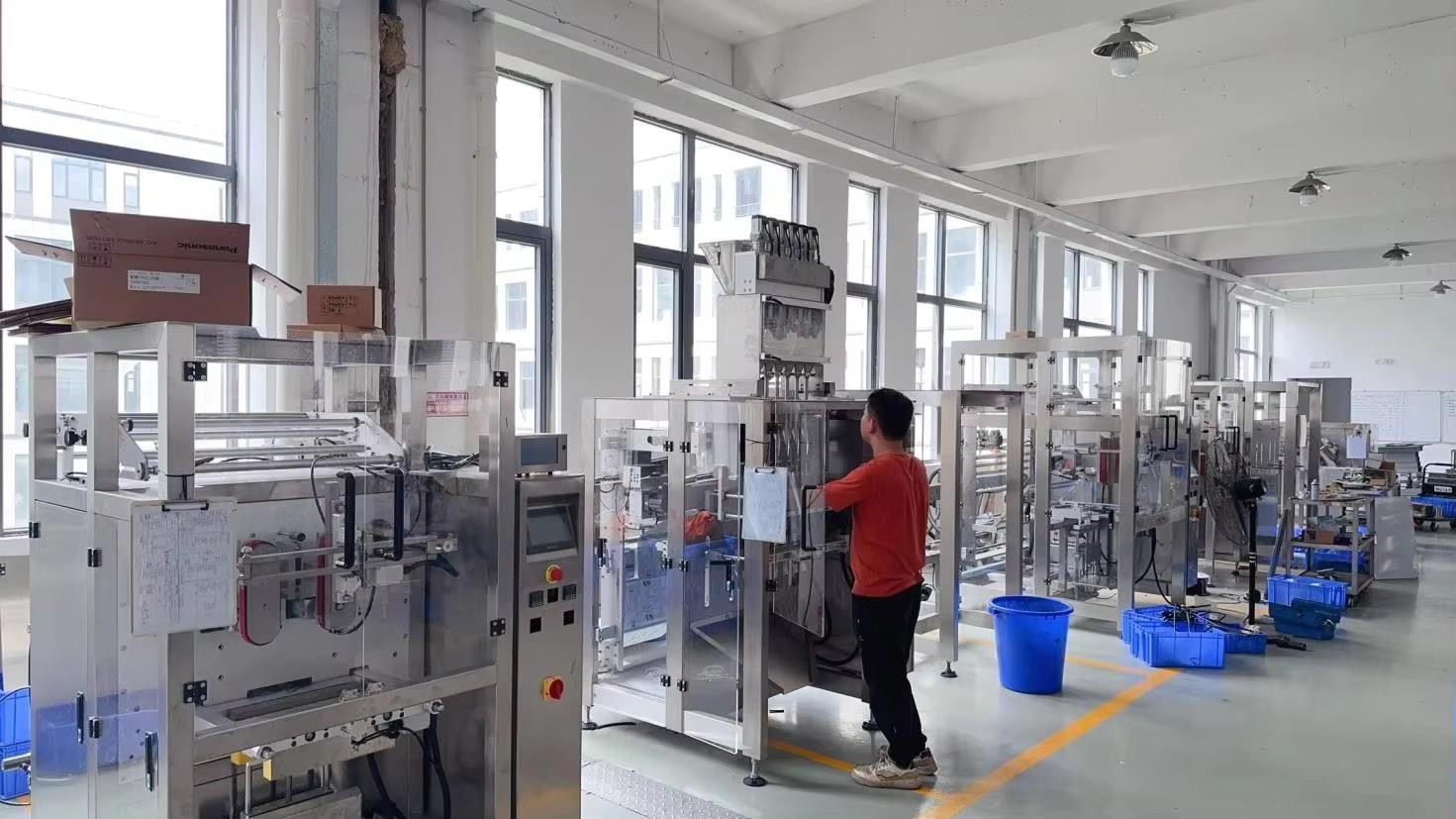
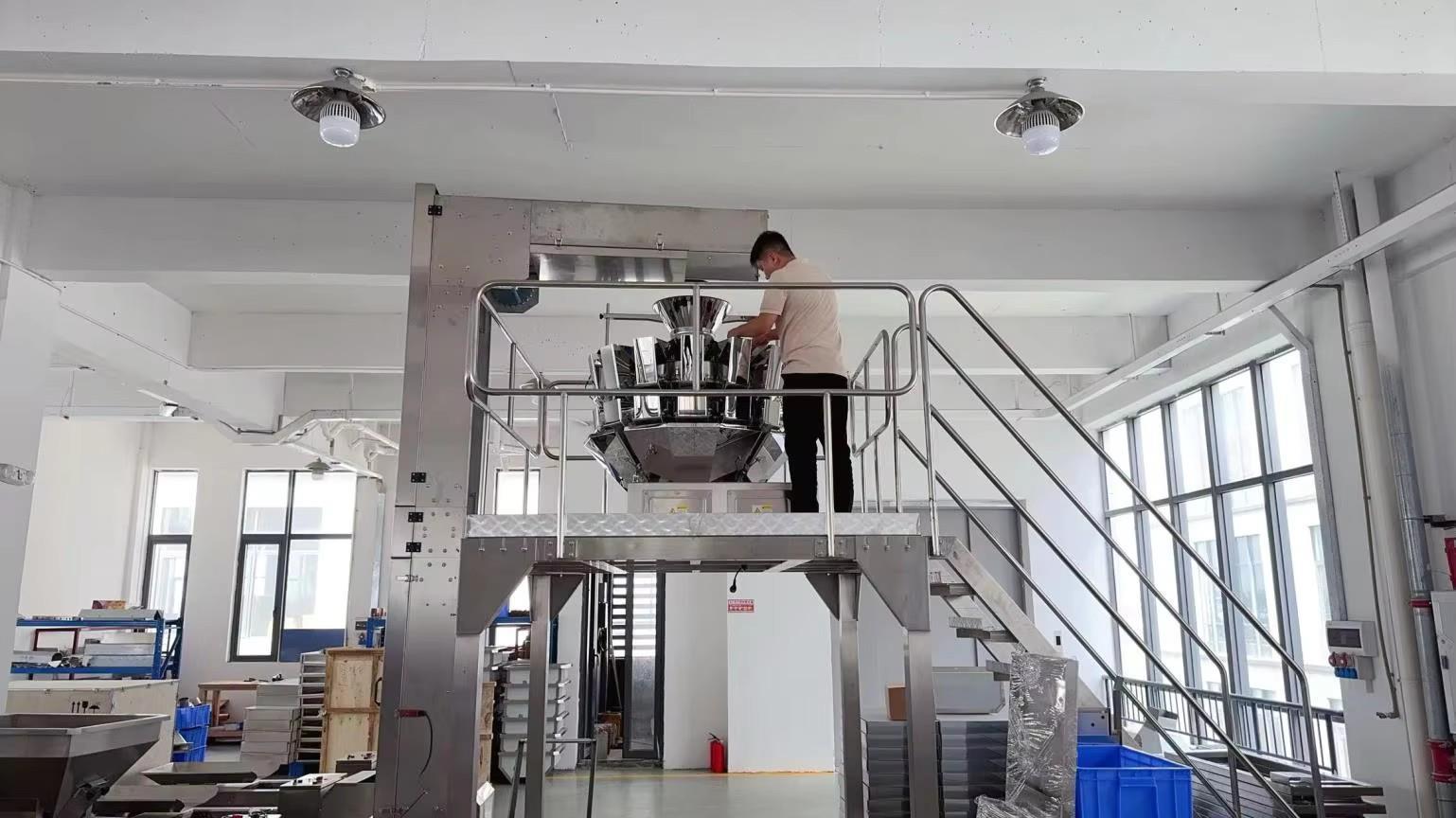
Packaging solutions must match specific product attributes and environmental conditions.
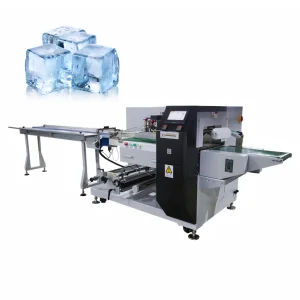
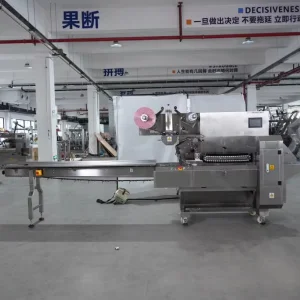
Inverted flow-wrapping (e.g., SZ280X) prevents damage to delicate, irregularly shaped products like pastries or vegetables. Modified Atmosphere Packaging (MAP) preserves shelf life without compromising product structure.
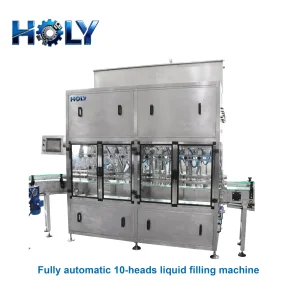
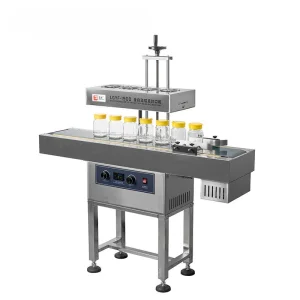
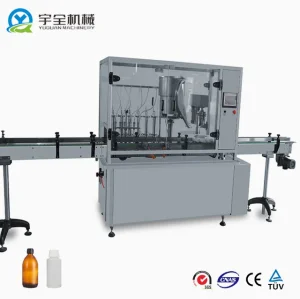
High-viscosity filling and cap sealing demand drip-free operation and chemical compatibility. Servo-driven piston machines with continuous induction sealers provide reliable containment for aggressive materials.
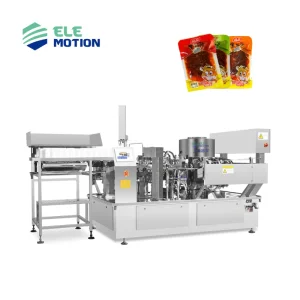
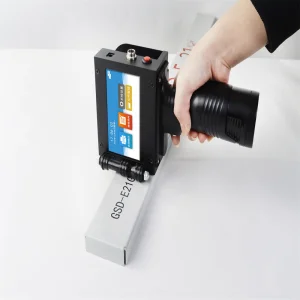
Strict hygienic standards require sterile, easy-to-clean equipment. Multi-station rotary vacuum systems and non-contact coding machines help packagers meet regulatory traceability guidelines.
Key considerations for procurement officers evaluating Chinese machinery suppliers.
Purchasing packaging machinery requires thorough evaluation of structural and software specifications. Industrial wrapping machines must integrate into existing production lines without creating bottlenecks. Modern procurement teams evaluate manufacturers using the following criteria:
This table compares common machine layouts to help identify the best solution for your project requirements:
| Machine Type | Primary Application | Speed Range | Key Advantage |
|---|---|---|---|
| Horizontal Flow Wrapper (HFFS) | Solids, Single-piece items (bars, trays) | 50 - 300 ppm | High speed, neat aesthetic wraps |
| Inverted Flow Wrapper | Soft, sticky, or irregular items (vegetables) | 30 - 150 ppm | Prevents product jam via bottom-feed |
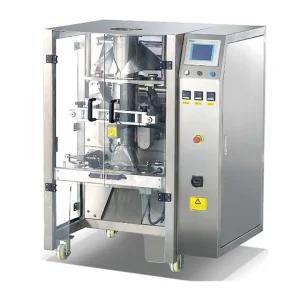
| Vertical Form Fill Seal (VFFS) | Grains, powders, liquids, small hardware | 20 - 120 ppm | Efficient floor space, versatile volumes |
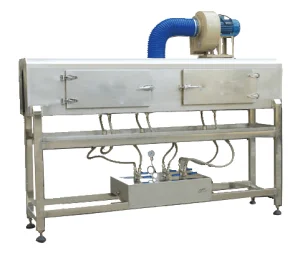
| Shrink Wrapping Tunnels | Multipacks, bottle labeling, boxes | Continuous variable | Tight moisture-resistant secondary wrap |
The convergence of green materials, multi-axis servo coordination, and industrial IoT.
Modern machines replace chains and mechanical gears with synchronized servo drives. This design improves film tracking accuracy, reduces noise, and allows quick changeovers via pre-programmed HMI recipes.
As environmental regulations tighten, sealing systems must handle ultra-thin recyclable films and biodegradable PLA materials. Advanced temperature control loops prevent burn-through on delicate green substrates.
Ethernet-enabled controllers monitor temperature fluctuations, heater resistance, and motor current in real time. Systems can flag anomalies before mechanical failures occur, reducing unplanned downtime.
Technical and logistical insights from our engineering team.
The choice depends on the physical stability and surface properties of your product. Standard horizontal flow wrappers feed film from above, which is suitable for solid, uniform items like candy bars or card decks. Inverted flow wrappers feed film from beneath the product path, making them suitable for soft, sticky, irregular, or multi-piece items (such as green onions, loose hardware, or multi-packs) that would catch on standard feeding plates.
Sustainable films (like PLA or paper-based cold seal films) have narrower thermal sealing windows than traditional BOPP. To run them reliably, machines require precise temperature controllers (such as Omron PID controllers) and custom-coated sealing jaws that prevent sticking or burning. The tension control system must also be sensitive enough to handle thinner, high-stretch bio-polymer films.
Our QA process follows ISO 9001 protocols. It starts with raw material inspection (verifying stainless steel grades) and includes CNC machining checkouts, mid-assembly testing, and a continuous 72-hour test run using client product samples before shipping. We also perform remote software calibration to ensure compatibility with your existing line speeds.
We offer pre-shipment video inspection, detailed wiring schematics, and multilingual setup manuals. Post-sale support includes 24/7 remote diagnostic access via VPN (for PLC/HMI adjustments) and on-site dispatch of technical teams for installation, training, and preventative maintenance audits.
 Collins Machine