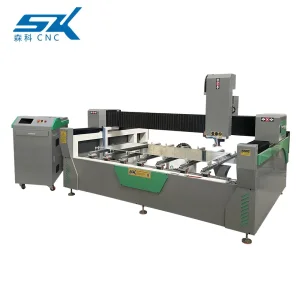
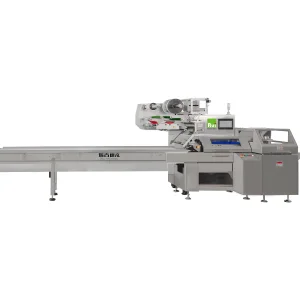
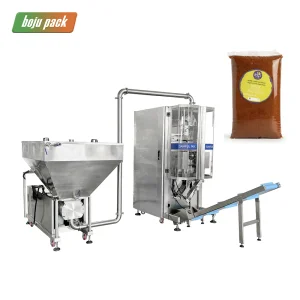
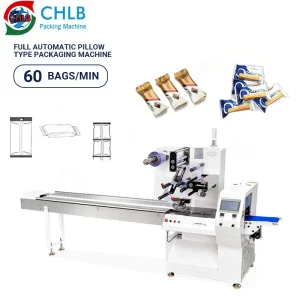
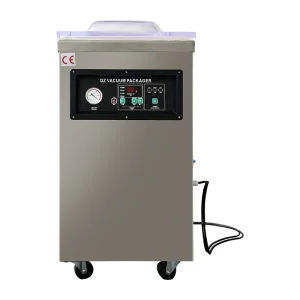
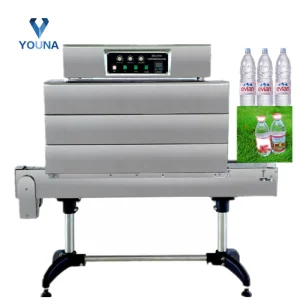
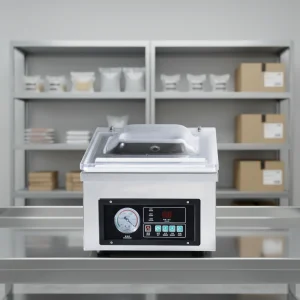
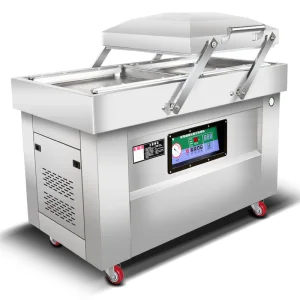
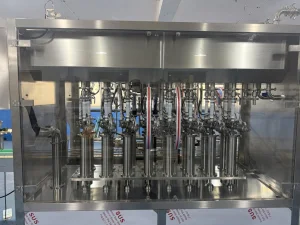
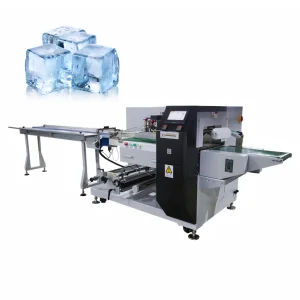
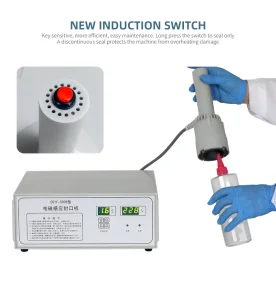
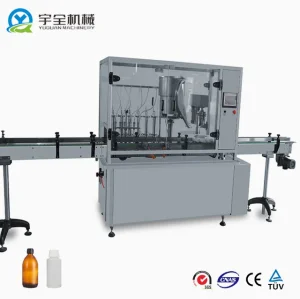
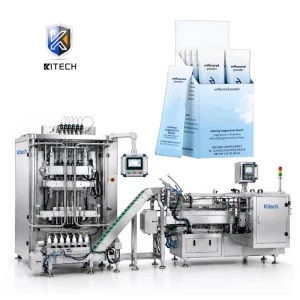
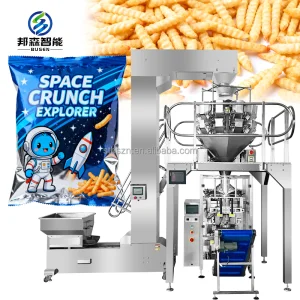
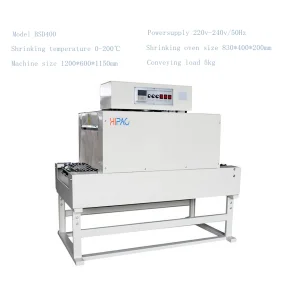
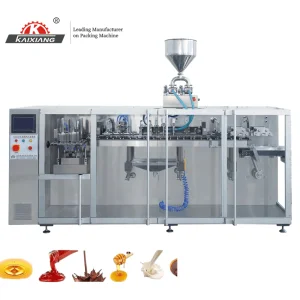
Explore our state-of-the-art precision hardware designed for robust production lines, seamless material processing, and vacuum integrity.
In modern automated packaging lines, bottle washing stands as the primary line of defense against product contamination, quality degradation, and compliance failures. Whether working with borosilicate glass in parenteral pharmaceutical processing, PET containers in carbonated beverage lines, or high-density polyethylene (HDPE) in chemical distribution, achieving absolute sterilisation and structural cleanliness is non-negotiable.
SEO Insight & Information Gain: Standard industrial washing equipment is no longer evaluated solely by units-per-hour output. Global procurement directors analyze systems on thermodynamic efficiency, water-reclaiming parameters, and validation support frameworks conforming to standards like the EU Annex 15 and FDA CFR Part 211.
Henan Collins Machine Co., Ltd. addresses these global expectations by engineering automated sanitization units designed to integrate with high-speed filling blocks. A bottle washer's efficiency hinges on multi-stage cycle control: pre-rinsing, alkaline detergent spraying, sanitizing wash, purified water rinse, and dry sterile air blasting. Ensuring zero cross-contamination and minimal carryover requires highly specialized piping systems, non-reactive pump materials, and precise mechanical alignment.
Established in 2015, Henan Collins Machine Co., Ltd. has developed a strong reputation in the design, prototyping, and large-scale manufacturing of integrated packaging lines. Over a decade of engineering refinement has led to 20 national invention patents, marking the company as a pioneering source of high-integrity industrial equipment in mainland China.
Operating from a 5,000 m² state-of-the-art facility, Collins utilizes advanced fabrication methodologies supported by a team of more than 80 skilled engineers and technical specialists. The production space features dedicated zones for automated coating, high-tolerance slitting, and computerized testing setups to check structural and electrical reliability under full load conditions.
Collins is certified under ISO 9001, SGS, and RoHS standards, verifying that every machine assembly—ranging from custom bottle cleaning lines to TTO coders, thermal transfer ribbon systems, and multi-lane sachet packaging machines—conforms to international environmental and safety standards. Our manufacturing processes balance high performance with resource efficiency, serving both OEM requirements and contract packaging groups globally.
Our facility handles the entire production lifecycle, maintaining strict quality control over every manufacturing phase to deliver reliable machinery.
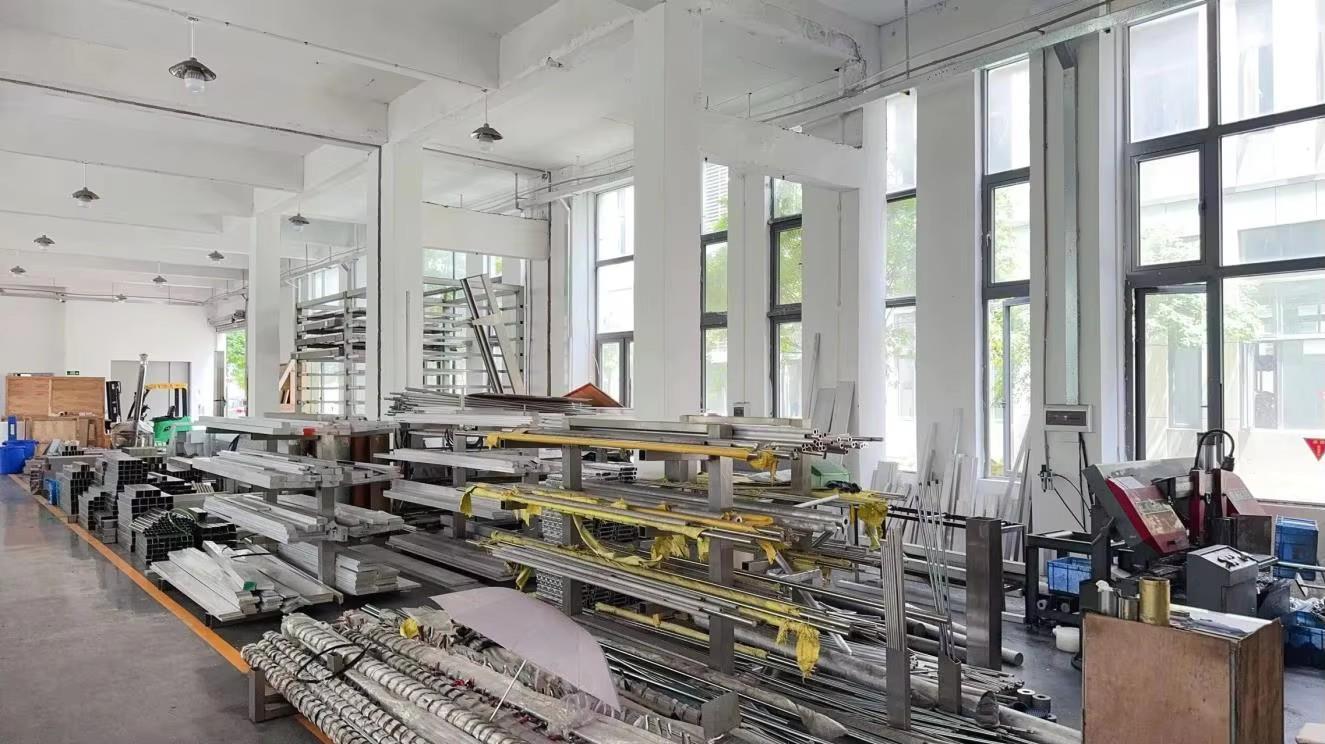
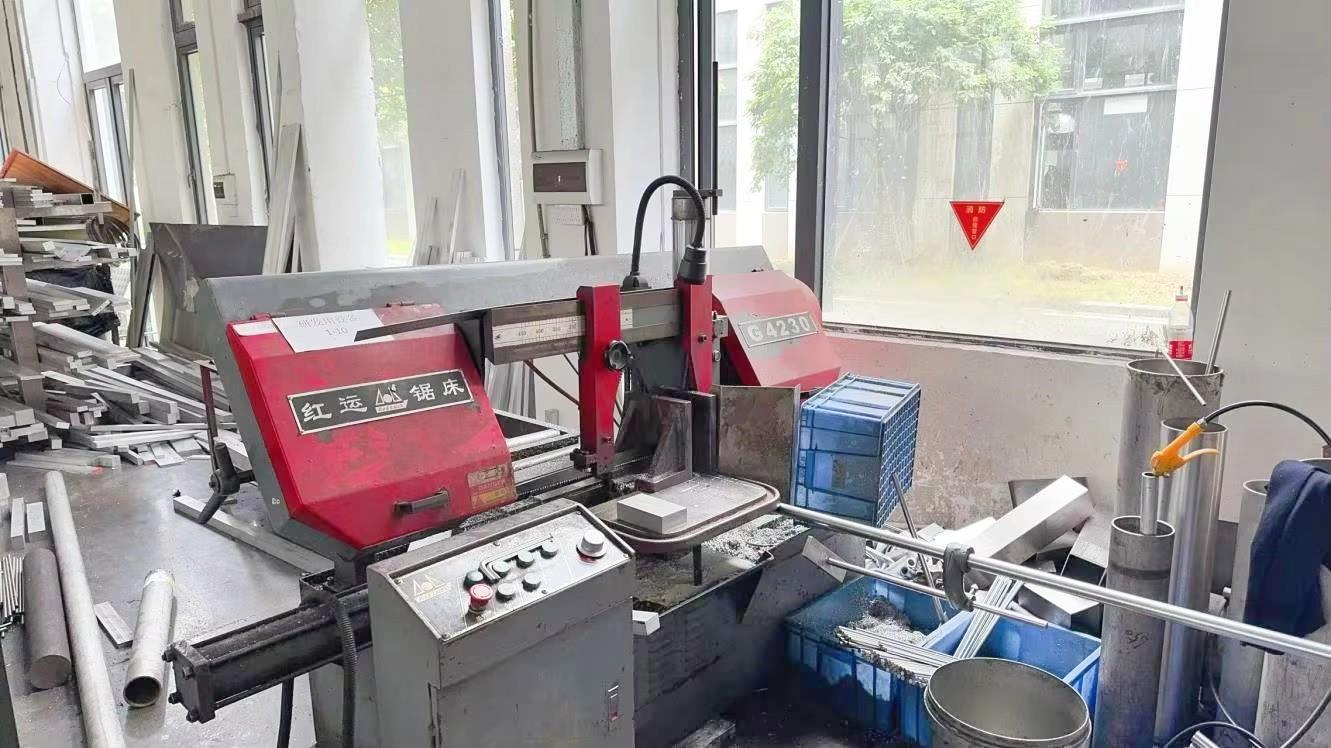
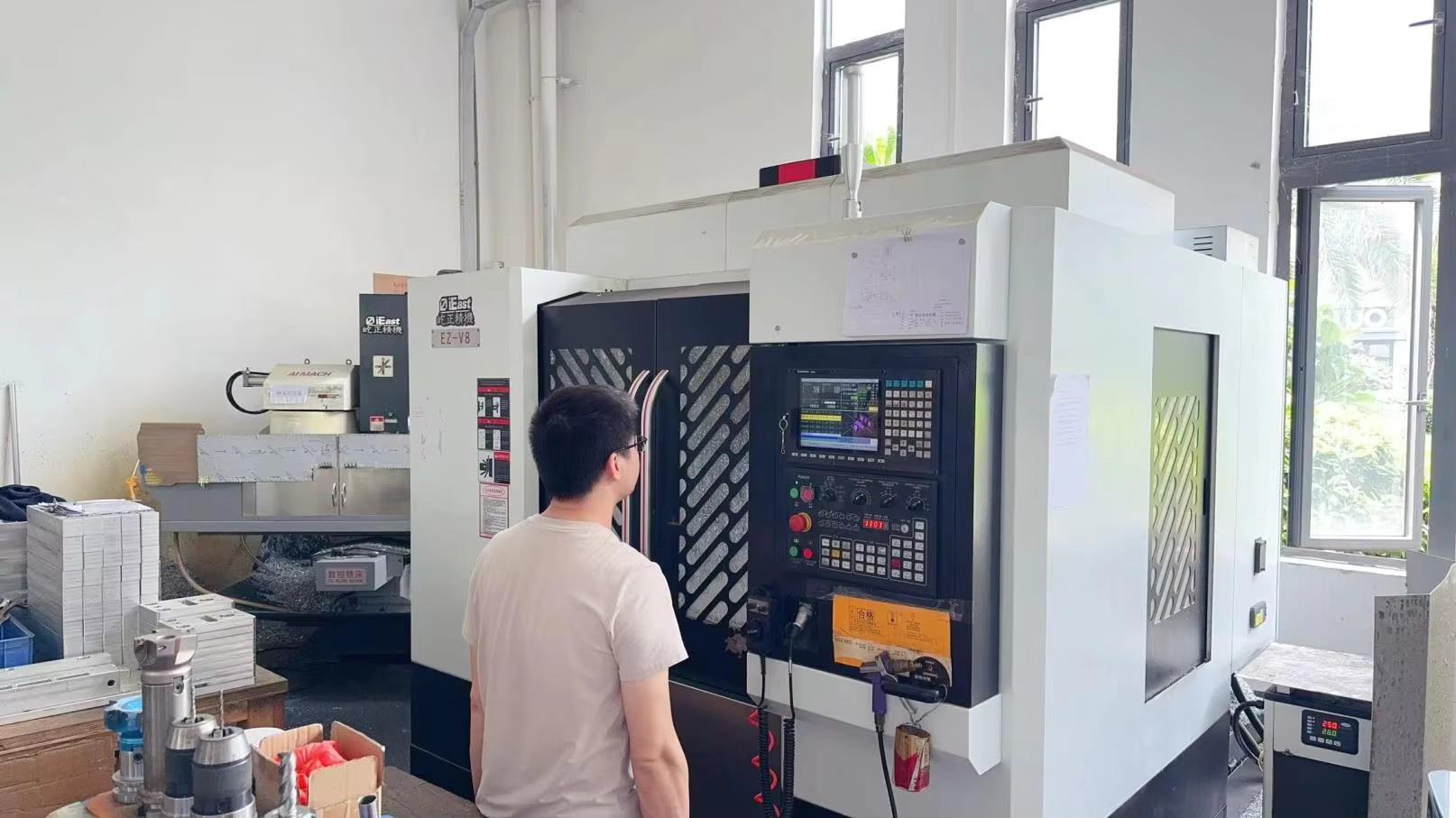
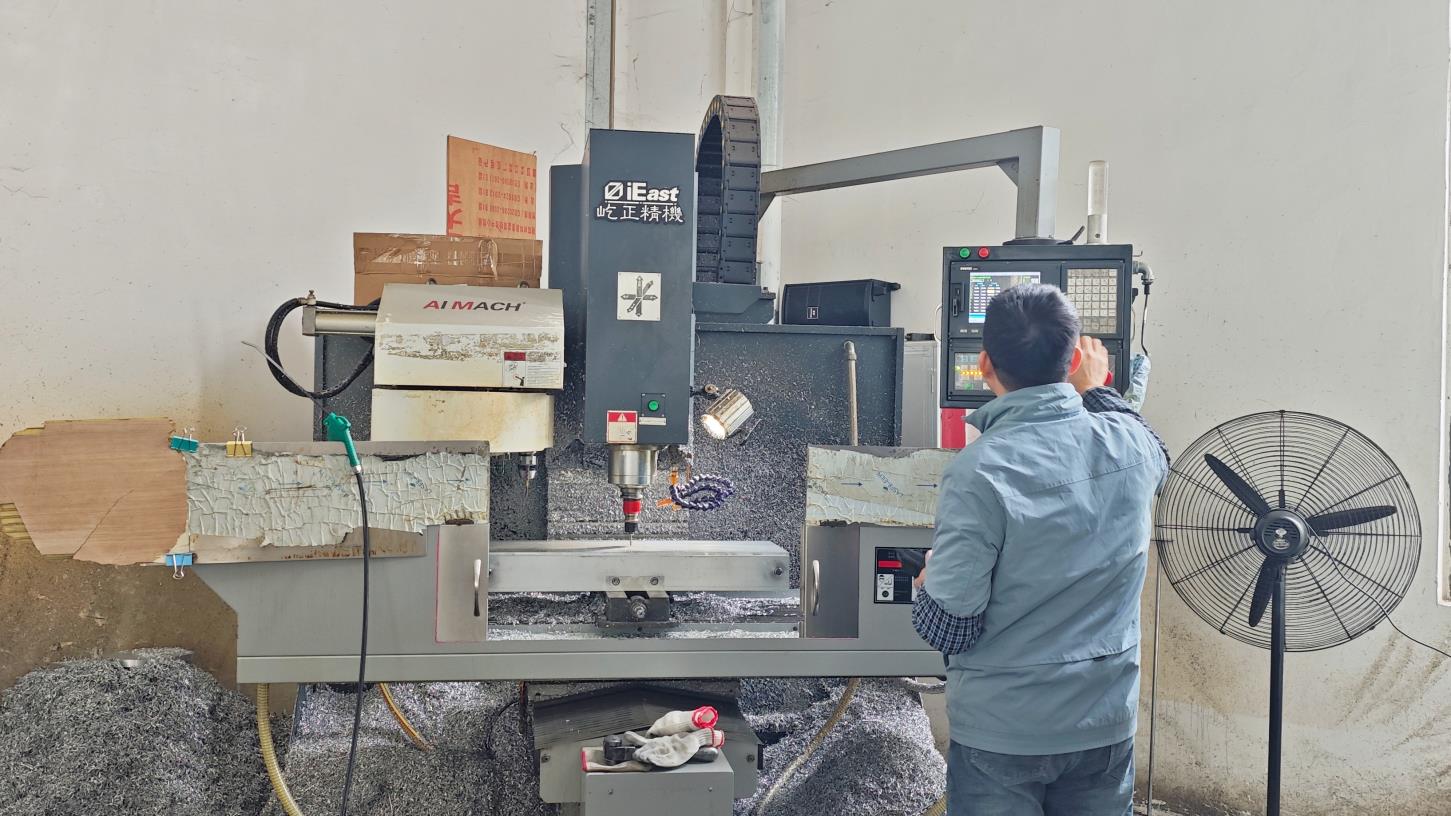
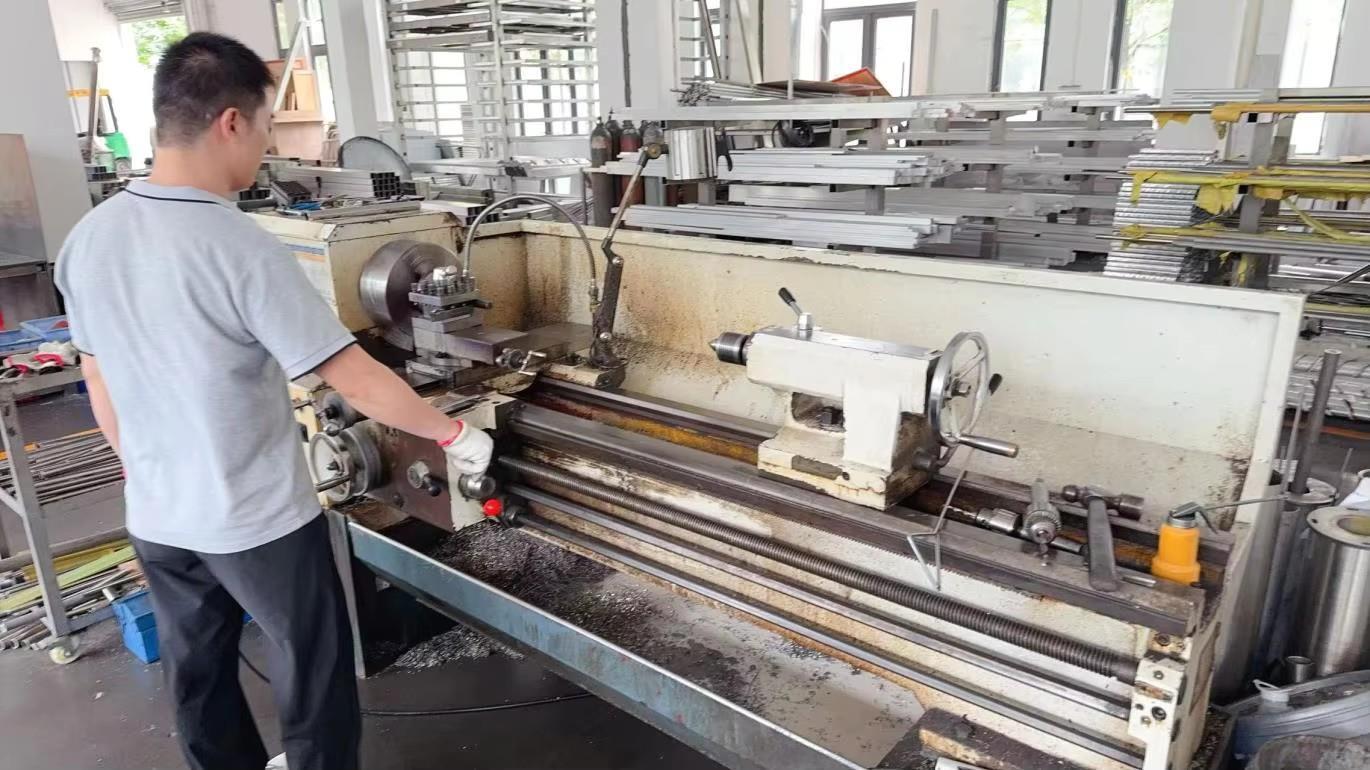
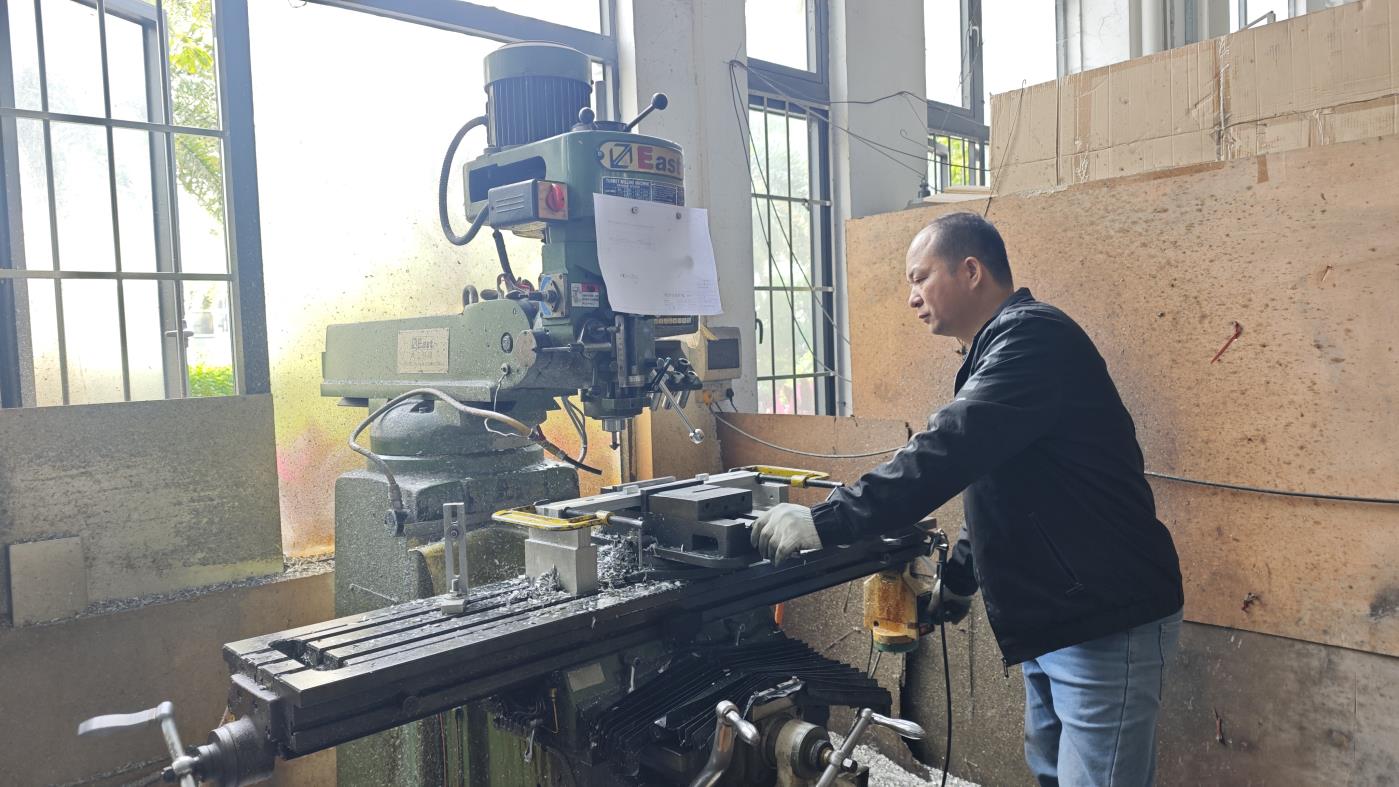
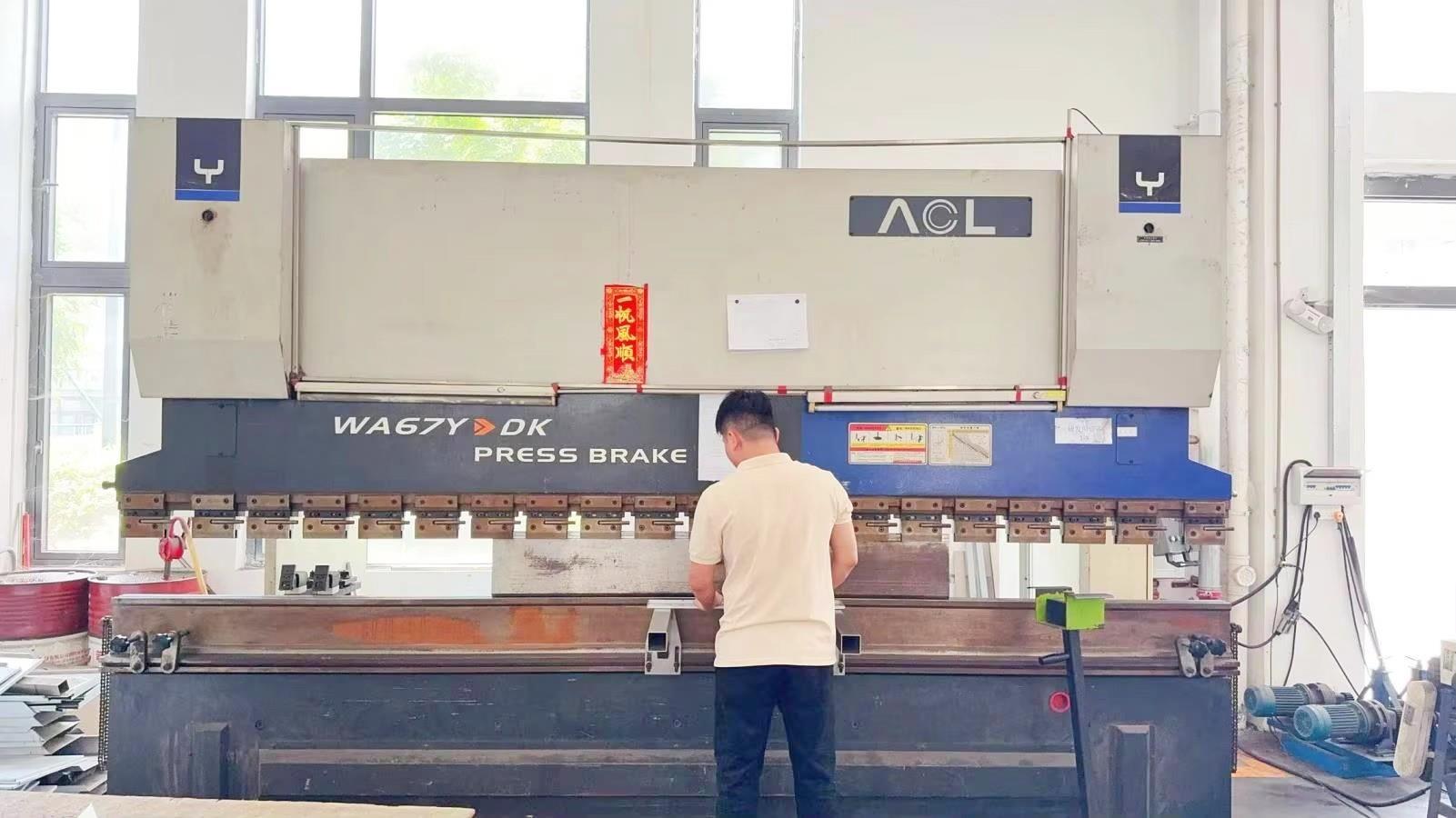
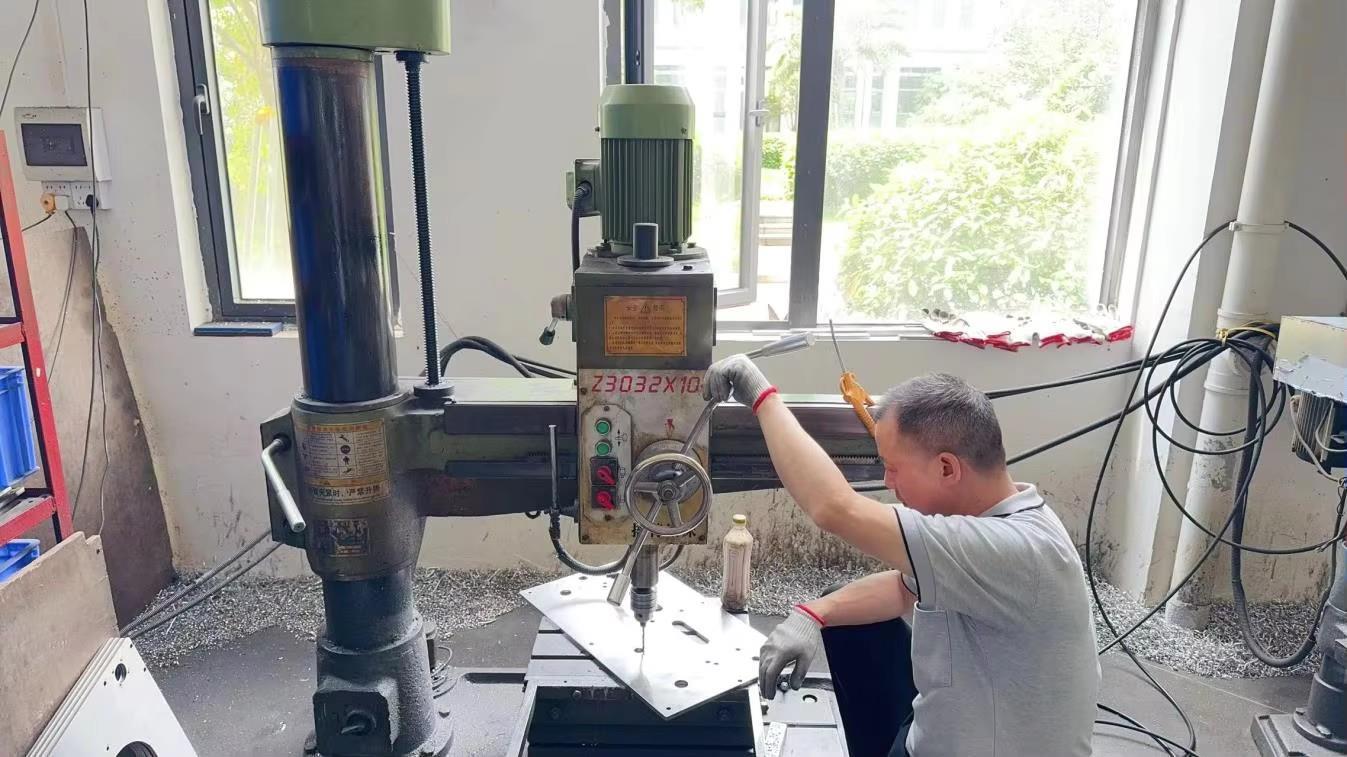
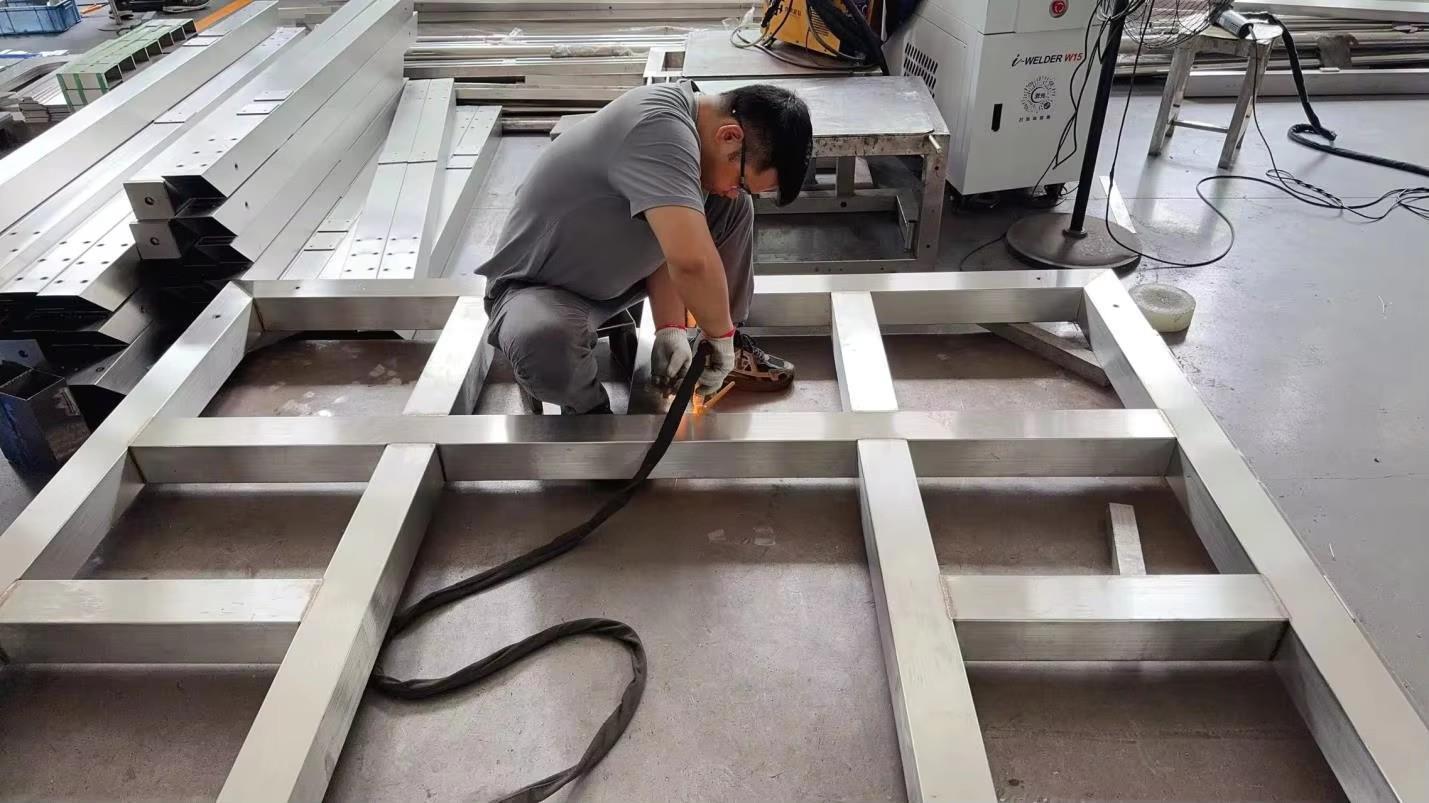
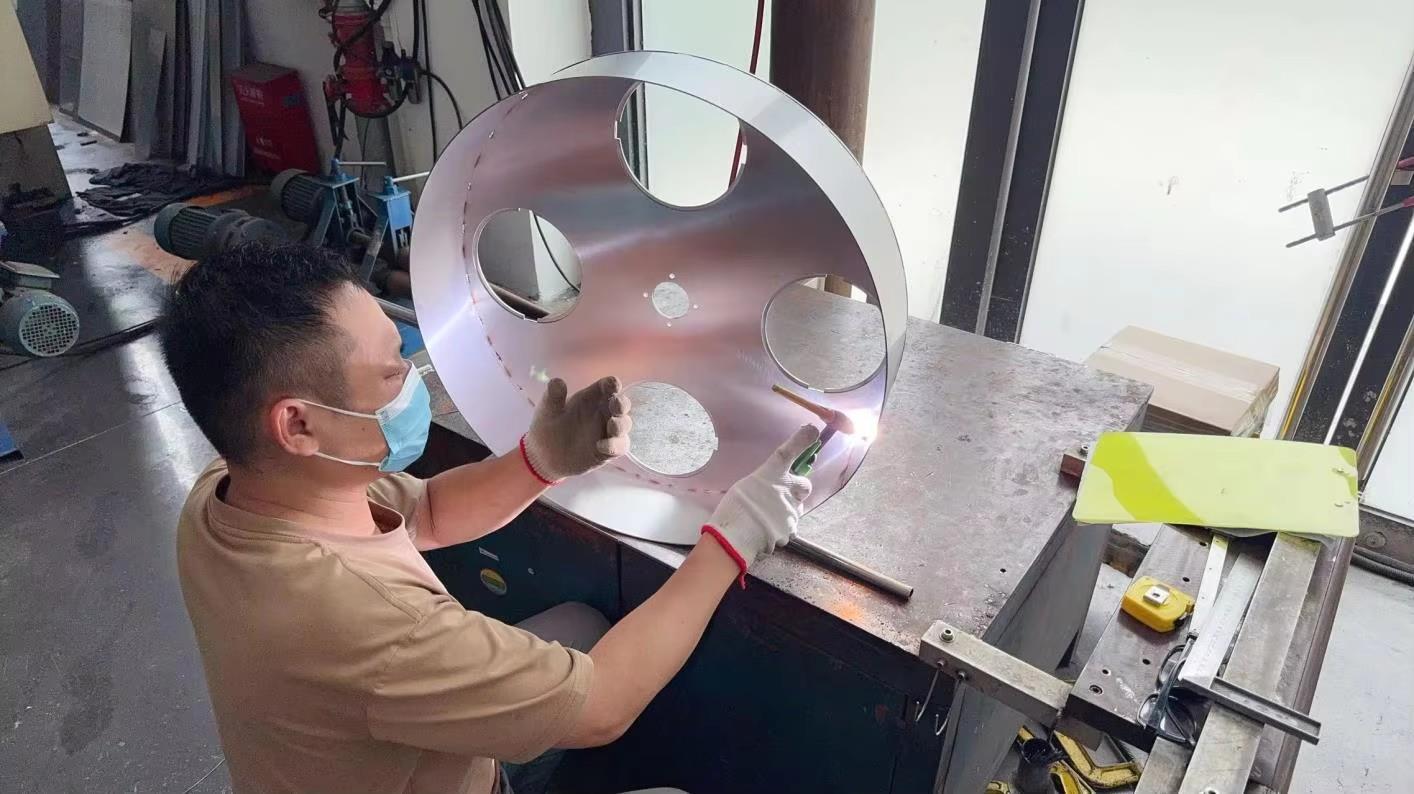
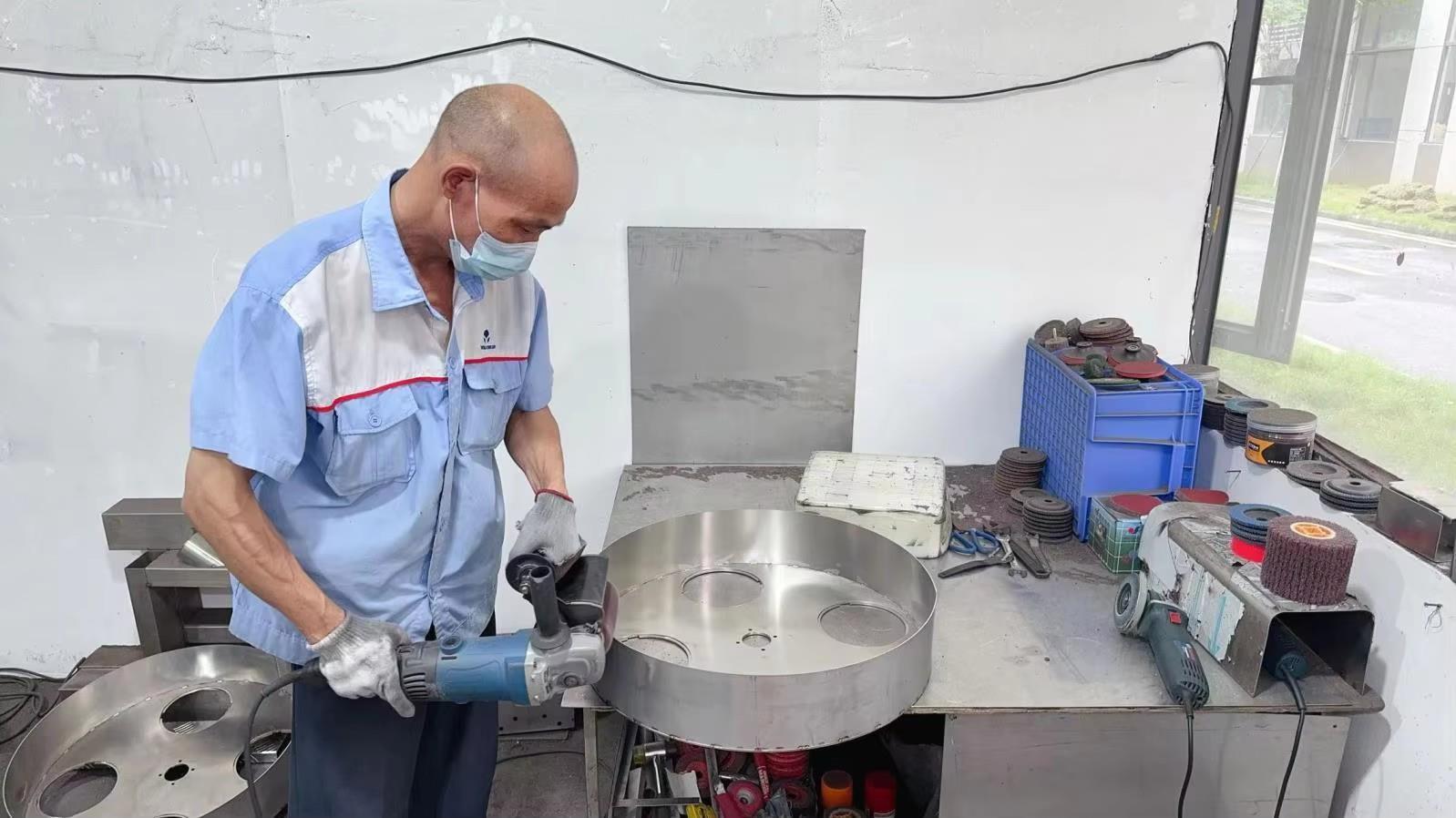
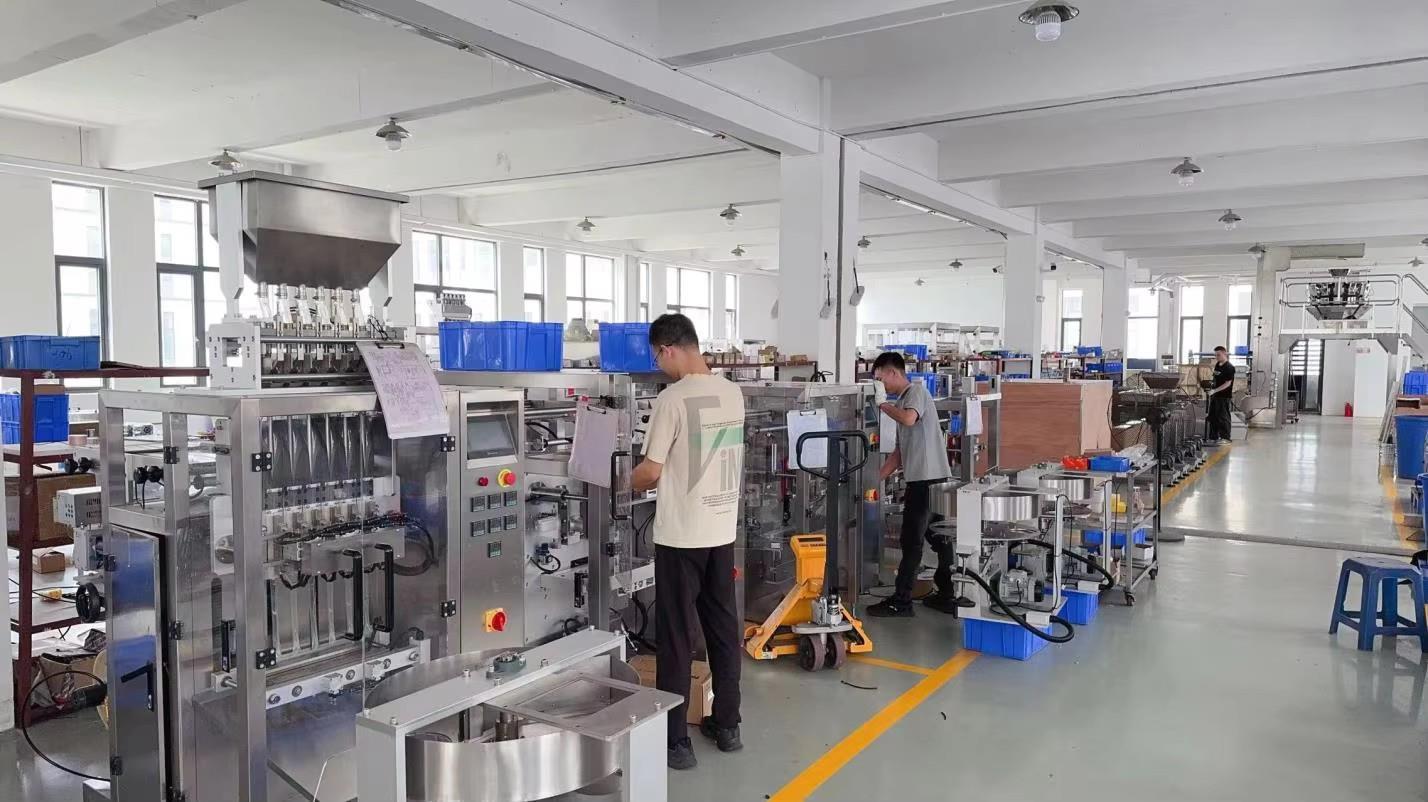
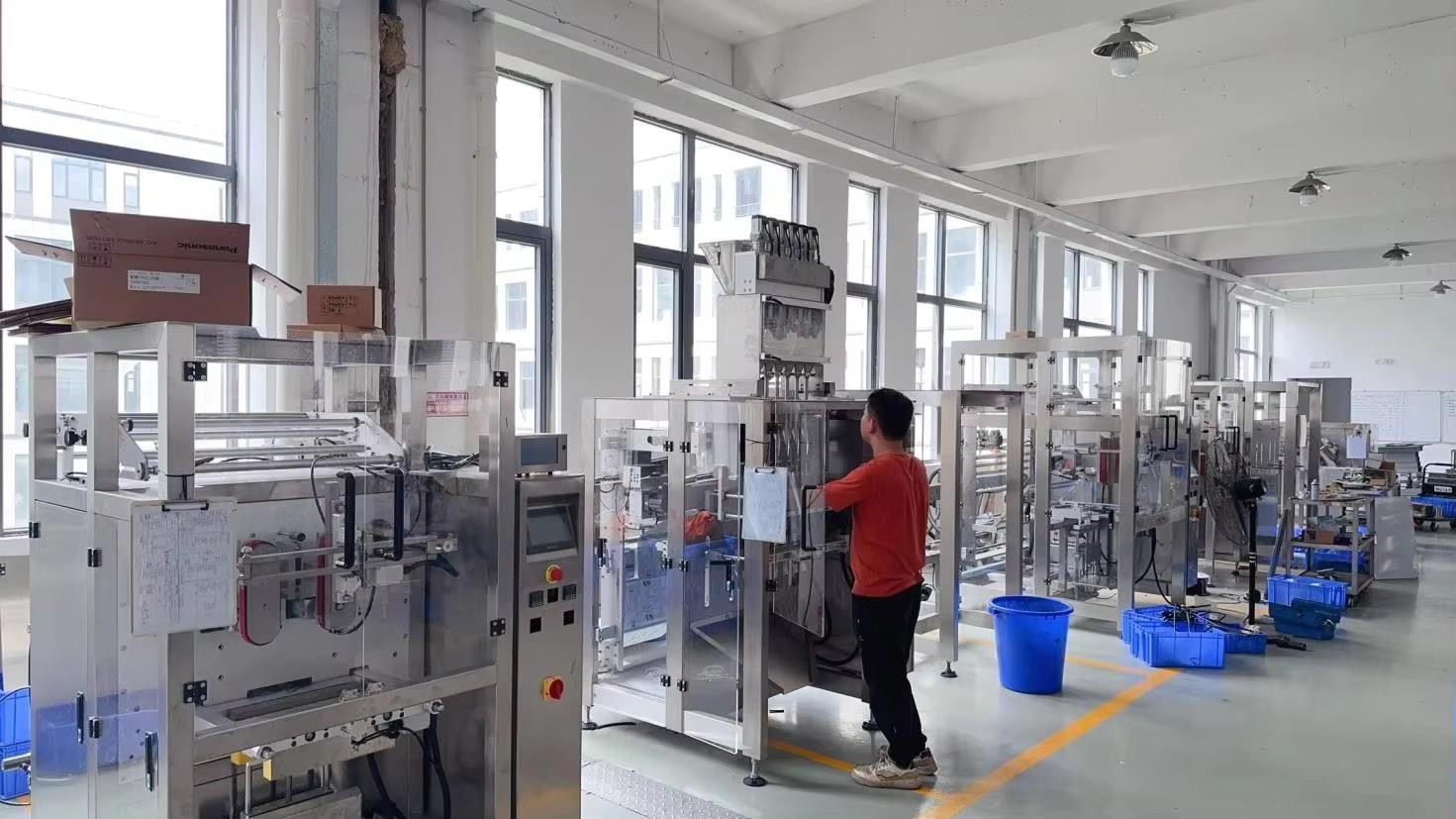
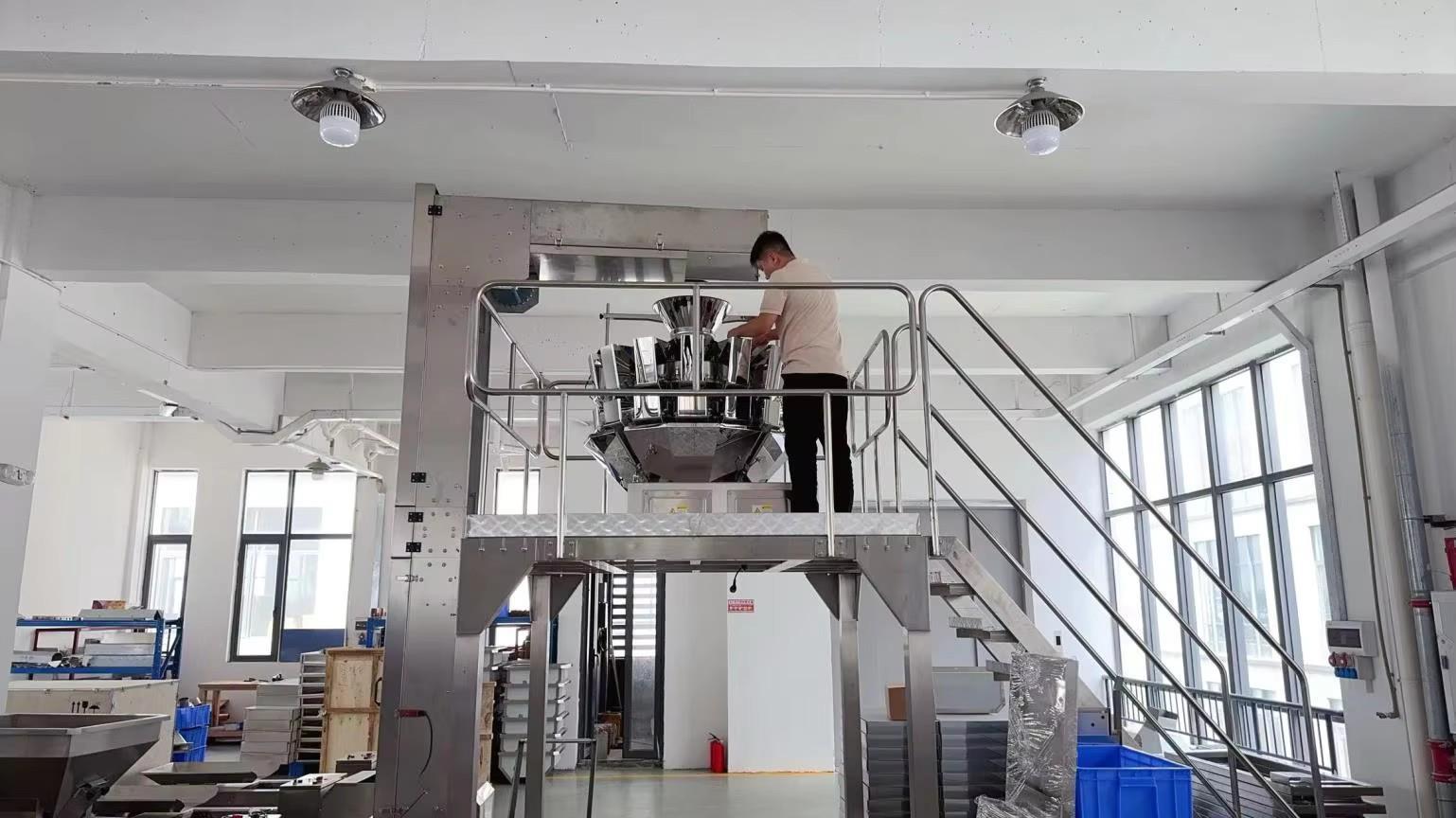
Procuring industrial sanitization machinery from China offers significant advantages beyond low labor costs. The main benefit is the deep integration of the local industrial ecosystem. In Henan and nearby manufacturing clusters, the supply chain for precision parts is highly concentrated, providing direct, reliable access to materials and specialized processes.
Industrial buyers search for cleaning systems that can adapt to changing packaging line requirements. Modern machinery must accommodate quick changeovers between different bottle designs while keeping water and energy usage as low as possible.
| Technical Parameter | Standard Specification | High-Precision Performance |
|---|---|---|
| Cleanliness Validation | Particulate count > 98% removal | WFI Rinse / Zero residue under TOC analysis |
| Water Consumption Rate | 1.5L - 2.0L per container | < 0.4L per container with filtration loop |
| System Control Interface | Local Manual / Basic PLC Panel | Profinet / Ethernet IP, SCADA Integration |
| Changeover Duration | 30 - 45 Minutes (tool-based) | < 10 Minutes (toolless quick-release) |
Collins custom-builds cleaning machinery to fit directly into existing bottling lines. Automated sensor networks monitor spray pressure and wash times in real time. If line blockages occur, the system automatically slows or pauses to protect bottle integrity. Modulating motors adjust water flow to match line speed, helping to reduce utility consumption during operation.
Operating machinery internationally requires strict adherence to regional safety and sanitary standards. Industrial equipment must meet specific certification requirements to operate in regulated manufacturing environments.
Equipment shipped to the EU complies with the Machinery Directive 2006/42/EC and Electromagnetic Compatibility Directive 2014/30/EU. Controls utilize certified safety relays to ensure fast system shutdown if guard enclosures are opened.
For pharmaceutical and food-grade packaging applications, all liquid-contact surfaces are constructed from FDA-approved SUS316L stainless steel. Gaskets and seal profiles are made from food-safe EPDM or PTFE materials to ensure chemical resistance and prevent toxic extraction.
To minimize operational downtime, Collins provides comprehensive remote diagnostics through secure IoT modules. Our engineering team can troubleshoot PLC logic, configure sensor settings, and identify mechanical issues without requiring on-site visits. For facilities requiring physical maintenance, we ship replacement parts globally using expedited air freight to ensure rapid delivery.
Different manufacturing sectors require specific sanitization setups. The choice of cleaning technology depends directly on the container types, product viscosity, and hygiene standards of each industry.
High-output beverage lines require continuous rotary cleaning machines capable of running at speeds exceeding 24,000 bottles per hour. These lines typically use recycled water filtration loops to minimize utility costs while effectively removing dust, cardboard fibers, and shipping residues from new containers.
Aseptic processing facilities rely on sanitizing tunnels that feature ultrasonic pre-wash tanks, followed by sterile Water-For-Injection (WFI) rinses and hot-air sterilization zones. These systems are designed to completely remove bacterial cells, pyrogens, and fine particulates.
Cosmetics packagers often work with irregular bottle shapes, thick formulas, and delicate plastic designs. These configurations benefit from linear nozzle arrays that use ionized air to neutralize static charges inside the containers, allowing vacuum lines to pull out light dust particles without distorting the plastic.
Industrial packaging is shifting toward resource-saving designs. Standard wash systems that exhaust fresh water after a single cycle are being replaced by closed-loop filtration units. By integrating multi-stage oil and particulate filters, modern washing machinery can reuse water through several cleaning cycles before disposal.
Furthermore, predictive monitoring is becoming standard across automated production lines. Integrated sensors track motor vibration, pump pressure, and valve responses. This real-time data allows operators to identify and schedule maintenance before component failures cause unexpected downtime, maintaining steady throughput across the packaging line.
Explore our full line of automated liquid filling, induction sealing, vertical sachet systems, and shrink-wrap machinery.
Technical answers to key engineering, integration, and performance questions regarding industrial sanitization equipment.
 Collins Machine