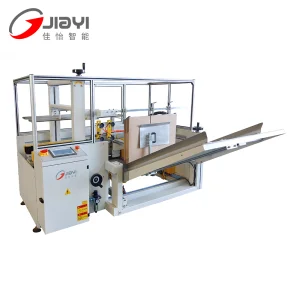
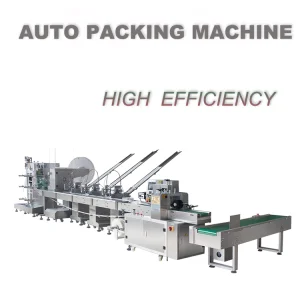
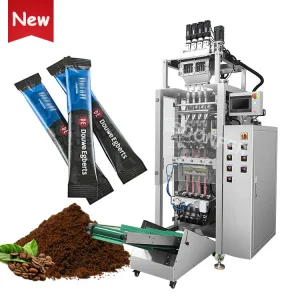
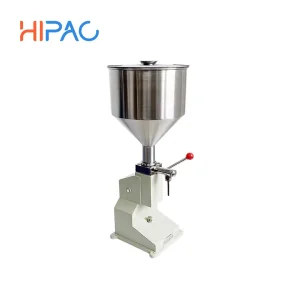
Within the highly competitive landscape of consumer packaged goods (CPG), pharmaceuticals, food, and chemical industries, capping operation reliability stands as a critical factor directly impacting production efficiency and product integrity. A faulty seal can lead to degradation, contamination, leakage, and costly recalls.
Choosing the right industrial capping machine factory or supplier is not simply a matter of looking at prices. It requires a detailed evaluation of engineering capabilities, manufacturing tolerances, automation support, and torque consistency systems. Modern capping units use smart tracking systems, servo torque controls, and fast mechanical adjustments to adapt to various container sizes, thread pitches, and material types.
Henan Collins Machine Co., Ltd. was established in 2015. From day one, the company has focused on designing and manufacturing end-to-end automated packaging solutions. With 20 national invention patents, Collins demonstrates a decade of technical expertise in integrated systems including labeling, filling, capping, coding, sealing, and shrink-wrapping for a wide range of industries.
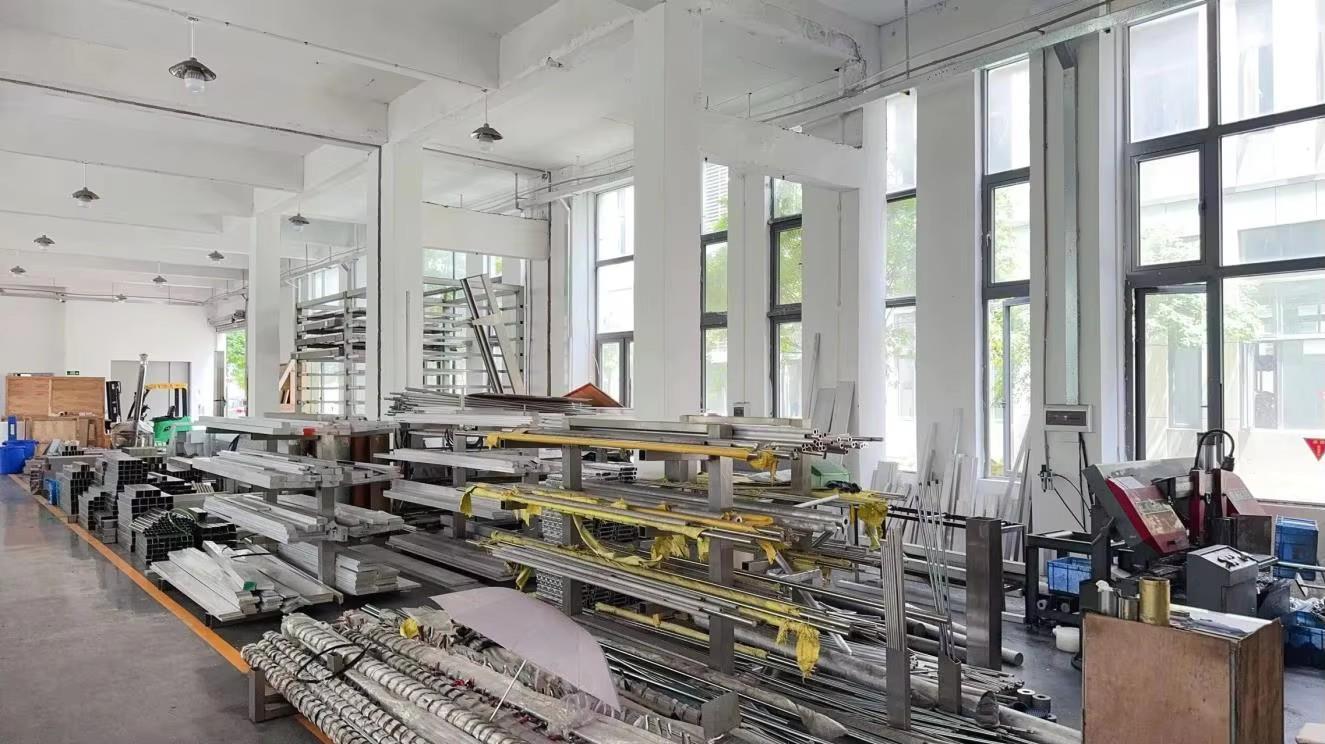
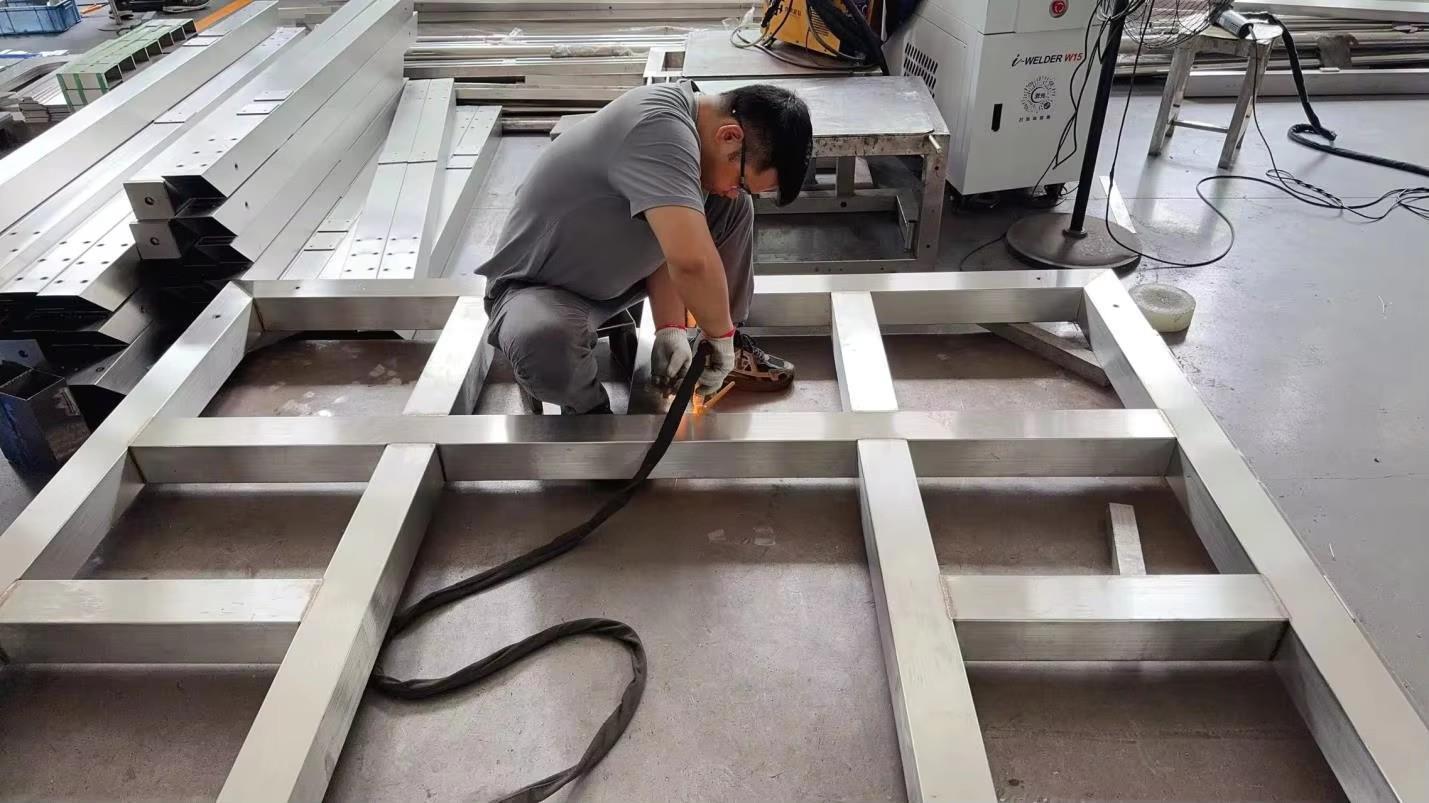
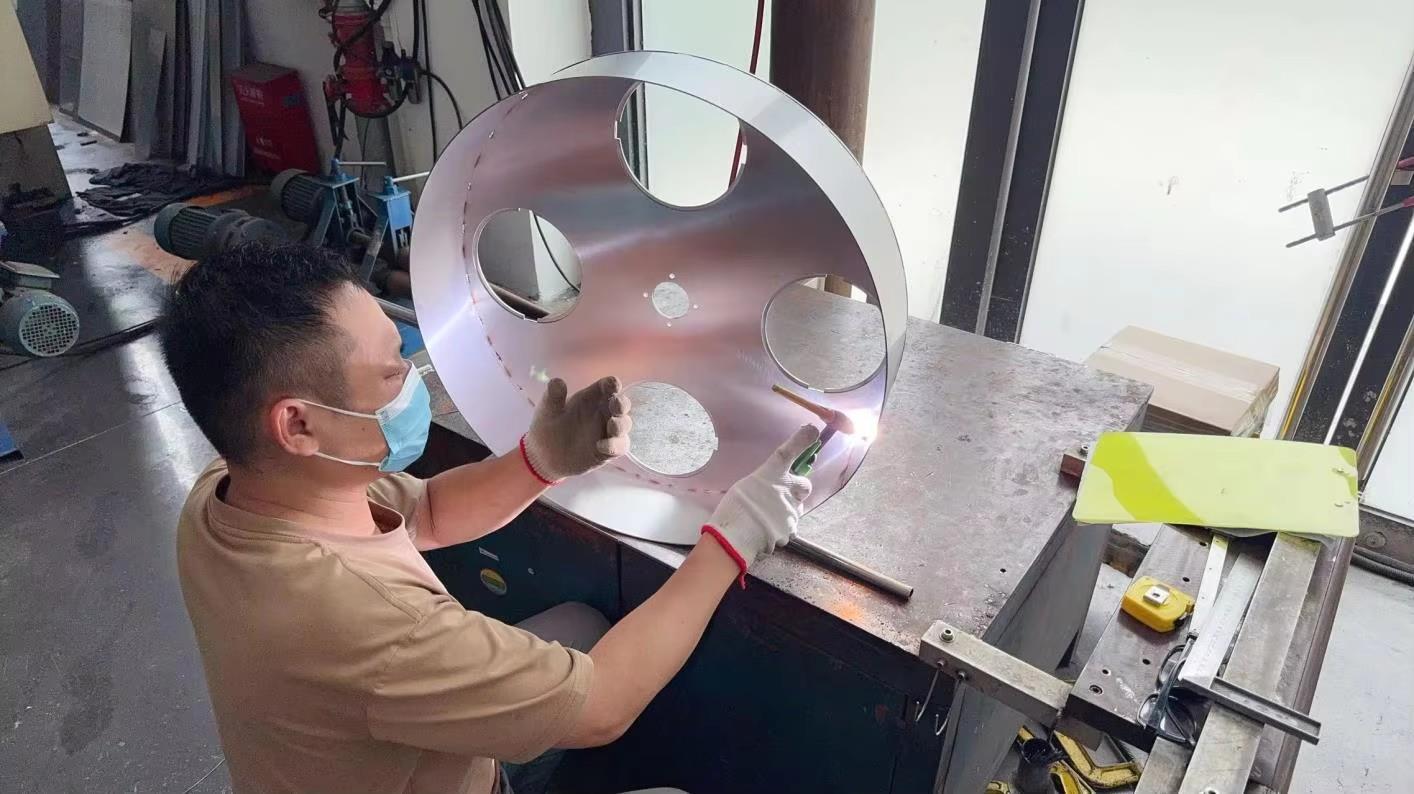
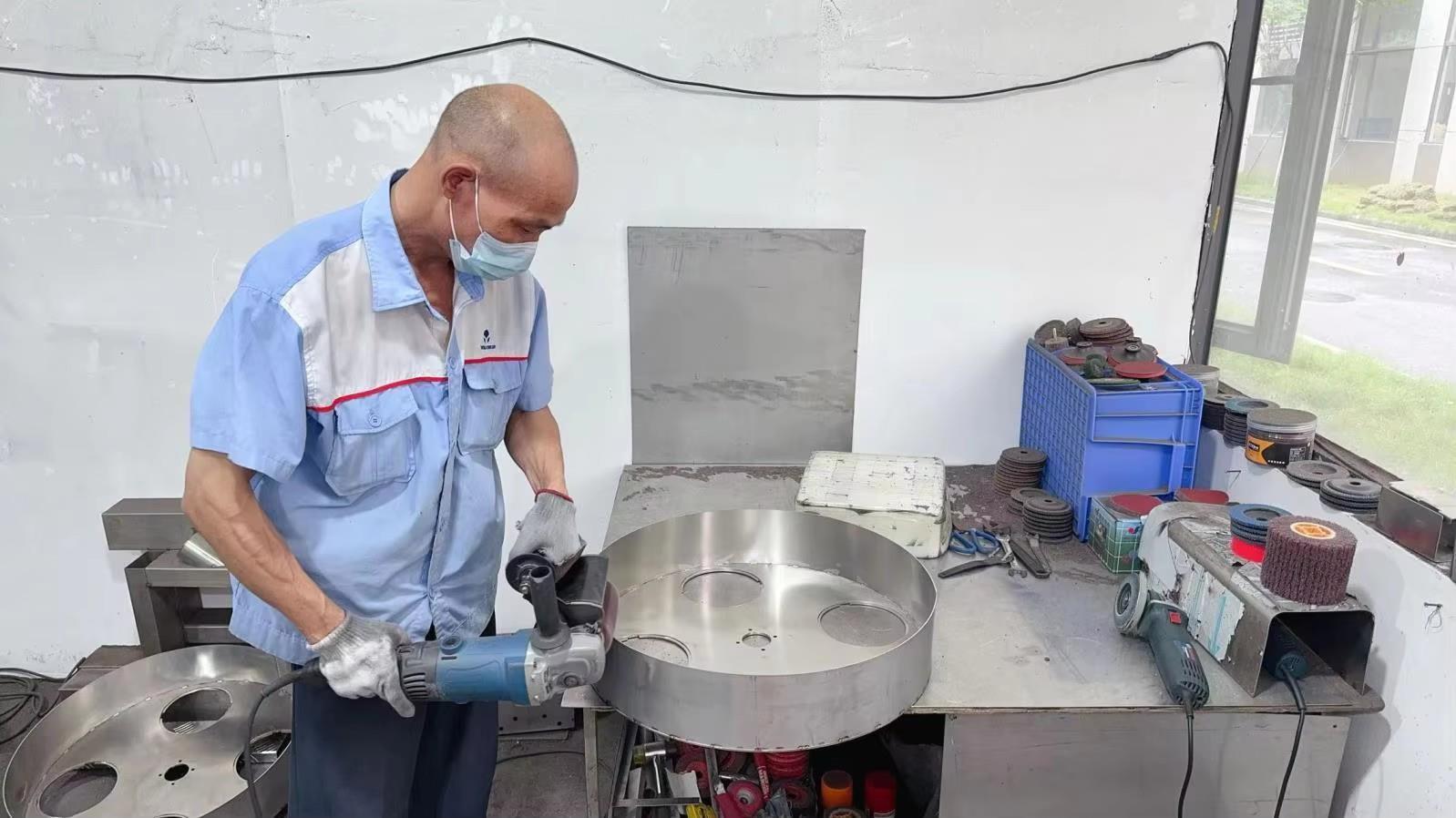
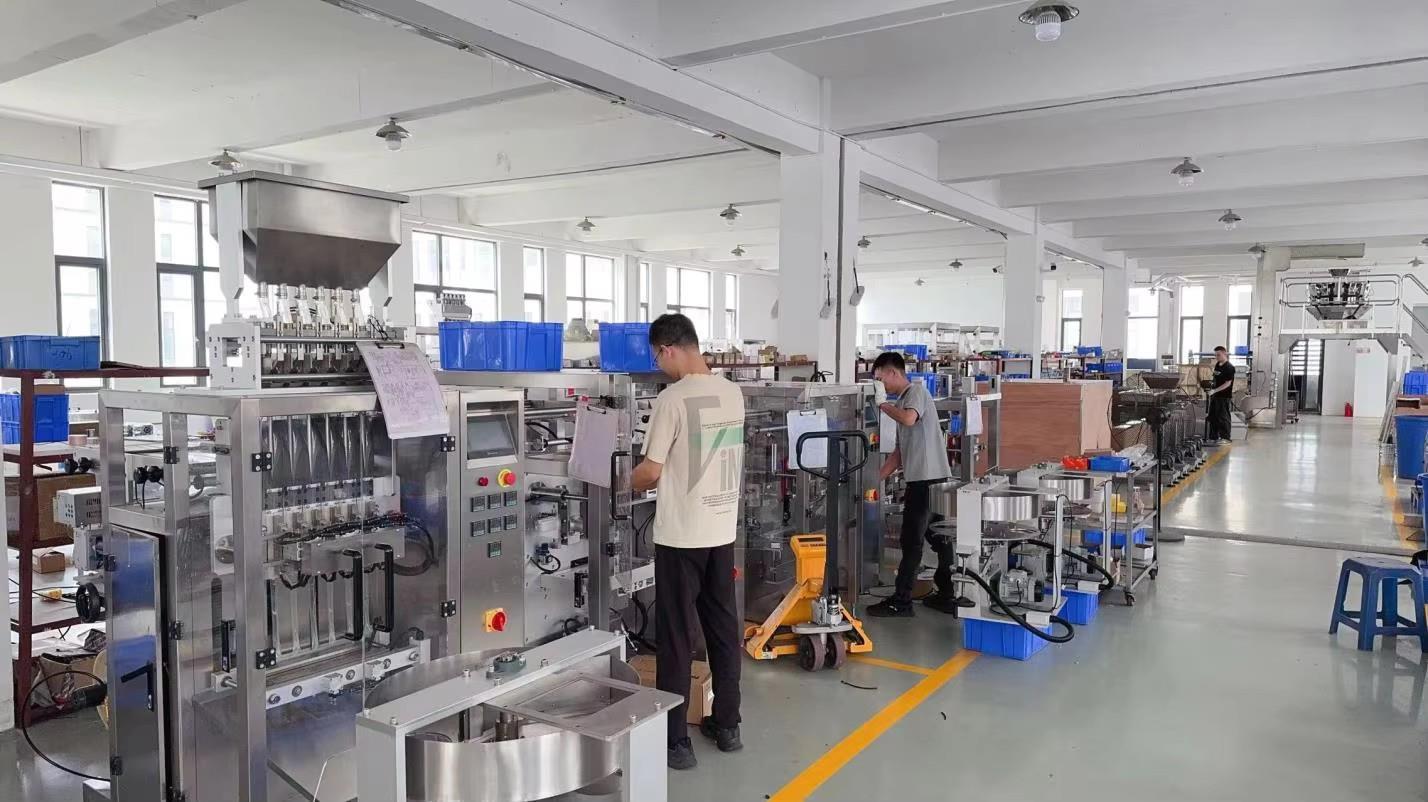
In a 5,000 m² state-of-the-art facility, more than 80 skilled engineers and technicians support advanced production and assembly capabilities. The company operates automated coating, slitting, and quality-control lines to ensure precision and reliability across all equipment and consumables. Certified under ISO 9001, SGS, and RoHS standards, Henan Collins Machine Co., Ltd. is committed to delivering high-performance packaging machinery that meets global OEM and contract packaging requirements.
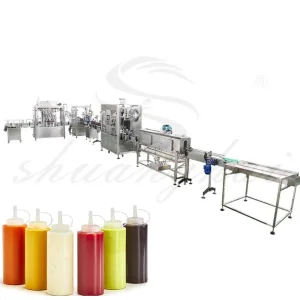
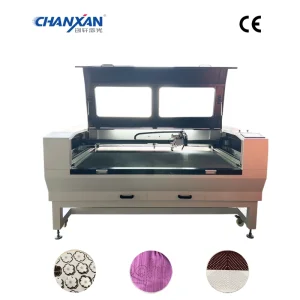
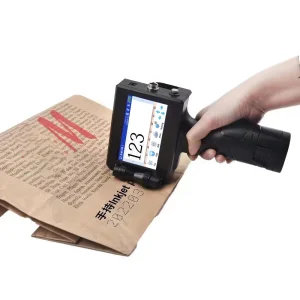
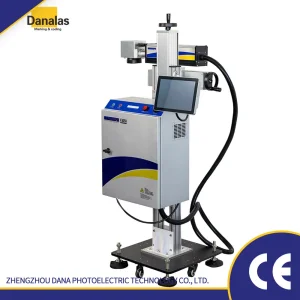
Specializing in the development, production, and sales of labeling machines, filling machines, packaging machines, thermal transfer coders, ribbon coders, ink roller coders, laser coders, and other coding equipment, Collins also provides a full range of consumables, including TTO ribbons, ink ribbons, ink rollers, carbon ribbons, and label paper. This integrated product portfolio supports industries such as food, daily chemicals, pharmaceuticals, cosmetics, and more, offering a complete one-stop packaging solution.
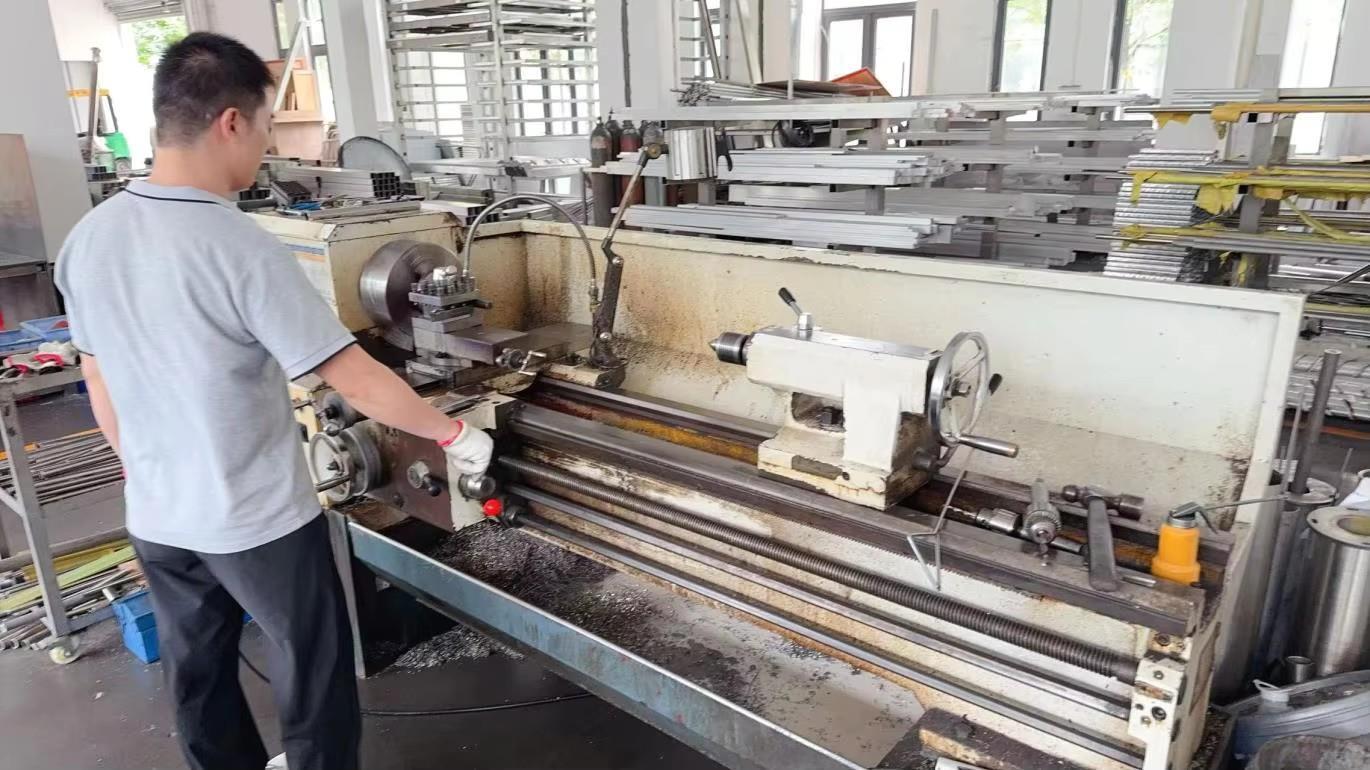
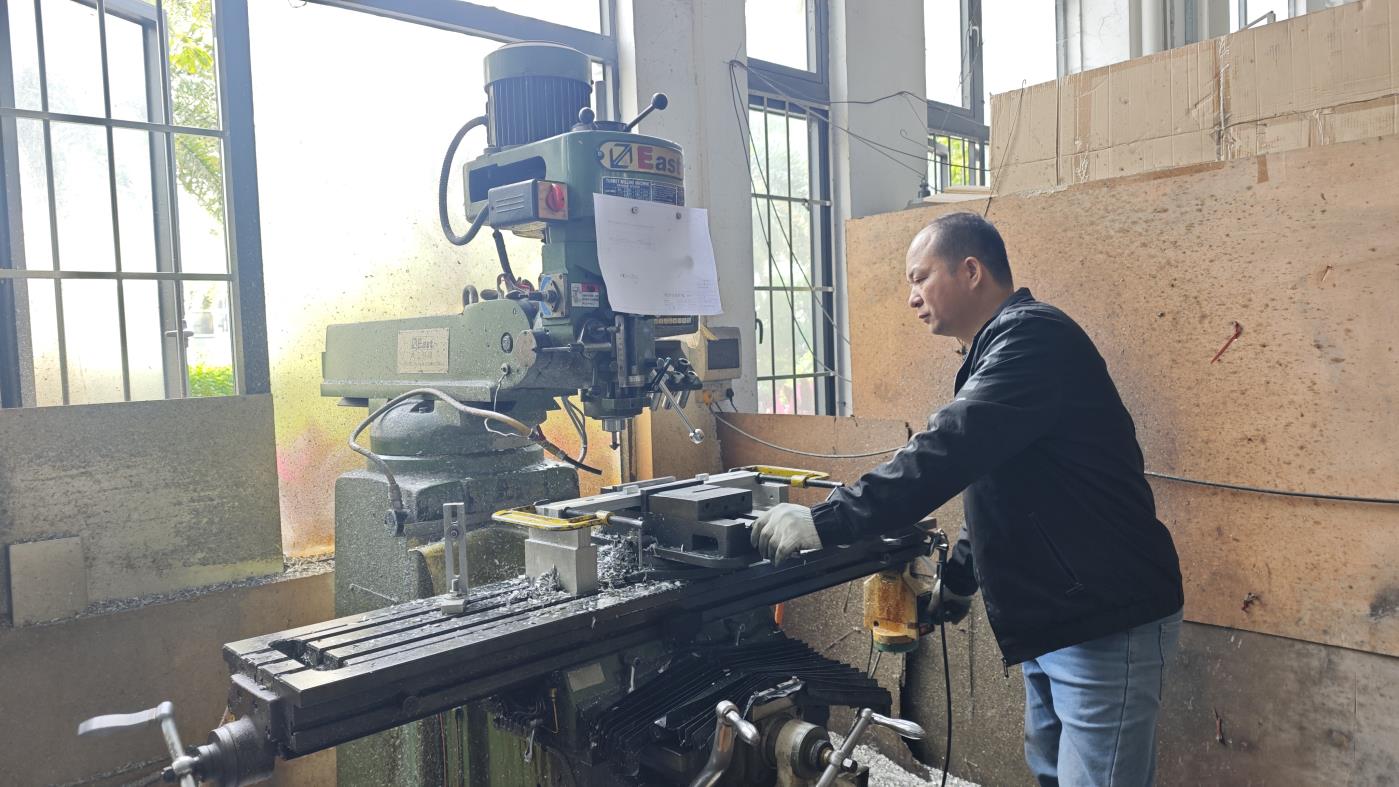
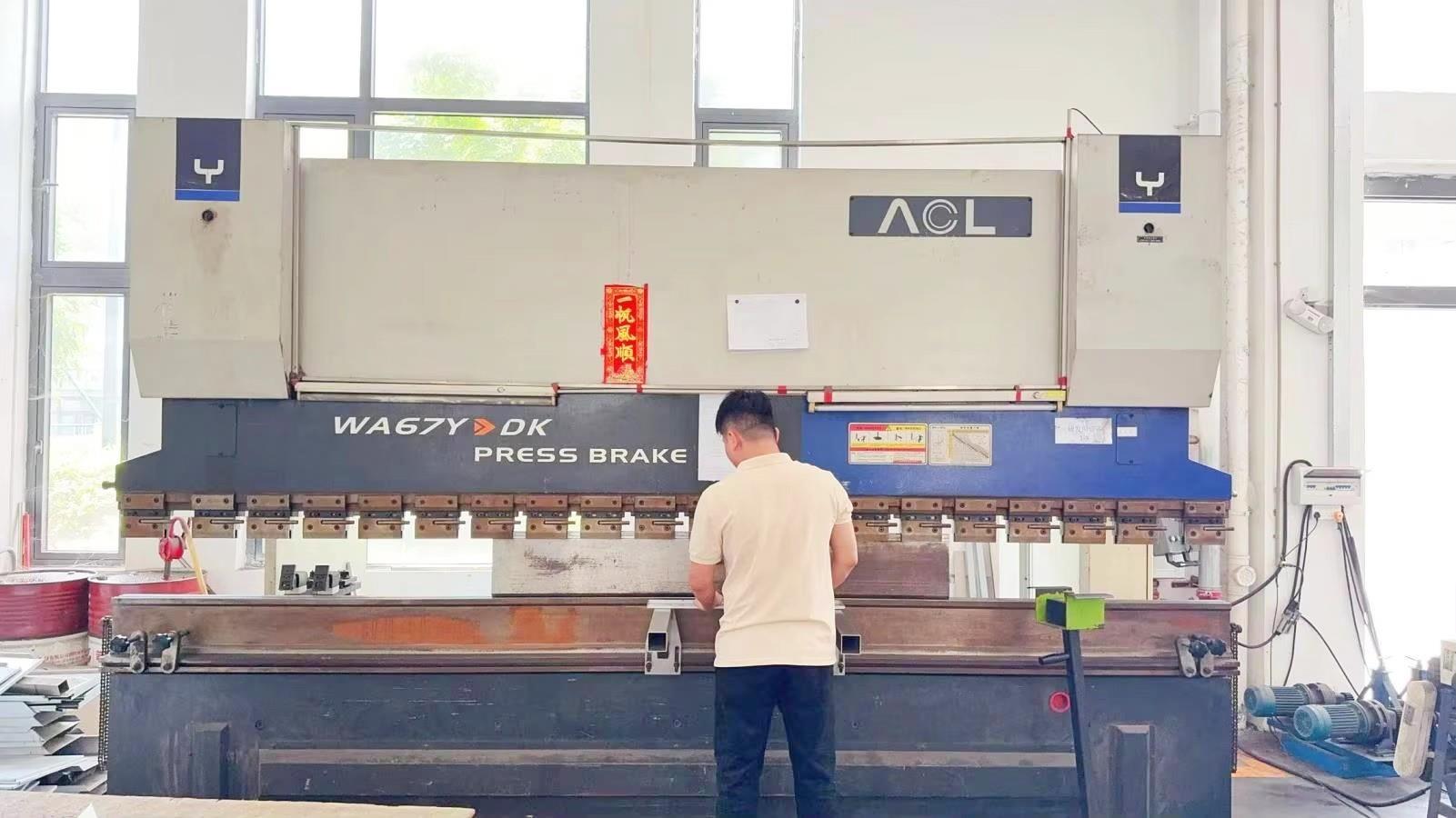
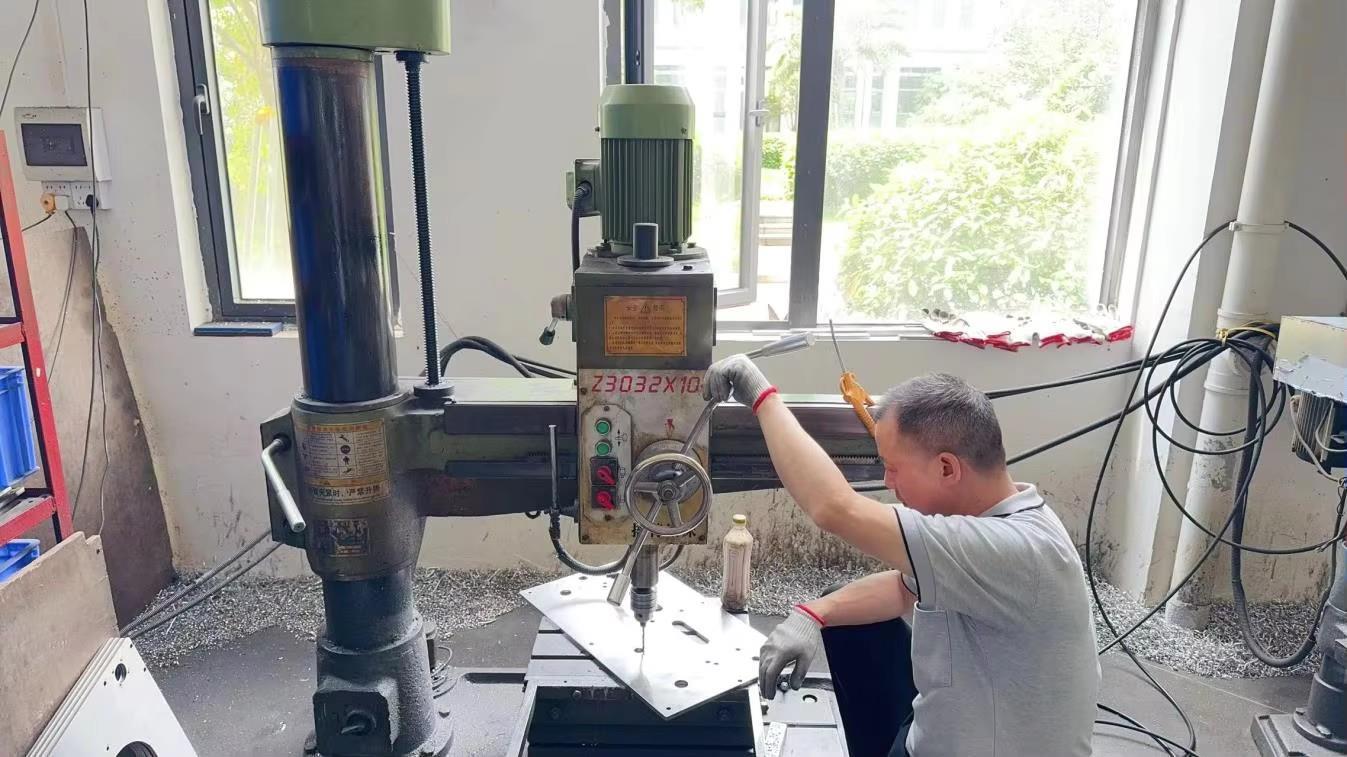
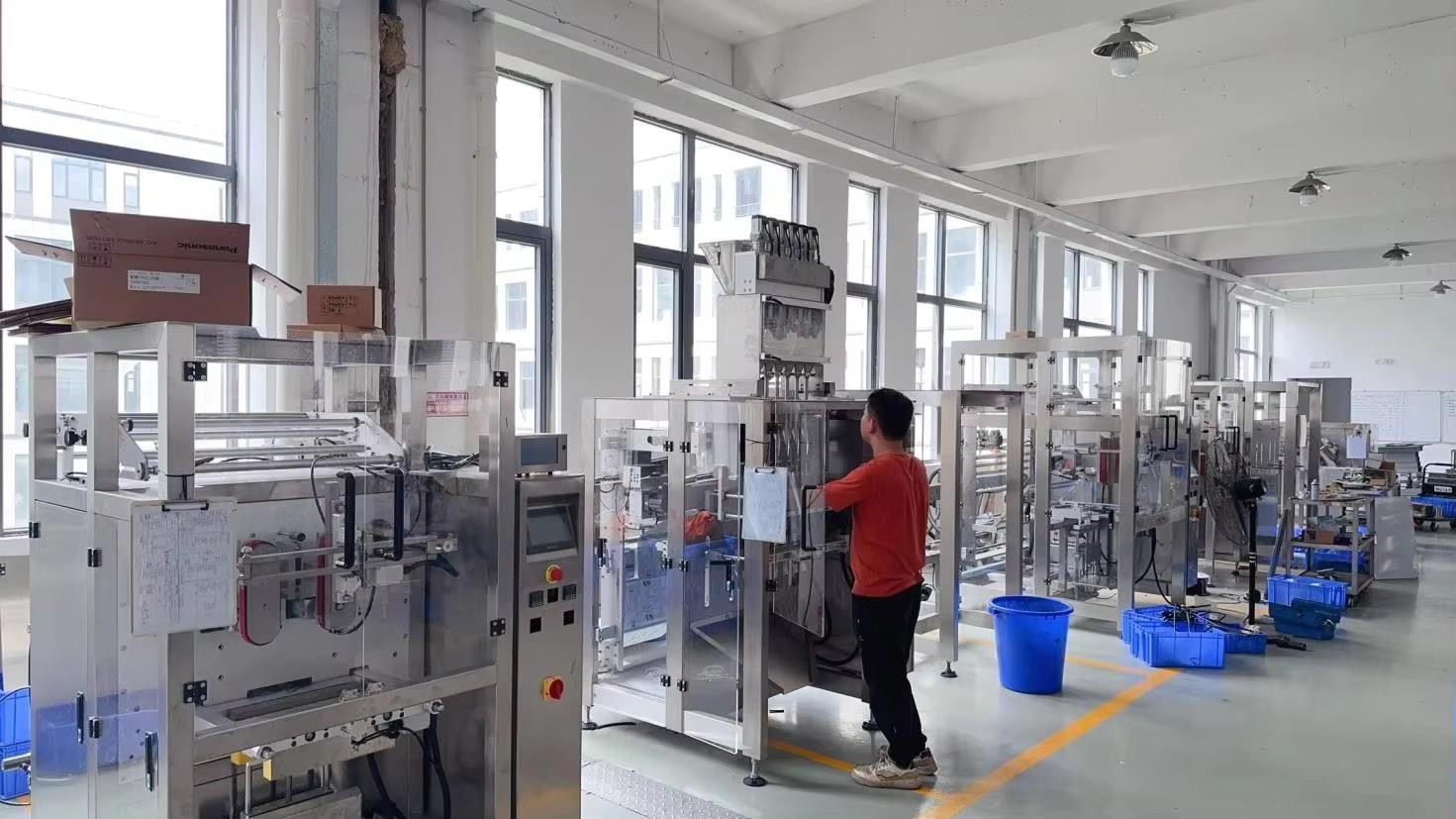
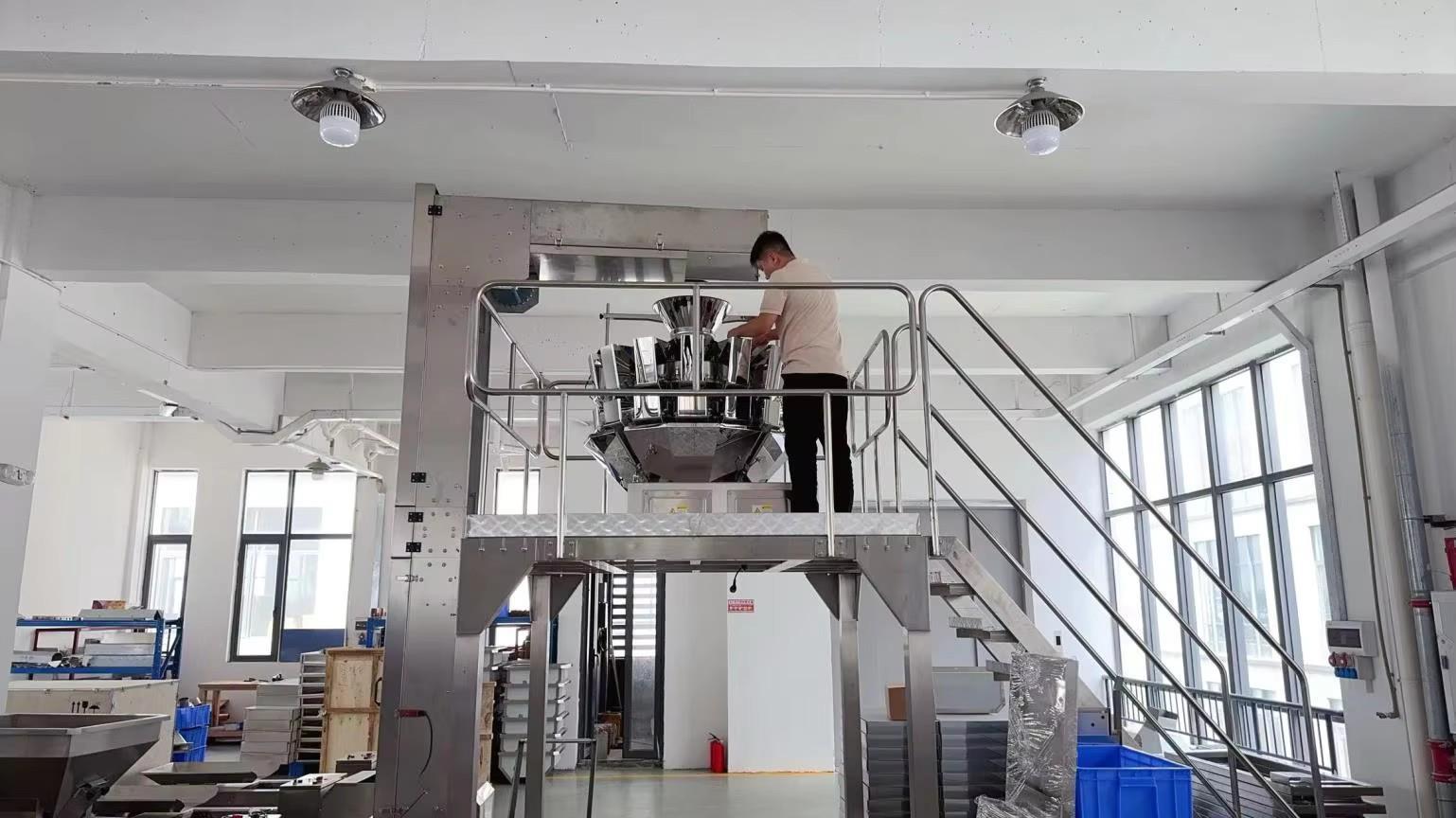
Sourcing automatic capping and filling machinery from top Chinese manufacturing hubs offers global enterprises significant strategic advantages. These go beyond low production costs and include deep industrial integration and advanced technological systems.
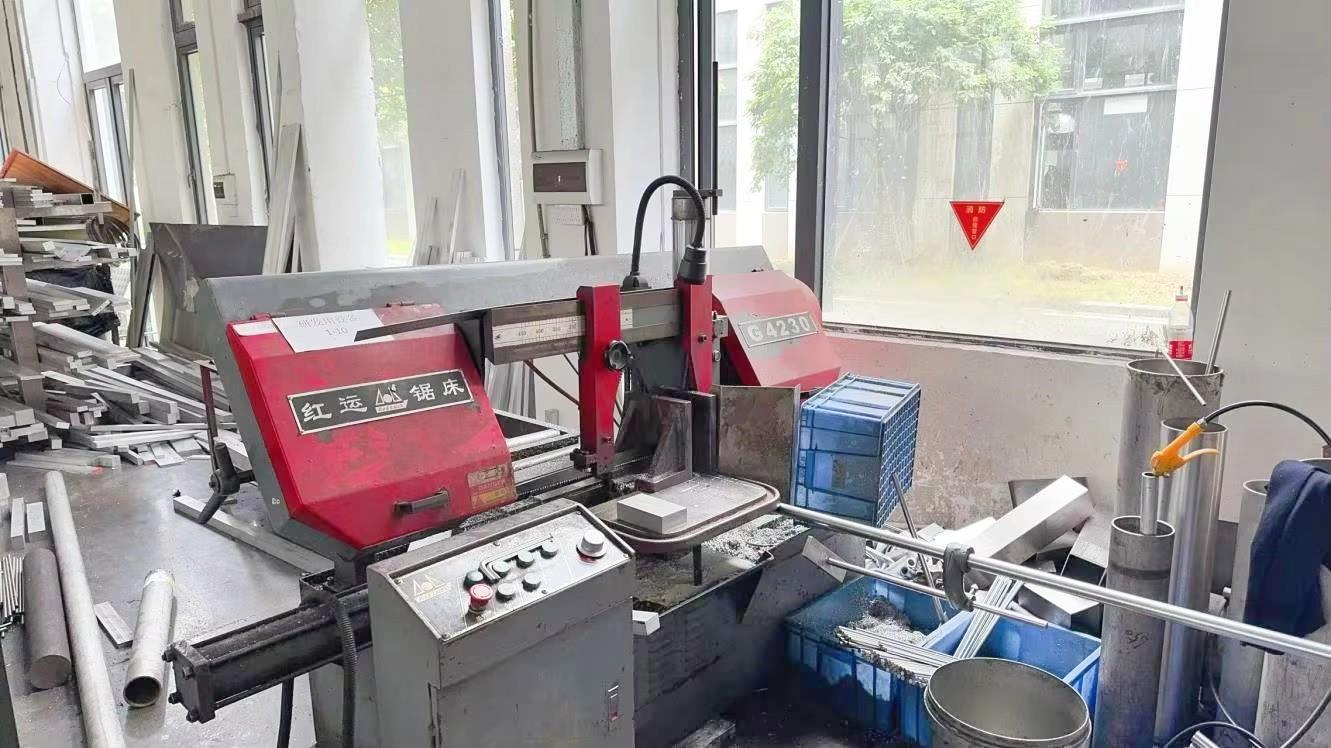
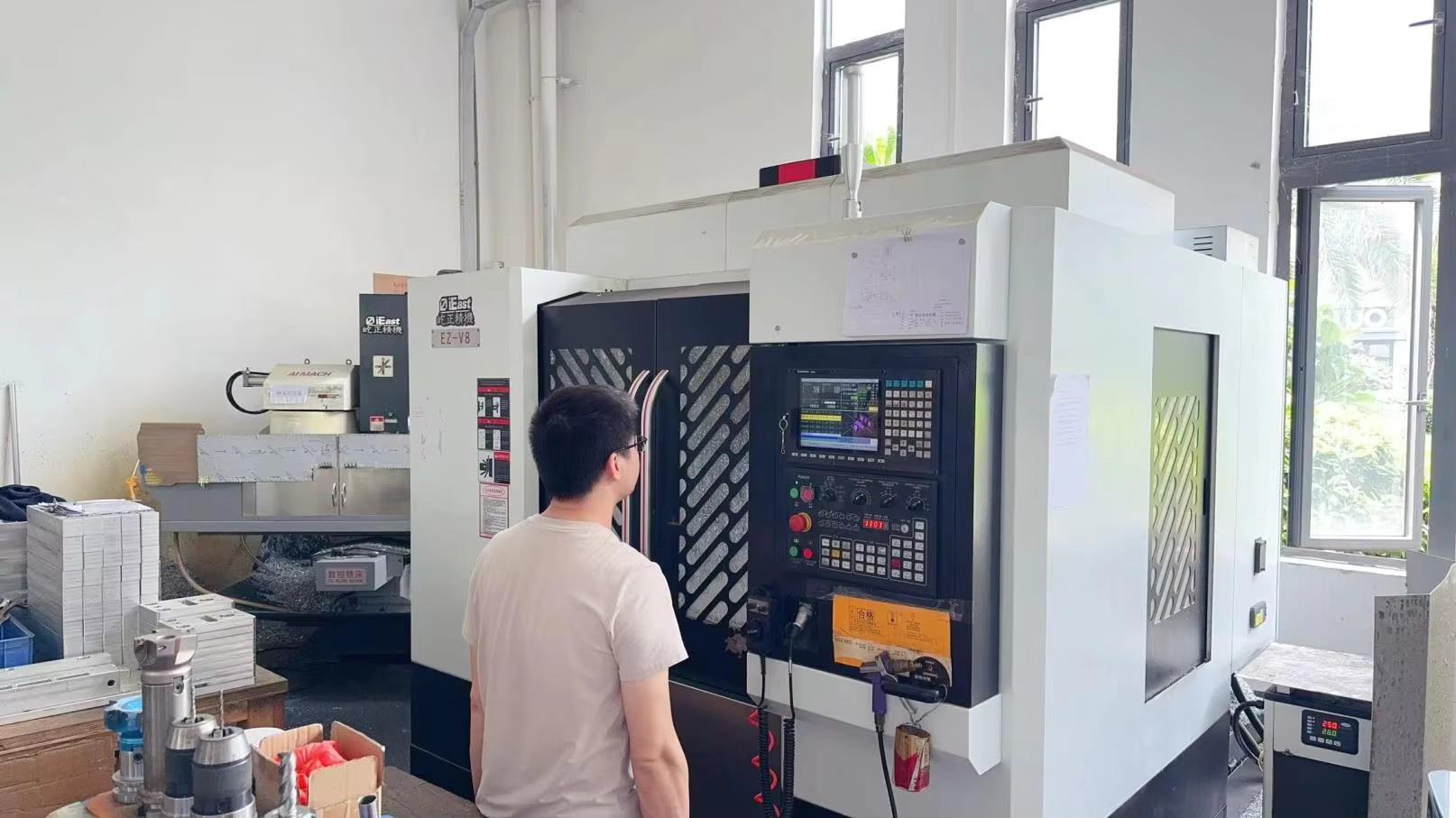
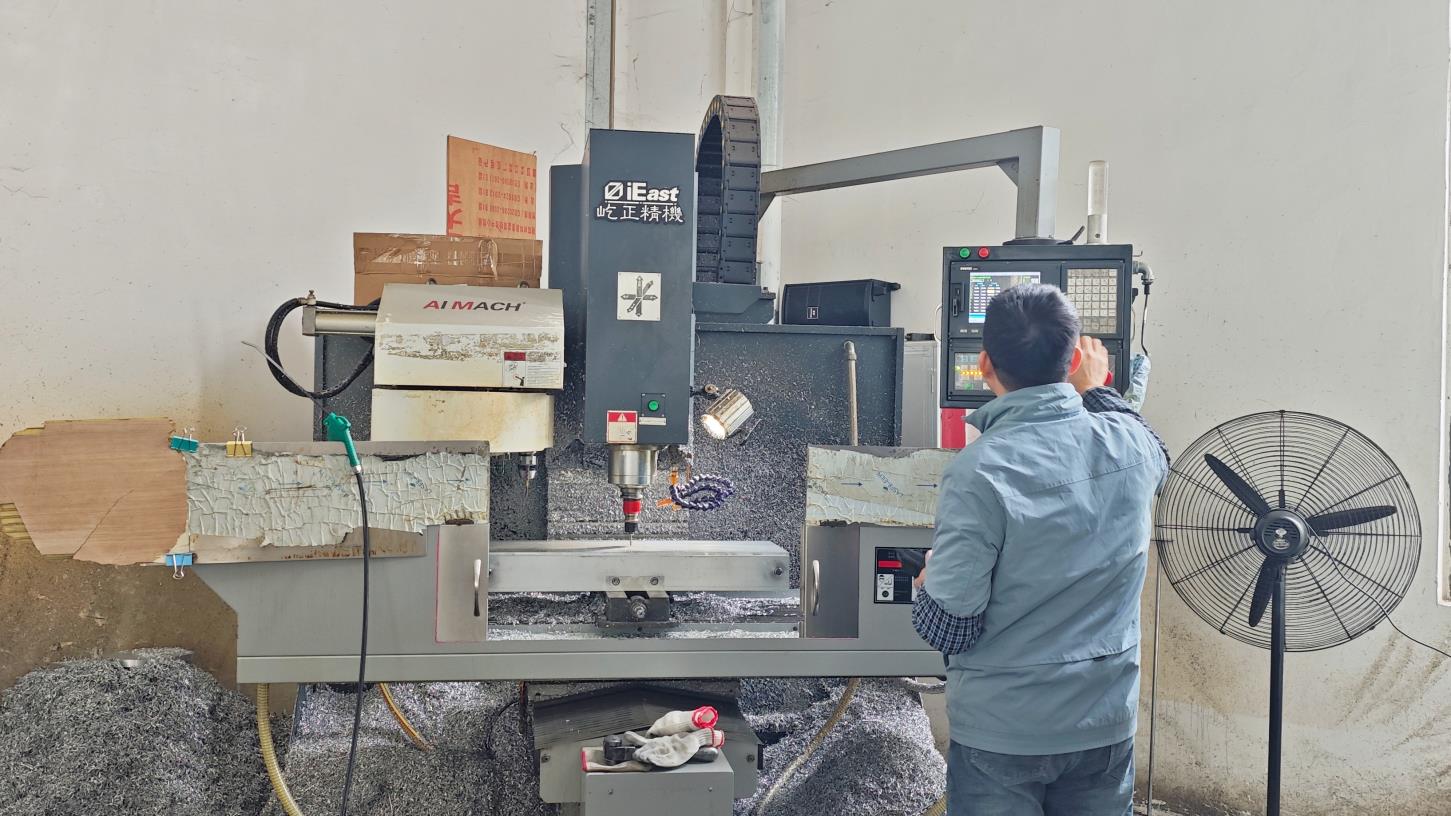
Chinese factories are located within closely linked industrial clusters. Raw materials, high-precision CNC machining centers, pneumatics, and electrical components are sourced locally. This reduces lead times for custom machine builds and ensures quick access to spare parts.
With large local engineering teams, factories like Henan Collins can quickly modify standard capping mechanisms to match custom cap shapes, pump dispensers, or unique bottle shapes. This speed is hard for Western OEMs to match.
Lower overheads allow factories to pass cost savings to the client. This means global companies can afford high-end components like Siemens PLCs, Omron sensors, and SMC pneumatics while staying within budget.
When procurement managers buy automated packaging equipment, they look for long-term value, reliability, and smooth integration into their existing lines. Use this framework to evaluate suppliers:
A reliable machine should offer high speed with minimal downtime. Look for features like tool-less changeover parts, clear touch-screen adjustments, and fault detection systems that pause operations before jam-ups occur.
For threaded caps, torque control is critical. Too loose leads to leaks; too tight damages the cap or bottle threads. High-quality systems use magnetic clutch capping heads or servo-driven torque systems to apply precise tightening force. They also generate quality reports for compliance audits.
Suppliers should provide machines that handle various containers—such as PET bottles, glass jars, aluminum cans, or squeeze tubes. They also need to work with different cap types, including standard screw caps, child-resistant caps (CRC), flip-tops, trigger sprays, and push-on lids.
Integrating machinery from international suppliers requires compliance with regional safety codes and technical standards. This is essential for safe operation and smooth installation.
Equipment exported to Western markets must meet CE, UL, or CSA standards. The electrical cabinet configuration, wiring colors, and emergency stop circuits must align with local industrial standards (such as NFPA 79 or EN 60204-1) to ensure operator safety.
Before shipping, top factories run extensive FAT protocols using the client's actual bottles and caps. Real-time video audits allow engineering teams to sign off on performance metrics remotely, reducing the time needed for on-site commissioning.
Modern capping equipment includes remote connection modules. Working through secure VPN connections, factory engineers can diagnose PLC programs, adjust servo motor parameters, and troubleshoot sensor issues without needing to travel.
Industrial packaging technology is evolving to incorporate smart features, IoT connectivity, and sustainable practices. The automated capping sector is seeing several key developments:
 Collins Machine