Explore our field-proven automated machines designed to optimize packaging throughput and seal integrity
A comprehensive analysis of mechanical thermodynamics, material integration, and high-performance sealing automation
In the highly competitive landscape of industrial packaging, the efficiency of a packaging line acts as a direct driver of corporate profitability. Form Fill Seal (FFS) technology stands at the pinnacle of this optimization effort, integrating three historically distinct engineering processes—packaging container forming, volumetric/gravimetric product filling, and hermetic sealing—into a single automated apparatus. As a premier Custom OEM Form Fill Seal System Supplier & Exporter, Henan Collins Machine Co., Ltd. builds production systems designed to operate continuously under extreme industrial loads, minimizing downtime while delivering maximum precision.
In high-speed operations, the sealing jaw's dwell time must be balanced with temperature and pressure. Modern FFS systems utilize closed-loop PID thermal control circuits, monitoring heat distribution at microsecond intervals. When working with complex laminates or eco-friendly biodegradable films, even a 2°C temperature deviation can cause thermal degradation or micro-leakages. Collins systems resolve this by utilizing servo-driven jaw mechanisms instead of traditional pneumatic cylinders, ensuring consistent pressure curves and exact seal profiles.
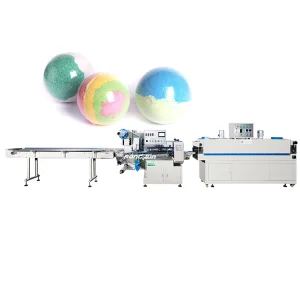
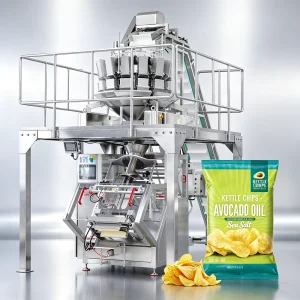
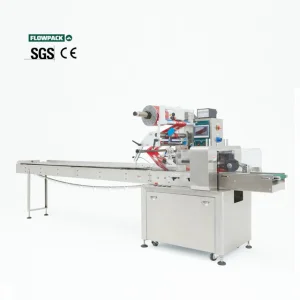
Form Fill Seal equipment is fundamentally divided into two kinematics approaches: Vertical (VFFS) and Horizontal (HFFS). Vertically oriented systems use gravitational forces to assist the downward trajectory of bulk, granular, or powdered materials. In contrast, HFFS units are preferred for solid, single-unit objects such as soap bars, bakery products, and medical devices.
By coordinating film-pulling belts via multi-axis synchronized servo systems (often utilizing platforms from Siemens or Omron), Collins FFS systems eliminate film slip and minimize tracking errors. Integrated laser positioning sensors detect registration marks on pre-printed webs, dynamically micro-adjusting tension and positioning during high-speed runs.
The choice of wrapping substrate—ranging from simple polyethylene (PE) to complex multi-layer barrier laminates containing aluminum foil or PET layers—requires matching machinery profiles. Our customized forming collars are CAD-engineered for specific film thicknesses and coefficients of friction. This reduces friction-induced mechanical wear and stops structural stress fractures in the barrier material, which can ruin MAP (Modified Atmosphere Packaging) environments.
Essential components for assessing machinery capability in commercial facilities:
Fully compliant with ISO 9001, SGS, RoHS, and CE standards.
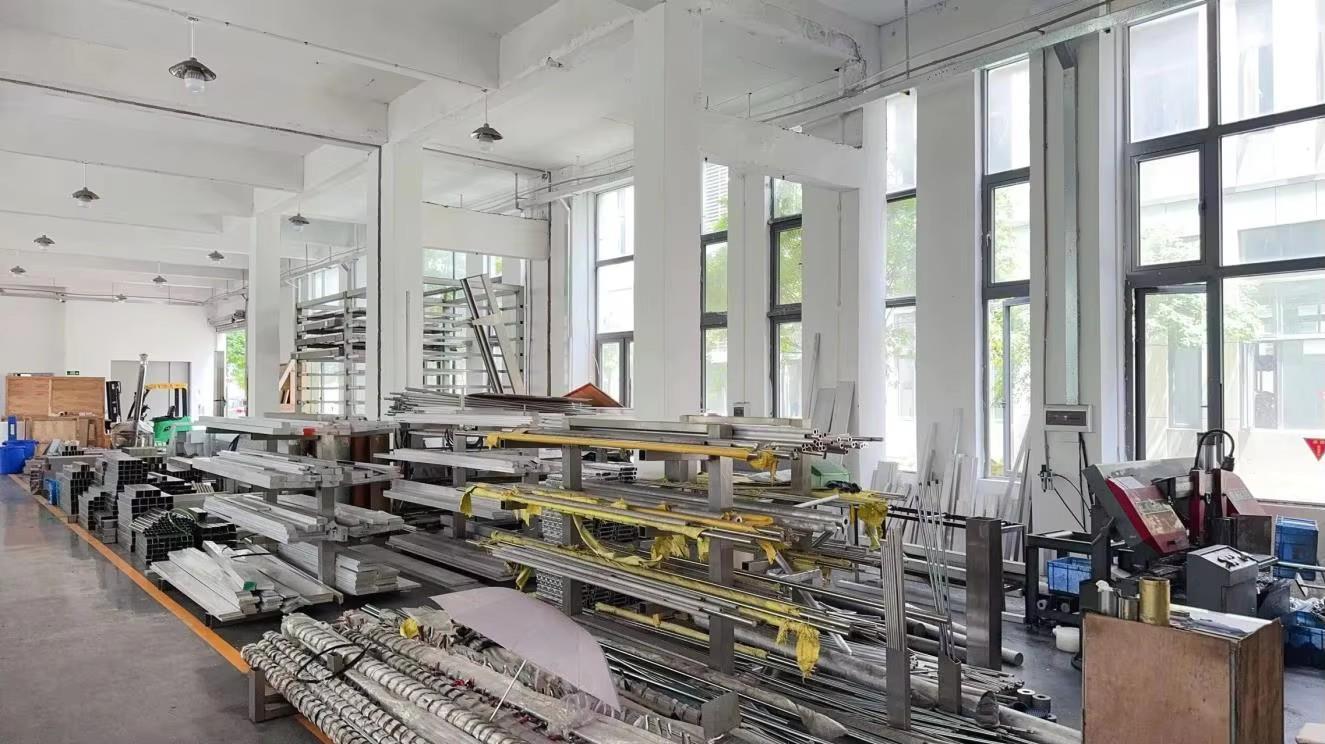
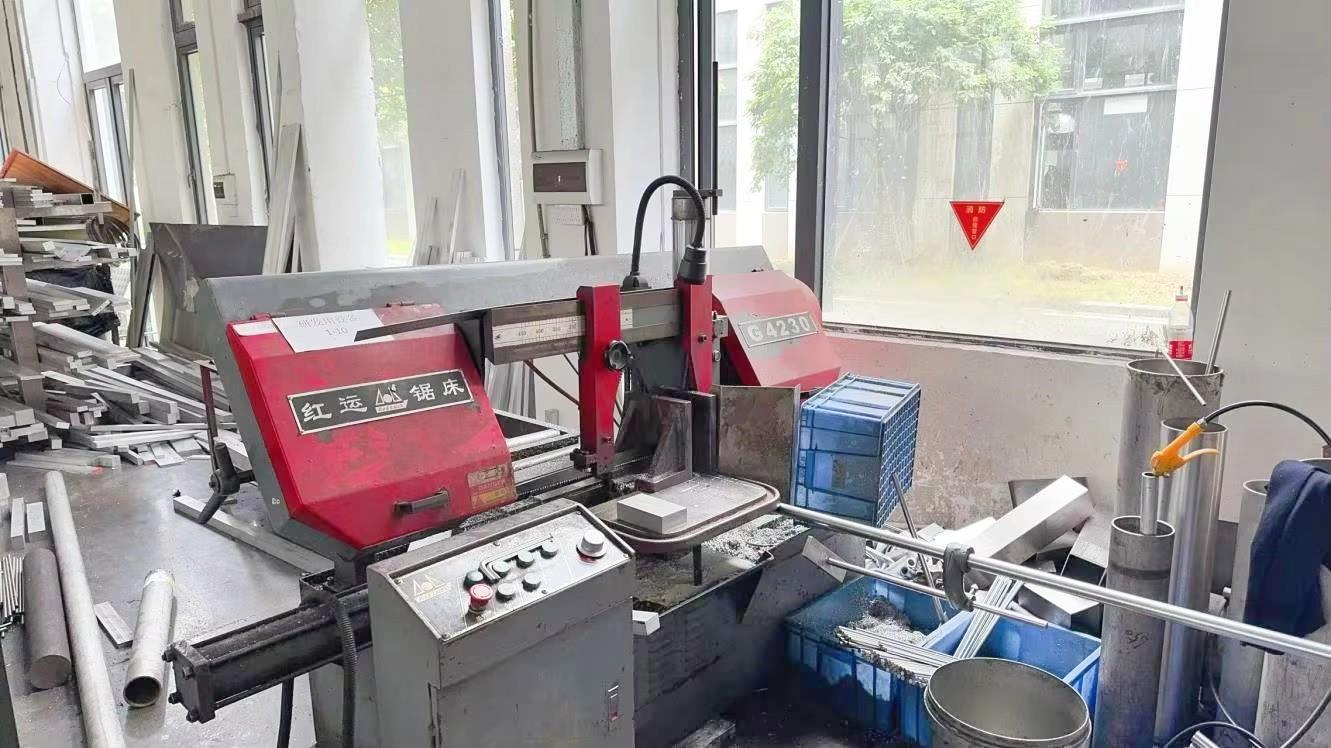
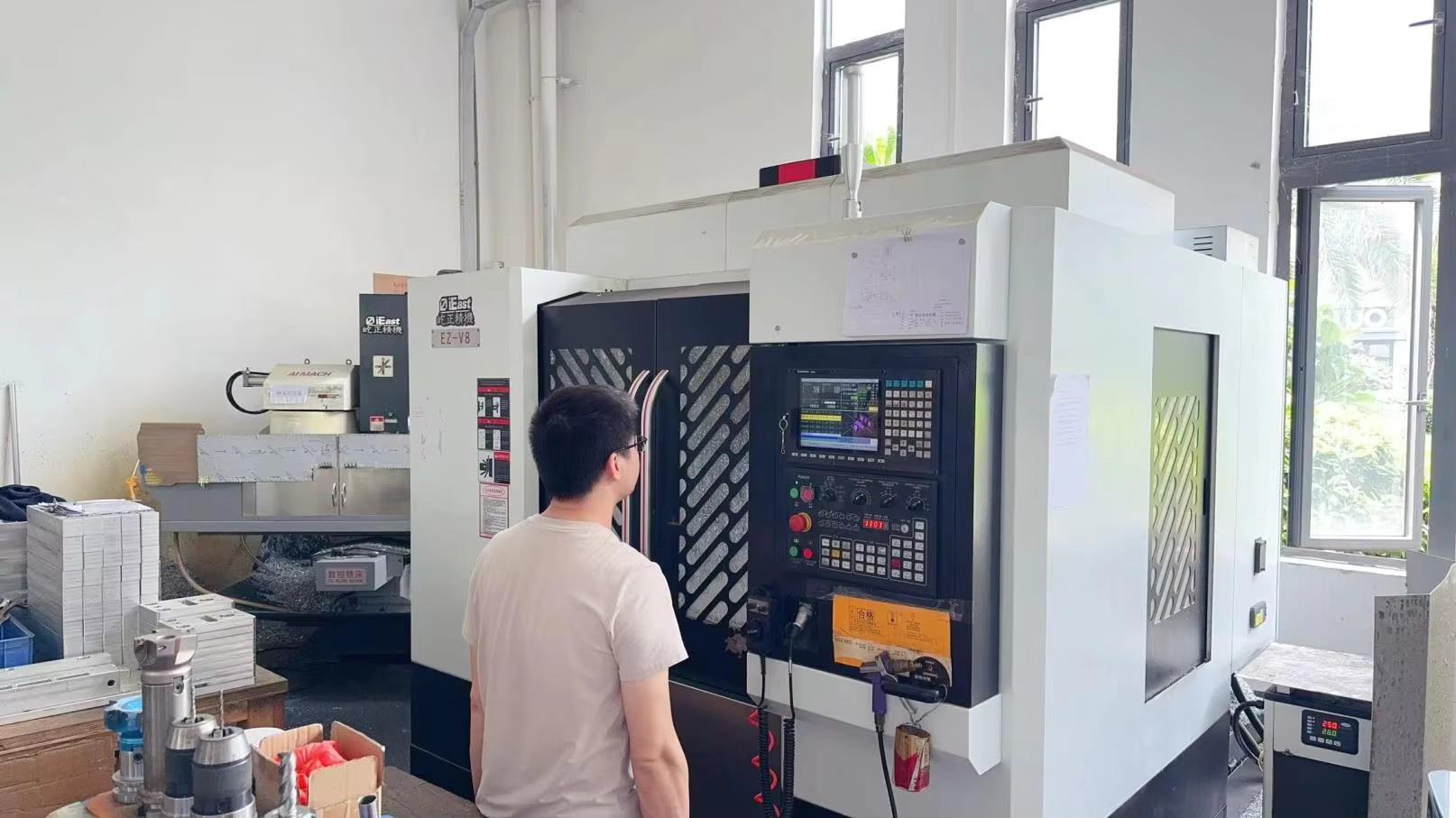
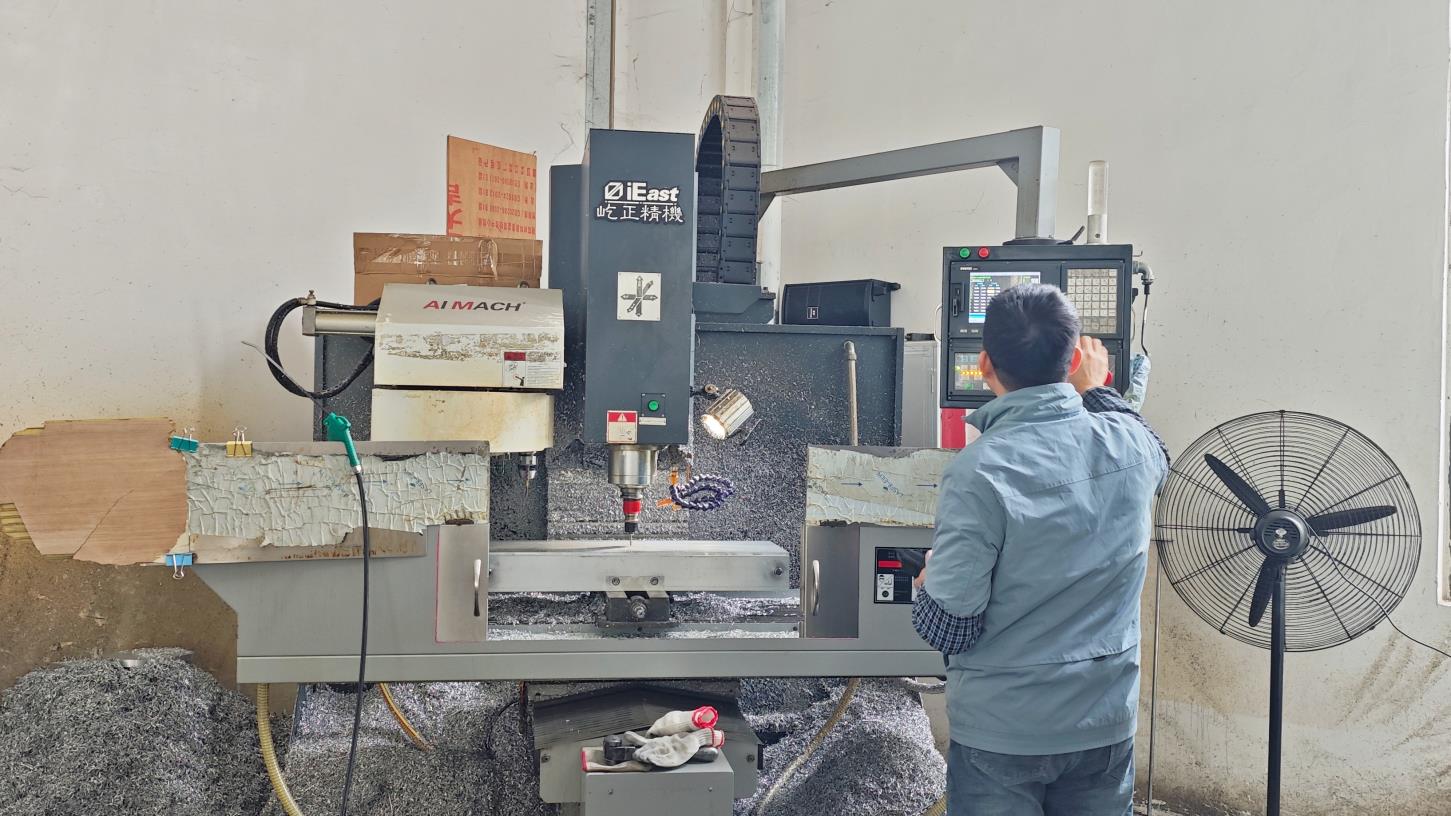
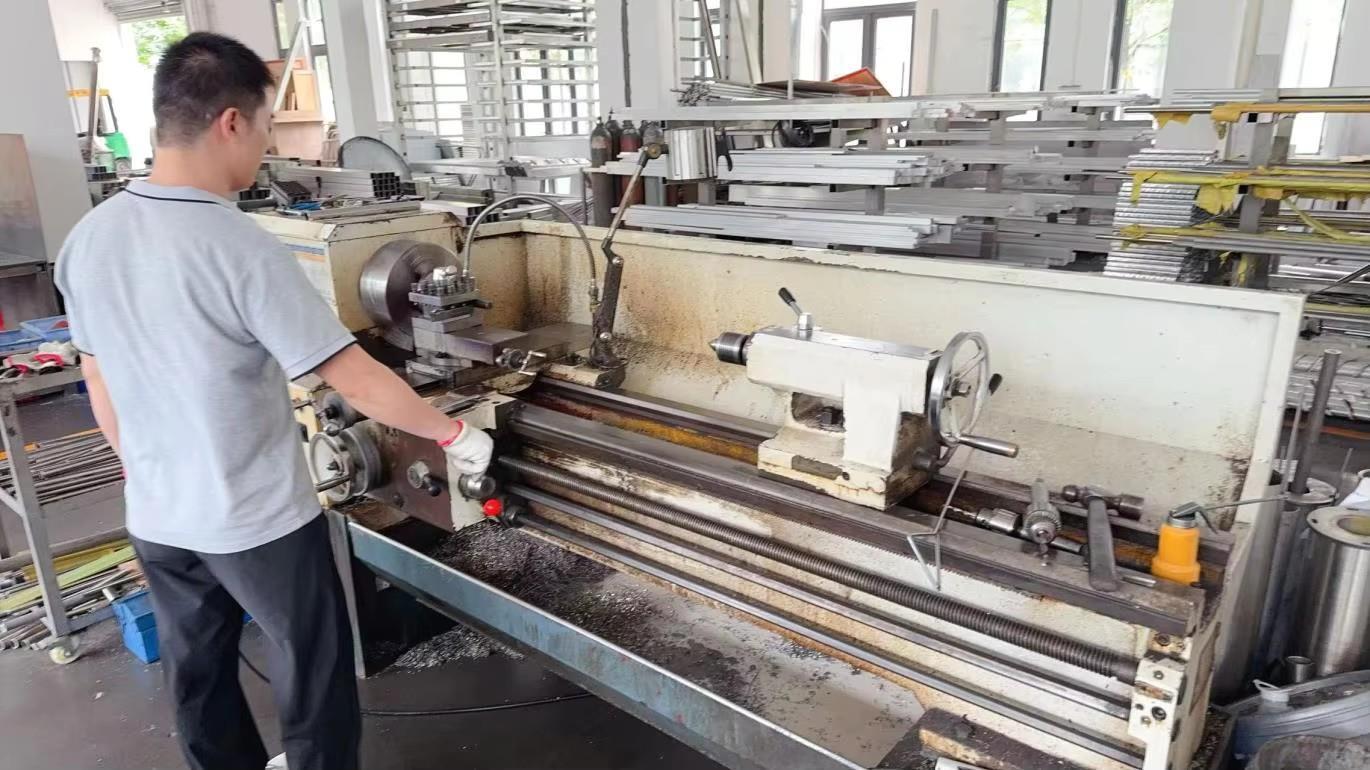
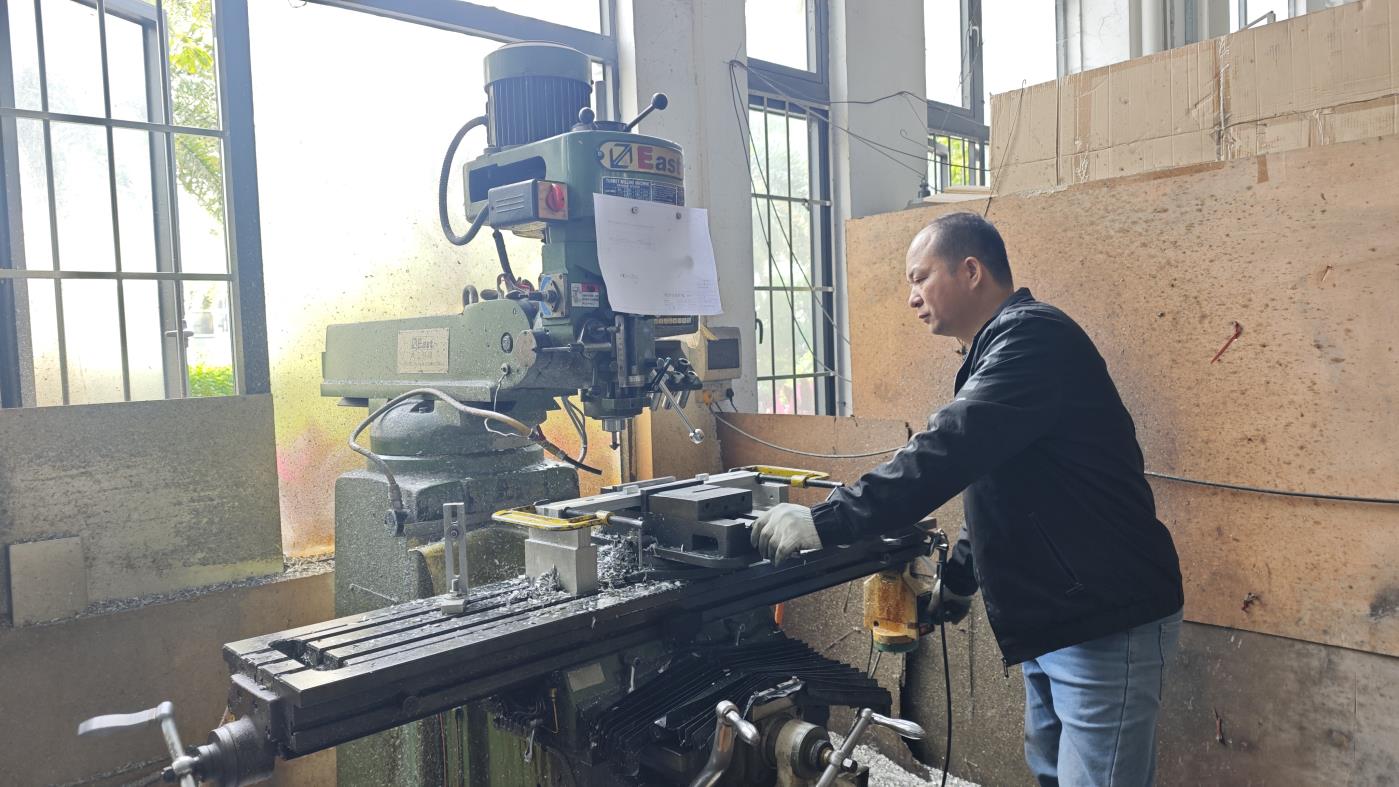
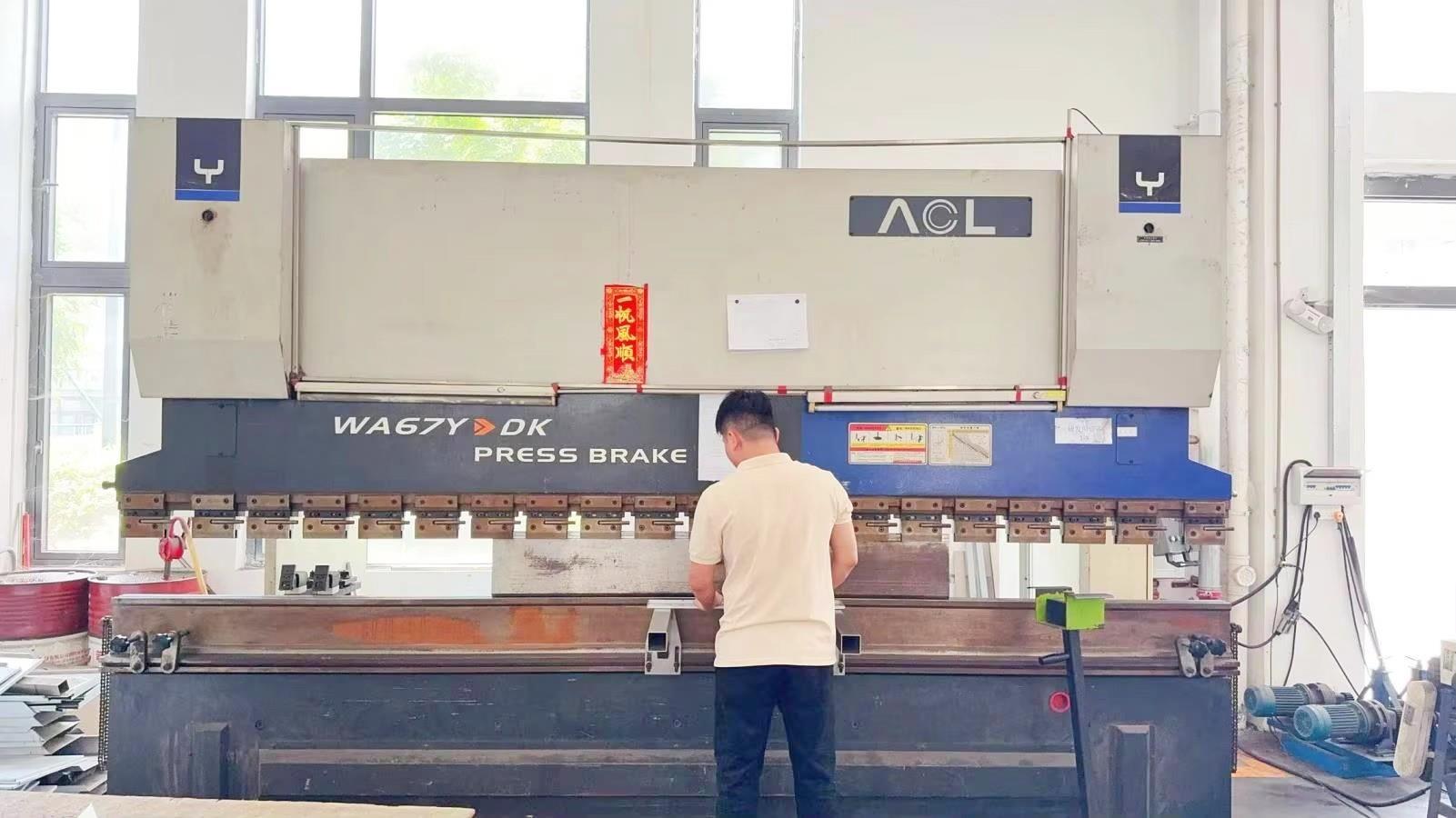
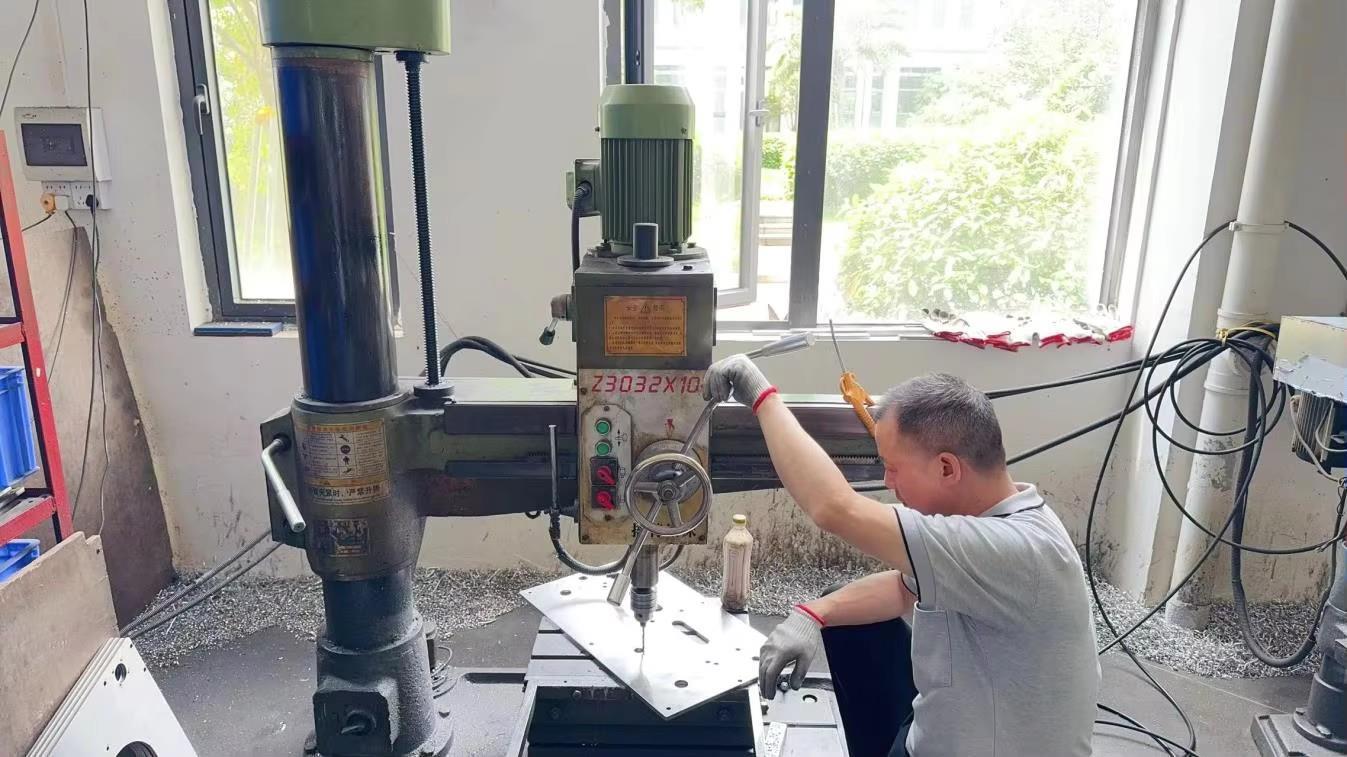
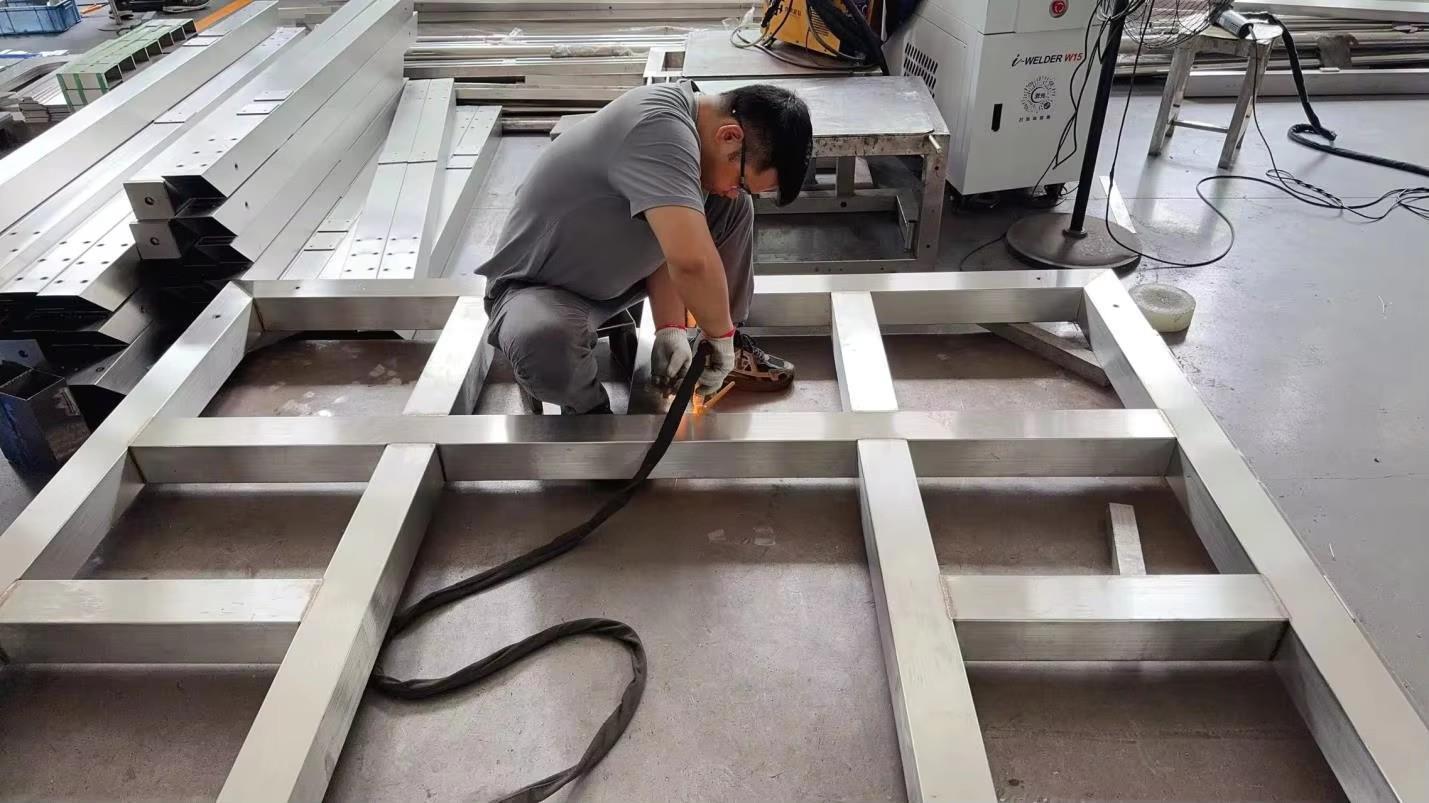
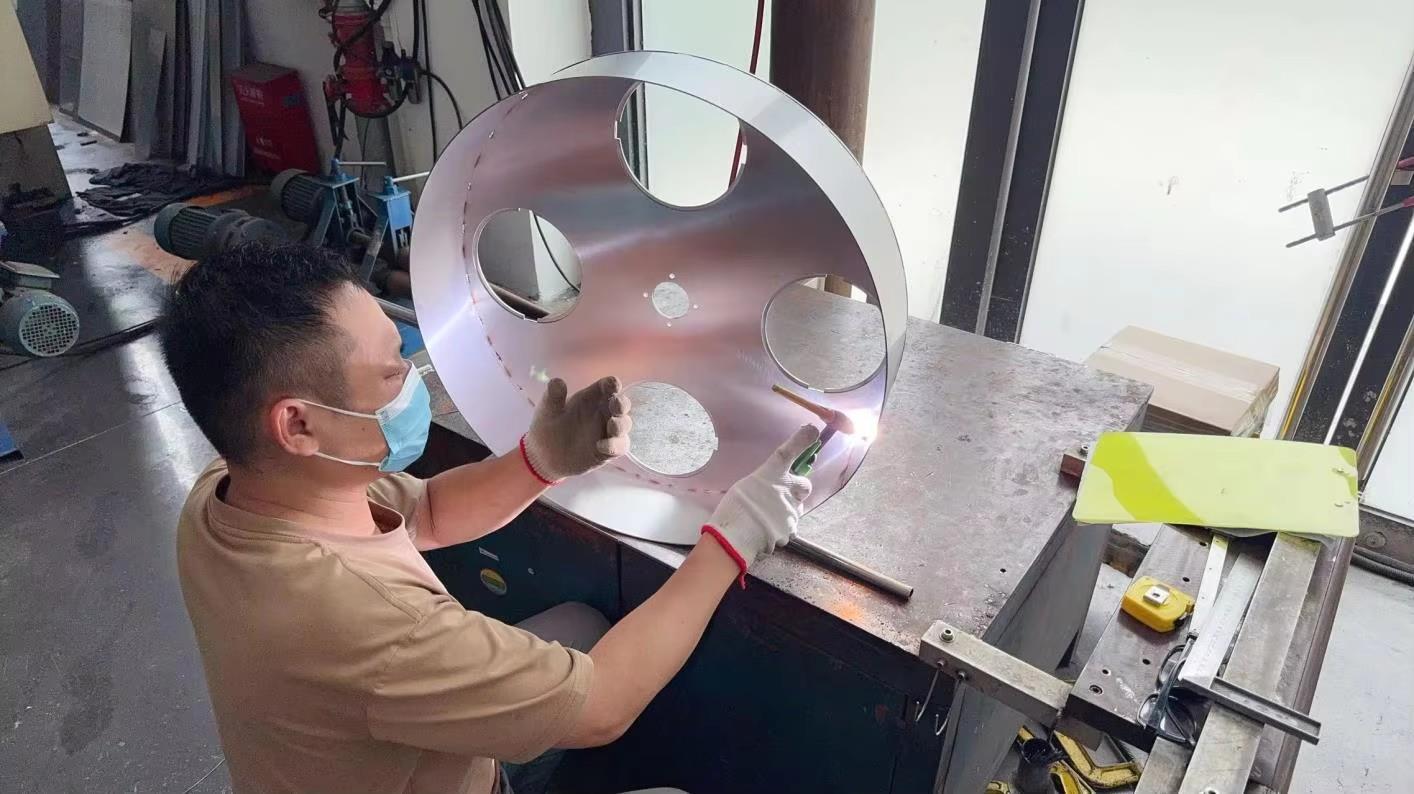
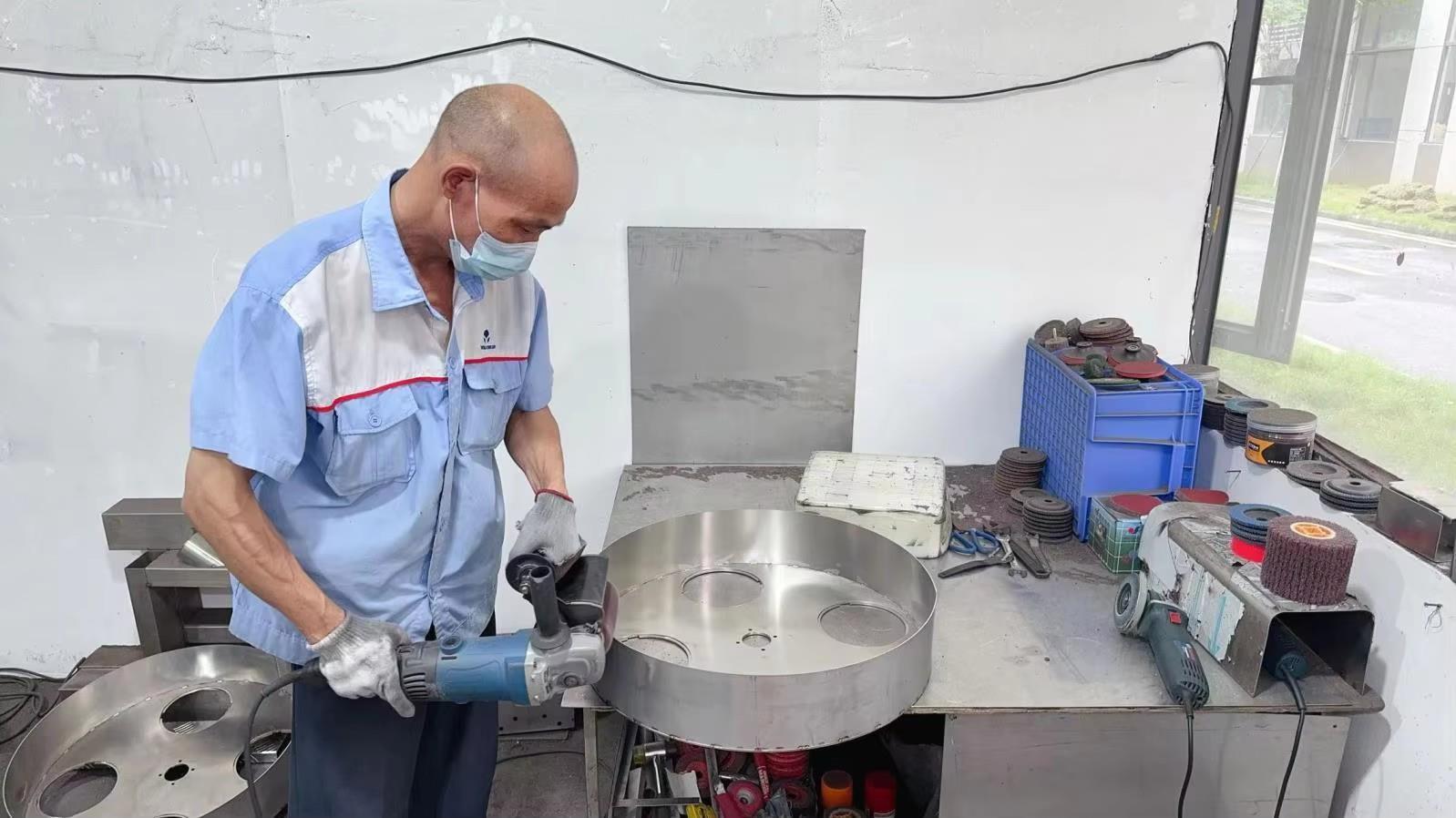
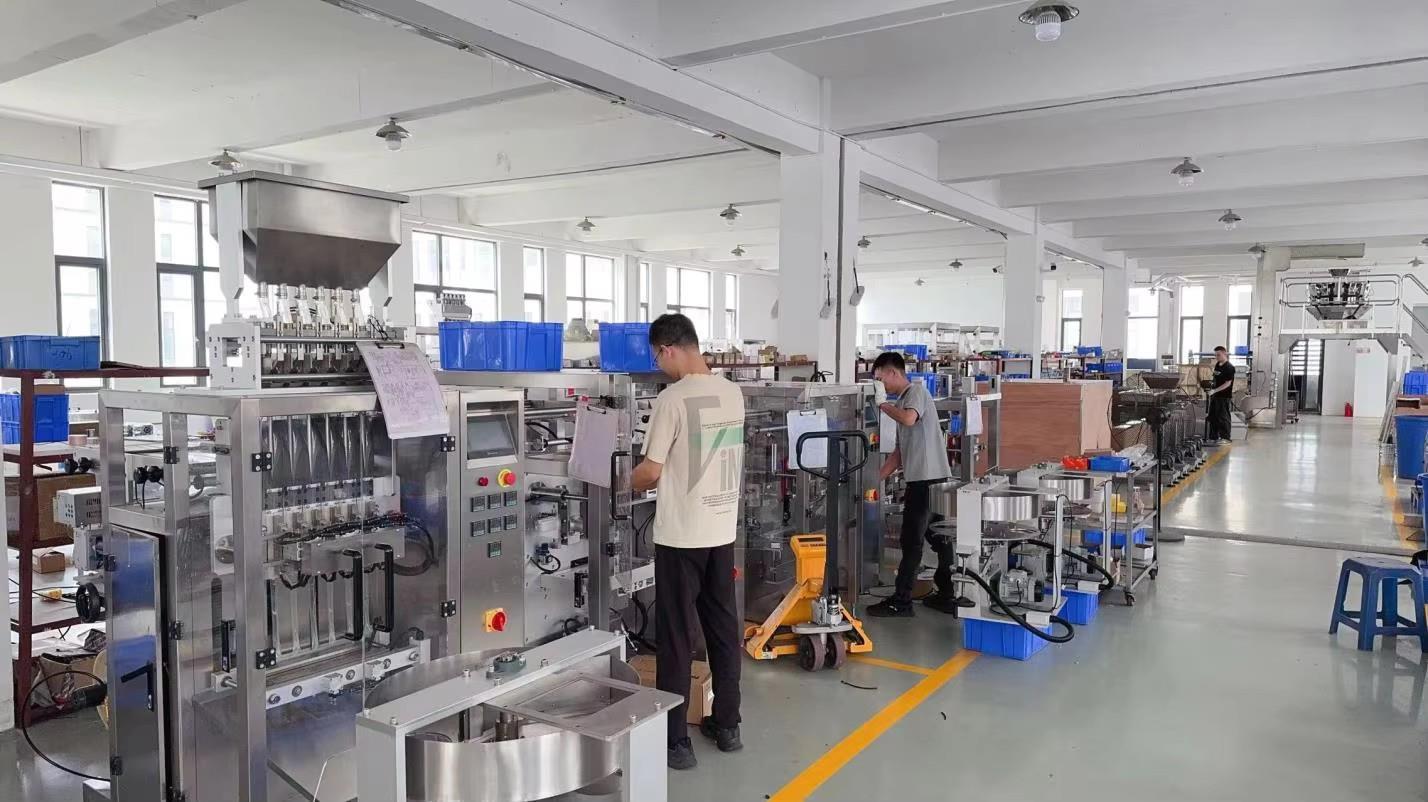
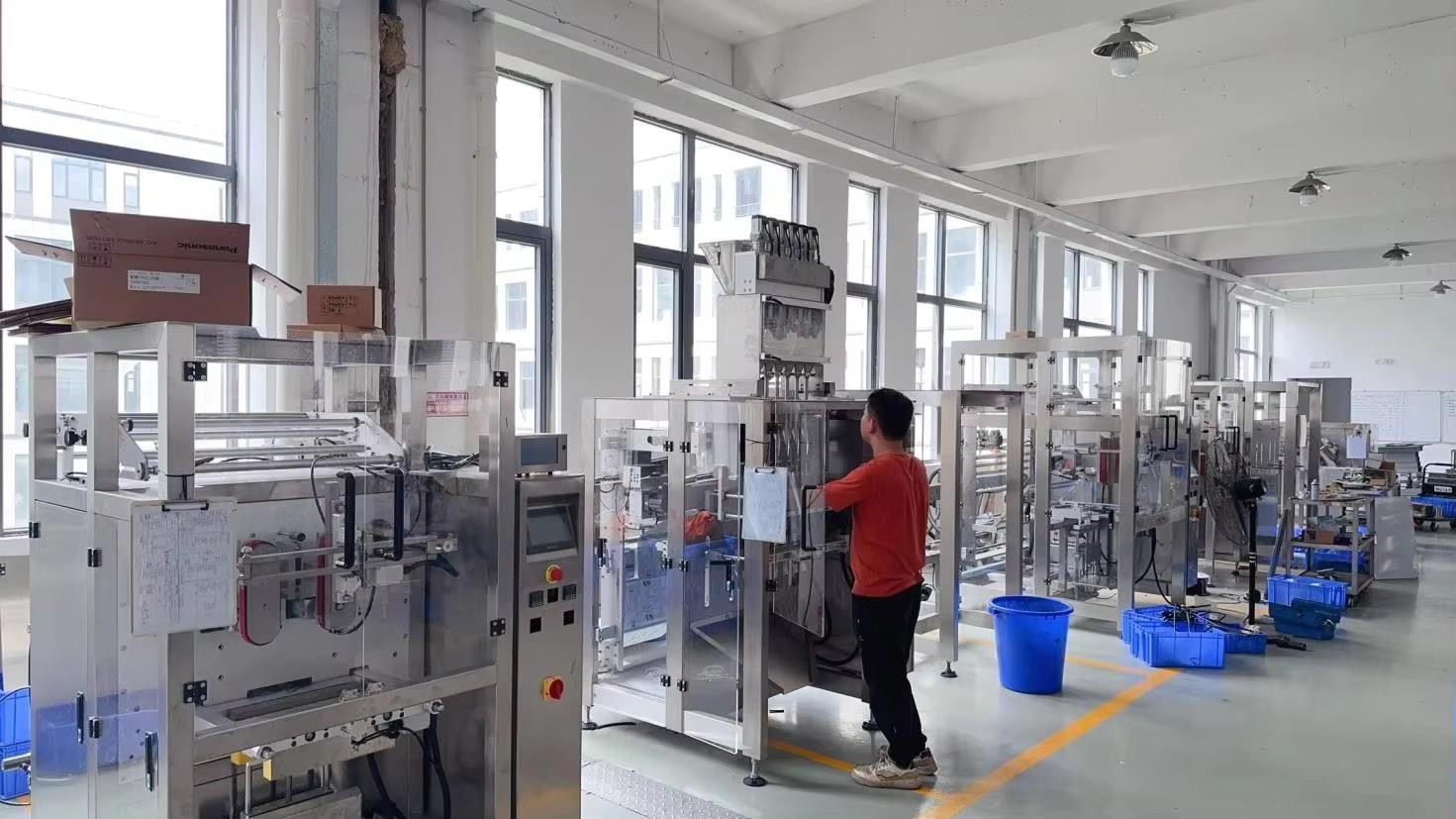
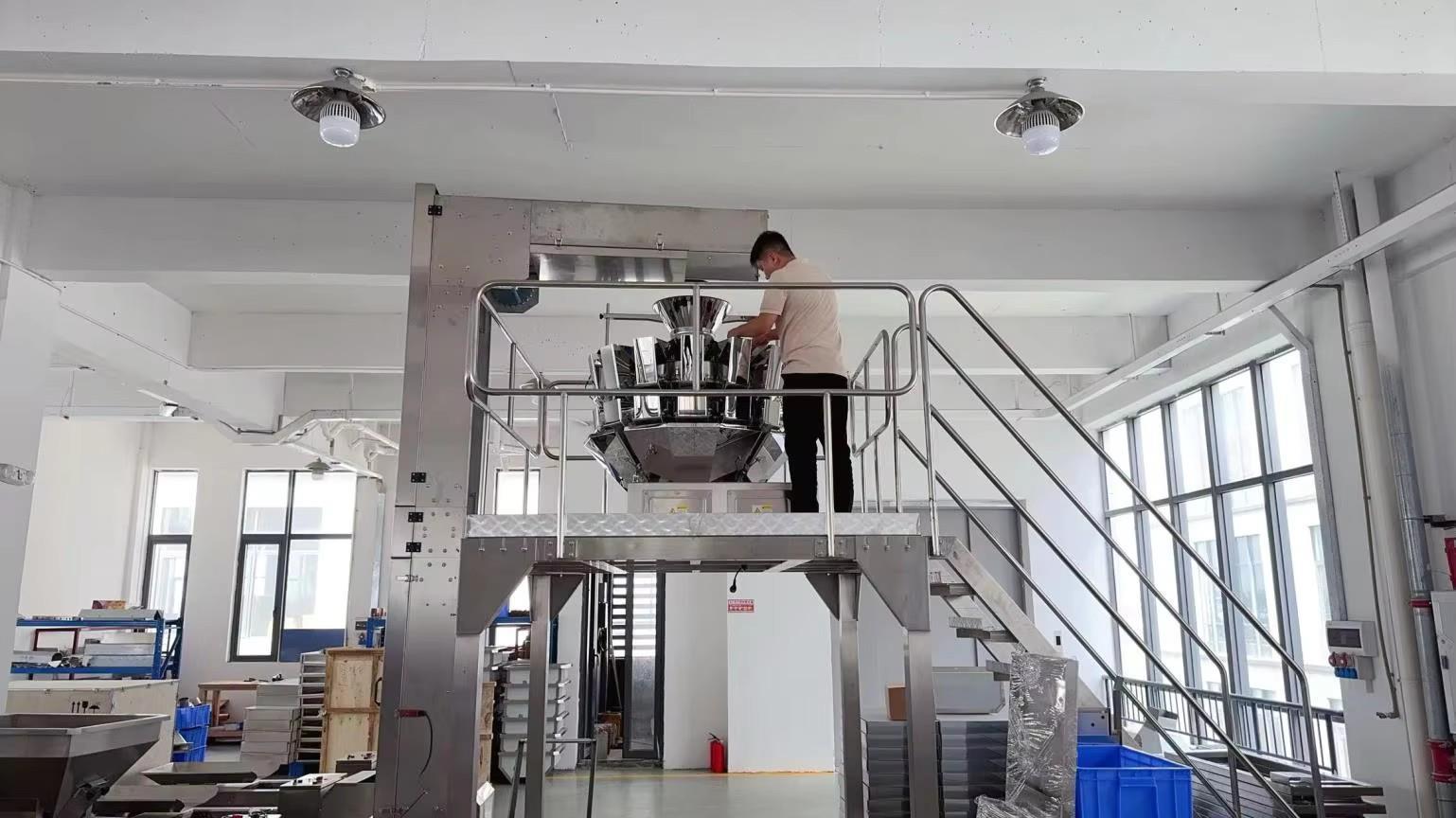
Behind the scenes at Henan Collins Machine Co., Ltd.: Professional engineering from raw materials to final systems integration
Founded in 2015, Henan Collins Machine Co., Ltd. has focused on automated packaging innovation. Our 5,000 m² production base is staffed by over 80 skilled engineers and technicians, allowing us to manage quality at every stage of production. From computer-controlled sheet metal fabrication to final system calibration, our processes ensure that each machine meets strict operational criteria before shipment.
Evaluating the advantages of Chinese manufacturing hubs, global regulatory frameworks, and localization models
Operating from Henan, China, allows us to access a comprehensive raw metal and electronics ecosystem. This industrial density reduces component lead times and provides direct access to high-grade structural alloys, allowing us to keep manufacturing costs competitive without sacrificing quality components like Siemens PLCs, Festo pneumatics, or Omron sensors.
Our machines conform to CE directives, UL panel standards, and RoHS material restrictions. For pharmaceutical and chemical environments, our systems can be configured to comply with ATEX/NFPA dust-explosion prevention guidelines. We also build with FDA-compliant food contact materials (SUS316L) to ensure clean washdown processes.
Electrical setups must match destination facility standards. We configure machinery panels to support regional electrical grids: 380V/50Hz (Europe/Asia), 460V/480V three-phase/60Hz (North America), or specialized configurations. Human-Machine Interfaces (HMIs) are preloaded with multilingual menus for intuitive local operation.
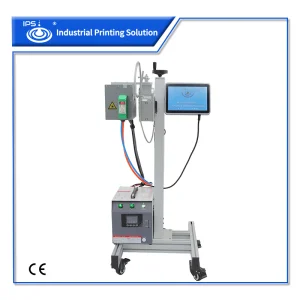
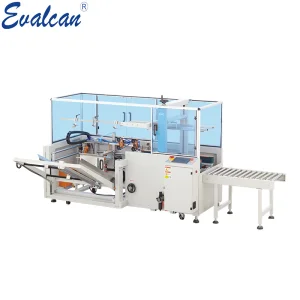
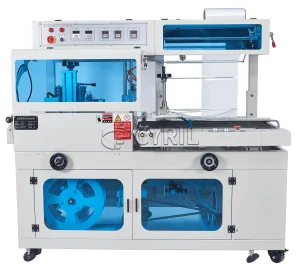
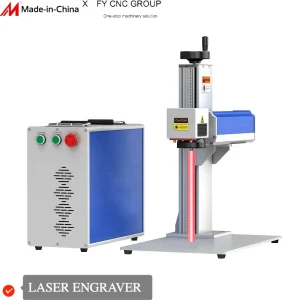
The packaging market is transitioning away from standalone, single-function machinery towards unified packaging lines. Modern production planning requires FFS systems that connect directly with secondary cartoning, case erecting, and automated laser marking/labeling solutions. Integrating upstream dosing systems with downstream secondary case-packing reduces communication gaps on the factory floor, improving OEE and simplifying support and parts ordering.
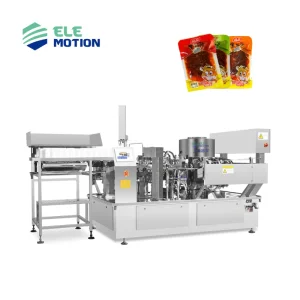
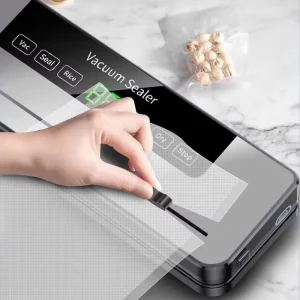
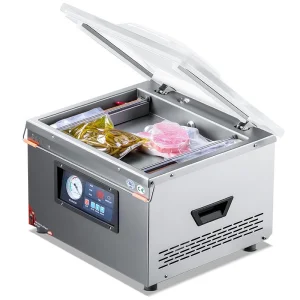
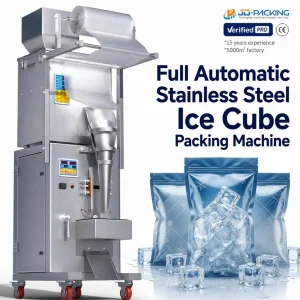
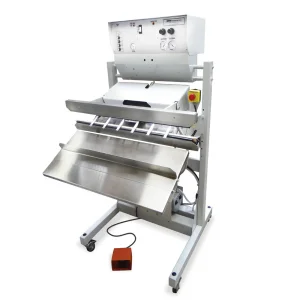
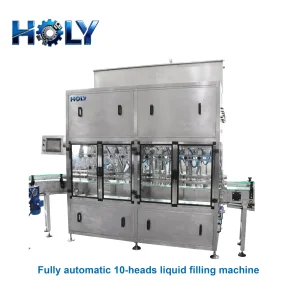
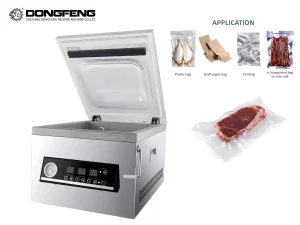
Modern packaging machinery must handle a wide variety of materials, form factors, and densities. In the food sector, precision vacuum packaging is essential for protecting delicate structures like nuts, fresh meat, or seafood while maintaining shelf life. In commercial chemicals, dosing valves must resist corrosion and manage varying viscosities without dripping or clogging.
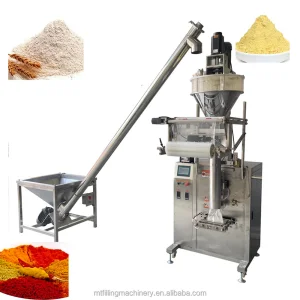
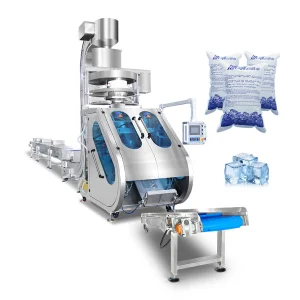
Collins Form Fill Seal systems feature modular designs, allowing components to be swapped out as needed. A base VFFS machine can be adapted to pack either free-flowing granular snacks or fine chemical powders by changing the dosing assembly (e.g., swapping a multi-head scale for a servo-driven auger). This modular approach protects your initial investment, allowing the equipment to adapt as production demands evolve.
End-to-end packaging solutions: from filling and sealing to coding and secondary carton erection
Critical operational considerations answered by Collins' Lead Systems Engineers
We integrate close-loop feedback thermal sensors that read temperatures across the length of the sealing bar. Driven by premium servo actuators instead of standard pneumatic pistons, the dynamic sealing force is held stable regardless of speed fluctuations. This eliminates micro-creases and incomplete fusion spots, maintaining consistent seal performance even on high-output lines.
Yes. Bio-based plastics and paper-based laminates typically have very narrow sealing temperature windows. Our HMI software allows operators to build precise thermal and tension profiles for each material. Dynamic web-tension adjustments prevent thin or recycled films from stretching or tearing during forming.
Standard machinery builds are typically completed in 30 to 45 days. For complex, multi-lane systems with custom feeding, gas flushing, and specialized carton packaging lines, lead times range from 60 to 90 days. This timeline includes CAD modeling, manufacturing, assembly, and internal testing before final shipment.
We provide technical support through a combination of local service centers, field engineers, and secure remote connection tools. With your team's permission, our engineering staff can log directly into your system's PLC to update parameters, diagnose errors, and verify sensors. If on-site support is required, we dispatch technicians from our nearest hub to minimize downtime.
Every custom packaging system ships with a start-up spare parts package, which includes spare heating elements, thermocouples, custom cutter blades, and vacuum suction cups. We also maintain stock levels of major mechanical and electrical components at our distribution centers for rapid worldwide dispatch.
 Collins Machine