Discover our highly requested automatic and semi-automatic industrial machinery, optimized for reliability and zero-drip operation.
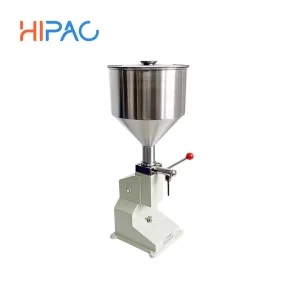
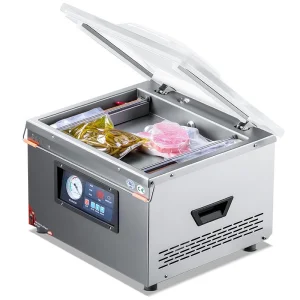
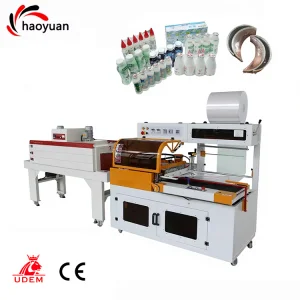
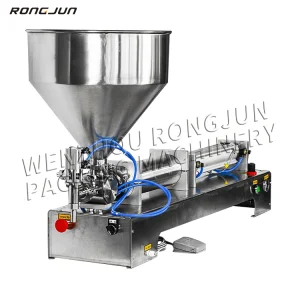
In modern processing lines, pneumatic filling machines remain the benchmark for fluid handling. By converting compressed air energy into linear kinetic motion, pneumatic piston systems deliver high-speed dispensing without the ignition risks associated with high-voltage servo motors.
This makes pneumatic setups the premier choice for combustible environments (such as alcohol, solvent, or paint lines) and wet washdown facilities in the food and cosmetic industries. Furthermore, the mechanics of a double-acting pneumatic cylinder ensure highly repeatable stroke volumes, allowing manufacturers to maintain tolerances within ±0.5% during long-run cycles.
The convergence of industrial automation and pneumatic reliability drives current system innovations.
Modern pneumatic machines optimize air-cycle consumption, using precision directional control valves to reduce air waste by up to 22% and lower carbon footprints during long manufacturing operations.
With quick-release tri-clamp fittings, operators can dismantle liquid contact paths in under 15 minutes for sterile sanitizing cycles (CIP), meeting the strict standards of the FDA and RoHS.
Integrating mechanical limit-switches with smart PLC networks allows for real-time monitoring of fill rates, early warning of seal deterioration, and accurate multi-lane output reporting.
Established in 2015, Henan Collins Machine Co., Ltd. has spent over a decade designing and manufacturing end-to-end automated packaging and filling solutions.
Holding 20 national invention patents, our technical team engineers integrated networks that span labeling, filling, capping, coding, sealing, and shrink-wrapping. Our products serve diverse sectors including food processing, cosmetics, daily chemicals, pharmaceuticals, and industrial fluids.
Our production facility is equipped with dedicated coating, slitting, and quality-control lines to guarantee precision. Certified under ISO 9001, SGS, and RoHS, Henan Collins Machine Co., Ltd. supplies high-performance packaging machinery that satisfies global OEM and contract packaging specifications.
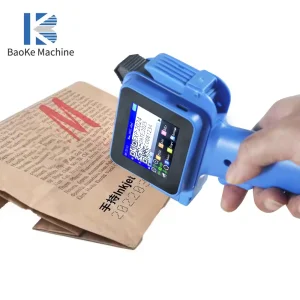
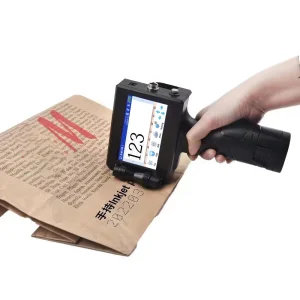
Beyond liquid filling machines, we specialize in labeling machines, packaging machines, thermal transfer coders (TTO), ribbon coders, ink roller coders, and laser coders. We also provide consumables, such as TTO ribbons, ink ribbons, ink rollers, carbon ribbons, and label paper, ensuring our customers have a complete, single-source partner for packaging operations.
Every machine undergoes rigorous milling, welding, and inspection steps to meet global industrial standards.
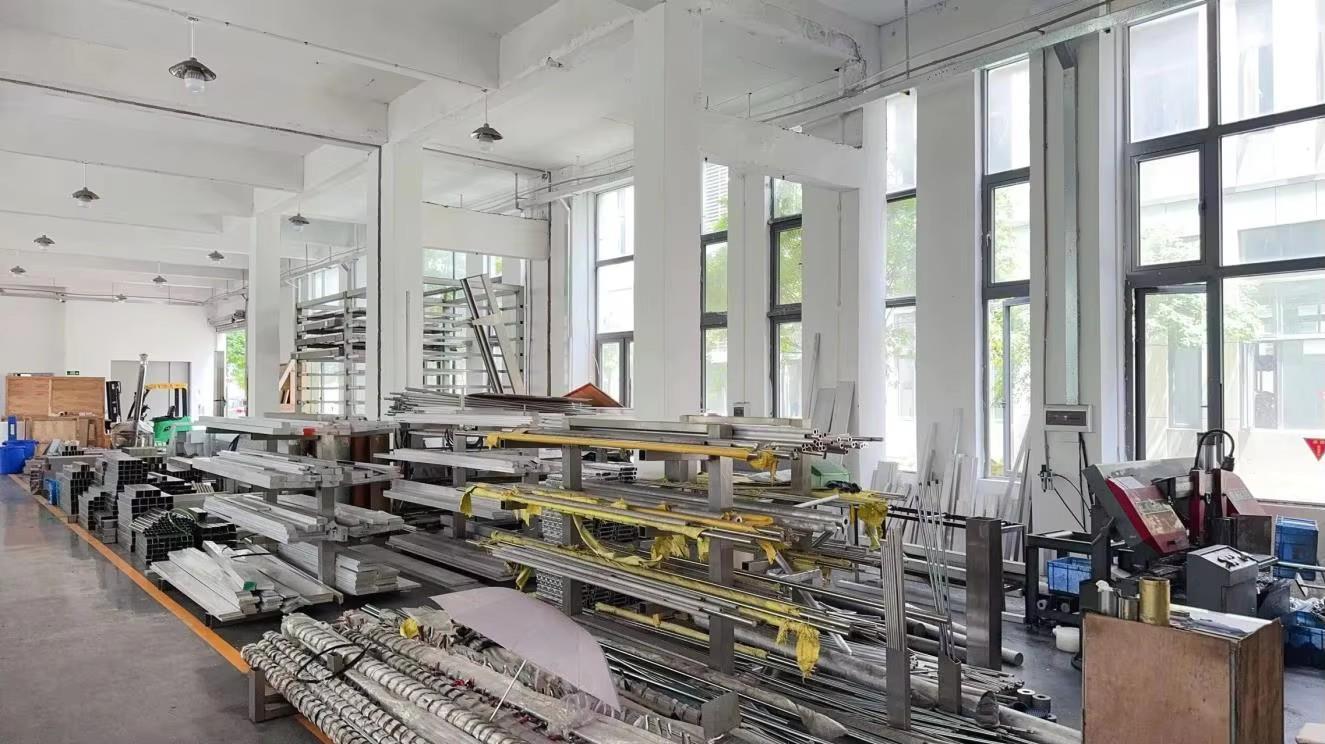
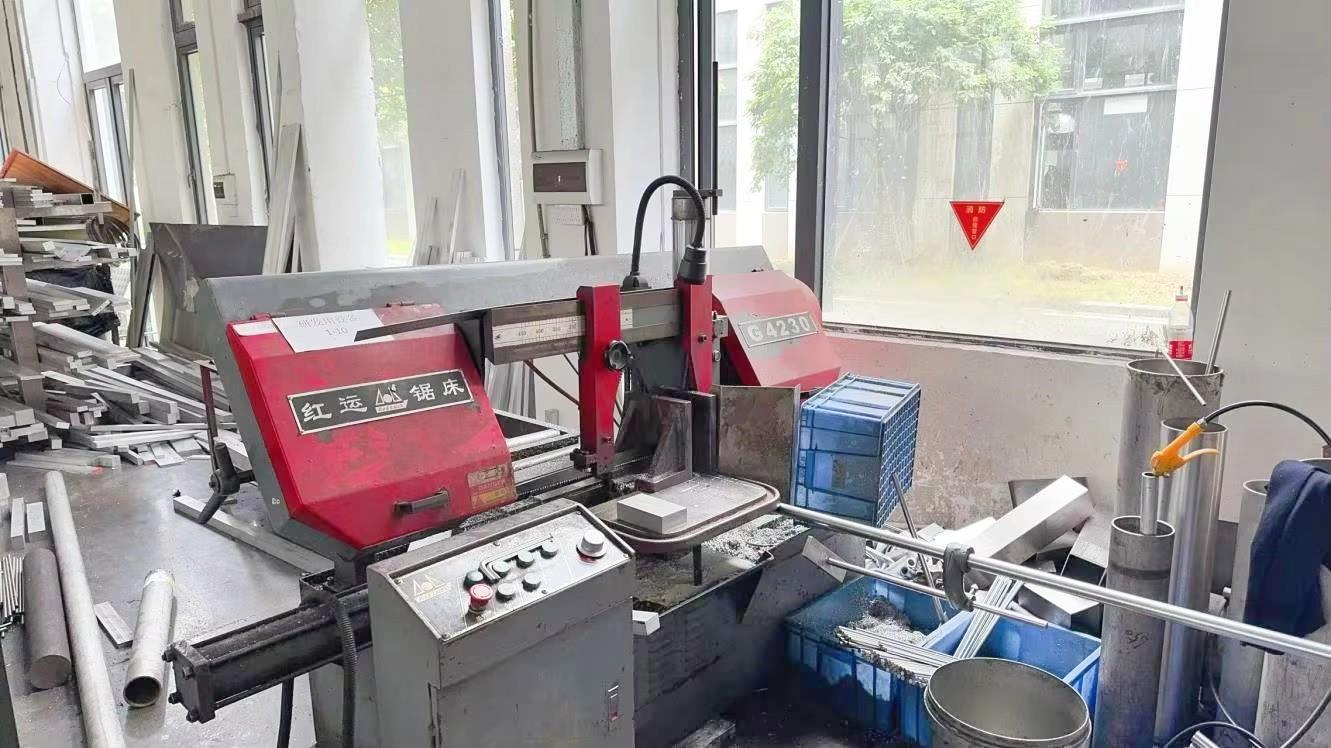
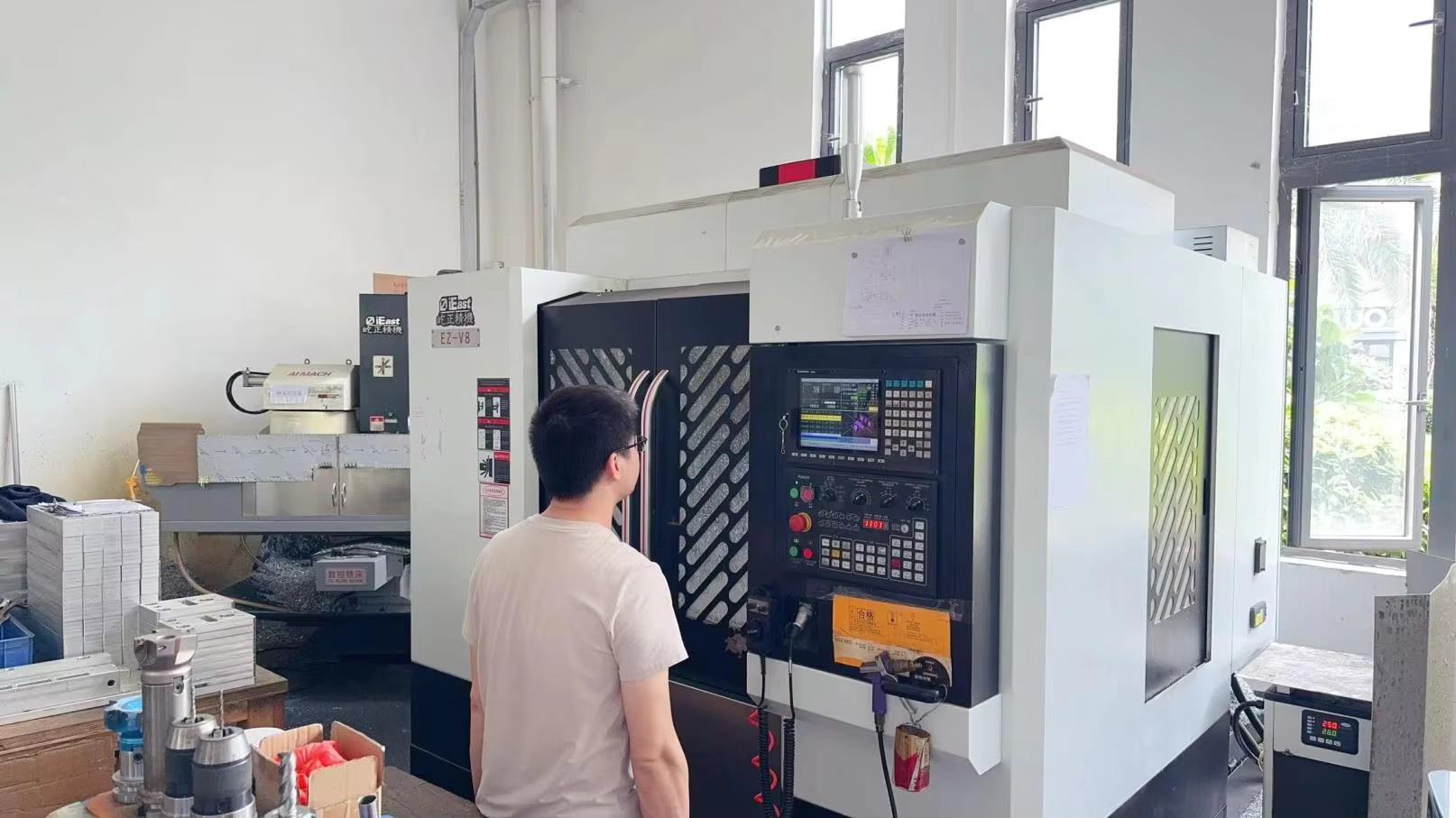
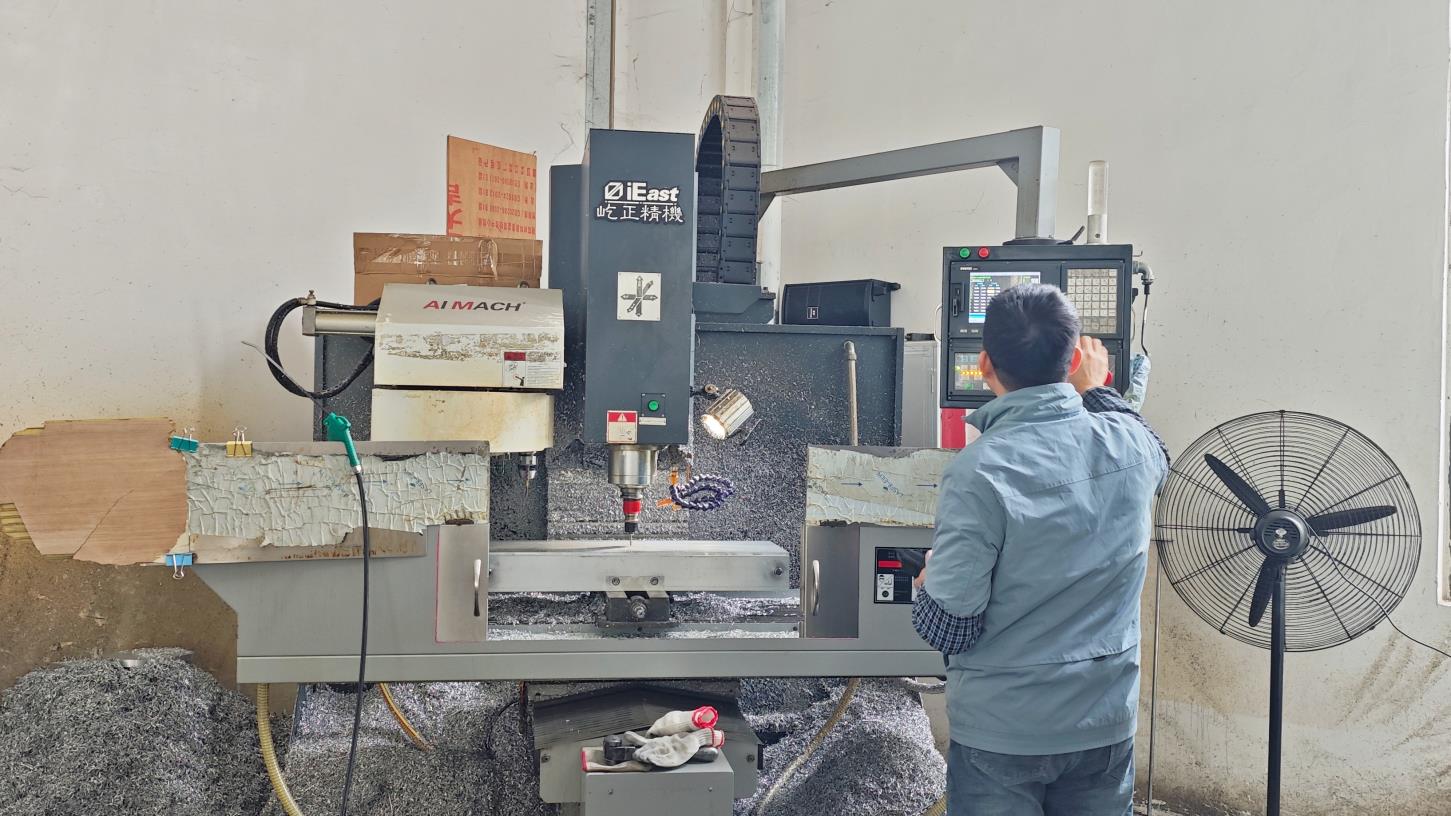
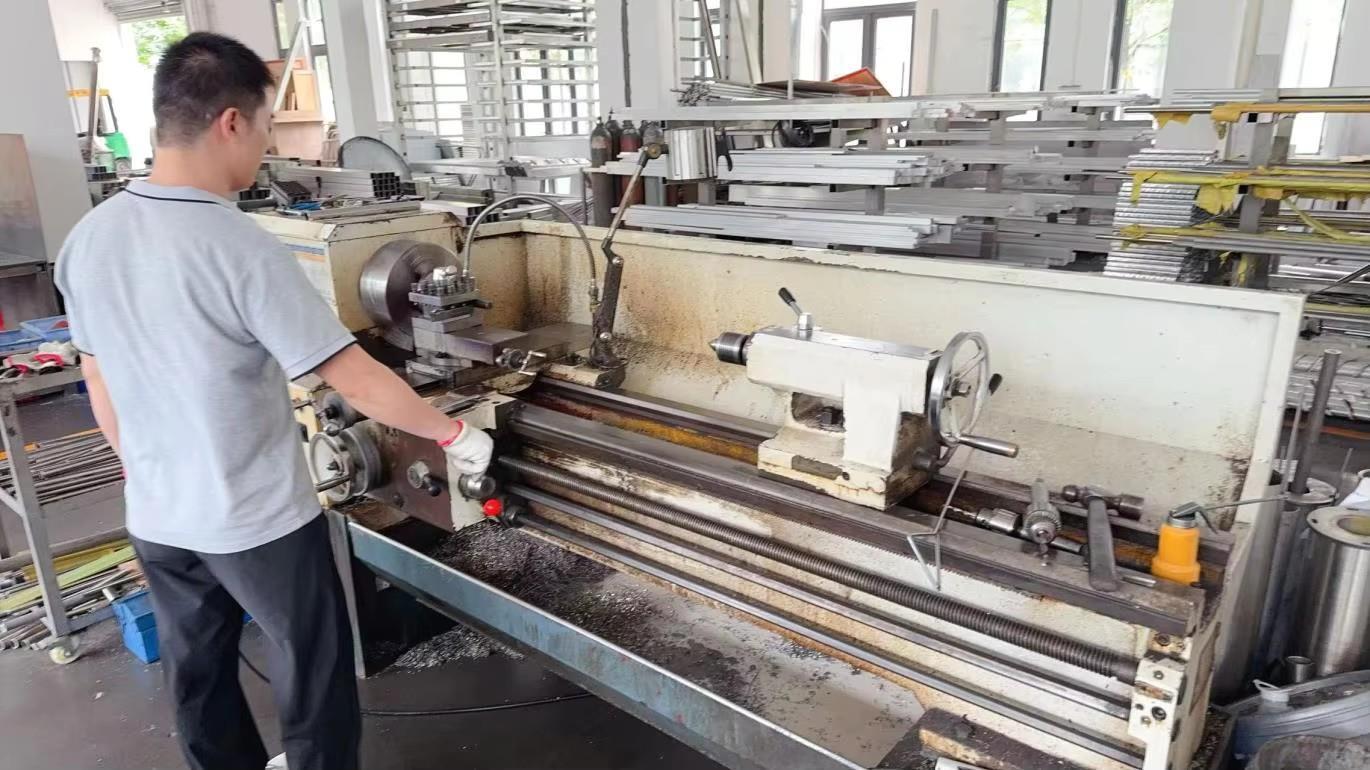
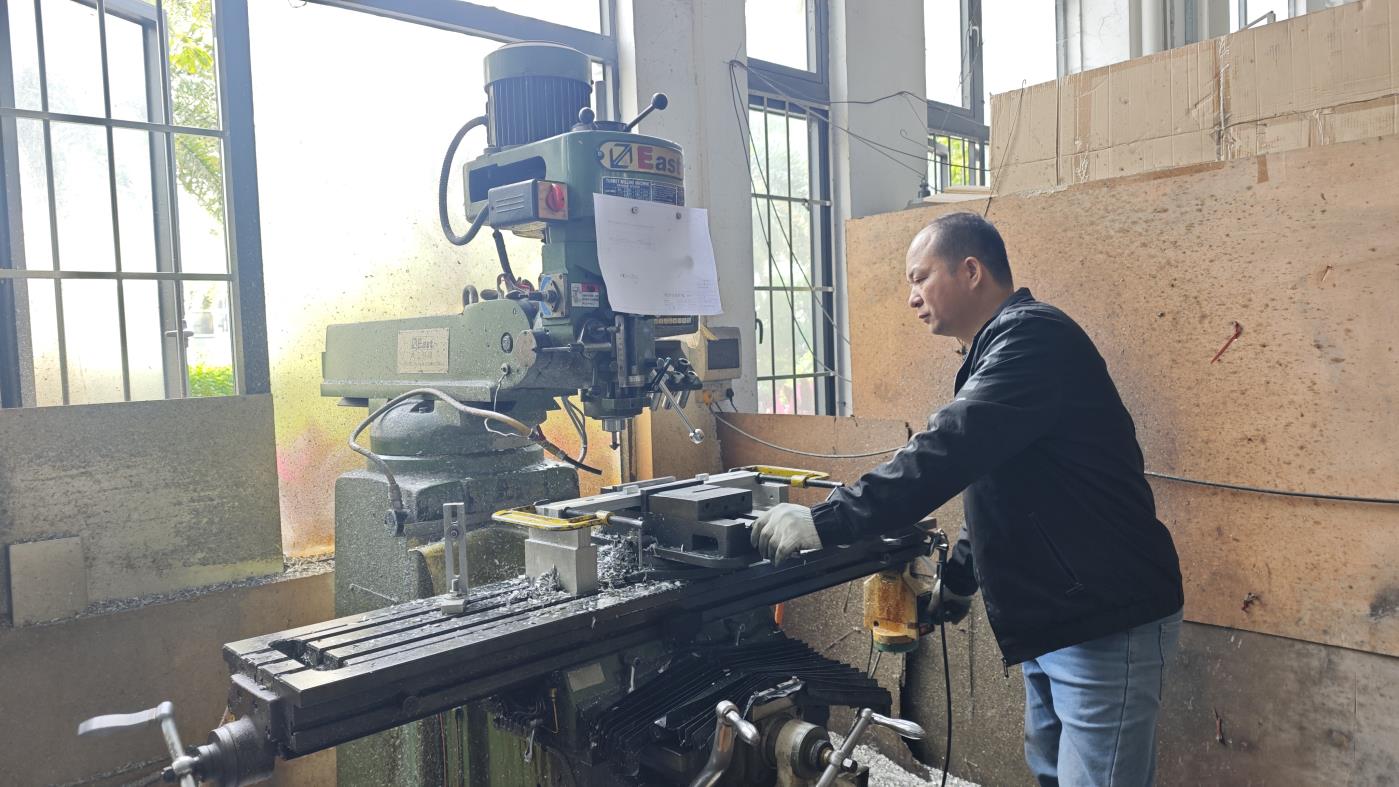
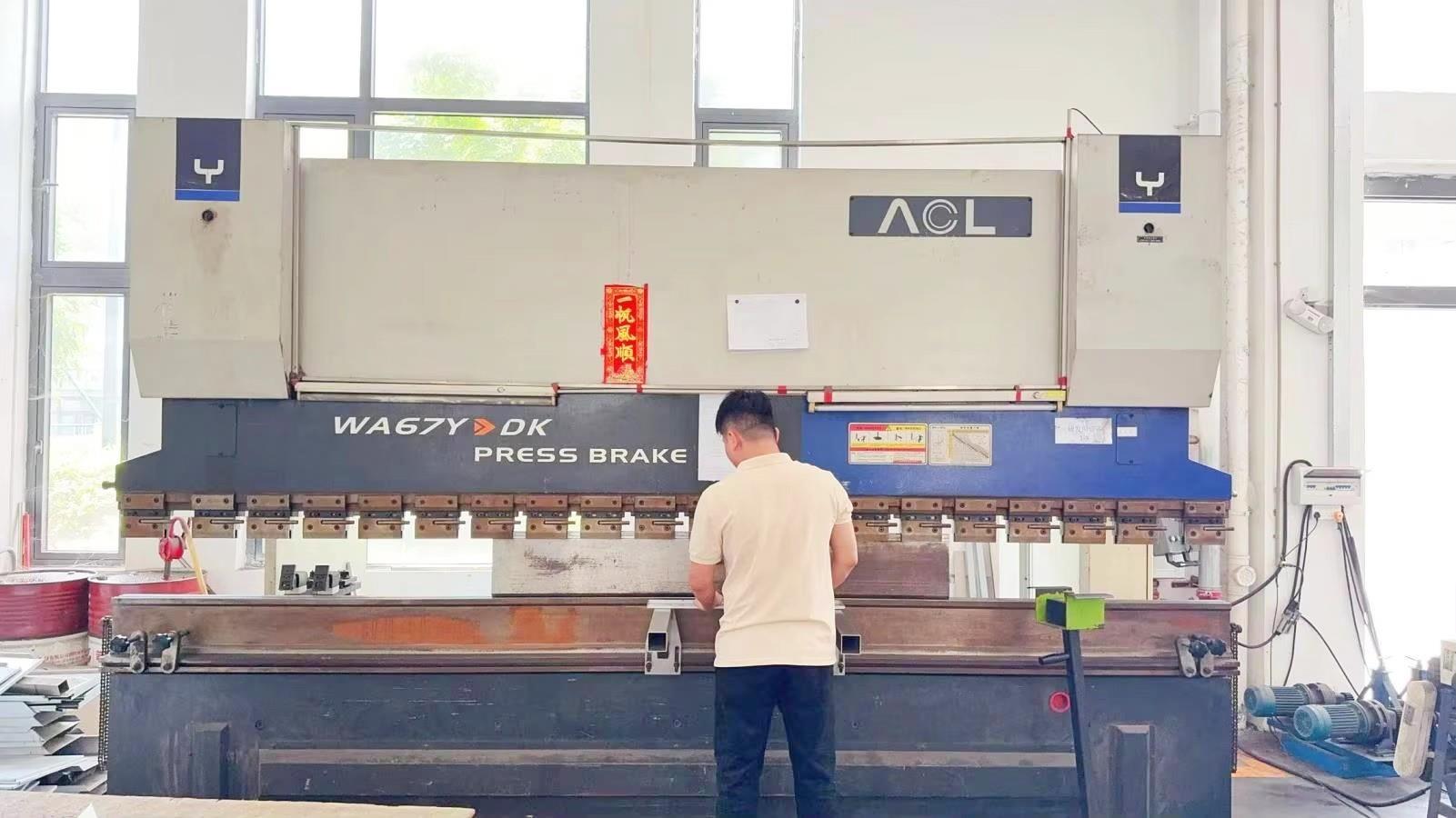
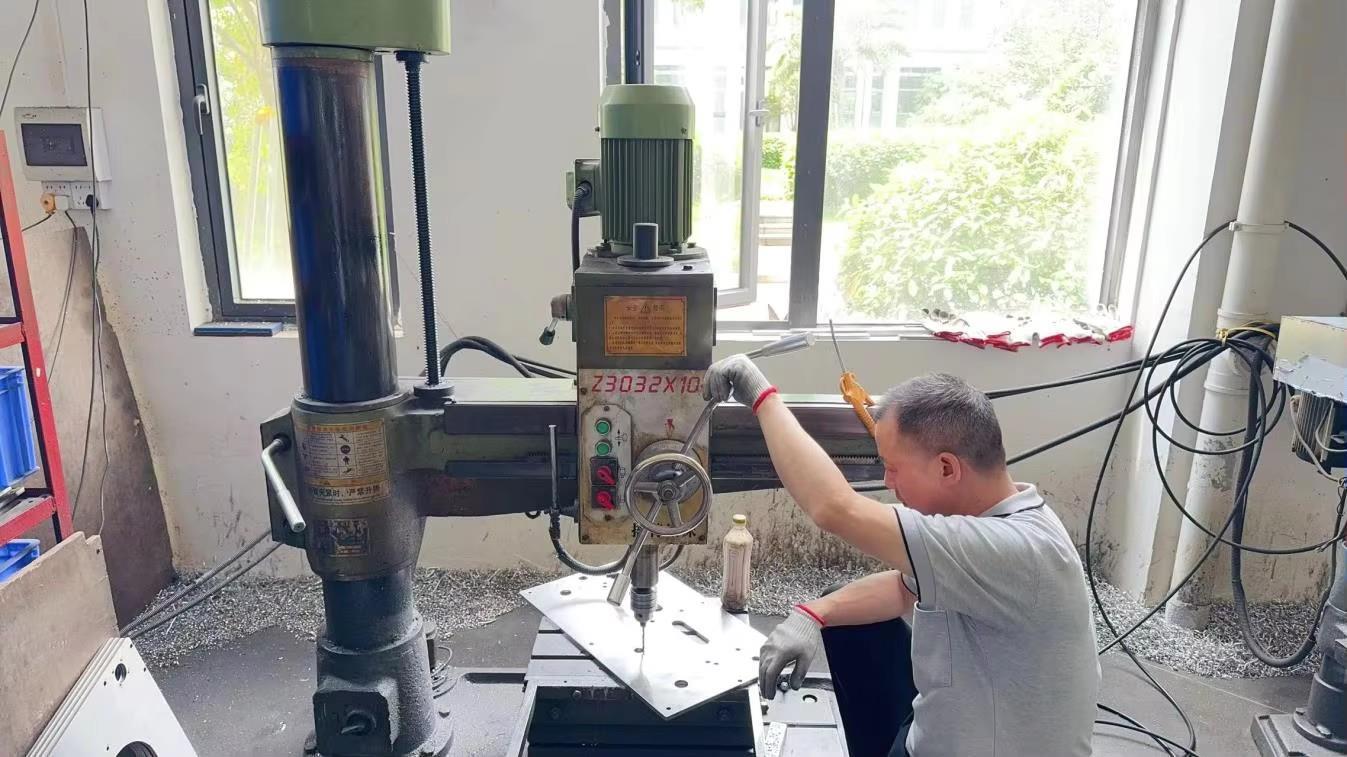
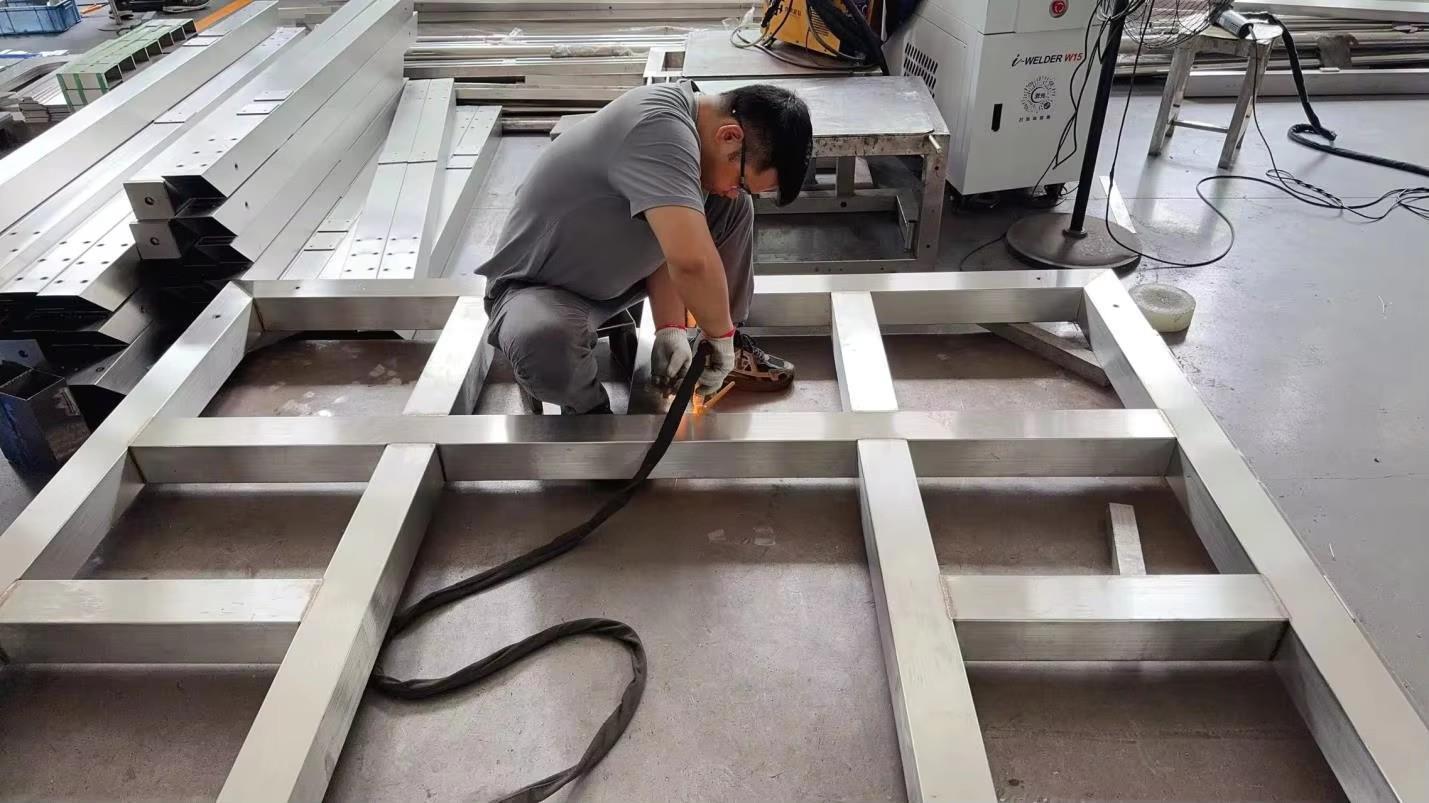
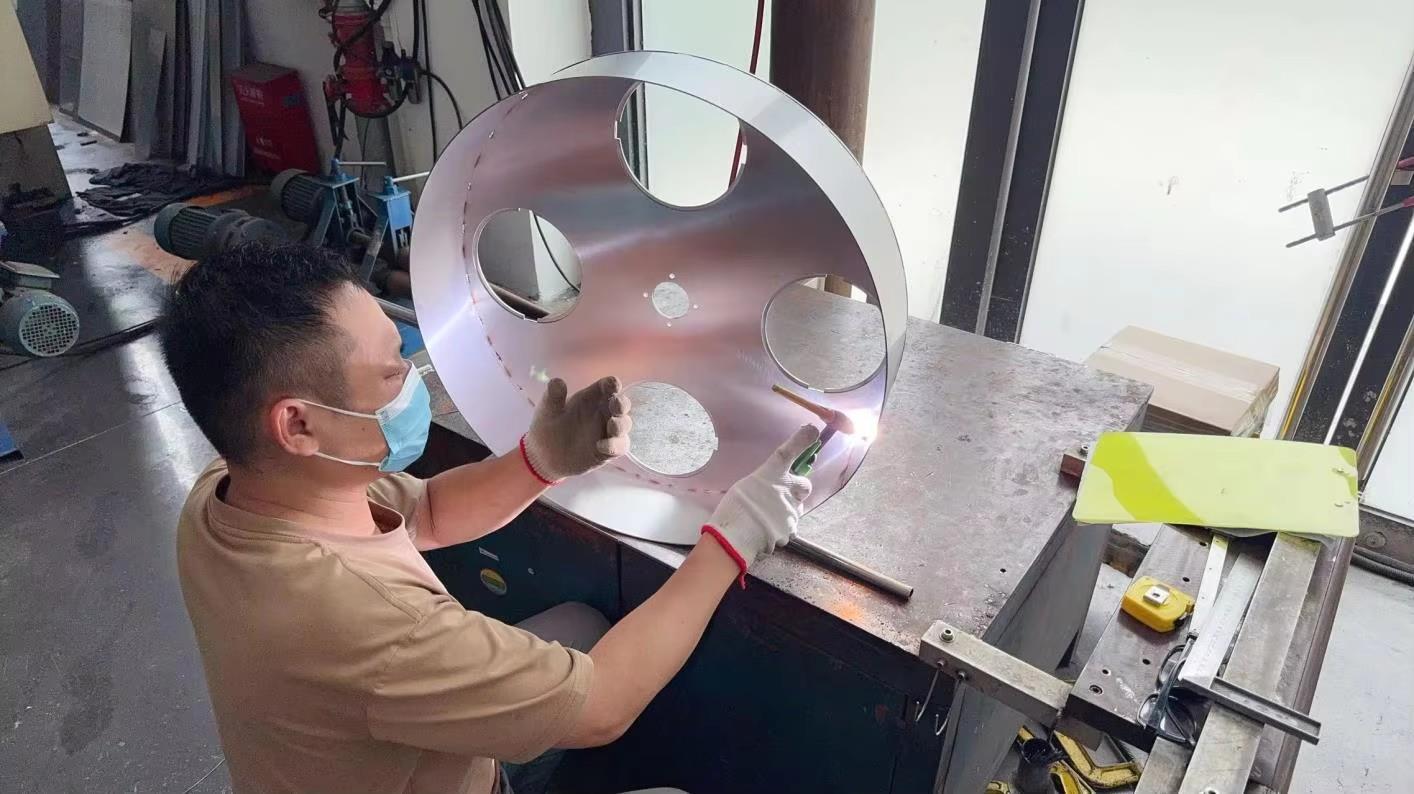
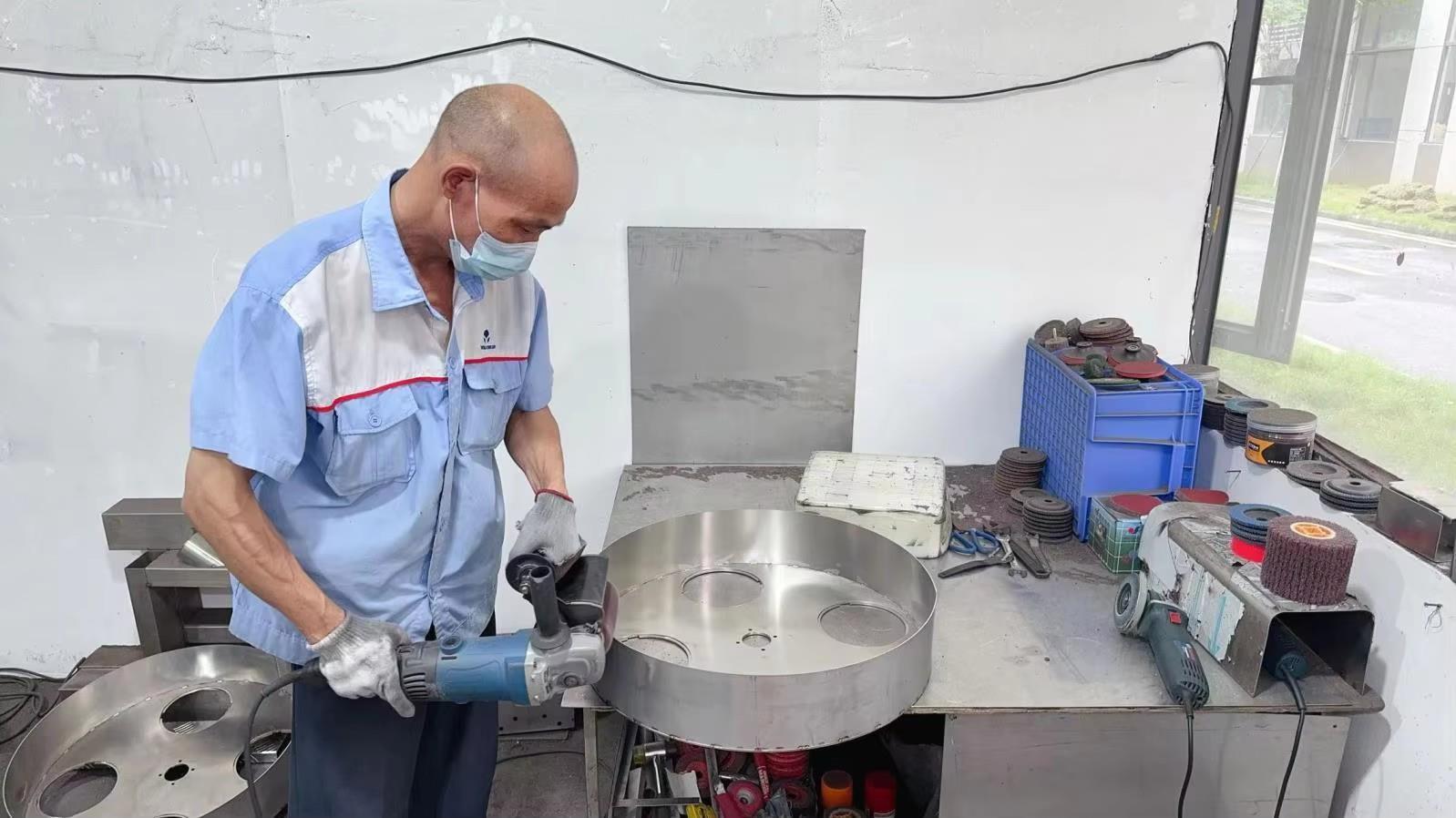
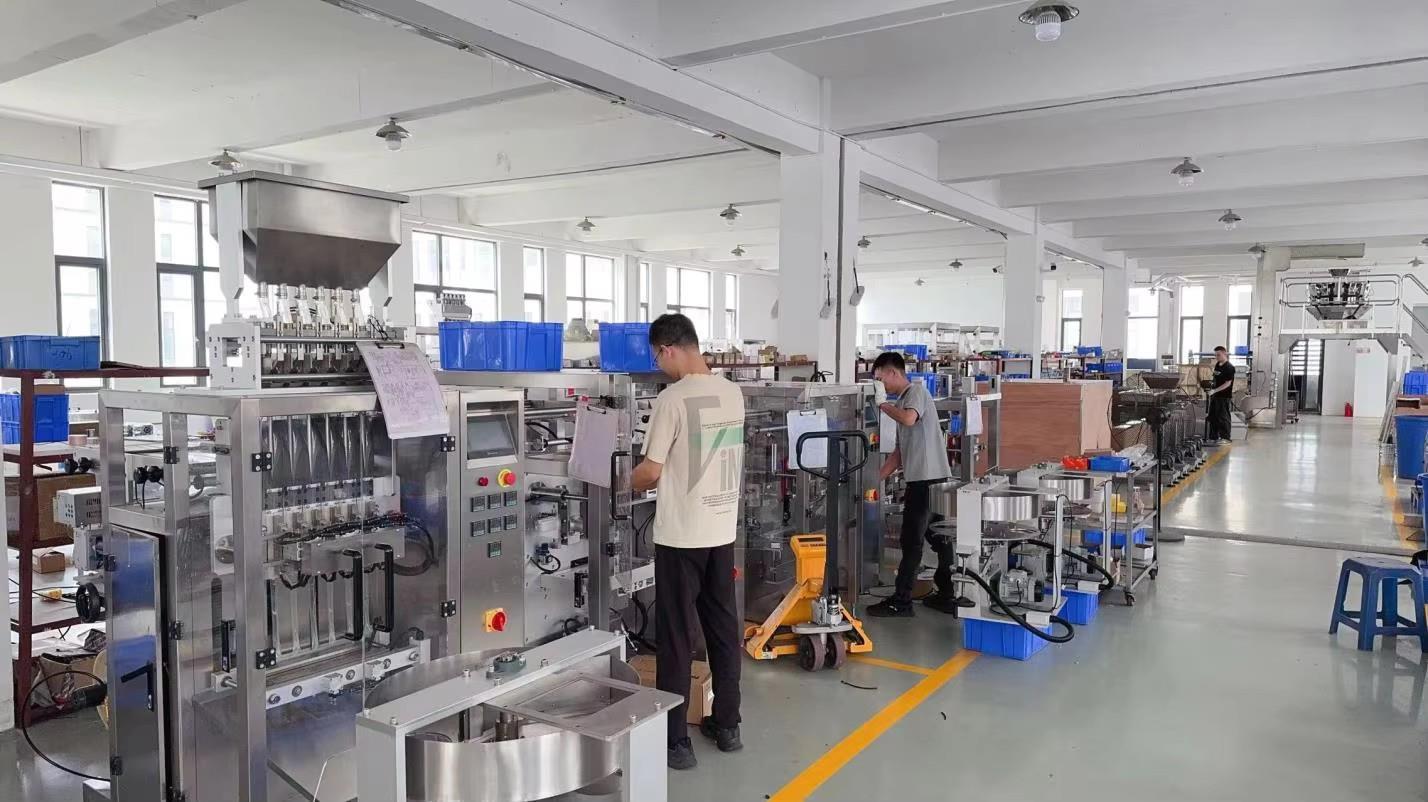
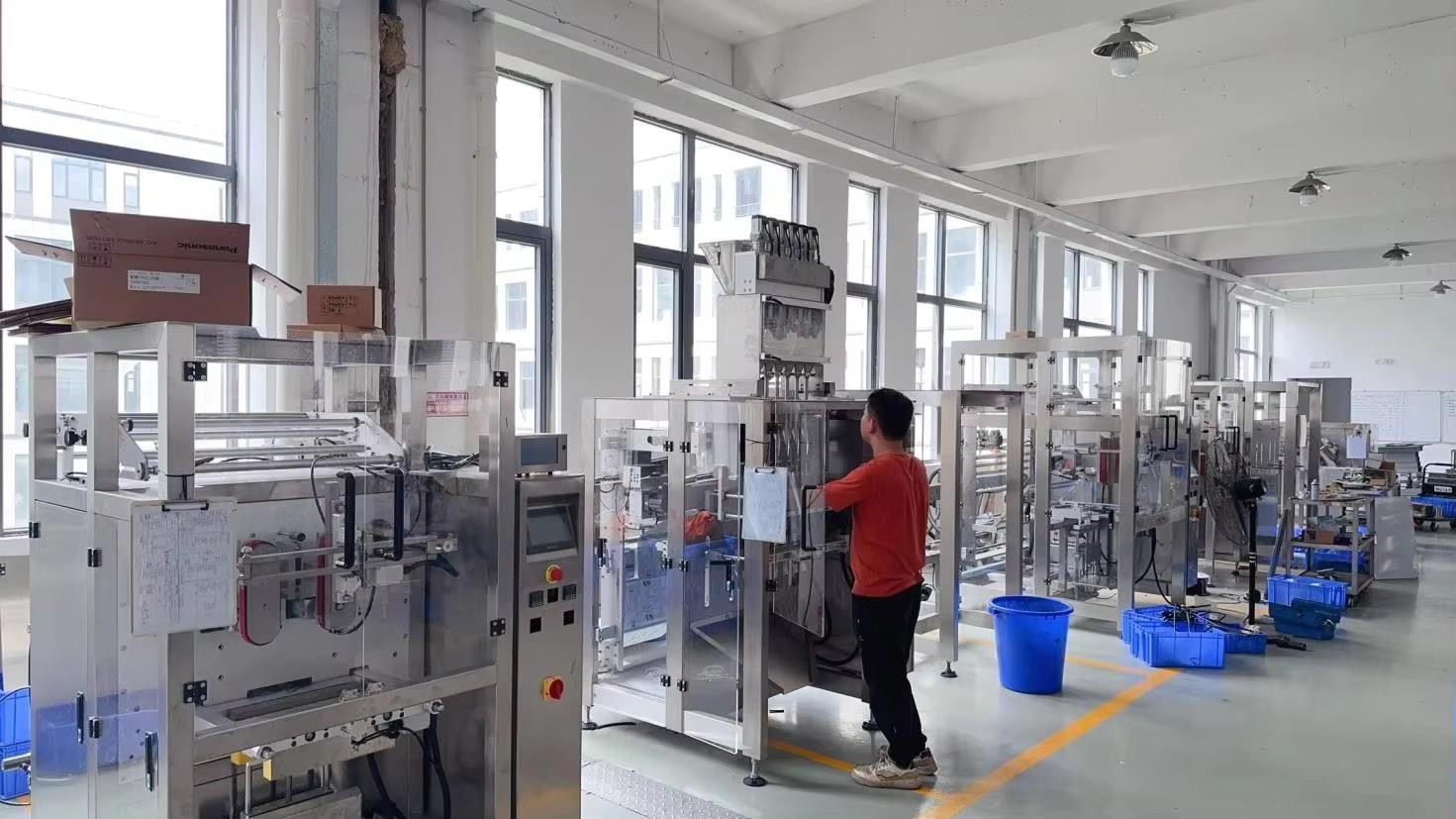
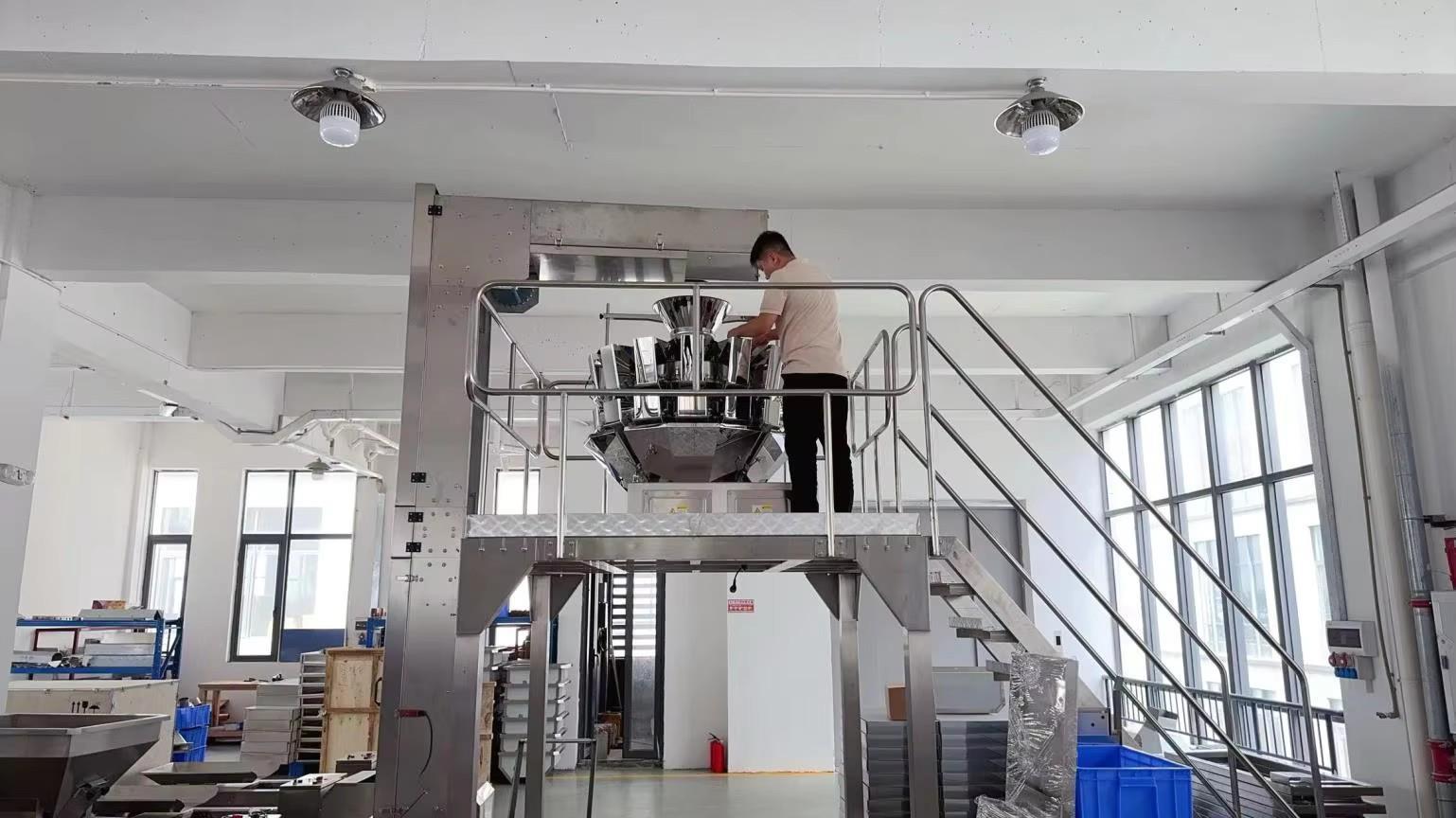
Operating inside China's industrial center allows Henan Collins Machine Co., Ltd. to combine cost advantages with high-grade components.
By using localized steel refineries and casting facilities, we secure SUS304 and SUS316L stainless steel alloys that undergo comprehensive chemical inspections prior to machining. This keeps our production cost-competitive without sacrificing quality.
Furthermore, our factory incorporates precision CNC tooling centers, automatic slitting lines, and ISO-regulated testing loops. This ensures that every volumetric cylinder, pneumatic piston, and rotary valve works reliably before leaving our facility.
With direct import and export licenses, we deliver machinery to destinations across Asia, Africa, Europe, and the Americas. Our localized custom packaging safeguards all parts during transport.
Our multilingual technical team provides seamless installation support, pre-shipment FAT tests, and virtual engineering support to minimize deployment delays and keep your operations running smoothly.
Pneumatic filling setups are tailored for environments demanding high sanitation, viscosity handling, and safety.
Designed for chemical processing facilities. Handles high-solvent alcohols, lacquer thinner, flammable fuels, and aerosol components. Operates without electrical wiring to eliminate risks in volatile environments.
Perfect for packaging materials like peanut butter, raw honey, dynamic creams, and tomato pastes. The powerful pneumatic stroke controls shear stress, ensuring clean deposits without dripping.
Utilizes food-grade PTFE seals and SUS316L product contact parts. Built for sterile filling of face creams, liquid serums, health tonics, and topical ointments, supporting complete CIP sterilization.
Technical clarifications on the operations, calibration, and mechanics of industrial pneumatic filling machinery.
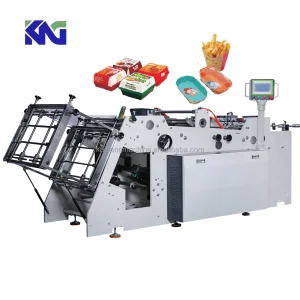
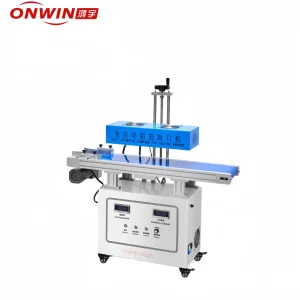
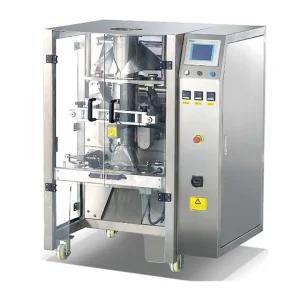
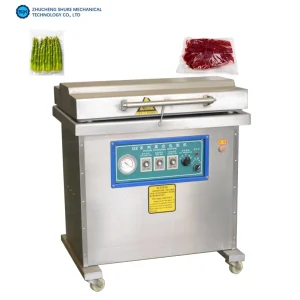
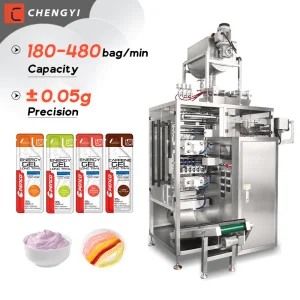
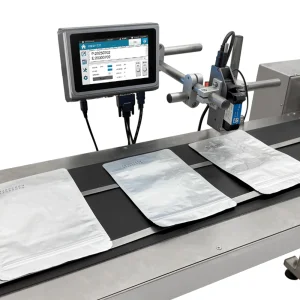
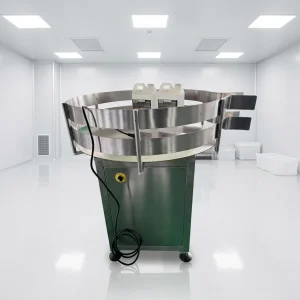
Explore our complete range of packaging line machinery, including vertical form-fill-sealers, thermal inkjet printers, and bottle unscramblers.
 Collins Machine