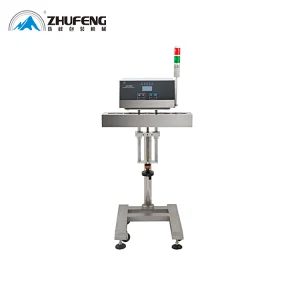
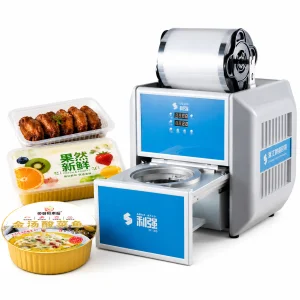
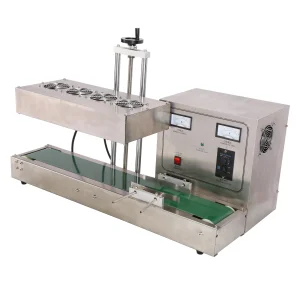
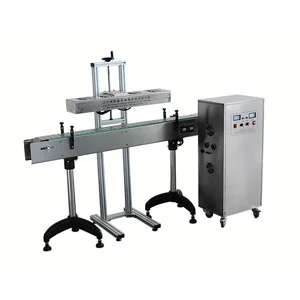
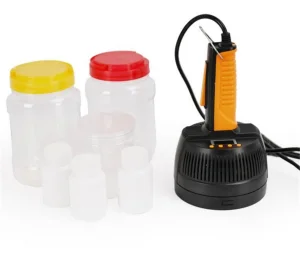
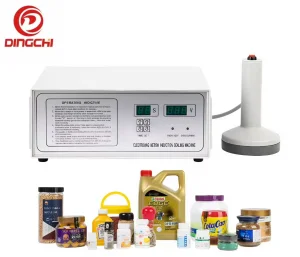
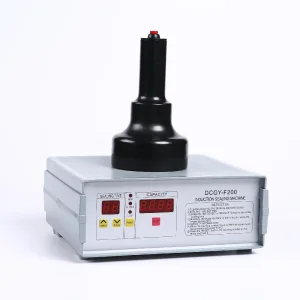
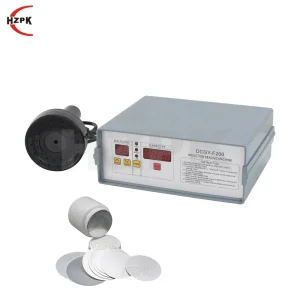
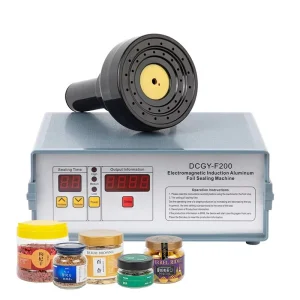
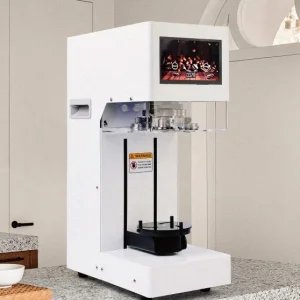
Specifically engineered to meet packaging requirements across South Asia, prioritizing power stability, high humidity resistance, and reliable hermetic sealing.
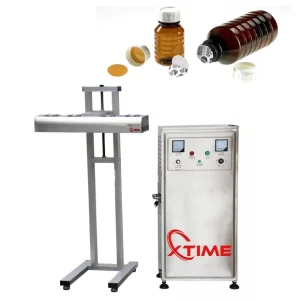
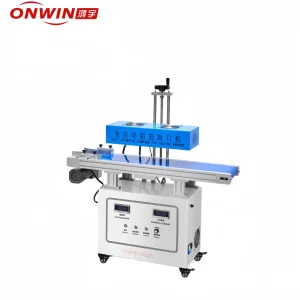
Sri Lanka's manufacturing landscape is transitioning toward automation and export standard compliance. Key sectors, including Virgin Coconut Oil extraction, Ceylon Cinnamon export processing, Agro-Chemical formulating, and the emerging Domestic Pharmaceutical industry (spurred by the State Pharmaceuticals Manufacturing Corporation (SPMC)), demand high-integrity packaging.
Due to Sri Lanka's tropical marine environment, where average relative humidity hovers between 70% and 90%, hygroscopic products, spices, cosmetics, and dry milk formulas face rapid moisture ingress. Electromagnetic induction sealing offers a non-contact hermetic seal that prevents oxidation, preserves product freshness, and prevents leakage during marine transit across various global trade corridors.
Industrial facilities in South Asia face unique challenges, including voltage drops, high ambient temperatures, and dust in processing plants. Collins has re-engineered our induction sealing technology to provide:
In global manufacturing, packaging serves as a critical component of product integrity and supply chain traceabilty. Modern processing lines require seamless integration, intelligence, and environmental compliance. Here are three key developments reshaping the packaging industry:
Contemporary packaging facilities rely on continuous data feedback. Collins Induction Sealers can integrate digital monitoring systems that track sealing parameters, detect missing foil liners, reject improperly sealed bottles, and output operation data to central SCADA systems. This prevents compromised products from leaving the factory floor.
To reduce environmental impact, packaging design is moving toward recyclable mono-material barrier foils. Collins' induction generators utilize precise frequency modulation to seal advanced, thinner, and bio-based thermoplastic layers without burning the liner or melting the plastic cap thread structure.
Modern factory floors require flexibility. Our engineering philosophy focuses on modularity. Collins induction heads are designed to fit onto existing packaging lines, working in tandem with capping machines, visual inspection systems, and automated labeling stations with minimal modifications.
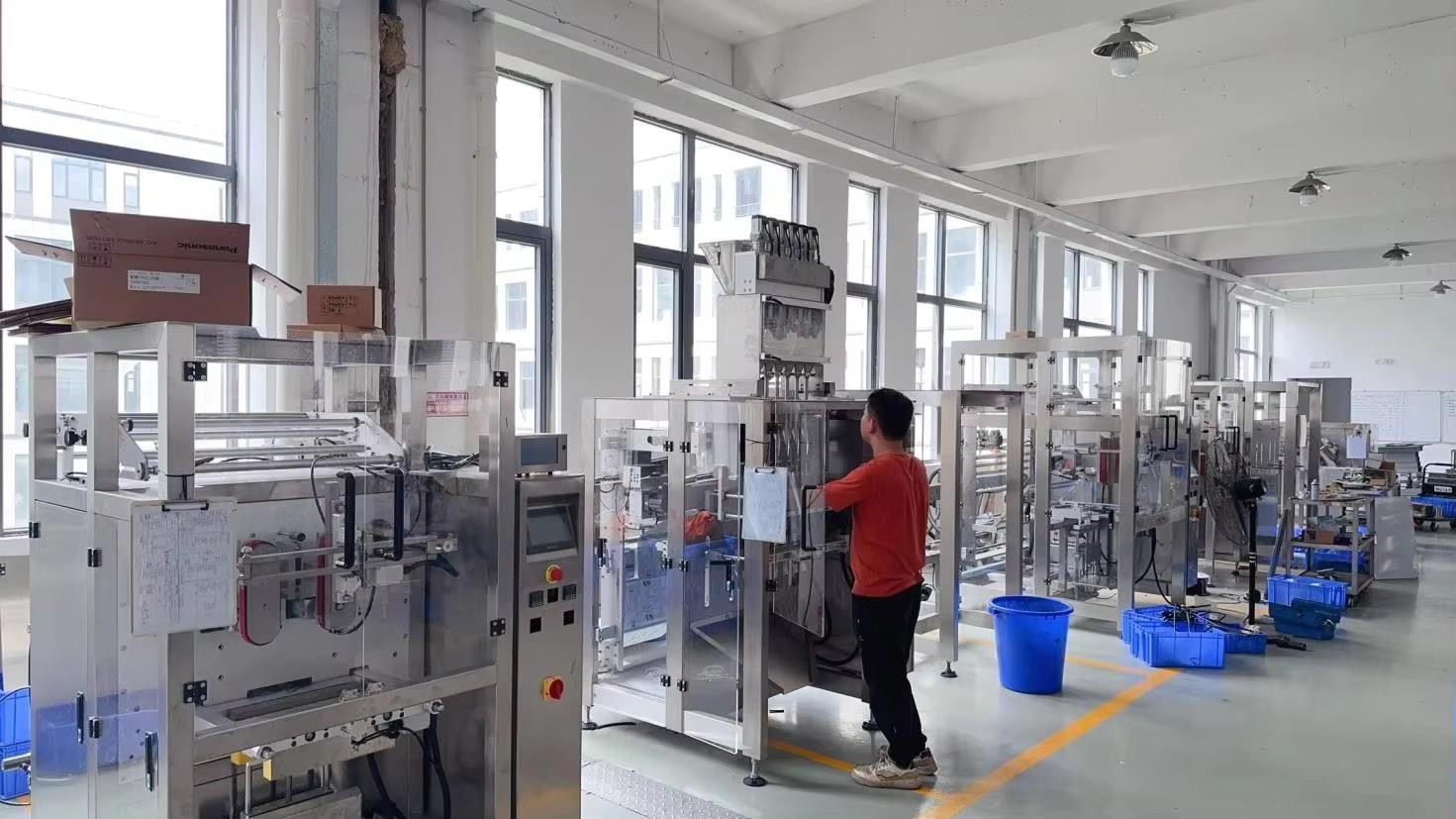
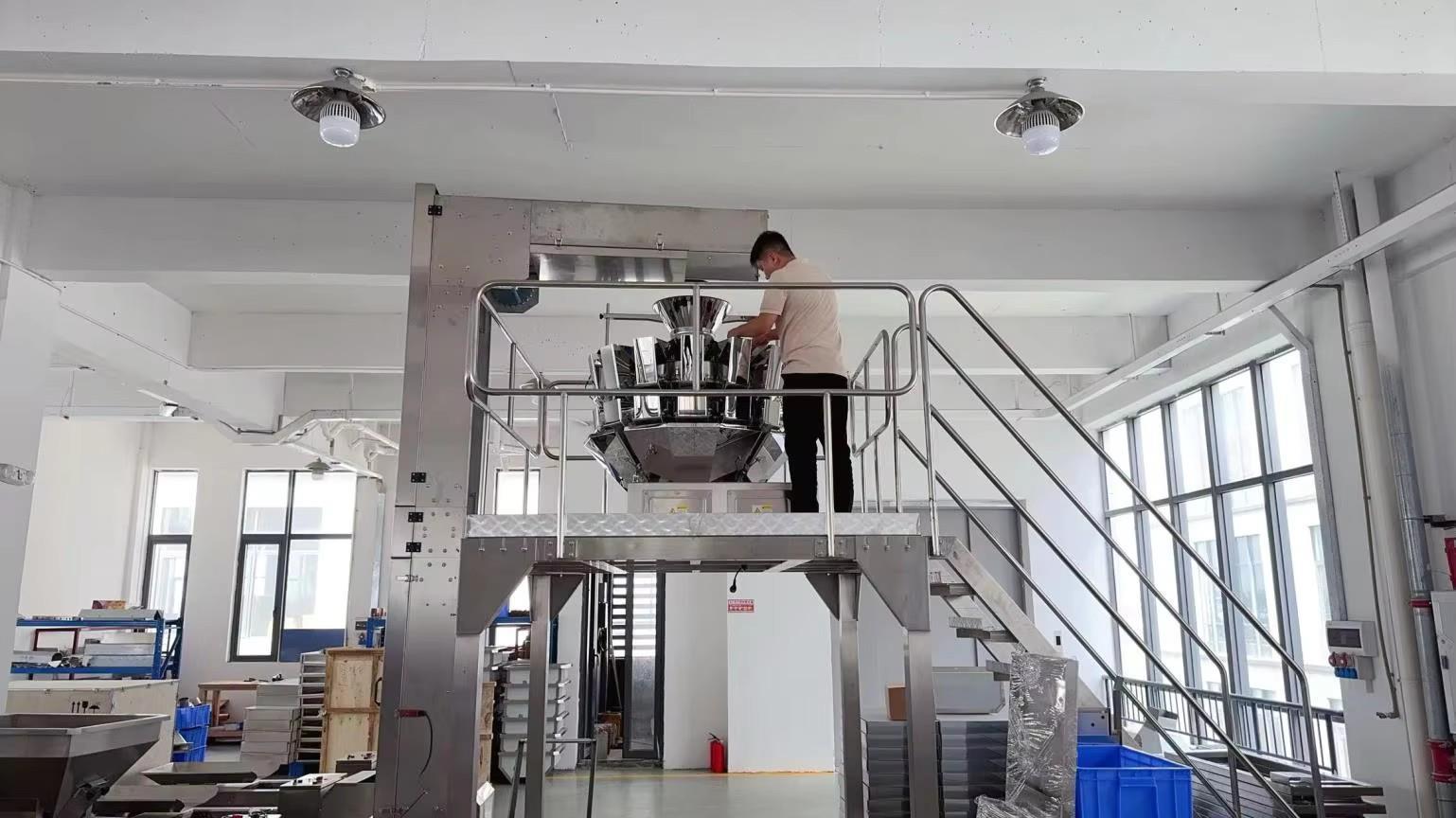
Established in 2015, Henan Collins Machine Co., Ltd. specializes in the design and manufacture of integrated automated packaging systems. With 20 national patents, Collins brings a decade of engineering experience to applications including labeling, filling, capping, coding, sealing, and shrink-wrapping.
Operating a 5,000 m² production facility supported by over 80 engineers and technicians, the company utilizes precision manufacturing processes. Certified under ISO 9001, SGS, and RoHS, Collins provides durable machinery and compatible consumables (such as TTO ribbons, ink rollers, and thermal labels) to global OEM partners and contract packagers.
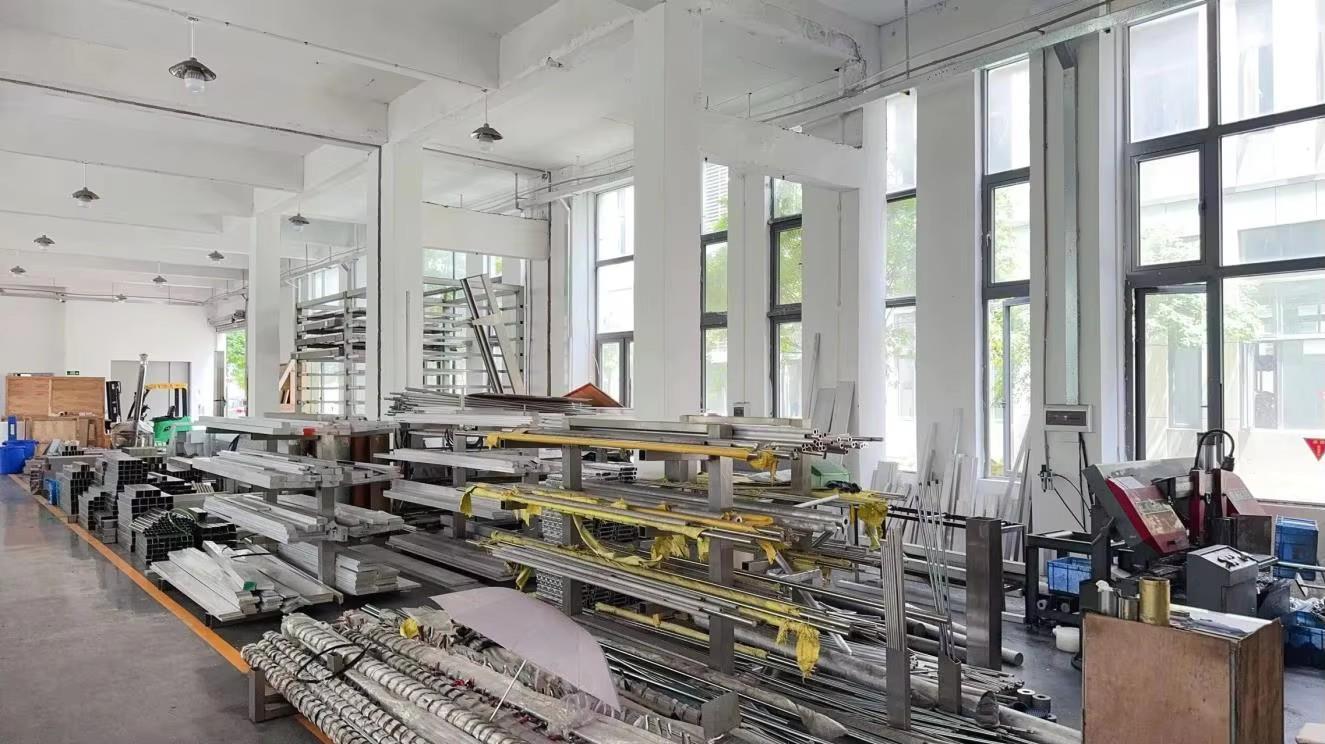
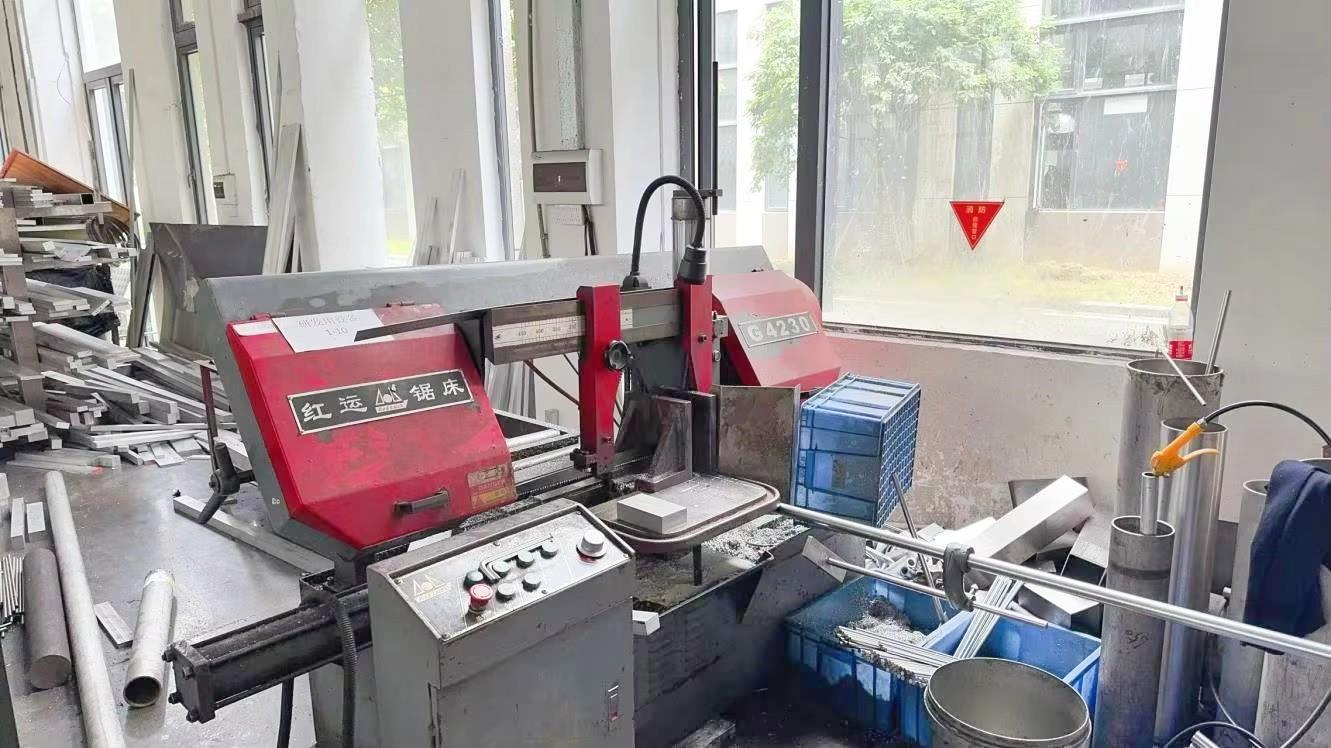
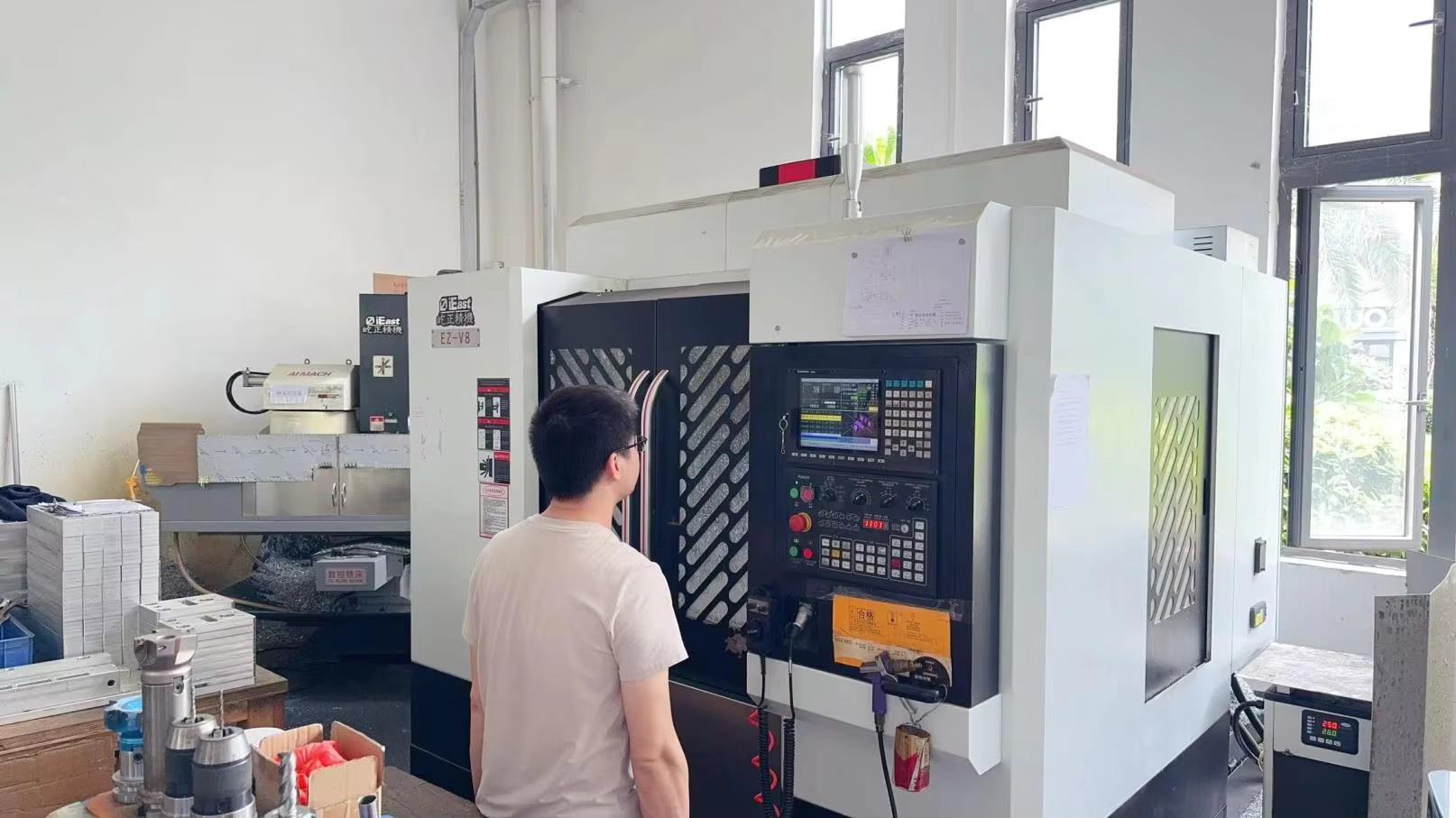
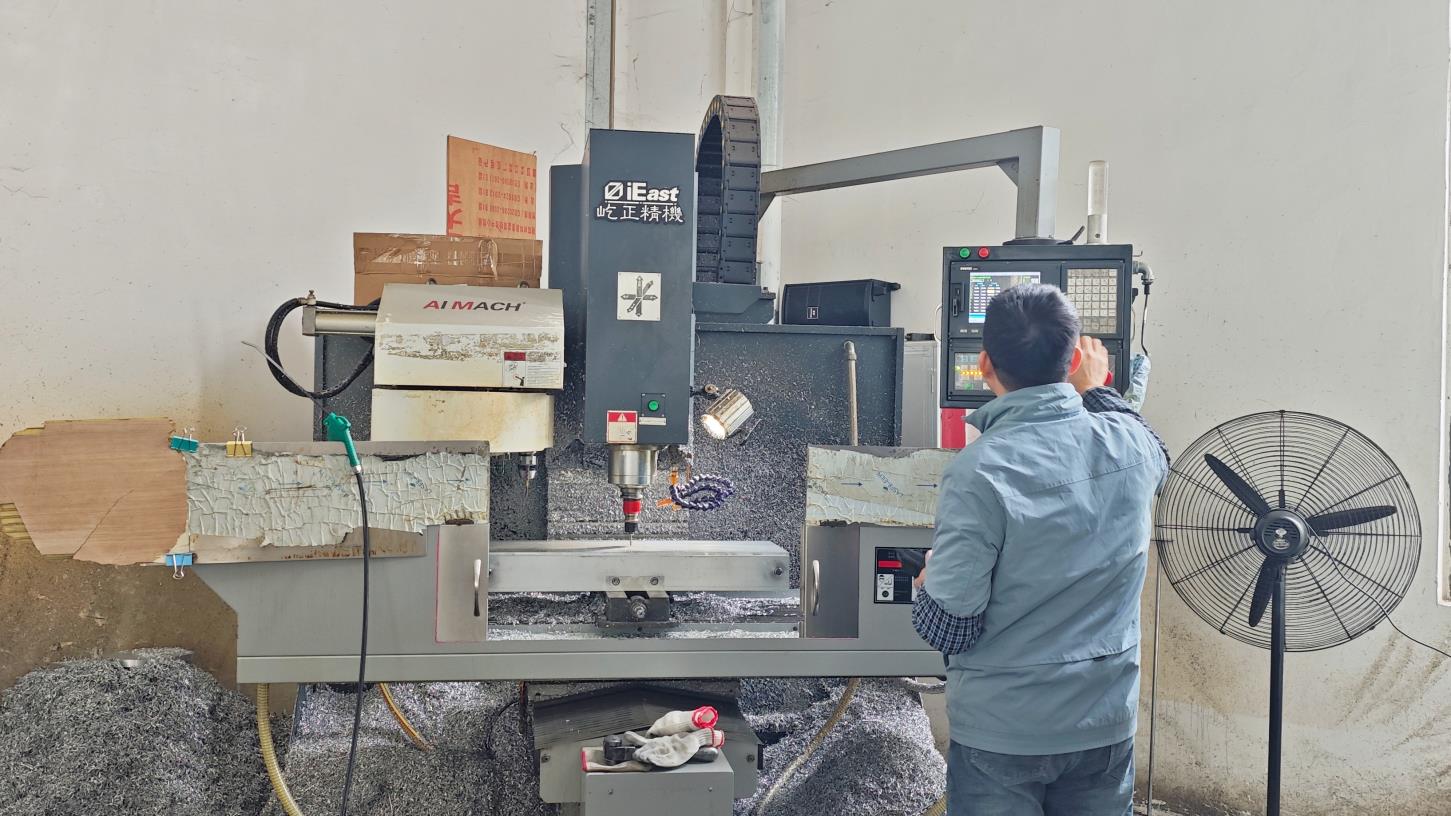
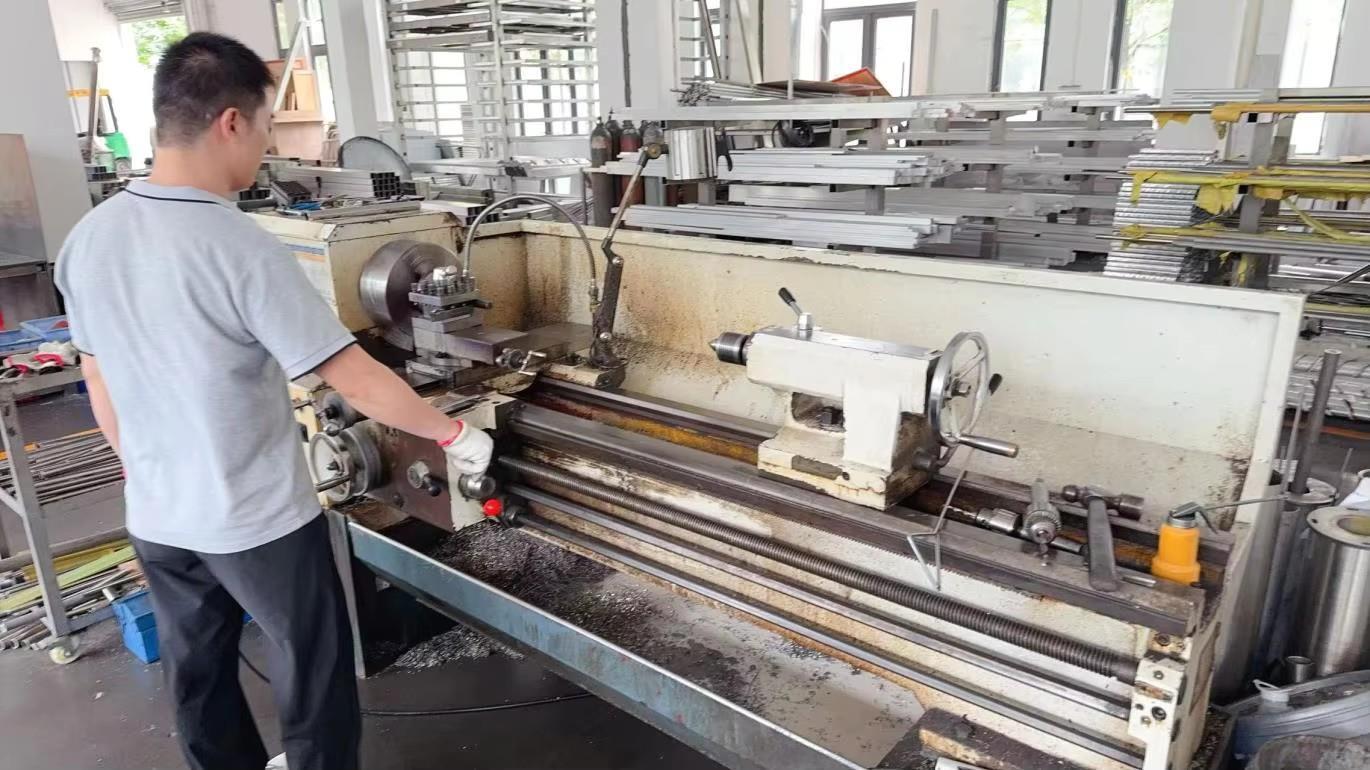
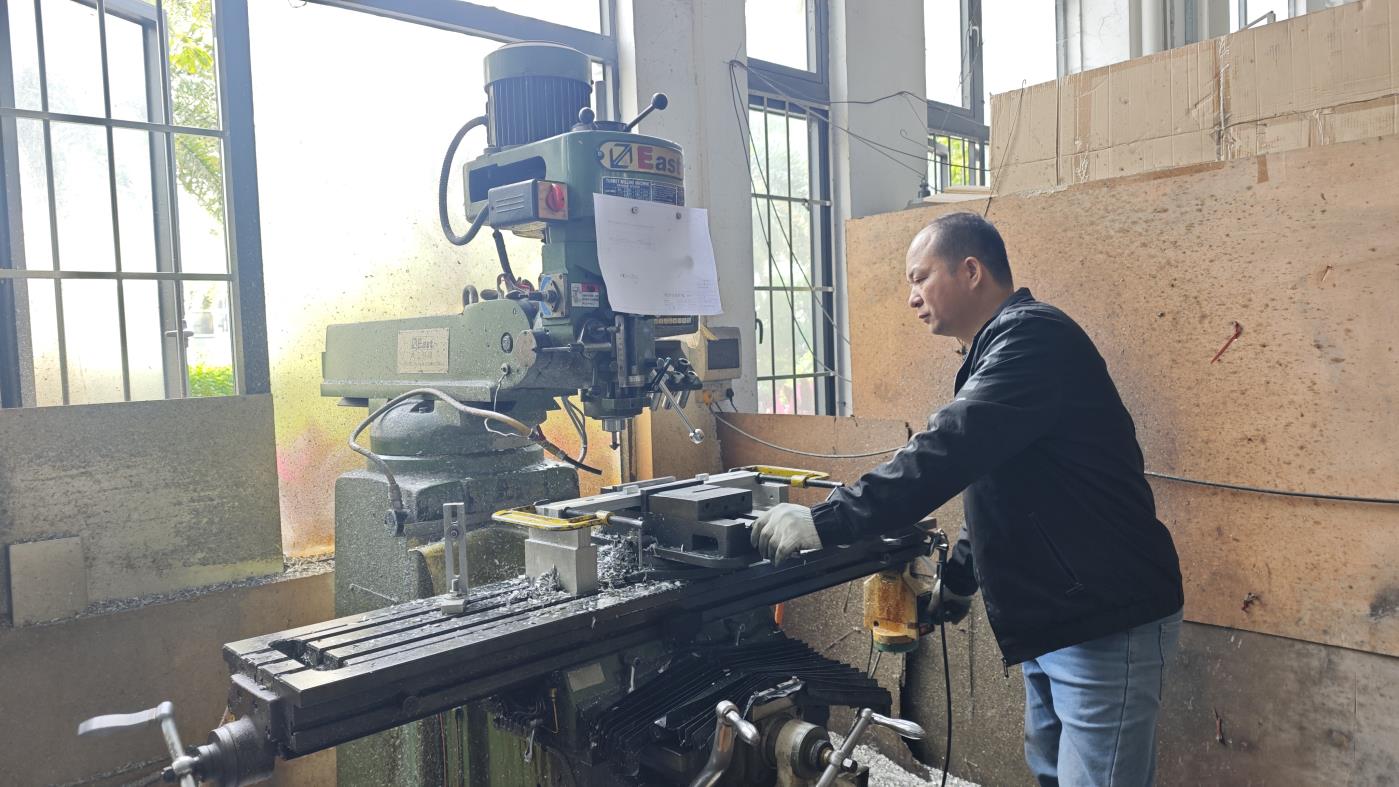
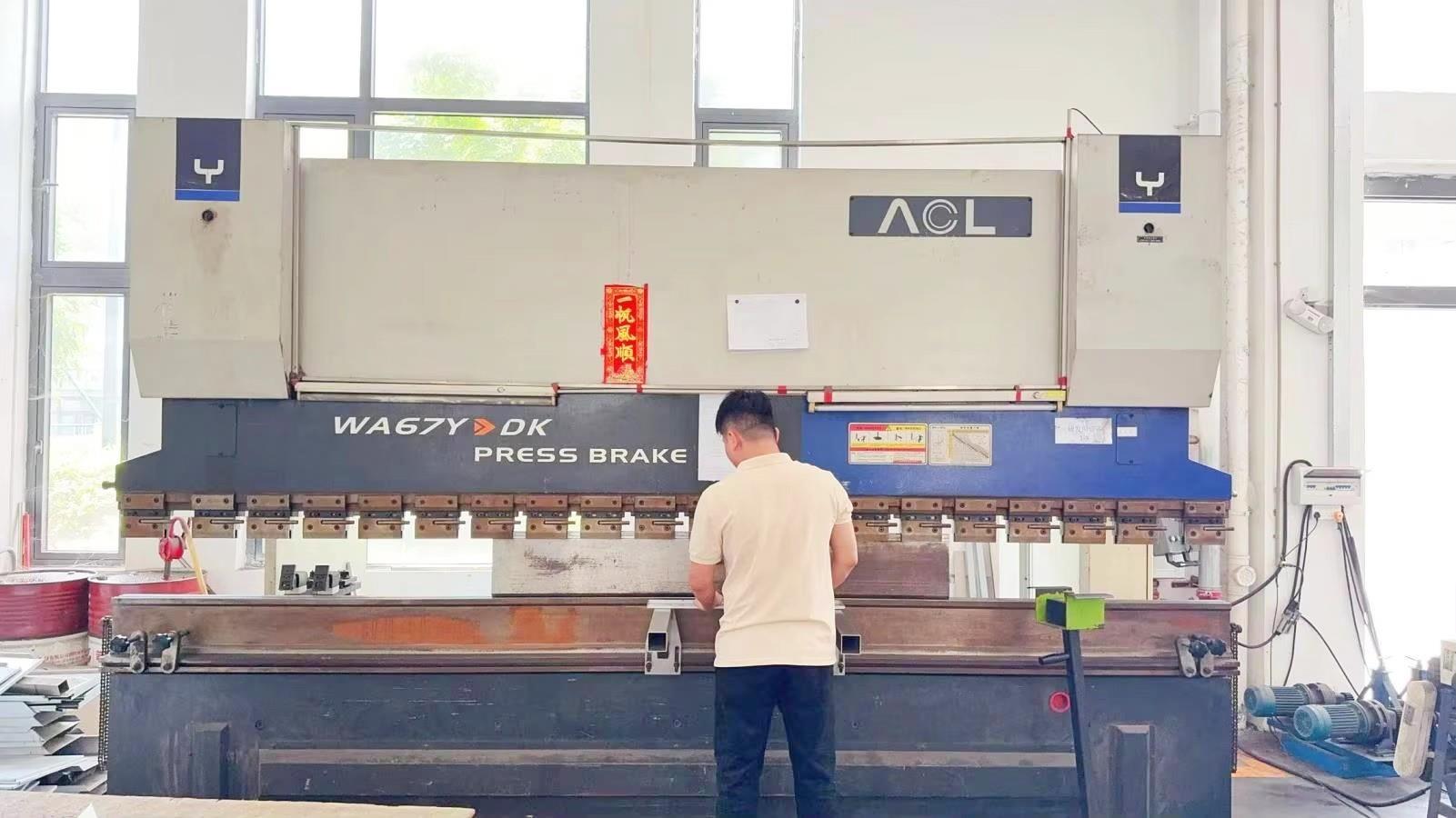
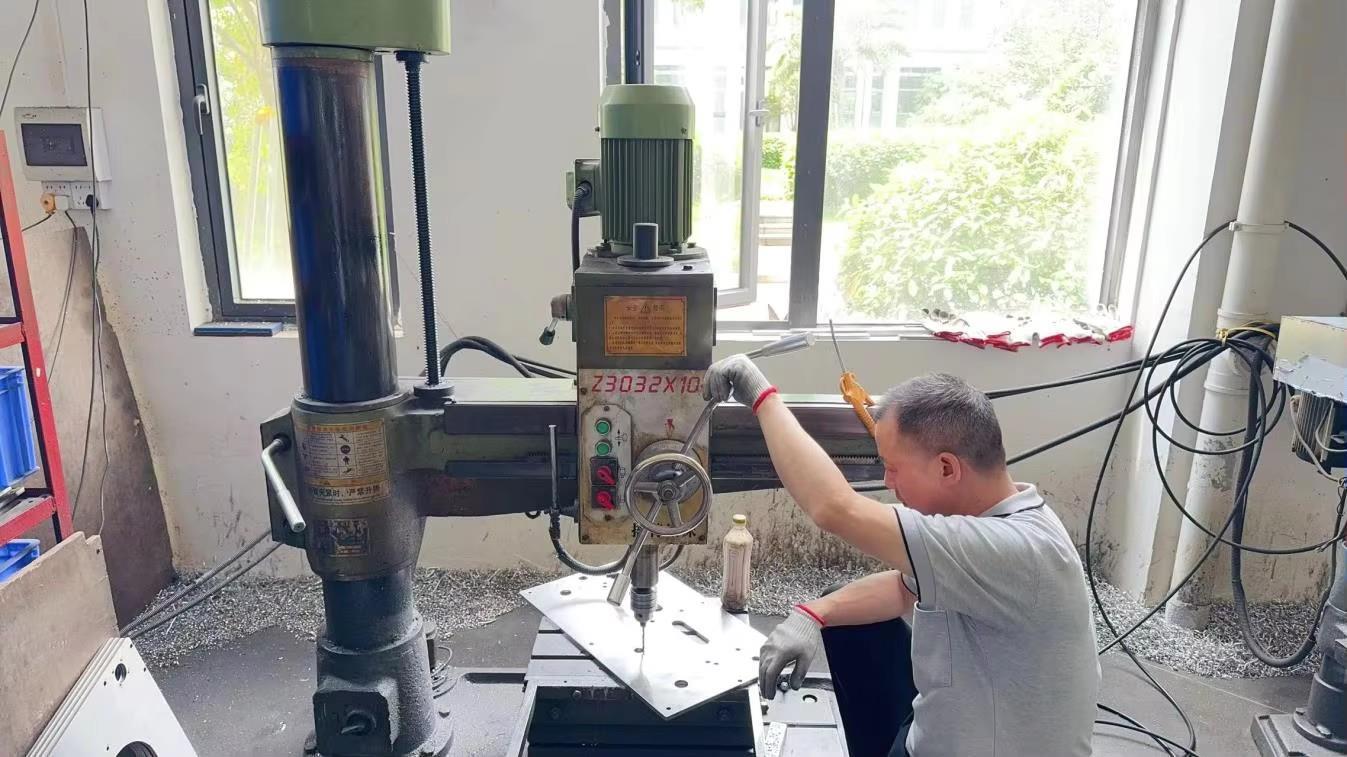
Every induction sealing machine is manufactured in-house using automated machinery. This control over structural welding, component alignment, and electronic testing ensures consistent sealing quality.
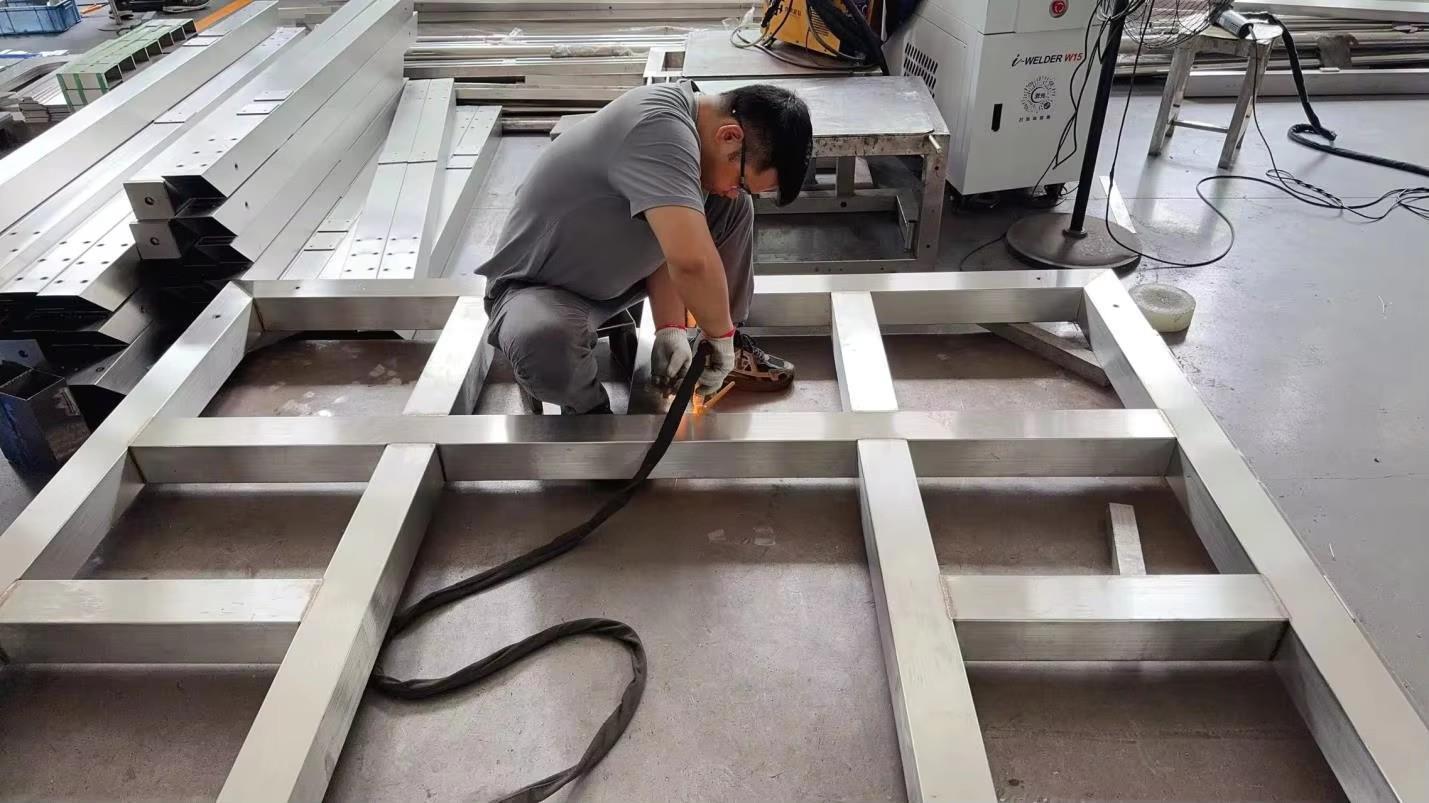
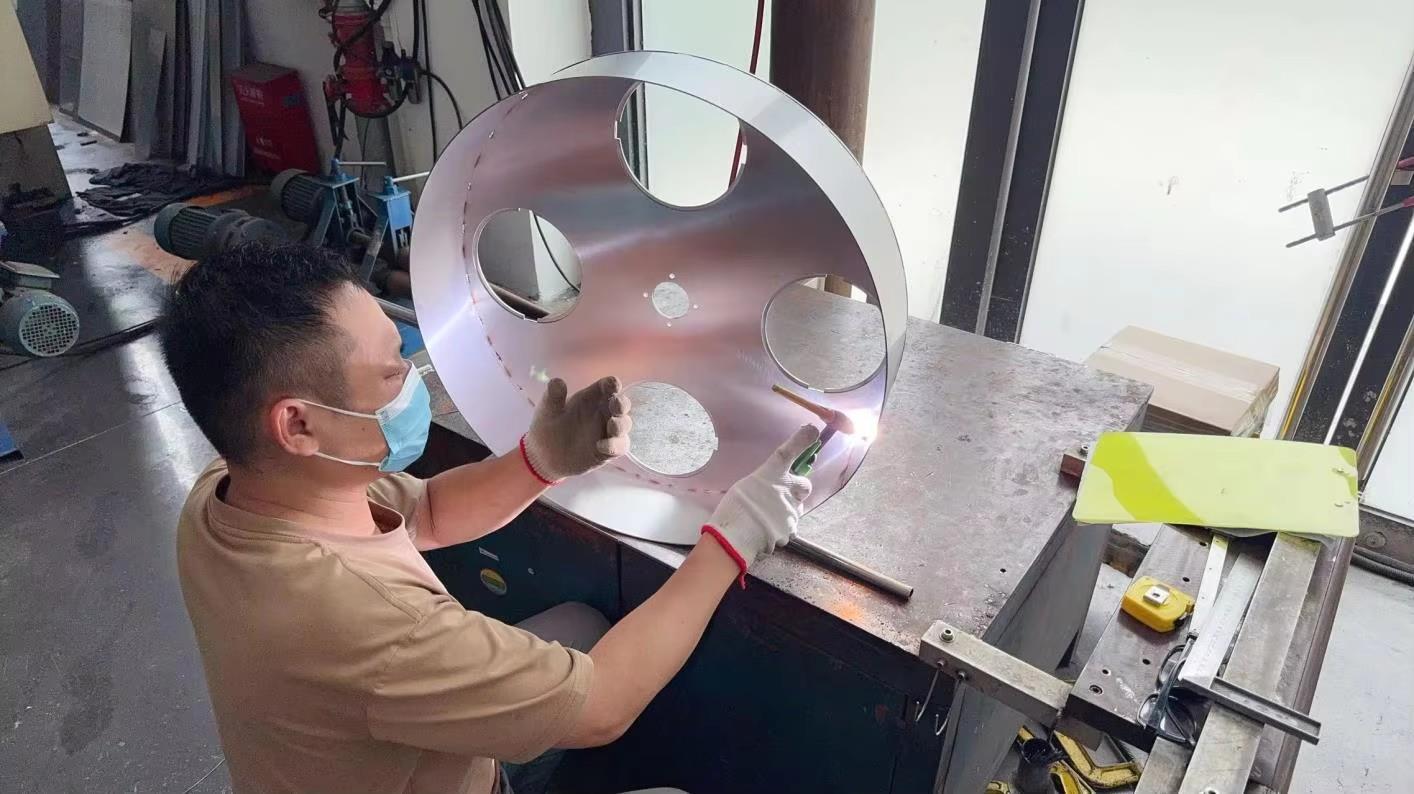
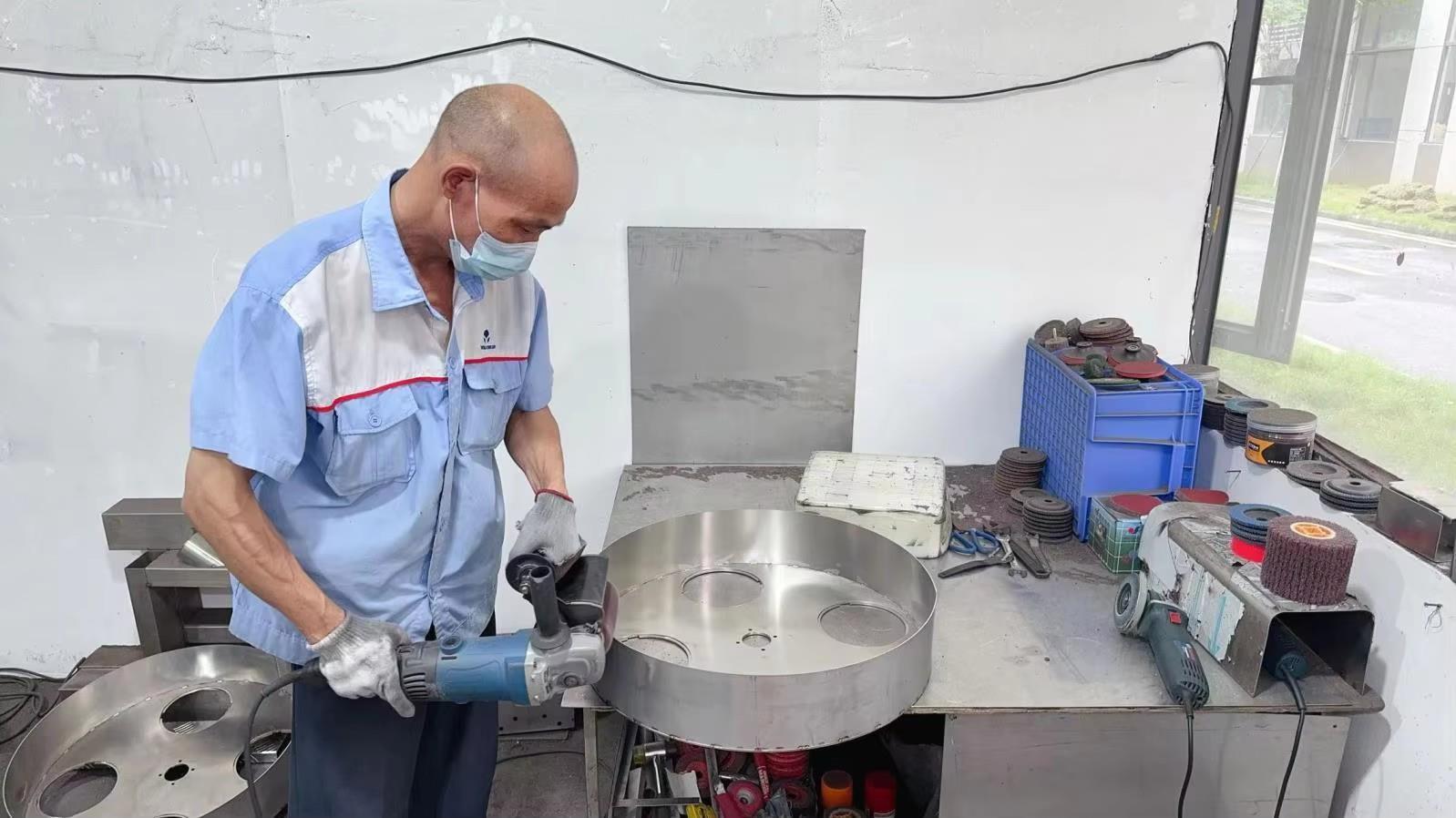
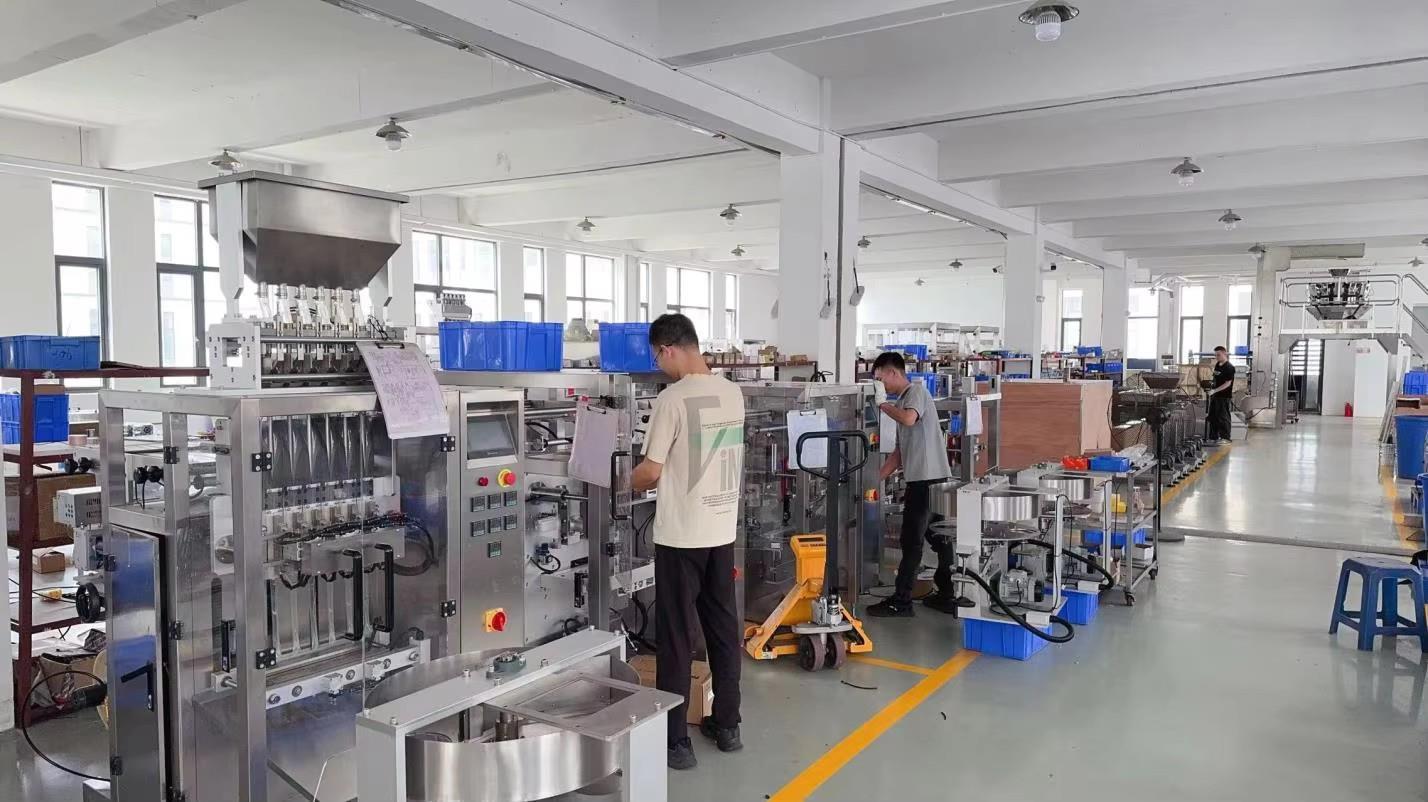
From manual laboratory sealers to fully integrated industrial bottling lines, explore the complete range of induction sealing equipment compatible with glass, PET, and HDPE containers in Sri Lanka.
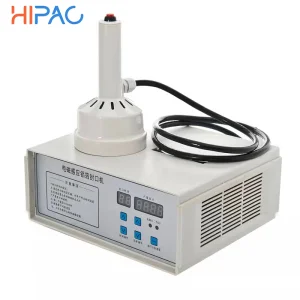
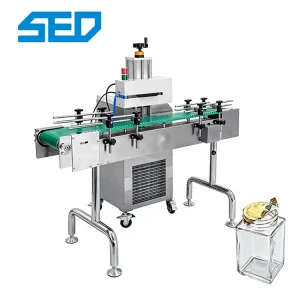
To achieve consistent hermetic sealing, operators must manage the relationship between electromagnetic field intensity, dwell time, and cap torque pressure. The table below outlines parameters based on container and liner material combinations:
| Bottle Material | Liner Type | Optimal Sealing Time (s) | Required Pressure (Cap Torque) | Recommended Frequency Range |
|---|---|---|---|---|
| PET (Polyester) | PET/Alu Foil/Paperback | 0.4 - 0.8s | Medium (1.5 - 2.2 Nm) | 80 - 100 kHz |
| HDPE (High-Density PE) | PE/Alu Foil/Wax/Pulpboard | 0.3 - 0.6s | High (2.0 - 2.8 Nm) | 75 - 90 kHz |
| PP (Polypropylene) | PP/Alu Foil/Polymer | 0.5 - 1.0s | Medium (1.8 - 2.5 Nm) | 80 - 105 kHz |
| Glass Bottles | Specially Treated Foil Liners | 0.8 - 1.5s | Very High (Cap must hold firm) | 60 - 80 kHz |
If your production line experiences faulty seals, check the following key factors before adjusting machine parameters:
Root Cause: The dwell time is too long, the conveyor speed is too slow, or the electromagnetic intensity is set too high for the bottle thickness.
Solution: Increase conveyor speed by 10% or reduce the machine output power rating. Ensure the cap design is appropriate for the heat profile.
Root Cause: Uneven capping torque, resulting in insufficient contact between the foil and the bottle lip. It can also be caused by dust or liquid residue on the rim.
Solution: Calibrate the capping machine head to ensure consistent torque. Inspect filling nozzles to prevent product splashing onto the rim.
Henan Collins Machine Co., Ltd. provides comprehensive machinery lines that integrate seamlessly. We offer engineered, one-stop configurations to minimize system incompatibility and maximize uptime:
To ensure sealing performance, Collins offers testing services for Sri Lankan exporters. Send us sample bottles, caps, and foil liners, and our testing team will determine the optimum parameter window (dwell time, power frequency, pressure) and provide a comprehensive lab validation report.
Send Samples for TestingTechnical inquiries regarding our induction sealers, installation, and operation in local manufacturing environments.
Optimize sealing quality, minimize product leakage, and ensure your products meet export requirements. Get a custom quotation tailored to your production parameters today.
 Collins Machine