Why is My Vacuum Packaging Machine Not Sealing 5 Common Reasons?

Time:2026-07-05 Author:Aria
0%

If you’ve ever asked yourself, "why is my vacuum packaging machine not sealing?", you're not alone. Many users face this common dilemma. A vacuum packaging machine is essential for preserving food and extending its shelf life. However, when it fails to seal, it can lead to frustration and waste.

Several reasons may cause poor sealing. A faulty heating element could be one culprit. If the machine’s seal bar isn’t heating properly, the bag won't close effectively. Another factor is the condition of the bags you’re using. Low-quality or incompatible bags can hinder the sealing process.

Additionally, residue on the seal bar can impact performance. Ensuring a clean surface is vital for achieving a tight seal. Lastly, it’s essential to check the vacuum settings. Incorrect adjustments can prevent proper sealing. Understanding these factors will guide you in troubleshooting your vacuum packaging machine effectively.
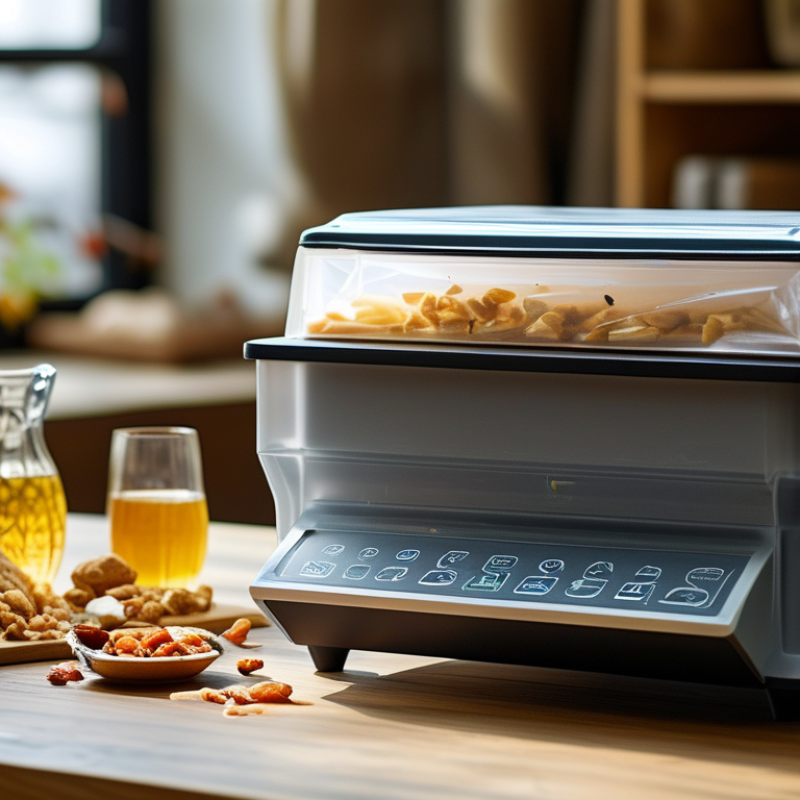
Why is My Vacuum Packaging Machine Not Sealing 5 Common Reasons?

Understanding the Basics of Vacuum Packaging Machines

Vacuum packaging machines are essential tools in food preservation, extending shelf life by removing air. According to a report by the Food and Drug Administration (FDA), vacuum packaging can increase the shelf life of perishable items by up to five times. These machines are designed to draw out air and seal bags tightly, preventing oxidation and microbial growth. However, when they fail to seal properly, it can lead to significant food waste.

Common reasons for malfunction include improper bag placement, inadequate heat sealing, and worn-out seals. A study from the Institute of Packaging Professionals revealed that up to 30% of vacuum sealing issues stem from incorrect bag usage. Understanding the specifications of suitable bags is crucial. Some bags aren't compatible with all machines, affecting the sealing process negatively. Additionally, regular maintenance is vital. Over time, components like the heating element can degrade, requiring replacement for optimal performance.

Environmental factors also play a role. High humidity can influence the sealing capabilities of these machines. An article in the Journal of Food Protection mentions that humidity levels above 70% can compromise vacuum sealing effectiveness. Users must consider their surroundings, as the machine’s efficiency can vary greatly based on these conditions. Taking these aspects seriously will enhance the performance of your vacuum packaging system.

Why is My Vacuum Packaging Machine Not Sealing - 5 Common Reasons?

Reason Description Potential Solutions
Improper Bag Placement The bag may not be positioned correctly in the sealing area. Ensure the bag is aligned properly with the sealing strip.
Worn Sealing Strip The sealing strip may be damaged or worn out over time. Inspect and replace the sealing strip if necessary.
Insufficient Vacuum Level The machine may not be achieving the required vacuum level. Check for leaks and ensure the machine is operating properly.
Incorrect Settings Settings such as seal time or vacuum time may not be set correctly. Refer to the user manual and adjust settings as needed.
Dirty Sealing Area Food residues or dirt can interfere with sealing. Clean the sealing area regularly to ensure proper function.

Common Issues Leading to Ineffective Sealing

When a vacuum packaging machine fails to seal, several common issues could be at play. One major problem may stem from the heating element itself. If it’s not functioning correctly, the bag edges won’t fuse properly. Regular maintenance checks on this component can help ensure its proper operation.

Another reason could be the bags used. Bags that are too thick or not designed for vacuum sealing can hinder the sealing process. Choosing the right bags makes a significant difference in quality and effectiveness.

Tips: Always check the bag's compatibility with your machine. If you notice inconsistent seals, try using different bag brands. Meanwhile, keep an eye on the barometric pressure. Higher altitudes can impact seal efficiency.

Seal time can also be an issue. If the machine's settings are not adjusted according to the bag thickness, seals may not form as desired. Adjusting the time settings can lead to better sealing results.

Additionally, inspect the sealing surfaces for any residue or damage. A clean, smooth surface is essential for a strong seal. Regular cleaning routines will help maintain performance.

Tips: Use a soft cloth to remove debris around the sealing area. This small effort can significantly improve the sealing process. Don’t overlook the importance of these details in achieving effective packaging.

Faulty Sealing Bars and Their Impact on Performance

Faulty sealing bars can significantly affect vacuum packaging performance. These components are crucial for achieving an airtight seal. If your machine fails to seal properly, the sealing bars may be worn down or damaged. Inspect the bars for cracks or discoloration. Even minor defects can lead to leaks, compromising your vacuum seal.

Another issue might be the temperature settings. Sealing bars require correct heating to function optimally. If the temperature is too low, the seal will not bond effectively. Conversely, excessive heat can damage the bags, also leading to ineffective sealing. Regularly calibrate the machine's temperature settings to ensure consistent performance.

Dirt and debris can also impede sealing effectiveness. Clean the sealing bars routinely to prevent residue buildup. This buildup can create uneven seals, which may lead to food spoilage. A consistent maintenance routine, focusing on sealing bars, can enhance the overall reliability of your vacuum packaging machine.

Importance of Proper Bag Selection for Sealing Success

When it comes to vacuum packaging, proper bag selection is crucial for effective sealing. The right materials make a significant difference in maintaining freshness and preventing spoilage. Not all vacuum bags are created equal. Some are thinner and easily punctured, leading to air leaks. Others may contain fillers that hinder the sealing process. Understanding the specifications of the bags you use is key.

If you’ve experienced sealing issues, reflect on your bag choice. Are you using bags specifically designed for vacuum sealing? Many generic options may seem compatible but can fail under pressure. Consider the thickness and texture. These elements affect how well the bag adheres to the sealing surface. A poor seal can ruin your food preservation efforts.

Don't underestimate the impact of bag size. Bags that are too large can create excess material, which leads to inconsistent sealing. Test different sizes to find the best fit for your machine and items. Proper bag selection not only ensures a tight seal but also protects your vacuum machine from unnecessary strain. Take the time to assess your options carefully. This small step can lead to better results.

Regular Maintenance Tips to Ensure Optimal Functionality

Vacuum packaging machines are essential tools in various industries. Regular maintenance is crucial for optimal performance. Research indicates that nearly 30% of packaging failures arise from inadequate upkeep. Addressing these issues before they escalate can save time and resources.

Cleaning the sealing area is a common oversight. Food residues can build up and interfere with effective sealing. This simple step, however, is often neglected. According to industry reports, consistent cleaning can enhance seal quality by up to 40%. Checking for worn parts is equally important. A frayed sealing element can lead to failed seals, which can compromise product integrity.

Most users overlook the calibration of vacuum pressure. Incorrect settings cause improper sealing and product spoilage. Regular calibration enhances operational efficiency. Industry experts emphasize that proactive maintenance can reduce machine downtime by almost 25%. Observing these practices ensures that machines perform reliably, yet many still fail to implement them, leading to frustration and inefficiency. Every user must reflect on their maintenance habits to avoid common pitfalls.

Common Reasons for Vacuum Packaging Machine Not Sealing

This chart illustrates the common reasons why a vacuum packaging machine may fail to seal. Each bar represents the frequency of issues encountered, highlighting the importance of regular maintenance to address these potential problems.

FAQS

: What are common issues that prevent effective sealing in vacuum packaging?

: Major issues include faulty heating elements, incompatible bags, and incorrect seal times. Regular maintenance checks help identify these problems.

How does bag thickness affect sealing effectiveness?

If bags are too thick or not suitable, seals may fail. Always choose compatible bags for better results.

Why is it important to adjust seal time settings?

Incorrect seal time can lead to poor bonding. Adjust settings based on bag thickness to improve sealing outcomes.

What role do sealing bars play in the sealing process?

Sealing bars create airtight seals. Damaged or worn bars can lead to leaks and ineffective seals. Regular inspection is important.

How does dirt on sealing surfaces affect performance?

Dirt or residue can create uneven seals. Cleaning sealing areas frequently is crucial for achieving strong seals.

What maintenance practices can enhance vacuum packaging performance?

Regularly clean the sealing area, check for wear, and calibrate vacuum pressure. Many users ignore these practices, causing issues.

Can incorrect temperature settings impact sealing?

Yes, if temperatures are too low or high, seals may fail. Regular calibration ensures optimal heating for effective sealing.

How often should sealing bars be inspected?

Sealing bars should be checked routinely for cracks or discoloration. Even minor defects can compromise the seal.

What impact does barometric pressure have on sealing?

Higher altitudes can affect efficiency. Users should monitor pressure and adjust settings accordingly.

Why is neglecting maintenance practices risky?

Poor maintenance can lead to failures and inefficiencies. Users need to reflect on their habits to avoid common pitfalls.

Conclusion

If you're wondering "why is my vacuum packaging machine not sealing," there are several common issues that may be to blame. Understanding the basics of how vacuum packaging machines work is essential for troubleshooting. A frequent problem is faulty sealing bars, which can significantly affect the performance of the machine. Additionally, selecting the correct type of vacuum bags is crucial for achieving a proper seal.

Regular maintenance is key to ensuring your vacuum packaging machine operates at its best. By addressing these common issues and following proper upkeep guidelines, you can enhance the functionality of your machine and achieve optimal sealing results.

Aria

Aria

Aria is a dedicated marketing professional with a deep passion for innovative strategies and a keen understanding of our company's product offerings. With a wealth of experience in the industry, Aria excels at crafting engaging content that highlights the unique features and benefits of our......