Top 10 Ways to Fix a Jammed Bottle Unscrambler?

Time:2026-08-29 Author:Oliver
0%

In today's fast-paced manufacturing environment, efficiency is paramount. The bottling industry, valued at $468 billion in 2021, relies heavily on equipment performance. A significant issue faced by operators is the jamming of bottle unscramblers. It's estimated that equipment downtime can cost factories up to $10,000 per hour. Understanding how to fix a jammed bottle unscrambler can dramatically reduce these costs.

Effective maintenance protocols are crucial. Reports show that 42% of equipment failures stem from improper handling or neglect. Correctly addressing jams involves more than simply clearing the blockage. Operators must assess the underlying causes to improve overall performance. This often includes evaluating the feed system and alignment of components.

Moreover, training staff on troubleshooting techniques is vital. A well-informed team can spot potential issues before they escalate. Best practices in these situations can offer insights that aren’t immediately obvious. Regular reviews and adjustments lead to enhanced reliability of unscramblers. By applying this knowledge, manufacturers can optimize productivity and maintain smooth operation.
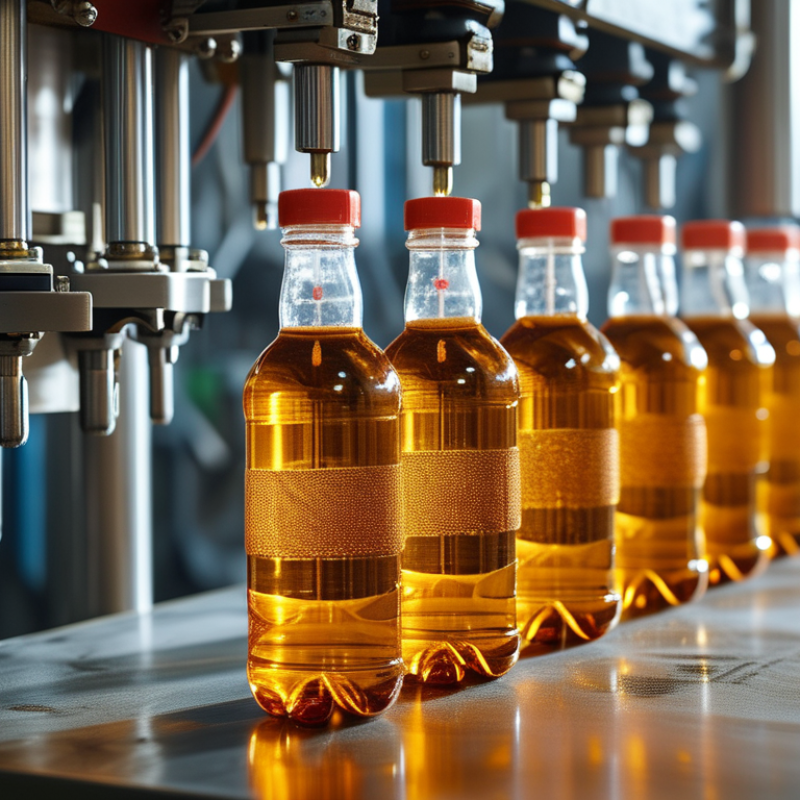
Top 10 Ways to Fix a Jammed Bottle Unscrambler?

Identifying Common Causes of Jammed Bottle Unscramblers

Jammed bottle unscramblers are a common issue in manufacturing. Understanding the root causes can help prevent disruptions. One major reason for jams is misalignment. When bottles enter the unscrambler at improper angles, they can collide and cause blockages. Research suggests that about 30% of jams stem from misalignment issues. Regular maintenance to check and adjust the machinery's alignment can significantly reduce these occurrences.

Another prevalent cause is improper bottle design. Bottles with irregular shapes or inconsistent sizes pose challenges for unscramblers. According to industry reports, nearly 40% of operational bottleneck problems can be traced back to bottle variations. Inconsistent bottle dimensions increase the risk of jams. Ensuring that all bottles meet standardized measurements is crucial for smooth operation.

Environmental factors also contribute. Dust and debris can accumulate in critical areas, leading to decreased functionality. Data shows that around 20% of jammed bottle issues are linked to contamination in the machinery. Regular cleaning protocols should be established. Neglecting these can lead to recurrent problems. Identifying and addressing these common causes can enhance efficiency and reduce downtime in production lines.

Initial Steps to Troubleshoot a Jammed Unscrambler

When faced with a jammed bottle unscrambler, the initial steps are crucial for effective troubleshooting. Often, minor adjustments can resolve the issue quickly. Start by ensuring that all components are correctly aligned. Misalignment can lead to bottlenecks. Visually inspect the machine for any obstructions. It’s important to clear away any foreign objects that could cause jams.

Next, examine the feed rate. If bottles are entering the unscrambler too quickly, they can become mispositioned. Slowing down the feed can help alleviate this problem. Don't overlook the condition of the bottles themselves. Warped or damaged bottles might jam more frequently. Identifying the source of the issue is key.

Sometimes, even after addressing these factors, you may still encounter problems. Reflect on whether the machine settings are optimal for your current production run. Adjusting the pressure or tension may yield better results. Continued monitoring is essential. Being vigilant and making small tweaks can lead to a smoother operation in the long run.

Top 10 Ways to Fix a Jammed Bottle Unscrambler

Solution Description Potential Causes Recommended Action
Check for Obstructions Inspect the unscrambler for any foreign objects. Foreign objects or debris. Remove any found obstructions.
Adjust Speed Settings Evaluate the motor speed settings. Incorrect speed settings. Modify the speed to optimize flow.
Inspect Conveyor Alignment Check if the conveyor is properly aligned. Misalignment of conveyor components. Realign the conveyor to standard specifications.
Clean the Unscrambler Remove dust and residues from the parts. Accumulated dirt and debris. Perform a thorough cleaning.
Check Sensor Functionality Verify if sensors are working correctly. Faulty or dirty sensors. Clean or replace sensors if needed.
Examine Parts for Wear Look for worn-out components. Normal wear and tear. Replace any damaged parts.
Calibrate the System Ensure system settings are accurate. Misconfigured settings or parameters. Recalibrate as per manufacturer instructions.
Review Product Specifications Check compatibility between bottles and unscrambler. Mismatch of bottle types and machinery. Ensure products are compatible.
Increase Maintenance Frequency Schedule regular maintenance checks. Neglected maintenance practices. Implement a strict maintenance schedule.

How to Adjust the Settings for Optimal Bottle Flow

Adjusting the settings of a bottle unscrambler is crucial for ensuring a smooth operation. According to industry reports, improper settings can lead to a 25% increase in downtime. This can significantly impact production flow and efficiency. Proper alignment of feed rates and airflow must be addressed. Finding the optimal setting minimizes jams and maximizes throughput.

Fine-tuning speed and angles is essential. Many operators overlook the importance of torque settings. A torque that's too high can crush bottles, while one that's too low often leads to misalignment. Regular monitoring of these settings is necessary. 70% of bottling line issues stem from these small adjustments. Small changes can make a huge difference in maintaining a steady flow.

Routine checks are a valuable practice. Inspecting sensor calibration and adjusting belt tension can reduce the frequency of jams. Incorporating a feedback loop with mechanical adjustments ensures consistent performance. Data shows that operators who regularly adjust settings report a 15% decrease in product losses. Continuous learning and adaptation are key in optimizing bottle flow and maintaining efficiency. It's a balance of precision and awareness that drives successful operations.

Top 10 Ways to Fix a Jammed Bottle Unscrambler

Techniques to Remove Bottles Safely from the Unscrambler

When dealing with a jammed bottle unscrambler, it’s crucial to approach the situation carefully. Begin by turning off the machine and visually inspecting the area around the bottling path. Often, a single bottle can get stuck due to misalignment. Spot this quickly to prevent potential damage to the device and bottles.

Use a pair of gloves to protect your hands while attempting to remove the stuck bottle. It’s best to gently wiggle the bottle back and forth to free it. Avoid using excessive force, as this can damage both the unscrambler and the bottle. Moving other nearby bottles might help create the needed space for extraction.

Regular maintenance and cleaning of the unscrambler can prevent jams. Dust and debris can accumulate and cause problems. It’s wise to develop a routine checking schedule to ensure the functionality of the equipment. A proactive approach minimizes future disruptions and boosts machine reliability.

Preventative Maintenance Tips to Avoid Future Jams

Preventative maintenance is essential to ensure smooth operations in production lines, especially for bottle unscramblers. According to a report by the Manufacturing Institute, nearly 45% of machine downtime is due to mechanical failures. Regular inspection and maintenance can significantly reduce this percentage, preventing costly interruptions.

Regularly clean and lubricate the unscrambler components. Accumulated debris can lead to friction and jammed parts. This proactive approach is crucial. Inspect belts and gears for wear and replace them as necessary. A worn part can cause misalignment, increasing the likelihood of a jam. Implementing a routine inspection schedule helps maintain efficiency.

Monitoring environmental factors is also vital. Humidity can affect the materials used in bottle production. Aim to keep humidity levels stable between 40% to 60% for optimal performance. Ensure that all operators are trained in proper handling techniques. A lack of training can lead to avoidable jams, wasting time and resources. Remember, investing in maintenance not only reduces downtime but also extends the lifespan of your equipment.

FAQS

: What should I do first when my bottle unscrambler jams?

: Start by checking if all components are correctly aligned. Misalignment often leads to jams.

How can I identify if the bottle feed rate is too fast?

If bottles enter the unscrambler too quickly, they may become mispositioned and cause jams.

What condition of bottles might increase the chances of jamming?

Warped or damaged bottles can jam more frequently in the unscrambler.

What adjustments should I consider for better operation?

Adjusting pressure, tension, or torque settings can improve the flow and reduce jams.

Why is regular monitoring of machine settings important?

Most bottling line issues stem from small adjustments that, if neglected, can lead to downtime.

How can I safely remove a jammed bottle?

Turn off the machine, wear gloves, and gently wiggle the bottle to free it. Avoid forceful methods.

What can prevent future jams in my unscrambler?

Regular maintenance and cleaning of the unscrambler help prevent dust buildup and operational issues.

How does adjusting the torque setting affect bottle handling?

A torque setting that's too high can crush bottles, while too low can lead to misalignment.

What is the role of routine checks in operation?

They help maintain equipment functionality and prevent jams, leading to better reliability over time.

How can I ensure consistent performance in operations?

Implementing a feedback loop with adjustments and continuous learning can lead to better efficiency.

Conclusion

In the article "Top 10 Ways to Fix a Jammed Bottle Unscrambler," various effective strategies are outlined to address common issues associated with bottle unscramblers. It begins by identifying the typical causes of jams, which can include misaligned components or foreign objects. Initial troubleshooting steps are provided to assess the situation quickly. The article further explains how to adjust the settings for optimal bottle flow, which is crucial in reducing the risk of jamming.

Additionally, safe techniques for removing bottles from the unscrambler are highlighted to prevent any damage to the equipment or injuries. Lastly, the importance of preventative maintenance is stressed, offering tips that can help avoid future jams. This comprehensive guide serves as a valuable resource for anyone seeking to understand how to fix a jammed bottle unscrambler effectively and efficiently.

Oliver

Oliver

Oliver is a seasoned marketing professional with a wealth of expertise in driving brand awareness and engagement. With a deep understanding of our company's product offerings, he consistently delivers high-quality content that enriches our professional blog. His insights not only shed light on......