Labeling machines are essential for efficient production lines. However, encountering the problem of wrinkled labels can be frustrating. You might wonder, "why is my labeling machine wrinkling labels?" This issue affects the quality of your product presentation and could lead to wasted resources.
Several factors contribute to this common problem. Misalignment during the labeling process is one possible cause. Additionally, incorrect label tension can also result in wrinkles. Another overlooked aspect is the temperature and humidity of your working environment. These variables can greatly impact labeling performance. Identifying the root causes is critical for maintaining operational efficiency.
Moreover, regular maintenance of the labeling machine is often neglected. Dust and debris can accumulate and hinder smooth operation. This oversight can lead to more significant issues down the line. Taking these factors into account can help you troubleshoot and improve your labeling process. Understanding why your machine wrinkles labels can save you time and resources in the long run.
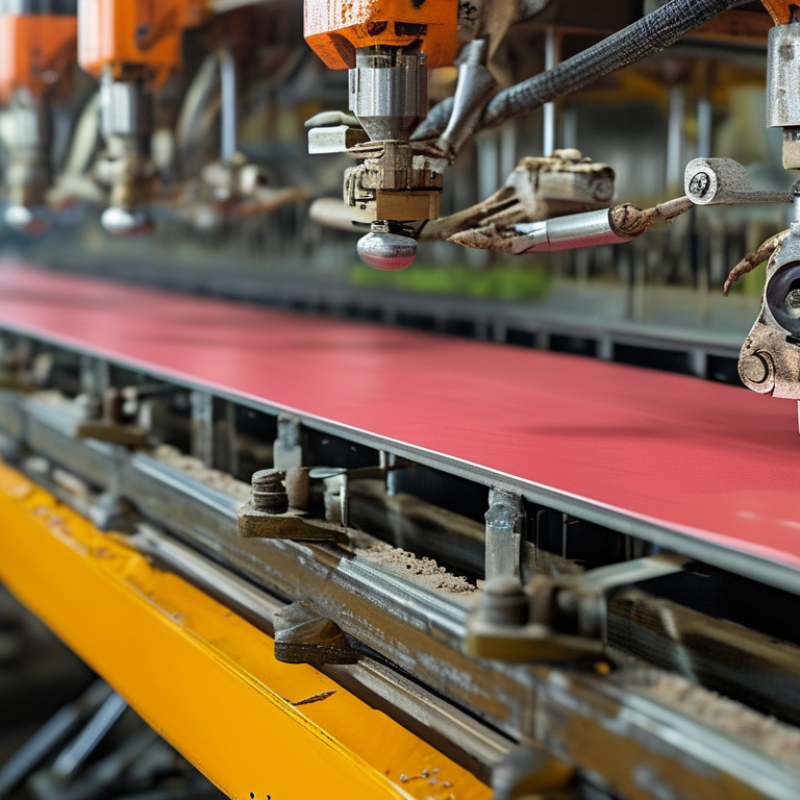
Label wrinkling is a common issue in labeling machines. Understanding its causes can significantly improve efficiency. Several factors contribute to this problem. One major cause is improper alignment of the label. If the labels are not aligned correctly, they can crumple as they pass through the machine. According to industry reports, misalignment can lead to a 30% decrease in production efficiency.
Temperature fluctuations also play a role in label wrinkling. Labels must be stored and processed within specified temperature ranges. A change in temperature can cause materials to expand or contract, leading to wrinkles. Additionally, the type of label material impacts how it reacts under stress. For instance, plastic labels can be more prone to wrinkling compared to paper labels.
**Tip:** Regularly check the label alignment settings to ensure optimal performance. Minor adjustments can prevent major issues.
Another contributing factor is the speed of the labeling machine. Operating at high speeds may seem efficient, but it can result in improper application. Sliding or shifting can lead to wrinkles. Studies show that reducing speed during label application can enhance the quality of the final product.
**Tip:** Monitor machine speed during operations. Slowing down can reduce waste and improve label integrity.
| Reason | Description |
|---|---|
| Label Misalignment | Improper label positioning can cause wrinkles during the application process. |
| Incorrect Label Material | Using materials that are too thick or inflexible can lead to bending and wrinkling. |
| Inadequate Machine Setup | Not calibrating the machine correctly can result in uneven label application. |
| Static Electricity | Static can attract or repel labels, causing them to misalign and wrinkle. |
| High Speed Operation | Running the machine too fast can prevent proper adhesion and cause wrinkles. |
| Poor Quality Adhesive | Low-quality adhesives may not secure labels properly, leading to wrinkling. |
| Dirty Rollers or Applicators | Dust and residue can interfere with smooth label application, causing wrinkles. |
| Temperature and Humidity | Environmental conditions can affect label material properties, leading to issues. |
| Operator Error | Incorrectly loading labels or faulty operation can result in wrinkles. |
| Incompatible Label Size | Using labels that do not fit the designated area can cause wrinkling issues. |
: Label wrinkles often result from improper calibration of labeling machines.
Proper calibration optimizes speed, pressure, and alignment, reducing the risk of wrinkles.
Miscalibration can cause uneven label application, resulting in bubbles or creases.
Regular checks can mitigate labeling issues and improve application quality.
Temperature and humidity significantly affect label adherence and quality during application.
Humidity over 70% can increase label defects by more than 30%.
In dry environments, static can cause misalignment of labels, leading to application issues.
Labels should be stored at 20-25°C and 40-60% humidity for best performance.
Many facilities overlook calibration, leading to increased waste and rework.
Addressing calibration and environmental factors can significantly improve efficiency.
In addressing the question "why is my labeling machine wrinkling labels," several common causes can be identified. Issues such as improper label material thickness, inadequate machine calibration, and incorrect speed settings often contribute to label wrinkling during the application process. The choice of label material can significantly impact how well a label adheres to the product’s surface, potentially leading to wrinkles if not properly matched.
Furthermore, machine calibration plays a crucial role in ensuring an accurate application, while environmental factors—such as humidity and temperature—can affect labeling quality. By understanding these aspects, operators can implement solutions to minimize label wrinkling and improve overall labeling efficiency.

 Collins Machine