Shrink wrap film is crucial in packaging and preserving products. However, a common issue arises: "why is the shrink wrap film melting too fast?" This question resonates with many in the industry. As noted by expert Emily Harris, a packaging engineer with over a decade of experience, "Improper heat settings can lead to excessive melting of shrink wrap."
During the application process, heat plays a significant role. If the temperature is too high, the film can lose its integrity quickly. Inadequate adjustments can result in film shrinkage and damage to the products. This could lead to financial losses and waste. Imagine a scenario where too much heat is used, causing the film to tear and leaving products unprotected.
Understanding these nuances is essential. Factors like moisture, film thickness, and material composition also influence melting rates. A reflective approach is required. Industry professionals must constantly assess their methods and equipment. By addressing the question, "why is the shrink wrap film melting too fast?" they can optimize processes and ensure packaging effectiveness.
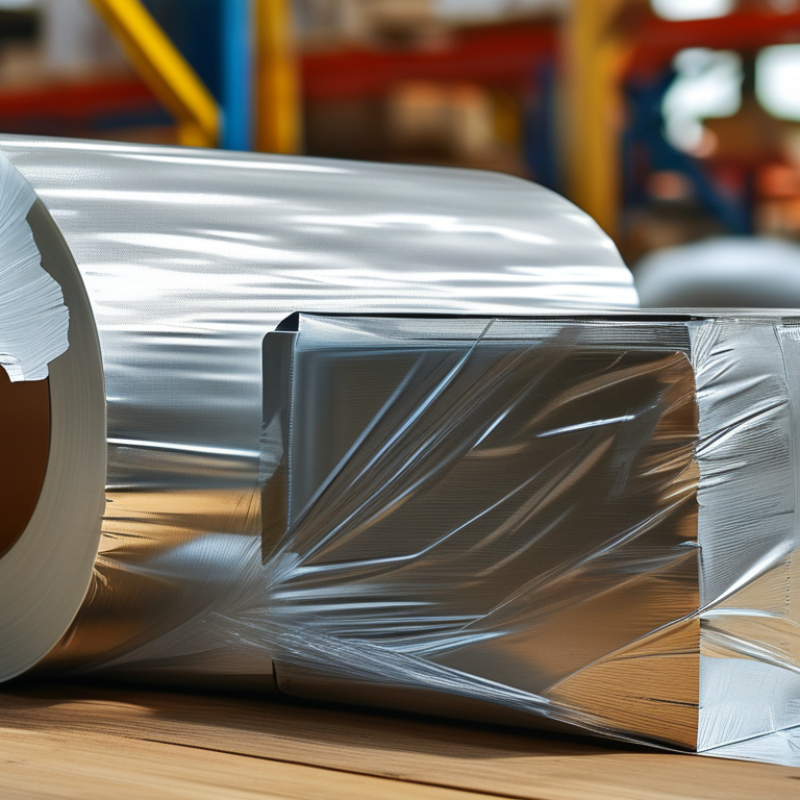
Shrink wrap film is widely used for packaging, but sometimes it melts faster than expected. Several factors can cause this issue, and understanding them is crucial for effective usage.
One primary reason for rapid melting is the heat source’s temperature. If the heat is too intense, the film can deteriorate quickly. Adjusting the heat settings can be a simple fix. Additionally, the type of shrink wrap film plays a significant role. Some materials have lower melting points, making them more susceptible to quick heat exposure. It’s essential to know the properties of the film being used.
Environmental conditions also affect shrink wrap performance. High humidity can impact how the film shrinks. Too much moisture may cause the film to stick rather than shrink properly. The duration of exposure to heat must also be monitored. If the film is kept in a heated environment too long, it may begin to melt. Observing these factors can lead to better control during the shrink wrapping process.
| Factor | Description | Impact Level |
|---|---|---|
| Temperature Control | Improper temperature settings can lead to excessive heat, causing the film to melt quickly. | High |
| Film Thickness | Thinner films have a lower melting point and may melt faster than thicker films. | Medium |
| Heat Source Type | Different heat sources (e.g., electric, gas) can produce varying levels of heat, affecting melting rates. | High |
| Shrink Ratio | Films with high shrink ratios may require more heat, increasing the risk of melting. | Medium |
| Environmental Conditions | High ambient temperatures can contribute to premature melting of the wrap film. | Low |
: Common types include polyethylene, polyvinyl chloride, and polyolefin. Each has unique melting points and properties.
Polyethylene typically melts at about 120°C (248°F). Overheating can cause it to warp or rupture.
Incorrect temperature settings can lead to premature melting and reduced film integrity. Consistent monitoring ensures better outcomes.
Low-quality films may become flimsy or melt too quickly. This can lead to waste and poor protection of products.
Adjust heat settings to lower temperatures and apply heat gradually to avoid hotspots. This controls the melting process better.
The right film enhances performance and prevents rapid melting. Misalignment with product requirements can cause issues.
Common mistakes include incorrect temperature settings, low-quality films, and improper loading techniques. These can all lead to melting problems.
Thicker films often offer better durability under heat. However, they may require different handling to achieve optimal results.
Reflecting on previous issues helps identify pitfalls. This understanding can lead to better wrapping processes in the future.
The article "Why is Shrink Wrap Film Melting Too Fast During Use?" explores the various factors that contribute to the rapid melting of shrink wrap film. It highlights how different types of shrink wrap film possess varying melting points, which can significantly affect their performance under heat. The article delves into the impact of temperature settings, noting that incorrect adjustments can lead to excessive melting and compromised wrapping quality. Additionally, it addresses common mistakes made during the shrink wrapping process, which can further contribute to this issue.
To tackle the problem of why is the shrink wrap film melting too fast, the article offers practical solutions aimed at ensuring optimal use of shrink wrap film. By setting appropriate temperature controls and adhering to best practices in the wrapping process, users can effectively prevent rapid melting and enhance the overall efficiency of their shrink wrapping operations.

 Collins Machine