What is the shelf life of coding ink consumables?

Time:2026-08-24 Author:Aria
0%

Understanding the shelf life of coding ink consumables is crucial for businesses that rely on high-quality printing. These consumables play a vital role in ensuring that products are marked clearly and legibly. However, many users may wonder, "what is the shelf life of coding ink consumables?"

The shelf life varies depending on several factors such as storage conditions and packaging. In general, properly stored coding inks can last up to two years. However, exposure to heat or humidity can significantly reduce this lifespan. It’s essential to check the manufacturer's guidelines for specific details.

Some users may overlook the importance of monitoring ink expiration dates. Using expired ink can lead to poor print quality and machine clogs. Inconsistencies in marking can result in costly errors. Reflecting on these factors is crucial for maintaining efficiency and brand integrity. Consider long-term storage solutions to preserve ink quality. Recognizing the shelf life of coding ink consumables not only saves money but also upholds the standards of your products.
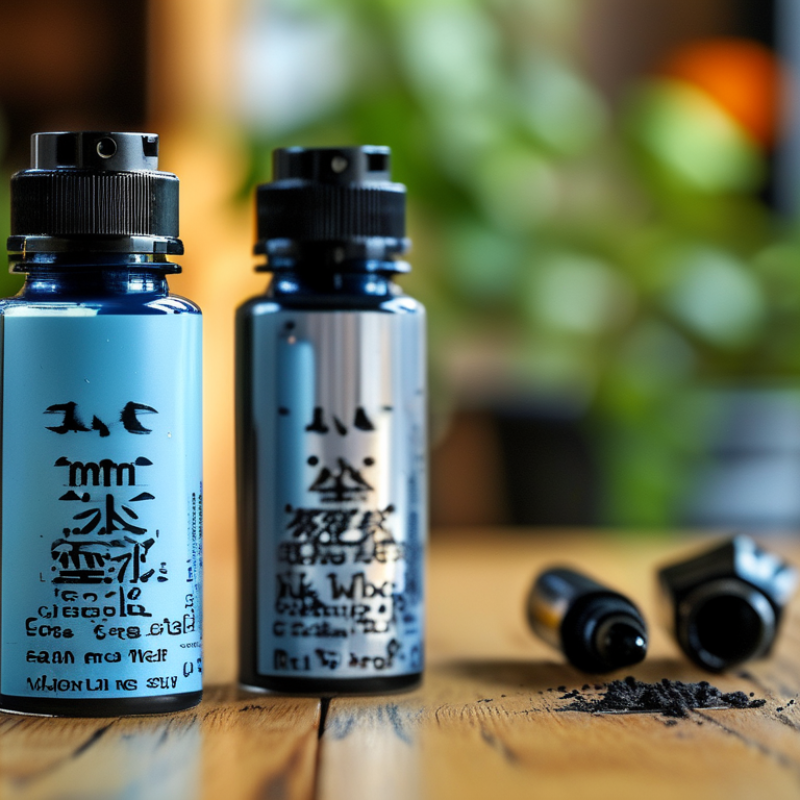
What is the shelf life of coding ink consumables?

Definition of Coding Ink Consumables

Coding ink consumables are essential for various industries, especially in product marking and labeling. These consumables typically include inks, solvents, and other materials used in coding machines. Proper understanding of their shelf life is crucial for maintaining quality. Research indicates that the shelf life of coding ink can vary significantly based on its composition and storage conditions. Most manufacturers recommend using inks within 12 to 24 months after production.

Temperature and humidity can impact ink performance. Storing inks in a cool, dry place can help extend their usability. An industry report by Smithers Pira emphasizes the importance of adhering to these guidelines. Inks stored at higher temperatures or exposed to moisture may degrade faster. For example, the viscosity can increase, affecting print quality. This highlights the need for proper inventory management.

Quality control is vital when it comes to coding ink consumables. Even within their suggested shelf life, individual components may vary in stability. Regular testing for viscosity, pigment dispersion, and adhesion can reveal issues before they affect production. Relying solely on expiration dates without conducting tests can lead to unexpected challenges.

Factors Affecting Shelf Life of Coding Ink

The shelf life of coding ink consumables can vary significantly. Several factors impact how long these inks remain effective. One critical factor is storage conditions. Ink should be kept in a cool, dry place, away from direct sunlight. According to industry reports, inks stored at temperatures above 25°C can degrade 30% faster than those kept at optimal temperatures.

Another influencing factor is the type of ink used. Solvent-based inks often have a different shelf life compared to water-based inks. For instance, solvent-based inks typically last up to 18 months, while water-based inks may last only 12 months. Additionally, how well the packaging seals can directly affect the ink's longevity. Inadequate packaging may allow air infiltration, causing premature drying or degradation.

Finally, the date of manufacture plays a key role in determining an ink's usable life. Many manufacturers recommend using inks within six months of opening. However, reality often shows that once opened, inks can behave unpredictably. Some might degrade more quickly than expected, and environmental conditions during usage can further complicate their reliability. Regular checks on stored inks are essential for maintaining quality and ensuring optimal performance.

Typical Shelf Life of Different Types of Coding Ink

When considering coding ink consumables, knowing their shelf life is crucial for maintaining quality in production. The typical shelf life of most coding inks ranges between six months to two years, depending on the formulation and storage conditions. For example, water-based inks often last shorter due to evaporation and microbial growth. In contrast, solvent-based inks can last longer, sometimes up to three years, if stored in a cool, dark place.

Industry reports suggest that approximately 20% of coding ink products are discarded due to expiry or quality degradation. Expired inks can lead to poor print quality or even equipment malfunction. This emphasizes the importance of regularly monitoring inventory and adhering to storage guidelines. Testing inks before use is also advisable, as environmental factors can affect their usability.

Certain inks may exhibit variations in performance as they age. For instance, color changes or sediment formation can occur. These subtle indicators may go unnoticed but significantly affect printing results. Regular checks of ink condition can help avoid production delays or costly errors. Balancing efficiency with awareness of consumable life ensures consistent quality in labeling and coding tasks.

Shelf Life of Coding Ink Consumables

This chart illustrates the typical shelf life of different types of coding ink consumables, providing a valuable reference for users to understand the longevity of these materials.

Best Practices for Storing Coding Ink Consumables

Storing coding ink consumables properly can significantly extend their lifespan. Temperature control is critical. Keeping ink at a stable temperature, ideally below 25°C, prevents degradation. Extreme heat or cold can lead to premature thickening or separation. Avoid areas near heaters or air conditioning vents.

Light exposure also plays a vital role. Direct sunlight can alter the ink's composition. Use opaque storage containers to mitigate this risk. Maintain a clutter-free space to lower the chances of accidental spills. Regularly check the inventory for signs of expiration, such as changes in viscosity or color.

Remember, not all storage methods are effective. Some users may underestimate the importance of humidity control. Excessive humidity can lead to ink contamination. Using silica gel packs can help absorb moisture. It’s essential to reflect on current storage practices and adjust when necessary. Aim for a system that keeps the ink fresh and ready for use.

Signs of Expired or Degraded Coding Ink

Expired or degraded coding ink can seriously affect print quality and operational efficiency. Signs of degradation include changes in color, consistency, and flow. If the ink appears lumpy or separates, it may no longer provide a reliable print. Additionally, faded colors or inconsistent markings often indicate that the ink has reached its end of life. According to a report by the Ink Manufacturers Association, using degraded ink not only diminishes quality but can also lead to increased maintenance costs.

A shelf life for coding ink generally ranges from 12 to 24 months if stored properly. Heat and humidity can dramatically shorten this time frame. Observing recommended storage conditions is crucial. Keep inks in a cool, dry place away from direct sunlight. Monitoring batch numbers and expiration dates can help maintain optimal print quality.

Inspecting the ink before use is vital. Look for separation or odd textures. Conduct a print test to assess quality. If the print does not match your standards, consider discarding the ink. Regular training for staff on ink handling can prevent issues related to degradation. Staying informed about ink technology can also enhance your operational efficiency.

FAQS

: What factors affect the shelf life of coding ink?

: Storage conditions, the type of ink, packaging, and date of manufacture influence shelf life.

How should coding ink be stored?

Keep ink in a cool, dry place, away from sunlight, ideally below 25°C.

What is the typical shelf life of coding inks?

Coding inks generally last six months to two years, depending on their type and storage.

How does the type of ink affect its longevity?

Solvent-based inks can last up to 18 months, while water-based inks typically last only 12 months.

Why is regular monitoring of ink inventory important?

About 20% of coding inks might expire or degrade, leading to poor print quality or equipment issues.

What are the signs that ink might be expired or degraded?

Changes in viscosity, color, or sediment formation indicate potential degradation.

Can environmental conditions impact ink performance?

Yes, conditions like heat, light, and humidity can significantly affect ink usability.

What storage practices should be avoided?

Storing ink near heaters, air vents, or in direct sunlight can cause premature degradation.

How often should ink condition be checked?

Regular checks are essential to ensure quality, ideally before each use.

What can help control humidity when storing ink?

Using silica gel packs can absorb moisture and prevent contamination.

Conclusion

Understanding "what is the shelf life of coding ink consumables" is crucial for maintaining product quality in coding processes. Coding ink consumables refer to the inks used for printing codes and information on packaging. Several factors can affect their shelf life, including the composition of the ink, environmental conditions, and packaging integrity. Typically, different types of coding inks have varying shelf lives, with some lasting several months while others may extend to years.

To maximize the lifespan of coding ink consumables, best practices for storage should be followed, such as keeping the inks in a cool, dry place and avoiding exposure to direct sunlight. It's also important to recognize the signs of expired or degraded coding ink, which may include changes in color, viscosity, or sedimentation. Proper awareness and management of coding ink consumables can significantly improve production efficiency and reduce waste.

Aria

Aria

Aria is a dedicated marketing professional with a deep passion for innovative strategies and a keen understanding of our company's product offerings. With a wealth of experience in the industry, Aria excels at crafting engaging content that highlights the unique features and benefits of our......