How Does an Induction Sealer Work for Packaging Efficiency?

Time:2026-07-01 Author:Henry
0%

Induction sealing is a critical process in packaging efficiency. It ensures that products remain tamper-proof and extends their shelf life. According to Dr. Emily Thompson, an industry expert in packaging technology, "Understanding how does an induction sealer work is essential for optimizing packaging operations." Her insights highlight the importance of this technology in modern manufacturing.

An induction sealer works by using electromagnetic fields to create heat. This heat melts the foil seal, which then bonds to the container. The result is a strong, hermetic seal that protects the contents from contamination. Companies across sectors benefit from this technique, enhancing both product security and customer satisfaction.

Despite these advantages, some challenges can arise. Improper settings can lead to weak seals or excess energy use. These issues call for a balance between efficiency and effectiveness. It’s crucial for manufacturers to continuously assess their sealing processes to achieve optimal results. Recognizing how does an induction sealer work enables businesses to fine-tune their approaches, ensuring quality packaging that meets customer expectations.
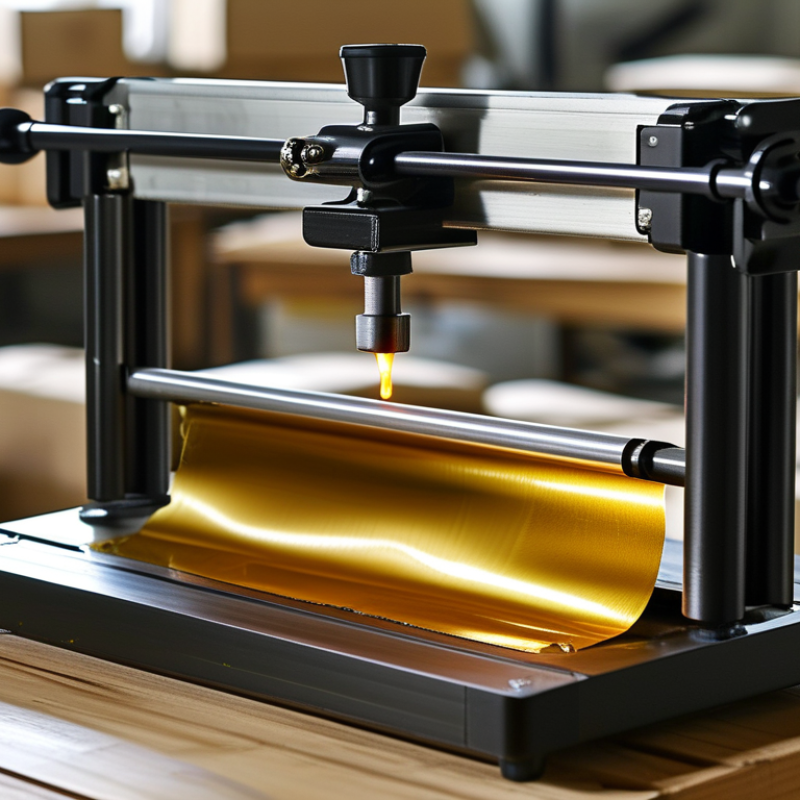
How Does an Induction Sealer Work for Packaging Efficiency?

What is Induction Sealing and Its Importance in Packaging?

Induction sealing is a crucial technology in modern packaging. It involves using electromagnetic induction to heat a metal foil seal placed on the container's opening. This process securely seals the container, preventing leakage and contamination. It is particularly useful for products like food, beverages, and pharmaceuticals. The effectiveness of this method enhances shelf life, ensuring that products remain fresh for consumers.

One of the main benefits of induction sealing is its efficiency in production lines. The process is quick, reducing the time needed for packaging. However, it requires precise equipment and skilled operators. Mistakes can lead to poor seals, compromising product integrity. Regular maintenance of the sealing machinery is necessary to avoid such failures.

In the current market, consumers demand reliable packaging. Induction sealing not only answers this need but also contributes to sustainability. By reducing waste from spoiled products, it plays a role in environmental conservation. Nonetheless, businesses must balance efficiency with quality control to ensure consistent results.

The Working Principle of Induction Sealers in Packaging Processes

Induction sealers play a crucial role in packaging efficiency, especially for food and pharmaceutical products. These devices utilize electromagnetic induction to generate heat, sealing container closures effectively. When a container with a foil seal passes through the induction field, a current heats the foil. This causes the foil to bond with the container, creating a tamper-proof seal.

The process is swift and reliable, ensuring minimal delays in packaging lines. However, achieving the perfect seal can be challenging. Factors such as container material and foil thickness can affect performance. Observing the adjustment process is critical; even small variations can lead to ineffective seals. Operators need to be vigilant about these details for optimal results.

While induction sealing enhances product integrity, it requires ongoing evaluation. Changes in production speed or equipment settings may require a reassessment of the sealing process. Regular training for staff on troubleshooting and maintenance can prevent potential errors. Keeping an eye on these elements promotes a smooth workflow in packaging operations.

How Does an Induction Sealer Work for Packaging Efficiency?

Dimension Details
Sealing Method Induction heating
Main Components Induction coil, Power supply, Sealing head
Materials Suitable for Sealing Plastic, Glass, Metal
Efficiency Gain Up to 20% faster compared to traditional sealing
Benefits Enhanced product freshness, Tamper evidence, Increased shelf life
Industry Applications Food and Beverage, Pharmaceuticals, Cosmetics
Environmental Impact Reduced material waste through efficient sealing

Benefits of Using Induction Sealers for Product Integrity and Shelf Life

Induction sealers are becoming essential in the packaging industry. They enhance product integrity and extend shelf life significantly. This method applies electromagnetic induction to heat sealing materials, ensuring a tight seal. The result is a reliable barrier against contamination.

Using induction sealers improves product safety. The seals help in preventing tampering and leakage. This is crucial for liquids and sensitive items. A tight seal protects the contents from external elements, increasing overall cleanliness. Products stored longer maintain their quality and taste.

However, there are challenges with induction sealing. Not all materials are compatible with the process. Some may require specific adjustments for optimal performance. It's essential to evaluate the packaging regularly to ensure effectiveness. Overall, when used correctly, induction sealers provide remarkable benefits for packaging efficiency and product fidelity.

Applications of Induction Sealing in Various Industries

Induction sealing is a widely used technique across various industries. It creates a hermetic seal on containers, protecting products from contamination. Food and beverage sectors benefit significantly from this method. The seals extend shelf life by preventing spoilage. Consumers appreciate the freshness and safety of sealed products.

Pharmaceutical companies also utilize induction sealing. It ensures that medications remain uncontaminated. The seals act as a barrier against moisture and air. This is crucial for maintaining drug efficacy. Moreover, cosmetics and personal care industries rely on this technology for product integrity. Induction seals provide a visual cue of tampering. This enhances consumer trust.

However, there are challenges. Not all materials are compatible with induction sealing. Finding the right combination of container and seal can sometimes be difficult. The initial investment can be high for smaller companies. While the benefits are clear, some industries may hesitate to adopt this technology. Ultimately, the efficiency gained can outweigh these concerns.

Induction Sealing Applications Across Industries

Key Considerations for Choosing Induction Sealing Equipment

Choosing the right induction sealing equipment is crucial for enhancing packaging efficiency. Induction sealing can achieve seal integrity levels of over 95%, significantly reducing product contamination and extending shelf life. However, not all equipment meets the same standards. Industrial reports suggest that selecting machines with adjustable settings can accommodate various container types and materials, ensuring versatility.

Another key consideration is the power output of the sealer. Equipment with higher power ratings can process seals more quickly, optimizing production lines. For example, machines rated at 30 kHz are often more efficient at sealing plastic containers than their lower-frequency counterparts. Yet, it’s vital to ensure the machine is compatible with your packaging materials. Failure to do so can lead to inefficient sealing or product damage.

Maintenance is another element often overlooked. Routine checks can prevent equipment failure, which directly impacts throughput. Industry experts note that regular inspections can improve the longevity of induction sealers by as much as 20%. This aspect requires a reflective approach. Are you investing enough in maintenance for your operations? Balancing investment in quality equipment and ongoing upkeep is essential for operational success.

FAQS

: What is induction sealing?

: Induction sealing is a process using electromagnetic induction to heat a metal foil seal on a container.

Why is induction sealing important?

It prevents leakage and contamination, extending the shelf life of products like food and pharmaceuticals.

How does induction sealing enhance product safety?

The tight seals prevent tampering and leakage, protecting contents from external contaminants effectively.

What are the challenges of using induction sealers?

Not all materials are suitable for induction sealing, which may require adjustments for optimal performance.

How does induction sealing contribute to sustainability?

It reduces waste from spoiled products, playing a role in environmental conservation and efficient packaging.

Why must regular maintenance be performed on sealing machinery?

Regular checks help avoid mistakes that lead to poor seals, compromising product integrity and safety.

What industries benefit from induction sealing?

Food, beverage, pharmaceuticals, and cosmetics industries all use induction sealing to ensure product integrity.

Can induction sealing improve packaging efficiency?

Yes, it speeds up production lines but requires skilled operators and precise equipment for success.

What may smaller companies face when adopting induction sealing?

The initial investment can be high, making some hesitant despite the clear benefits.

How can consumers verify the seals?

Induction seals provide visual cues of tampering, which enhances consumer trust in the product.

Conclusion

Induction sealing is a critical packaging process that enhances product integrity and extends shelf life. Understanding how does an induction sealer work is essential; it utilizes electromagnetic induction to create a strong seal between the container and its lid, ensuring that products remain secure and protected from external contaminants. The process is not only efficient but also reduces the likelihood of leakage or spoilage, making it a valuable solution across various industries, from food and beverage to pharmaceuticals.

The benefits of using induction sealers include improved product safety, longer shelf life, and the ability to maintain freshness without the need for preservatives. When choosing induction sealing equipment, factors such as the type of product, packaging materials, and production line compatibility are crucial for optimizing performance. Overall, induction sealing represents a robust technology that significantly enhances packaging efficiency and reliability.

Henry

Henry

Henry is a dedicated marketing professional with a profound expertise in the company's offerings. With years of experience in the industry, he possesses an impressive understanding of the market dynamics and consumer behaviors that drive success. Henry is committed to sharing his insights through......