Have you ever wondered, "why are my labels peeling off plastic bottles"? This common issue can frustrate both consumers and manufacturers. According to Dr. Lisa Thompson, a materials scientist with over 15 years of experience in packaging technologies, "Label adhesion is influenced by several factors, including temperature, humidity, and the type of adhesive used."
Peeling labels can lead to miscommunication about product contents. For instance, unclear instructions may confuse users. This problem often arises during extreme temperatures or high moisture environments. Labels may not withstand the conditions they face. Dr. Thompson emphasizes that even well-designed labels can fail if the right materials are not chosen.
Addressing peeling labels means revisiting label materials and adhesives. Rethinking the storage methods for plastic bottles is also crucial. The solutions may not be straightforward. Trial and error could lead to better adhesive combinations. More experimentation might be necessary to achieve lasting results. Ultimately, understanding why labels peel off can enhance product presentation and consumer trust.
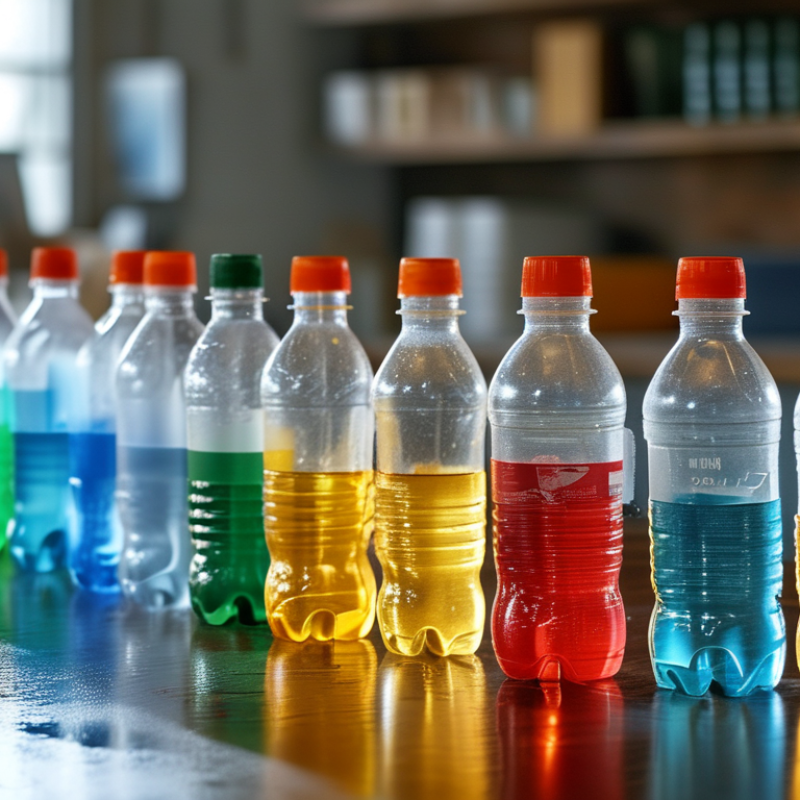
Peeling labels on plastic bottles are a common issue. This can happen for several reasons. One primary cause is the type of adhesive used. Some adhesives can lose their effectiveness over time, especially in moisture or extreme temperatures. Poor-quality labels may also not adhere well to plastic surfaces. As a result, they begin to peel away.
Environmental factors play a significant role too. Exposure to sunlight can weaken the bond between the label and the bottle. Humidity may affect the adhesive, leading to bubbling or peeling. You may notice these issues more in summer when temperatures soar. It's important to select labels designed specifically for plastic and check the adhesive quality before purchase.
Handling can also contribute to label problems. Frequent handling of bottles can wear down labels. Consider how often you grip the bottle while using it. If you notice labels peeling, reflect on how their design might be improved. It may be time to explore better materials or application techniques to enhance durability.
When dealing with peeling labels on plastic bottles, it's crucial to assess their current condition. Start by examining the edges of the label. Look for any signs of lifting or separation. A label that peels away can diminish the bottle's aesthetics and functionality. Sometimes, labels lose their adhesive properties over time, and moisture can accelerate this process.
Check for discoloration or fading as well. Labels that have undergone extensive sun exposure may not be salvageable. They sometimes become brittle, leading to cracks and further peeling. Feel the texture of the label. If it’s rough or crumbling, immediate action is necessary. You may face challenges if the label is partially intact.
Ensure you have a light and clean workspace for your assessment. If the label is still partially adhered, consider using a soft cloth to gently press it back down. However, if the glue has dried out completely, replacement may be the only option. It's essential to identify these details. Each aspect informs the best way to approach repair or replacement, allowing for informed decisions moving forward.
Peeling labels on plastic bottles can be frustrating. Luckily, some simple DIY fixes can restore their appearance. Start by gently wiping the bottle with a damp cloth. This removes dust and grime, ensuring a clean surface for your repair. If the label edges are still lifting, try using a glue stick. Apply it under the label and press down firmly.
If the peeling is extensive, consider using clear tape. Cut a piece that matches the label size. Then carefully stick it over the label. This creates a protective layer and keeps the label intact. Another method involves using a thin layer of Mod Podge. This acts as a sealant, preventing further peeling. Just remember to let it dry completely.
Sometimes, the quality of the label can be part of the problem. Labels might not adhere well due to humidity or temperature fluctuations. While these DIY solutions can help, they might not be perfect. You may need to reapply the fixes periodically. It's important to monitor the condition of your bottles regularly. That way, you'll catch any issues early on.
| Fix Method | Materials Needed | Steps | Estimated Time |
|---|---|---|---|
| Reapply with Glue | Craft Glue or PVA Glue | Clean the surface, apply glue, press label back on. | 10 minutes |
| Use Clear Tape | Clear adhesive tape | Cut tape to size, cover the label. | 5 minutes |
| Mod Podge Seal | Mod Podge | Apply a layer of Mod Podge over the label for protection. | 15 minutes |
| Heat Application | Hair dryer | Warm the label gently with a hair dryer, press back down. | 10 minutes |
Peeling labels on plastic bottles can be frustrating. They don’t just detract from appearance; they can hinder functionality too. Using adhesives and sealants offers a practical solution for repairs. A recent industry report indicates that nearly 30% of plastic products face label issues within their first year. This highlights the need for effective solutions.
Choosing the right adhesive is crucial. For plastic surfaces, consider using cyanoacrylate or epoxy. These types of adhesives provide a durable bond. They resist moisture and extreme temperatures, which is vital for plastic bottles often used for beverages. Proper application greatly improves longevity. Additionally, ensuring the surfaces are clean before applying the adhesive will enhance adhesion.
Sealants can also be beneficial, particularly for containers exposed to harsh elements. Silicone-based sealants are flexible and weather-resistant. They accommodate movement and temperature changes without breaking down. However, not all sealants adhere well to every plastic type. Testing small areas first is wise. Doing so helps identify the best options for your needs. Users often report mixed results, indicating a learning curve in mastering the application process.
Preventing label peeling on plastic bottles is crucial for manufacturers. Research indicates that 30% of consumers are deterred by peeling labels. Proper adhesion techniques are vital. Using the right adhesives can significantly reduce this issue. It’s essential to choose adhesives designed for specific conditions, such as humidity and temperature variations.
Moreover, surface treatment affects label durability. Inadequate surface preparation can lead to poorly adhered labels. A study found that bottles with rough surfaces had a 40% higher peeling rate. Manufacturers should consider applying coatings that enhance adhesion. This approach can increase overall product appeal and consumer satisfaction.
Investing in quality materials not only improves performance but also provides long-term cost savings. Regularly reviewing labeling processes is necessary to identify potential flaws. The goal is to create labels that stay intact throughout their life cycle. Addressing these factors can help prevent future label peeling issues.
: Check the label edges for lifting or separation. Look for discoloration and texture changes.
Labels can lose adhesion over time. Moisture and sun exposure can worsen the problem.
Gently press it down with a soft cloth. If it doesn't stick, consider replacing it.
Wipe the bottle with a damp cloth first. Then use a glue stick or clear tape for repairs.
Apply a thin layer of sealant like Mod Podge. Ensure it dries completely before using the bottle again.
Regular checks help catch issues early. Monitor them at least once a month for best results.
No, these solutions might need reapplication over time. They aren't always a perfect fix.
If it's too brittle or cracked, replacement may be necessary. Evaluate the extent of the damage.
Yes, high humidity can compromise adhesion. Temperature changes can also impact the label's condition.
Act quickly to prevent further damage. Clean the bottle and consider a sealant for extra protection.
Peeling labels on plastic bottles can be a common annoyance for many, leading to the question, "why are my labels peeling off plastic bottles?" Understanding the underlying causes, such as moisture exposure, improper application, or the type of adhesive used, is crucial for identifying effective solutions. Assessing the condition of the labels helps determine whether they can be repaired or need to be replaced.
For those looking to fix peeling labels, several DIY methods exist, including using clear tape or heat to reattach the label securely. For a more durable solution, applying adhesives or sealants can ensure a longer-lasting repair. Additionally, taking preventive measures, such as storing bottles in dry environments and ensuring proper label application, can significantly reduce the likelihood of future peeling issues. By addressing both the causes and solutions, you can maintain the integrity of your plastic bottle labels.

Collins Machine