Cleaning a liquid filling machine is crucial for maintaining product quality and safety. According to a report by the International Society for Pharmaceutical Engineering (ISPE), nearly 30% of product recalls are related to inadequate cleaning processes. This statistic highlights the need for effective cleaning protocols. Expert James Smith, a well-known figure in the liquid packaging industry, emphasizes, “A clean machine is a reliable machine.” His insights point to the direct link between cleanliness and operational efficiency.
Understanding how to clean a liquid filling machine requires both knowledge and practice. It involves several steps, including disassembly, rinsing, and sanitizing. Each step should be carefully executed to avoid cross-contamination. Many companies overlook the importance of selecting the right cleaning agents, which can compromise the machine's integrity. Additionally, staff training is often insufficient, leading to inconsistent cleaning results.
Overall, mastering the process of how to clean a liquid filling machine can prevent costly errors and ensure compliance with industry standards. Simple mistakes, such as skipping routine checks or using inappropriate materials, can lead to significant issues. This underscores the importance of ongoing education and adherence to best practices in cleaning protocols.
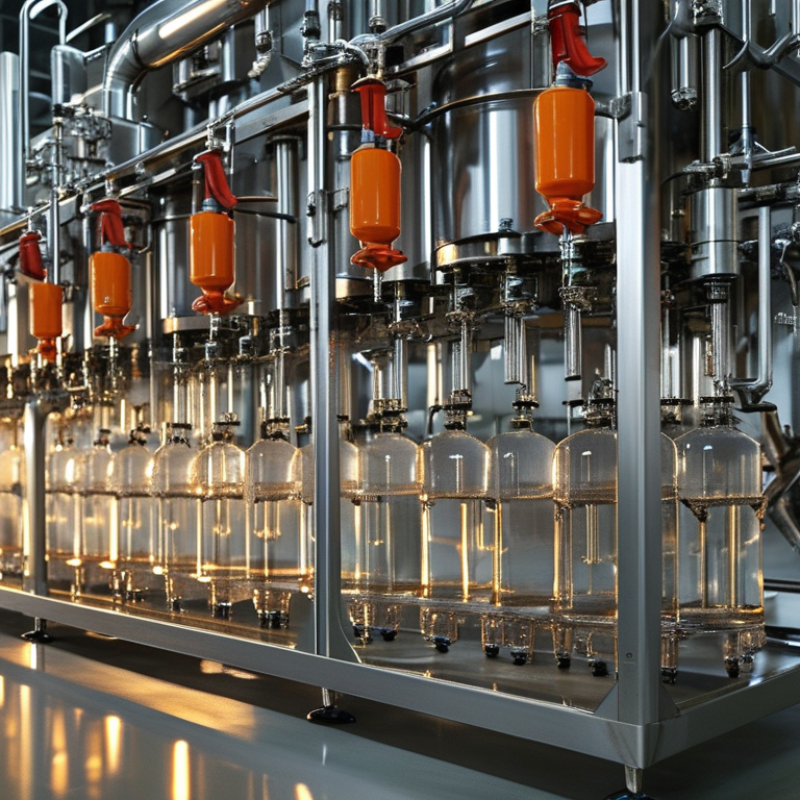
Cleaning liquid filling machines is crucial in maintaining product quality. The residue left behind can contaminate future batches. This not only affects safety but also impacts the flavor and consistency of liquids. Regular cleaning helps avoid cross-contamination, ensuring that the integrity of each product is preserved.
Effective cleaning requires a systematic approach. Start by disassembling the machine as specified by the manufacturer. Pay special attention to areas where liquid may accumulate. Use appropriate cleaning agents that are suitable for the materials involved. Rinse thoroughly to remove all traces of cleaner. Don’t overlook small crevices; they can harbor bacteria. Some workers might skip these details due to time constraints, which can cause bigger problems later on.
Monitoring the cleaning process is essential. Keeping a log of cleaning activities helps in identifying patterns. If a machine continues to show contamination, it may indicate deeper issues. Frequent cleaning schedules should be established, adjusting them based on production levels. Reflect on past experiences; if an unexpected issue arises, revisit your cleaning protocol to enhance effectiveness. Each step, however minor, plays a significant role in the overall performance of the liquid filling machine.
: Cleaning is crucial for product quality and safety, preventing contamination and ensuring accuracy in filling.
The filling nozzles, pumps, and tanks are essential components that require regular cleaning attention.
Residue can affect accuracy in filling, potentially leading to a 10% loss in product yield.
Buildup can result in inconsistent flow rates, reducing machinery efficiency and overall productivity.
Proper tank cleaning prevents microbial growth, which can contribute up to 25% of contamination issues.
A combination of chemical and physical cleaning techniques enhances cleaning efficacy and prevents operational challenges.
Regular training helps staff understand cleaning needs, reducing risks and improving cleaning effectiveness.
Many operators believe a quick rinse is enough, overlooking the need for thorough cleaning.
Inadequate cleaning can lead to extended downtime, disrupting production schedules and increasing operational costs.
Implementing automated cleaning systems can improve efficiency and significantly reduce downtime in cleaning processes.
Cleaning liquid filling machines is essential for maintaining product quality and operational efficiency. Understanding the importance of regular cleaning helps to prevent contamination and downtime. Key components such as nozzles, filling tanks, and conveyors each have unique cleaning needs that must be addressed.
In a step-by-step guide on how to clean a liquid filling machine, it's crucial to focus on proper disassembly, use of suitable cleaning agents, and thorough rinsing. Best practices for sanitization should be employed to ensure compliance with health standards. Moreover, operators can face common challenges during the cleaning process, but implementing effective solutions can facilitate a smoother routine. Overall, knowing how to clean a liquid filling machine not only enhances performance but also safeguards the integrity of the products being filled.

 Collins Machine