What Is Continuous or Impulse Sealing How to Choose?

Time:2026-10-18 Author:Oliver
0%

Choosing a packaging sealer is rarely as simple as comparing machine prices. The better question is how to choose between continuous and impulse sealers for your products, materials, and daily workload. Each technology creates a dependable seal, but each performs differently beside a busy packing bench.

Packaging equipment specialist John Henry explains, “A sealer should fit the package, not force the package to fit the machine.” That practical view matters. Impulse sealers apply heat only when the jaws close. They suit intermittent work, small batches, and varied pouch sizes. An operator can seal a sample bag, inspect the seam, and adjust the temperature or dwell time. The process feels controlled, though inconsistent pressure can still create weak spots.

Continuous sealers keep moving. They work well for repetitive production, especially with thermoplastic bags containing powders, snacks, or lightweight components. A conveyor can maintain steady output while date coding or nitrogen flushing is added. However, speed can hide mistakes. A wrinkled film edge may pass through several packages before anyone notices.

Film thickness, seal width, product contamination, and required output should guide the decision. Consider maintenance, operator training, available floor space, and future growth. Do not choose only from a specification sheet. Test your actual bags.

Sometimes, the cheaper machine becomes expensive. A small trial run can reveal heat distortion, leaking corners, or tiring manual steps. I have found that real packaging behavior often challenges the first assumption. That is not failure. It is useful evidence before committing to equipment.
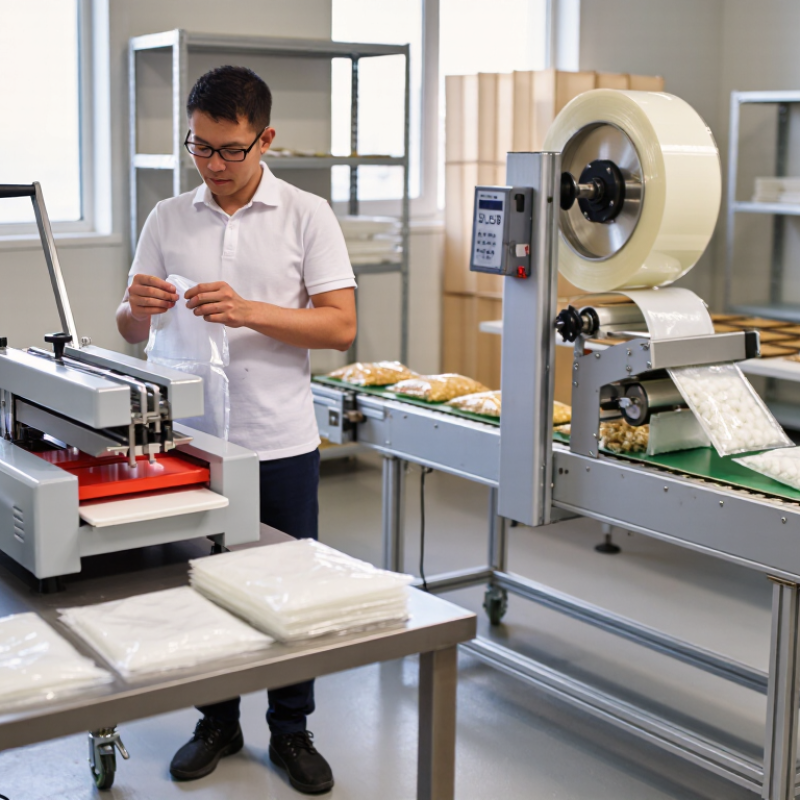
What Is Continuous or Impulse Sealing How to Choose?

What Is Continuous Sealing?

Continuous sealing is a production method for closing bags without stopping the packaging line. Unlike impulse sealing, it uses heated rotating bands or wheels. These bands apply steady heat, pressure, and movement to the film. As the pouch passes through, thermoplastic layers soften and bond together. The process suits powders, snacks, pet food, and medical packaging. It works best with compatible heat-sealable films and stable film tension. Keep the film moving.

The commercial case is practical. The Flexible Packaging Association’s 2024 State of the U.S. Flexible Packaging Industry Report estimated industry sales at about $39.8 billion in 2023. This large volume increases demand for faster, repeatable sealing. Continuous systems can support long production runs and reduce manual handling. However, speed alone does not prove better performance. Poor alignment may create wrinkles, weak seals, or product leakage. A faster machine can also magnify small temperature errors. In real production, the choice is less obvious than equipment brochures suggest.

Tips: Test the actual film before purchase. Check seal strength, band temperature, conveyor speed, and pressure together. Inspect the seal under bright light. Look for channels, burns, and trapped powder. Record results from at least three runs. A short trial may miss problems that appear after hours of heat buildup. PMMI packaging guidance also emphasizes operator training and preventive maintenance, yet these details are often underestimated.

What Is Impulse Sealing?

Impulse sealing uses short bursts of heat to close thermoplastic packaging films. The sealing bars heat only during the sealing cycle, then cool while pressure remains applied. This creates a clean, controlled seal without continuously heating the equipment. It works well with polyethylene, polypropylene, and laminated heat-sealable films.

In practice, seal quality depends on temperature, pressure, and dwell time. Thicker films usually need more heat or a longer cycle. Too much heat can wrinkle the film or weaken its inner layer. Too little heat may leave channels that allow air or moisture to pass. I check the seal width, surface appearance, and pull strength after adjustment. A simple visual check is useful, but it is not enough for critical packaging.

Impulse sealing is suitable for intermittent work, different bag sizes, and operations that need moderate energy use. Clean sealing bars matter. Dust, product residue, or uneven film can cause weak points. I would test several samples before regular production, especially when changing film suppliers or thicknesses. There is no universal setting. That part is easy to underestimate. Operators should also keep hands clear of the heated area and follow the equipment’s safety instructions.

How Do Continuous and Impulse Sealers Work?

Continuous and impulse sealers create secure package closures in different ways. Continuous sealers use heated belts or wheels that move constantly across the film. The package passes through the machine while heat, pressure, and speed work together. This method suits long production runs and repeatable sealing. Operators can watch the seal form in real time. A weak seal often shows wrinkles, gaps, or uneven melting.

Impulse sealers work differently. Their heating element activates only when the jaws close. Pressure holds the material while a short electrical pulse creates the seal. The bar then cools before opening. This saves energy between packages and works well for occasional or changing jobs. In practice, seal quality depends on temperature, dwell time, pressure, and film thickness. I have seen operators increase heat when the seal looked weak, but excessive heat damaged the package instead. That is an easy mistake.

Tips: Test several sample bags before regular production. Check the seal by gently pulling both sides. Look for a clean, continuous bond. Keep the film flat and free from dust or product residue. Continuous models may improve output, while impulse models may offer better control for smaller batches. The best choice depends on material behavior, package size, workspace, and operator skill. Sometimes the cheaper-looking option costs more through rework. Reconsider the choice after real testing.

What Are the Main Differences Between Them?

What Is Continuous or Impulse Sealing? How to Choose?

Continuous sealers apply steady heat while a film moves through the machine. They suit high-volume work, such as sealing many bags in a row. The seal can remain consistent when speed, temperature, and pressure stay stable.

Impulse sealers heat only when the jaws close. This creates a short, controlled sealing cycle. They often work well for occasional packing, thicker materials, and products with different bag sizes. However, the operator must allow enough cooling time. A seal may look complete but still peel open if the film has not cooled properly. That mistake is common.

Tips: Check the material structure before choosing equipment. Polyethylene, laminated films, and coated papers may require different heat settings. Test at the lowest effective temperature, then inspect the seal by hand and with a simple pull test. Keep the sealing surfaces clean. Small crumbs can form weak channels across the seal. Continuous systems can improve speed, but they may waste more material during setup. Impulse systems offer flexibility, yet repeated manual operation can create uneven pressure. In practice, the better choice depends on workload, film thickness, operator skill, and required seal strength. There is no universal winner. A short production trial often reveals more than a specification sheet.

How to Choose the Right Sealing Method?

Choosing between continuous and impulse sealing depends on your material, production rhythm, and quality requirements. Continuous sealing uses heated belts to close bags while they move through the machine. It suits steady production and repeated packaging tasks. Impulse sealing applies heat only when the jaws close. It works well for occasional packing, short runs, and many thermoplastic films.

Start with the film, not the machine. Check its sealing temperature range, thickness, coating, and moisture sensitivity. A thin polyethylene pouch may seal quickly with impulse heat. A laminated bag may need controlled pressure and a longer cooling stage. Test real samples, including dusty or slightly wrinkled bags. Clean edges matter more than many operators expect.

Then measure your workflow. How many bags require sealing each minute? Can someone place every bag consistently? A continuous unit may reduce handling during high-volume work. An impulse unit may offer better control when bag sizes change often. Seal width also affects strength and appearance. Wider seals are not automatically safer. I would avoid choosing by speed alone. A fast machine can create weak channels if temperature, pressure, or dwell time is poorly adjusted.

Record test settings and inspect seals after cooling. Pull tests, leak checks, and visual checks provide useful evidence. Do not rely only on a fresh seal; some defects appear later. Consider cleaning access, operator training, and maintenance time. The cheapest option may become expensive during repeated adjustments. There is no perfect method for every package. Practical trials often challenge the first decision.

FAQS

What is impulse sealing?

Impulse sealing closes thermoplastic film with brief heat bursts. The bars heat during closure, then cool under pressure. Clean and controlled.

How does continuous sealing differ?

Continuous sealing uses steady heated belts while film moves through the machine. It suits repeated, high-volume packaging. Setup may waste more film.

Which materials can impulse sealers handle?

They commonly handle polyethylene, polypropylene, and laminated heat-sealable films. Coatings and thickness change the required settings. Always test the actual film.

What controls seal quality?

Temperature, pressure, and dwell time control the seal. Thick film may need more heat or time. Excess heat can wrinkle film or weaken inner layers. Insufficient heat can leave channels for air or moisture.

How should a new sealing setting be tested?

Begin at the lowest effective temperature. Seal several real samples, including wrinkled or dusty bags. Let them cool fully. Check width, appearance, pull strength, and leakage. A visual check alone is not enough.

Why is cooling time important?

The seal may look complete before it gains enough strength. Opening the bag too quickly can cause peeling. Wait.

When is continuous sealing better?

Choose it for steady production and repeated bag sizes. It can reduce manual handling when operators feed bags consistently. Speed alone can mislead. Poor settings may still create weak channels.

When is impulse sealing better?

Choose it for short runs, changing bag sizes, or intermittent work. It offers flexible control and moderate energy use. Manual pressure may vary. That matters.

What safety and maintenance practices matter?

Keep sealing bars clean and free from crumbs, dust, and product residue. Uneven film can create weak points. Keep hands away from heated areas and follow equipment instructions. Record settings after testing. The cheaper option may not stay cheaper.

Conclusion

Continuous sealing uses a heated sealing band or wheel to create an uninterrupted seal while bags or pouches move steadily through the machine. It is well suited to high-volume packaging because it supports fast, consistent operation and can often handle a wide range of bag lengths. Impulse sealing, by contrast, applies heat in short pulses only when the sealing jaws close. This method generally uses less energy between sealing cycles and is suitable for intermittent production, smaller batches, and heat-sensitive packaging materials.

The main differences involve operating style, production speed, energy use, and equipment requirements. Continuous sealers are ideal for businesses that need constant throughput and uniform results, while impulse sealers offer greater simplicity, flexibility, and control for occasional or varied packaging tasks. To understand how to choose between continuous and impulse sealers, consider your production volume, material type, bag dimensions, required seal strength, available workspace, and budget. Selecting the right method ensures efficient operation, reliable packaging, and consistent sealing quality.

Oliver

Oliver

Oliver is a seasoned marketing professional with a wealth of expertise in driving brand awareness and engagement. With a deep understanding of our company's product offerings, he consistently delivers high-quality content that enriches our professional blog. His insights not only shed light on......