Understanding the importance of torque adjustment on automatic capping machines is crucial for efficiency. Industry expert Mark Thompson emphasizes, “Proper torque ensures seals are reliable and minimizes product loss.” This highlights the need for correct adjustments in capping processes.
Adjusting torque has direct implications on product integrity. Too much torque can damage caps, while too little leads to leakage. It is essential to know how to adjust torque on automatic capping machines to maintain quality. Each product has specific torque requirements based on size and material, making expertise vital.
Many operators overlook torque settings in routine maintenance. They often assume the default settings are sufficient. However, this can lead to inconsistent closure quality. Training staff on how to adjust torque on automatic capping machines can greatly reduce mistakes. This knowledge fosters operational excellence and enhances the overall production process.
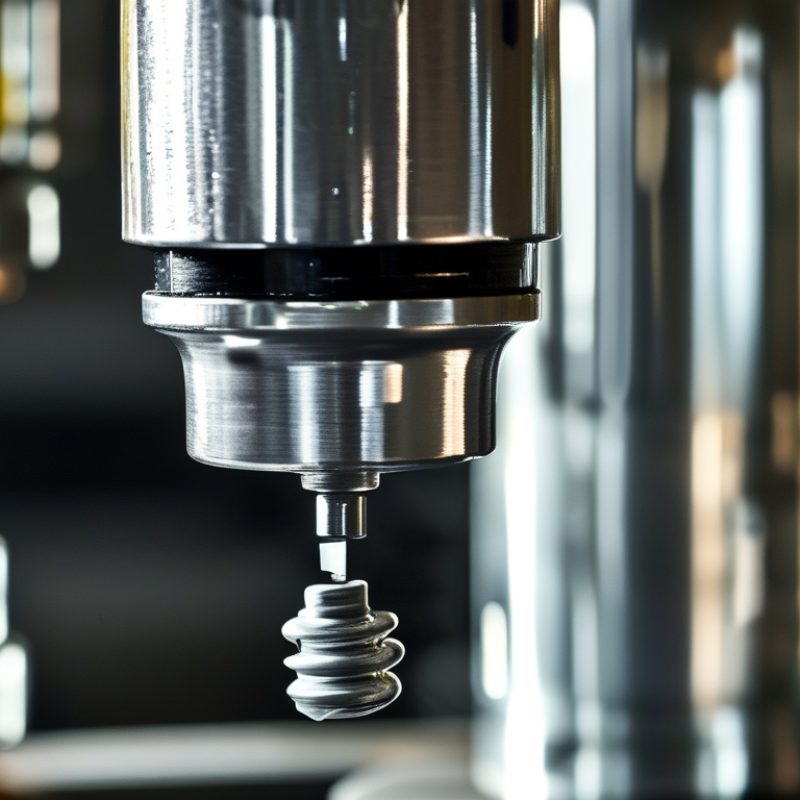
Torque plays a crucial role in the effectiveness of automatic capping machines. It refers to the rotational force applied to close a cap tightly. Proper torque ensures caps are secure enough to prevent leaks without damaging the container. Achieving the right balance is key. Too much torque can deform caps, while too little can lead to product contamination.
Adjusting torque settings is not a one-time task. Regular assessments may be necessary due to varying factors like cap materials and container shapes. Operators need to be attentive. For example, a recent study indicated that 10% of product failures were linked to improper torque settings. This shows the importance of consistent monitoring and adjustment.
In an industrial setting, understanding torque can improve operational reliability. Operators should be trained in evaluating torque performance. However, it's not always easy. Some machines may have complex settings, leading to confusion. Documenting findings and sharing experiences can foster a culture of continuous improvement in capping methods.
This chart illustrates the correlation between torque levels and the frequency of capping issues encountered in automatic capping machines. Optimal torque significantly reduces the likelihood of problems, highlighting the importance of precise torque adjustments.
Adjusting torque on an automatic capping machine directly influences product integrity. Proper torque levels ensure a secure seal, preventing leaks and product spoilage. In industries like food and pharmaceuticals, maintaining consistent torque is vital. An inadequate seal can compromise safety and lead to costly recalls.
One important tip: regularly calibrate your capping machine. Calibration helps maintain accuracy. Even small deviations can result in significant issues. Train your staff to recognize the signs of under-tightening or over-tightening. For instance, if a cap is difficult to remove, torque might be set too high. This can damage the container.
Another tip: monitor environmental factors. Fluctuations in temperature and humidity can affect lid performance. Products stored under varied conditions may face inconsistent sealing. Conduct regular checks to ensure equipment operates within specified limits. Adapting to these changes can enhance the effectiveness of your capping process.
Inadequate torque settings on automatic capping machines can severely impact product integrity. A study found that 30% of packaging failures stem from inappropriate torque levels. Over-tightening can lead to deformation of caps, while under-tightening may cause leaks. These issues can result in significant financial losses and affect brand reputation.
Proper torque is crucial for maintaining consistent sealing performance. Industry standards suggest that an optimal torque range exists for various closures. Deviations from this range can increase the risk of capping failures. Inconsistent torque can also lead to variations in filling processes, affecting overall production efficiency.
Real-world implications show that companies frequently need to reassess their capping machine settings. Many operators overlook regular torque adjustments, risking increased spoilage and recalls. Regular audits indicate that nearly 40% of facilities lack adequate torque monitoring protocols. It's essential to recognize that while automation improves efficiency, it cannot eliminate the need for precise calibration.
Adjusting torque on automatic capping machines directly influences operational efficiency in packaging. Correct torque ensures that caps are fastened securely. This prevents leaks and product spoilage. Conversely, inadequate torque may lead to loose caps. Loose caps allow contamination, affecting product integrity. Striking the right balance is essential for maintaining quality.
Operators must monitor torque settings regularly. A torque that's too high can damage caps or containers. This creates additional costs in wasted materials. It can also slow down production rates. Understanding the specific needs of your packaging process is vital. Trials can uncover the optimal torque levels for different products.
Operational efficiency hinges on these adjustments. Each product may require a unique torque setting. Practices may vary by industry. Training staff to recognize torque issues enhances the operation. Operators often overlook this detail, which can lead to significant setbacks. Periodic assessment and adjustments promote better outcomes in the long run.
Calibrating torque on automatic capping machines is crucial for ensuring product integrity. Proper torque prevents leaks and maintains the freshness of beverages or food items. An unstable torque can lead to damaged caps or product spoilage. Regular adjustments ensure that these machines work optimally.
Best practices include using a calibrated torque wrench for measurements. Regularly checking and adjusting torque settings can help maintain consistent results. Training operators on the importance of proper torque is essential. Misunderstandings can lead to inconsistent cap tightness, which affects product quality.
Operators should routinely analyze cap performance. Monitoring failures and reviewing data can provide insights into torque adjustments. Inconsistencies might arise from machine wear or environmental factors. A proactive approach helps avoid future issues and enhances reliability. Small mistakes can lead to larger problems in the long run.
: Proper torque ensures a secure seal, preventing leaks and spoilage, crucial for product integrity.
Over-tightening can deform caps, damaging containers and leading to product loss.
Inadequate torque can cause leaks and spoilage, leading to financial losses and possible recalls.
Regular calibration of capping machines helps maintain accuracy and reduces the risk of capping failures.
Fluctuations in temperature and humidity can impact seal quality, leading to inconsistent capping.
Training helps prevent misunderstandings about torque settings, ensuring consistent cap tightness and product quality.
Neglecting adjustments can lead to increased spoilage and affect overall production efficiency.
Operators should analyze performance data and observe failures to make informed torque adjustments.
Caps that are difficult to remove may signal over-tightened settings, necessitating adjustments.
Many facilities lack adequate monitoring, risking product integrity and brand reputation through potential recalls.
Adjusting torque on automatic capping machines is crucial for maintaining product integrity and ensuring effective sealing. Proper torque levels play a significant role in preventing leaks and ensuring that caps are securely fastened, which ultimately facilitates product quality and safety. Inadequate torque settings can lead to compromised capping performance, resulting in increased wastage and operational disruptions.
To optimize efficiency in packaging, it's essential to understand how to adjust torque on automatic capping machines accurately. Implementing best practices for torque calibration can enhance operational performance and reduce risks associated with improper sealing. Maintaining the right torque not only ensures a seamless production process but also supports overall quality assurance in packaging operations.

Collins Machine